
Satyanarayana Vratham in Karthika Masam 2026: Best Dates in India, Home Vidhi, Materials and Prasadam
Planning a Satyanarayana Swamy Vratham this Karthika? The auspicious 2026 dates in India with Drik Panchang tithi times (Karthika Pournami falls on Tuesday 24 November), a simple step-by-step home vratham, a materials checklist, the five-chapter katha in brief and how to make the traditional rava prasadam.
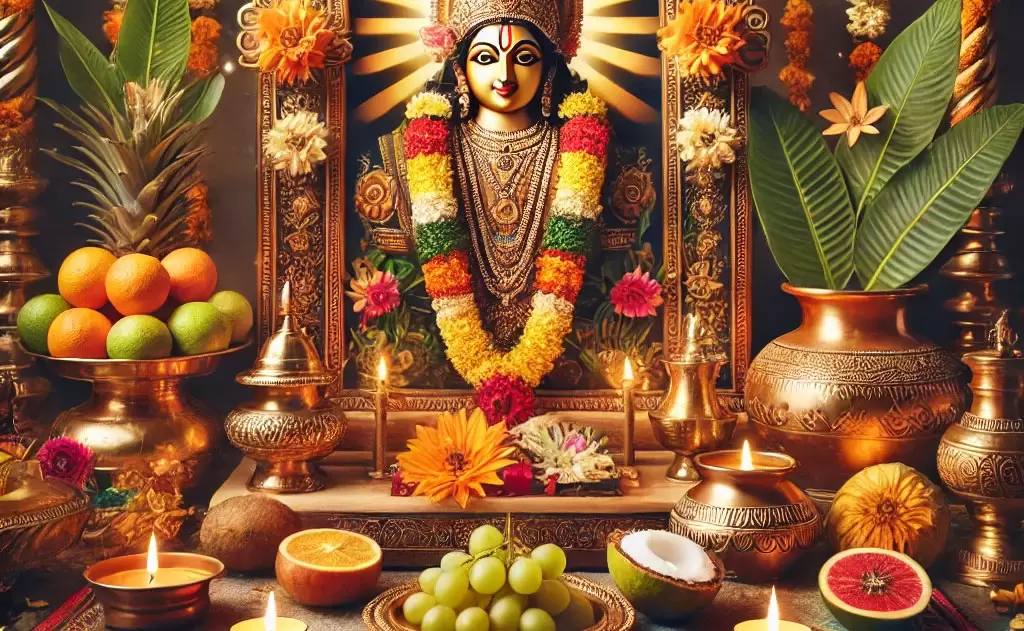
Planning a Satyanarayana Swamy Vratham this Karthika? The auspicious 2026 dates in India with Drik Panchang tithi times (Karthika Pournami falls on Tuesday 24 November), a simple step-by-step home vratham, a materials checklist, the five-chapter katha in brief and how to make the traditional rava prasadam.
Quick answer: The most popular day for Satyanarayana Swamy Vratham in Karthika Masam 2026 is Karthika Pournami, Tuesday 24 November (Purnima tithi from 11:42 PM Mon 23 Nov to 8:23 PM Tue 24 Nov, IST). Other auspicious choices in India are Devutthana Ekadashi (Fri 20 Nov), Ksheerabdi Dwadasi (Sat 21 Nov), Vrishchika Sankranti (Mon 16 Nov) and the four Karthika Somavarams (16, 23, 30 Nov and 7 Dec). Karthika Masam runs from Tuesday 10 November to Tuesday 8 December 2026. Below: the full date table, a simple home vidhi, materials and the prasadam.
Why Karthika is a favourite month for the vratham
Satyanarayana Swamy, worshipped as a form of Lord Vishnu, is the deity of the most widely performed household vratham in the Telugu states. Families do it for a griha pravesam, after a wedding, on a birthday, after a recovery or simply to give thanks. Many keep the custom of doing it on Purnima.
Karthika adds a special reason. As traditionally believed, Lord Vishnu wakes from his four-month rest on Uttana Ekadashi in this month, and Karthika is counted as sacred to both Vishnu and Shiva. A vratham on Karthika Pournami is therefore seen as doubly auspicious, and temples like Annavaram are at their busiest. In the North Indian purnimanta calendar, Kartik also ends on Purnima, 24 November 2026.
Auspicious dates in Karthika Masam 2026 (India)
Tithi at sunrise and tithi end times are from Drik Panchang (New Delhi day panchang). Tithi end times are IST instants and are the same across India; local panchangams may differ slightly.
| Date (2026) | Tithi at sunrise (ends) | Occasion | Note for the vratham |
|---|---|---|---|
| Mon 16 Nov | Shukla Saptami (4:19 AM Tue 17 Nov) | First Karthika Somavaram; Vrishchika Sankranti | Sankranti and Somavaram on one day |
| Fri 20 Nov | Dashami (7:15 AM), then Ekadashi | Devutthana / Uttana Ekadashi | Vishnu's waking day; many fast |
| Sat 21 Nov | Dwadashi (4:56 AM Sun 22 Nov) | Ksheerabdi Dwadasi / Tulasi Vivah | Strongly Vaishnava day; good for the vratham |
| Mon 23 Nov | Chaturdashi (11:42 PM) | Second Somavaram; Vaikuntha Chaturdashi | Purnima begins at 11:42 PM |
| Tue 24 Nov | Purnima (8:23 PM) | Karthika Pournami | Most popular day; finish within Purnima if your family prefers |
| Mon 30 Nov | Krishna Saptami (12:11 AM Tue 1 Dec) | Third Somavaram | Quieter weekday option |
| Mon 7 Dec | Krishna Chaturdashi (4:12 AM Tue 8 Dec) | Fourth Somavaram; Masik Shivaratri | Last Monday of Karthika |
Other weekend options in the month include Saturday 14 November and Sunday 15 November (Skanda Sashti), and Sunday 22 November. Any clean, auspicious day chosen with your family priest is fine; the vratham is not limited to Purnima.
Sunset on Karthika Pournami (for evening vrathams)
If you plan an evening vratham on Tuesday 24 November, these are IST sunset times, approximate to plus or minus one minute. Purnima ends at 8:23 PM IST everywhere in India.
| City | Sunrise Tue 24 Nov | Sunset Tue 24 Nov |
|---|---|---|
| Hyderabad | 6:24 AM | 5:40 PM |
| Vijayawada | 6:14 AM | 5:33 PM |
| Visakhapatnam | 6:06 AM | 5:21 PM |
| Tirupati | 6:14 AM | 5:42 PM |
| Warangal | 6:21 AM | 5:35 PM |
| Bengaluru | 6:21 AM | 5:51 PM |
| Chennai | 6:10 AM | 5:40 PM |
| Mumbai | 6:49 AM | 6:00 PM |
Materials checklist
A home vratham needs fewer things than people fear. A common list:
- Picture or small idol of Satyanarayana Swamy; a low wooden stool (peeta) and a new cloth to cover it
- Kalasham (brass or copper pot), water, mango leaves, a coconut, a blouse piece or small cloth
- Rice for the base, turmeric, kumkum, sandalwood paste, akshatalu (rice with turmeric)
- Turmeric Ganapati (a small cone of turmeric paste) for the Ganapati pooja
- Flowers, Tulasi leaves, betel leaves and areca nuts, bananas and other fruits
- Panchamrutham: milk, curd, ghee, honey and sugar
- Deepam with ghee or oil, wicks, agarbatti, camphor for aarti
- Prasadam ingredients: rava (or wheat), ghee, sugar, milk, bananas, cardamom, cashews and raisins
- Dakshina and a copy of the Satyanarayana katha
Simple home vratham: step by step
This is a plain outline of how the vratham is commonly performed. Your family priest or your household's book may add steps such as Navagraha or Ashta Dikpalaka pooja.
- 1. Preparation. Bathe, clean the puja area, draw a rangoli, and set the peeta facing east. Some families build a small mandapam with banana stems.
- 2. Sankalpam. The couple or the person doing the vratham sits facing east, holds akshatalu and water, and states the intention: the date, the family name and the purpose of the vratham.
- 3. Ganapati pooja. Worship the turmeric Ganapati first with flowers, akshatalu and incense, asking that the vratham proceed without obstacles.
- 4. Kalasha pooja. Place the kalasham on a bed of rice, with mango leaves and the coconut on top, and invoke the sacred rivers into its water.
- 5. Satyanarayana pooja. Invite the Lord into the image and offer the upacharas: water, abhishekam with panchamrutham (to an idol, if used), cloth, sandal, flowers, Tulasi, incense, lamp and naivedyam. Many families chant 'Om Namo Narayanaya' or the Satyanarayana ashtottaram.
- 6. The katha. Read or listen to the five chapters of the Satyanarayana katha with everyone seated.
- 7. Aarti and prasadam. Offer camphor aarti, do pradakshina and namaskaram, then distribute the prasadam to every person present, including guests and helpers.
The katha in brief
The Satyanarayana katha, traditionally attributed to the Skanda Purana, is told in five chapters (adhyayas). Versions differ slightly, but the outline is commonly told like this:
- Chapter 1: Sage Narada, moved by people's suffering, asks Lord Vishnu for a simple path for householders, and the Lord teaches the vratham.
- Chapter 2: A poor Brahmin and a humble woodcutter perform the vratham and find their lives transformed.
- Chapter 3: A king and a merchant learn of the vratham; the merchant promises to perform it but keeps postponing.
- Chapter 4: The merchant's broken promise brings hardship until his family remembers the vow and keeps it.
- Chapter 5: A king who ignores the prasadam offered by simple cowherds suffers loss until he too honours it.
The repeated lesson is plain: keep your promises to God, and never refuse or neglect prasadam, however humble the person offering it. That is why distributing the prasadam to everyone is treated as essential.
Making the prasadam
The traditional prasadam is a soft sweet of roasted rava cooked with milk, sugar, ghee and mashed banana, finished with cardamom, cashews and raisins. In many Telugu homes the ingredients are taken in 'sapada' measure, one and a quarter units each, as a mark of the vratham. Some families use wheat rava or atta instead of semolina. Offer it to the Lord first, then share it.
Annavaram and temple vrathams
Sri Veera Venkata Satyanarayana Swamy temple at Annavaram, on Ratnagiri hill in Kakinada district, is the most famous place in Andhra Pradesh for this vratham, and Karthika is among its busiest seasons. Read our Annavaram Satyanarayana Swamy temple guide for Karthika Masam 2026. For vratham batches, timings and fees, check the temple's official website before you travel, as these change; we do not list them here.
For families abroad
Dates and tithi times outside India are not the same as India's, so do not use this table abroad. For a full NRI home method, see Satyanarayana Swamy Vratham at home: a simple NRI guide, and for local Karthika dates see the guides for the USA, the UK and Australia.
Frequently asked questions
What is the best day for Satyanarayana Vratham in Karthika Masam 2026?
Karthika Pournami, Tuesday 24 November 2026, is the most popular choice in India. Purnima tithi runs from 11:42 PM on Monday 23 November to 8:23 PM on Tuesday 24 November IST, so the day of 24 November falls within Purnima.
Can I do the vratham on a Somavaram or Ekadashi?
Yes. The vratham can be done on any auspicious day. In Karthika 2026 many families choose Devutthana Ekadashi (Fri 20 Nov), Ksheerabdi Dwadasi (Sat 21 Nov) or one of the four Somavarams (16, 23, 30 Nov and 7 Dec). Some prefer to avoid fasting days for a pooja with a full prasadam meal; ask your family priest.
Morning or evening: when should the vratham be done?
Both are traditional. Many Telugu families do it in the morning after bath; many versions of the katha mention doing it in the evening. On 24 November, Purnima ends at 8:23 PM IST, so families who want the pooja within Purnima tithi often start in the morning or early evening.
Do I need a priest?
A priest is traditional and helps with the sankalpam and the reading of the katha, but many families perform a simple version themselves, with one member reading the five chapters of the katha aloud. Sincerity and sharing the prasadam are what the story itself stresses.
What is the prasadam for Satyanarayana Vratham?
The traditional prasadam is a sweet made of rava (or wheat), ghee, sugar, milk and banana, often called sheera, rava kesari or prasadam. As commonly prepared, the ingredients are taken in one and a quarter measures. Everyone present should receive it.
Can I do the vratham at Annavaram during Karthika?
Yes, Annavaram in Andhra Pradesh is the best-known place for the vratham, and Karthika is one of its busiest months. Check the temple's official website or the AP Endowments channels for current vratham batches, timings and fees before travelling.
Related guides
- Karthika Masam 2026
- Karthika Pournami 2026
- Karthika Somavaram 2026 dates in India
- Karthika Pournami 2026 Purnima time, India city-wise
- Ksheerabdi Dwadasi and Tulasi Vivah 2026
- Tulasi pooja in Karthika Masam 2026: daily vidhi
- Karthika Masam 2026 calendar day by day
Editor's note (9 October 2026)
All dates and tithi times are from Drik Panchang (New Delhi day panchang; tithi end instants are IST and identical across India). City sunrise and sunset times are calculated IST values, approximate to plus or minus one minute; local panchangams may differ slightly. The vidhi and katha summary describe common practice and traditional belief; family and regional versions vary. No 2026 temple schedules or fees are stated; check official temple sources.
You might also like
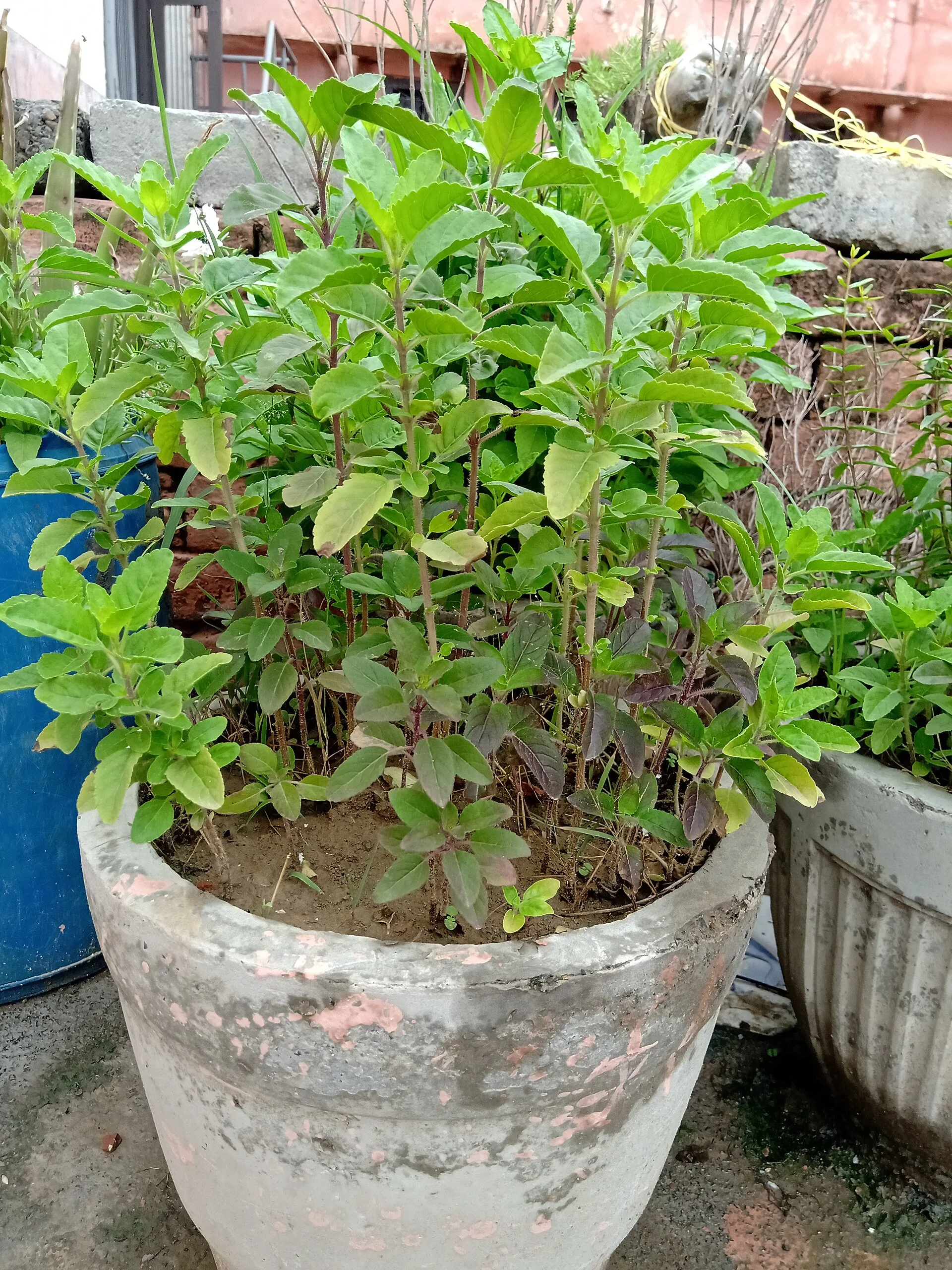
Tulasi Pooja in Karthika Masam 2026: Daily Vidhi, Sloka, Ksheerabdi Dwadasi (21 November) and Plant Care
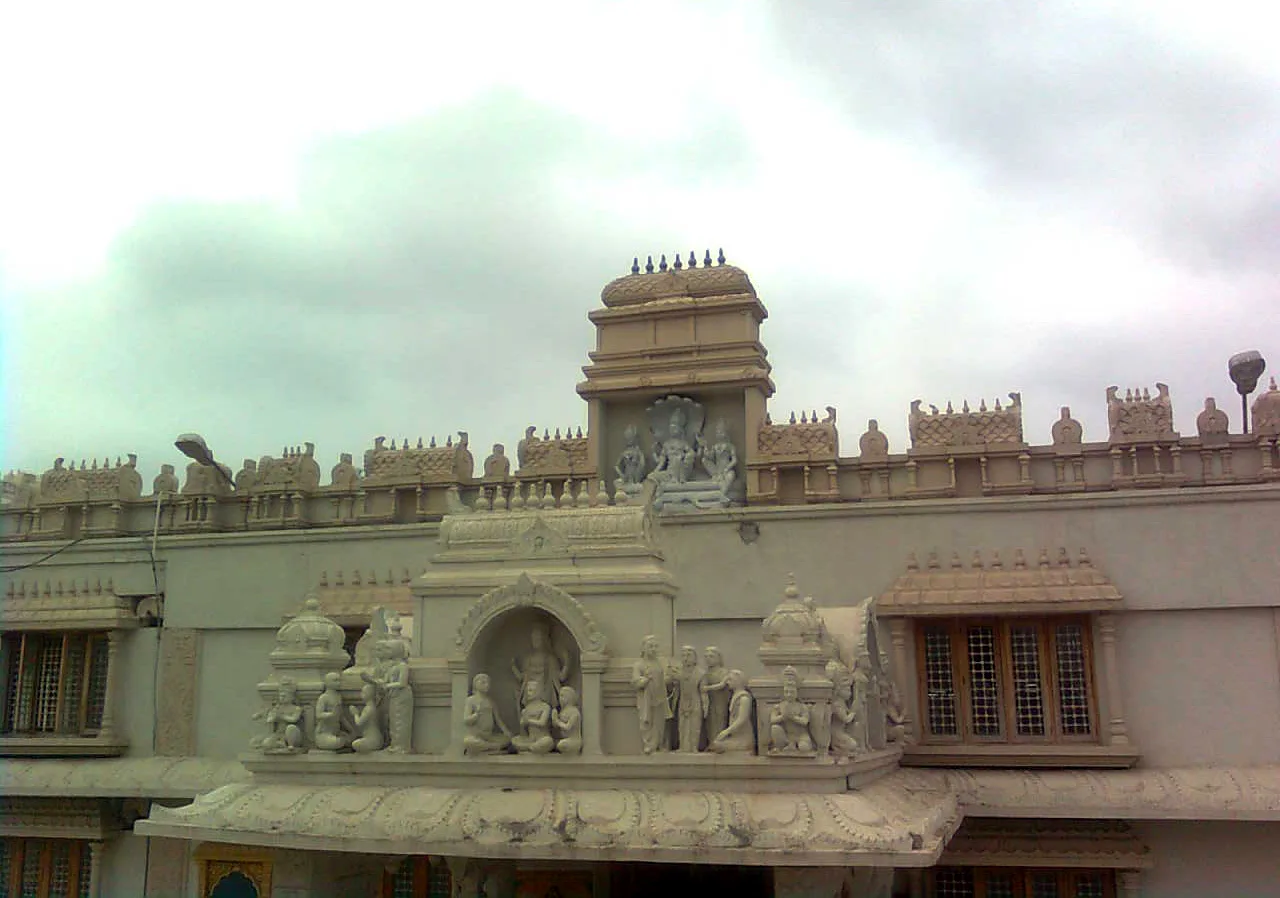
Annavaram Satyanarayana Swamy Temple in Karthika Masam 2026: Vratham Days, Legend and Travel Guide

Shodashopachara Puja: The 16 Steps of Hindu Worship Explained, with a Simple Home Version
