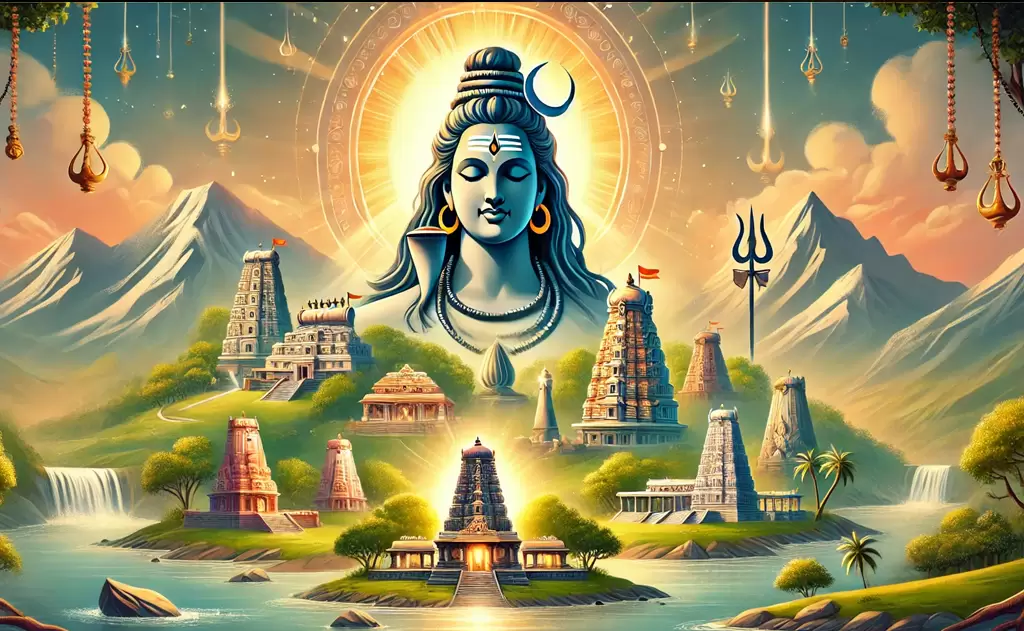
Devi Aparadha Kshamapana Stotram (Na Mantram No Yantram): Full Text with Meaning
The Devi Aparadha Kshamapana Stotram, 'na mantram no yantram', is a child's prayer to the Divine Mother asking forgiveness for every lapse in worship. Here are all 12 verses in Devanagari and IAST from sanskritdocuments.org, with our own verse-by-verse meaning, when it is traditionally recited and how to recite it.
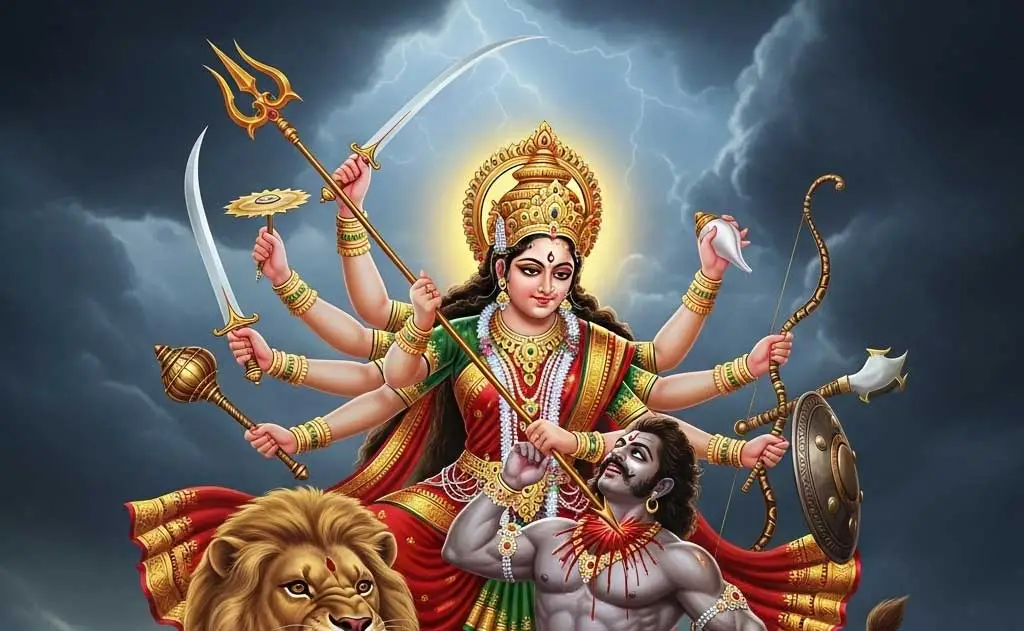
The Devi Aparadha Kshamapana Stotram, 'na mantram no yantram', is a child's prayer to the Divine Mother asking forgiveness for every lapse in worship. Here are all 12 verses in Devanagari and IAST from sanskritdocuments.
Quick answer: The Devi Aparadha Kshamapana Stotram ('the hymn asking the Goddess to forgive our faults'), which begins 'na mantram no yantram', is a Sanskrit hymn of 12 verses traditionally attributed to Adi Shankaracharya. The devotee confesses that he knows no mantra, ritual or hymn and has failed in every duty, yet trusts the Divine Mother completely: 'a bad son may sometimes be born, but there is never a bad mother'. It is traditionally recited at the end of a Devi puja or Navaratri recitation, and on Fridays.
Last updated: 20 October 2026. The Sanskrit below is the complete text published by sanskritdocuments.org (file dapradh.itx; Author field: Shankaracharya), converted to Devanagari and IAST by software from the source, with no word typed by hand; one word division is corrected as explained in the editor's note. Our own plain-English meaning follows every verse.
Devi Aparadha Kshamapana Stotram: full text with meaning
Each verse appears in Devanagari and then in IAST transliteration, followed by its meaning. Verses 1 to 8 are in the long shikharini metre, four lines to a verse; verses 9 to 12 are shorter.
Opening
॥ अथ देव्यपराधक्षमापणस्तोत्रम् ॥
|| atha devyaparādhakṣamāpaṇastotram ||
Meaning: Here begins the Devi Aparadha Kshamapana Stotram, the hymn asking the Goddess to forgive our faults.
The child who knows no ritual (verses 1 to 4)
Verse 1
न मन्त्रं नो यन्त्रं तदपि च न जाने स्तुतिमहो
न चाह्वानं ध्यानं तदपि च न जाने स्तुतिकथाः ।
न जाने मुद्रास्ते तदपि च न जाने विलपनं
परं जाने मातस्त्वदनुसरणं क्लेशहरणम् ॥ १॥
na mantraṃ no yantraṃ tadapi ca na jāne stutimaho
na cāhvānaṃ dhyānaṃ tadapi ca na jāne stutikathāḥ |
na jāne mudrāste tadapi ca na jāne vilapanaṃ
paraṃ jāne mātastvadanusaraṇaṃ kleśaharaṇam || 1||
Meaning: I know no mantra and no yantra, and alas, no hymn of praise; I know neither how to call you nor how to meditate on you, nor the stories told in your praise. I know neither your mudras nor how to cry out to you. But this I know, Mother: following you takes away all suffering.
Verse 2
विधेरज्ञानेन द्रविणविरहेणालसतया
विधेयाशक्यत्वात्तव चरणयोर्या च्युतिरभूत् ।
तदेतत् क्षन्तव्यं जननि सकलोद्धारिणि शिवे
कुपुत्रो जायेत क्वचिदपि कुमाता न भवति ॥ २॥
vidherajñānena draviṇaviraheṇālasatayā
vidheyāśakyatvāttava caraṇayoryā cyutirabhūt |
tadetat kṣantavyaṃ janani sakaloddhāriṇi śive
kuputro jāyeta kvacidapi kumātā na bhavati || 2||
Meaning: Through ignorance of the rules, through lack of wealth and through laziness, and because I could not do what ought to be done, I have fallen away from your feet. Forgive all this, Mother, auspicious one who lifts up everyone: a bad son may sometimes be born, but there is never a bad mother.
Verse 3
पृथिव्यां पुत्रास्ते जननि बहवः सन्ति सरलाः
परं तेषां मध्ये विरलतरलोऽहं तव सुतः ।
मदीयोऽयं त्यागः समुचितमिदं नो तव शिवे
कुपुत्रो जायेत क्वचिदपि कुमाता न भवति ॥ ३॥
pṛthivyāṃ putrāste janani bahavaḥ santi saralāḥ
paraṃ teṣāṃ madhye viralataralo'haṃ tava sutaḥ |
madīyo'yaṃ tyāgaḥ samucitamidaṃ no tava śive
kuputro jāyeta kvacidapi kumātā na bhavati || 3||
Meaning: On earth, Mother, you have many sons who are simple and good; among them I am a restless and fickle son of yours. To abandon me would not be fitting for you, O auspicious one: a bad son may sometimes be born, but there is never a bad mother.
Verse 4
जगन्मातर्मातस्तव चरणसेवा न रचिता
न वा दत्तं देवि द्रविणमपि भूयस्तव मया ।
तथापि त्वं स्नेहं मयि निरुपमं यत्प्रकुरुषे
कुपुत्रो जायेत क्वचिदपि कुमाता न भवति ॥ ४॥
jaganmātarmātastava caraṇasevā na racitā
na vā dattaṃ devi draviṇamapi bhūyastava mayā |
tathāpi tvaṃ snehaṃ mayi nirupamaṃ yatprakuruṣe
kuputro jāyeta kvacidapi kumātā na bhavati || 4||
Meaning: Mother of the world, I have done no service at your feet, and I have not given you much wealth, O Goddess. Yet you shower on me a love beyond compare: a bad son may sometimes be born, but there is never a bad mother.
Refuge in the Mother alone (verses 5 to 8)
Verse 5
परित्यक्ता देवा विविधविधसेवाकुलतया
मया पञ्चाशीतेरधिकमपनीते तु वयसि ।
इदानीं चेन्मातस्तव यदि कृपा नापि भविता
निरालम्बो लम्बोदरजननि कं यामि शरणम् ॥ ५॥
parityaktā devā vividhavidhasevākulatayā
mayā pañcāśīteradhikamapanīte tu vayasi |
idānīṃ cenmātastava yadi kṛpā nāpi bhavitā
nirālambo lambodarajanani kaṃ yāmi śaraṇam || 5||
Meaning: Weary of the many kinds of service they demand, I have given up the other gods, and now my life has passed beyond eighty-five years. If your grace does not come to me now, Mother, where shall I go for refuge, without any support, O mother of Ganesha?
Verse 6
श्वपाको जल्पाको भवति मधुपाकोपमगिरा
निरातङ्को रङ्को विहरति चिरं कोटिकनकैः ।
तवापर्णे कर्णे विशति मनु वर्णे फलमिदं
जनः को जानीते जननि जननीयं जपविधौ ॥ ६॥
śvapāko jalpāko bhavati madhupākopamagirā
nirātaṅko raṅko viharati ciraṃ koṭikanakaiḥ |
tavāparṇe karṇe viśati manu varṇe phalamidaṃ
janaḥ ko jānīte janani jananīyaṃ japavidhau || 6||
Meaning: When a syllable of your mantra enters someone's ear, O Aparna, even one with no standing or learning becomes eloquent with words sweet as honey, and a poor man lives long without fear, rich with millions in gold. Who, then, can know the full fruit of chanting your name with due method, Mother?
Verse 7
चिताभस्मालेपो गरलमशनं दिक्पटधरो
जटाधारी कण्ठे भुजगपतिहारी पशुपतिः ।
कपाली भूतेशो भजति जगदीशैकपदवीं
भवानि त्वत्पाणिग्रहणपरिपाटीफलमिदम् ॥ ७॥
citābhasmālepo garalamaśanaṃ dikpaṭadharo
jaṭādhārī kaṇṭhe bhujagapatihārī paśupatiḥ |
kapālī bhūteśo bhajati jagadīśaikapadavīṃ
bhavāni tvatpāṇigrahaṇaparipāṭīphalamidam || 7||
Meaning: Smeared with the ash of the cremation ground, with poison for food, clothed only by the directions, wearing matted hair and the king of serpents as a garland, holding a skull, lord of the spirits: that Pashupati holds the one title 'Lord of the world' is, O Bhavani, the fruit of his taking your hand in marriage.
Verse 8
न मोक्षस्याकाङ्क्षा भवविभववाञ्छापि च न मे
न विज्ञानापेक्षा शशिमुखि सुखेच्छापि न पुनः ।
अतस्त्वां संयाचे जननि जननं यातु मम वै
मृडानी रुद्राणी शिव शिव भवानीति जपतः ॥ ८॥
na mokṣasyākāṅkṣā bhavavibhavavāñchāpi ca na me
na vijñānāpekṣā śaśimukhi sukhecchāpi na punaḥ |
atastvāṃ saṃyāce janani jananaṃ yātu mama vai
mṛḍānī rudrāṇī śiva śiva bhavānīti japataḥ || 8||
Meaning: I have no longing for liberation, nor any wish for worldly riches; I seek no knowledge, O moon-faced one, nor do I wish for pleasure again. So I ask this of you, Mother: let my life pass in chanting 'Mridani, Rudrani, Shiva, Shiva, Bhavani'.
The closing prayers (verses 9 to 12)
Verse 9
नाराधितासि विधिना विविधोपचारैः
किं रुक्षचिन्तनपरैर्न कृतं वचोभिः ।
श्यामे त्वमेव यदि किञ्चन मय्यनाथे
धत्से कृपामुचितमम्ब परं तवैव ॥ ९॥
nārādhitāsi vidhinā vividhopacāraiḥ
kiṃ rukṣacintanaparairna kṛtaṃ vacobhiḥ |
śyāme tvameva yadi kiñcana mayyanāthe
dhatse kṛpāmucitamamba paraṃ tavaiva || 9||
Meaning: I have not worshipped you as prescribed, with the many offerings; what wrong have I not done with harsh thoughts and harsh words? Yet, O dark one (Shyama), if you show any compassion to me, who have no protector, that is worthy only of you, Mother.
Verse 10
आपत्सु मग्नः स्मरणं त्वदीयं
करोमि दुर्गे करुणार्णवेशि ।
नैतच्छठत्वं मम भावयेथाः
क्षुधातृषार्ता जननीं स्मरन्ति ॥ १०॥
āpatsu magnaḥ smaraṇaṃ tvadīyaṃ
karomi durge karuṇārṇaveśi |
naitacchaṭhatvaṃ mama bhāvayethāḥ
kṣudhātṛṣārtā jananīṃ smaranti || 10||
Meaning: Sunk in misfortune, I remember you, O Durga, ocean of compassion. Do not think this cunning of mine: children tormented by hunger and thirst remember their mother.
Verse 11
जगदम्ब विचित्रमत्र किं
परिपूर्णा करुणास्ति चेन्मयि ।
अपराधपरम्परापरं
न हि माता समुपेक्षते सुतम् ॥ ११॥
jagadamba vicitramatra kiṃ
paripūrṇā karuṇāsti cenmayi |
aparādhaparamparāparaṃ
na hi mātā samupekṣate sutam || 11||
Meaning: O Mother of the world, what is surprising here if your compassion towards me is complete? A mother does not abandon her son, though he commit fault after fault.
Verse 12
मत्समः पातकी नास्ति पापघ्नी त्वत्समा न हि ।
एवं ज्ञात्वा महादेवि यथायोग्यं तथा कुरु ॥ १२॥ ॐ ॥
matsamaḥ pātakī nāsti pāpaghnī tvatsamā na hi |
evaṃ jñātvā mahādevi yathāyogyaṃ tathā kuru || 12|| oṃ ||
Meaning: There is no sinner like me, and no remover of sin like you. Knowing this, O great Goddess, do as you think fit. Om.
Colophon
इति श्रीदेव्यपराधक्षमापणस्तोत्रं सम्पूर्णम् ।
iti śrīdevyaparādhakṣamāpaṇastotraṃ sampūrṇam |
Meaning: Thus ends the Shri Devi Aparadha Kshamapana Stotram.
The heart of the hymn: a child and a mother
Most stotras praise the deity's beauty and power. This one praises by confession. In verse 1 the devotee lists everything he does not know: mantra, yantra, invocation, meditation, the stories of the Goddess, the mudras. All he knows is that following her removes suffering. Verses 2 to 4 then repeat a single line that has become one of the best-loved sayings in Hindu devotion:
kuputro jāyeta kvacid api kumātā na bhavati: 'a bad son may sometimes be born, but there is never a bad mother.'
The rest of the hymn builds on that trust. Verse 7 says with gentle humour that even Shiva, with his ashes, poison and serpents, is called Lord of the world only because he married the Goddess. Verse 8 asks for nothing, not even liberation, except a life spent repeating her names. Verse 10 gives the simplest reason of all for turning to her in trouble: hungry children remember their mother.
| Verses | Theme |
|---|---|
| 1 | I know no ritual; I know only that following you removes suffering |
| 2 to 4 | I have failed you, but a mother never fails her child |
| 5 | I have left all other worship; where else can I go? |
| 6 to 7 | The power of a single syllable of her mantra; Shiva's glory comes from her |
| 8 | I ask only to keep chanting her names |
| 9 to 12 | Compassion is her nature; do as you think fit |
When is it traditionally recited?
- At the end of any Devi worship: after a puja, a Devi Mahatmya reading or a Navaratri recitation, to ask forgiveness for anything done wrongly or left undone. See our Navaratri guide and the nine-day Devi worship guide.
- On Fridays: Friday is a day of the Goddess in many families. See our Friday guide and the Friday rituals guide for NRI families.
- On Ashtami: the coming Masik Durgashtami days are Tuesday 17 November 2026 and Thursday 17 December 2026 (dates for New Delhi; check your local panchang abroad).
- In times of difficulty: verse 10 itself describes remembering the Mother when sunk in misfortune.
How to recite it at home
- Sit before a picture or lamp of the Goddess (Durga, Bhavani, Lalita or your family's form of Devi).
- If you are ending a puja, recite it after the final arati, with folded hands.
- Read the meaning of verse 1 first: it sets the tone of the whole hymn, that sincerity matters more than skill.
- Recite the 12 verses slowly. The refrain of verses 2 to 4 can be sung together by the whole family.
- Close by bowing and offering a flower, or by repeating verse 8's names: Mridani, Rudrani, Shiva, Bhavani.
Pronunciation help
- In the IAST, a line over a vowel (ā, ī, ū) means it is held twice as long; ṇ, ṭ and ḍ are made with the tongue curled back; ś and ṣ are both 'sh' sounds; c is always 'ch'.
- Verses 1 to 8 have a pause after the sixth syllable of each line: 'na mantraṃ no yantraṃ | tadapi ca na jāne stutimaho'.
- In verse 12, 'pāpaghnī' is said 'paa-pagh-nee', with the gh and n together.
Traditional beliefs about this hymn
The hymn itself states no reward. Devotees traditionally believe that reciting it with sincerity:
- completes a puja and makes up for its unintended lapses, as the closing prayers of many rituals do;
- softens pride and brings the humility that every tradition asks of a devotee;
- draws the Mother's compassion, as a child's call draws a mother.
These are matters of faith, not guarantees. The hymn is a prayer of trust, not a way to obtain particular results.
Tips for NRI families
- Teach the refrain first. Children pick up 'kuputro jāyeta kvacid api kumātā na bhavati' quickly, and its meaning is easy to explain.
- Pair it with other Devi hymns. The Bhavani Ashtakam, also attributed to Shankaracharya, has the same spirit of surrender; the Lalita Pancharatnam is a short morning prayer.
- For a fuller recitation, the Durga Saptashati is traditionally opened with the Devi Kavacham, the Argala Stotram and the Keelaka Stotram, and many add the Siddha Kunjika Stotram.
Frequently asked questions
Who composed the Devi Aparadha Kshamapana Stotram?
sanskritdocuments.org gives the author as Shankaracharya, and it is traditionally counted among the hymns of Adi Shankaracharya. Its colophon does not itself name the author, and some scholars doubt the attribution, partly because verse 5 speaks of being past eighty-five years of age.
What does 'kuputro jayeta kvacid api kumata na bhavati' mean?
'A bad son may sometimes be born, but there is never a bad mother.' It is the refrain of verses 2 to 4 and the heart of the hymn: the devotee admits every failure but trusts completely in the Mother's love.
When is it traditionally recited?
At the end of a Devi puja, a Navaratri recitation or a reading of the Devi Mahatmya, to ask forgiveness for anything done wrongly or left undone; and on Fridays, Ashtami and in times of difficulty.
Is this the same as the short kshamapana prayer said after the Saptashati?
No. The short prayer beginning 'aparadha-shatam kritva jagadambeti coccaret' is a different text, also on sanskritdocuments.org. Many people recite both: the short prayer as part of the Saptashati recitation and this hymn as a devotional song.
Does reciting it remove all sins?
The hymn makes no such promise. It is a prayer of humility and trust; it is traditionally believed to bring peace of mind and the Mother's grace, but it is not a guarantee of any result.
How long does it take?
About 5 to 6 minutes for all 12 verses at a gentle pace. Verses 1 to 8 are in a long metre; verses 9 to 12 are shorter.
Can anyone recite it?
Yes. It asks for nothing but sincerity: verse 1 itself says the devotee knows no mantra, yantra or ritual. It is recited by men and women of every age.
Editor's note (20 October 2026)
This page was published on 20 October 2026 at the address readers and search engines were already requesting. The Sanskrit is the full text of the Devi Aparadha Kshamapana Stotram on sanskritdocuments.org (file dapradh.itx, encoded and proofread by Ahto Jarve; Author field: Shankaracharya; the colophon names no author). In verse 11 the source divides 'vicitram atra' (what is surprising here) as 'vichitra matra'; we join it as 'vicitramatra', as in standard editions. No other letter is changed. The short prayer 'aparadha-shatam kritva' recited after the Saptashati is a different text (aparaadhakshamaa on sanskritdocuments.org) and is not printed here. In verse 6 a word naming a community once regarded as outside society is rendered 'even one with no standing or learning', which keeps the verse's point (the power of the mantra to raise anyone) without using a birth-based label. The attribution to Shankaracharya is given as the source states it.
Related guides
You might also like
Devi Kavacham (Durga Saptashati): Full Text with Meaning
Keelaka Stotram (Kilakam) of the Durga Saptashati: Full Text with Meaning
Gajendra Moksha Stotram (Srimad Bhagavatam 8.3): Full Text with Meaning