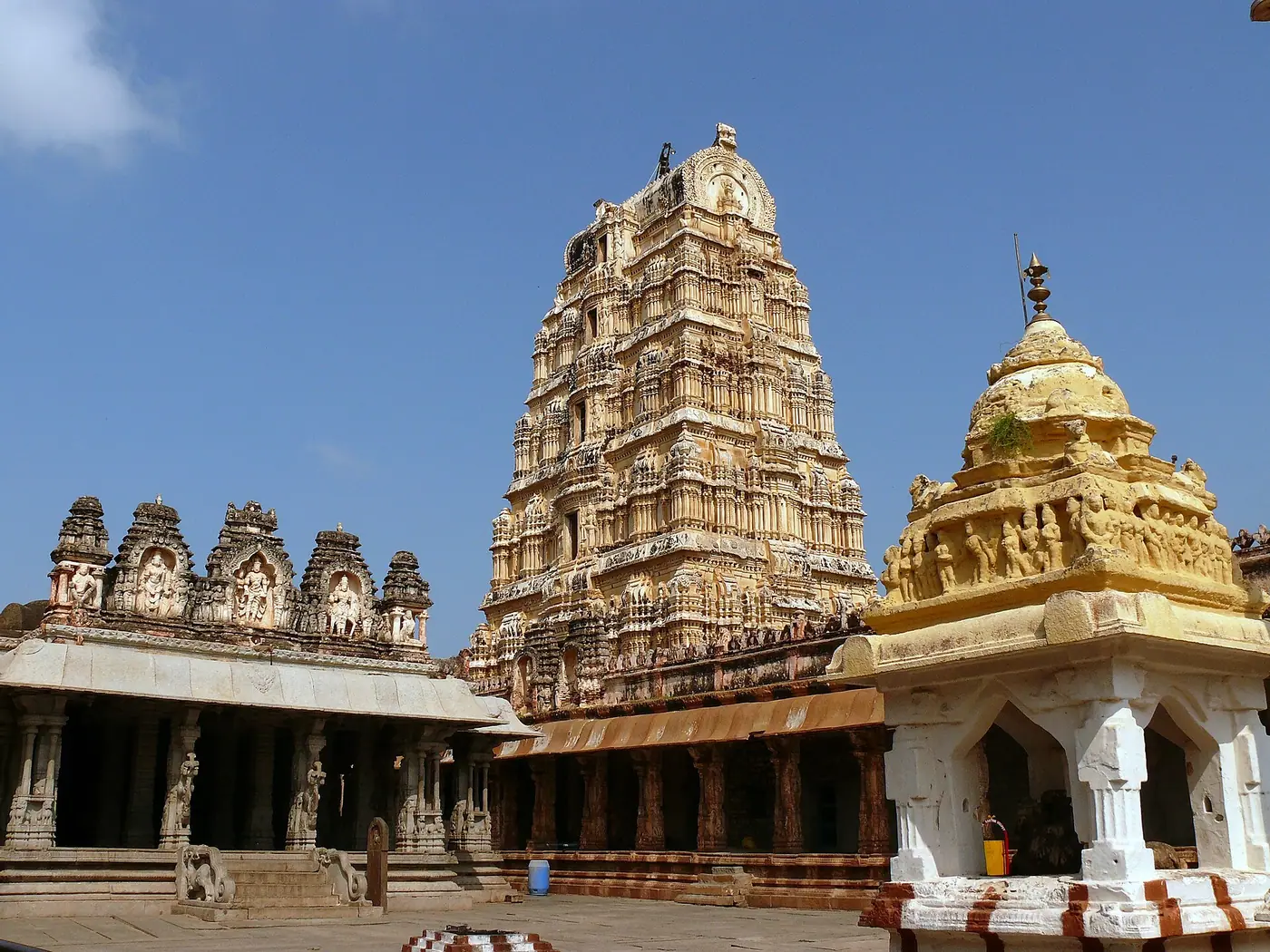
Famous Temples in Uttarakhand: A Source-Checked Guide to Kedarnath, Badrinath, Tungnath, Haridwar, Almora and More
A region-by-region guide to 11 Uttarakhand temples, written only from HinduTone's source-checked temple records: the Char Dham and Panch Kedar shrines of Kedarnath, Badrinath and Tungnath; Mansa Devi, Chandi Devi, Tapkeshwar and Mahasu Devta in Haridwar and Dehradun districts; and Kumaon's Katarmal Sun Temple, Kasar Devi, Chitai Golu Devta and Garjiya Devi. Each entry covers deity, recorded tradition and history, festivals and visitor notes, with a summary table, pilgrimage circuits, seasonal notes, tips for visitors from abroad and FAQs.
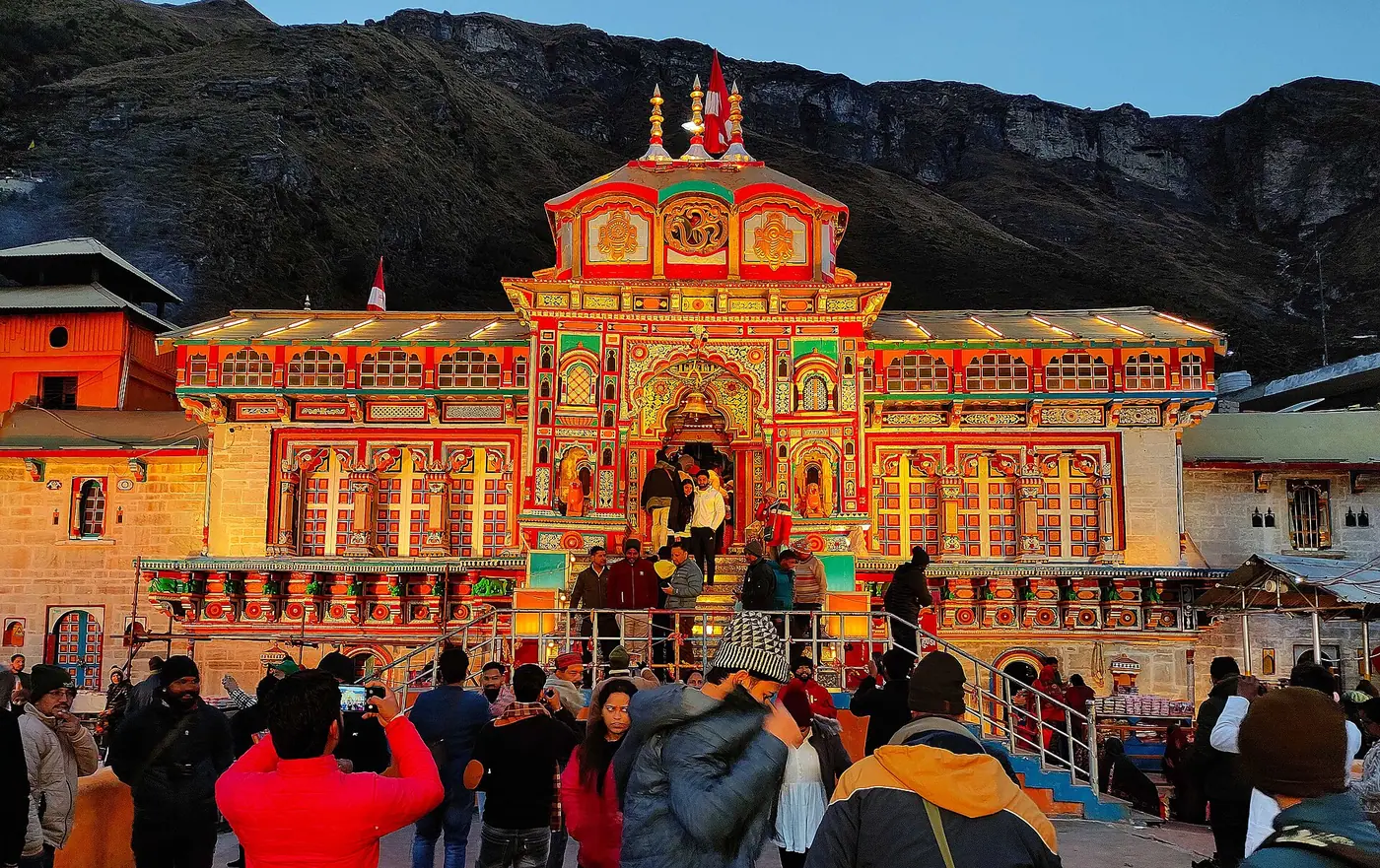
A region-by-region guide to 11 Uttarakhand temples, written only from HinduTone's source-checked temple records: the Char Dham and Panch Kedar shrines of Kedarnath, Badrinath and Tungnath; Mansa Devi, Chandi Devi, Tapkeshwar and Mahasu Devta in Haridwar and Dehradun districts; and Kumaon's Katarmal Sun Temple, Kasar Devi, Chitai Golu Devta and Garjiya Devi. Each entry covers deity, recorded tradition and history, festivals and visitor notes, with a summary table, pilgrimage circuits, seasonal notes, tips for visitors from abroad and FAQs.
Quick answer: This guide covers all 11 Uttarakhand temples in HinduTone's source-checked records, in three groups: the Char Dham and Panch Kedar shrines of Garhwal (Kedarnath, Badrinath and Tungnath), Haridwar and Dehradun districts (Mansa Devi, Chandi Devi, Tapkeshwar Mahadev and Mahasu Devta at Hanol) and Kumaon (Katarmal Sun Temple, Kasar Devi, Chitai Golu Devta and Garjiya Devi).
Last updated: 20 October 2026. Built from HinduTone's source-checked temple records (checked on 11 October 2026). The records do not publish fixed darshan timings, and the high Himalayan shrines open only for part of the year, so confirm timings, opening dates and registration with each temple before you travel.
Char Dham and Panch Kedar shrines of Garhwal
Three of Uttarakhand's high shrines are in our verified set. All three are administered by the Shri Badarinath Kedarnath Temple Committee (BKTC), a body constituted under a 1939 Act, and all close for the winter months.
Kedarnath Temple, Rudraprayag district
Near the head of the Mandakini river, at about 3,586 metres according to the Rudraprayag district administration, Shiva is worshipped at Kedarnath, which BKTC describes as the eleventh of the twelve Jyotirlingas. It heads the Panch Kedar group and is one of the four shrines of the Uttarakhand Char Dham. According to a tradition linked to the Mahabharata, Shiva avoided the Pandavas in the form of a bull, and its hump stayed behind here. A second tradition holds that Adi Shankaracharya established or revived the temple; his samadhi stands just behind it and was rebuilt after the June 2013 floods, which the temple came through with relatively little structural damage. No road reaches the shrine: the last stretch from Gaurikund is a steep trek, with ponies, palanquins and helicopter services. Each Maha Shivaratri, priests at Ukhimath announce the reopening date. Kedarnath temple page.
Badrinath Temple, Chamoli district
On the right bank of the Alaknanda among snow-capped ranges, Vishnu is worshipped as Badrinarayan in a self-manifested Shaligram image. BKTC counts it among the 108 Divya Desams. Badrinath belongs to two circuits: the Uttarakhand Char Dham and the all-India Char Dham with Dwarka, Puri and Rameswaram, as Hinduism Today explains; the town is also part of the Panch Badri group. According to tradition recounted by the temple committee, Vishnu took the form of Nar-Narayan here and performed austerities for the welfare of the world. Around the Tapt Kund hot spring lie the Panch Shila stones. The committee suggests staying at Joshimath and visiting as a day trip. Badrinath temple page. Thursday is the traditional day for Vishnu worship.
Tungnath Temple, Rudraprayag district
On Chandranath Parvat, at about 3,680 metres according to BKTC, Tungnath is one of the five Panch Kedar shrines. In the Panch Kedar tradition retold by the district administration, parts of Shiva's body reappeared at five places after he went underground to avoid the Pandavas: Tungnath is associated with his arms, Kedarnath with the hump, Rudranath with the face, Madhyamaheshwar with the navel and Kalpeshwar with the hair. A stone image of Adi Shankaracharya, about 2.5 feet tall, stands beside the linga, and a Nanda Devi shrine is located at Tungnath. Pilgrims walk roughly 3 to 3.5 km from Chopta, on the Gopeshwar to Ukhimath road, and the path continues to the Chandrashila summit. Tungnath temple page. See also the Monday Shiva vrat.
Haridwar and Dehradun districts
Haridwar's two goddess shrines sit on hills on either side of the town, while Dehradun district holds a riverside cave shrine and, far to the west, the seat of the Mahasu deity.
Mansa Devi Temple, Haridwar
On the summit of Bilwa Parvat, a hill in the Shivalik range a short distance from the main town, the goddess Mansa Devi is worshipped as the giver of wishes. Devotees regard the temple as a Siddh Peeth, a shrine where sincere wishes are believed to be granted, and The Economic Times describes it as one of the major Siddh Peeths of India. The shrine holds two images of the goddess, as The Hindu and The Economic Times report: one with three faces and five arms, and one with eight arms. The sources give no founding date or builder. Pilgrims climb a hill trail of about 2 km or take the ropeway known as the udan khatola. Mansa Devi temple page.
Chandi Devi Temple, Haridwar
On top of Neel Parvat, on the eastern bank of the Ganga across from Har Ki Pauri, the goddess Chandi is worshipped at a hilltop shrine. According to local legend recorded by the Haridwar district administration, Chandi killed Chanda and Munda, army chiefs of the demon kings Shumbha and Nishumbha, at this spot. Tradition holds that Adi Shankaracharya installed the main image, a matter of belief rather than documented history. Both the district administration and The Times of India date the present structure to 1929, when it was built by Suchat Singh, described as a ruler from Kashmir. In October 2015 the chief priest announced that animal sacrifice had been discontinued. Pilgrims trek about 3 km from Chandi Ghat or take the ropeway. Chandi Devi temple page.
Tapkeshwar Mahadev Temple, Dehradun
On the banks of the Tons (Tamasa) river in Dehradun, Shiva is worshipped as Tapkeshwar Mahadev in shrines set in natural caves, the Hindustan Times reports. The Economic Times and PTI have reported devotees gathering here on Maha Shivaratri, when security arrangements are made around the temple. The river setting brings risks: on 20 August 2022 a cloudburst in Dehradun's Raipur area flooded the river, water entered the temple's caves and the overflowing river cut access between Tapkeshwar and a nearby cave shrine. The record advises checking local conditions in the monsoon and confirming temple timings before visiting. Tapkeshwar temple page. See our Maha Shivaratri hub.
Mahasu Devta Temple, Hanol
In Jaunsar-Bawar, west of the Yamuna on the banks of the Tons, Hanol is the primary temple and main seat of Mahasu, the regional deity of the western Himalaya worshipped as four divine brothers (The Tribune). Devotees believe the deity speaks through an oracle known as the mali. According to tradition, a devotee from Kashmir named Huna Bhatt summoned the four brothers, who killed a demon named Kirmir. Anthropologist Lokesh Ohri identifies Hanol as the geographical centre of the cult. The stone-and-wood temple, with a Nagara shikhara and carved wooden superstructures, is protected by the Archaeological Survey of India's Dehradun Circle. The district administration lists an annual August fair with three days and nights of musical prayers, and thousands attended the 2023 Jagra vigil. Hanol is about 120 km along the Chakrata to Tiuni road. Mahasu Devta temple page.
Kumaon: Almora and Nainital districts
Kumaon's verified temples range from a ninth-century sun temple to living folk-deity shrines and a riverbed goddess temple near Corbett.
Katarmal Sun Temple (Bara Aditya), Almora
At Katarmal village, about 17 km from Almora, Surya is worshipped as Bara Aditya, also known as Burhadita or Vriddhaditya, 'the old Sun' (The Tribune). The Tribune reports that the temple was built in the 9th century by Katarmalla, a king of the Katyuri dynasty, and that the image of Surya dates to about the 12th century, while an older idol was moved to the National Museum in Delhi. The main temple is surrounded by 44 smaller shrines and is known for its carved pillars and doors. In 2021 the Times of India reported that Katarmal was being developed as a 'spiritual village' under the Swadesh Darshan scheme. Road access ends at Kosi, followed by a walk of about 1.5 to 3 km. Katarmal Sun Temple page. See also Surya worship on Sunday.
Kasar Devi Temple, Almora
On a hilltop ridge off the Almora to Bageshwar highway, at about 2,116 m, Kasar Devi, an incarnation of the goddess Durga, is worshipped in a simple stone temple overlooking the village of the same name, the New Indian Express describes. Visitors climb about 100 steps. Mid-day reports that Swami Vivekananda spent months meditating at Kasar Devi and that the hamlet drew travellers during the 1960s. Kasar Devi is about 8 km from Almora; visitors hike or take a bus or taxi, and should confirm opening times locally. Kasar Devi temple page.
Chitai Golu Devta Temple, Almora
Beside the Pithoragarh highway about 8 km from Almora, surrounded by pine forest, Golu Ji is revered in Kumaon as a god of justice. The Almora district administration describes him as Shiva in the form of Gaur Bhairav, and inside he is shown riding a white horse with a bow and arrow. Devotees write grievances or wishes as petitions, some on stamp paper as if filing a plea in court, and return to offer a bell when a wish is believed granted, so copper bells of many sizes fill the premises. Couples also marry here, believing they will stay bound together. The temple's origins are not documented; accounts link it to the Chand dynasty. Thousands gathered before Mahashivratri in 2025. Chitai Golu Devta temple page.
Garjiya Devi Temple, near Ramnagar
On top of a large rock rising out of the Kosi riverbed near Ramnagar in Nainital district, the goddess is worshipped as Garjia Devi, described by the district administration as Durga Devi and by Outlook Traveller as Parvati. Visitors climb a long flight of narrow steps to a view over the river. The district administration says the area is full of festivity on Kartik Purnima in November, and Navratri brings large crowds. In March 2024 the state government approved work to protect the mound the temple stands on, and in April 2024 a fire destroyed about 35 thatched shops in the complex, with no loss of life reported. The temple lies on the Ramnagar to Dhikala road near Corbett; check access when the river is high. Garjiya Devi temple page. Friday is a traditional day for Devi worship.
Uttarakhand temples at a glance
| Temple | District/City | Deity | Known for |
|---|---|---|---|
| Kedarnath | Rudraprayag | Shiva | Jyotirlinga; Panch Kedar; Char Dham |
| Badrinath | Chamoli | Vishnu (Badrinarayan) | Char Dham; Divya Desam |
| Tungnath | Rudraprayag | Shiva | Panch Kedar; trek from Chopta |
| Mansa Devi | Haridwar | Mansa Devi | Siddh Peeth on Bilwa Parvat |
| Chandi Devi | Haridwar | Chandi | Neel Parvat; 1929 temple |
| Tapkeshwar Mahadev | Dehradun | Shiva | Cave shrine; Maha Shivaratri |
| Mahasu Devta | Dehradun (Hanol) | Mahasu | Four brothers; ASI-protected |
| Katarmal Sun Temple | Almora | Surya | Katyuri era; 44 shrines |
| Kasar Devi | Almora | Kasar Devi (Durga) | Hilltop; Vivekananda |
| Chitai Golu Devta | Almora | Golu Ji | Petitions and bells |
| Garjiya Devi | Nainital | Garjiya Devi | Rock in Kosi river; Kartik Purnima |
Pilgrimage circuits in Uttarakhand
- Char Dham (verified shrines): Kedarnath via Gaurikund and Badrinath via Joshimath, with Rishikesh or Haridwar as the base. Gangotri and Yamunotri complete the Char Dham; they are not yet in our source-checked set.
- Panch Kedar (verified shrines): Kedarnath and Tungnath, linked by road through Ukhimath, where Kedarnath's winter worship continues at the Omkareshwar Temple. Rudranath, Madhyamaheshwar and Kalpeshwar complete the group; they are not yet in our source-checked set.
- Haridwar and Dehradun: Mansa Devi and Chandi Devi on the two hills of Haridwar, then Tapkeshwar Mahadev in Dehradun; Mahasu Devta at Hanol suits a separate trip into Jaunsar-Bawar.
- Almora circuit: Chitai Golu Devta, Kasar Devi and the Katarmal Sun Temple around Almora town.
- Corbett side: Garjiya Devi near Ramnagar, which pairs with a visit to the Corbett area or onward travel to Almora.
When to visit
The records tie the high shrines to a short season. Kedarnath typically opens in late April or May, with the Doli Yatra bringing the deity's palanquin up from Ukhimath, and closes on Bhai Dooj after Diwali; see our Bhai Dooj 2026 guide. Badrinath and Tungnath also open only part of the year, with dates announced annually by BKTC. Lower down, the Mahasu fair at Hanol falls in August, Garjiya Devi is crowded at Navratri and on Kartik Purnima (see our November 2026 festival calendar and Navratri Devi worship guide), and Tapkeshwar can flood in the monsoon. Festival days everywhere are crowded.
Visiting from abroad
Jolly Grant Airport near Dehradun and Pantnagar Airport are the airports named in these records, with Haridwar, Rishikesh, Kathgodam and Ramnagar as railheads. Take a rest day after a long flight before any high-altitude trek, as the Kedarnath record warns of altitude sickness, cold and sudden weather changes, and check state health advisories and IMD forecasts. Register for the Char Dham and book helicopters and rooms only through official government or temple channels. Dress modestly and in layers, carry a copy of your passport, and keep small cash for offerings and footwear counters. Our temple visit guide covers darshan and etiquette, and our temple safety tips help in crowds. See also the Hindu days of the week.
Frequently asked questions
Which Uttarakhand temples does this guide cover?
All 11 Uttarakhand temples in HinduTone's source-checked records, in three groups: the Char Dham and Panch Kedar shrines (Kedarnath, Badrinath, Tungnath), Haridwar and Dehradun districts (Mansa Devi, Chandi Devi, Tapkeshwar, Mahasu Devta at Hanol) and Kumaon (Katarmal, Kasar Devi, Chitai Golu Devta, Garjiya Devi). Each has a full section.
When are Kedarnath, Badrinath and Tungnath open?
Only for part of each year, because of Himalayan snow. Kedarnath typically opens in late April or May (22 April in 2026) and closes on Bhai Dooj after Diwali, when worship moves to the Omkareshwar Temple in Ukhimath. Opening and closing dates for all three are announced yearly by the Shri Badarinath Kedarnath Temple Committee, so confirm them before you book.
Do I need to register for the Char Dham Yatra?
Yes. The Kedarnath record says pilgrims to the Uttarakhand Char Dham shrines must register on the state government's portal, which the temple committee links from its website. Book helicopter seats only through IRCTC's official heli-booking portal, as the Rudraprayag district administration warns against unofficial sellers.
How do I reach Mansa Devi and Chandi Devi in Haridwar?
Both are hilltop shrines reached on foot or by ropeway (udan khatola). The records describe a hill trail of about 2 km to Mansa Devi and a trek of about 3 km from Chandi Ghat to Chandi Devi. Ropeway hours and fares are set by the operator, so confirm them locally.
Why do devotees hang bells at Chitai Golu Devta?
Golu Ji is revered in Kumaon as a god of justice. Devotees write their grievances or wishes as petitions, some on stamp paper, and return to offer a bell when they believe a wish has been granted, which is why bells fill the premises.
Is a visit to these temples a guaranteed remedy?
No. The records report beliefs such as wishes being granted at Mansa Devi or justice being granted by Golu Devta. These are matters of faith, and no outcome is guaranteed.
Editor's note (20 October 2026)
Every temple fact in this guide comes from HinduTone's source-checked temple records, which were researched against district administrations, state tourism and endowment departments, the Shri Badarinath Kedarnath Temple Committee, newspapers and temple directories and checked on 11 October 2026. Claims resting on a single source and temples not yet verified are left out. Opening dates, registration rules and timings change every season; please confirm them with the temple and the Uttarakhand authorities before travelling.
Related guides
- 12 Jyotirlingas: complete guide
- Famous temples in Maharashtra
- Famous temples in Andhra Pradesh
- Famous temples in Uttar Pradesh
- Famous temples in Madhya Pradesh
- Navratri and Dussehra 2026: 9-day Devi worship guide
- Lord Shiva hub
- Lord Vishnu hub
- Goddess Durga hub
- Hindu temple visit guide: darshan, dress code and etiquette
You might also like
Famous Temples in Maharashtra: A Source-Checked Guide to Ashtavinayak, Jyotirlingas, Pandharpur, Kolhapur and More
Famous Temples in Gujarat: A Source-Checked Guide to Somnath, Dwarka, Dakor, Ambaji, Modhera and More
Famous Temples in Kerala: A Source-Checked Guide to Guruvayur, Padmanabhaswamy, Vadakkunnathan, Attukal, Sabarimala and 70 More