12 Jyotirlingas of Lord Shiva: Complete Darshan Guide, Pilgrimage Circuits & NRI Travel Tips
Complete guide to all 12 Jyotirlingas of Lord Shiva — Somnath, Mallikarjuna, Mahakaleshwar, Omkareshwar, Kedarnath, Bhimashankar, Kashi Vishwanath, Trimbakeshwar, Vaidyanath, Nageshwar, Rameshwaram, Grishneshwar. Locations, legends, darshan timings, pilgrimage circuits, NRI travel tips, FAQs.
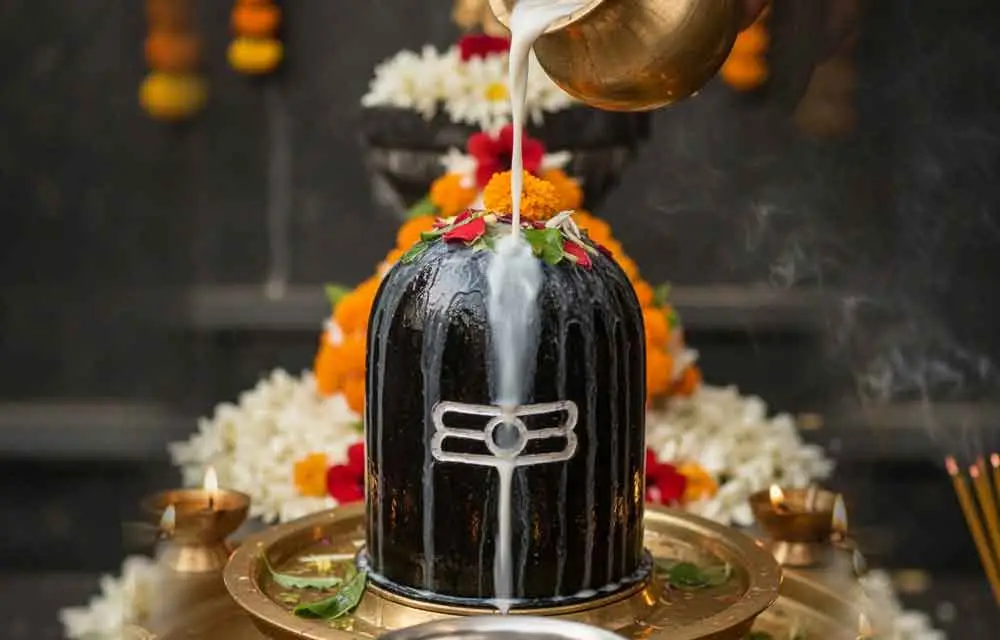
Complete guide to all 12 Jyotirlingas of Lord Shiva — Somnath, Mallikarjuna, Mahakaleshwar, Omkareshwar, Kedarnath, Bhimashankar, Kashi Vishwanath, Trimbakeshwar, Vaidyanath, Nageshwar, Rameshwaram, Grishneshwar. Locations, legends, darshan timings, pilgrimage circuits, NRI travel tips, FAQs.
The 12 Jyotirlingas are the most sacred shrines of Lord Shiva in Hinduism — physical sites across the Indian subcontinent where the supreme Shaivite tradition holds that Lord Shiva manifested himself as a column of light (jyoti-lingam = "light-form"). For Hindu devotees, completing the Dwadasa Jyotirlinga Yatra (pilgrimage to all 12) is one of the highest spiritual aspirations.
This complete HinduTone guide covers all 12 Jyotirlingas — their precise locations, divine legends, spiritual significance, current darshan timings, best times to visit, and detailed NRI travel guidance. Whether you plan a single visit, a regional circuit, or the complete Dwadasa Yatra, this guide is your starting point.
🔱 Har Har Mahadev — Om Namah Shivaya 🔱
What is a Jyotirlinga?
The Sanskrit word jyotirlinga literally translates as "the lingam of light." Hindu tradition holds that Lord Shiva — the formless absolute — first manifested in form at twelve specific locations across the Indian subcontinent as a column of fiery light. Each of these twelve sites became a jyotirlinga shrine. Visiting all twelve in a single lifetime is considered one of the highest spiritual achievements in Shaivism.
The twelve sites are listed in the Dwadasa Jyotirlinga Stotra composed by Adi Shankaracharya in the 8th century — a stotra that names each shrine and its location in two memorable verses:
Saurashtre Somnathamcha, Shrishaile Mallikarjunam | Ujjayinyam Mahakalam, Omkaramamaleshwaram || Paralyaam Vaidyanathamcha, Dakinyam Bhimashankaram | Setubandhe tu Ramesham, Nageshamcha Darukavane || Varanasyam tu Vishwesham, Tryambakam Gautami tate | Himalayetu Kedaram, Ghushmesham cha Shivalaye || Etani Jyotirlingani, Sayampratah pathennaraha | Saptajanmakritam Papam, Smaranena Vinashyati ||
Translation: "Reciting this list of the twelve Jyotirlingas morning and evening destroys the sins accumulated across seven lifetimes." This stotra is itself a powerful daily prayer for Shiva devotees who cannot visit the actual shrines.
The 12 Jyotirlingas — Complete Geographic and Sacred Map
The 12 Jyotirlingas span 7 Indian states and roughly 4,000+ kilometers if visited in the canonical order. Here is the complete list in scripture-order, with each shrine's location and key facts:
1. Somnath Jyotirlinga
Location: Prabhas Patan, Veraval, Gujarat
Sacred Legend: Lord Shiva manifested as a jyotirlinga to free Chandra (the Moon God) from a curse given by his father-in-law Daksha. The Moon's waxing-waning cycle owes itself to this episode. Somnath is widely called the "First Jyotirlinga."
Significance: First among the 12. Destroyed and rebuilt 17 times across history — most famously after the 1024 CE raid by Mahmud of Ghazni and the modern reconstruction inaugurated in 1951 by Sardar Vallabhbhai Patel. Located on the Arabian Sea coast.
Darshan Timings: Darshan: 6:00 AM – 9:30 PM. Aartis: 7:00 AM, 12:00 PM, 7:00 PM. Light & Sound Show: 8:00 PM – 9:00 PM daily
Best Time to Visit: October to March (cooler); avoid Maha Shivratri crowds (Feb-Mar) for relaxed darshan
NRI Travel Notes: Fly to Diu Airport (90 km) or Rajkot (190 km). Nearest railway: Somnath/Veraval. Stay options at Somnath Trust Guest House (book 3 months ahead for NRIs). 30 min beach walk after evening aarti is unforgettable.
2. Mallikarjuna Jyotirlinga
Location: Srisailam, Kurnool district, Andhra Pradesh
Sacred Legend: When Lord Shiva and Parvati settled Kartikeya's and Ganesha's dispute over priority (Ganesha won by circumambulating his parents), Kartikeya retreated to Krauncha Mountain. To pacify him, Shiva and Parvati moved to this peak as Mallikarjuna (Shiva) and Bhramaramba (Parvati). One of only two locations where a jyotirlinga and shaktipeetha coexist.
Significance: One of the most accessible jyotirlingas; the Nallamala forest temple complex is also a Shakti Peetha (Bhramaramba Devi). Krishna River flows alongside. Famous for the 50-foot temple gopuram.
Darshan Timings: Darshan: 4:30 AM – 10:00 PM. Maha Mangala Aarti: 5:30 AM. Naivedyam: 11:30 AM. Pradosha Puja: evenings on Trayodashi tithi
Best Time to Visit: October to February. Avoid mid-summer (April-May) due to forest heat. Maha Shivratri sees massive crowds — go in the second week if possible
NRI Travel Notes: Fly to Hyderabad/Vijayawada → 200-220 km road journey. Pre-book Srisailam Devasthanam guesthouse online. Free aarti darshan; ₹500 special darshan available. Combine with Mahanandi temple visit nearby.
3. Mahakaleshwar Jyotirlinga
Location: Ujjain, Madhya Pradesh
Sacred Legend: Lord Shiva manifested as Mahakaleshwar (the Great Lord of Time) to save Ujjain from a demon named Dushana. The lingam is "Swayambhu" (self-manifested) and "Dakshinamukhi" (south-facing) — exceptionally rare. Only jyotirlinga whose mukha (face) is to the south, the direction of death — symbolizing Shiva's power over Yama (death).
Significance: Famous for the daily Bhasma Aarti (sacred ash worship) at 4:00 AM — the ash is symbolic of cremation-ground ash. Most spiritually intense morning aarti among all 12 jyotirlingas. Ujjain is one of the seven sacred cities (Sapta Puri) of Hinduism.
Darshan Timings: Darshan: 3:00 AM – 11:00 PM. Bhasma Aarti: 4:00 AM – 6:00 AM (advance booking essential). Standard darshan: 6:00 AM onwards
Best Time to Visit: October to March. Most magical experience: book the Bhasma Aarti at least 6 months in advance via the official MP Tourism portal
NRI Travel Notes: Fly to Indore (55 km). Book Bhasma Aarti tickets 6 months in advance — they are limited daily and NRI quota does not exist; first-come basis. Combine with Kal Bhairav temple in Ujjain and Sandipani Ashram.
4. Omkareshwar Jyotirlinga
Location: Mandhata Island, Khandwa district, Madhya Pradesh
Sacred Legend: Lord Shiva manifested in response to a devotee's intense penance. The temple sits on a sacred island in the Narmada River — the island itself is shaped like the sacred syllable "Om" (ॐ) when viewed from above. The presence of both Omkareshwar and Mamleshwar jyotirlingas at the same site is unique (the original 12 count includes both as the singular "Omkareshwar").
Significance: Confluence of Narmada and Kaveri rivers (the latter is a small tributary). Pilgrims do the 7 km Parikrama around the entire Om-shaped island. Adi Shankaracharya is believed to have met his guru Govindapada in a cave here.
Darshan Timings: Darshan: 5:00 AM – 9:30 PM. Mangala Aarti: 5:30 AM. Naivedyam: noon. Sandhya Aarti: 7:30 PM
Best Time to Visit: October to March. Monsoon (June-September) is dramatic with full Narmada flow but ferry services may be limited
NRI Travel Notes: Fly to Indore (77 km). Two route options: Indore → road or Khandwa railway → 75 km. Many ferries cross from the mainland — the boat ride itself is part of the pilgrimage experience.
5. Kedarnath Jyotirlinga
Location: Rudraprayag district, Uttarakhand (3,583 m altitude)
Sacred Legend: After the Mahabharata war, the Pandavas sought Lord Shiva's forgiveness for killing their kin. Shiva, taking the form of a bull, hid in the Himalayas. When Bhima recognized him and tried to grab him, the bull dove into the ground. Five different body parts emerged at five different locations — the Panch Kedar. Kedarnath is the spot where the hump (back) emerged. Believed to date back over 1,000 years; rebuilt by Adi Shankaracharya in the 8th century.
Significance: Highest of all jyotirlingas (3,583 meters). One of the four Char Dhams of Uttarakhand. Survived the catastrophic 2013 flash floods miraculously (the rock behind the temple deflected the floodwater). Open only six months a year (April-October).
Darshan Timings: Darshan: 4:30 AM – 9:00 PM during open season. Mahabhishek: 4:30 AM. Sandhya Aarti: 7:00 PM. Temple closed Nov-April due to snow
Best Time to Visit: May to June (post snowmelt, before monsoon) and September to October (post-monsoon clear weather). Avoid July-August (peak monsoon = landslides + helicopter cancellations)
NRI Travel Notes: Fly to Dehradun (Jolly Grant) → 8 hour road to Sonprayag → 16 km trek OR helicopter (Phata/Sersi to Kedarnath helipad). For NRIs: book helicopter via IRCTC at least 60 days in advance. Bring serious cold-weather gear; temperatures drop below 5°C even in summer mornings. Health certificate recommended for trekkers over 50.
6. Bhimashankar Jyotirlinga
Location: Bhorgiri village, Pune district, Maharashtra (Sahyadri ranges)
Sacred Legend: Lord Shiva fought and killed the demon Tripurasura's son Bhima at this location. The sweat from Shiva's battle is said to have formed the source of the Bhima River, which flows from this region down to the Krishna River.
Significance: Source of the Bhima River. Set in the dense Bhimashankar Wildlife Sanctuary, famous for the rare Giant Indian Squirrel (Maharashtra's state animal). The temple architecture is Nagara style with distinctive black stone.
Darshan Timings: Darshan: 4:30 AM – 9:30 PM. Mahabhishek: 5:00 AM. Madhyana Aarti: 12:00 PM. Sandhya Aarti: 7:30 PM
Best Time to Visit: October to March. Monsoon (July-September) is spectacularly green but trails are slippery
NRI Travel Notes: Fly to Pune (110 km). Road via Manchar – Wada – Bhimashankar (3.5 hours). Trekkers can do the famous Bhimashankar trek from Khandas village. Best paired with Bhandardara hill station nearby. Cell coverage is poor in the sanctuary — download offline maps.
7. Kashi Vishwanath Jyotirlinga
Location: Varanasi, Uttar Pradesh
Sacred Legend: Lord Shiva established his eternal abode in Kashi (Varanasi) as Vishwanath, "Lord of the Universe." Tradition holds that Shiva himself whispers the Taraka mantra (the mantra of liberation) into the ear of anyone who dies in Kashi, ensuring their moksha. The current temple was rebuilt by Ahilyabai Holkar in 1780 CE after the original was demolished by Aurangzeb.
Significance: Most spiritually charged of all jyotirlingas. Varanasi is the world's oldest continuously inhabited city (3000+ years). The temple sits in the dense Vishwanath Galli lane and connects to the Ganga via Manikarnika Ghat (the principal cremation ghat). The new Vishwanath Dham corridor (inaugurated 2021) has dramatically improved access.
Darshan Timings: Darshan: 2:30 AM – 11:00 PM. Mangala Aarti: 3:00 AM. Bhog Aarti: 11:15 AM. Sandhya Aarti: 7:00 PM. Shringar Aarti: 9:00 PM. Shayan Aarti: 10:30 PM
Best Time to Visit: November to February (cooler). Avoid monsoon (river floods) and peak Maha Shivratri (Feb-Mar) for comfortable darshan
NRI Travel Notes: Fly to Varanasi Airport (Babatpur, 26 km). Mangala Aarti requires booking via the official Vishwanath Mandir website 7-30 days in advance. Combine with Ganga aarti at Dashashwamedh Ghat, Sarnath (Buddha's first sermon), and a sunrise boat ride. Photography is restricted inside the sanctum.
8. Trimbakeshwar Jyotirlinga
Location: Trimbak village, Nashik district, Maharashtra (Brahmagiri foothills)
Sacred Legend: When the great rishi Gautama was accused of brahmahatya (killing a cow that had died accidentally on his land), he performed intense penance to release the Ganga (here called Godavari). Lord Shiva manifested as Trimbakeshwar (three-faced lord) — the only jyotirlinga depicting Brahma, Vishnu, and Shiva together within a single lingam.
Significance: Source of the Godavari River (Maharashtra's most sacred river). The lingam has three distinct faces representing Brahma, Vishnu, and Shiva. Site of the famous Kumbh Mela every 12 years. Most authentic place for Narayan Nagbali, Tripindi, and Kalsarp Dosh rituals.
Darshan Timings: Darshan: 5:30 AM – 9:00 PM. Mahabhishek (only Brahmins inside sanctum): 6:00 AM – 7:00 AM. Sandhya Aarti: 7:00 PM
Best Time to Visit: October to March. Maha Shivratri and Kumbh Mela years see massive crowds. Best timed with Maha Mrityunjaya Jaap rituals (often booked here)
NRI Travel Notes: Fly to Nashik (28 km) or Mumbai (180 km). Major site for NRI Kalsarp Dosh rituals — book purohit at least 2 weeks in advance. Combine with Sapt-Shringi Devi temple and Anjaneri (Hanuman's birthplace) nearby.
9. Vaidyanath Jyotirlinga
Location: Deoghar, Jharkhand (also called Baidyanath Dham)
Sacred Legend: Ravana, the great Shiva devotee, undertook penance for the sake of obtaining Lord Shiva's lingam to take to Lanka. Shiva granted him the lingam on the condition that it must not be set down on the ground. While Ravana was bathing, the gods tricked him by transforming a child (actually Ganesha) into a bystander who held the lingam. The lingam was placed on the ground at this spot, where it became immovable — and this became the Vaidyanath Jyotirlinga.
Significance: Famous for the 105-km Kanwar Yatra during Shravan (July-August) — millions of saffron-clad pilgrims walk barefoot from Sultanganj on the Ganga, carrying Ganga water to offer at Vaidyanath. Considered the most powerful jyotirlinga for healing — the name "Vaidyanath" means "Lord of Physicians."
Darshan Timings: Darshan: 4:00 AM – 9:30 PM. Mangala Aarti: 4:30 AM. Madhyana Bhog: noon. Sandhya Aarti: 7:00 PM
Best Time to Visit: October to February. Shravan month (July-August) is the spiritual peak but also the most crowded with the Kanwar Yatra
NRI Travel Notes: Fly to Deoghar (new airport, 2018) or Patna (270 km). NRI services available at multiple ashrams. Combine with Basukinath (15 km — completes the Vaidyanath darshan tradition) and Sultanganj (origin point of the Kanwar Yatra).
10. Nageshwar Jyotirlinga
Location: Dwarka, Gujarat (on the Arabian Sea coast)
Sacred Legend: A merchant named Supriya was attacked by the demon Daruka. Supriya prayed deeply to Lord Shiva, who appeared and destroyed the demon. The lingam manifested at the site as Nageshwar — "Lord of Serpents." The 80-foot statue of Lord Shiva in meditation pose outside the temple is one of the largest in India.
Significance: Located near Dwarka, the city associated with Krishna. The 80-foot Shiva statue visible from miles away. The temple complex includes a museum with replica jyotirlingas of all 12 sites for those who cannot complete the full pilgrimage.
Darshan Timings: Darshan: 6:00 AM – 9:00 PM. Mangala Aarti: 6:00 AM. Madhyana Bhog: noon. Sandhya Aarti: 7:00 PM
Best Time to Visit: October to March. Easiest jyotirlinga to combine with Dwarka (one of Char Dham pilgrimage sites) and Somnath
NRI Travel Notes: Fly to Jamnagar (137 km) or Rajkot (240 km). Most NRI-friendly jyotirlinga — easy road access, ample accommodation, English-speaking guides. Combine the "Saurashtra circuit": Somnath + Dwarka + Nageshwar + Beyt Dwarka in 4-5 days.
11. Rameshwaram Jyotirlinga (Ramanathaswamy)
Location: Pamban Island, Tamil Nadu
Sacred Legend: After defeating Ravana and rescuing Sita, Lord Rama wished to absolve himself of the sin of killing a Brahmin (Ravana was a Brahmin by birth). Sita created a lingam from sand (Ramalingam), and Rama worshipped it. Hanuman arrived from Mount Kailasha with a stone lingam (Vishwalingam), and both lingams are now worshipped at the temple — Rama instructed that the Vishwalingam be worshipped first.
Significance: Southern terminus of the four Char Dhams of India (Badrinath, Puri, Dwarka, Rameshwaram). One of the seven sacred cities (Sapta Puri). Famous for the 22 sacred kunds (wells) within the temple — pilgrims traditionally bathe in all 22 before darshan. Longest temple corridor in India (212 meters).
Darshan Timings: Darshan: 5:00 AM – 1:00 PM, then 3:00 PM – 9:00 PM. Spatika Lingam Darshan: 5:00 AM – 6:00 AM (rare crystal lingam viewing)
Best Time to Visit: October to February. Avoid May-June (extreme heat) and October monsoon transition. The Pamban Bridge railway/road sea-link is itself spectacular
NRI Travel Notes: Fly to Madurai (170 km) → train or road. Pamban Bridge transit is among India's most scenic railway journeys. Combine with Madurai Meenakshi Amman Temple, Velankanni, and Kanyakumari. Spatika Lingam darshan: book Sthala Purana darshan ticket on arrival.
12. Grishneshwar Jyotirlinga
Location: Verul village, near Ellora, Aurangabad district, Maharashtra
Sacred Legend: A devout woman named Kusuma worshipped Shiva daily. Her co-wife murdered Kusuma's son out of jealousy. Kusuma's continued faith brought her son back to life through Shiva's grace. The lingam manifested as Grishneshwar (some traditions: Ghushmeshwar) — "Lord of Compassion."
Significance: Last of the 12 jyotirlingas. Located adjacent to the UNESCO World Heritage Ellora Caves — combining ancient Buddhist, Hindu, and Jain rock-cut architecture. The temple itself was rebuilt by Ahilyabai Holkar in the 18th century.
Darshan Timings: Darshan: 5:30 AM – 9:30 PM. Mangala Aarti: 5:30 AM. Sandhya Aarti: 7:30 PM
Best Time to Visit: October to March. Combine with Ellora Caves visit (closed Tuesdays) — the only jyotirlinga with a UNESCO World Heritage Site nearby
NRI Travel Notes: Fly to Aurangabad (30 km). Easy day trip from Aurangabad city. Pair with Ellora (UNESCO) + Ajanta Caves (UNESCO, 100 km) + Daulatabad Fort. Most NRIs combine this into a 3-4 day Aurangabad heritage trip.
Suggested Pilgrimage Circuits
Visiting all 12 in a single trip is rare and physically demanding (requires 25-35 days). Most pilgrims complete the yatra across 2-4 trips by region. Here are the four standard circuits:
Circuit 1 — Saurashtra (Gujarat Coast) — 5-7 days
- Somnath (Veraval, Gujarat)
- Nageshwar (Dwarka, Gujarat)
- Best season: October-March
- Total distance: ~400 km
- Difficulty: Easy — well-developed roads, hotels, NRI-friendly
Circuit 2 — Central India (Madhya Pradesh) — 4-5 days
- Mahakaleshwar (Ujjain, MP)
- Omkareshwar (Mandhata Island, MP)
- Both within 200 km of Indore — combine in single trip
- Best season: October-March
- Bhasma Aarti at Mahakaleshwar is the highlight (book 6 months ahead)
Circuit 3 — Maharashtra Pilgrimage — 7-10 days
- Bhimashankar (Pune district)
- Trimbakeshwar (Nashik)
- Grishneshwar (Aurangabad, near Ellora)
- Best season: October-March
- Combine with Ellora + Ajanta UNESCO sites for a heritage + spiritual journey
Circuit 4 — Northern Pilgrimage (Char Dham + Vishwanath + Vaidyanath) — 12-15 days
- Kedarnath (Uttarakhand)
- Kashi Vishwanath (Varanasi, UP)
- Vaidyanath (Deoghar, Jharkhand)
- Best season: May-June for Kedarnath; October-February for others
- Most physically demanding circuit due to Kedarnath altitude (3,583 m)
Circuit 5 — Southern Pilgrimage — 6-8 days
- Mallikarjuna (Srisailam, AP)
- Rameshwaram (Tamil Nadu)
- Combine with Tirupati for a complete Vaishnavite-Shaivite tour
- Best season: October-February
- Cultural depth: South Indian temple architecture, Tamil + Telugu traditions
The Complete Dwadasa Jyotirlinga Yatra (All 12 in One Trip)
For those undertaking the complete pilgrimage in a single trip, the recommended sequence (combining geographic efficiency with traditional order) is:
- Days 1-3: Somnath + Nageshwar (Gujarat)
- Days 4-6: Mahakaleshwar + Omkareshwar (Madhya Pradesh)
- Days 7-10: Bhimashankar + Trimbakeshwar + Grishneshwar (Maharashtra)
- Days 11-13: Mallikarjuna (Andhra Pradesh)
- Days 14-16: Rameshwaram (Tamil Nadu)
- Days 17-19: Kashi Vishwanath (UP)
- Days 20-22: Vaidyanath (Jharkhand)
- Days 23-28: Kedarnath (Uttarakhand) — requires preparation time + helicopter booking
Total duration: 28-32 days. Estimated cost for NRIs (excluding international airfare, twin-share economy): ₹1.5-2.5 lakhs / $1,800-3,000 USD. Most NRIs do this across 2-4 trips spread over several years.
Spiritual Preparation Before Yatra
- Begin with daily recitation of the Dwadasa Jyotirlinga Stotra for at least 30 days before the trip
- Maintain a sattvic diet (vegetarian, no garlic/onion) for at least 7 days before departure
- Carry a personal lingam or rudraksha rosary for use at each shrine
- Begin daily Lingashtakam or Bilvashtakam practice — see HinduTone guides
- Prepare for early mornings (most shrines open before sunrise)
- Mentally prepare for crowds — many shrines see 20,000+ daily devotees
- Read the Shiva Purana or at least the relevant chapters for each shrine
- Practice patience — temple darshan logistics, weather, and infrastructure vary widely
Practical Travel Tips for NRIs
Documentation
- Carry OCI card / valid Indian visa + multiple photocopies
- Carry photocopy of marriage certificate if traveling as couple (some temples request)
- Aadhaar or other Indian ID is helpful but not mandatory
- Booking confirmation printouts (digital often unreliable in remote areas)
Dress Code
- Traditional attire: dhoti/lungi + angavastram for men; saree/salwar kameez for women
- Western attire is increasingly accepted but traditional is preferred
- Avoid black clothing in temple premises (some temples disallow)
- Cover knees and shoulders mandatorily
- No leather items inside the sanctum — including watches, belts, wallets
Health Preparation
- Carry general medications: paracetamol, anti-allergy, ORS, antibiotic ointment
- For Kedarnath: altitude sickness medication (Diamox) — consult doctor 30 days before
- Walking shoes that are easily removable (temples require shoe removal)
- Travel insurance with helicopter evacuation coverage for Kedarnath
- Vaccinations: standard travel vaccines + Hep A/B updated
Photography & Mobile
- Almost all sanctum areas prohibit photography
- Exterior + temple complex photography usually permitted
- Switch phones to silent mode inside premises
- Some temples have phone deposit lockers (use them)
When You Cannot Visit — Virtual Darshan & Surrogate Worship
Not every devotee can complete the physical yatra. Hindu tradition provides several spiritually equivalent alternatives:
- Live online darshan: All 12 jyotirlinga temples now stream live aartis via YouTube/temple apps
- Replica lingams: Nageshwar (Dwarka) temple complex hosts replicas of all 12 — visiting all 12 in one location
- Daily Dwadasa Jyotirlinga Stotra recitation: Per Adi Shankaracharya's phalashruti, daily recitation = visiting in subtle form
- Sponsor a puja: Most temples accept remote puja sponsorship via official websites
- Stream Bhasma Aarti from Mahakaleshwar at 4:00 AM IST — many NRIs in time zones west of India wake at this time and join virtually
- Visit local Shiva temples on Mondays + Pradosha tithi — same merit on a different time scale
Best Time of Year for the Full Yatra
- October to February — best overall weather across India (cool, dry)
- March-April — pleasant in north India, hot in central + south
- May-June — Kedarnath opens (otherwise inaccessible). Rest of India is very hot
- July-August — Monsoon (avoid northern circuits — landslides). Shravan month = pilgrimage peak season
- September — late monsoon transition; unpredictable
Frequently Asked Questions
Q1. Is there a mandatory order for visiting the 12 Jyotirlingas?
Traditionally, the order in the Dwadasa Jyotirlinga Stotra is considered ideal (Somnath first, Grishneshwar last), but modern devotees prioritize geographic efficiency. Both are equally spiritually valid as long as the intention is sincere.
Q2. Can non-Hindus visit the jyotirlingas?
Most jyotirlingas allow visitors of all faiths in the outer temple complex. Inner sanctum access (for darshan) varies by temple — some allow all visitors, others restrict to Hindus only. Vaidyanath and Mahakaleshwar have specific protocols. Check each temple's policy before visiting. Photography of the lingam itself is universally restricted.
Q3. How long does the full Dwadasa Yatra take?
Minimum 25 days for a continuous trip, but 28-32 days is more realistic. Many devotees complete it across 3-5 trips over several years to manage cost, vacation time, and physical demands.
Q4. What is the spiritual significance of completing all 12?
Per Adi Shankaracharya's phalashruti, completing the Dwadasa Yatra washes away the sins of seven previous lifetimes and creates the karmic foundation for moksha (liberation). It is considered the highest form of Shaivite tapasya (austerity).
Q5. Is Kedarnath accessible to elderly pilgrims?
Yes, via helicopter. Multiple helicopter operators (Phata, Sersi, Guptkashi) offer round-trip darshan from helipads. NRI families with elderly members should book helicopter tickets 60-90 days in advance during peak season. Walking the 16 km trek is not recommended for those above 65 without medical clearance.
Q6. Can pregnant women undertake the yatra?
Most jyotirlingas are accessible during early-mid pregnancy. Kedarnath is contraindicated (high altitude). Rameshwaram and others on the coast are easier. Consult your doctor before any long-distance Hindu pilgrimage during pregnancy.
Q7. Are there special accommodations or quota for NRIs?
No formal NRI quota exists at any jyotirlinga. However, all 12 temples have devotee guest houses (dharmashalas) and tourist accommodations. Booking 60-90 days in advance is recommended during peak season (Maha Shivratri, Shravan, Maha Mrityunjaya occasions).
Q8. What is the cost of completing all 12 for an NRI family of 4?
Excluding international airfare: ₹5-8 lakhs / $6,000-10,000 USD for a comprehensive 30-day trip with mid-range accommodation. Premium experience (Bhasma Aarti special darshan, Kedarnath helicopter, deluxe stays) can reach ₹12-15 lakhs / $14,000-18,000 USD.
Q9. Which jyotirlinga is most powerful for healing?
Vaidyanath at Deoghar — the name itself means "Lord of Physicians." Pilgrims with chronic health concerns particularly visit this shrine. However, Hindu philosophy holds that all 12 jyotirlingas are equally powerful — the disciple's sankalpa (intention) makes the difference, not the location.
Q10. Is there a single online platform to manage all bookings?
Not yet — each temple operates its own booking system. Pre-trip planning is essential. Bookmark each temple's official website (avoid third-party booking agents who often inflate prices). Most state tourism departments offer guided Dwadasa Yatra packages including all logistics.
Begin Your Dwadasa Yatra Today
The Dwadasa Jyotirlinga Yatra has been undertaken by millions of devotees across centuries — from medieval bhakti poets to modern Hindu families. Whether you complete it in one trip, multiple visits, or only the parts your life circumstances permit, the spiritual reward is profound. Even daily recitation of the Dwadasa Jyotirlinga Stotra builds the karmic merit of the actual yatra.
🔱 Har Har Mahadev — Om Namah Shivaya — Jai Bhole 🔱
Related Reading on HinduTone
- Shiv Tandava Stotram: Ravana's Cosmic Dance Hymn
- Maha Mrityunjaya Mantra: Lyrics, Meaning & How to Chant
- Om Namah Shivaya: 108 Times Chanting Benefits & Method
- Lingashtakam Complete Guide for Monday Worship
- Bilvashtakam: Sacred Bilva Leaves & Monday Puja
- Pradosham: Complete Guide to Monday Shiva Puja
- Maha Shivratri 2026 Complete Puja Guide
- Best Shiva Songs and Bhajans for Monday Morning – NRI Guide
You might also like
Temples to Visit During Jyeshtha Masam 2026 for Divine Blessings — Complete Pilgrimage Guide

Krishna Janmashtami 2026: Complete Guide — Date August 14, Puja Vidhi, Vrat Fasting, Mathura & Vrindavan, NRI Celebration
Hare Krishna Mahamantra Complete Guide: Meaning, Japa Method, ISKCON, 16 Rounds & Spiritual Benefits