
Rudrashtakam Stotram: Tulsidas's 8-Verse Shiva Hymn — Lyrics, Meaning & Benefits
Complete guide to the Rudrashtakam Stotram — Goswami Tulsidas's 8-verse Sanskrit hymn to Lord Shiva from the Ramcharitmanas. Sanskrit + transliteration + meaning of all 8 verses, philosophical analysis, chanting method, benefits, 40-day sadhana, NRI guide, FAQ.
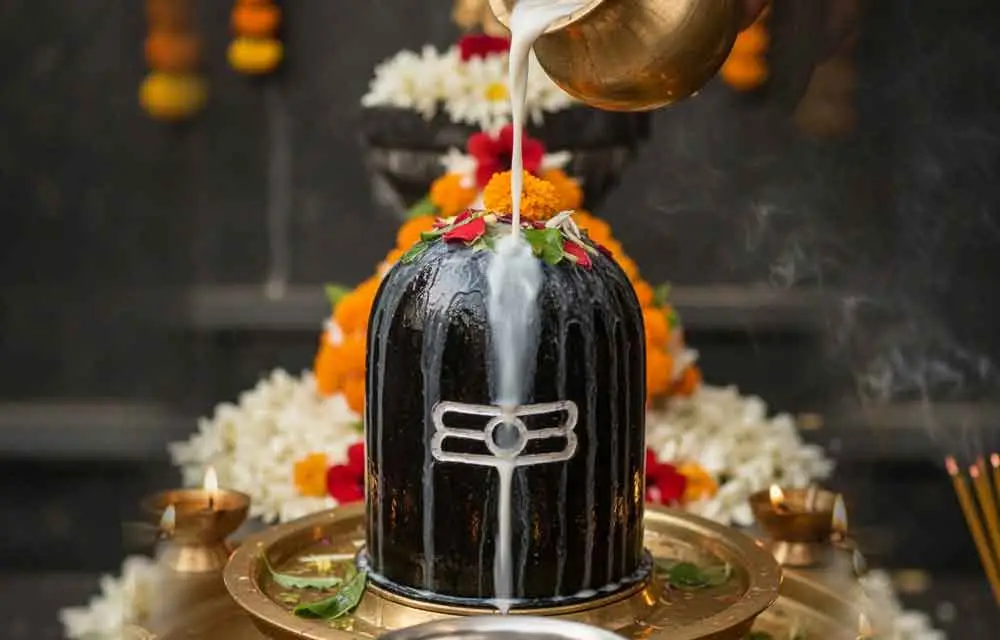
Complete guide to the Rudrashtakam Stotram — Goswami Tulsidas's 8-verse Sanskrit hymn to Lord Shiva from the Ramcharitmanas. Sanskrit + transliteration + meaning of all 8 verses, philosophical analysis, chanting method, benefits, 40-day sadhana, NRI guide, FAQ.
The Rudrashtakam Stotram is one of the most beloved Sanskrit hymns dedicated to Lord Shiva. Composed by the great medieval saint and devotional poet Goswami Tulsidas (1532-1623 CE) — the same Tulsidas who composed the Ramcharitmanas — the Rudrashtakam appears in the Uttara Kand (final canto) of the Ramcharitmanas, where Sage Lomash recites it on the bank of the Mandakini River. With just eight powerful verses, the hymn captures the essence of Shaivism: the formless absolute, the cosmic dancer, the destroyer of suffering, and the compassionate Lord who receives even those who "know neither yoga nor japa nor puja."
This complete HinduTone guide covers everything about the Rudrashtakam — its origin in the Ramcharitmanas, all 8 verses with Sanskrit + transliteration + meaning, the philosophical depth of each verse, chanting method, ideal occasions, comparison with other Shiva stotras (Tandava, Lingashtakam, Bilvashtakam), and frequently asked questions.
🔱 Har Har Mahadev — Namami Ishamishana 🔱
What is the Rudrashtakam Stotram?
The word "Rudrashtakam" (also spelled Rudrashtakam, Rudrastakam) comes from two Sanskrit components: Rudra (one of the most ancient names of Lord Shiva, mentioned in the Rig Veda) and ashtakam (eight verses). The Rudrashtakam is therefore "the eight-verse hymn to Rudra."
The verses are composed in bhujangaprayata meter — a flowing, serpentine 12-syllable meter that mirrors the cobra coiled around Lord Shiva's neck. This meter creates a hypnotic, snake-like recitation rhythm that aids meditation. Each verse builds on the previous one, gradually moving from philosophical abstraction (the formless, time-transcending Brahman) toward intimate personal surrender (the devotee's admission "I know neither yoga nor japa").
The Origin in the Ramcharitmanas
The Rudrashtakam appears in the Uttara Kand of Goswami Tulsidas's Ramcharitmanas — the magnificent Awadhi retelling of the Ramayana. In this episode, sage Lomash speaks of the supreme devotee Kakabhusundi (a crow), who himself was once cursed by his guru. The Rudrashtakam is recited as part of the devotional teaching that emerges from this episode.
What makes the Rudrashtakam particularly remarkable in the Ramcharitmanas:
- Tulsidas was a Ram devotee — yet he composed one of the most powerful Shiva stotras ever written
- This embeds the message: Ram and Shiva are not different deities but mutually devoted aspects of the supreme divine
- Tulsidas himself stated: "Ram is Shiva's ishta-devata; Shiva is Ram's ishta-devata." Devotion to either includes the other
- The Rudrashtakam represents the seamless integration of Vaishnavism and Shaivism in north Indian bhakti
- It became a pillar of Ramnami + Shaiva-bhakti households throughout the Hindi belt
"शिवद्रोही मम दास कहावा, सो नर मोहि सपनेहुँ नहिं भावा।" — Goswami Tulsidas (One who is opposed to Shiva cannot truly be My devotee — Lord Rama declares.)
This famous couplet from the Ramcharitmanas establishes why the Rudrashtakam stands as a bridge stotra — it allows Vaishnavites to deepen Shiva-bhakti without any conflict with Ram-worship.
The Bhujangaprayata Meter
Each verse of the Rudrashtakam follows the bhujangaprayata chhandas — a Sanskrit meter with specific syllable rules:
- Twelve syllables per quarter-line (pada)
- Pattern: laghu-guru-guru repeating, ending with laghu-guru
- "Bhujanga" means serpent — the meter's undulating rhythm mimics a moving cobra
- The cobra is one of Shiva's most sacred symbols (worn around the neck as a garland)
- When chanted aloud, the meter creates a soft, sinuous flow that contrasts beautifully with the percussive Tandava Stotram
- Easy enough for daily recitation, complex enough to demand respectful attention
The Eight Verses — Sanskrit + Transliteration + Meaning
Verse 1
Sanskrit:
नमामीशमीशान निर्वाणरूपं विभुं व्यापकं ब्रह्मवेदस्वरूपम् । निजं निर्गुणं निर्विकल्पं निरीहं चिदाकाशमाकाशवासं भजेऽहम् ॥
Transliteration:
Namami-isham-ishana nirvana-rupam · Vibhum vyapakam · Brahma-veda-svarupam · Nijam nirgunam nirvikalpam niriham · Chidakasham-akashavasam · Bhajeham
Meaning: I bow to Lord Ishana — the Lord of Lords — whose very form is liberation (nirvana). He is all-pervasive (vibhu, vyapaka), the very essence of Brahman and the Vedas. He is His own self (nija), without attributes (nirguna), without form-distinction (nirvikalpa), without desire (niriha). He is the space of pure consciousness (chid-akasha) whose dwelling is the cosmic ether (akasha). I worship Him.
Verse 2
Sanskrit:
निराकारमोङ्कारमूलं तुरीयं गिराज्ञानगोतीतमीशं गिरीशम् । कराळं महाकालकालं कृपालं गुणागारसंसारपारं नतोऽहम् ॥
Transliteration:
Nirakaram-omkara-mulam turiyam · Gira-jnana-gotitam-isham girisham · Karalam mahakala-kalam kripalam · Gunagara-samsara-param natoham
Meaning: Without form (nirakara), the very root of Om (omkara-mulam), the fourth state beyond waking-dream-deep-sleep (turiya), beyond speech and intellectual knowledge (gira-jnana-gotitam) — He is the Lord (Isha), the Lord of the Mountain (Girisha, Kailasa). Terrifying in His destructive form (karalam), He is the Time of Time itself (Mahakala-kalam) yet supremely compassionate (kripalam). He is the abode of all virtues (gunagara) and the shore beyond samsara. I bow to Him.
Verse 3
Sanskrit:
तुषाराद्रिसंकाशगौरं गभीरं मनोभूतकोटिप्रभाश्रीशरीरम् । स्फुरन्मौलिकल्लोलिनी चारुगङ्गा लसद्भालबालेन्दु कण्ठे भुजङ्गा ॥
Transliteration:
Tusharadri-samkasha-gauram gabhiram · Manobhuta-koti-prabha-shri-shariram · Sphuran-mauli-kallolini-charu-ganga · Lasad-bhala-balendu kanthe bhujanga
Meaning: His complexion is pure white like the snow-mountain (Himalaya), and His being is profound and deep. His radiant body has the splendor of ten million Manmathas (gods of love). The Ganga, with her beautiful undulating waves, flows from His matted hair. The crescent moon adorns His forehead, and the serpent rests upon His neck.
Verse 4
Sanskrit:
चलत्कुण्डलं भ्रू सुनेत्रं विशालं प्रसन्नाननं नीलकण्ठं दयालम् । मृगाधीशचर्माम्बरं मुण्डमालं प्रियं शङ्करं सर्वनाथं भजामि ॥
Transliteration:
Chalat-kundalam bhru sunetram vishalam · Prasanna-ananam nila-kantham dayalam · Mrgadhisha-charma-ambaram munda-malam · Priyam Shankaram sarva-natham bhajami
Meaning: His earrings sway with each motion. His brows arch over magnificent eyes. His face beams serene grace, His throat is blue (from drinking the Halahala poison), and He is supremely compassionate. He wears the tiger-skin (mrgadhisha-charma) as His upper garment and a garland of skulls upon His chest. I worship Him — the beloved Shankara, the Lord of all.
Verse 5
Sanskrit:
प्रचण्डं प्रकृष्टं प्रगल्भं परेशं अखण्डं अजं भानुकोटिप्रकाशम् । त्रयःशूलनिर्मूलनं शूलपाणिं भजेहं भवानीपतिं भावगम्यम् ॥
Transliteration:
Prachandam prakrishtam pragalbham paresham · Akhandam ajam · Bhanu-koti-prakasham · Trayah-shula-nirmulanam shulapanim · Bhajeham Bhavanipatim bhava-gamyam
Meaning: I worship Lord Shiva — fierce (prachanda), foremost (prakrishta), eloquent and powerful (pragalbha), the supreme Lord (paresha), undivided (akhanda), unborn (aja), shining with the brilliance of ten million suns. He is the destroyer of the three afflictions (the trishula in His hand symbolizes uprooting the three sufferings: physical, mental, and divinely-caused). He is the husband of Bhavani (Parvati), reachable only through pure devotion (bhava-gamya).
Verse 6
Sanskrit:
कलातीतकल्याण कल्पान्तकारी सदा सज्जनानन्ददाता पुरारी । चिदानन्दसन्दोहमोहापहारी प्रसीद प्रसीद प्रभो मन्मथारी ॥
Transliteration:
Kala-atita-kalyana kalpanta-kari · Sada sajjana-ananda-data Purari · Chid-ananda-sandoha-moha-apahari · Praseeda praseeda prabho Manmathari
Meaning: You are beyond time (kala-atita), the bestower of supreme welfare (kalyana), the agent of the cosmic dissolution at the end of each kalpa. You are forever the giver of joy to the righteous (sajjana-ananda-data), the destroyer of Tripura (Purari). You are the dense essence of consciousness-bliss (chid-ananda-sandoha) who removes the spell of delusion (moha). Be pleased, be pleased, O Lord — destroyer of Manmatha (the god of lust)!
Verse 7
Sanskrit:
न यावद् उमानाथ पादारविन्दं भजन्तीह लोके परे वा नराणाम् । न तावत्सुखं शान्ति सन्तापनाशं प्रसीद प्रभो सर्वभूताधिवासम् ॥
Transliteration:
Na yavad Umanatha pada-aravindam · Bhajantiha loke pare va naranam · Na tavat-sukham shanti santapa-nasham · Praseeda prabho sarva-bhuta-adhivasam
Meaning: As long as a human being does not worship the lotus-feet of the husband of Uma (You, Lord Shiva), they cannot attain — neither in this world nor in the next — true happiness, lasting peace, or the destruction of anguish. Be pleased, O Lord, dweller within all beings (sarva-bhuta-adhivasa)!
Verse 8
Sanskrit:
न जानामि योगं जपं नैव पूजां नतोऽहं सदा सर्वदा शम्भु तुभ्यम् । जरा जन्म दुःखौघ तातप्यमानं प्रभो पाहि आपन्नमामीश शम्भो ॥
Transliteration:
Na janami yogam japam naiva pujam · Natoham sada sarvada Shambho tubhyam · Jara janma duhkhaugha tatapyamanam · Prabho pahi apannamamisha Shambho
Meaning: I know neither yoga, nor japa (meditation on mantras), nor formal puja (worship). Yet always, in all states, I bow to You, O Shambhu. I am scorched by the cycle of old age, birth, and the floods of suffering — O Lord, protect this distressed soul who has surrendered to You, O Ishana, O Shambhu!
Phalashruti (Fruit of Recitation)
The closing verse declares the spiritual reward of the recitation:
Sanskrit:
रुद्राष्टकमिदं प्रोक्तं विप्रेण हरतोषये । ये पठन्ति नरा भक्त्या तेषां शम्भुः प्रसीदति ॥
Transliteration:
Rudrashtakam-idam proktam viprena hara-toshaye · Ye pathanti nara bhaktya · Tesham Shambhuh praseedati
Meaning: This Rudrashtakam was composed by the Brahmin (Tulsidas) to please Lord Hara (Shiva). Whoever recites these eight verses with devotion — Lord Shambhu becomes pleased with them.
The Philosophical Arc — How the Eight Verses Build
The Rudrashtakam is one of the most philosophically sophisticated short stotras in Sanskrit literature. The eight verses construct a complete journey from abstract metaphysics to personal surrender:
- Verse 1 — The Formless Absolute: Shiva as Brahman, the unconditioned consciousness, without attributes
- Verse 2 — The Inconceivable: Shiva as the root of Om, beyond speech and intellect, the time-of-time
- Verse 3 — The Cosmic Form: Shiva as Snow-Mountain-White, the cosmic body containing Ganga, moon, and serpent
- Verse 4 — The Symbolic Body: Earrings, eyes, blue throat, tiger-skin, skull-garland — each detail meaningful
- Verse 5 — The Fierce Compassion: Trishula as destroyer of the three sufferings, husband of Bhavani
- Verse 6 — The Cosmic Dissolver: End-of-kalpa destroyer, yet always benevolent — "praseeda, praseeda!"
- Verse 7 — The Universal Indweller: Worship of Shiva's feet is the only path to peace in any world
- Verse 8 — The Devotee's Confession: "I know nothing — but I surrender." The summit of bhakti
This arc — from the Absolute to the surrendered devotee — is the entire Vedanta tradition compressed into eight verses. It is why the Rudrashtakam has become the most-recited Shiva stotra across north India.
How to Chant the Rudrashtakam
Daily Practice
- Take a bath and wear clean clothes (preferably white or saffron)
- Sit on a clean asana facing East or North, before a Shiva Linga or image
- Light a diya and incense; offer water, bilva leaves, and panchamrita if available
- Apply vibhuti and tilak
- Three deep breaths to center the mind
- Three repetitions of "Om Namah Shivaya" as invocation
- Recite the Rudrashtakam in full, all 8 verses, at moderate pace
- Finish with the phalashruti
- Sit in silence for 5 minutes
- Conclude with three "Om Namah Shivaya" and the dedication: "May this devotion benefit all beings."
Pronunciation Tips for Difficult Sounds
- "Namami isham ishana" — "Na-ma-mi i-sham i-sha-na" (the dental "sh" of "ishana" is key)
- "Nirvana-rupam" — "Nir-va-na-ru-pam" (long "a" sounds, gentle "r")
- "Brahma-veda-svarupam" — "Brah-ma ve-da sva-ru-pam" (aspirate the "Brah")
- "Bhanu-koti-prakasham" — "Bha-nu ko-ti pra-ka-sham" (the "sha" must be the palatal sh)
- "Trayah-shula-nirmulanam" — "Tra-yah shu-la nir-mu-la-nam" (sharp "tra-yah" then flowing "nirmulanam")
- "Chid-ananda-sandoha" — "Chid a-nan-da san-do-ha" (the conjunct "chid" is short and crisp)
- "Sajjana-ananda-data" — "Saj-ja-na a-nan-da da-ta" (geminated "jj" in sajjana)
- "Apannamamisha" — "A-pan-na-ma-mi-sha" (one fluid breath in the closing devotional plea)
Best Times to Chant the Rudrashtakam
Daily and Weekly
- Brahma Muhurta (4:00-6:00 AM) — every day for daily Shiva sadhana
- Monday morning — Shiva's sacred day; combine with Lingashtakam or Bilvashtakam
- Pradosham evening — at the Trayodashi twilight period (every two weeks)
- After sunset on any day — as part of evening Shiva puja
- During Sandhya Vandana — between worldly engagement and devotional retreat
Special Occasions
- Maha Shivratri — the most powerful occasion; chant during each of the four praharas
- Shravan month (July-August) — Shiva's sacred month; daily Rudrashtakam recommended
- Karthika month — combine with Karthika Deepa and Karthika Snanam
- After Sankalpa for any new venture — Shiva removes obstacles to dharmic intentions
- During grief and loss — the compassion (kripala) emphasis in verses 4-7 brings deep solace
- During illness or health concerns — the Mahamrityunjaya overtones throughout the stotram
- On the death anniversary of a loved one (shraadh) — Shiva is the lord of the deceased
The Spiritual Benefits
Material and Psychological
- Peace of mind — the philosophical depth of verses 1-2 settles agitation
- Removal of fears — Shiva is the destroyer of the three afflictions (trishula symbolism)
- Relief from grief — verse 7 declares no peace exists without Shiva's worship
- Confidence in difficulties — verse 8's "I know nothing yet surrender" is the ultimate stress release
- Improved family harmony — Shiva as Bhavanipati (husband of Bhavani/Parvati) brings domestic peace
- Reduction of unhealthy desires — verse 6's "Manmathari" (destroyer of Manmatha) supports self-control
- Better focus and discipline — bhujangaprayata meter trains attention
Spiritual
- Connection with the formless absolute — verse 1's nirguna emphasis transcends ritualism
- Bridge between Shaivism and Vaishnavism — recommended for both Ram-bhaktas and Shiva-bhaktas
- Foundation for Vedantic study — the verses contain compressed Vedanta
- Acceleration of jnana (knowledge) — verses 1-2 are pure Advaitic insight
- Acceleration of bhakti (devotion) — verses 6-8 are pure surrender
- Karmic cleansing — per the phalashruti, regular recitation pleases Shiva
- Preparation for higher meditation practices
Comparison with Other Major Shiva Stotras
How does the Rudrashtakam compare to other major Sanskrit Shiva hymns? Each stotra has distinct character and purpose:
- Rudrashtakam (Tulsidas, 8 verses, bhujangaprayata) — Vedantic + bhakti synthesis; suitable for daily morning + evening recitation
- Lingashtakam (8 verses, anushtubh) — devotional praise of the Shiva-linga form; pairs naturally with Monday morning puja
- Bilvashtakam (8 verses, anushtubh) — offering of bilva leaves; recited while offering bilva at the lingam
- Shiv Tandava Stotram (Ravana, 17 verses, panchachamara) — fierce cosmic dance; high-energy ceremonial chanting
- Mahamrityunjaya Mantra (Vedic) — a single sloka for healing and longevity; primarily japa, not stotra
- Shiva Chalisa (Hindi, 40 verses) — folk-devotional Hindi hymn; popular in north Indian households
- Shiva Tandava Stotram is for ceremonial intensity; Rudrashtakam is for philosophical depth + daily practice
A complete Shaiva sadhana ideally combines multiple stotras — Rudrashtakam for daily depth, Tandava for special occasions, Mahamrityunjaya for healing, Lingashtakam + Bilvashtakam for actual lingam worship.
The Cinematic Resurgence
Like the Shiv Tandava Stotram, the Rudrashtakam has experienced enormous popular revival in recent decades. Key drivers:
- Hindi cinema — featured in several recent devotional films and TV serials
- Devotional music industry — versions by Sounds of Isha, T-Series, and various ashram musicians
- Streaming platforms — most-streamed version exceeds 200 million views on YouTube
- Maha Shivratri broadcast — annually streamed live from major temples
- NRI temple programs — staple at Hindu cultural center weekly Shiva pujas across USA, UK, Canada, Australia
- Modern Indian schools — included in samskrit and bhajan curricula in many CBSE/ICSE schools
The hymn's short length (8 verses chanted in 3-4 minutes) makes it ideal for modern devotees with limited time — yet its philosophical depth means a lifetime of practice never exhausts it.
Rudrashtakam for NRIs and Modern Practitioners
The Rudrashtakam is especially suited to NRI Hindus and modern devotees because:
- Length: 8 verses can be memorized within 4-6 weeks of daily practice
- Universality: Works for both Shaivites and Vaishnavites; no theological barrier
- Daily fit: 3-4 minutes — fits any morning routine
- Family practice: Children can learn one verse at a time; teaches Sanskrit naturally
- Crisis tool: Verse 8 ("I know nothing — protect me") is the perfect emergency mantra during illness, grief, or stress
- Cross-tradition: Appears in Ramcharitmanas — bridges those raised in Vaishnavite vs Shaivite homes
- No mandatory rituals: Can be recited from anywhere, anytime, in any condition (after a respectful pause and intention)
- Internet-ready: Audio versions widely available; pronunciation is learnable through listening
A Suggested 40-Day Sadhana Schedule
For new practitioners who want to internalize the Rudrashtakam, here is a structured 40-day plan:
- Days 1-7: Listen to a master recitation daily; do not recite. Become familiar with the meter and the sound
- Days 8-14: Recite verse 1 only — 11 times daily, then sit in silence for 5 minutes
- Days 15-21: Add verses 2-3. Recite verses 1-3 together, 7 times daily
- Days 22-28: Add verses 4-6. Recite verses 1-6 together, 5 times daily
- Days 29-35: Add verses 7-8. Complete recitation, 3 times daily
- Days 36-40: Full stotra with phalashruti, 1 time daily — but with complete attention
- Day 41 onwards: Daily morning recitation continues as ongoing sadhana for life
Frequently Asked Questions
Q1. Can women chant the Rudrashtakam?
Absolutely. The Rudrashtakam carries no gender restriction. Tulsidas himself wrote in the Ramcharitmanas that Shiva and Parvati teach the Bhagavata-tatva equally to all. Women across India and the global diaspora chant this hymn daily.
Q2. Do I need to know Sanskrit to chant it?
No. The Sanskrit sound carries its potency through correct pronunciation, not intellectual understanding. Begin with a quality recording, follow the transliteration, and recite with sincerity. Comprehension deepens over time and never blocks the spiritual benefit.
Q3. How long does the full Rudrashtakam take to chant?
Approximately 3-4 minutes at moderate devotional pace, plus the phalashruti. With sitting time and dedication, allow 7-8 minutes for the complete practice.
Q4. What is the relationship between Rudrashtakam and the Rudri/Sri Rudram?
They are distinct compositions. The Sri Rudram (Namakam-Chamakam) is a Vedic recitation from the Krishna Yajurveda — much longer, used in elaborate temple homas. The Rudrashtakam is a medieval composition by Tulsidas — shorter, more accessible, suited to daily home practice. Both are valid for Rudra-worship.
Q5. Can I chant Rudrashtakam without a Shiva Linga before me?
Yes. The hymn is recitation-based, not lingam-worship-based. While having a lingam or image is beneficial, mental visualization is acceptable. NRI Hindus often chant during morning prayers without any external image.
Q6. Is there a difference in chanting style for north vs south India?
North Indian tradition follows the standard recitation with Hindi-belt accent. South Indian tradition often uses more elaborate vocal ornamentation (gamakas). Both are spiritually equivalent. Listen to recordings from both traditions and choose what resonates.
Q7. Is Rudrashtakam suitable during periods of fasting?
Yes — particularly during Pradosham fast, Maha Shivratri vrat, and Shravan Somavar vrat. The shortened nature of the stotra fits well into the fasting day's spiritual disciplines.
Q8. Can children learn the Rudrashtakam?
Yes. The 8-verse structure makes it ideal for children — one verse per week is a comfortable pace. Many NRI parents use this hymn as their child's first Sanskrit memorization, connecting them to heritage and Lord Shiva from a young age.
Q9. What if I miss a day of chanting?
Resume the next day without guilt. Lord Shiva's grace is unconditional. The hymn explicitly says "I know neither yoga nor japa" — He accepts the sincere devotee regardless of consistency. However, daily practice yields the best long-term spiritual depth.
Q10. Is the Rudrashtakam appropriate during pregnancy?
Yes — particularly appropriate. Many traditional Hindu households consider Rudrashtakam recitation during pregnancy to be supremely beneficial for the unborn child, blessing them with health, character, and dharmic disposition.
Begin Your Rudrashtakam Practice Today
The Rudrashtakam Stotram is one of the most beautiful gifts Goswami Tulsidas left for Hindu devotees — a hymn that contains the full ocean of Vedantic philosophy and the full flame of bhakti within just eight verses. Whether you chant it Monday mornings, Pradosham evenings, on Maha Shivratri, or simply during difficult moments — the hymn's eight-step journey from absolute to surrender will transform your spiritual life over time.
Begin tomorrow. Listen to a recitation. Try verse 1 aloud — "Namami isham ishana nirvana rupam..." Within a month, you will feel verse 8's simple confession — "I know nothing, I surrender" — as the most natural breath of your morning practice.
🔱 Har Har Mahadev — Om Namah Shivaya — Jai Shankar Bhole 🔱
Related Reading on HinduTone
- Shiv Tandava Stotram: Ravana's Cosmic Dance Hymn
- Lingashtakam Complete Guide for Monday Worship
- Bilvashtakam: Sacred Bilva Leaves & Monday Puja
- Maha Mrityunjaya Mantra: Lyrics, Meaning & How to Chant
- Om Namah Shivaya: 108 Times Chanting Benefits & Method
- Somavar Vrat Katha: The Complete Monday Fast Story
- Pradosham: Complete Guide to Monday Shiva Puja
- Maha Shivratri 2026 Complete Puja Guide
- Best Shiva Songs and Bhajans for Monday Morning — NRI Guide
- 12 Jyotirlingas of Lord Shiva: Complete Pilgrimage Guide
You might also like
Shiv Tandava Stotram: Ravana's Cosmic Dance Hymn — Lyrics, Meaning & Benefits
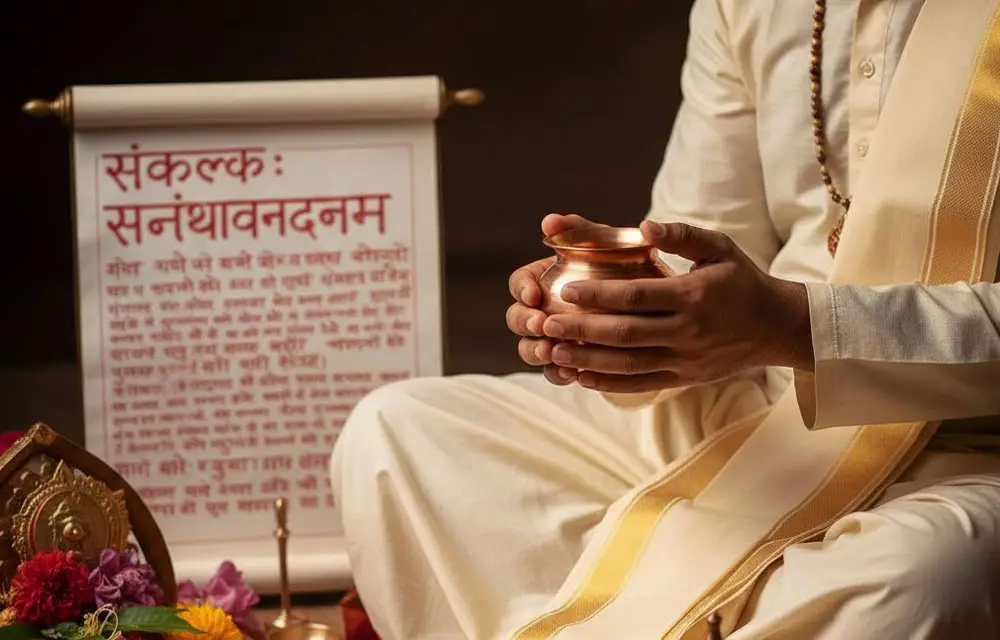
Aditya Hridayam Complete Guide: All 30 Verses Sanskrit, Transliteration, Meaning, Chanting Method & Benefits
Maha Mrityunjaya Mantra: Lyrics, Meaning, Benefits, and How to Chant — Complete Guide