Hindu Temple Safety Tips: Complete Guide for Devotees, Families, Children and Elderly Visitors
Practical safety tips for temple visits: crowds and queues, diyas and camphor, children and elderly devotees, footwear and belongings, prasadam hygiene, parking, festivals, and what to do if someone is lost or a crowd turns dangerous.

Practical safety tips for temple visits: crowds and queues, diyas and camphor, children and elderly devotees, footwear and belongings, prasadam hygiene, parking, festivals, and what to do if someone is lost or a crowd turns dangerous.
Quick answer: The most important Hindu temple safety tips are to follow temple instructions, keep children close, never push in queues, stay away from open flames, watch your step on wet floors, keep valuables secure, note the exits and help desk, and seek help at once in an emergency.
Visiting a Hindu temple is a deeply meaningful experience: devotees come to pray, join a puja or festival, receive darshan, offer flowers and receive prasadam, and spend quiet time in a sacred place. At the same time, temples can become extremely crowded during Navratri, Dussehra, Diwali, Maha Shivaratri, Janmashtami, Ganesh Chaturthi, Ugadi, Brahmotsavams, Rath Yatras and other major festivals.
Large crowds, long queues, stairs, oil lamps, wet floors, footwear areas, traffic, heat and small children all bring practical risks. A few simple precautions let you enjoy darshan while protecting yourself, your family and other devotees. This guide covers crowd safety, fire safety, children and elderly devotees, prasadam hygiene, footwear and belongings, parking, festivals and what to do in an emergency.
Temple rules vary by temple, state, country and local authority. Always follow the instructions of temple management, priests, volunteers, police and emergency staff. For dress code, darshan and general etiquette, see our guide on how to visit a Hindu temple.
Why temple safety matters
Most temples are calm places, but some receive tens of thousands or even lakhs of visitors on a festival day. Safety needs extra attention where there are large crowds and long queues, narrow entrances and steps, slippery floors, open flames, oil lamps and camphor, kitchens, processions and chariots, loud music, temporary stages and pandals, extreme heat or heavy rain. A safe visit lets you focus on what you came for: darshan, prayer and devotion.
The essential temple safety tips
1. Follow temple instructions
Every temple has its own rules. Follow the directions of temple management, priests, security staff, volunteers, police and emergency responders, and do not enter restricted areas even if others do.
2. Keep children close
During busy festivals, hold your child's hand and keep children in sight. Agree on a meeting point, do not let them run, and keep them away from lamps, fire and railings they could climb. For very young children, a carrier is often easier than a stroller in a crowd, where it is allowed and practical. Teach children their parent's name and phone number, and teach older children to go to temple security, a volunteer, a police officer or the information desk if they are separated.
3. Stay calm in crowds
Very large crowds gather at Maha Shivaratri, Vaikuntha Ekadashi, Janmashtami, Navratri, Dussehra, Diwali, Ganesh Chaturthi, Rath Yatras, Brahmotsavams and Kumbh gatherings. In a heavy crowd:
- Do not push, and keep moving with the flow.
- Do not stop suddenly in narrow passages or on steps.
- Keep children close and bags secure.
- Stay inside queue barriers and never climb them.
- Do not take shortcuts; follow security instructions.
Never push to reach darshan faster. Pushing causes falls, panic and dangerous crowd pressure. Darshan is a spiritual experience; patience is part of it. Our explainer on why stampedes happen at large gatherings shows how quickly a crowd can become dangerous.
4. Know your exits
When you enter a large temple or festival ground, note the main entrance and another exit, the emergency exits, the security or help desk, first aid, drinking water, lost-and-found and a family meeting point. This is especially useful on a first visit.
5. Be careful around diyas, camphor and fire
Diyas, aarti flames, burning camphor, homa fires, oil lamps and incense are part of worship. Keep a safe distance, keep loose sarees, dupattas, sleeves and hair away from flames, and keep children back from lamps. Do not reach over other people during aarti, do not touch hot lamps or camphor plates, and never place bags or paper near a flame. Do not light your own lamp or camphor inside a temple unless the temple allows it. If clothing catches fire, stop, drop and roll, and call for help at once.
6. Watch your step
Floors become slippery with oil, water, milk and abhishekam offerings, flowers and rain. Walk slowly, especially on steps, wet marble, stone paths, ramps and in parking areas, and use handrails where they exist.
7. Use the footwear counter
Most temples ask devotees to remove footwear before certain areas. Use the designated footwear counter or racks, keep your token safely, and do not leave shoes at the entrance where they block the way or become a trip hazard.
8. Protect your belongings
Crowded gatherings can attract pickpockets. Carry only what you need, keep your wallet, phone, passport, car keys, cash and jewellery secure, and carry your bag closed and in front of you. Never leave a phone or wallet unattended while you pray.
9. Save emergency contacts
Before a big festival visit, save the temple office number and your family's numbers. Know the local emergency number: 112 in India, 911 in the USA and Canada, 999 in the UK, and 000 in Australia.
10. Stay hydrated
Queues can mean hours of standing, often in heat. Carry water where the temple allows it and drink regularly, especially at summer festivals, outdoor events, processions and long queues. Children and older adults need extra attention in hot weather.
11. Look after elderly devotees
Long queues, stairs, heat and crowds are hard for older devotees. Ask about accessible entrances, seating, wheelchairs and any officially provided queue for senior citizens, and do not make an elderly person stand for long when seating or assistance is available. Check the distance from the parking area to the entrance before you go, carry their usual medicines and never rush them during darshan.
12. Plan for disability access
Check in advance whether the temple has wheelchair access, ramps, lifts, accessible toilets, reserved parking and seating, and ask the temple office if you will need help. Keep ramps and accessible entrances clear for those who need them.
13. Prasadam and food safety
Prasadam is sacred, and food safety still matters. If you or your child has a food allergy, ask about the ingredients, decline anything you are unsure of and carry any prescribed emergency medicine. Be careful with unfamiliar prasadam for very young children, avoid food that looks spoiled or has been left out for a long time, and follow the temple's distribution arrangements.
14. Keep your hands clean
Railings, doors, queue barriers and donation boxes are touched by thousands of hands. Wash or sanitise your hands before eating prasadam, after using the toilets and before feeding children, and put waste in the bins provided.
15. Stay back from processions and chariots
During Rath Yatras, chariot and palanquin processions, musical processions and events with elephants, stay in the spectator areas, never walk in front of a moving chariot or vehicle, and do not try to touch a moving chariot unless the temple organises a controlled opportunity. Keep children well away from moving vehicles and wheels.
16. Be careful around animals
Cows, dogs, monkeys, birds and temple elephants may be present. A sacred setting does not make an animal safe to approach: do not feed animals without permission, do not touch unfamiliar animals or get close for photographs, do not stand behind large animals, and follow the handlers' instructions.
17. Park safely
Festival traffic can be heavy. Park only in designated areas, follow parking volunteers and police, never block emergency access or fire lanes, lock your car and keep valuables out of sight. Photograph your parking spot or note the section.
18. Use your phone with care
Some temples restrict photography, video or flash, especially in the sanctum; follow the rules. Do not look at your phone while moving in a crowded queue, crossing traffic, near a moving chariot or close to a flame; put it away when safety needs your full attention.
19. Respect restricted areas
Some areas are reserved for priests, temple staff, rituals, security, maintenance or emergency access. Respect barriers and signs, even if an area looks open.
20. Report hazards
If you see smoke, sparks from temporary wiring, an overcrowded spot, a spill on the floor or someone in distress, tell temple staff or security at once.
Etiquette and safety go together
Good temple etiquette is often good safety:
| Etiquette | Why it is also safe |
|---|---|
| Waiting patiently in the queue | Prevents pushing and crowd pressure |
| Leaving footwear at the counter | Keeps entrances clear |
| Keeping quiet in the temple | Lets everyone hear announcements |
| Following security and volunteers | Helps emergency procedures work |
Safety rules to teach children
- Stay with your family.
- Walk, do not run.
- Never touch a lamp or flame.
- Do not climb railings or temple structures.
- Do not go into restricted areas.
- If you are lost, stay where you are if it is safe and ask a volunteer, a security guard or a police officer for help.
- Know a parent's phone number by heart.
For very crowded festivals, some parents keep a card with an emergency number in the child's pocket.
Pregnant devotees
If you are pregnant, avoid the heaviest crowds where you can, take regular rests, drink enough water, avoid standing for long periods, use accessible entrances and ask about seating, keep away from pushing and from open flames, and follow your doctor's advice. If you feel dizzy, weak or unwell, leave the queue and ask for help.
Festival-specific precautions
- Navratri: take care in garba and dandiya crowds, around decorative lighting and lamps, and in long queues and processions.
- Dussehra: keep well back from Ravan Dahan effigies and fireworks, and watch for temporary stages and heavy traffic; see our Ravan Dahan 2026 timings city-wise.
- Diwali: take extra care with diyas, candles, firecrackers and electrical decorations, and follow local firework rules; see our Diwali cracker safety guide.
- Maha Shivaratri: large Shiva temples stay open for long hours with very long queues; carry water and plan your visit.
- Janmashtami: crowds at popular Krishna temples peak around midnight; keep children close.
- Ganesh Chaturthi: take care during visarjan processions and at lakes, rivers and the sea; never enter the water during immersion unless it is authorised and safe. Organisers can see our Ganesh mandapam dos and don'ts.
Fire safety at festivals
Festivals bring temporary lighting, wiring and decorations. Keep away from electrical wires and temporary lights, respect fire-safety barriers, do not bring your own candles or lamps unless allowed, keep children away from flames and follow instructions during fireworks. If you see smoke, fire or exposed wiring, alert temple staff immediately.
If you are separated from your family
Do not panic. Move to a safe spot, call your family, and go to the information or security desk with the person's name and description. If a child is missing, tell temple security, the information desk, police and volunteers at once, with the child's name, clothing and where they were last seen. Do not start an uncontrolled search through a dense crowd.
In a medical emergency
If someone faints, is very dizzy, short of breath, seriously injured, confused or unresponsive, call for help immediately: temple security, first-aid staff and emergency services. Do not attempt a medical procedure you are not trained for.
In a crowd emergency
If a crowd suddenly becomes compressed, stay calm and do not push. Keep your arms up in front of your chest to protect your breathing, move with the crowd rather than against it, and work diagonally towards the edge and an exit when you can. Help children and vulnerable family members if you can do so safely. If you fall, protect your head and try to get up or move to a safe position as soon as you can.
Temple safety for NRI families
Temples in the USA, Canada, the UK, Australia and elsewhere can be very crowded at major festivals. Check the temple's parking instructions, festival timings, any registration requirements, security procedures, photography rules, fire regulations, accessibility arrangements, food and allergy information and the weather. Do not assume a temple abroad follows the same procedures as one in India; respect local rules while keeping your own practice.
What to carry, and what to leave at home
For a normal visit, keep it light: phone, a small wallet with some cash, ID, your usual medicines, water and your offerings. Leave behind large bags, expensive jewellery, a lot of cash and valuable electronics, and check the temple's rules before bringing anything unusual.
Temple visit safety checklist
Before you leave home:
- Check temple timings, the festival crowd situation and the weather.
- Pack your medicines and charge your phone.
- Save family emergency contacts and explain the safety rules to your children.
- Carry water if the temple allows it.
At the temple:
- Note the exits and the help desk.
- Keep children close, follow the queue and keep valuables secure.
- Watch your step and stay away from open flames.
- Follow temple instructions.
Before you leave:
- Collect your footwear and check your belongings.
- Make sure everyone is together.
- Put waste in the bins and leave through the designated exits.
Ten rules every devotee should remember
- Follow temple instructions.
- Keep children close.
- Never push in a crowded queue.
- Stay away from open flames.
- Watch your step on wet or crowded floors.
- Keep valuables secure.
- Respect restricted areas.
- Stay behind procession and traffic barriers.
- Seek help immediately in an emergency.
- Respect other devotees while looking after your own safety.
Safety as spiritual responsibility
Safety is not separate from spirituality. Hindu dharma teaches responsibility towards ourselves and others, and when we avoid pushing, protect children, help elderly devotees, keep the temple clean and follow instructions, we help keep a sacred space peaceful for everyone. A temple visit should bring peace, devotion, community and reflection, and safety helps preserve all four.
May every temple visit bring peace, devotion, wisdom and wellbeing. Om Shanti Shanti Shantih.
Frequently asked questions
What should I do if a temple is extremely crowded?
Stay in the official queue, keep moving with the crowd and follow security instructions. If it becomes uncomfortable or unsafe, move calmly towards an exit or a less crowded area, and come back at a quieter time if you can.
Is it safe to take children to crowded temples?
Yes, with care. Keep children within reach, agree on a meeting point, keep them away from lamps and railings, and make sure they know a parent's phone number and to ask a volunteer or security guard for help if separated.
What should I do if my child is lost at a temple?
Tell temple security, the information desk, police or volunteers immediately, with the child's name, clothing and where they were last seen. Do not start an uncontrolled search through a dense crowd.
What should elderly devotees do in long queues?
Ask the temple staff about seating, wheelchairs, accessible entrances or any official queue for senior citizens, carry water and usual medicines, and avoid standing for long periods.
Can I take photographs inside a Hindu temple?
Only where photography is allowed. Many temples prohibit photos or flash in the sanctum and some ban phones altogether, so check the rules at the entrance.
What should I do in a crowd crush?
Stay calm and do not push. Keep your arms in front of your chest to protect your breathing, move with the crowd and edge diagonally towards an exit. If you fall, protect your head and get up as soon as you can.
Editor's note (16 October 2026)
This is general safety guidance for temple visits. Temple rules and local regulations differ; always follow the instructions of temple management, police and emergency services.
Related guides
You might also like
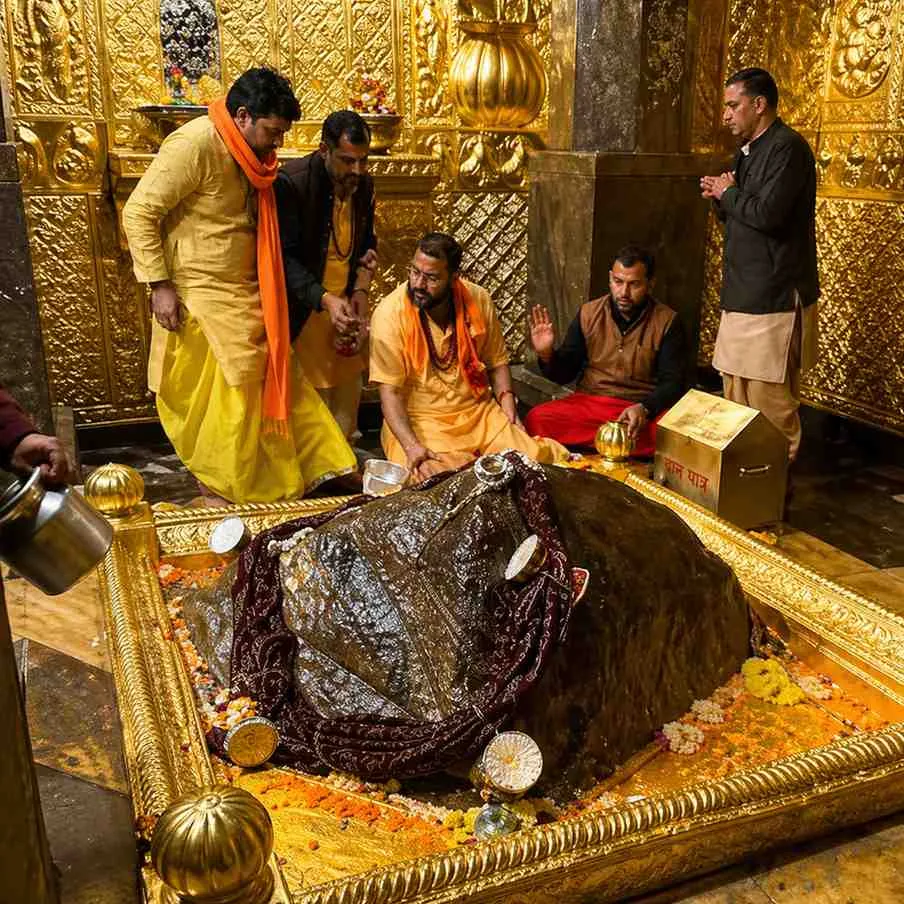
Kedarnath Helicopter Service 2026 — Booking Guide, Operators, Safety Updates & Complete NRI Pilgrim Manual
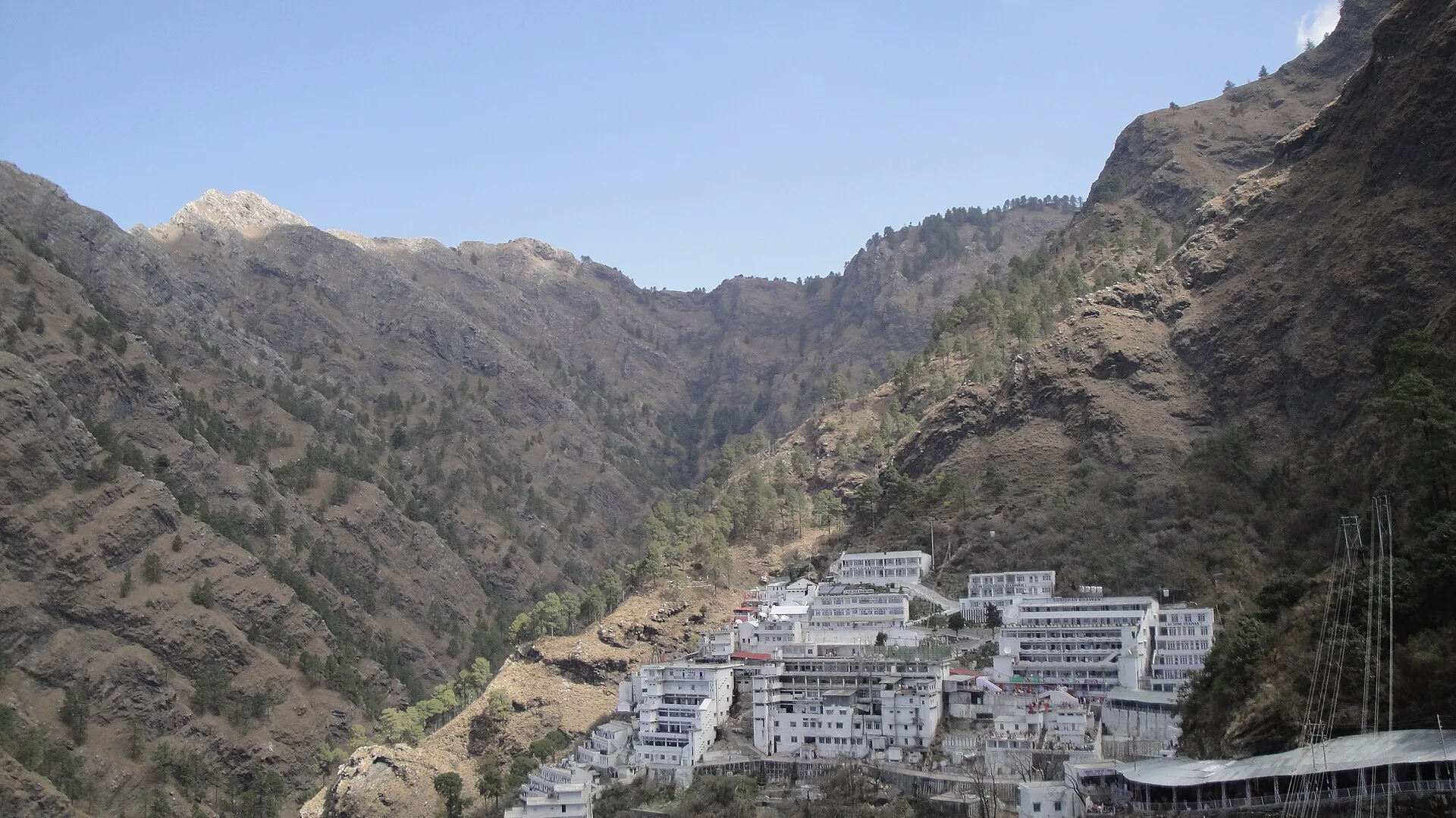
Vaishno Devi in Navratri 2026 (11 to 19 October): Pilgrimage Guide to the Trikuta Shrine, Trek, Bhairon Temple and NRI Tips
How to Visit a Hindu Temple: Darshan, Dress Code, Puja, Etiquette and Planning