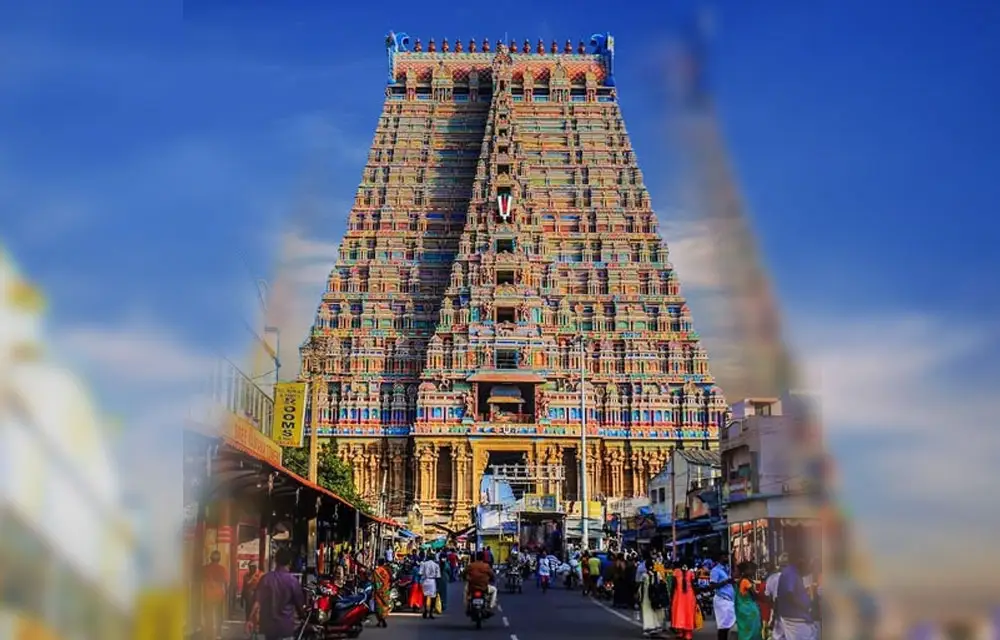
How to Visit a Hindu Temple: Darshan, Dress Code, Puja, Etiquette and Planning
Visiting a Hindu temple for the first time? Dress modestly, leave footwear outside, check the temple's official timings and booking rules, follow the queue for darshan, and receive prasadam with your right hand. This guide explains darshan, dress codes, archana, offerings, photography, accessibility and planning, with rules from well-known temples.

Visiting a Hindu temple for the first time? Dress modestly, leave footwear outside, check the temple's official timings and booking rules, follow the queue for darshan, and receive prasadam with your right hand.
Quick answer: To visit a Hindu temple, check the temple's official timings and booking rules, dress modestly (traditional clothes where required), leave your footwear at the shoe stand, wash your hands and feet, join the queue for darshan, walk clockwise around the shrines, offer flowers, fruit or an archana through the official counter, receive prasadam with your right hand, and sit quietly for a few minutes before you leave. Keep your phone silent and do not photograph the sanctum unless signs say you may.
Last updated: 9 October 2026. Rules differ from temple to temple and change often. Wherever this guide names a temple's rule, it comes from our verified temple pages; always confirm current arrangements with the temple itself before you travel.
This guide is general: it works for a village shrine, a big pilgrimage temple or a community mandir abroad. For individual temples, browse our temples directory or the temples of India by state.
What darshan means
Darshan means "seeing", and in worship it means seeing and being seen by the deity. Devotees go to a temple not only to pray or ask for something, but to stand before the consecrated murti and receive its sight. That is why queues move slowly at popular temples, why people stand on tiptoe for a glimpse, and why a few seconds before the deity can feel complete.
A temple visit usually combines darshan with a few simple acts: circumambulation (pradakshina), an offering, perhaps an archana or aarti, and receiving prasadam. Our essay on the role of temples, prasadam, pooja and archana explores why these matter in daily life.
Before you go: timings, booking and planning
- Check official timings. Use the temple's own website, its devasthanam (temple board) or the state endowments department. Many temples close for some hours around midday; the Varadharaja Perumal Temple in Kanchipuram is one example, as at most Vaishnava temples in Tamil Nadu.
- Book where booking exists. Some temples require advance registration or online slots. At Sabarimala the Travancore Devaswom Board makes Virtual-Q booking mandatory for all pilgrims; at Vaishno Devi every pilgrim must get a free RFID Yatra Access Card; Tirumala darshan is booked through TTD's official channels (see our Tirumala darshan booking guide).
- Use official channels only. Book rooms, sevas and pujas only through the temple's official website or counters. Shree Somnath Trust, for example, has warned devotees about fraud via WhatsApp, phone and UPI.
- Expect festival changes. On big festival days temples may extend hours, suspend paid or VIP categories, or close for special rituals. Plan extra time and confirm close to the date.
- Check entry rules. A few temples admit only Hindus. The Shree Jagannath Temple Administration states that only Hindus may enter the Jagannath Temple, Puri, and the Lingaraj Temple in Bhubaneswar is the same, with a viewing platform outside for other visitors.
- Mountain and long-walk shrines. Pilgrimages such as Kedarnath need state registration and preparation for altitude and weather. Read the official advisories before you set out.
Dress code and footwear
The safe general rule is clean, modest clothing that covers shoulders and knees, and footwear removed before entry. Beyond that, rules vary:
| Temple (verified page) | Dress and footwear rule as published |
|---|---|
| Tirumala Venkateswara | TTD asks for traditional dress for darshan: dhoti, or pyjama with an upper cloth, for men; saree or half-saree with blouse, or churidar with an upper cloth, for women. |
| Jagannath Temple, Puri | SJTA dress code (since 1 January 2024) bars shorts, half-pants, ripped jeans, skirts and sleeveless clothing. Footwear and leather items are not allowed inside. |
| Somnath | Dress modestly (mini skirts and other disrespectful clothing not allowed), remove footwear before entering, no smoking near the temple. |
| Sabarimala | Pilgrims traditionally complete the 41-day vratham and wear black; only devotees carrying the irumudi climb the eighteen steps. |
| Kashi Vishwanath | Rules on dress and on touching the linga have changed over time; confirm with the temple trust before visiting. |
- Leave footwear at the temple's shoe stand or deposit counter. Many temples provide this free; keep your token safely.
- Indian temples usually expect bare feet inside; in temples abroad, socks are often acceptable in carpeted halls. Follow local practice.
- Remove hats and caps. Some temples, particularly in Kerala, ask men to remove shirts before entering the inner area; follow the notice at the gate.
- Leather belts, wallets and bags are discouraged or banned in some temples. Carry a cloth bag instead.
- A tilak is welcome but not required of visitors; if you wear one, our guide to tilak types and meanings explains the styles.
At the temple: a step-by-step visit
- Wash. Rinse your hands and feet at the tap or tank near the entrance if one is provided.
- Enter with respect. Many devotees touch the threshold (step) and then their forehead, and step in with the right foot first.
- Ring the bell. Ring the bell gently at the entrance or before the shrine, if there is one. Read why temple bells ring.
- Begin with Ganesha. In many temples you first greet Ganesha, and in Shiva temples the Nandi, before the main shrine.
- Pradakshina. Walk clockwise around the shrine or the whole temple, keeping the deity on your right. Do not cut across queues.
- Darshan. Stand in the queue patiently, fold your hands, look at the deity and offer a short prayer. Move on when staff ask; others are waiting.
- Receive aarti and tirtha. If the priest brings the aarti flame, pass your palms over it and touch them to your eyes. Accept tirtha (holy water) in the right palm.
- Sit quietly. Many devotees sit for a few minutes in the hall or courtyard before leaving, to let the darshan settle.
Archana, offerings and donations
Archana is a short puja in which the priest chants the deity's names on your behalf, usually mentioning your name and birth star (nakshatra). Abhishekam, sahasranama archana and other sevas are longer services. Book any of them at the temple's official counter or website, and keep the receipt.
- Common offerings are flowers, garlands, fruit, coconut, camphor and oil or ghee for the lamps. Temple stalls often sell ready-made baskets.
- Breaking a coconut is a traditional offering at many temples; our guide explains why Hindus break coconuts at temples.
- Put money only in the official hundi (donation box) or pay at the counter for a receipt. Politely decline touts who offer quick darshan for cash.
- Do not bring cooked food from outside for offering unless the temple invites it.
- If you are unsure what to do, ask a priest or volunteer; most are glad to guide first-time visitors.
Prasadam: receiving and sharing
Prasadam is food or sacred items offered to the deity and given back as blessing. Receive it with the right hand, or both hands cupped, and do not drop or waste it. Many temples sell prasadam at counters; some, like Tirumala, are famous for it (see our Tirupati laddu prasadam guide). Carrying prasadam home to share with family and neighbours is a long-standing custom. Free community meals (annadanam) at many temples are also prasadam: eat what you take, sit where staff direct you, and clear up as asked.
Photography, phones and silence
- Do not photograph the sanctum or the deity unless signs clearly allow it.
- Some temples ban phones and cameras on the premises. Somnath bans mobile phones, cameras and all electronic devices inside and provides free lockers; Jagannath Puri provides free mobile deposit stands near the Lion Gate.
- Where phones are allowed, keep them silent and do not take calls in the shrine area.
- Never photograph worshippers, priests or rituals without permission.
- Speak softly, avoid public displays of affection, and do not point your feet towards the deity when sitting.
- Do not touch the murti, the priest or ritual items unless invited.
Accessibility, elders and children
- Many large temples have arrangements for elderly and differently abled devotees, such as separate queues, wheelchairs or ramps. These are run by the temple board and change often; check the official website or ask the office in advance rather than relying on hearsay.
- At hill and long-walk shrines, the route itself may be steep or high-altitude; assess fitness and health risks honestly.
- Carry water, any medicines you need and a light snack (where allowed). Vaishno Devi's Shrine Board, for example, advises footwear with good grip, rain protection and only essentials.
- With children, visit at a quieter time, explain what will happen, and give them a role: carrying flowers, ringing the bell, or folding hands at darshan.
- Read how to teach Hinduism to children for more ideas on making temple visits meaningful for kids.
First-time and international visitors
If you are new to Hindu temples, or visiting with friends of another faith, a few tips help:
- Most temples welcome respectful visitors. If you are unsure whether you may enter, ask at the gate.
- You do not have to perform any ritual. Standing quietly with folded hands during darshan is fully respectful.
- Follow the crowd's direction of movement and stay in queues.
- Bring a scarf or shawl to cover shoulders or legs if needed.
- Temples abroad often double as community centres with classes, festivals and meals. Browse Hindu temples in the USA and read temples as cultural hubs for Hindus in the West.
- Learn one short prayer before you go; our list of daily mantras is a good start, and you can repeat it silently during darshan.
A temple visit and home worship go together. To continue the practice at home, see how to perform puja at home and how to do aarti correctly.
Temple visit checklist
- Official timings and any booking or registration checked on the temple's own website
- Entry rules checked (dress, phones, entry restrictions)
- Modest or traditional clothes; a shawl or upper cloth
- Footwear you can slip off; a cloth bag instead of leather
- Small change or a card for official counters; receipts kept
- Flowers or fruit (optional); buy at temple stalls if unsure
- Phone on silent, or left at the deposit counter
- Water, medicines and ID for long or crowded visits
- Time to sit quietly after darshan
Frequently asked questions
What should I wear to a Hindu temple?
Wear clean, modest clothing that covers the shoulders and knees. Traditional Indian dress is welcome everywhere and required at some temples: Tirumala asks for a dhoti or pyjama with an upper cloth for men and a saree, half-saree or churidar with an upper cloth for women. Avoid shorts, sleeveless tops and ripped jeans, and check the temple's own rules before you go.
Do I have to remove my shoes at a Hindu temple?
Yes. Footwear is removed before entering the temple premises or at least before the inner shrine. Most temples have a shoe stand or deposit counter; some, like Somnath and Jagannath Puri, also ask you to deposit phones and cameras. Socks are usually allowed in temples abroad but not in many Indian temples.
Can non-Hindus visit Hindu temples?
Most Hindu temples, in India and abroad, welcome respectful visitors of any faith. A few restrict entry to Hindus. The Jagannath Temple in Puri and the Lingaraj Temple in Bhubaneswar are well-known examples; visitors of other faiths can watch the Rath Yatra in Puri or view Lingaraj from a platform outside. Check the temple's rules before you travel.
Can I take photos inside a Hindu temple?
Usually not inside the sanctum, and some temples ban phones and cameras on the premises altogether. Photography of the outer courtyards and architecture is often allowed. Look for signs, ask staff, and never photograph worshippers or priests without permission.
What is archana and how do I book it?
Archana is a short puja in which the priest chants the deity's names on your behalf, usually mentioning your name and birth star (nakshatra). Book it at the temple's official counter or website and keep the receipt; avoid touts and unofficial agents.
How do I find a temple's timings?
Check the temple's official website or devasthanam (temple board) channels, or call the temple office. Timings change for festivals, eclipses and special rituals, and many temples close for a few hours in the afternoon. Do not rely on old blog posts or social media forwards.
How should I receive prasadam?
Accept it with the right hand, or with both hands cupped, eat it respectfully or carry it home, and avoid wasting or dropping it. If you are given tirtha (holy water), sip a little from the right palm.
Related guides
- Temples directory
- How to perform puja at home
- 10 Hindu mantras to chant daily
- Tirumala Venkateswara Temple
- Jagannath Temple, Puri
Editor's note (9 October 2026)
Temple-specific rules in this guide are taken only from our source-checked temple pages, each of which cites the temple board or official tourism source (checked October 2026). Temple administrations update their rules, timings and fees without notice, so confirm current arrangements directly with the temple before visiting. We do not publish timings, prices or booking links that we have not verified.
You might also like
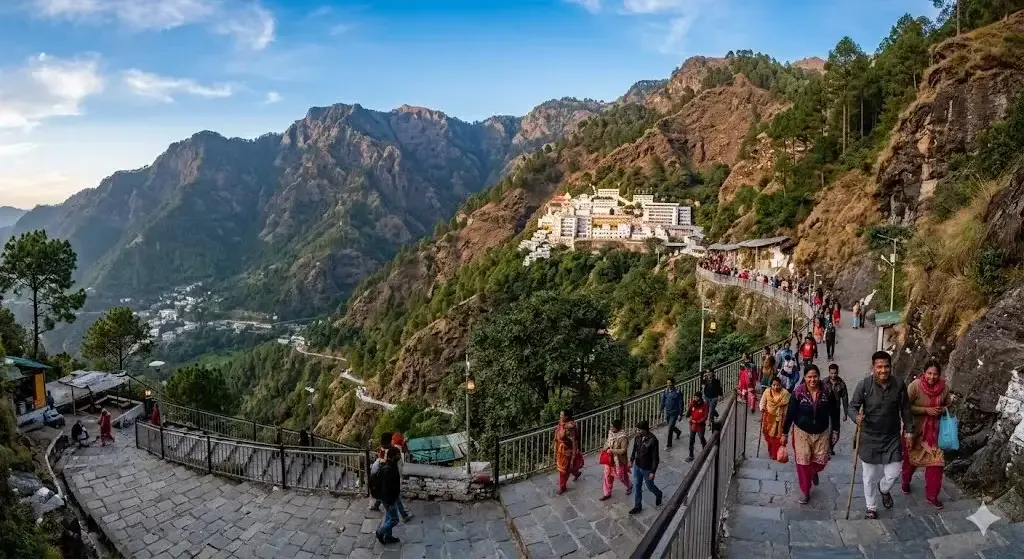
Best Time to Visit Vaishno Devi — NRI Guide (2026)
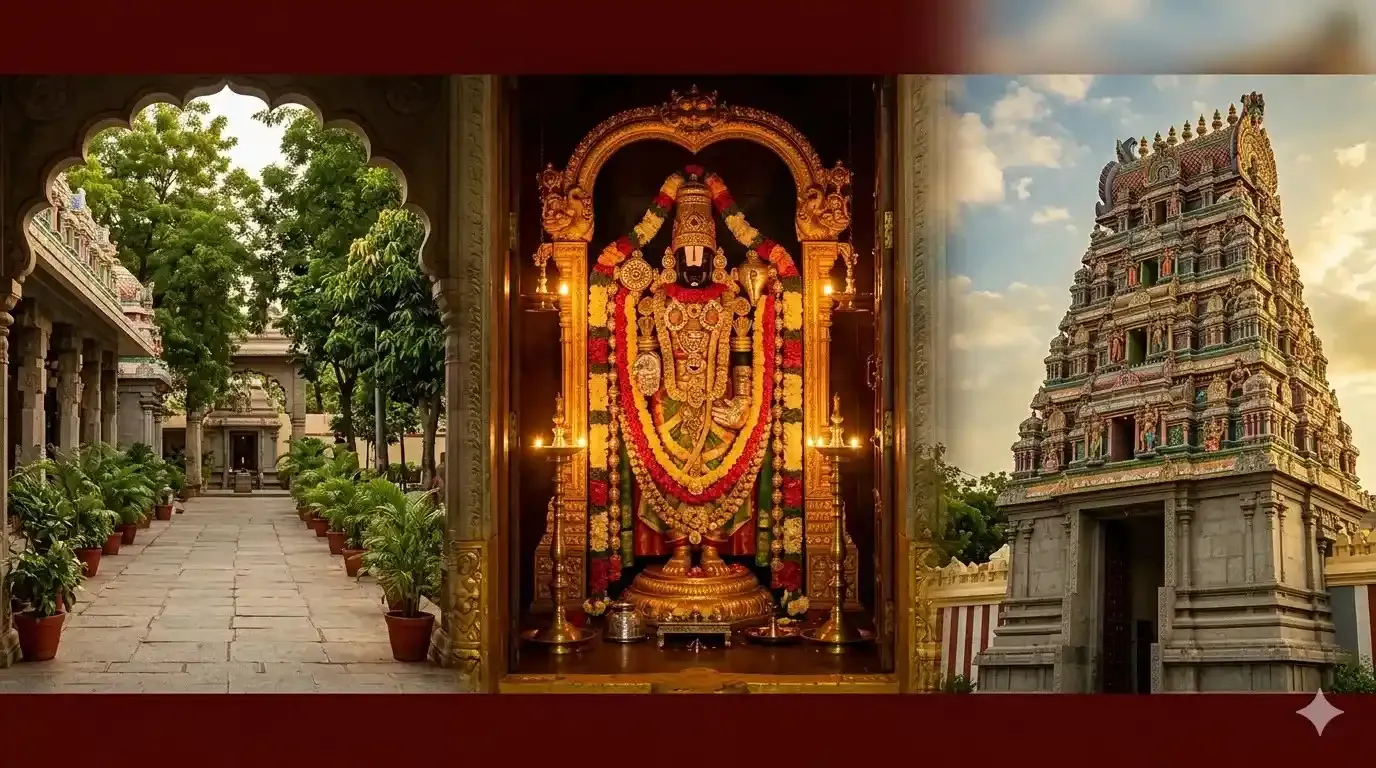
Best Time to Visit Tirumala Tirupati — NRI Guide (Weather & Crowds)
Top Temples to Visit on Akshaya Tritiya Around the World