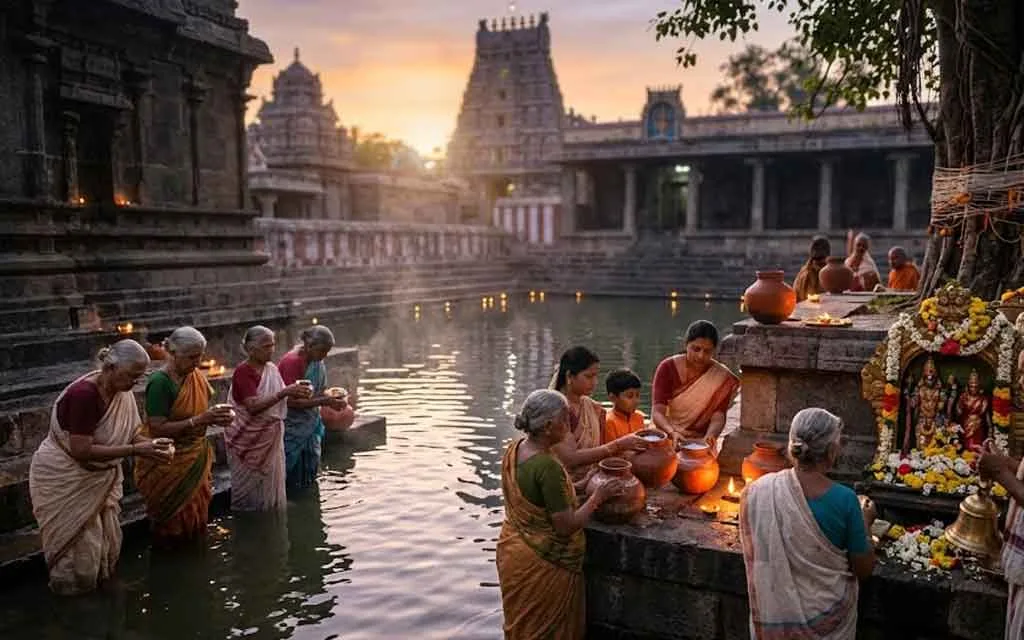
Temples as Cultural Hubs for Hindus in the West
In the vast landscapes of the West, where skyscrapers often overshadow ancient spires, Hindu temples stand as luminous beacons of devotion, heritage, and…

In the vast landscapes of the West, where skyscrapers often overshadow ancient spires, Hindu temples stand as luminous beacons of devotion, heritage, and…
In the vast landscapes of the West, where skyscrapers often overshadow ancient spires, Hindu temples stand as luminous beacons of devotion, heritage, and unity. Far from the sacred rivers of India, these architectural marvels—crafted with marble, limestone, and unwavering faith—serve as more than places of worship. They are vibrant cultural hubs where the Hindu diaspora nurtures its spiritual roots, celebrates festivals with rhythmic drums and diyas, and weaves intergenerational bonds. For millions of Hindus in the USA, UK, Canada, and Australia, temples like the BAPS complexes, the Shiva-Vishnu Temple in Melbourne, and ISKCON Toronto are lifelines, fostering community service, language classes, and interfaith dialogues while combating isolation in foreign lands. These spaces embody the Hindu ethos of seva (selfless service) and bhakti (devotion), transforming immigrants' challenges into collective triumphs.
The Heart of Devotion: Spiritual Sanctuaries Abroad
Hindu temples abroad are not mere replicas of those in Varanasi or Tirupati; they are adaptive expressions of an ancient faith in modern contexts. Built by diasporic communities, they house murtis (divine idols) of deities like Shiva, Vishnu, Krishna, and Ganesha, inviting devotees to perform aartis (ritual offerings) and pujas (worship ceremonies). Yet, their role extends beyond rituals. As scholars note, these temples facilitate "religious placemaking," where immigrants create sacred spaces to preserve traditions amid assimilation pressures. In the diaspora, they host satsangs (spiritual gatherings) with bhajans (devotional songs) and discourses from the Bhagavad Gita, offering solace to those navigating cultural hybridity. Annual events like Diwali, Navratri, and Janmashtami draw thousands, blending Vedic chants with local flavors—think Holi splashed with Australian eucalyptus hues or Canadian maple-infused prasad.
These hubs also promote inclusivity, welcoming non-Hindus for guided tours and exhibitions like "Understanding Hinduism" at BAPS sites, which use 3D dioramas to demystify the faith. Through such outreach, temples reduce prejudice and build bridges, embodying Hinduism's syncretic spirit.
Spotlight on Iconic Temples: Pillars of the Western Diaspora
From the bustling metropolises of New York to the serene suburbs of Toronto, these temples exemplify devotion intertwined with culture. Here's a closer look at some major ones:
BAPS Shri Swaminarayan Mandir, Robbinsville, New Jersey, USA
The crown jewel of American Hindu architecture, this 2023-opened marvel sprawls across 183 acres, boasting the largest Hindu temple in the US at 49,000 square feet. Crafted from 1.9 million cubic feet of Bulgarian limestone, Italian marble, and Indian pink sandstone—carved by artisans in Rajasthan and assembled without steel—it rises 191 feet with 13 shrines, nine spires, and intricate motifs of dance and music. Dedicated to Bhagwan Swaminarayan, it draws 2.5 million visitors yearly for darshan (divine viewing) and festivals.
As a cultural epicenter, BAPS hosts youth camps, Sanskrit classes, and interfaith events, while its solar-powered campus underscores eco-seva—producing a gigawatt daily to light the temple. Community initiatives include free health clinics and tree-planting drives, reflecting Pramukh Swami Maharaj's vision of global harmony. For the 300,000-strong New Jersey Hindu community, it's a pilgrimage site that instills pride and purpose.
BAPS Shri Swaminarayan Mandir, Neasden, London, UK
Europe's first traditional stone Hindu temple, inaugurated in 1995, this Neasden icon—once the world's largest outside India—blends 2,828 tonnes of Bulgarian limestone and 2,000 tonnes of Italian marble, hand-carved by 1,526 Indian artisans. Spanning a complex with a Haveli (cultural center), it enshrines murtis of Swaminarayan and features exhibitions on Hindu wisdom.
A lifeline for the UK's 1.8 million Hindus, it hosts Diwali mela (fairs) with 50,000 attendees, women's empowerment seminars, and the Great British Spring Clean—merging seva with civic duty. As a Tripadvisor awardee, it attracts global tourists, fostering dialogues that combat stereotypes. BAPS's 24 UK centers amplify this, from youth orchestras to food banks, weaving faith into the multicultural fabric.
ISKCON Toronto (Hare Krishna Temple), Toronto, Canada
Housed in a repurposed 1899 Gothic Revival church at 243 Avenue Road, this ISKCON flagship—Canada's largest Hare Krishna center—pulses with bhakti yoga since 1976. Adorned with Radha-Krishna murtis, it offers daily kirtans (chanting) and Govinda's vegetarian feasts, drawing diverse crowds for spiritual solace.
In Toronto's mosaic of 700,000 Hindus, ISKCON Toronto is a cultural dynamo: Janmashtami galas with theatrical plays, Bhagavad Gita study circles, and youth retreats combat generational drift. Its Sunday programs blend Vedic philosophy with meditation, while community kitchens feed the needy—echoing Krishna's call to selfless action. As part of global ISKCON, it links Canadian devotees to Vrindavan, preserving chants amid snowy winters.
Shri Shiva Vishnu Temple, Carrum Downs, Melbourne, Australia
Victoria's largest Hindu temple, consecrated in 1994 at 52 Boundary Road, this South Indian-inspired gem honors Shiva and Vishnu with over 30 deities under ornate gopurams (towers). Built by the Hindu Society of Victoria—funded by diaspora donations and a loan from Tirupati—its rituals follow Agamic traditions, from six daily pujas to Sahasra Abhishekam on New Year's.
For Australia's 684,000 Hindus, it's a southern hemisphere haven: Navratri dances, Vinayaka Chaturthi processions, and language classes revive Tamil and Sanskrit roots. Adjacent Indian stores and eateries make it a one-stop cultural oasis, hosting weddings and interfaith workshops that celebrate multiculturalism. As one devotee shared, "The aroma of ghee lamps and jasmine transports us home."
Weaving Faith and Fabric: Temples as Diaspora Anchors
These temples transcend stone and ritual, emerging as engines of community resilience. In the West, where Hindus form vibrant minorities—3% in New Jersey, 1.5% in the UK—they counter assimilation by offering language immersion, classical dance like Bharatanatyam, and family counseling. Philanthropy thrives too: BAPS's health camps and ISKCON's annadanam (free meals) embody dharma in action, aiding all, not just Hindus.
Yet, challenges persist—zoning battles, cultural dilution—but triumphs shine in unity. Temples host interfaith walks and digital streams, connecting global Hindus via apps and live aartis. They remind us: In exile, faith forges home.
As the sun sets over Robbinsville's spires or Melbourne's gopurams, these hubs whisper an eternal truth—Hinduism's diaspora is not a scattering, but a global garland of devotion and culture.
For more stories of faith abroad, visit www.hindutone.com. Share your temple tales!
Also read: Hindu spiritual leaders and temple founders abroad and famous Hindus living outside India.
Also read: how to visit a Hindu temple: darshan, dress code and etiquette.
Frequently Asked Questions
Where is Temples as Cultural Hubs for Hindus in the West located?
In the vast landscapes of the West, where skyscrapers often overshadow ancient spires, Hindu temples stand as luminous beacons of devotion, heritage, and unity. Far from the sacred rivers of India, these architectural marvels—crafted with marble, limestone, and unwavering faith—serve as more than places of worship.
Who is the presiding deity of Temples as Cultural Hubs for Hindus in the West?
The temple's presiding deity and its significance are described in the guide above.
What are the timings and how do I reach Temples as Cultural Hubs for Hindus in the West?
Temples typically open early morning and evening; confirm current darshan timings before visiting. The nearest airport, railway station and road routes are covered in the guide above.
What is the best time to visit Temples as Cultural Hubs for Hindus in the West?
Major festival days and the cooler months are popular, though weekday mornings offer a calmer darshan. Plan around the temple's key festivals for the most vibrant experience.
You might also like

Purushottam Maas 2026: Lord Vishnu's Sacred Gift of Spiritual Multiplication & Divine Grace

108 Shakti Peethas: The Divine Geography of the Goddess — Complete Guide

Divine Story of Vaishaka Masam: How Rituals Bring Peace, Prosperity, and Spiritual Power