The Role of Temples, Prasadam, Pooja, and Archana in Hindu Daily Life
In Hinduism, temples are more than just places of worship. They are sacred spaces that offer spiritual nourishment, a sense of community, and cultural…
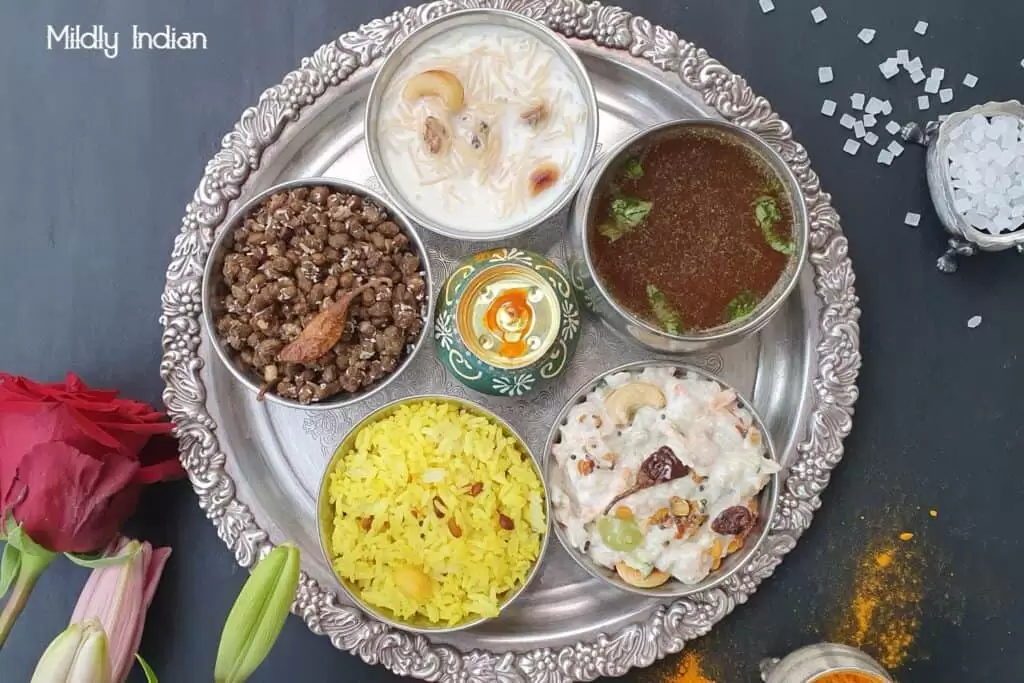
In Hinduism, temples are more than just places of worship. They are sacred spaces that offer spiritual nourishment, a sense of community, and cultural continuity. Temples serve as the heart of a community, playing a vital role in the daily lives of Hindus, providing a space for individuals to connect with the divine, seek blessings, and experience a sense of belonging. The practices within temples, such as pooja, archana, and receiving prasadam, contribute to this experience by deepening one’s spiritual discipline and fostering peace. Here’s how each element plays a unique and important role in the lives of Hindus.
- Temples as Spiritual Sanctuaries and Community Hubs
Places of Divine Connection: Temples are considered the homes of deities and are viewed as places where the divine presence resides. Visiting temples allows individuals to connect directly with their chosen deity, seeking guidance, blessings, and protection. It’s not just about ritual worship, but about the feeling of being in the divine’s presence, which brings a deep sense of peace and serenity. Cultural and Social Gathering Spaces: Temples also serve as cultural and community hubs, where families and individuals gather to celebrate festivals, participate in religious classes, and even engage in social activities. They provide a space for like-minded people to come together, reinforcing the values of community, service, and cooperation. Temples host regular events like satsangs (spiritual gatherings) and festivals that unite the community in joy and devotion.
- Pooja (Ritual Worship) – Connecting with the Divine
Daily Rituals: Pooja refers to the act of worshipping the deity through various rituals, which may include offering flowers, incense, water, and light (typically in the form of lamps or candles). These rituals are a means of expressing devotion, gratitude, and seeking divine blessings. The regular performance of pooja, whether at home or in a temple, instills discipline, mindfulness, and a sense of closeness to God. Spiritual Growth: Through the act of pooja, individuals develop spiritual maturity by offering their minds, hearts, and actions to God. It encourages a daily practice of surrendering one's worries, focusing on devotion, and seeking inner peace. Over time, this practice helps cultivate patience, humility, and love, contributing to personal and spiritual growth.
- Archana (Chanting of Sacred Hymns) – A Spiritual Discipline
Chanting as a Path to Devotion: Archana is the recitation of specific hymns or mantras in honor of a deity. It is an important part of temple rituals, where priests chant sacred verses, invoking divine blessings. Devotees may also participate by chanting or listening to the hymns, which serve as a means of focusing the mind and heart on God. Meditative and Therapeutic Effects: Regular chanting has a calming and meditative effect, helping to soothe the mind and cultivate inner peace. In Hinduism, the sound vibrations created by chanting are believed to have a powerful impact on both the mind and body. By engaging in archana, individuals experience a sense of devotion that transcends the material world and aligns them with higher spiritual frequencies.
- Prasadam – Divine Nourishment and Blessing
Symbol of Divine Grace: Prasadam is the consecrated food or offerings distributed after worship, considered to be a divine blessing from the deity. Whether it’s a sweet like laddu or payasam (sweet rice pudding) or something more savory like puliyodarai (tamarind rice), prasadam carries the energy of the deity’s blessings. Physical and Spiritual Nourishment: Consuming prasadam is an act of receiving divine grace. It is believed that the offering, once consecrated, is infused with the deity’s energy and helps purify the mind, body, and soul. Many people consume prasadam with reverence, viewing it as a sacred act that connects them directly to the divine. This ritual serves as a reminder that spiritual nourishment is just as important as physical sustenance.
- Temples and Spiritual Discipline
Structured Devotion: Regular visits to temples help establish a disciplined routine of spiritual practice. For Hindus, waking up early, performing pooja at home, and visiting the temple are often part of their daily spiritual discipline. These practices help individuals stay grounded and focused on their spiritual journey, fostering a sense of connection to both the divine and the community. A Sense of Peace and Belonging: The temple experience provides a unique opportunity to experience peace amidst the hustle and bustle of everyday life. The peaceful environment, coupled with the rhythmic chants, the aroma of incense, and the beauty of the deity, creates a serene atmosphere that calms the mind and spirit. Furthermore, regular visits to the temple help individuals feel connected to a larger community that shares similar values and beliefs. This fosters a sense of belonging and encourages communal bonds.
- Temples and Festivals – Celebrating Life’s Divine Moments
Celebrating Sacred Events: Temples also play a significant role in the celebration of Hindu festivals, which are an essential part of daily life. These festivals, such as Diwali, Holi, Navratri, and more, are often celebrated at temples with grand rituals, processions, and community feasts. These moments offer a unique blend of spirituality and joy, creating a sense of unity and reinforcing the significance of tradition in everyday life. Renewing Faith and Hope: Festivals at temples are times for renewal—renewing faith in the divine and in oneself. They offer a break from the ordinary and provide a chance for reflection, celebration, and deepening of spiritual practices.
Conclusion: Temples as Pillars of Spiritual Life
Temples, with their rituals, prayers, and community activities, are more than just buildings—they are living centers of spirituality, culture, and community. The practices of pooja, archana, and receiving prasadam serve as reminders of the sacredness in everyday life, helping individuals align with divine principles and fostering a deeper connection with the spiritual world. Regular visits to temples offer an opportunity for spiritual discipline, peace, and a sense of belonging to something much greater than oneself.
For more insights into the role of temples and other aspects of Hindu spirituality, visit Hindutone.com, where we explore how these sacred traditions continue to shape the lives of millions, guiding them toward spiritual fulfillment and a deeper connection with the divine.
`
Also read: Hindu temple visit guide: darshan, dress code and etiquette.
Frequently Asked Questions
Where is The Role of Temples, Prasadam, Pooja, and Archana located?
In Hinduism, temples are more than just places of worship. They are sacred spaces that offer spiritual nourishment, a sense of community, and cultural continuity.
Who is the presiding deity of The Role of Temples, Prasadam, Pooja, and Archana?
The temple's presiding deity and its significance are described in the guide above.
What are the timings and how do I reach The Role of Temples, Prasadam, Pooja, and Archana?
Temples typically open early morning and evening; confirm current darshan timings before visiting. The nearest airport, railway station and road routes are covered in the guide above.
What is the best time to visit The Role of Temples, Prasadam, Pooja, and Archana?
Major festival days and the cooler months are popular, though weekday mornings offer a calmer darshan. Plan around the temple's key festivals for the most vibrant experience.
Share this with family and friends
Send it on WhatsApp, post it, or copy the link.
More from Lifestyle
- Akhanda 2 Thaandavam
- Yoga and Meditation for the Winter Mornings of Margasira: Awakening Devotion in Brahma Muhurta
- "Neti, Neti" in the Age of Social Media: A Sanatani Approach to Mental Health and Identity
- Professional Life Applications:
- Sustainable Living Lessons from Hindu Scriptures: Embracing Zero-Waste Festivals and Eco-Friendly Puja Items
You might also like
Ayurveda Beyond Herbs: Exploring the Complete Science of Life and Cosmic Alignment

Bonalu Festival: A Sacred Tribute to Telangana's Fierce Goddess

Yoga Beyond the Mat: A Deeper Dive into the Hindu Philosophy and Lifestyle of Yoga