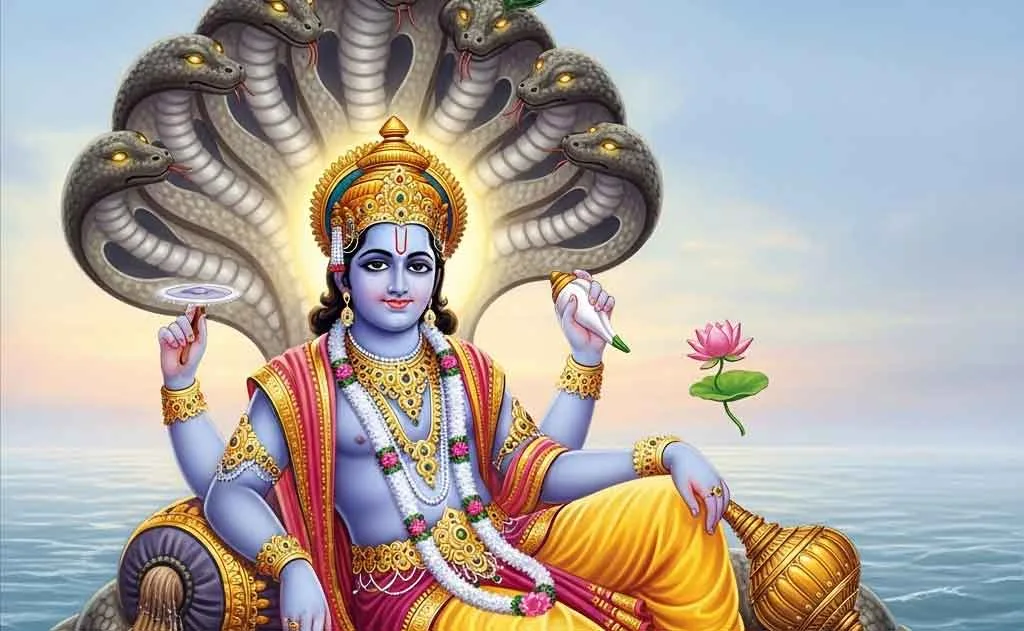
Bhavani Ashtakam (Adi Shankaracharya): Full Text with Meaning
The Bhavani Ashtakam of Adi Shankaracharya, 'na tato na mata', is a prayer of complete surrender to the Divine Mother: 'you are my refuge, you alone, O Bhavani'. Here are all 8 verses in Devanagari and IAST from sanskritdocuments.org, with our own meaning, when it is traditionally recited and how to recite it.
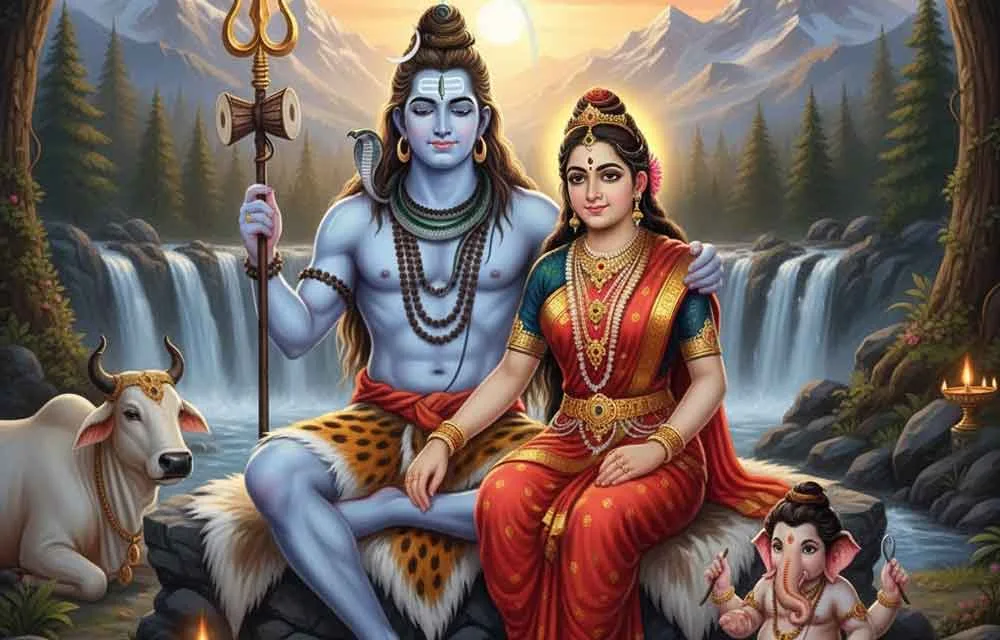
The Bhavani Ashtakam of Adi Shankaracharya, 'na tato na mata', is a prayer of complete surrender to the Divine Mother: 'you are my refuge, you alone, O Bhavani'. Here are all 8 verses in Devanagari and IAST from sanskritdocuments.
Quick answer: The Bhavani Ashtakam ('na tato na mata') is a Sanskrit hymn of 8 verses attributed to Adi Shankaracharya. In it the devotee lays down every support of life, family, learning, practice, even the other gods, and says to the Divine Mother: 'gatis tvam gatis tvam tvam eka bhavani', you are my refuge, you alone, O Bhavani. It is traditionally recited on Fridays, during Navaratri and in times of distress.
Last updated: 20 October 2026. The Sanskrit below is the complete text published by sanskritdocuments.org (file bhavani8.itx), converted to Devanagari and IAST by software from the source, with no word typed by hand. Our own plain-English meaning follows every verse.
Bhavani Ashtakam: full text with meaning
Each verse has four lines and ends with the same refrain. Each verse appears in Devanagari and then in IAST transliteration, followed by its meaning.
Nothing is truly mine (verses 1 and 2)
Verse 1
न तातो न माता न बन्धुर्न दाता
न पुत्रो न पुत्री न भृत्यो न भर्ता ।
न जाया न विद्या न वृत्तिर्ममैव
गतिस्त्वं गतिस्त्वं त्वमेका भवानि ॥ १॥
na tāto na mātā na bandhurna dātā
na putro na putrī na bhṛtyo na bhartā |
na jāyā na vidyā na vṛttirmamaiva
gatistvaṃ gatistvaṃ tvamekā bhavāni || 1||
Meaning: No father, no mother, no relative, no giver; no son, no daughter, no servant, no master; no wife, no learning, no livelihood is truly mine. You are my refuge, you are my refuge, you alone, O Bhavani.
Verse 2
भवाब्धावपारे महादुःखभीरु
प्रपात प्रकामी प्रलोभी प्रमत्तः ।
कुसंसारपाशप्रबद्धः सदाहं
गतिस्त्वं गतिस्त्वं त्वमेका भवानि ॥ २॥
bhavābdhāvapāre mahāduḥkhabhīru
prapāta prakāmī pralobhī pramattaḥ |
kusaṃsārapāśaprabaddhaḥ sadāhaṃ
gatistvaṃ gatistvaṃ tvamekā bhavāni || 2||
Meaning: In the shoreless ocean of worldly life I am afraid of great sorrow; I have fallen, full of desire, greedy and heedless, always bound by the noose of this troubled worldly life. You are my refuge, you are my refuge, you alone, O Bhavani.
I know no practice (verses 3 to 6)
Verse 3
न जानामि दानं न च ध्यानयोगं
न जानामि तन्त्रं न च स्तोत्रमन्त्रम् ।
न जानामि पूजां न च न्यासयोगं
गतिस्त्वं गतिस्त्वं त्वमेका भवानि ॥ ३॥
na jānāmi dānaṃ na ca dhyānayogaṃ
na jānāmi tantraṃ na ca stotramantram |
na jānāmi pūjāṃ na ca nyāsayogaṃ
gatistvaṃ gatistvaṃ tvamekā bhavāni || 3||
Meaning: I know nothing of charity, nor of the yoga of meditation; I know nothing of tantra, nor of hymns and mantras; I know nothing of worship, nor of the practice of nyasa. You are my refuge, you are my refuge, you alone, O Bhavani.
Verse 4
न जानामि पुण्यं न जानामि तीर्थं
न जानामि मुक्तिं लयं वा कदाचित् ।
न जानामि भक्तिं व्रतं वापि मातर्
गतिस्त्वं गतिस्त्वं त्वमेका भवानि ॥ ४॥
na jānāmi puṇyaṃ na jānāmi tīrthaṃ
na jānāmi muktiṃ layaṃ vā kadācit |
na jānāmi bhaktiṃ vrataṃ vāpi mātar
gatistvaṃ gatistvaṃ tvamekā bhavāni || 4||
Meaning: I know nothing of merit, nothing of holy places; I know nothing of liberation or of absorption at any time; I know nothing of devotion or of vows, O Mother. You are my refuge, you are my refuge, you alone, O Bhavani.
Verse 5
कुकर्मी कुसङ्गी कुबुद्धिः कुदासः
कुलाचारहीनः कदाचारलीनः ।
कुदृष्टिः कुवाक्यप्रबन्धः सदाहं
गतिस्त्वं गतिस्त्वं त्वमेका भवानि ॥ ५॥
kukarmī kusaṅgī kubuddhiḥ kudāsaḥ
kulācārahīnaḥ kadācāralīnaḥ |
kudṛṣṭiḥ kuvākyaprabandhaḥ sadāhaṃ
gatistvaṃ gatistvaṃ tvamekā bhavāni || 5||
Meaning: I do wrong deeds, keep wrong company, think wrong thoughts and serve poorly; I have fallen away from the good conduct of my family's tradition and am absorbed in wrong conduct; I look with wrong eyes and speak harsh words always. You are my refuge, you are my refuge, you alone, O Bhavani.
Verse 6
प्रजेशं रमेशं महेशं सुरेशं
दिनेशं निशीथेश्वरं वा कदाचित् ।
न जानामि चान्यत् सदाहं शरण्ये
गतिस्त्वं गतिस्त्वं त्वमेका भवानि ॥ ६॥
prajeśaṃ rameśaṃ maheśaṃ sureśaṃ
dineśaṃ niśītheśvaraṃ vā kadācit |
na jānāmi cānyat sadāhaṃ śaraṇye
gatistvaṃ gatistvaṃ tvamekā bhavāni || 6||
Meaning: Brahma, Vishnu the lord of Lakshmi, Shiva, Indra, the Sun or the Moon: I have never known any other, O giver of refuge. You are my refuge, you are my refuge, you alone, O Bhavani.
Protect me everywhere (verses 7 and 8)
Verse 7
विवादे विषादे प्रमादे प्रवासे
जले चानले पर्वते शत्रुमध्ये ।
अरण्ये शरण्ये सदा मां प्रपाहि
गतिस्त्वं गतिस्त्वं त्वमेका भवानि ॥ ७॥
vivāde viṣāde pramāde pravāse
jale cānale parvate śatrumadhye |
araṇye śaraṇye sadā māṃ prapāhi
gatistvaṃ gatistvaṃ tvamekā bhavāni || 7||
Meaning: In quarrels and in grief, in error and when far from home, in water and in fire, on mountains and among enemies, in the forest: O refuge, protect me always. You are my refuge, you are my refuge, you alone, O Bhavani.
Verse 8
अनाथो दरिद्रो जरारोगयुक्तो
महाक्षीणदीनः सदा जाड्यवक्त्रः ।
विपत्तौ प्रविष्टः प्रनष्टः सदाहं
गतिस्त्वं गतिस्त्वं त्वमेका भवानि ॥ ८॥
anātho daridro jarārogayukto
mahākṣīṇadīnaḥ sadā jāḍyavaktraḥ |
vipattau praviṣṭaḥ pranaṣṭaḥ sadāhaṃ
gatistvaṃ gatistvaṃ tvamekā bhavāni || 8||
Meaning: I am without a protector, poor, troubled by old age and illness, very weak and wretched, always dull of speech; I have fallen into misfortune and am utterly lost. You are my refuge, you are my refuge, you alone, O Bhavani.
Colophon
॥ इति श्रीमदादिशङ्कराचार्यविरचितं भवान्यष्टकं सम्पूर्णम् ॥
|| iti śrīmadādiśaṅkarācāryaviracitaṃ bhavānyaṣṭakaṃ sampūrṇam ||
Meaning: Thus ends the Bhavani Ashtakam composed by the revered Adi Shankaracharya.
The shape of the hymn
The Bhavani Ashtakam is built as a series of letting-go. Each verse names something a person might lean on and then sets it down, until only the refrain is left:
| Verses | What the devotee lets go of |
|---|---|
| 1 | family, friends, learning and livelihood |
| 2 | the self-image of one who can cross life's ocean alone |
| 3 and 4 | every practice: charity, meditation, mantra, worship, pilgrimage, vows |
| 5 | any claim to good conduct |
| 6 | every other deity: 'I have never known any other' |
| 7 | every place of safety: water, fire, mountains, forest, a foreign land |
| 8 | health, wealth and strength |
Verse 6 is not a rejection of the other gods but the language of single-minded devotion: in that moment of surrender, the Mother is the only refuge the devotee knows. The same humility runs through Shankaracharya's Bhaja Govindam and Annapurna Stotram.
When is the Bhavani Ashtakam traditionally recited?
- Fridays: Friday is the day of the Devi; see our Friday guide and the Friday rituals guide for NRI families.
- Ashtami: the next Masik Durgashtami days are Tuesday 17 November 2026 and Thursday 17 December (dates for New Delhi).
- Navaratri: Sharad Navaratri 2026 ran from 11 to 19 October; see the Navratri 2026 guide.
- Far from home or in trouble: verse 7 names 'pravase', being in a foreign land, among the dangers in which the Mother is asked to protect: a verse many NRI families hold close.
How to recite it at home
- Sit before a picture of Durga, Parvati or Tulja Bhavani with a lamp and, if you have them, a red flower and a little kumkum.
- Recite each verse slowly; let the refrain at the end of each verse be the moment you offer the verse.
- Many families recite the refrain three times at the end.
- On a longer day, follow it with the 108 names of Durga or the Mahishasura Mardini Stotram.
Pronunciation help
- The metre is bhujangaprayata, 'the gliding of a serpent': each line has four groups of short-long-long syllables (na TA-to, na MA-ta). Reading it with that lilt makes it easy to learn.
- In the IAST, a line over a vowel (ā, ī, ū) means it is held twice as long; ś and ṣ are both 'sh' sounds.
- Bhavāni at the end of each verse is addressed to the Mother: bha-VAA-ni.
Traditional beliefs about the hymn
The Bhavani Ashtakam makes no promises; it has no phalashruti at all. Devotees traditionally believe that reciting it with faith:
- softens pride and brings the peace of surrender;
- brings comfort and courage in illness, loss, travel and loneliness;
- deepens the bond with the Divine Mother as Durga and Parvati;
- is enough by itself when one knows no other prayer, as the hymn says.
These are matters of faith. Verse 8 speaks of illness and poverty; the hymn is a prayer for the Mother's grace, not a substitute for medical care or practical help.
Tips for NRI families
- Learn the refrain first. Children can join in on 'gatis tvam gatis tvam tvam eka bhavani' long before they know the verses.
- Verse 7 for travel. Many recite verse 7 before a flight or a long drive.
- Visit her temples. Read about Tulja Bhavani Temple, Tuljapur and Kanaka Durga Temple, Vijayawada.
- Go deeper. The Durga hub gathers our Devi guides; the Devi Mahatmya guide and Devi Kavacham cover the Saptashati.
Frequently asked questions
Who composed the Bhavani Ashtakam?
Adi Shankaracharya, according to the source: its Author field is Shankaracharya and its colophon reads 'iti shrimad-Adi-Shankaracharya-virachitam Bhavanyashtakam sampurnam'.
Who is Bhavani?
Bhavani is a name of the Divine Mother, Parvati, the consort of Shiva (Bhava). She is worshipped as Durga and, in Maharashtra, especially as Tulja Bhavani of Tuljapur.
What does 'gatis tvam gatis tvam tvam eka bhavani' mean?
'You are my refuge, you are my refuge, you alone, O Bhavani.' Every verse ends with this line: whatever the devotee lacks, whatever the danger, the Mother alone is the way and the goal.
When is it traditionally recited?
On Fridays and Tuesdays, during Navaratri, on Ashtami days, in times of distress and when far from home. Many recite it daily as a short prayer of surrender.
How long does it take?
About three minutes for all eight verses.
Can anyone recite it?
Yes. The hymn asks for no qualification at all; its whole point is that the devotee has nothing to offer but surrender.
Editor's note (20 October 2026)
This page was published on 20 October 2026 at the address readers and search engines were already requesting. The Sanskrit is the full text of the Bhavani Ashtakam on sanskritdocuments.org (file bhavani8.itx; Author field: Shankaracharya; colophon 'iti shrimad-Adi-Shankaracharya-virachitam Bhavanyashtakam sampurnam'). It was converted from ITRANS to Devanagari and IAST by software; no letter has been changed. In verse 5 the word kulachara ('the conduct of one's family line') is rendered 'the good conduct of my family's tradition'. Dates are from HinduTone's panchang pages for New Delhi.
Related guides
You might also like
Dwadasa Jyotirlinga Stotram (Adi Shankaracharya): Full Text with Meaning
Surya Kavacham (Yajnavalkya): Full Text with Meaning
Lalita Pancharatnam (Pratah Smarami Lalita): Full Text with Meaning