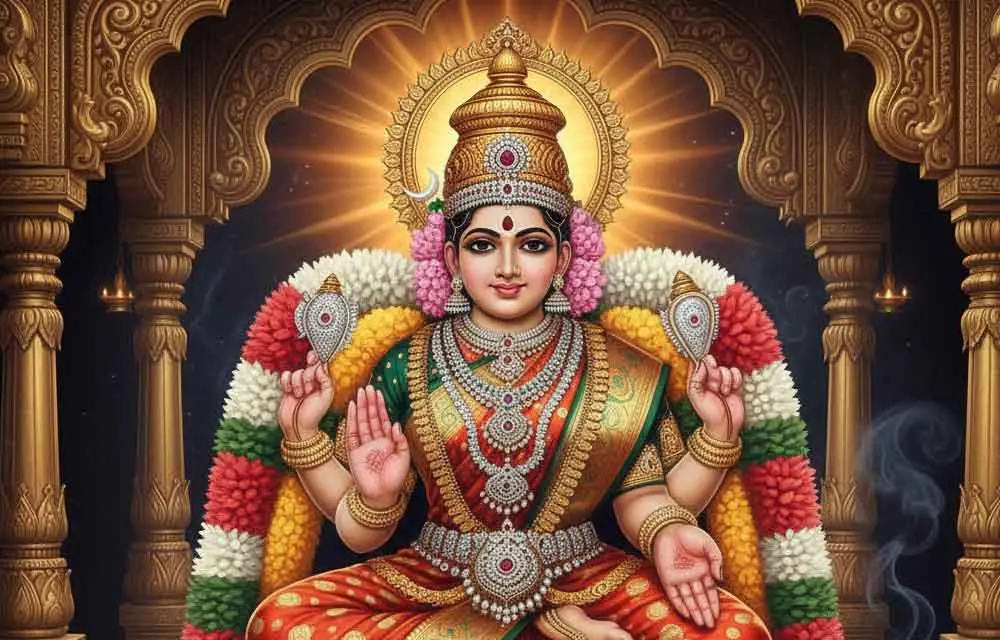
El Niño 2026: Hindu Mantras for Rain and Protection (Varuna, Indra, Shiva, Durga, Rama)
With NOAA forecasting a strong-to-very strong El Niño through early 2027, these are the Hindu mantras traditionally chanted for timely rain, water, food and protection: Varuna Gayatri, Indra Gayatri, Shakambhari, Annapurna, Om Namah Shivaya, Durga, Vasudeva, the Rama Raksha verse and Hanuman, with meanings and a simple chanting method.
With NOAA forecasting a strong-to-very strong El Niño through early 2027, these are the Hindu mantras traditionally chanted for timely rain, water, food and protection: Varuna Gayatri, Indra Gayatri, Shakambhari, Annapurna, Om Namah Shivaya, Durga, Vasudeva, the Rama Raksha verse and Hanuman, with meanings and a simple chanting method.
Quick answer: For timely rain in an El Niño year, Hindus chant the Varuna Gayatri and Indra Gayatri, with Om Shakambharyai Namah and Om Annapurnayai Namah for food and greenery. For protection, Om Namah Shivaya, Om Dum Durgayai Namah, Om Namo Bhagavate Vasudevaya, the Rama Raksha verse Apadam Apahartaram and Hanuman mantras are chanted 11, 21 or 108 times.
Why El Niño matters to Hindu families in 2026
El Niño is the periodic warming of the eastern Pacific Ocean that shifts rainfall and temperature patterns around the world. On 8 October 2026 the US Climate Prediction Center (NOAA) kept its El Niño Advisory in force and said a strong-to-very strong El Niño is likely through January–March 2027, with a real chance of the strongest event since records began in 1950. Its next update is due on 12 November 2026.
In India, El Niño years are often linked with weaker monsoon rain, longer dry spells and more heat, though not every El Niño brings drought. Families abroad feel it too: Australia often turns hotter and drier, and weather in parts of the Americas and Africa shifts. When rain, crops and water feel uncertain, many Hindus turn to the old prayers for timely rain (*kale varshatu parjanyah*), balance in nature and protection.
The mantras below are chanted to Varuna (lord of waters), Indra (king of the clouds and rain), Shakambhari and Annapurna (food and greenery), and to Shiva, Durga, Vishnu, Rama and Hanuman for steadiness and protection.
Mantras for rain and plentiful water (Varuna and Indra)
Varuna Gayatri mantra
ॐ जलबिम्बाय विद्महे नीलपुरुषाय धीमहि । तन्नो वरुणः प्रचोदयात् ॥
*Om Jalabimbaya Vidmahe Nilapurushaya Dhimahi, Tanno Varunah Prachodayat*
Meaning: We meditate on Varuna, whose form is water, the blue-hued Being; may Varuna inspire and bless us. It is chanted for rain and the blessing of water, ideally beside a river, lake, well or simply a vessel of clean water.
Indra Gayatri mantra
ॐ सहस्रनेत्राय विद्महे वज्रहस्ताय धीमहि । तन्न इन्द्रः प्रचोदयात् ॥
*Om Sahasranetraya Vidmahe Vajrahastaya Dhimahi, Tanna Indrah Prachodayat*
Meaning: We meditate on the thousand-eyed one who holds the vajra (thunderbolt); may Indra inspire us. Indra commands the clouds, and this prayer asks for the blessing of rain. (Popular sites also print a version beginning "Om Indraya Vidmahe"; we give the wording found in the Panchamukhi Mahagayatri Khadgamala text on sanskritdocuments.org.)
Simple name mantras
- ॐ वरुणाय नमः (Om Varunaya Namah): salutations to Varuna
- ॐ इन्द्राय नमः (Om Indraya Namah): salutations to Indra
Shakambhari and Annapurna, for greenery and food
- ॐ शाकम्भर्यै नमः (Om Shakambharyai Namah): Shakambhari is the form of the Goddess who, in the Devi Mahatmya tradition, fed the world with vegetables and greens from her own body during a long drought.
- ॐ अन्नपूर्णायै नमः (Om Annapurnayai Namah): Annapurna, the giver of food. See also the Annapurna Stotram with meaning.
Mantras for protection during natural calamities
Om Namah Shivaya
ॐ नमः शिवाय (Om Namah Shivaya), the Panchakshari of Shiva, lord of the elements, is chanted to calm fear and restore balance. Our Om Namah Shivaya 108-times chanting guide explains the method.
Durga mantra
ॐ दुं दुर्गायै नमः (Om Dum Durgayai Namah): the bija mantra of Durga, chanted for protection and courage.
Vishnu and Krishna
ॐ नमो भगवते वासुदेवाय (Om Namo Bhagavate Vasudevaya): the twelve-syllable mantra of Vishnu, the preserver, chanted for protection and balance.
Rama mantra for removing calamities
आपदामपहर्तारं दातारं सर्वसम्पदाम् । लोकाभिरामं श्रीरामं भूयो भूयो नमाम्यहम् ॥
*Apadam apahartaram dataram sarvasampadam, lokabhiramam Sri Ramam bhuyo bhuyo namamyaham*
Meaning: Again and again I bow to Sri Rama, who removes calamities, gives every kind of wealth and delights the whole world. This is verse 35 of the Sri Rama Raksha Stotram. See also Sri Rama Rama Rameti.
Hanuman
ॐ हनुमते नमः (Om Hanumate Namah) or the Hanuman Chalisa, chanted for protection and courage in hard times.
How to chant
- Sit facing east or north in a clean place, in the morning or evening, after a bath.
- Chant each mantra 11, 21 or 108 times with devotion; a japa mala helps you keep count.
- Offer water (arghya) and light a lamp. For the Varuna mantras, many devotees pour a little water back to a plant or the earth at the end.
- Choose one or two mantras and chant them daily rather than many mantras irregularly.
Vedic hymns and traditional rain rites
- Varuna and Parjanya hymns: the Rig Veda has several hymns to Varuna and a hymn to Parjanya, the rain-cloud (Rig Veda 5.83). These are best recited by trained Vedic pandits, with correct svara.
- Virata Parva reading: in Andhra Pradesh and Telangana there is an old belief that reading the Virata Parva of the Mahabharata brings rain, and families or temples sometimes arrange a parayanam in dry seasons.
- Rishyashringa: in the Valmiki Ramayana (Bala Kanda), the sage Rishyashringa's arrival ends a long drought in King Romapada's kingdom of Anga. In some regions his name is remembered in prayers for rain.
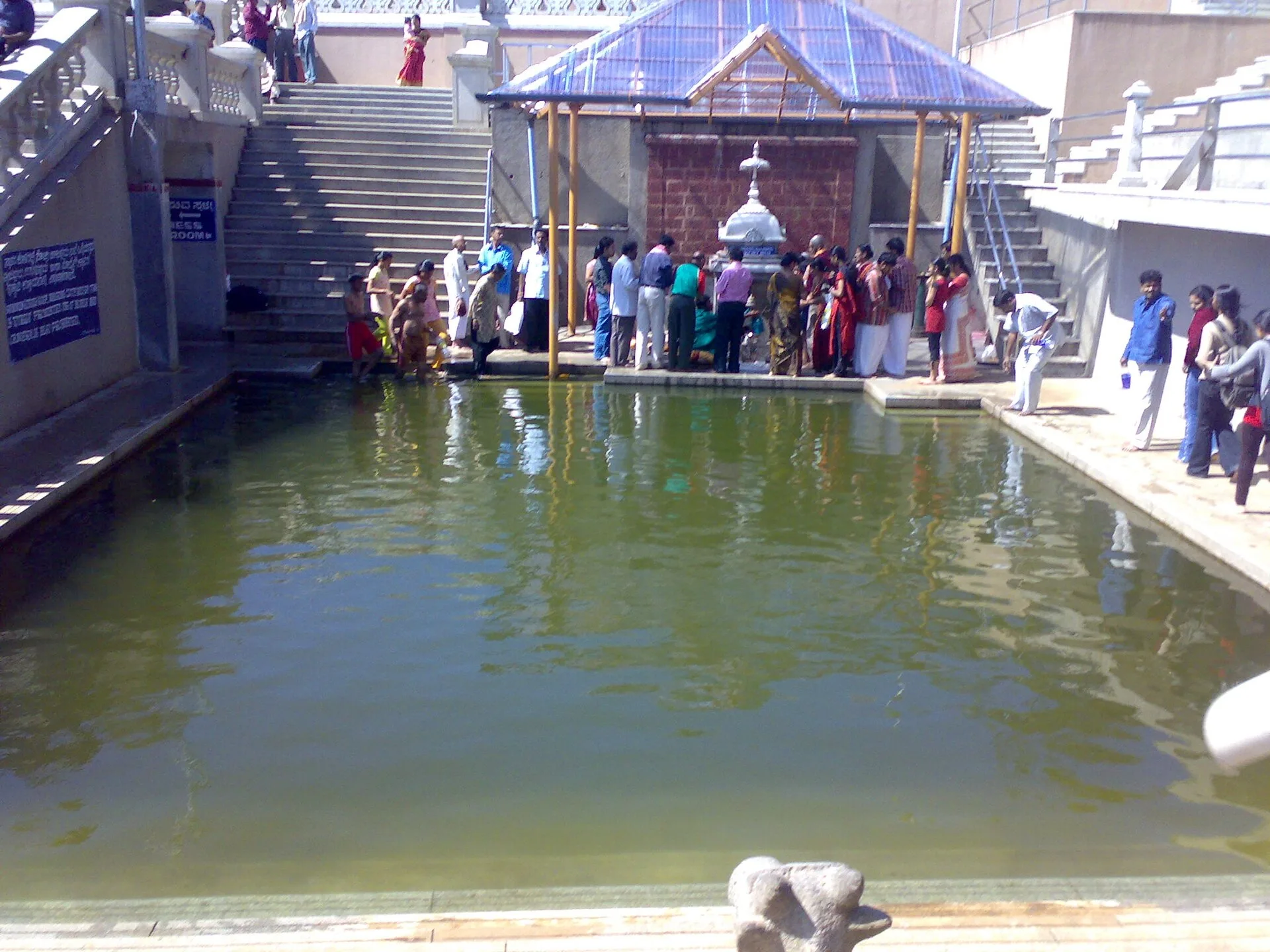
- Temples and water: Hindu temples were often built with tanks and channels to store the monsoon. Read ancient rainwater harvesting in Hindu temples and the sea offerings to Varuna on Narali Purnima.
Prayer and practical action go together
These mantras are for devotion and peace of mind. They do not replace practical steps during an El Niño year: save water, follow local water restrictions, plan crops with your agriculture department's advisories, protect elders and children in heatwaves and follow official weather warnings (IMD in India, the Bureau of Meteorology in Australia, NOAA in the USA). The tradition itself says Vedic mantras work best when pronounced correctly, so learn them from a local pandit if you can.
Chanted with faith, these prayers steady the mind and keep hope alive. Shubham!
Frequently asked questions
Which mantra is chanted for rain?
The Varuna Gayatri (Om Jalabimbaya Vidmahe Nilapurushaya Dhimahi, Tanno Varunah Prachodayat) and the Indra Gayatri (Om Sahasranetraya Vidmahe Vajrahastaya Dhimahi, Tanna Indrah Prachodayat) are the mantras most associated with rain. Simple name mantras, Om Varunaya Namah and Om Indraya Namah, can be chanted by anyone.
Is there a strong El Niño in 2026?
Yes. NOAA's Climate Prediction Center, in its 8 October 2026 discussion, kept an El Niño Advisory and said a strong-to-very strong El Niño is likely through January–March 2027. Its next update is due on 12 November 2026.
How many times should I chant these mantras?
Traditionally 11, 21 or 108 times, morning or evening, after a bath, with a lamp and an offering of water. Regular daily chanting of one or two mantras is better than an irregular long practice.
Which Vedic hymns are recited for rain?
The Rig Veda's hymns to Varuna and the Parjanya hymn (Rig Veda 5.83) are recited by trained pandits. In Andhra Pradesh and Telangana, reading the Virata Parva of the Mahabharata is a traditional rain prayer.
Can mantras stop drought or heat?
Mantras are for devotion and peace of mind. In an El Niño year, also save water, follow official weather and heat warnings and your agriculture department's crop advice.
Editor's note
Editor's note (20 October 2026): El Niño status is from the NOAA Climate Prediction Center's ENSO Diagnostic Discussion of 8 October 2026. The Varuna and Indra Gayatri texts follow the Panchamukhi Mahagayatri Khadgamala Stotram on sanskritdocuments.org, and the Rama verse is verse 35 of the Sri Rama Raksha Stotram. Chanting counts are traditional suggestions. This guide is devotional and is not weather, farming or medical advice.
Related guides
You might also like
Devi Kavacham (Durga Saptashati): Full Text with Meaning
Argala Stotram (Durga Saptashati): Full Text with Meaning
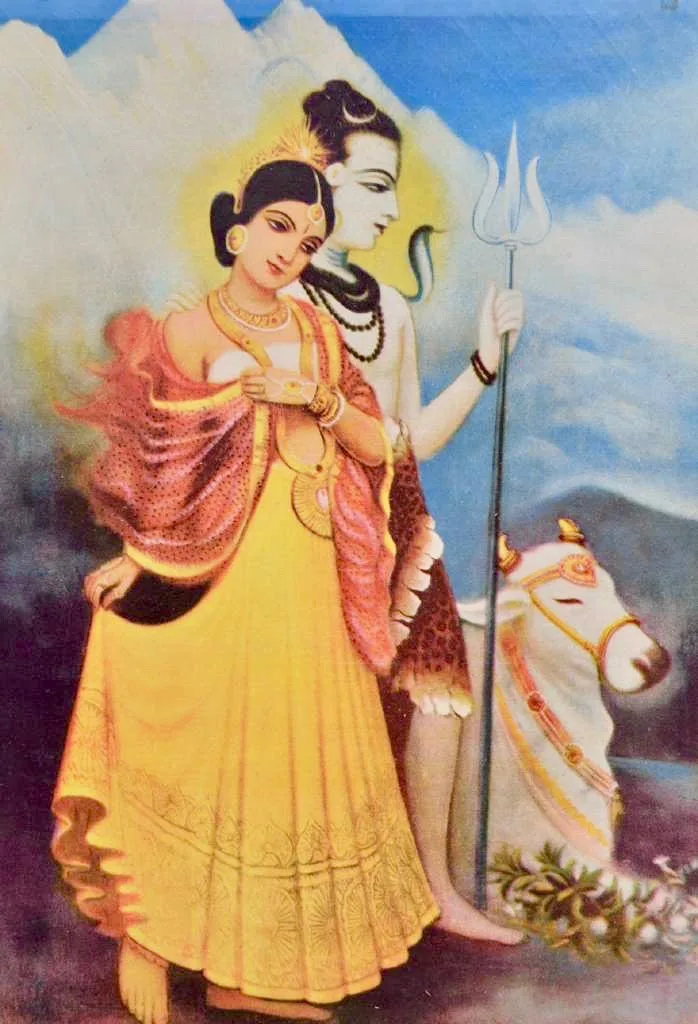
Can Householders Keep a Shiva Lingam at Home? Worship Shiva's Murti or Photo with Om Namah Shivaya