Narali Purnima: Sacred Coconut Offerings to the Sea God Varuna
Embracing Coastal Traditions with Faith & Reverence 🌕 A Festival of Faith, Gratitude & Ocean Blessings When the full moon of the Shravana month brightens the…
Embracing Coastal Traditions with Faith & Reverence 🌕 A Festival of Faith, Gratitude & Ocean Blessings When the full moon of the Shravana month brightens the…
Embracing Coastal Traditions with Faith & Reverence
🌕 A Festival of Faith, Gratitude & Ocean Blessings
When the full moon of the Shravana month brightens the monsoon skies, coastal India awakens with vibrant rituals and heartfelt devotion. This sacred day — Narali Purnima — is more than a festival. It’s a timeless tradition, a gesture of gratitude to the sea, and a spiritual offering for protection and prosperity.
Celebrated primarily in Maharashtra, Goa, Karnataka, and Kerala, the festival centers on offering coconuts to the ocean, invoking the blessings of Lord Varuna, the Vedic deity of water.
🧿 Why Coconuts? The Spiritual Significance
The coconut (called Naral in Marathi) holds profound symbolism in Hindu rituals:
- The hard shell represents the ego, which must be broken to attain spiritual truth.
- The three eyes mirror Lord Shiva’s third eye — the symbol of spiritual vision.
- The pure water inside is viewed as Amrit — a nectar of life and purity.
To offer a coconut to Varuna is to surrender one's ego and desires, seeking peace, protection, and prosperity in return.
🌊 Worshipping Varuna Devta – Guardian of the Seas
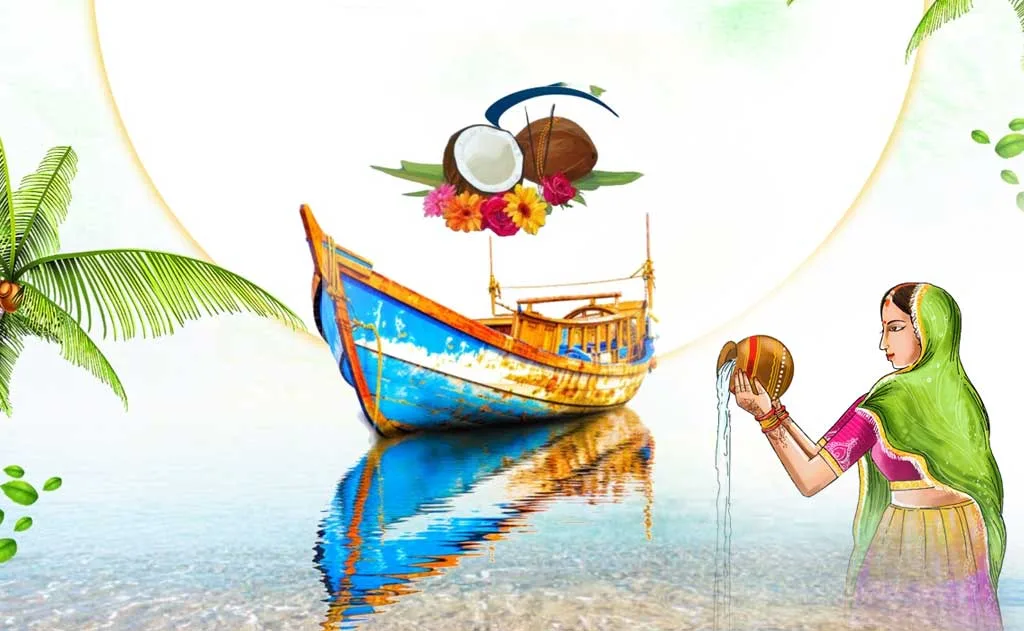
For coastal communities, the sea is life itself. During the monsoon, when fishing halts, Narali Purnima marks the end of the stormy season and the beginning of safe voyages.
Before casting their nets again, fishermen gather by the shore, offering coconuts and chanting “Jai Varuna Dev!”, praying for:
- 🌊 Calm seas and safe journeys
- 🐟 Bountiful catches and livelihood
- 🚢 Divine protection for their boats and families
Floating lamps, garlands, and decorated boats transform the sea into a sacred altar — a breathtaking spiritual spectacle.
🌴 Regional Traditions: Coastal India’s Unique Celebrations
🌺 Maharashtra – The Koli Community’s Grand Observance
Among the Koli fisherfolk, this is a day of vibrant festivities.
Boats are adorned with flags and flowers, women cook Narali Bhaat (sweet coconut rice), and the first coconut is gently offered to the sea with aarti and songs.
🕊️ Goa – Quiet Devotion in Coastal Silence
Goan rituals are meditative and serene. Families gather by rivers and lakes, offering coconuts to all water sources, acknowledging the sacredness of every drop.
🔱 Kerala & Karnataka – A Confluence with Avani Avittam
Here, Narali Purnima often coincides with Avani Avittam, where Brahmins renew their sacred thread (Yajnopavita). Alongside, coastal devotees offer Tarpanam to ancestors and coconuts to Varuna, blending family lineage and divine gratitude.
📜 Mythological Roots: The Ocean as a Divine Entity
In the Vedas, Varuna is portrayed as the cosmic regulator and ruler of waters.
In the legend of Samudra Manthan, both nectar (Amrit) and poison (Halahala) arose from the ocean — a reminder that the sea, like life, brings both blessings and trials.
Offering coconuts is thus a spiritual balancing act — a gesture of respect, surrender, and acknowledgement of nature’s duality.
👨👩👧👦 Narali Purnima & Raksha Bandhan – Two Festivals, One Spirit
In many years, Narali Purnima and Raksha Bandhan fall on the same day — both rooted in protection and sacred bonds.
After sea offerings, sisters tie Rakhis on their brothers, blending the spiritual with the familial, and adding warmth to the day’s devotion.
🍚 Festive Delights: Coconut in Every Bite
The festival’s flavors are sweet, Satvik (pure), and deeply traditional:
- 🥥 Narali Bhaat – sweet coconut rice with jaggery
- 🥥 Coconut Laddus
- 🥥 Tender coconut water offered as prasad
- 🥥 Coconut milk payasam in southern homes
Every dish reflects simplicity, purity, and heartfelt devotion.
🌟 A Message for Modern Times
Narali Purnima is more than ritual — it’s a spiritual philosophy:
- 🌿 Respect nature before reaping its resources
- 🌊 Begin new ventures with humility and prayer
- ⚖️ Accept the dual nature of life — both giving and taking
In today’s world of environmental challenges and spiritual disconnection, this festival reminds us that tradition and ecology must walk together.
🙏 Final Thoughts from HinduTone
At HinduTone.com, we believe that festivals like Narali Purnima are living bridges — connecting the wisdom of the past with the needs of today.
Whether you live by the sea or far from its shores, let this day inspire you to:
- Offer with gratitude
- Live with humility
- Pray with sincerity
May Varuna Devta bless us all with peace, safety, and abundance.
Frequently Asked Questions
When is Narali Purnima celebrated?
Narali Purnima falls on the full moon of the Shravana month, in the monsoon season. The exact date follows the Hindu calendar, so check the local panchang for the year.
Why are coconuts offered to the sea on Narali Purnima?
Coconuts are offered to Lord Varuna, the Vedic deity of water. The hard shell stands for the ego that must be broken, and offering it expresses surrender and gratitude while seeking peace, protection and prosperity.
Why does the festival matter to fishermen?
Fishing halts during the monsoon, and Narali Purnima marks the end of the stormy season and the start of safe voyages. Fishermen offer coconuts and chant Jai Varuna Dev, praying for calm seas, good catches and protection for their boats.
How do the Koli community celebrate Narali Purnima in Maharashtra?
Koli fisherfolk adorn their boats with flags and flowers, and women cook Narali Bhaat, a sweet coconut rice. The first coconut is offered to the sea with aarti and songs.
Do Narali Purnima and Raksha Bandhan fall on the same day?
In many years they do, since both are on the Shravana full moon. After the sea offerings, sisters tie Rakhis on their brothers.
Can I observe Narali Purnima if I live far from the sea?
Yes. The message is to respect nature, begin ventures with humility and pray with sincerity, whether or not you live by the shore. As in Goa, coconuts can be offered to rivers and lakes, honouring every water source.
You might also like

The Divine Significance of Sravana Purnima in Hinduism

Chilkur Balaji 'Visa Balaji' Temple: The 11 and 108 Pradakshina Custom Explained for NRIs
Ekagrata (One-Pointedness): Yoga Concentration and Samyama Glossary