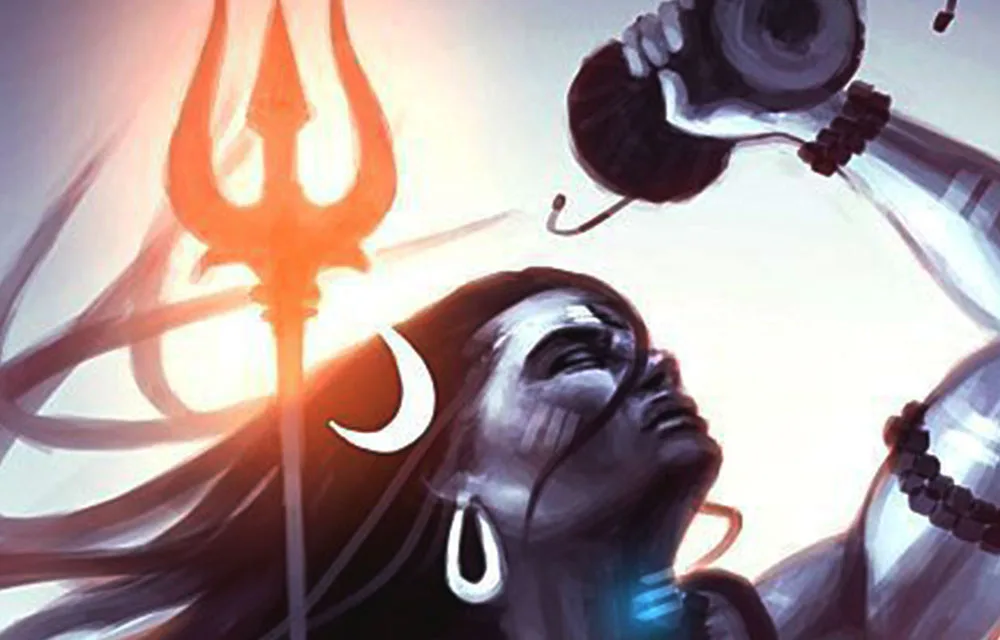
Argala Stotram (Durga Saptashati): Full Text with Meaning
The Argala Stotram is the hymn recited before the Durga Saptashati (Devi Mahatmya), with the refrain 'rupam dehi jayam dehi yasho dehi dvisho jahi'. Here are all 27 verses with the Chandika dhyana and viniyoga in Devanagari and IAST from sanskritdocuments.org, our own verse-by-verse meaning, and how to recite it.
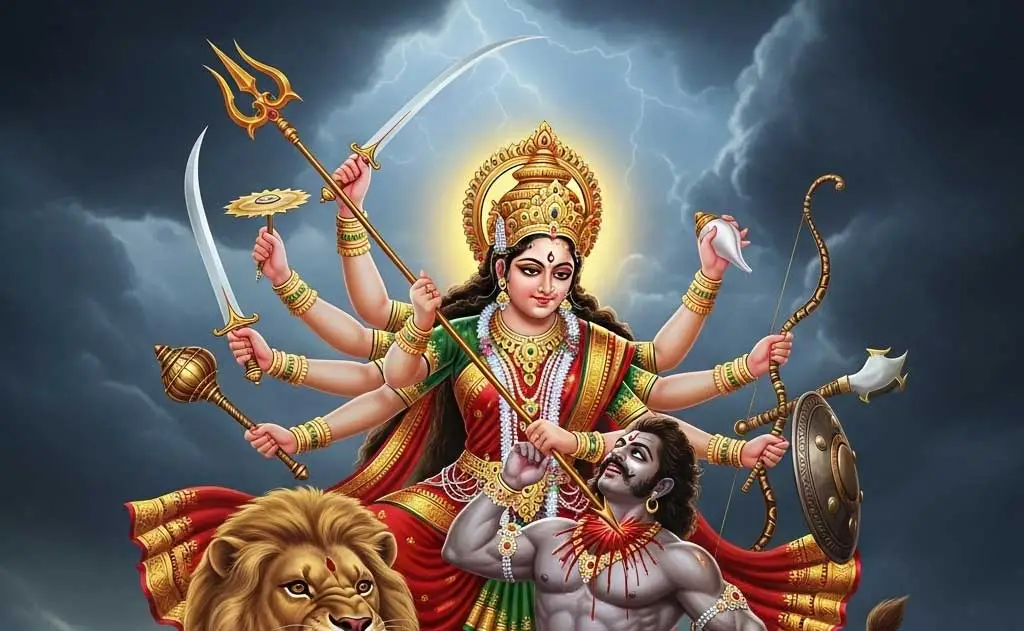
The Argala Stotram is the hymn recited before the Durga Saptashati (Devi Mahatmya), with the refrain 'rupam dehi jayam dehi yasho dehi dvisho jahi'. Here are all 27 verses with the Chandika dhyana and viniyoga in Devanagari and IAST from sanskritdocuments.
Quick answer: The Argala Stotram is a 27-verse Sanskrit hymn to the Goddess Chandika, spoken by the sage Markandeya and recited as one of the opening 'limbs' of the Durga Saptashati (Devi Mahatmya, Chandi Path), together with the Devi Kavacham and the Kilakam. Almost every verse ends with the refrain "rupam dehi jayam dehi yasho dehi dvisho jahi": 'grant beauty, grant victory, grant glory, destroy my enemies'. It is recited during Navaratri, on Ashtami days and on Fridays.
Last updated: 20 October 2026. The Sanskrit below is the complete text published by sanskritdocuments.org (file argalaastotra.itx), converted to Devanagari and IAST by software from the source, with no word typed by hand. Our own plain-English meaning follows every verse.
Argala Stotram: full text with meaning
The source begins with two meditation (dhyana) verses on Chandika, the second introduced by 'or else', and the viniyoga, the formal statement of the hymn's rishi, metre and deity. Then come the 27 verses. Each appears in Devanagari and then in IAST transliteration, followed by its meaning.
Chandika dhyana and viniyoga
॥ श्री॥
श्रीचण्डिकाध्यानम्
ॐ बन्धूककुसुमाभासां पञ्चमुण्डाधिवासिनीम् ।
स्फुरच्चन्द्रकलारत्नमुकुटां मुण्डमालिनीम् ॥
त्रिनेत्रां रक्तवसनां पीनोन्नतघटस्तनीम् ।
पुस्तकं चाक्षमालां च वरं चाभयकं क्रमात् ॥
दधतीं संस्मरेन्नित्यमुत्तराम्नायमानिताम् ।
अथवा
या चण्डी मधुकैटभादिदैत्यदलनी या माहिषोन्मूलिनी
या धूम्रेक्षणचण्डमुण्डमथनी या रक्तबीजाशनी ।
शक्तिः शुम्भनिशुम्भदैत्यदलनी या सिद्धिदात्री परा
सा देवी नवकोटिमूर्तिसहिता मां पातु विश्वेश्वरी ॥
अथ अर्गलास्तोत्रम्
ॐ अस्य श्रीअर्गलास्तोत्रमन्त्रस्य विष्णुरृषिः अनुष्टुप् छन्दः
श्रीमहालक्ष्मीर्देवता श्रीजगदम्बाप्रीतये सप्तशतिपाठाङ्गत्वेन
जपे विनियोगः ।
ॐ नमश्चण्डिकायै
|| śrī||
śrīcaṇḍikādhyānam
oṃ bandhūkakusumābhāsāṃ pañcamuṇḍādhivāsinīm |
sphuraccandrakalāratnamukuṭāṃ muṇḍamālinīm ||
trinetrāṃ raktavasanāṃ pīnonnataghaṭastanīm |
pustakaṃ cākṣamālāṃ ca varaṃ cābhayakaṃ kramāt ||
dadhatīṃ saṃsmarennityamuttarāmnāyamānitām |
athavā
yā caṇḍī madhukaiṭabhādidaityadalanī yā māhiṣonmūlinī
yā dhūmrekṣaṇacaṇḍamuṇḍamathanī yā raktabījāśanī |
śaktiḥ śumbhaniśumbhadaityadalanī yā siddhidātrī parā
sā devī navakoṭimūrtisahitā māṃ pātu viśveśvarī ||
atha argalāstotram
oṃ asya śrīargalāstotramantrasya viṣṇurṛṣiḥ anuṣṭup chandaḥ
śrīmahālakṣmīrdevatā śrījagadambāprītaye saptaśatipāṭhāṅgatvena
jape viniyogaḥ |
oṃ namaścaṇḍikāyai
Meaning: Om. One should always meditate on her who glows like the red bandhuka flower and is seated on the seat of five skulls; whose jewelled crown bears the shining crescent moon and who wears a garland of heads; three-eyed, dressed in red, full-bosomed as the Mother of all; who holds in her hands, in order, a book, a rosary, and the gestures of granting boons and of fearlessness; honoured in the northern tradition. Or else: she who is Chandi, who crushed Madhu, Kaitabha and the other demons, who uprooted Mahisha, who destroyed Dhumralochana, Chanda and Munda and consumed Raktabija; the Shakti who crushed Shumbha and Nishumbha, the supreme giver of fulfilment: may that Goddess, ruler of the universe, with her ninety million forms, protect me. Now the Argala Stotram. Of this Argala Stotra mantra, Vishnu is the rishi, anushtup is the metre and Shri Mahalakshmi is the deity; it is recited as a limb of the Saptashati reading, for the pleasure of the Mother of the world. Om, salutations to Chandika.
Victory to Chamunda; her names (verses 1 and 2)
Verse 1
मार्कण्डेय उवाच ।
ॐ जय त्वं देवि चामुण्डे जय भूतापहारिणि ।
जय सर्वगते देवि कालरात्रि नमोऽस्तु ते ॥ १॥
mārkaṇḍeya uvāca |
oṃ jaya tvaṃ devi cāmuṇḍe jaya bhūtāpahāriṇi |
jaya sarvagate devi kālarātri namo'stu te || 1||
Meaning: Markandeya said: Om. Victory to you, O Devi Chamunda; victory to you who take away the sufferings of all beings; victory to you, O Devi present everywhere. Salutations to you, O Kalaratri.
Verse 2
जयन्ती मङ्गला काली भद्रकाली कपालिनी ।
दुर्गा शिवा क्षमा धात्री स्वाहा स्वधा नमोऽस्तु ते ॥ २॥
jayantī maṅgalā kālī bhadrakālī kapālinī |
durgā śivā kṣamā dhātrī svāhā svadhā namo'stu te || 2||
Meaning: Jayanti, Mangala, Kali, Bhadrakali, Kapalini, Durga, Shiva, Kshama, Dhatri, Svaha and Svadha: salutations to you.
Her victories over the demons (verses 3 to 7)
Verse 3
मधुकैटभविध्वंसि विधातृवरदे नमः ।
रूपं देहि जयं देहि यशो देहि द्विषो जहि ॥ ३॥
madhukaiṭabhavidhvaṃsi vidhātṛvarade namaḥ |
rūpaṃ dehi jayaṃ dehi yaśo dehi dviṣo jahi || 3||
Meaning: Salutations to you who destroyed Madhu and Kaitabha and granted boons to Brahma. Grant me beauty, grant me victory, grant me glory, destroy my enemies.
Verse 4
महिषासुरनिर्नाशि भक्तानां सुखदे नमः ।
रूपं देहि जयं देहि यशो देहि द्विषो जहि ॥ ४॥
mahiṣāsuranirnāśi bhaktānāṃ sukhade namaḥ |
rūpaṃ dehi jayaṃ dehi yaśo dehi dviṣo jahi || 4||
Meaning: Salutations to you who destroyed Mahishasura and give happiness to your devotees. Grant me beauty, grant me victory, grant me glory, destroy my enemies.
Verse 5
धूम्रनेत्रवधे देवि धर्मकामार्थदायिनि ।
रूपं देहि जयं देहि यशो देहि द्विषो जहि ॥ ५॥
dhūmranetravadhe devi dharmakāmārthadāyini |
rūpaṃ dehi jayaṃ dehi yaśo dehi dviṣo jahi || 5||
Meaning: O Devi who slew Dhumralochana, giver of dharma, desire and wealth: grant me beauty, grant me victory, grant me glory, destroy my enemies.
Verse 6
रक्तबीजवधे देवि चण्डमुण्डविनाशिनि ।
रूपं देहि जयं देहि यशो देहि द्विषो जहि ॥ ६॥
raktabījavadhe devi caṇḍamuṇḍavināśini |
rūpaṃ dehi jayaṃ dehi yaśo dehi dviṣo jahi || 6||
Meaning: O Devi who slew Raktabija and destroyed Chanda and Munda: grant me beauty, grant me victory, grant me glory, destroy my enemies.
Verse 7
निशुम्भशुम्भनिर्नाशि त्रिलोक्यशुभदे नमः ।
रूपं देहि जयं देहि यशो देहि द्विषो जहि ॥ ७॥
niśumbhaśumbhanirnāśi trilokyaśubhade namaḥ |
rūpaṃ dehi jayaṃ dehi yaśo dehi dviṣo jahi || 7||
Meaning: Salutations to you who destroyed Nishumbha and Shumbha and bring good to the three worlds. Grant me beauty, grant me victory, grant me glory, destroy my enemies.
Prayers to the Mother (verses 8 to 15)
Verse 8
वन्दिताङ्घ्रियुगे देवि सर्वसौभाग्यदायिनि ।
रूपं देहि जयं देहि यशो देहि द्विषो जहि ॥ ८॥
vanditāṅghriyuge devi sarvasaubhāgyadāyini |
rūpaṃ dehi jayaṃ dehi yaśo dehi dviṣo jahi || 8||
Meaning: O Devi whose two feet are worshipped by all, giver of every good fortune: grant me beauty, grant me victory, grant me glory, destroy my enemies.
Verse 9
अचिन्त्यरूपचरिते सर्वशत्रुविनाशिनि ।
रूपं देहि जयं देहि यशो देहि द्विषो जहि ॥ ९॥
acintyarūpacarite sarvaśatruvināśini |
rūpaṃ dehi jayaṃ dehi yaśo dehi dviṣo jahi || 9||
Meaning: O you whose form and deeds are beyond thought, destroyer of all enemies: grant me beauty, grant me victory, grant me glory, destroy my enemies.
Verse 10
नतेभ्यः सर्वदा भक्त्या चापर्णे दुरितापहे ।
रूपं देहि जयं देहि यशो देहि द्विषो जहि ॥ १०॥
natebhyaḥ sarvadā bhaktyā cāparṇe duritāpahe |
rūpaṃ dehi jayaṃ dehi yaśo dehi dviṣo jahi || 10||
Meaning: O Aparna, remover of sorrow and sin, to those who always bow to you with devotion grant beauty, grant victory, grant glory, and destroy their enemies.
Verse 11
स्तुवद्भ्यो भक्तिपूर्वं त्वां चण्डिके व्याधिनाशिनि ।
रूपं देहि जयं देहि यशो देहि द्विषो जहि ॥ ११॥
stuvadbhyo bhaktipūrvaṃ tvāṃ caṇḍike vyādhināśini |
rūpaṃ dehi jayaṃ dehi yaśo dehi dviṣo jahi || 11||
Meaning: O Chandika, destroyer of illness, to those who praise you with devotion grant beauty, grant victory, grant glory, and destroy their enemies.
Verse 12
चण्डिके सततं युद्धे जयन्ति पापनाशिनि ।
रूपं देहि जयं देहि यशो देहि द्विषो जहि ॥ १२॥
caṇḍike satataṃ yuddhe jayanti pāpanāśini |
rūpaṃ dehi jayaṃ dehi yaśo dehi dviṣo jahi || 12||
Meaning: O Chandika, ever victorious in battle, destroyer of sin: grant me beauty, grant me victory, grant me glory, destroy my enemies.
Verse 13
देहि सौभाग्यमारोग्यं देहि देवि परं सुखम् ।
रूपं देहि जयं देहि यशो देहि द्विषो जहि ॥ १३॥
dehi saubhāgyamārogyaṃ dehi devi paraṃ sukham |
rūpaṃ dehi jayaṃ dehi yaśo dehi dviṣo jahi || 13||
Meaning: Grant me good fortune and health, O Devi; grant me the highest happiness. Grant me beauty, grant me victory, grant me glory, destroy my enemies.
Verse 14
विधेहि देवि कल्याणं विधेहि विपुलां श्रियम् ।
रूपं देहि जयं देहि यशो देहि द्विषो जहि ॥ १४॥
vidhehi devi kalyāṇaṃ vidhehi vipulāṃ śriyam |
rūpaṃ dehi jayaṃ dehi yaśo dehi dviṣo jahi || 14||
Meaning: Bring me well-being, O Devi; bring me abundant prosperity. Grant me beauty, grant me victory, grant me glory, destroy my enemies.
Verse 15
विधेहि द्विषतां नाशं विधेहि बलमुच्चकैः ।
रूपं देहि जयं देहि यशो देहि द्विषो जहि ॥ १५॥
vidhehi dviṣatāṃ nāśaṃ vidhehi balamuccakaiḥ |
rūpaṃ dehi jayaṃ dehi yaśo dehi dviṣo jahi || 15||
Meaning: Bring about the end of those who wish me harm; bring me great strength. Grant me beauty, grant me victory, grant me glory, destroy my enemies.
Ambika, honoured by all the gods (verses 16 to 24)
Verse 16
सुरासुरशिरोरत्ननिघृष्टचरणेऽम्बिके ।
रूपं देहि जयं देहि यशो देहि द्विषो जहि ॥ १६॥
surāsuraśiroratnanighṛṣṭacaraṇe'mbike |
rūpaṃ dehi jayaṃ dehi yaśo dehi dviṣo jahi || 16||
Meaning: O Ambika, whose feet are touched by the crest jewels of gods and demons bowing before you: grant me beauty, grant me victory, grant me glory, destroy my enemies.
Verse 17
विद्यावन्तं यशस्वन्तं लक्ष्मीवन्तञ्च मां कुरु ।
रूपं देहि जयं देहि यशो देहि द्विषो जहि ॥ १७॥
vidyāvantaṃ yaśasvantaṃ lakṣmīvantañca māṃ kuru |
rūpaṃ dehi jayaṃ dehi yaśo dehi dviṣo jahi || 17||
Meaning: Make me learned, honoured and prosperous. Grant me beauty, grant me victory, grant me glory, destroy my enemies.
Verse 18
देवि प्रचण्डदोर्दण्डदैत्यदर्पनिषूदिनि ।
रूपं देहि जयं देहि यशो देहि द्विषो जहि ॥ १८॥
devi pracaṇḍadordaṇḍadaityadarpaniṣūdini |
rūpaṃ dehi jayaṃ dehi yaśo dehi dviṣo jahi || 18||
Meaning: O Devi who crushed the pride of the demons with your mighty arms: grant me beauty, grant me victory, grant me glory, destroy my enemies.
Verse 19
प्रचण्डदैत्यदर्पघ्ने चण्डिके प्रणताय मे ।
रूपं देहि जयं देहि यशो देहि द्विषो जहि ॥ १९॥
pracaṇḍadaityadarpaghne caṇḍike praṇatāya me |
rūpaṃ dehi jayaṃ dehi yaśo dehi dviṣo jahi || 19||
Meaning: O Chandika, destroyer of the pride of fierce demons, to me who bow before you grant beauty, grant victory, grant glory, and destroy my enemies.
Verse 20
चतुर्भुजे चतुर्वक्त्रसंस्तुते परमेश्वरि ।
रूपं देहि जयं देहि यशो देहि द्विषो जहि ॥ २०॥
caturbhuje caturvaktrasaṃstute parameśvari |
rūpaṃ dehi jayaṃ dehi yaśo dehi dviṣo jahi || 20||
Meaning: O four-armed Supreme Goddess, praised by the four-faced Brahma: grant me beauty, grant me victory, grant me glory, destroy my enemies.
Verse 21
कृष्णेन संस्तुते देवि शश्वद्भक्त्या सदाम्बिके ।
रूपं देहि जयं देहि यशो देहि द्विषो जहि ॥ २१॥
kṛṣṇena saṃstute devi śaśvadbhaktyā sadāmbike |
rūpaṃ dehi jayaṃ dehi yaśo dehi dviṣo jahi || 21||
Meaning: O Devi, O Ambika, ever praised with constant devotion by Krishna: grant me beauty, grant me victory, grant me glory, destroy my enemies.
Verse 22
हिमाचलसुतानाथसंस्तुते परमेश्वरि ।
रूपं देहि जयं देहि यशो देहि द्विषो जहि ॥ २२॥
himācalasutānāthasaṃstute parameśvari |
rūpaṃ dehi jayaṃ dehi yaśo dehi dviṣo jahi || 22||
Meaning: O Supreme Goddess, praised by Shiva, the lord of the daughter of the Himalaya: grant me beauty, grant me victory, grant me glory, destroy my enemies.
Verse 23
इन्द्राणीपतिसद्भावपूजिते परमेश्वरि ।
रूपं देहि जयं देहि यशो देहि द्विषो जहि ॥ २३॥
indrāṇīpatisadbhāvapūjite parameśvari |
rūpaṃ dehi jayaṃ dehi yaśo dehi dviṣo jahi || 23||
Meaning: O Supreme Goddess, worshipped with true devotion by Indra, the husband of Indrani: grant me beauty, grant me victory, grant me glory, destroy my enemies.
Verse 24
देवि भक्तजनोद्दामदत्तानन्दोदयेऽम्बिके ।
रूपं देहि जयं देहि यशो देहि द्विषो जहि ॥ २४॥
devi bhaktajanoddāmadattānandodaye'mbike |
rūpaṃ dehi jayaṃ dehi yaśo dehi dviṣo jahi || 24||
Meaning: O Devi, O Ambika, whose appearing brings boundless joy to your devotees: grant me beauty, grant me victory, grant me glory, destroy my enemies.
For the home and for liberation (verses 25 and 26)
Verse 25
भार्यां मनोरमां देहि मनोवृत्तानुसारिणीम् ।
रूपं देहि जयं देहि यशो देहि द्विषो जहि ॥ २५॥
bhāryāṃ manoramāṃ dehi manovṛttānusāriṇīm |
rūpaṃ dehi jayaṃ dehi yaśo dehi dviṣo jahi || 25||
Meaning: Grant me a pleasing wife who is in harmony with my heart. Grant me beauty, grant me victory, grant me glory, destroy my enemies.
Verse 26
तारिणि दुर्गसंसारसागरस्याचलोद्भवे ।
रूपं देहि जयं देहि यशो देहि द्विषो जहि ॥ २६॥
tāriṇi durgasaṃsārasāgarasyācalodbhave |
rūpaṃ dehi jayaṃ dehi yaśo dehi dviṣo jahi || 26||
Meaning: O daughter of the mountain, who carries us across the ocean of worldly life, so hard to cross: grant me beauty, grant me victory, grant me glory, destroy my enemies.
How to use the hymn (verse 27)
Verse 27
इदं स्तोत्रं पठित्वा तु महास्तोत्रं पठेन्नरः ।
सप्तशतीं समाराध्य वरमाप्नोति दुर्लभम् ॥ २७॥
idaṃ stotraṃ paṭhitvā tu mahāstotraṃ paṭhennaraḥ |
saptaśatīṃ samārādhya varamāpnoti durlabham || 27||
Meaning: Having recited this hymn, one should recite the great hymn (the Saptashati). Worshipping the Goddess through the Saptashati, one obtains a boon that is hard to obtain.
Colophon
॥ इति श्रीमार्कण्डेयपुराणे अर्गलास्तोत्रं समाप्तम् ॥
|| iti śrīmārkaṇḍeyapurāṇe argalāstotraṃ samāptam ||
Meaning: Thus ends the Argala Stotram, in the Shri Markandeya Purana.
The hymn and the story of the Devi Mahatmya
Verses 3 to 7 follow the three great episodes of the Devi Mahatmya in order: the slaying of Madhu and Kaitabha, of Mahishasura, and then of Dhumralochana, Chanda and Munda, Raktabija, and finally Shumbha and Nishumbha. Reciting the Argala first is therefore like reading the contents page of the Saptashati before entering it. For the full story, see the Devi Mahatmya complete guide and the story of Goddess Durga and Mahishasura.
| Verses | Theme |
|---|---|
| Dhyana | Chandika in red, three-eyed, with book, rosary, boon and fearlessness |
| 1 to 2 | Victory to Chamunda; eleven names, from Jayanti to Svadha |
| 3 to 7 | Her victories over Madhu-Kaitabha, Mahisha, Dhumralochana, Chanda-Munda, Raktabija, Shumbha-Nishumbha |
| 8 to 15 | Prayers for devotion, health, good fortune, prosperity and strength |
| 16 to 24 | Ambika honoured by Brahma, Krishna, Shiva, Indra and all the gods |
| 25 to 26 | A harmonious home; crossing the ocean of worldly life |
| 27 | Recite the Saptashati after this hymn |
What the refrain asks for
The refrain asks for rupa (beauty or form), jaya (victory), yashas (glory) and the defeat of 'enemies'. The tradition reads these at two levels. In daily life they are prayers for well-being, success and protection. At a deeper level, many teachers explain rupa as the beauty of one's own true self, and the enemies as the six inner enemies: desire, anger, greed, delusion, pride and envy. Verse 26 makes the deeper aim plain: to be carried across the ocean of worldly life.
When to recite the Argala Stotram
- Before the Saptashati: as the second of the preliminary hymns, after the Devi Kavacham and before the Kilakam.
- Navaratri: Sharad Navaratri 2026 ran from 11 to 19 October; the hymn is recited at each Navaratri, in spring and autumn. See the Navratri 2026 complete guide and the 9-day Devi worship guide.
- Ashtami days: Durga Ashtami and the monthly Masik Durgashtami (next on Tuesday 17 November 2026); see Maha Ashtami 2026, Durga Ashtami in the USA and Sandhi Puja.
- Fridays: the Goddess's weekly day in many families.
How to recite it at home
- Sit before a picture of Durga or a lamp, with a flower and, if you have it, a red cloth or kumkum.
- If you will read the full Saptashati, recite the Devi Kavacham first; otherwise begin directly with the dhyana.
- Read the dhyana slowly and picture the Goddess as it describes her; then read the viniyoga and 'om namash chandikayai'.
- Recite the 27 verses at an even pace. Let the family join in the refrain: it comes 24 times, so children learn it quickly.
- Follow it with the Kilakam and the Saptashati, or, on a busy day, with the 108 names of Durga.
Pronunciation help
- In the IAST, a line over a vowel (ā, ī, ū) means it is held twice as long; ṇ and ḍ are made with the tongue curled back; ś and ṣ are 'sh' sounds.
- The refrain is read 'roo-pam de-hi ja-yam de-hi ya-sho de-hi dvi-sho ja-hi'.
- The two dhyana verses are in longer metres than the hymn; read them slowly, a line at a time.
Traditional beliefs about the hymn
Verse 27 says that one who recites this hymn and then worships the Goddess through the Saptashati obtains a boon that is hard to obtain. Devotees traditionally believe that the Argala Stotram:
- prepares the mind for the Saptashati, so that the longer reading is done with focus;
- is a prayer for health, good fortune and courage, as verses 11 to 15 ask;
- helps one face the inner enemies of anger, greed and pride;
- is a way of honouring the Goddess's victories, which the Devi Mahatmya celebrates.
These are traditional beliefs about the hymn's spiritual value. No hymn guarantees particular results; the Argala is best offered as an act of devotion.
Tips for NRI families
- Learn it over a week. Because the refrain repeats, you need to learn only the first line of each verse; four verses a day covers it in a week.
- Use local dates. Ashtami and Navaratri dates abroad can differ from India by a day; check our country pages such as Durga Ashtami in the USA.
- Pair it with a sankalpam. For a fuller Ashtami puja, see the Durgashtami, Maha Navami and Vijayadashami sankalpam.
- More Devi hymns. The Mahishasura Mardini Stotram and the Siddha Kunjika Stotram belong to the same world of the Devi Mahatmya.
Frequently asked questions
What is the Argala Stotram?
It is a hymn to the Goddess, spoken by the sage Markandeya, recited as one of the preliminary 'limbs' (angas) of the Durga Saptashati, also called the Devi Mahatmya or Chandi Path. Its viniyoga names Vishnu as the rishi and Mahalakshmi as the deity, and its closing line places it in the Markandeya Purana.
What does 'argala' mean?
Argala means the bolt or bar of a door. The hymn is traditionally explained as the bolt that, opened first, lets the reader enter the Saptashati; some explain it as the bar that keeps obstacles out while one recites.
What does 'rupam dehi jayam dehi yasho dehi dvisho jahi' mean?
'Grant me beauty, grant me victory, grant me glory, destroy my enemies.' Many teachers explain the 'beauty' as the beauty of one's true self, and the 'enemies' as the inner enemies: desire, anger, greed, delusion, pride and envy.
In what order are the Kavacham, Argala and Kilakam recited?
In the widely followed order, the Devi Kavacham comes first, then the Argala Stotram, then the Kilakam, and then the thirteen chapters of the Devi Mahatmya. Family and regional traditions differ, so follow your own teacher where you have one. Verse 27 says that after this hymn one should recite the 'great hymn', the Saptashati.
Can I recite the Argala Stotram on its own?
Yes. Many devotees recite it by itself on Fridays, on Ashtami days or during Navaratri. It takes about 8 to 10 minutes.
How many verses does it have?
This source has 27 verses, after two dhyana (meditation) verses and the viniyoga. Printed editions vary a little, between about 24 and 27 verses, and in the order of the middle verses.
Does verse 25 apply to everyone?
Verse 25 asks for a pleasing wife who is in harmony with one's heart. Many families recite it as it stands, and many read it more widely as a prayer for a loving, harmonious marriage. It is a prayer, not a promise of a particular result.
Editor's note (20 October 2026)
This page was published on 20 October 2026. The Sanskrit is the full text of the Argala Stotram on sanskritdocuments.org (file argalaastotra.itx, encoded by Smt. K. Shankaran and proofread by Sunder Hattangadi), which gives the author as traditional and the Markandeya Purana as the source in its colophon. It was converted from ITRANS to Devanagari and IAST by software; no word has been changed. This file reads 'trilokya' in verse 7 where many prints have 'trailokya'; both mean 'the three worlds', and we print the source as it is. Printed editions vary between about 24 and 27 verses; we follow this file's 27. In verse 25, which asks for a wife, we give the plain meaning and note the wider family reading in the FAQ. Dates are from Drik Panchang (New Delhi) as used across HinduTone's Navaratri pages.
Related guides
You might also like
Dattatreya Stotram (Jatadharam Pandurangam), Narada Purana: Full Text with Meaning

Tulasi Stotram (Jagaddhatri Namastubhyam): Full Text with Meaning, for Kartik and Tulsi Vivah
Siddha Kunjika Stotram: Full Text with Meaning, as in the Source