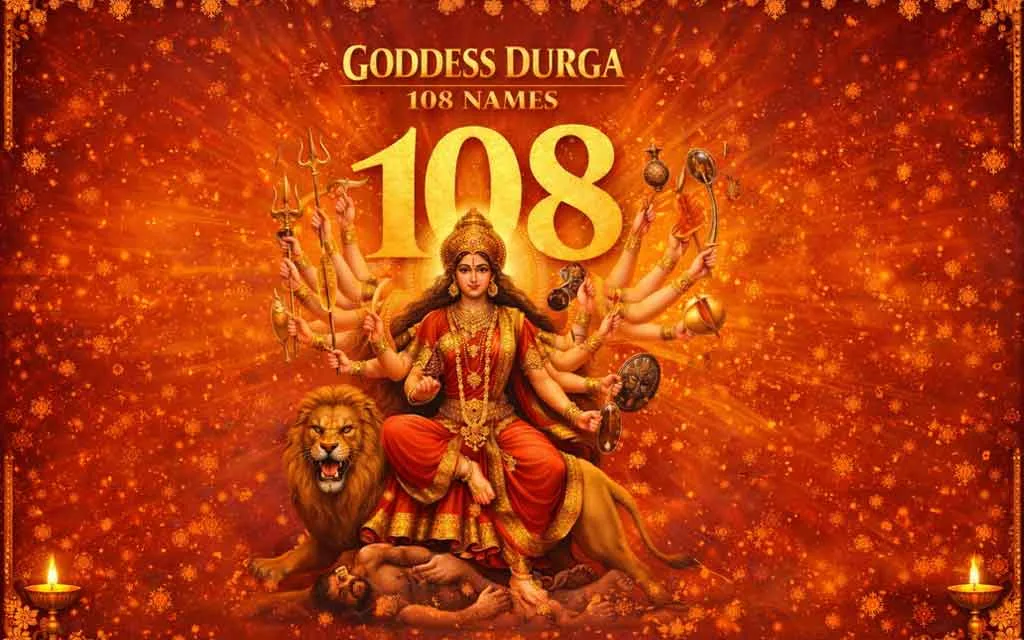
Durgashtami, Maha Navami and Vijayadashami Puja Sankalpam: Full Text in Telugu and Devanagari
A special sankalpam for Goddess Durga's puja on Durgashtami, Maha Navami and Vijayadashami, shared by Vasu Mukthinuthalapati: the full text in Telugu and Devanagari, what it says, and how to recite it before puja in 2026.
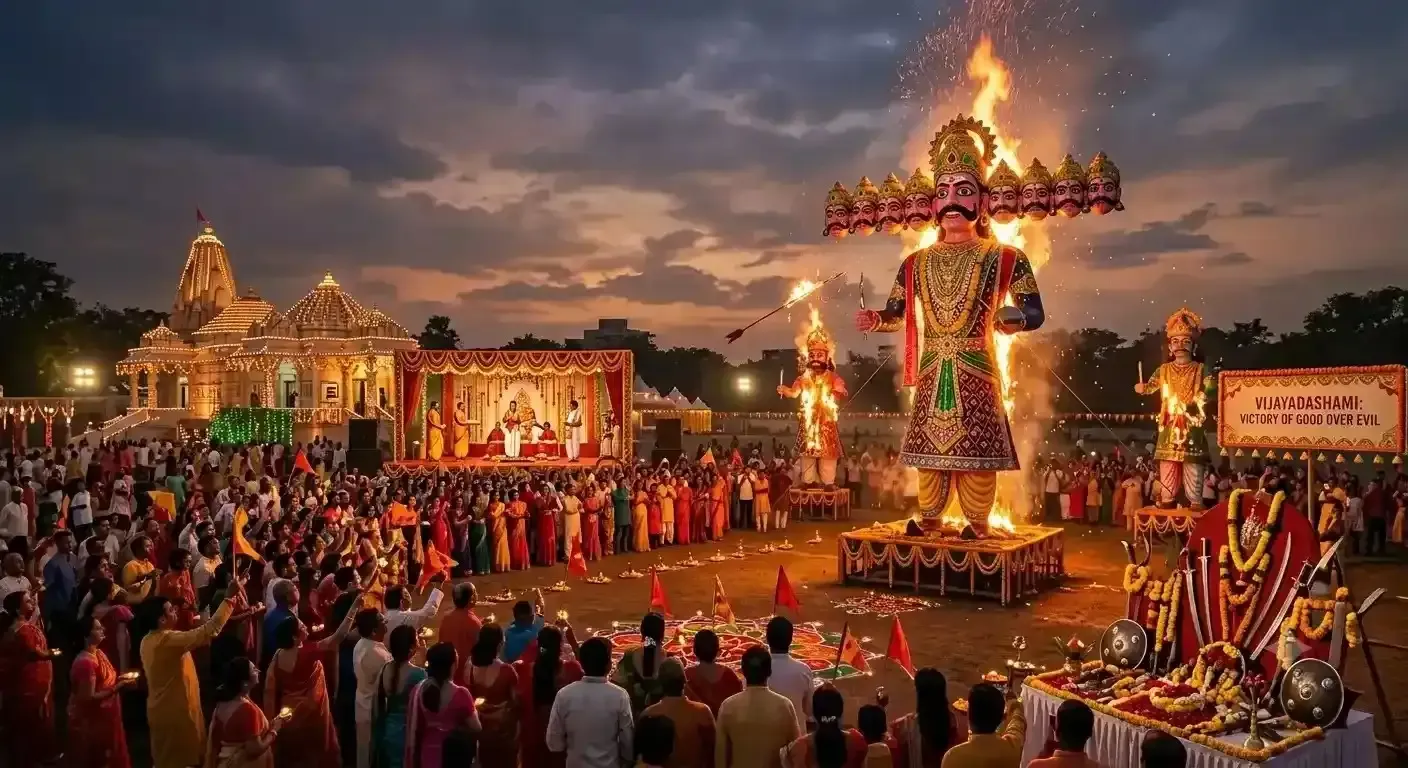
A special sankalpam for Goddess Durga's puja on Durgashtami, Maha Navami and Vijayadashami, shared by Vasu Mukthinuthalapati: the full text in Telugu and Devanagari, what it says, and how to recite it before puja in 2026.
Quick answer: This is a special puja sankalpam (statement of intention) for Goddess Durga, to be recited before worship on Durgashtami, Maha Navami and Vijayadashami. In India in 2026 these fall on Monday 19 October (Ashtami and, per Drik Panchang, Navami) and Tuesday 20 October (Vijayadashami). The full text is below in Telugu and in Devanagari.
The sankalpam was shared by Vasu Mukthinuthalapati (వాసు ముక్తినూతలపాటి), who notes that reciting it before the Goddess's puja on these festival days makes the worship especially meaningful. It is a long, devotional sankalpam: alongside the usual purpose of pleasing the Divine Mother, it names the Navadurgas, the Ashta Matrikas, the Sapta Matrikas and the Dasha Mahavidyas, recalls the demons the Goddess destroyed in the Devi Mahatmya, and prays for the welfare of the whole world.
Sankalpam in Telugu
మమోపాత్త సమస్తదురితక్షయద్వారా శ్రీపరమేశ్వరప్రీత్యర్థం, శ్రీ జగదంబికా దుర్గా పరమేశ్వరీ ప్రీత్యర్థం, శ్రీ చండికా పరదేవతానుగ్రహప్రాప్త్యర్థం, శ్రీదుర్గాష్టమీ, మహార్నవమి , విజయదశమి మహాపర్వణి శ్రీమహా దుర్గాదేవతా ప్రీత్యర్థం, శ్రీదేవీ మాహాత్మ్యపారాయణ ఫలప్రాప్త్యర్థం, శ్రీదేవీభాగవత పురాణోక్త శ్రీ జగదంబికానుగ్రహసిద్ధ్యర్థం, శ్రీ లలితా పరాభట్టారికా సమేత శ్రీ పరాశక్త్యనుగ్రహ ప్రాప్త్యర్థం, ఆదిపరాశక్తి స్వరూపిణీం, జగజ్జననీం, భక్త కల్పలతికాం, సర్వమంగళ మాంగళ్యాం, సర్వాభీష్ట ప్రదాయినీం, సర్వదేవతా స్వరూపిణీం, సర్వశక్తిమయీం, సచ్చిదానంద స్వరూపిణీం, సృష్టి స్థితి లయకారిణీం, బ్రహ్మవిష్ణుమహేశ్వరాది సకల దేవతా శక్తిస్వరూపిణీం, వేదవేదాంగ వేదాంత సారభూతాం, సకలలోకైక మాతరం శ్రీ దుర్గాపరమేశ్వరీ ముద్దిశ్య, శ్రీ మహాకాళీ మహాలక్ష్మీ, మహాసరస్వతీ స్వరూపిణీనాం, నవదుర్గా స్వరూపిణీనాం, అష్టమాతృకా స్వరూపిణీనాం, అష్టశక్తి స్వరూపిణీనాం, సప్తమాతృకా స్వరూపిణీనాం, దశమహావిద్యా స్వరూపిణీనాం దేవతానుగ్రహ ప్రాప్త్యర్థం, శ్రీచండికా పరదేవతా ప్రసాదసిద్ధ్యర్థం, శైలపుత్రీ బ్రహ్మచారిణీ చంద్రఘంటా కూష్మాండా స్కందమాతా కాత్యాయనీ కాలరాత్రి మహాగౌరీ సిద్ధిదాత్రీ స్వరూపిణీనాం శ్రీ నవదుర్గా దేవతానుగ్రహ ప్రాప్త్యర్థం, శ్రీమహిషాసురమర్దిన్యనుగ్రహ సిద్ధ్యర్థం, మధుకైటభ మహిషాసుర ధూమ్రలోచన చండముండ రక్తబీజ శుంభని శుంభాది దైత్య సంహారిణ్యాః శ్రీచండికా పరదేవతాయాః ప్రీత్యర్థం, శ్రీదేవ్యా దివ్య కటాక్ష వీక్షణ ప్రాప్త్యర్థం, శ్రీదేవ్యాః కరుణా కటాక్ష సిద్ధ్యర్థం, శ్రీదేవ్యాః పాదారవింద భక్తి ప్రాప్త్యర్థం, శ్రీ దేవ్యామనన్య భక్తిప్రాప్త్యర్థం, వైరాగ్యజ్ఞాన విజ్ఞాన సిద్ధ్యర్థం, సద్బుద్ధి సత్సంకల్ప సదాచార సన్మార్గ ప్రాప్త్యర్థం, ఆధ్యాత్మికాధి దైవికాధి భౌతిక త్రివిధతాపోపశమనార్థం, సమస్త లోక క్షేమార్థం, సమస్తజన సుఖశాంతి సౌభాగ్య సమృద్ధ్యర్థం, ధర్మవిజయ సిద్ధ్యర్థం, అధర్మవినాశార్థం, దేశరాష్ట్ర గ్రామ నగరాణాం క్షేమ స్థైర్యాభి వృద్ధ్యర్థం, గోబ్రాహ్మణహితార్థం, లోకకల్యాణార్థం, సమస్త సన్మంగళ ప్రాప్త్యర్థం, శ్రీదుర్గాష్టమీ , మహార్నవమీ, విజయదశమి పుణ్యతిథౌ శ్రీ దుర్గాపరమేశ్వరీ ప్రీత్యర్థం, శ్రీచండికా పరదేవతా ప్రసాద సిద్ధ్యర్థం, యథాశక్తి యథావిధి ధ్యానావాహనాసన పాద్యార్ఘ్యా ఆచమనీయ స్నాన వస్త్రాభరణ గంధ పుష్ప ధూప దీప నైవేద్యతాంబూల నీరాజనాది షోడశోపచార పూజాం, కుంకుమార్చనాం, పుష్పార్చనాం, అష్టోత్తరశతనామార్చనాం, సహస్రనామార్చనాం, దేవీస్తోత్ర పారాయణం, దుర్గా సప్తశతీ పారాయణం చ యథాశక్తి కరిష్యే॥
అని సంకల్పం చెప్పుకొని పూజ చేసుకుంటే చాలా విశిష్టంగా ఉంటుంది. — వాసు ముక్తినూతలపాటి
The same sankalpam in Devanagari
For readers who do not read Telugu script, here is the same Sanskrit text in Devanagari, converted letter for letter from the Telugu above.
ममोपात्त समस्तदुरितक्षयद्वारा श्रीपरमेश्वरप्रीत्यर्थं, श्री जगदंबिका दुर्गा परमेश्वरी प्रीत्यर्थं, श्री चंडिका परदेवतानुग्रहप्राप्त्यर्थं, श्रीदुर्गाष्टमी, महार्नवमि , विजयदशमि महापर्वणि श्रीमहा दुर्गादेवता प्रीत्यर्थं, श्रीदेवी माहात्म्यपारायण फलप्राप्त्यर्थं, श्रीदेवीभागवत पुराणोक्त श्री जगदंबिकानुग्रहसिद्ध्यर्थं, श्री ललिता पराभट्टारिका समेत श्री पराशक्त्यनुग्रह प्राप्त्यर्थं, आदिपराशक्ति स्वरूपिणीं, जगज्जननीं, भक्त कल्पलतिकां, सर्वमंगळ मांगळ्यां, सर्वाभीष्ट प्रदायिनीं, सर्वदेवता स्वरूपिणीं, सर्वशक्तिमयीं, सच्चिदानंद स्वरूपिणीं, सृष्टि स्थिति लयकारिणीं, ब्रह्मविष्णुमहेश्वरादि सकल देवता शक्तिस्वरूपिणीं, वेदवेदांग वेदांत सारभूतां, सकललोकैक मातरं श्री दुर्गापरमेश्वरी मुद्दिश्य, श्री महाकाळी महालक्ष्मी, महासरस्वती स्वरूपिणीनां, नवदुर्गा स्वरूपिणीनां, अष्टमातृका स्वरूपिणीनां, अष्टशक्ति स्वरूपिणीनां, सप्तमातृका स्वरूपिणीनां, दशमहाविद्या स्वरूपिणीनां देवतानुग्रह प्राप्त्यर्थं, श्रीचंडिका परदेवता प्रसादसिद्ध्यर्थं, शैलपुत्री ब्रह्मचारिणी चंद्रघंटा कूष्मांडा स्कंदमाता कात्यायनी कालरात्रि महागौरी सिद्धिदात्री स्वरूपिणीनां श्री नवदुर्गा देवतानुग्रह प्राप्त्यर्थं, श्रीमहिषासुरमर्दिन्यनुग्रह सिद्ध्यर्थं, मधुकैटभ महिषासुर धूम्रलोचन चंडमुंड रक्तबीज शुंभनि शुंभादि दैत्य संहारिण्याः श्रीचंडिका परदेवतायाः प्रीत्यर्थं, श्रीदेव्या दिव्य कटाक्ष वीक्षण प्राप्त्यर्थं, श्रीदेव्याः करुणा कटाक्ष सिद्ध्यर्थं, श्रीदेव्याः पादारविंद भक्ति प्राप्त्यर्थं, श्री देव्यामनन्य भक्तिप्राप्त्यर्थं, वैराग्यज्ञान विज्ञान सिद्ध्यर्थं, सद्बुद्धि सत्संकल्प सदाचार सन्मार्ग प्राप्त्यर्थं, आध्यात्मिकाधि दैविकाधि भौतिक त्रिविधतापोपशमनार्थं, समस्त लोक क्षेमार्थं, समस्तजन सुखशांति सौभाग्य समृद्ध्यर्थं, धर्मविजय सिद्ध्यर्थं, अधर्मविनाशार्थं, देशराष्ट्र ग्राम नगराणां क्षेम स्थैर्याभि वृद्ध्यर्थं, गोब्राह्मणहितार्थं, लोककल्याणार्थं, समस्त सन्मंगळ प्राप्त्यर्थं, श्रीदुर्गाष्टमी , महार्नवमी, विजयदशमि पुण्यतिथौ श्री दुर्गापरमेश्वरी प्रीत्यर्थं, श्रीचंडिका परदेवता प्रसाद सिद्ध्यर्थं, यथाशक्ति यथाविधि ध्यानावाहनासन पाद्यार्घ्या आचमनीय स्नान वस्त्राभरण गंध पुष्प धूप दीप नैवेद्यतांबूल नीराजनादि षोडशोपचार पूजां, कुंकुमार्चनां, पुष्पार्चनां, अष्टोत्तरशतनामार्चनां, सहस्रनामार्चनां, देवीस्तोत्र पारायणं, दुर्गा सप्तशती पारायणं च यथाशक्ति करिष्ये॥
What the sankalpam says
A sankalpam names who is worshipping, whom, why and how. This one moves through those parts in order. The meanings below are a plain-English guide to its main phrases, not a word-by-word translation.
- Mamopātta samasta durita kṣaya dvārā: for the removal of all the faults and sins I have gathered, and so to please the Supreme Lord (Parameshvara).
- Durgā Parameśvarī prītyartham: to please Jagadambika Durga Parameshvari and to receive the grace of Chandika, the Supreme Goddess, on the great festival of Durgashtami, Maha Navami and Vijayadashami.
- Devī Māhātmya and Devī Bhāgavata: for the fruit of reciting the Devi Mahatmya, and for the grace of the Mother as described in the Devi Bhagavata Purana, together with Lalita Parabhattarika.
- Her forms: the Goddess is addressed as Adi Parashakti, mother of the universe, giver of every auspicious thing, the power behind Brahma, Vishnu and Maheshvara, and the essence of the Vedas and Vedanta.
- Mahākālī, Mahālakṣmī, Mahāsarasvatī: the three great forms of the Devi Mahatmya, followed by the Navadurgas, Ashta Matrikas, Ashta Shaktis, Sapta Matrikas and Dasha Mahavidyas.
- The Navadurgas by name: Shailaputri, Brahmacharini, Chandraghanta, Kushmanda, Skandamata, Katyayani, Kalaratri, Mahagauri and Siddhidatri, the nine forms worshipped over the nine nights.
- Mahiṣāsuramardinī: the slayer of Madhu and Kaitabha, Mahishasura, Dhumralochana, Chanda and Munda, Raktabija, Shumbha and Nishumbha.
- For the devotee: the Goddess's compassionate glance, devotion at her lotus feet, single-minded bhakti, detachment, knowledge and wisdom, right thinking and right conduct, and relief from the three kinds of suffering (adhyatmika, adhidaivika and adhibhautika).
- For the world: the welfare of all worlds, happiness, peace and prosperity for all people, the victory of dharma and the end of adharma, the safety and growth of country, state, village and city, the welfare of cows and Brahmins, and loka kalyana, the good of the world.
- The rituals: shodashopachara puja (the sixteen offerings, from dhyana and avahana to naivedya, tambula and nirajana), kumkumarchana, pushparchana, the 108 names, the 1,000 names, Devi stotras and Durga Saptashati parayana.
- Yathāśakti kariṣye: "I shall perform it as far as I am able."
How to recite the sankalpam
Families and traditions differ in the details, so follow your family's practice or your priest's guidance. A common order is:
- Bathe, set up the puja place and light the lamp.
- Perform achamanam (sipping water three times with the divine names) and pranayamam.
- Take a little akshata (rice mixed with turmeric or kumkum) and water in the right palm, covered with the left hand.
- Say the usual opening of the sankalpam that names the place, year, season, month, fortnight, tithi and weekday, as in your daily puja.
- Continue with this text, from "mamopātta" to "yathāśakti kariṣye".
- Release the akshata and water into a plate, and begin the puja with Ganapati prayer and the dhyana of the Goddess.
Recite slowly and clearly. If the full text is long for you, read it from this page or a printout; the intention matters more than speed.
Durgashtami, Maha Navami and Vijayadashami 2026 dates
- Durgashtami (Maha Ashtami): Monday 19 October 2026 in India; Sunday 18 October in the USA and UK.
- Maha Navami: Monday 19 October 2026 per Drik Panchang; Tuesday 20 October in Bengal and Mysuru.
- Vijayadashami (Dussehra): Tuesday 20 October 2026.
Tithi timings vary by city, so check a local panchang or your temple's schedule for the exact day and time where you live.
Also read: Mahishasura Mardini Stotram with meaning.
Frequently asked questions
What is a sankalpam?
A sankalpam is the formal statement of intention said at the start of a puja. The devotee names the time and place, the deity, the purpose of the worship and the rituals they will perform, while holding akshata (rice) and water in the right palm.
When can this sankalpam be used in 2026?
It is written for the three closing days of Sharad Navratri. In India, Durgashtami (Maha Ashtami) is Monday 19 October 2026, Maha Navami is Monday 19 October per Drik Panchang (Tuesday 20 October in Bengal and Mysuru), and Vijayadashami is Tuesday 20 October. In the USA and UK, Ashtami falls on Sunday 18 October.
Do I need to say the date and place before this text?
Yes. This text begins with "mamopātta", which traditionally follows the usual opening of a sankalpam that names the place, year, season, month, fortnight, tithi and weekday. Say that opening first, as you do for your daily puja, and then continue with this text.
Do I have to perform every ritual the sankalpam lists?
The text lists shodashopachara puja, kumkumarchana, pushparchana, the 108 and 1,000 names, Devi stotras and Durga Saptashati parayana, and closes with "yathāśakti karishye", "I shall perform it as far as I am able". Many families recite the full sankalpam and perform what they can.
Can I read the sankalpam if I do not read Telugu?
Yes. The same Sanskrit text is given here in Devanagari, converted letter for letter from the Telugu, so readers of Hindi, Marathi or Sanskrit can recite it.
Editor's note (18 October 2026)
The sankalpam text is reproduced as shared by Vasu Mukthinuthalapati. The Devanagari version is a direct letter-for-letter conversion of that text. The English notes on meaning and recitation are HinduTone's own guide; dates follow HinduTone's Navratri pages (Drik Panchang for India).
Related guides
You might also like
Mantras for H-1B Visa Renewal: 5 Mantras NRIs Chant for Obstacle Removal, Peace and Strength
Mantras Every NRI Should Chant During Job Uncertainty: Ganesha, Mahamrityunjaya, Lakshmi, Saraswati and Hanuman

How to Perform Hindu Puja at Home: Items, Steps, Mantras and Daily Rituals