
Maha Navami 2026: Date (19 or 20 October?), Significance, Puja and How India Celebrates
Why Maha Navami 2026 has two dates (Monday 19 and Tuesday 20 October), the Navami tithi times, dates abroad, and how North India, Bengal, Mysuru and South India observe the ninth day of Navratri.
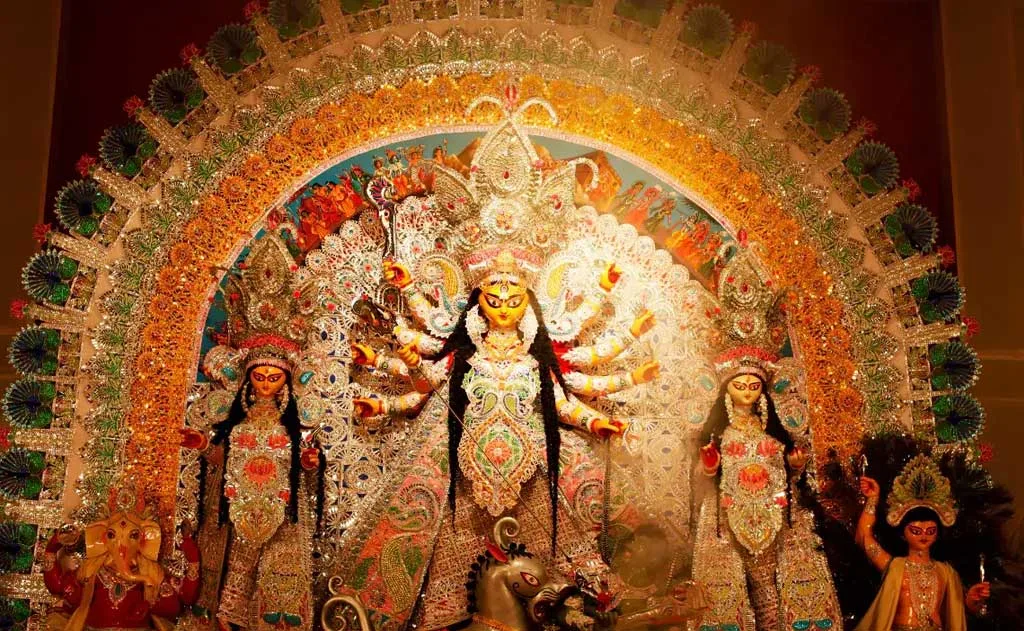
Why Maha Navami 2026 has two dates (Monday 19 and Tuesday 20 October), the Navami tithi times, dates abroad, and how North India, Bengal, Mysuru and South India observe the ninth day of Navratri.
Quick answer: The Navami tithi runs from 10:51 AM IST on Monday 19 October to 12:50 PM IST on Tuesday 20 October 2026. Drik Panchang lists Maha Navami on Monday 19 October, together with Durga Ashtami; Bengal, Mysuru Dasara and South Indian Ayudha Puja keep it on Tuesday 20 October.
Maha Navami, the ninth day of Sharad Navratri, closes the nine nights of the Goddess. In North India it is the day of Maa Siddhidatri and, for many families, Kanya Pujan; in Bengal it is the last full day of Durga Puja, with Navami Homa and the final evening at the pandals; in Karnataka and much of South India it is the day of Ayudha Puja and Saraswati worship, when tools, vehicles and books are honoured. This guide explains the 2026 dates, which differ by tradition this year, and what each region does on the day.
Maha Navami 2026 date: why there are two dates
In 2026 the Navami tithi begins at 10:51 AM IST on Monday 19 October and ends at 12:50 PM IST on Tuesday 20 October (Drik Panchang). Because Navami starts in the middle of Monday and is still running at sunrise on Tuesday, calendars that follow different rules place Maha Navami on different days:
| Tradition | Maha Navami 2026 | Source |
|---|---|---|
| Drik Panchang (Durga Puja calendar for New Delhi and Kolkata) | Monday 19 October, the same day as Durga Ashtami | [Drik Panchang](https://www.drikpanchang.com/navratri/durga-puja/maha-navami-date-time.html?year=2026&geoname-id=1261481) |
| West Bengal (Bengali panjika; state holiday list) | Tuesday 20 October; Maha Ashtami is Monday 19 and Dashami Wednesday 21 | [Govt. of West Bengal holiday list](https://wbxpress.com/holiday-list-west-bengal-government-employees-2026/) |
| Mysuru Dasara (Mysore Mahanavami) | Tuesday 20 October | [Drik Panchang, Mysore](https://www.drikpanchang.com/dasara/mysore/mysore-mahanavami-date-time.html?year=2026) |
| Ayudha Puja in South India | Tuesday 20 October | [Ayudha Puja 2026 guide](/festivals/navratri/ayudha-puja-2026-date-vidhi-tools-vehicles-books-laptops/) |
The West Bengal government's holiday notification (No. 4188-F(P2), Finance Department, 27 November 2025) lists Maha Ashtami on 19 October, Maha Nabami on 20 October and Dashami on 21 October. Bengali families therefore keep Navami Puja and Navami Homa on Tuesday 20 October, while most North Indian calendars combine Ashtami and Navami observances, including Kanya Pujan, on Monday 19 October. Vijayadashami (Dussehra) is on Tuesday 20 October for most of India and on Wednesday 21 October in Bengal; see our Dussehra 2026 date guide.
If your family follows a particular panjika or temple calendar, follow it. Our Maha Ashtami 2026 guide explains the Ashtami side of the same days.
Maha Navami 2026 outside India
Outside India, the date follows the tithi at local sunrise. Our panchang calculations, checked against Drik Panchang, give:
| Where | Navami at sunrise |
|---|---|
| USA and Canada | Monday 19 October |
| UK | Monday 19 October (Navami is still running at sunrise on Tuesday) |
| Brazil | Monday 19 October |
| UAE, Singapore and Malaysia | Tuesday 20 October |
| Eastern Australia | Tuesday 20 October |
| South Africa | Tuesday 20 October |
Drik Panchang's Durga Puja page for the US East Coast also lists Maha Navami on Monday 19 October. Many Bengali associations and temples abroad hold their Navami Puja on the nearest weekend or follow the Kolkata panjika, so check your committee's schedule.
What is Maha Navami?
Navami means "the ninth". Maha Navami is the ninth day of Sharad Navratri, the last of the nine nights before Vijayadashami. In the Navadurga sequence it is devoted to Maa Siddhidatri, the giver of spiritual accomplishment; her mantra is "Om Devi Siddhidatryai Namah". See our Navratri Day 9 Siddhidatri guide.
According to tradition, Navami marks the final day of the Goddess's battle with Mahishasura, with the victory celebrated on the tenth day, Vijayadashami. Different regions emphasise different parts of the festival, so Maha Navami looks very different in Kolkata, Delhi, Mysuru and Chennai.
How Maha Navami is observed across India
North India: Siddhidatri Puja, Kanya Pujan and the close of the fast
Across North and West India, many families end the nine-day fast on Navami. They worship Maa Siddhidatri, perform a havan to close the Navratri puja, and honour young girls as forms of the Goddess in Kanya Pujan, with a meal of puri, halwa and black chana. With Ashtami and Navami combined on Monday 19 October in most North Indian calendars, many families will hold Kanya Pujan that day; see our Kanya Pujan 2026 guide. Navami is also the last night of most Ramlilas before Ravana Dahan on Dussehra.
Bengal, Odisha and Assam: Navami Puja, Homa and the last evening
In Bengali Durga Puja, Maha Navami is the last full day of worship before the Goddess's farewell. Drik Panchang notes that Navami Homa is performed on Maha Navami and is best done at the end of the Navami Puja (Drik Panchang). Navami evening is the last night of pandal visits for many families before Bijoya Dashami. In Kolkata this falls on Tuesday 20 October in 2026; see our Kolkata Durga Puja 2026 calendar.
Sandhi Puja, held at the junction of Ashtami and Navami, falls at 10:51 AM IST on Monday 19 October this year; our Sandhi Puja guide explains it.
Karnataka: Mysore Mahanavami
In Mysuru, Mahanavami is part of the Dasara festival. Drik Panchang describes how the royal sword is worshipped and taken in procession with decorated elephants, camels and horses, and notes that the ritual is similar to Ayudha Puja, which is held on the Navami tithi (Drik Panchang, Mysore). The official Mysuru Dasara 2026 programme lists Mahanavami on Tuesday 20 October, with Ayudha Puja, Gaja-Ashva Puja (worship of the palace elephants and horses), Hayagriva Puja and Amaladevata Puja at the Amba Vilas Palace, timed by the Palace, and the first evening of the Panjina Kavayathu (torchlight parade) at Bannimantap (Mysuru Dasara). The Jamboo Savari follows on Wednesday 21 October; see our Mysore Dasara day-by-day guide.
Tamil Nadu, Andhra Pradesh, Telangana and Kerala: Ayudha Puja and Saraswati Puja
In much of South India, Navami is the day of Ayudha Puja and Saraswati Puja. Families clean and decorate their tools, vehicles, machines and work equipment, and place books and musical instruments before the Goddess. Shops, workshops and offices hold their own pujas. In 2026, Ayudha Puja falls on Tuesday 20 October; our Ayudha Puja guide gives the full vidhi, including how to include laptops and work tools.
In Kerala, the books and instruments placed before the Goddess on Durgashtami stay in worship through Mahanavami and are taken back on Vijayadashami, when young children begin learning in Vidyarambham; see our Vidyarambham guide. In Tamil and Telugu homes, Navami is also the last evening of the Golu or Bommala Koluvu doll display.
At Tirumala, the Srivari Navaratri Brahmotsavam reaches its last days with the Swarna Ratham procession, before Chakra Snanam on Vijayadashami; see our Tirumala Navaratri Brahmotsavam schedule.
Maha Navami puja at home
Practices vary by family and region, but a simple Navami puja at home usually includes:
- Cleaning the puja space and the kalash installed on the first day of Navratri.
- Worship of Maa Siddhidatri (or of the Goddess in your family's tradition) with flowers, a lamp, incense and naivedyam.
- Reciting a prayer or mantra such as "Om Devi Siddhidatryai Namah", or reading from the Devi Mahatmya if that is your custom.
- A havan to close the nine days, where that is your family practice.
- Kanya Pujan, if your family keeps it on Navami.
- In South Indian homes, placing tools, books and instruments for Ayudha and Saraswati Puja.
If you are unsure of any step, ask your family priest or local temple.
Food on Maha Navami
Many families break the Navratri fast on Navami after the puja. Kanya Pujan prasad of puri, halwa and black chana is common in North India; see our prasad recipe. In Bengal, Navami bhog is served at pandals and homes. In South India, sundal and other prasadam are offered at Golu and Ayudha Puja. Food customs vary widely, so follow your family's tradition.
Maha Navami for families abroad
Families outside India can mark Navami simply: keep the puja at your local sunrise tithi, honour your tools, books and instruments the way South Indian families do, or join your community's Durga Puja, which is often held at the weekend. Children can take part by arranging their books for Saraswati Puja, helping with the Golu, or hearing the story of the Goddess's victory over Mahishasura.
Frequently asked questions
When is Maha Navami 2026?
The Navami tithi runs from 10:51 AM IST on Monday 19 October to 12:50 PM IST on Tuesday 20 October 2026. Drik Panchang lists Maha Navami on Monday 19 October (with Durga Ashtami); West Bengal, Mysuru Dasara and South Indian Ayudha Puja keep it on Tuesday 20 October.
Why are Durga Ashtami and Maha Navami on the same day in 2026?
Ashtami ends and Navami begins at 10:51 AM IST on Monday 19 October, so calendars that follow Drik Panchang's rules combine Ashtami and Navami observances, including Kanya Pujan, on that day.
When is Maha Navami in Kolkata in 2026?
Tuesday 20 October 2026. The West Bengal government holiday list gives Maha Ashtami on 19 October, Maha Nabami on 20 October and Dashami on 21 October.
Which goddess is worshipped on Maha Navami?
Maa Siddhidatri, the ninth form of the Navadurga. Her mantra is Om Devi Siddhidatryai Namah.
Is Ayudha Puja on Maha Navami?
Yes. Ayudha Puja is held on the Navami tithi. In 2026 it falls on Tuesday 20 October, the same day as Mahanavami in the official Mysuru Dasara programme.
When is Maha Navami 2026 in the USA and UK?
Monday 19 October in the USA, Canada and the UK, where Navami prevails at sunrise that day. In the UAE, Singapore, Malaysia, Australia and South Africa it is Tuesday 20 October.
Editor's note (11 October 2026)
Dates and tithi times follow Drik Panchang; the Bengal dates follow the West Bengal government holiday notification and the Mysuru dates the official Mysuru Dasara programme, all checked on 11 October 2026. Dates abroad follow the tithi at local sunrise from our panchang calculator. Customs differ between families and regions, so follow your own panjika or priest.
Related guides
You might also like
Maha Ashtami 2026: Date (Monday 19 October), Pushpanjali, Kumari Puja, Sandhi Puja and Rituals
Navratri 2026 Day 8: Maa Mahagauri Mantra, Colour, Bhog and Puja Vidhi (Sunday 18 October)
Dussehra 2026 in Odisha, District by District: Durga Puja and Dussehra