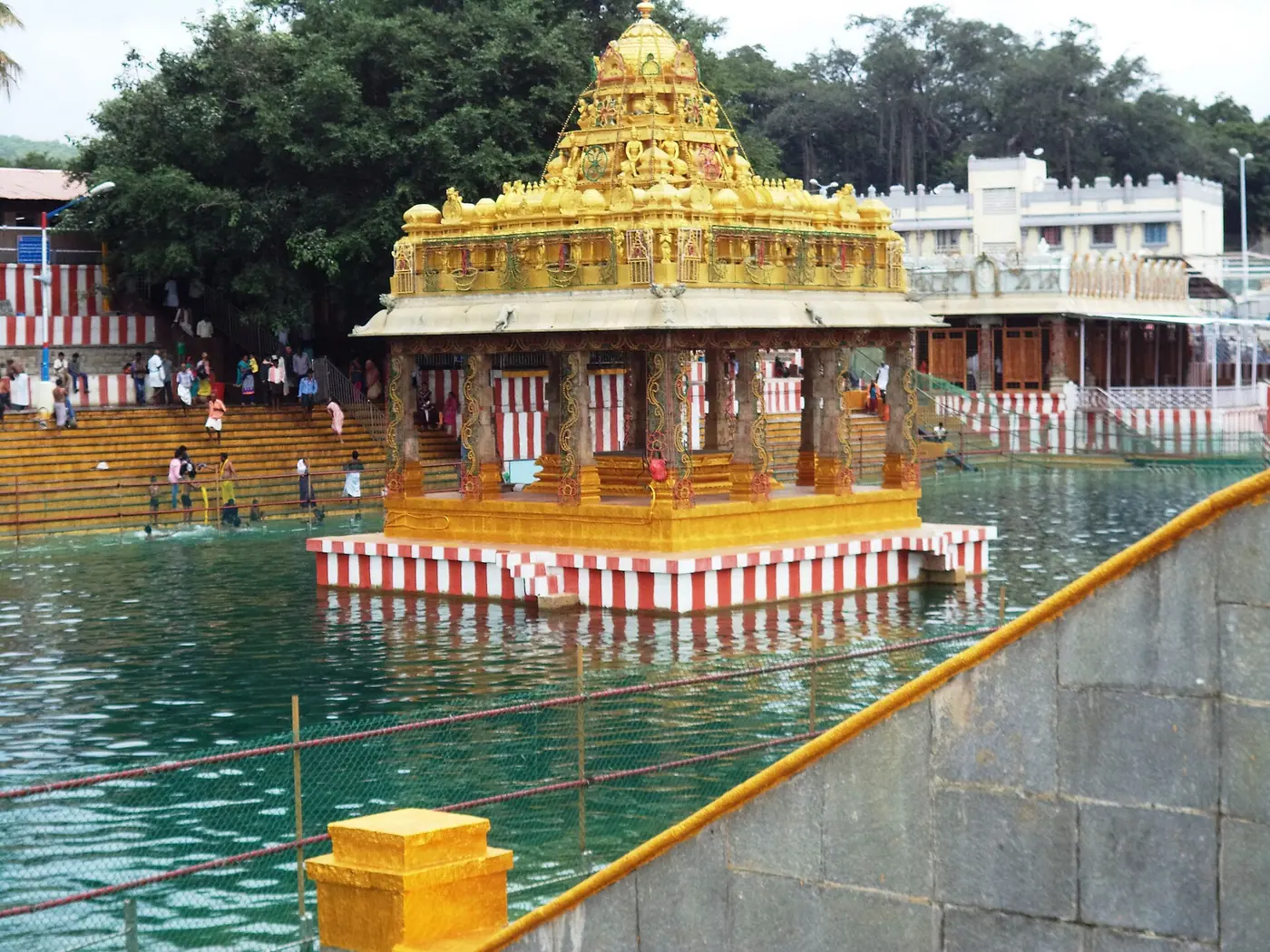
Famous Krishna Temples in India: 13 Source-Checked Temples from Guruvayur to Mathura, Vrindavan, Dakor and Pandharpur
A guide to 13 Krishna temples in India, written only from HinduTone's source-checked temple records: Guruvayur, Ambalappuzha and Aranmula in Kerala; the Janmasthan, Dwarkadhish, Prem Mandir and Radha Raman temples in Mathura and Vrindavan; Dakor and the Rukmini temple at Dwarka in Gujarat; Pandharpur in Maharashtra; and Mannargudi, Triplicane and Kanchipuram in Tamil Nadu. Each entry covers the deity form, the recorded tradition and history, festivals and visitor rules, with a comparison table, planning tips and advice for devotees travelling from abroad.
A guide to 13 Krishna temples in India, written only from HinduTone's source-checked temple records: Guruvayur, Ambalappuzha and Aranmula in Kerala; the Janmasthan, Dwarkadhish, Prem Mandir and Radha Raman temples in Mathura and Vrindavan; Dakor and the Rukmini temple at Dwarka in Gujarat; Pandharpur in Maharashtra; and Mannargudi, Triplicane and Kanchipuram in Tamil Nadu. Each entry covers the deity form, the recorded tradition and history, festivals and visitor rules, with a comparison table, planning tips and advice for devotees travelling from abroad.
Quick answer: Krishna is worshipped across India in many forms: as Guruvayurappan in Kerala, as the child of Mathura and the beloved of Radha in Vrindavan, as Ranchhodraiji at Dakor, as Vitthal at Pandharpur, and as Parthasarathy, the charioteer of Arjuna, in Kerala and Tamil Nadu. This guide covers 13 Krishna temples and describes each one only from HinduTone's source-checked temple records, with a link to the full temple page.
Last updated: 18 October 2026. Every temple fact below comes from a temple record that HinduTone has checked against independent published sources. We do not give darshan timings or fees; confirm them with each temple before travelling.
Why devotees visit Krishna temples
Krishna is revered as an avatar of Vishnu, and his temples keep alive different chapters of his story: his birth in Mathura, his childhood and love for Radha in Braj, his role as the Pandavas' envoy and Arjuna's charioteer in the Mahabharata, and his life as the king of Dwarka. For more on the deity, see our Krishna hub and the Vishnu hub.
Krishna temples at a glance
| Temple | State | Known for | Best time |
|---|---|---|---|
| Guruvayur Sree Krishna Temple | Kerala | Guruvayurappan; Narayaneeyam; Guruvayur Ekadasi | See temple page |
| Ambalappuzha Sree Krishna Temple | Kerala | Parthasarathy; Palpayasam offering | See temple page |
| Aranmula Parthasarathy Temple | Kerala | Divya Desam on the Pamba | See temple page |
| Shri Krishna Janmasthan, Mathura | Uttar Pradesh | Site revered as Krishna's birthplace | See temple page |
| Shri Dwarkadhish Temple, Mathura | Uttar Pradesh | Pushtimarg worship; Sawan hindola | See temple page |
| Prem Mandir, Vrindavan | Uttar Pradesh | White marble Radha Krishna temple (2012) | See temple page |
| Sri Radha Raman Mandir, Vrindavan | Uttar Pradesh | Shaligram deity; Gaudiya tradition | See temple page |
| Shri Ranchhodraiji Temple, Dakor | Gujarat | Purnima pilgrimage; Holi | See temple page |
| Rukmini Devi Temple, Dwarka | Gujarat | Shrine of Krishna's queen; water offering | November to February (Gujarat Tourism) |
| Vitthal Rukmini Mandir, Pandharpur | Maharashtra | Varkari wari; Ashadhi Ekadashi | See temple page |
| Rajagopalaswamy Temple, Mannargudi | Tamil Nadu | Rajagopala; 18-day Panguni Brahmotsavam | See temple page |
| Parthasarathy Temple, Triplicane | Tamil Nadu | Divya Desam; Vaikunta Ekadasi | See temple page |
| Pandava Thoothar Perumal, Kanchipuram | Tamil Nadu | Krishna as the Pandavas' envoy | See temple page |
Kerala
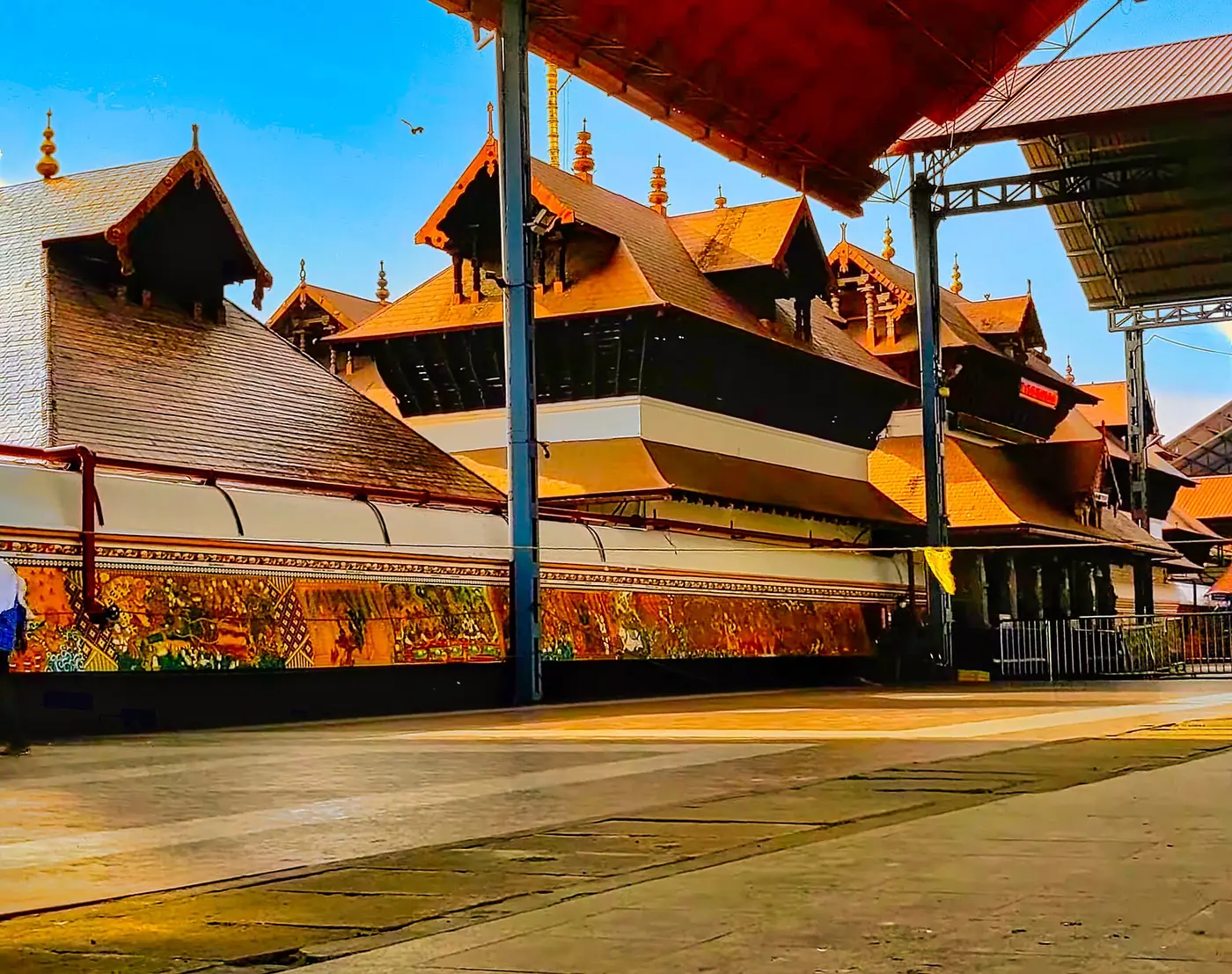
1. Guruvayur Sree Krishna Temple, Guruvayur
In Guruvayur town, Thrissur district, Krishna is worshipped as Guruvayurappan, a standing four-armed image of Vishnu holding the conch, discus, mace and lotus, which devotees understand as the form in which Krishna first appeared to his parents. According to tradition, the image was once worshipped in Dwaraka and was installed here by Brihaspati (Guru) and Vayu, which gave the town its name. Melpathur Narayana Bhattathiri composed the Sanskrit hymn Narayaneeyam here in 1586, and it is still recited at the temple. Kerala Tourism says the central shrine is believed to have been rebuilt in 1638 CE.
The temple is run by the Guruvayur Devaswom. Its main observances include the ten-day Ulsavam in Kumbham (February to March), Guruvayur Ekadasi in Vrischikam (November to December), the Chembai Sangeetholsavam music festival and Ashtami Rohini. Entry is restricted to Hindus, and Kerala Tourism lists a strict dress code. Read the Guruvayur temple page.
2. Ambalappuzha Sree Krishna Temple, Ambalappuzha
About 14 km south of Alappuzha town, this Travancore Devaswom Board temple worships Krishna as Parthasarathy, holding a whip and a conch. It is known for its Palpayasam, a rice, milk and sugar offering prepared daily; devotees believe Guruvayurappan comes to the temple at the time of this offering. The temple is believed to have been built between the 15th and 17th centuries by Pooradam Thirunal Devanarayanan Thampuran of Chembakassery, and in 1789 the Guruvayur idol was brought here for safekeeping.
The ten-day Arattu festival falls in Meenam (March to April), and the Pallipaana ritual is held once every twelve years. Palpayasam must be booked in advance through the board's counters. Read the Ambalappuzha temple page.
3. Aranmula Parthasarathy Temple, Aranmula
On the banks of the Pamba river in Pathanamthitta district, Krishna is worshipped as Parthasarathy. Kerala Tourism and the Travancore Devaswom Board's Sabarimala portal list the temple among the 108 Divya Desams, and it is glorified in the hymns of the Alvars. Tradition links it to Arjuna, as one of five shrines in the Chengannur area associated with the Mahabharata, and says the name comes from the raft of six bamboo pieces on which the image was brought here. Its ten-day annual festival begins with the Kodiyettu (flag-hoisting). Read the Aranmula temple page.
Mathura and Vrindavan, Uttar Pradesh
4. Shri Krishna Janmasthan Temple, Mathura
This temple complex at Katra Keshavdeva in Mathura stands at the site revered by Hindus as Krishna's birthplace; the Shri Krishna Janmasthan trust says Krishna manifested here in the prison cell of King Kansa. The trust records a tradition that the first temple was built by Vajranabha, Krishna's great-grandson, and cites inscriptions including one recording a new temple built in 1150 CE under Vijayapal Deva. Security rules at the complex can change, so confirm them before you go. Read the Janmasthan temple page.
5. Shri Dwarkadhish Temple, Mathura
On the bank of the Yamuna in the Chhatta Bazaar area of old Mathura, Krishna is worshipped as Dwarkadhish, the lord of Dwarka, in a black marble image called Dwarkanath with a white marble image of Radharani beside him. The present building was put up in 1814 by Seth Gokul Das Parikh, treasurer of the Gwalior State. The temple follows the Pushtimarg tradition, which shapes its darshan sessions and festivals: a daily decorated swing (hindola) through Sawan, Raksha Bandhan, a Holi season that begins at Magh Purnima, and a midnight janm darshan on Janmashtami.
Morning and evening darshan sessions change with the season. At Janmashtami 2025 the temple advised elderly people, children and pregnant women to avoid the crowds. Read the Dwarkadhish Mathura page.
6. Prem Mandir, Vrindavan
On the outskirts of Vrindavan, Prem Mandir is a white marble temple to Radha and Krishna; 'prem' means love. It was envisioned by Jagadguru Shri Kripalu Ji Maharaj and inaugurated on 17 February 2012, and the Times of India puts the complex at about 54 acres, set in gardens. Opening hours and the timing of evening programmes can change. Read the Prem Mandir page.
7. Sri Radha Raman Mandir, Vrindavan
Here Krishna is worshipped as Radha Raman, the beloved of Radha, in a shaligram deity that devotees believe is self-manifested. The temple is associated with Gopala Bhatta Goswami, one of the six Goswamis of Vrindavan, and is counted among the Sapta Devalaya, the seven principal Gaudiya temples of Vrindavan. The Mathura district administration says it was built around 1542, and the deity's installation is dated to the full moon of Vaishakh that year.
The Prakatya Utsav on Vaishakh Shukla Purnima (April to May) marks the deity's appearance with a milk and panchamrit abhishek, and Janmashtami brings an abhishek on a silver throne and a Dadhikanda celebration. Read the Radha Raman temple page.
Gujarat
8. Shri Ranchhodraiji Maharaj Temple, Dakor
In Dakor, Kheda district, Krishna is worshipped as Ranchhodji, described as a form of Dwarkadhish, in a four-armed black touchstone idol. The temple stands inside a fort wall near the Gomti lake. According to tradition, the devotee Bodana walked to Dwarka regularly, and when he grew old Krishna came to Dakor with him in a single night; the story adds that Gangabai's gold nose-ring balanced the idol's weight in gold. The present temple was built in 1772 CE, credited to Gopal Jagannath, a financier at the Peshwa's court.
Full-moon days are the busiest. Festivals include a five-day Holi and Phagan Purnima celebration, an all-night Janmashtami, Kartik Purnima (by tradition the day the deity came to Dakor) and a Rath Yatra held on Pushya Nakshatra. Darshan hours change on Purnima and festival days. Read the Dakor temple page.
9. Rukmini Devi Temple, Dwarka
About 2 km from the Dwarkadhish Temple, this shrine is dedicated to Rukmini, Krishna's queen. A well-known legend says the sage Durvasa cursed Krishna and Rukmini to live apart after she drank water without first offering it to him, which is why her temple stands apart. Visitors donate drinking water, which is offered to the goddess and returned as prasad, and Incredible India advises bringing fresh water to offer. Gujarat Tourism says the present temple is said to date from the 12th century and suggests November to February as the best time to visit. Read the Rukmini temple page.
The Dwarkadhish Temple at Dwarka and the Krishna temple at Udupi are not yet in our source-checked set, so we do not describe them here.
Maharashtra
10. Shri Vitthal Rukmini Mandir, Pandharpur
On the Chandrabhaga (the Bhima river) in Solapur district, Vitthal, also called Vithoba or Panduranga, is worshipped as a form of Vishnu identified with Krishna. He stands on a brick with his hands on his waist; according to legend, the devotee Pundalik asked the Lord to stand on a brick outside his house. Rukmini (Rakhumai) has her own shrine. The temple's exact origins are not known, but Live History India cites a Hoysala inscription of 1237 CE granting a village for its upkeep, and the district administration records a renovation in 1195 CE.
Pandharpur is the goal of the Varkari wari, which peaks on Ashadhi Ekadashi (June to July); Kartiki, Maghi and Chaitri Ekadashi are the other major gatherings. The temple website says Varkari devotees regard Wednesday as Vitthal's day, and the temple committee offers advance darshan pass booking online. Read the Pandharpur temple page.
Tamil Nadu
11. Rajagopalaswamy Temple, Mannargudi
In Mannargudi, Tiruvarur district, the sanctum deity is Vasudeva Perumal and the festival image, Rajagopala, shows Krishna as a cowherd boy holding a whip and butter. According to the temple's story, the sages Gopilar and Gopralayar did penance here and Krishna appeared to them in his 32 leelas. The temple history credits the Chola king Kulottunga I with the sanctum and the Thanjavur Nayaks with major additions. The district administration gives the Rajagopuram as 154 feet tall and lists 16 gopurams.
The 18-day Panguni Brahmotsavam (March to April) shows Rajagopala in 32 decorations and includes the Vennaithazhi butter-pot festival; a float festival is held on the Haridra Nadhi tank in Aani. Read the Mannargudi temple page.
12. Sri Parthasarathy Swamy Temple, Triplicane, Chennai
One of the 108 Divya Desams, this Triplicane temple worships Krishna as Parthasarathy, shown with a moustache. It has shrines for Vedavalli Thayar, Andal, Ranganathar, Kothandaramar, Ramanujar and Manavala Mamunigal, and its rituals follow the Vaikhanasa Agama. The New Indian Express dates the temple to the eighth century, and it was consecrated after a renovation on 12 June 2015. Vaikunta Ekadasi draws very large crowds for the opening of the Swarga Vaasal, and Narasimhar has his own brahmotsavam in June to July. Read the Triplicane temple page.
13. Pandava Thoothar Perumal Temple, Kanchipuram
Opposite the Ekambareswarar temple in Kanchipuram, Krishna is worshipped as Pandava Dhootha, the envoy of the Pandavas, with Satyabhama and Rukmini. According to tradition, he revealed his cosmic form here when he went to Duryodhana's court on the Pandavas' behalf. The shrine is called Tiruppadagam in the Alvars' hymns and in its own inscriptions, which date from the reign of Kulottunga I; Dinamalar lists it among the 108 Divya Desams. Festivals include Krishna Jayanthi, Mukkoti Ekadasi, Panguni Uthiram and Deepavali. Read the Pandava Thoothar temple page.
Planning a Krishna temple pilgrimage
- Group by region: Mathura and Vrindavan sit in one district and can be visited together; the three Kerala temples suit a single trip; Mannargudi, Kanchipuram and Triplicane can be combined in Tamil Nadu.
- Check the festival calendar: Janmashtami, Holi, Ekadasi days and Purnima bring the heaviest crowds. If you want quieter darshan, avoid these dates; if you want to see the festivals, book stays early.
- Confirm timings: darshan hours change with the season and on festival days at several of these temples. Use each temple's official website or administration.
- Dress and conduct: Kerala temples such as Guruvayur enforce strict dress codes, and some temples restrict entry. Read our temple visit guide on darshan, dress code and etiquette before you go.
Visiting from abroad
- Allow a buffer day around long-haul arrival; festival crowds and queues are tiring after a long flight.
- Carry a printed copy of your passport and visa, and check whether a temple accepts online bookings or passes before relying on them.
- Where entry is restricted to Hindus, follow the temple's rules; relatives of other faiths can often see processions and the outer areas.
For weekly worship at home, Thursday is widely kept for Vishnu and his avatars; see our guide to Thursday in Hinduism and the Guruvar vrat.
Frequently asked questions
Which Krishna temples in India are covered in this guide?
Thirteen temples whose records HinduTone has source-checked: Guruvayur, Ambalappuzha and Aranmula in Kerala; Shri Krishna Janmasthan and Shri Dwarkadhish in Mathura; Prem Mandir and Sri Radha Raman Mandir in Vrindavan; Ranchhodraiji at Dakor and the Rukmini Devi Temple at Dwarka in Gujarat; Vitthal Rukmini Mandir at Pandharpur; and Rajagopalaswamy (Mannargudi), Parthasarathy (Triplicane) and Pandava Thoothar Perumal (Kanchipuram) in Tamil Nadu.
Can non-Hindus enter the Guruvayur temple?
Kerala Tourism and the Thrissur district administration both state that entry to the Guruvayur Sree Krishna Temple is restricted to Hindus. Kerala Tourism also lists a dress code: a plain white or cream mundu without a shirt for men, and a saree, skirt with blouse or churidar for women.
What is the Ambalappuzha Palpayasam?
It is the main offering at the Ambalappuzha Sree Krishna Temple, a pudding of rice, milk and sugar prepared daily. Devotees book it in advance and receive it through the Travancore Devaswom Board counters after it has been offered to the deity.
When is the Pandharpur wari?
The Varkari foot pilgrimage reaches Pandharpur for Ashadhi Ekadashi in Ashadha (June to July). The Solapur district administration also lists Kartiki, Maghi and Chaitri Ekadashi as major gatherings. Darshan arrangements change sharply during these yatras.
Why do pilgrims go to Dakor on full-moon days?
According to tradition, the devotee Bodana walked from Dakor to Dwarka to worship Krishna, and the deity later came to Dakor with him. Pilgrims walk to Dakor on Purnima days in memory of his devotion, and the Kheda district administration notes that full-moon days are the busiest at the temple.
Are temple timings given in this guide?
No. Darshan hours at these temples change with the season, festivals and special rituals, and several temples publish separate schedules on festival days. Please confirm timings with each temple's administration or official website before you travel.
Editor's note (18 October 2026)
This guide was written on 18 October 2026. Every temple fact in it comes from HinduTone's source-checked temple records, which are checked against independent published sources such as state tourism departments, district administrations, devaswom boards and newspapers. A temple's own website is not counted as an independent source. Famous temples that are not yet in our source-checked set are named without details. Temple timings, fees and rules change, so please confirm them with each temple before travelling.
Related guides
You might also like
Famous Shiva and Vishnu Temples Abroad to Visit This Month
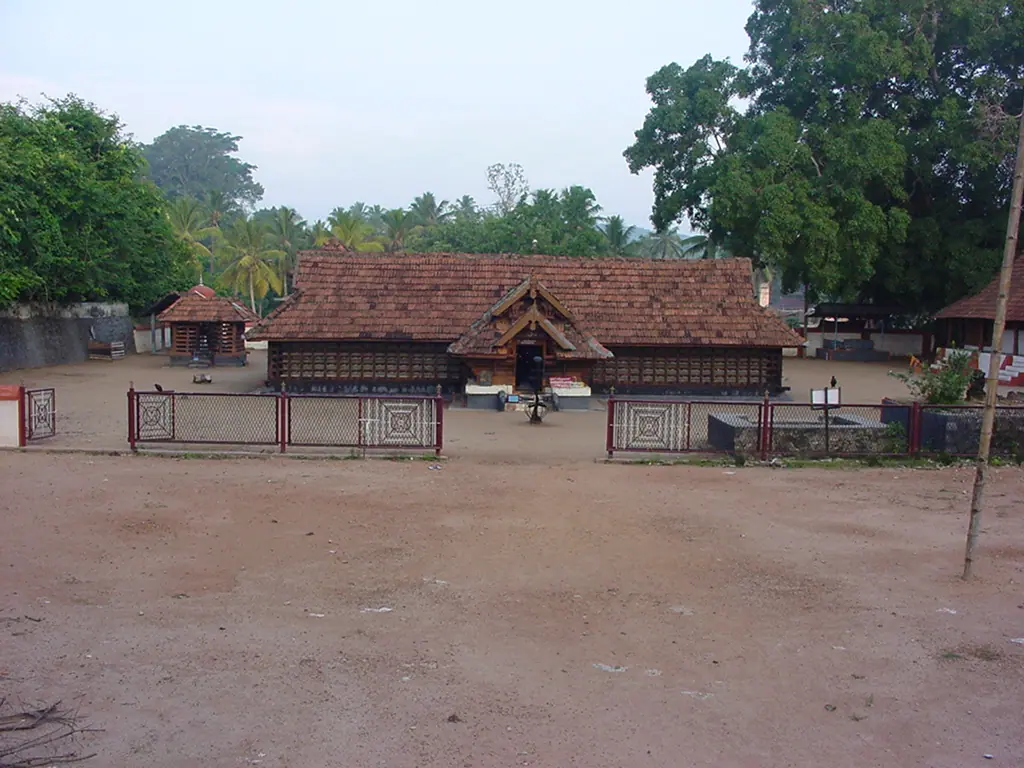
Ayyappa and Dharma Sastha Temples: Sabarimala, Achankovil, Kulathupuzha and Other Source-Checked Shrines
Arupadai Veedu and Murugan Temples: A Source-Checked Guide to Palani, Swamimalai, Tiruttani and More