
Arupadai Veedu and Murugan Temples: A Source-Checked Guide to Palani, Swamimalai, Tiruttani and More
A guide to Murugan temples built only from HinduTone's source-checked temple records: five of the six Arupadai Veedu (Thirupparankundram, Swamimalai, Palani, Tiruttani and Pazhamudircholai), plus Marudhamalai, Vadapalani, Kumarakottam, Vayalur, Kundrakudi, Sikkal, Kukke Subrahmanya, Haripad and Mopidevi. Each section covers location, legend as recorded, festivals and visitor notes, with a summary table, pilgrimage planning, tips for visitors from abroad and FAQs.
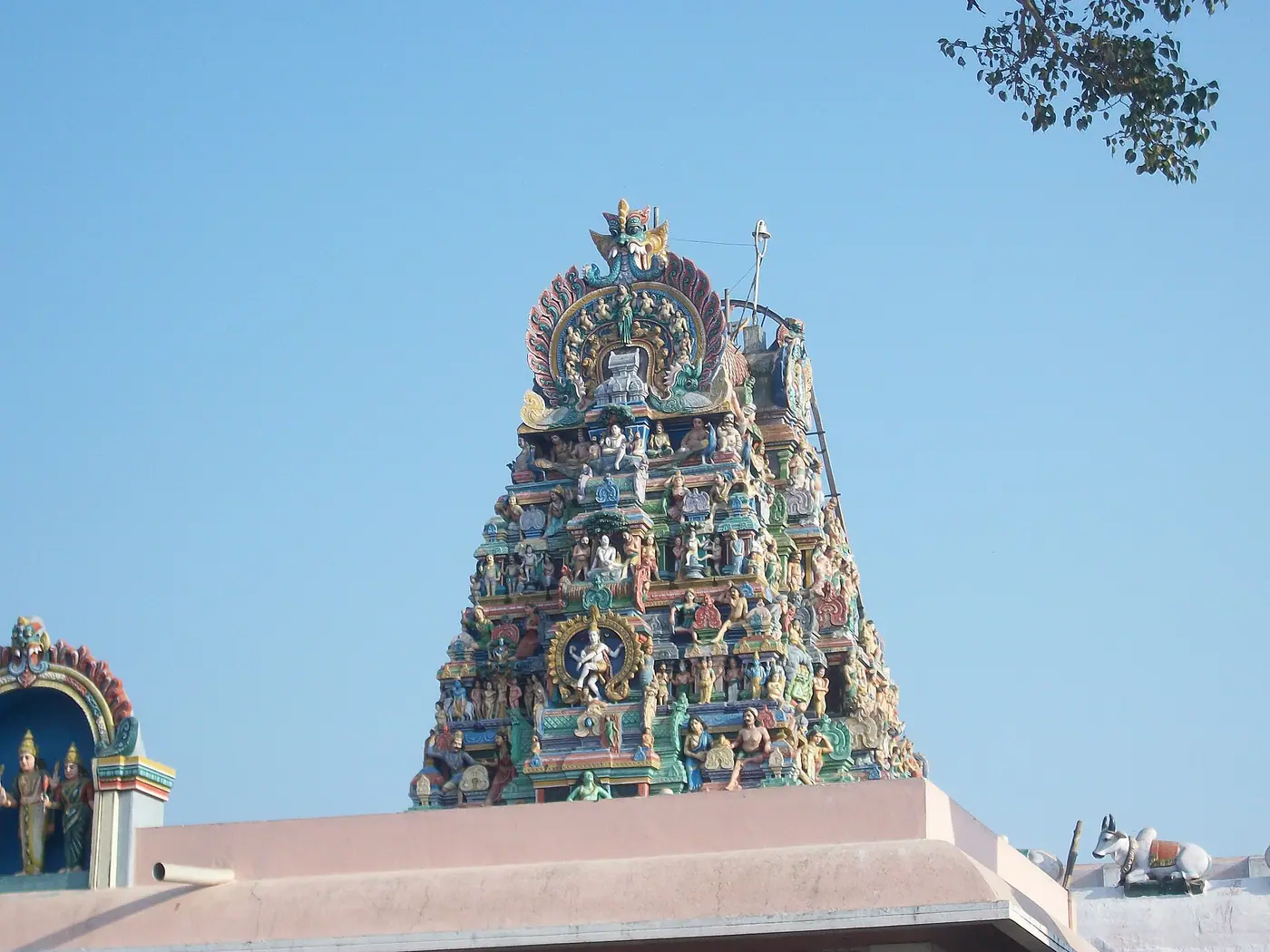
A guide to Murugan temples built only from HinduTone's source-checked temple records: five of the six Arupadai Veedu (Thirupparankundram, Swamimalai, Palani, Tiruttani and Pazhamudircholai), plus Marudhamalai, Vadapalani, Kumarakottam, Vayalur, Kundrakudi, Sikkal, Kukke Subrahmanya, Haripad and Mopidevi. Each section covers location, legend as recorded, festivals and visitor notes, with a summary table, pilgrimage planning, tips for visitors from abroad and FAQs.
Quick answer: The Arupadai Veedu are the six sacred abodes of Murugan in Tamil Nadu. This guide covers the five that are in HinduTone's source-checked temple records: Thirupparankundram, Swamimalai, Palani, Tiruttani and Pazhamudircholai. It then adds nine more Murugan temples with verified records, from Marudhamalai in Coimbatore and Vadapalani in Chennai to Kukke Subrahmanya in Karnataka, Haripad in Kerala and Mopidevi in Andhra Pradesh. Every fact below comes from the temple's own record page, which is linked in each section.
Last updated: 18 October 2026. Built from HinduTone's source-checked temple records (checked on 11 October 2026). Timings are not given because the records do not publish them; confirm with each temple before you travel.
Why devotees visit Murugan's temples
Murugan, also called Kartikeya, Subrahmanya, Skanda and Shanmuga, is the son of Shiva and Parvati and is especially loved in Tamil Nadu, Kerala and the Tamil diaspora. Many of his shrines stand on hills, and his weapon, the Vel (lance), is itself worshipped as a form of the deity. Devotees climb the steps, carry kavadi and milk pots to fulfil vows, and gather in large numbers for Skanda Sashti, Thai Poosam, Panguni Uthiram, Vaikasi Visakam and the Krittikai (Karthigai) star days. For background on the deity, see our guide to Kartikeya. In Tamil Nadu, Tuesday is also a common day for Murugan worship; our Tuesday guide explains the weekday traditions.
The Arupadai Veedu in our source-checked records
Five of the six abodes are verified in our records and are described below. The sixth, Tiruchendur, is also one of the Arupadai Veedu; it is not yet in our source-checked set, so we do not describe it here.
1. Thirupparankundram (Arulmigu Subramaniyaswamy Temple), Madurai
This temple stands at Thirupparankundram, about 8 km south of Madurai, and is administered by the Tamil Nadu HR&CE Department. The Madurai district administration records it as one of Murugan's six abodes and as the place where his marriage to Devayanai, daughter of Indra, was celebrated. Five deities are worshipped in a single cave shrine: Sathyagiriswarar (Shiva), Pavalakanivai Perumal (Vishnu), Karpaka Vinayaka, Subramaniar and Durgambika. The rock-cut cave shrines are dated to the 8th century and attributed to the Pandyas, with a sanctum carved from a single rock. Tradition links the hill with the poet Nakkeerar, who sang the Thirumurugatruppadai here.
Getting there: Madurai Airport at Avaniyapuram is nearest, and state buses run regularly from Madurai city. Thirupparankundram temple page.
2. Swamimalai (Swaminatha Swamy Temple), Thanjavur district
At Swamimalai near Kumbakonam, Murugan is worshipped as Swaminatha. The district administration and The Hindu list it among the six abodes. Because the district has no natural hills, the shrine stands on a raised hill temple reached by 60 steps, which represent the 60 years of the Tamil calendar cycle; a Thirupadi festival honouring the steps is held on 1 January. The ten-day Tirukarthigai festival in Karthigai (November to December) is described as the temple's main festival. Chithirai Brahmotsavam, Thai Poosam and Skanda Sashti are also celebrated. Swamimalai is also known for bronze idol handicrafts. Swamimalai temple page.
3. Palani (Sri Dhandayuthapani Swamy Temple), Dindigul district
At Palani, Murugan is worshipped as Dhandayuthapani. Palani, as Thiruavinankudi, is one of the shrines praised in Nakkeerar's Thirumurugatruppadai. The temple's panchamirtham, an abhisheka prasadam, received a Geographical Indication (GI) tag in 2019, The Hindu reported; the GI application attributes the temple's founding to the Chera king Cheraman Perumal in the 9th century. The temple administration offers online booking for sevas and accommodation, so book only through its official channels. Palani temple page.
4. Tiruttani (Arulmigu Subramaniya Swami Temple), Tiruvallur district
Tiruttani's hill shrine is reached by 365 steps, one for each day of the year, or by a ghat road with temple buses and vans. It is usually counted as the fifth abode. Tradition says Murugan came here to cool his anger after defeating Surapadman, so the district administration calls the town Shantipuri, the abode of peace, and the Surasamharam re-enactment is not held; a large flower offering is made on Skanda Sashti instead. According to Dinamalar's directory, the deity holds a vajra rather than the usual vel, and an elephant stands before the sanctum instead of a peacock. Arunagirinathar, Ramalinga Swamigal and Muthuswami Dikshitar are all linked to the hill.
Festivals and crowds: Aadi Krittikai (July to August), the New Year step festival on 31 December, the Masi festival of Murugan's wedding with Valli, and the Chithirai festival. The temple is very crowded on Krittikai days, Tuesdays, Aadi Krittikai and New Year's Eve. Tiruttani is about 84 km from Chennai and 13 km from Arakkonam, with frequent trains from Chennai. Tiruttani temple page.
5. Pazhamudircholai (Solaimalai), above Azhagar Kovil, Madurai district
This hill shrine stands above the Vishnu temple of Alagar Kovil, about 21 km north-east of Madurai, and is named as the sixth abode. Murugan is worshipped with Valli and Deivanai, and worship here began with the Vel. According to tradition, the poet Avvaiyar was resting under a naaval tree when Murugan, as a young cowherd, asked whether she wanted her fruit 'cooked' or 'uncooked'; devotees read it as a lesson about clearing the mind. Festivals include Skanda Sashti with Murugan's wedding, Vaikasi Visakam, Aadi Kiruthigai, Karthigai Mondays and Panguni Uthiram. Many visitors combine it with Alagar Kovil and the Noopura Gangai spring, and the temple runs its own buses up the hill. Pazhamudircholai temple page.
More Murugan temples with source-checked records
Marudhamalai, Coimbatore
A hill temple on a granite hill of about 600 feet on the western side of Coimbatore, administered by the HR&CE Department. Thai Poosam and Kanda Sashti draw thousands, many carrying kavadi. The Maha Kumbabishekam was held on 4 April 2025, and a two-stage lift from the parking area was opened on 1 February 2026. Wild elephants frequent the hills, so follow forest department and temple instructions on the steps. Marudhamalai temple page.
Vadapalani Andavar Temple, Chennai
The standing deity here is modelled on Murugan of Palani and is shown wearing padukas. The temple's own history traces it to a thatched hut kept by Annaswami Naicker in the late 19th century, and it is now run by the HR&CE Department. It is a popular place for weddings. Its main festival is the 11-day Vaikasi Visakam Brahmotsavam, and Kanda Sashti includes Soorasamharam on the sixth evening and Thirukalyanam on the seventh day. Vadapalani temple page.
Kumarakottam, Kanchipuram
This temple lies between the Ekambareswarar and Kamakshi Amman temples in Kanchipuram, a position linked with the Somaskanda form. The district administration records that Kachiappa Sivachariyar composed the Kanda Puranam here. Murugan is worshipped in the Brahma Sastha form. Tuesdays and Krittikai star days are considered especially auspicious, and Skanda Sashti and Vaikasi Visakam are the main festivals. Kumarakottam temple page.
Vayalur Murugan Temple, near Tiruchirappalli
The complex has a Shiva sanctum of Adinathar, with Murugan, Valli and Devasena in their own shrine. Tradition says Murugan called Arunagirinathar here, and the poet sang 18 Tiruppugazh songs on the Vayalur deity. A Hindu Tamil Thisai article drawing on inscriptions dates the stone Shiva shrine to Aditya Chola I, around 902 CE. The main festival is the 12-day Vaikasi Visakam Brahmotsavam. Vayalur temple page.
Kundrakudi Shanmuganathar Temple, near Karaikudi
A hill temple where Murugan is worshipped as Shanmuganathar, with six faces and twelve arms, and where Murugan, Valli and Deivanai each sit on a separate peacock. It is maintained by the Kundrakudi Thiruvannamalai Adheenam, about 10 km from Karaikudi. Panguni Uthiram and Thai Poosam are its two great ten-day festivals, and the Kundrakudi kavadi is well known. Kundrakudi temple page.
Sikkal Singaravelar Temple, near Nagapattinam
The presiding deity is Shiva as Navaneetheswarar, but the temple's fame rests on Murugan as Singaravelar. By tradition, Murugan received the Vel from Parvati here before defeating Surapadman, hence the saying 'get the Vel at Sikkal, perform Soorasamharam at Tiruchendur'. The ten-day Kanda Sashti festival draws large crowds. Sikkal temple page.
Kukke Subrahmanya Temple, Karnataka
On the Kumaradhara river in Dakshina Kannada, Subrahmanya is worshipped as lord of serpents, in a form merged with Vasuki, according to Karnataka Tourism. Pilgrims come for rites linked to sarpa dosha such as Ashlesha Bali and Sarpa Samskara, which must be booked in advance through official channels only, as fake websites have been reported. Champa Shashti in Margashira is the main festival. See the Kukke temple page and our Kukke Subramanya visit guide.
Haripad Sree Subrahmanya Swamy Temple, Kerala
Known as Dakshina Palani, this Travancore Devaswom Board temple in Alappuzha district enshrines a four-armed Murugan holding the vel and vajrayudha. The Payippad boat race commemorates the recovery and installation of its idol. Festivals include Chithira (from Vishu), Avani, Markazhi and Thaipooyam with kavadiyattam. Haripad temple page.
Mopidevi Sri Subrahmanyeswara Swamy Temple, Andhra Pradesh
In Krishna district, Subrahmanya is worshipped here in the form of a Shiva lingam. The temple is known for the Sarpa Dosha Nivarana Pooja, and Nagula Chavithi and Subrahmanya Shashti are major festivals. Repalle station is about 12 km away. Mopidevi temple page.
Murugan temples at a glance
| Temple | State | Known for (per record) | Best time |
|---|---|---|---|
| Thirupparankundram | Tamil Nadu | Arupadai Veedu; Devayanai wedding; Pandya cave shrines | See temple page |
| Swamimalai | Tamil Nadu | Arupadai Veedu; Swaminatha; 60 steps | See temple page |
| Palani | Tamil Nadu | Arupadai Veedu; Dhandayuthapani; GI-tagged panchamirtham | See temple page |
| Tiruttani | Tamil Nadu | Arupadai Veedu; 365 steps; no Surasamharam | See temple page |
| Pazhamudircholai | Tamil Nadu | Arupadai Veedu; Avvaiyar legend | See temple page |
| Marudhamalai | Tamil Nadu | Hill temple, Coimbatore; Thai Poosam kavadi | See temple page |
| Vadapalani Andavar | Tamil Nadu | Chennai temple; weddings | See temple page |
| Kumarakottam | Tamil Nadu | Kanda Puranam composed here | See temple page |
| Vayalur | Tamil Nadu | Arunagirinathar; Chola inscriptions | See temple page |
| Kundrakudi | Tamil Nadu | Shanmuganathar; kavadi | See temple page |
| Sikkal | Tamil Nadu | Vel received from Parvati | See temple page |
| Kukke Subrahmanya | Karnataka | Serpent rites; Champa Shashti | See temple page |
| Haripad | Kerala | Dakshina Palani; Payippad boat race | See temple page |
| Mopidevi | Andhra Pradesh | Sarpa Dosha Nivarana Pooja | See temple page |
None of these records names a single best time to visit. Festival days bring heavy crowds; quieter weekdays outside festivals are usually easier for darshan.
Planning a Murugan temple pilgrimage
- Group by region: Thirupparankundram and Pazhamudircholai are both near Madurai; Swamimalai is near Kumbakonam; Tiruttani and Kumarakottam are within reach of Chennai, as is Vadapalani in the city.
- Check festival calendars: Skanda Sashti, Thai Poosam, Panguni Uthiram and Krittikai days are the busiest; dates follow the Tamil or Malayalam calendar. See our Skanda Sashti 2026 guide.
- Hill shrines: many temples here involve steps; carry water, start early and use temple buses or lifts where offered.
- Dress and conduct: wear modest traditional clothing and follow each temple's rules. Our temple visit guide covers darshan, dress code and etiquette.
- Confirm locally: timings, seva bookings and transport change, so check with the temple office or HR&CE or Devaswom board before you go.
Visiting from abroad
If you are flying in from the USA, UK, Singapore, Malaysia, Australia or the Gulf, Chennai, Madurai, Tiruchirappalli and Coimbatore airports are the usual gateways for Tamil Nadu temples, and Mangaluru and Thiruvananthapuram for Kukke and Haripad. Build in a rest day after a long flight before steep climbs, and avoid planning a tight circuit around a single festival date, when crowds and road restrictions are common. Use only official temple or government websites for seva and room bookings, carry a copy of your passport, and keep a small amount of cash for offerings and footwear counters. For the weekly rhythm of worship you can keep at home, see our guide to the Hindu days of the week.
Frequently asked questions
What are the Arupadai Veedu of Murugan?
They are the six sacred abodes of Murugan in Tamil Nadu. Our source-checked records cover five of them: Thirupparankundram near Madurai, Swamimalai near Kumbakonam, Palani in Dindigul district, Tiruttani in Tiruvallur district and Pazhamudircholai above Azhagar Kovil. The sixth, Tiruchendur, is not yet in our source-checked set.
Which Arupadai Veedu temple is linked to Murugan's wedding?
The Madurai district administration records Thirupparankundram as the place where Murugan's marriage to Devayanai was celebrated. Tiruttani is closely tied in tradition to his marriage with Valli, which its Masi festival celebrates.
Why is Surasamharam not held at Tiruttani?
Tradition says Murugan came to Tiruttani to rest after defeating Surapadman and is in a peaceful mood there. So instead of the battle re-enactment held at many Murugan temples on Skanda Sashti, a large flower offering is made.
How many steps lead to the Tiruttani and Swamimalai shrines?
Tiruttani has 365 steps, one for each day of the year, and a ghat road with temple buses and vans. Swamimalai's raised shrine is reached by 60 steps, which represent the 60 years of the Tamil calendar cycle.
Which Murugan festivals draw large crowds?
The records most often name Skanda (Kanda) Sashti in Aippasi, Thai Poosam, Panguni Uthiram, Vaikasi Visakam and Karthigai or Krittikai days. Each temple has its own main festival, so check the temple section and confirm dates locally.
Do I need to book darshan in advance?
Most of these temples do not list a booking requirement in our records, but some sevas do: Kukke Subrahmanya's Ashlesha Bali and Sarpa Samskara must be booked in advance, and Palani offers online booking for sevas and rooms. Book only through official channels.
Is visiting these temples a guaranteed remedy for problems?
No. Devotees pray at these temples for marriage, children, studies and relief from difficulties, and the records report those beliefs. They are matters of faith, and no outcome is guaranteed.
Editor's note (18 October 2026)
Every temple fact in this guide comes from HinduTone's source-checked temple records, which were researched against district administrations, state tourism departments, newspapers and temple directories and checked on 11 October 2026. We have left out claims that rest on a single source and famous temples that are not yet in our verified set, such as Tiruchendur. Timings and seva rules change; please confirm with the temple before travelling.
Related guides
You might also like
Ayyappa and Dharma Sastha Temples: Sabarimala, Achankovil, Kulathupuzha and Other Source-Checked Shrines
Famous Krishna Temples in India: 13 Source-Checked Temples from Guruvayur to Mathura, Vrindavan, Dakor and Pandharpur
Venkateswara (Balaji) Temples in India and Abroad: Tirumala, Tiruchanur, Chilkur, Perumal Malai, Pittsburgh, Sydney and Malibu
