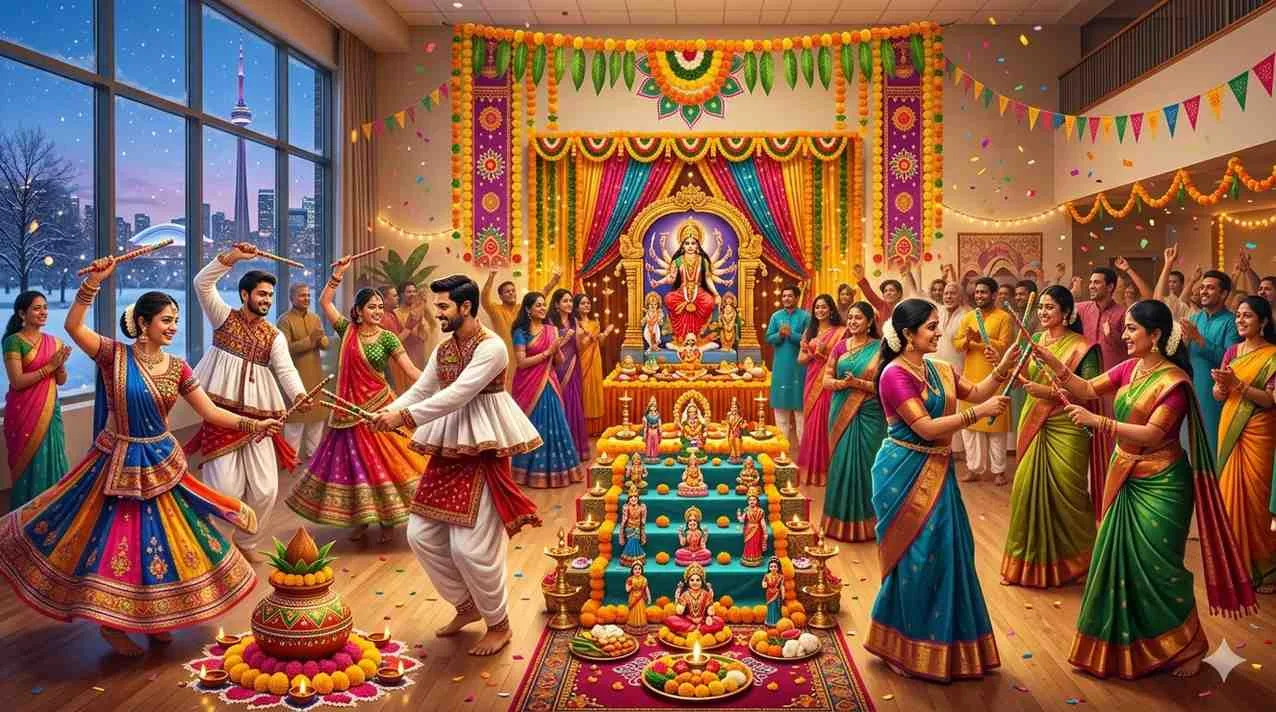
How Hindu Temples Celebrate Dussehra (Vijayadashami) 2026: Rituals, Traditions and Regional Grandeur
From special alankarams and the Vijay Muhurat puja to Ayudha Puja, Shami Puja, processions and prasadam, here is how Hindu temples celebrate Dussehra (Vijayadashami) 2026, with regional traditions from Bengal, Mysuru, Vijayawada, Kerala and Kullu.
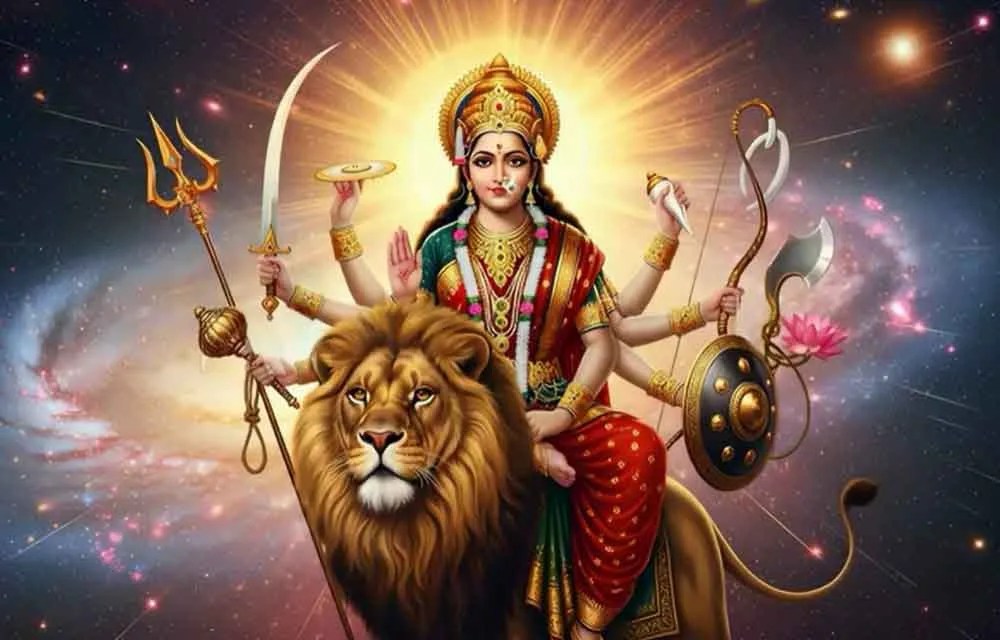
From special alankarams and the Vijay Muhurat puja to Ayudha Puja, Shami Puja, processions and prasadam, here is how Hindu temples celebrate Dussehra (Vijayadashami) 2026, with regional traditions from Bengal, Mysuru, Vijayawada, Kerala and Kullu.
Quick answer: Dussehra (Vijayadashami) 2026 is on Tuesday 20 October across most of India (Drik Panchang); Dashami tithi begins around 12:50 PM IST. Temples mark it with special alankaram, the afternoon Vijay Muhurat puja, Ayudha and Shami Puja, processions and prasadam. Bengal's Bijoya Dashami, Kerala's Vidyarambham and Mysuru's Jamboo Savari fall on Wednesday 21 October.
Hindu temples across India and abroad become vibrant centres of devotion on Dussehra, with special alankarams, elaborate pujas, processions and community rituals. Dussehra marks the victory of good over evil — Lord Rama's triumph over Ravana and Goddess Durga's victory over Mahishasura — and concludes the nine nights of Sharad Navratri. Here is how temples celebrate the day.
Significance of Dussehra in temples
Temples emphasise the spiritual message of dharma prevailing over adharma. Devotees seek blessings for victory in personal challenges, new beginnings, protection and prosperity. The day is considered highly auspicious for starting education (Vidyarambham), worshipping tools and weapons (Ayudha or Shastra Puja) and performing Shami (Jammi) Puja.
Common temple rituals on Dussehra
Most temples observe these core practices, adapted to local tradition:
- Special alankarams and abhishekam: deities, especially forms of Durga, Chamundeshwari or Rama, receive elaborate decorations. Morning and evening aartis are longer, and darshan hours are often extended.
- Vijay Muhurat puja: the main victory puja is performed in the afternoon (Aparahna) period, typically in the early-to-mid afternoon. Exact times vary by city, so check your temple's schedule or a local panchang. Priests offer flowers, fruits, coconuts and special naivedyam.
- Ayudha Puja / Shastra Puja: tools, vehicles, books, instruments and weapons are cleaned, marked with turmeric and kumkum, decorated with flowers and worshipped, honouring the divine energy in one's livelihood. Many South Indian temples and homes do this on Maha Navami (Monday 19 October 2026 in most panchangs), others on Vijayadashami.
- Shami / Jammi Puja: worship of the Shami tree (Apta leaves in some regions) recalls the Pandavas hiding their weapons in a Shami tree and symbolises victory. Leaves are exchanged as "gold", a gesture of goodwill.
- Processions and rath yatras: many temples take the utsava murti out in decorated processions or chariots.
- Prasadam and bhajans: community feasts, chanting of Ramayana verses or the Devi Mahatmya, and distribution of sweets and prasadam.
Regional celebrations at temples
North India: Rama-focused traditions
Temples dedicated to Lord Rama, notably in Ayodhya, Varanasi and Delhi, hold special Ramlila-linked pujas and Ramayana path. Public Ravan Dahan happens in open grounds; temples focus on victory aartis, abhishekam of Rama, Sita and Lakshmana, and blessings for devotees. Major Devi temples such as Jhandewalan, Kalkaji and Chhatarpur in Delhi see heavy footfall for the Navratri culmination pujas.
Eastern India: the end of Durga Puja
In West Bengal, Odisha and Assam, temples and community pandals mark Vijaya Dashami with farewell rituals for Goddess Durga. Married women perform sindoor khela, offering vermilion to the Goddess and to each other, and the day ends with emotional visarjan (immersion) processions. Note that in Bengal, Bijoya Dashami and most immersions fall on Wednesday 21 October 2026, a day after the all-India date. Belur Math and traditional household temples follow detailed schedules, including Kumari Puja earlier in Navratri.
South India: Ayudha Puja, Golu and royal traditions
- Mysuru (Chamundeshwari): the iconic Mysuru Dasara ends with the Jamboo Savari procession, in which the idol of Goddess Chamundeshwari is carried in a golden howdah on a decorated elephant. In 2026 the official Mysuru Dasara programme lists the Jamboo Savari on Wednesday 21 October.
- Andhra Pradesh and Telangana: Kanaka Durga Temple on Indrakeeladri, Vijayawada, is famous for its Dasara Sarannavaratri festival (11 to 20 October 2026), with a different alankaram of the Goddess each day, culminating on Vijayadashami. Srisailam and other major shrines also hold grand Mahotsavams. Jammi leaf exchange is popular.
- Tamil Nadu and Kerala: temples observe Ayudha Puja, usually on Maha Navami. Bommai Golu (doll displays) is common in homes and some temples. Vidyarambham, the initiation of children into learning, is performed at Saraswati temples; in Kerala it falls on Wednesday 21 October 2026. Meenakshi Amman Temple in Madurai and others have special Navaratri alankarams.
Other notable traditions
- Himachal Pradesh (Kullu): Kullu Dussehra begins on Vijayadashami with the procession of Lord Raghunath and local deities assembling at Dhalpur Maidan, and continues for about a week.
- Maharashtra: temples emphasise Shami Puja and the exchange of Apta leaves as "gold".
- Across regions, Gramadevata (village deity) temples organise community pujas, bhajans and prasadam distribution.
How devotees can participate
- Visit your local temple early for morning darshan and the special aarti.
- Perform or witness Ayudha Puja for your tools, vehicles or books.
- Offer flowers or fruits, or contribute to the temple's annadanam.
- Join processions if your temple organises one.
- Chant Rama or Durga mantras and seek blessings during the Vijay Muhurat.
- In the South, take children for Vidyarambham where it is offered.
Temples usually release detailed schedules close to the festival. Check official temple websites or local announcements for exact timings, as alankarams and processions vary each year.
Why temple celebrations matter
Temple observances keep the spiritual core of Dussehra alive amid public festivities. They remind devotees that the real victory is internal — conquering ego, anger and ignorance — while fostering community, devotion and cultural continuity.
This Dussehra, visit a temple, witness the rituals and carry home the message of Satyameva Jayate: truth alone triumphs.
Jai Shri Ram | Jai Mata Di
Frequently asked questions
When is Dussehra 2026?
Dussehra (Vijayadashami) is on Tuesday 20 October 2026 across most of India (Drik Panchang). Dashami tithi begins around 12:50 PM IST that day. In Bengal, Bijoya Dashami is on Wednesday 21 October, and in eastern Australia and New Zealand Dussehra falls on 21 October.
What rituals do temples perform on Dussehra?
Most temples perform special alankaram and abhishekam of the deity, an afternoon Vijay Muhurat puja, Ayudha or Shastra Puja, Shami (Jammi) Puja, processions of the utsava murti, bhajans and prasadam distribution. Details vary by region and temple.
When is Ayudha Puja in 2026?
Many temples and homes in South India perform Ayudha Puja on Maha Navami, Monday 19 October 2026; the official Mysuru Dasara programme lists it on Tuesday 20 October. Others perform tool and weapon worship on Vijayadashami itself.
When is the Mysuru Jamboo Savari in 2026?
The official Mysuru Dasara programme lists the Jamboo Savari procession on Wednesday 21 October 2026.
Is Vidyarambham on Dussehra?
Vidyarambham, a child's initiation into learning, is performed on Vijayadashami. In Kerala it falls on Wednesday 21 October 2026, following the Kerala calendar.
How can NRIs take part in Dussehra temple celebrations abroad?
Check your local temple's schedule for the Vijayadashami puja, Ayudha Puja and Shami Puja, and confirm the local date: 20 October in North America, the UK and Perth, and 21 October in eastern Australia and New Zealand.
Editor's note (18 October 2026)
Owner-supplied article, checked against HinduTone's Dussehra date pages. Dates follow Drik Panchang for India; the Mysuru dates follow the official Mysuru Dasara programme, Bengal's the West Bengal holiday list, and Kerala's Vidyarambham the Kerala calendar. Temple timings differ by city and change each year, so confirm with your temple.
Related guides
- Dussehra 2026 date and Vijay Muhurat
- Dasara 2026 at major temples: Indrakeeladri, Srisailam, Madurai, Vaishno Devi
- Navratri and Dussehra 2026 temple schedules in India
- Ayudha Puja 2026: date and Shastra Puja vidhi
- Vijayadashami 2026 mantras: Aparajita and Shami Puja
- Mysore Dasara 2026 guide
- Kullu Dussehra 2026 guide
- Durga Visarjan 2026 and Sindoor Khela
- Vidyarambham 2026 date in Kerala
You might also like
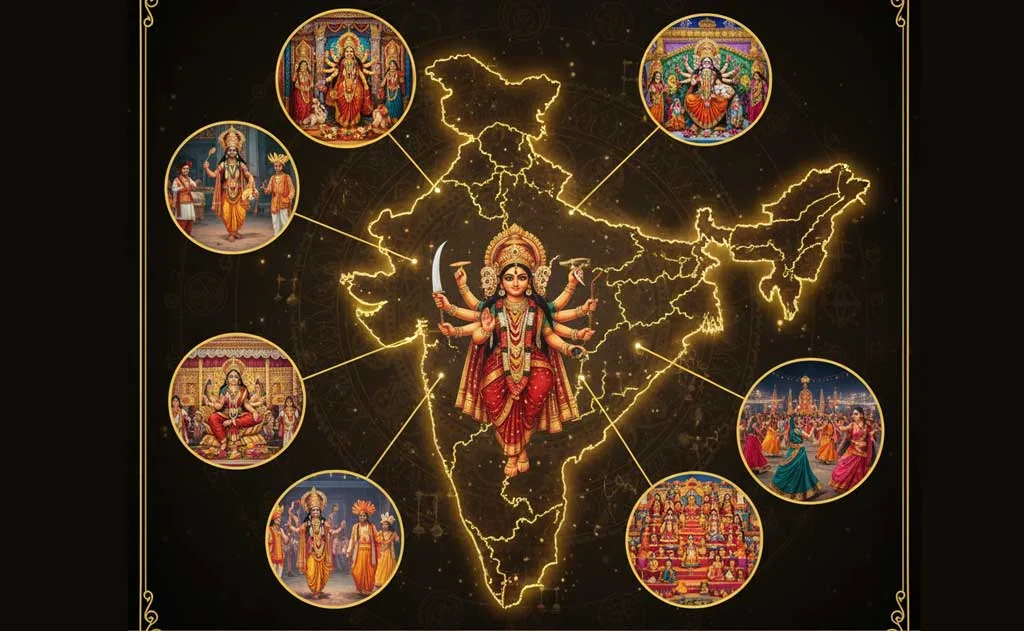
How Indians Celebrate Navratri: Regional Traditions, Garba, Durga Puja, Golu, Bathukamma and Dussehra
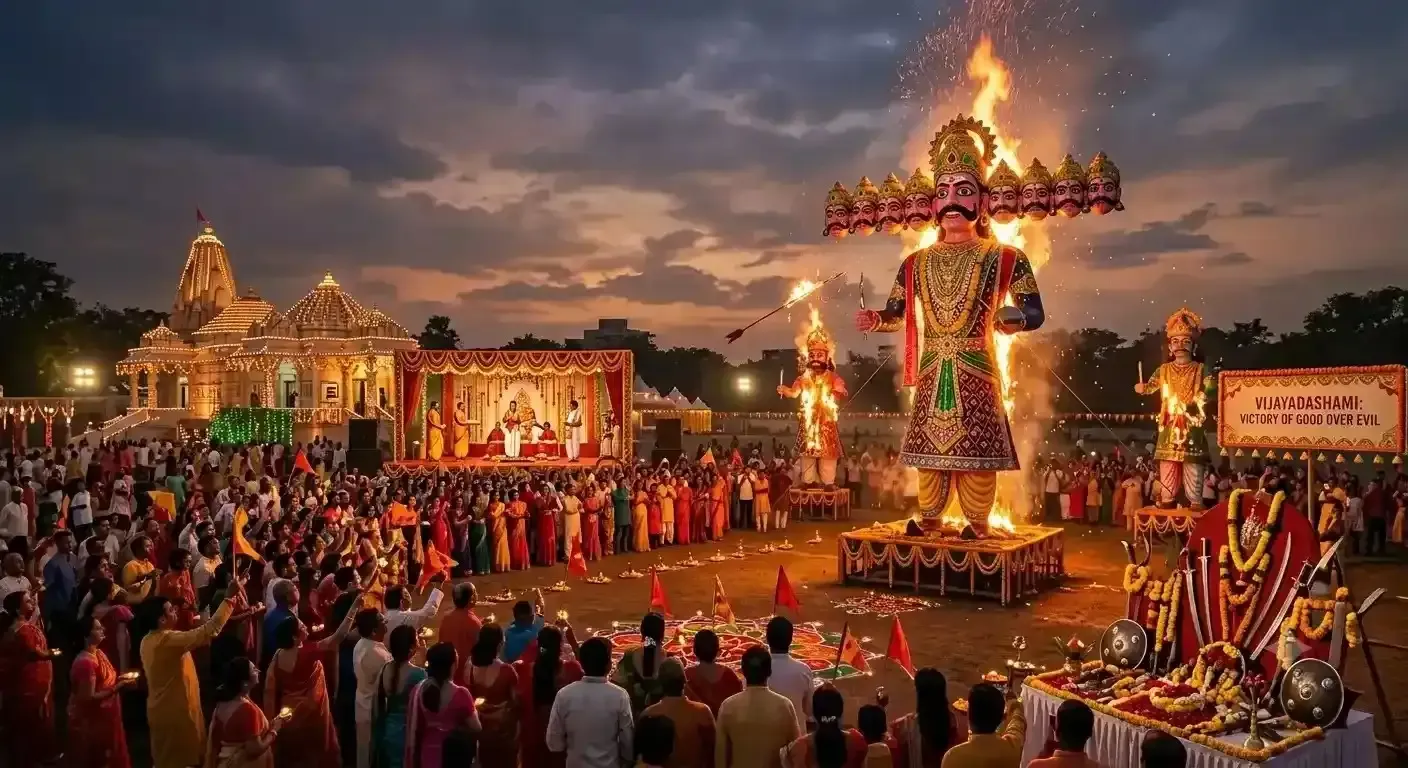
Dussehra 2026 Bank Holidays: Are Banks Closed on 19, 20 or 21 October? State-Wise RBI List
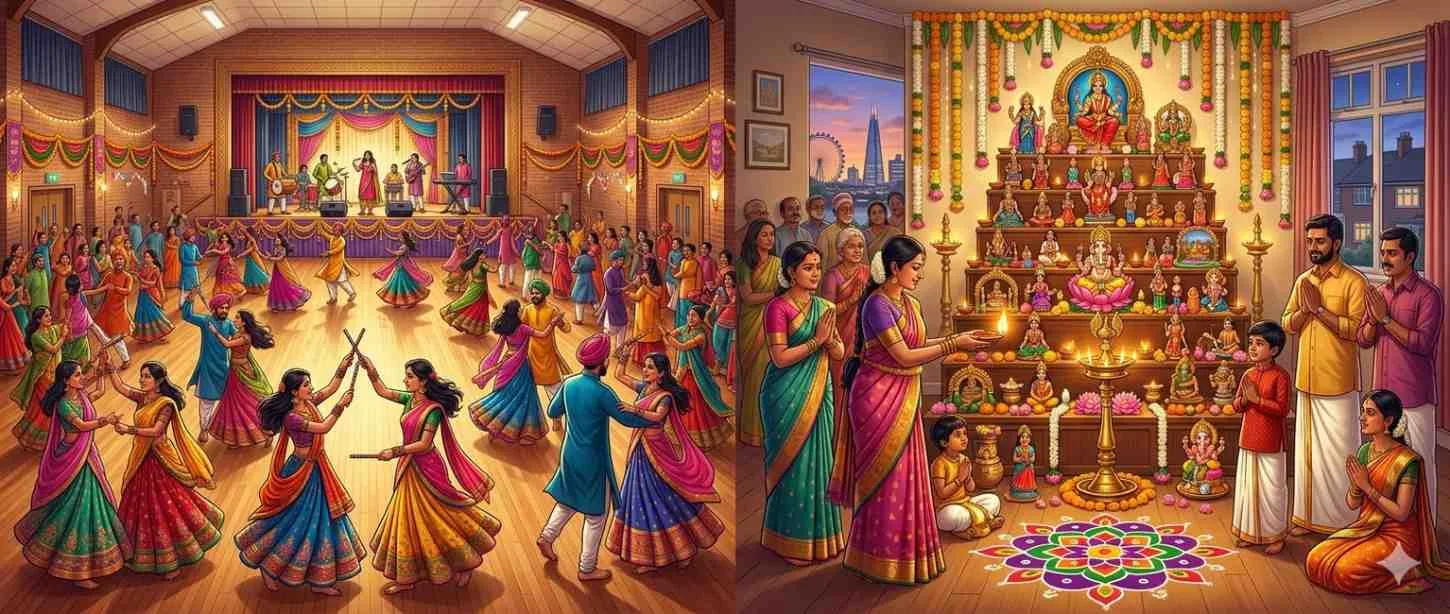
Navratri in the UK: How Gujaratis & South Indians Celebrate Abroad