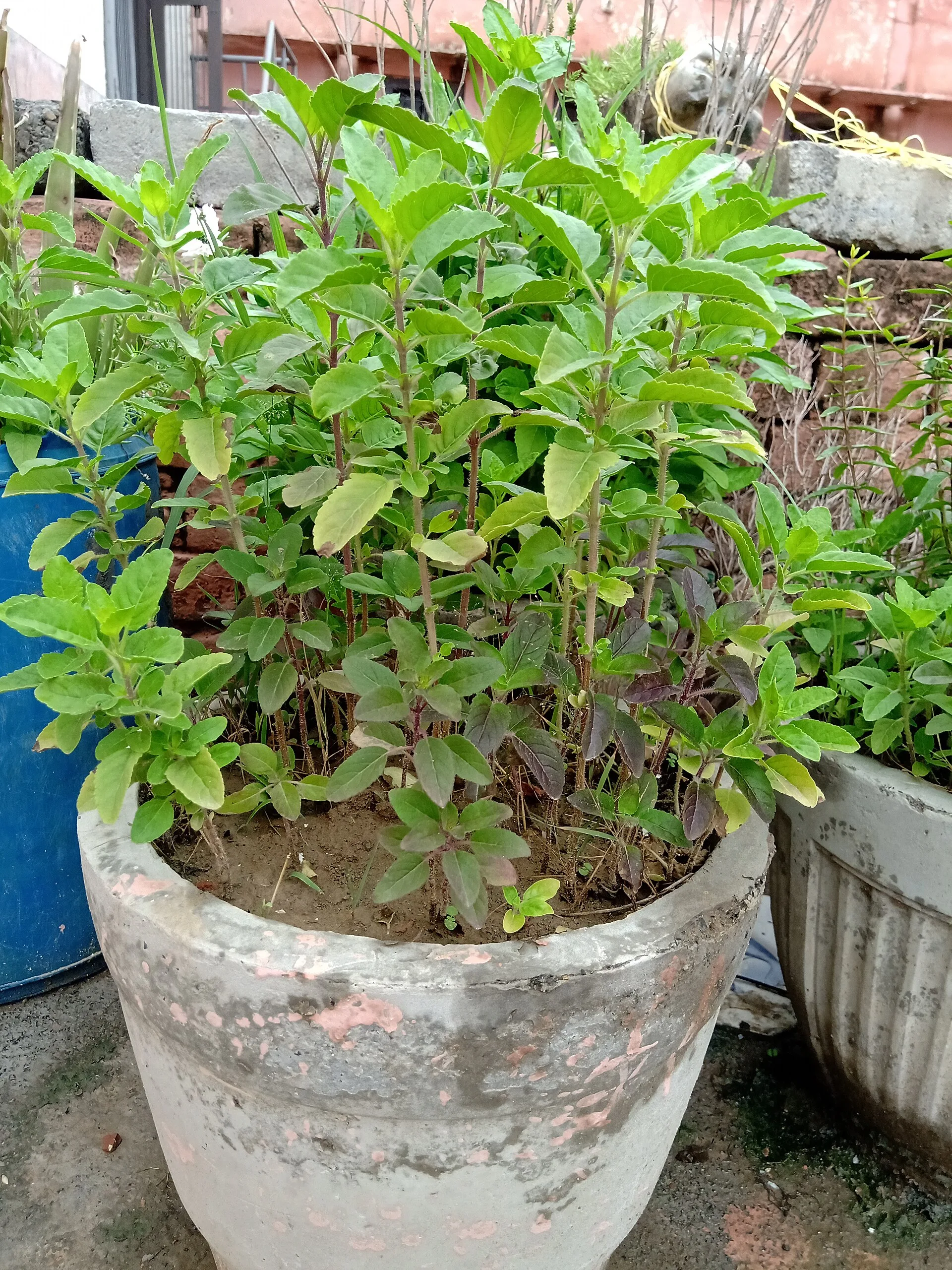
Tulasi Stotram (Jagaddhatri Namastubhyam): Full Text with Meaning, for Kartik and Tulsi Vivah
The Tulasi Stotram that begins 'Jagaddhatri namastubhyam' is the hymn of the sage Pundarika to Tulasi, beloved of Vishnu. Here are all 15 verses in Devanagari and IAST from sanskritdocuments.org, our own verse-by-verse meaning, the sixteen names of Tulasi, and how to recite it in Kartik and at Tulsi Vivah on 21 November 2026.

The Tulasi Stotram that begins 'Jagaddhatri namastubhyam' is the hymn of the sage Pundarika to Tulasi, beloved of Vishnu. Here are all 15 verses in Devanagari and IAST from sanskritdocuments.
Quick answer: The Tulasi Stotram that begins "jagaddhatri namastubhyam" ("O mother of the world, salutations to you") is a Sanskrit hymn of 15 verses to Tulasi, the holy basil revered as the beloved of Vishnu. The source names its composer as the sage Pundarika. It is recited daily at the tulasi plant and especially in Kartik month and at Tulsi Vivah, which falls on Saturday 21 November 2026.
Last updated: 20 October 2026. The Sanskrit below is the complete text published by sanskritdocuments.org (file tulasIstotram.itx), converted to Devanagari and IAST by software from the source, with no word typed by hand. Our own plain-English meaning follows every verse.
Tulasi Stotram: full text with meaning
Verses 1 to 11 praise Tulasi and tell who composed the hymn; verses 12 to 14 give her sixteen names; verse 15 is a closing salutation. Each verse appears in Devanagari and then in IAST transliteration, followed by its meaning.
Hymn of praise (verses 1 to 11)
Verse 1
जगद्धात्रि! नमस्तुभ्यं विष्णोश्च प्रियवल्लभे ।
यतो ब्रह्मादयो देवाः सृष्टि स्थित्यन्तकारिणः ॥ १॥
jagaddhātri! namastubhyaṃ viṣṇośca priyavallabhe |
yato brahmādayo devāḥ sṛṣṭi sthityantakāriṇaḥ || 1||
Meaning: O mother of the world, salutations to you, dearly beloved of Vishnu, through whom Brahma and the other gods carry out creation, preservation and dissolution.
Verse 2
नमस्तुलसि कल्याणि नमो विष्णुप्रिये शुभे ।
नमो मोक्षप्रदे देवि नमः सम्पत्प्रदायिके ॥ २॥
namastulasi kalyāṇi namo viṣṇupriye śubhe |
namo mokṣaprade devi namaḥ sampatpradāyike || 2||
Meaning: Salutations to you, Tulasi, the auspicious; salutations, beloved of Vishnu, the gracious; salutations, goddess who grants liberation; salutations, giver of prosperity.
Verse 3
तुलसी पातु मां नित्यं सर्वापद्भ्योऽपि सर्वदा ।
कीर्तितापि स्मृता वापि पवित्रयति मानवम् ॥ ३॥
tulasī pātu māṃ nityaṃ sarvāpadbhyo'pi sarvadā |
kīrtitāpi smṛtā vāpi pavitrayati mānavam || 3||
Meaning: May Tulasi protect me always and at every moment, from every misfortune. Whether praised or only remembered, she makes a person pure.
Verse 4
नमामि शिरसा देवीं तुलसीं विलसत्तनुम् ।
यां दृष्ट्वा पापिनो मर्त्या मुच्यन्ते सर्वकिल्बिषात् ॥ ४॥
namāmi śirasā devīṃ tulasīṃ vilasattanum |
yāṃ dṛṣṭvā pāpino martyā mucyante sarvakilbiṣāt || 4||
Meaning: I bow my head to the goddess Tulasi, of radiant form, at the very sight of whom those who have done wrong are freed from all their faults.
Verse 5
तुलस्या रक्षितं सर्वं जगदेतच्चराचरम् ।
या विनिहन्ति पापानि दृष्ट्वा वा पापिभिर्नरैः ॥ ५॥
tulasyā rakṣitaṃ sarvaṃ jagadetaccarācaram |
yā vinihanti pāpāni dṛṣṭvā vā pāpibhirnaraiḥ || 5||
Meaning: By Tulasi this whole world, moving and unmoving, is protected; she destroys wrongdoing even when she is only seen by those who have done wrong.
Verse 6
नमस्तुलस्यतितरां यस्यै बद्धाञ्जलिं कलौ ।
कलयन्ति सुखं सर्वं स्त्रियो वैश्यास्तथाऽपरे ॥ ६॥
namastulasyatitarāṃ yasyai baddhāñjaliṃ kalau |
kalayanti sukhaṃ sarvaṃ striyo vaiśyāstathā'pare || 6||
Meaning: Salutations again and again to Tulasi, folding their hands before whom in this age of Kali, women, people in trade and all others gain every kind of happiness.
Verse 7
तुलस्या नापरं किञ्चिद्दैवतं जगतीतले ।
यथा पवित्रितो लोको विष्णुसङ्गेन वैष्णवः ॥ ७॥
tulasyā nāparaṃ kiñciddaivataṃ jagatītale |
yathā pavitrito loko viṣṇusaṅgena vaiṣṇavaḥ || 7||
Meaning: On the whole face of the earth there is no deity beyond Tulasi, by whom the world is made pure, as a devotee is made pure by the company of Vishnu.
Verse 8
तुलस्याः पल्लवं विष्णोः शिरस्यारोपितं कलौ ।
आरोपयति सर्वाणि श्रेयांसि वरमस्तके ॥ ८॥
tulasyāḥ pallavaṃ viṣṇoḥ śirasyāropitaṃ kalau |
āropayati sarvāṇi śreyāṃsi varamastake || 8||
Meaning: A tulasi leaf placed on Vishnu's head in the age of Kali places every blessing on the head of the one who offers it.
Verse 9
तुलस्यां सकला देवा वसन्ति सततं यतः ।
अतस्तामर्चयेल्लोके सर्वान् देवान् समर्चयन् ॥ ९॥
tulasyāṃ sakalā devā vasanti satataṃ yataḥ |
atastāmarcayelloke sarvān devān samarcayan || 9||
Meaning: Since all the gods dwell in Tulasi always, one who worships her in this world worships all the gods.
Verse 10
नमस्तुलसि सर्वज्ञे पुरुषोत्तमवल्लभे ।
पाहि मां सर्व पापेभ्यः सर्वसम्पत्प्रदायिके ॥ १०॥
namastulasi sarvajñe puruṣottamavallabhe |
pāhi māṃ sarva pāpebhyaḥ sarvasampatpradāyike || 10||
Meaning: Salutations to you, Tulasi, all-knowing one, beloved of the Supreme Person. Protect me from all wrongdoing, giver of every kind of prosperity.
Verse 11
इति स्तोत्रं पुरा गीतं पुण्डरीकेण धीमता ।
विष्णुमर्चयता नित्यं शोभनैस्तुलसीदलैः ॥ ११॥
iti stotraṃ purā gītaṃ puṇḍarīkeṇa dhīmatā |
viṣṇumarcayatā nityaṃ śobhanaistulasīdalaiḥ || 11||
Meaning: This hymn was sung long ago by the wise Pundarika, as he worshipped Vishnu every day with beautiful tulasi leaves.
The sixteen names of Tulasi (verses 12 to 14)
Verse 12
तुलसी श्रीर्महालक्ष्मीर्विद्याविद्या यशस्विनी ।
धर्म्या धर्मानना देवी देवीदेवमनःप्रिया ॥ १२॥
tulasī śrīrmahālakṣmīrvidyāvidyā yaśasvinī |
dharmyā dharmānanā devī devīdevamanaḥpriyā || 12||
Meaning: The names of Tulasi: Tulasi, Shri, Mahalakshmi, Vidya-Avidya, Yashasvini (the glorious), Dharmya (the righteous), Dharmanana (whose face is dharma), Devi, and Devidevamanahpriya (dear to the heart of the God of gods);
Verse 13
लक्ष्मीप्रियसखी देवी द्यौर्भूमिरचला चला ।
षोडशैतानि नामानि तुलस्याः कीर्तयन्नरः ॥ १३॥
lakṣmīpriyasakhī devī dyaurbhūmiracalā calā |
ṣoḍaśaitāni nāmāni tulasyāḥ kīrtayannaraḥ || 13||
Meaning: Lakshmipriyasakhi (dear friend of Lakshmi), Devi, Dyau (heaven), Bhumi (earth), Achala and Chala (the unmoving and the moving). One who recites these sixteen names of Tulasi
Verse 14
लभते सुतरां भक्तिमन्ते विष्णुपदं लभेत् ।
तुलसी भूर्महालक्ष्मीः पद्मिनी श्रीर्हरिप्रिया ॥ १४॥
labhate sutarāṃ bhaktimante viṣṇupadaṃ labhet |
tulasī bhūrmahālakṣmīḥ padminī śrīrharipriyā || 14||
Meaning: gains deep devotion and at the end reaches the abode of Vishnu. Tulasi is the earth, Mahalakshmi, Padmini, Shri and Haripriya, the beloved of Hari.
Closing salutation (verse 15)
Verse 15
तुलसि श्रीसखि शुभे पापहारिणि पुण्यदे ।
नमस्ते नारदनुते नारायणमनःप्रिये ॥ १५॥
tulasi śrīsakhi śubhe pāpahāriṇi puṇyade |
namaste nāradanute nārāyaṇamanaḥpriye || 15||
Meaning: O Tulasi, friend of Shri, auspicious one, remover of wrongdoing, giver of merit, praised by Narada, dear to the heart of Narayana: salutations to you.
Colophon
इति श्रीपुण्डरीककृतं तुलसीस्तोत्रं सम्पूर्णम् ॥
iti śrīpuṇḍarīkakṛtaṃ tulasīstotraṃ sampūrṇam ||
Meaning: Thus ends the Tulasi Stotra composed by Shri Pundarika.
Who is Tulasi?
Tulasi (holy basil, Ocimum tenuiflorum) is the most sacred plant in Hindu homes. She is revered as a goddess, a form of Lakshmi and the beloved of Vishnu; a tulasi leaf is offered in almost every Vishnu and Krishna puja, and many homes keep a tulasi plant in a raised planter (tulasi vrindavan) in the courtyard.
As the story is commonly told in the Puranas, Tulasi was once Vrinda, a woman of great devotion, and she was blessed to be forever united with Vishnu. Their wedding is celebrated as Tulsi Vivah in Kartik, when Tulasi is married to Vishnu in the form of the Shaligram or to Krishna. Verse 6 of this hymn reflects how widely she is loved: everyone, of every walk of life, who folds their hands before her finds happiness.
| Verses | Theme |
|---|---|
| 1 to 2 | Tulasi as mother of the world and beloved of Vishnu |
| 3 to 5 | Her protecting and purifying power |
| 6 to 9 | Her greatness in the age of Kali; all gods dwell in her |
| 10 to 11 | A prayer for protection; Pundarika as the composer |
| 12 to 14 | The sixteen names and their merit |
| 15 | Closing salutation: friend of Shri, dear to Narayana |
When to recite the Tulasi Stotram in 2026
- Kartik month: from Tuesday 27 October to Kartik Purnima, Tuesday 24 November 2026 (North Indian reckoning), with a lamp at the tulasi every evening; see Kartik Snan and Deepdaan 2026 and daily Tulasi pooja in Kartik. The Telugu Karthika Masam runs from 10 November to 8 December; see the Karthika Masam 2026 calendar.
- Dev Uthani Ekadashi: Friday 20 November 2026, when Vishnu is woken from his four-month rest; see Dev Uthani (Prabodhini) Ekadashi 2026.
- Tulsi Vivah: Saturday 21 November 2026 (Sunday 22 November in Australia, Singapore and nearby time zones); see Tulsi Vivah 2026. In South India the same day is Ksheerabdi Dwadasi, when Tulasi is worshipped with an amla branch.
- Kartik Purnima: Tuesday 24 November 2026; see Kartik Purnima 2026.
- Fridays and Thursdays: Tulasi is a form of Lakshmi and dear to Vishnu; see the Friday (Shukravar) rituals guide and the Thursday (Guruvar) rituals guide.
A simple daily Tulasi prayer
- After your morning bath, offer a little water at the root of the tulasi plant.
- Apply a dot of kumkum or turmeric to the planter and offer a flower.
- In the evening, especially in Kartik, light a small ghee or oil lamp beside the plant.
- Recite the Tulasi Stotram (or verses 1 to 10 if time is short), then walk around the plant three times if there is room, or turn around once where you stand.
- Fold your hands and pray in your own words for the well-being of your family.
Customs many families follow
- Leaves are picked gently, only as many as are needed for the day's puja, and never thrown away carelessly.
- Many families avoid picking tulasi leaves after sunset and on Ekadashi and Dwadashi days; follow your own family's custom.
- Tulasi leaves are offered to Vishnu and Krishna but are traditionally not offered to Ganesha.
Pronunciation help
- The hymn is in the anushtup metre, eight syllables to a quarter; take a breath at each line break.
- In the IAST, a line over a vowel (ā, ī, ū) means it is held twice as long; ś and ṣ are 'sh' sounds; ṛ is a short 'ri'.
Traditional beliefs about the hymn
The hymn itself states its merits: Tulasi protects and purifies whoever praises or remembers her (verse 3), all the gods dwell in her (verse 9), and reciting her sixteen names brings devotion and, in the end, Vishnu's abode (verses 13 and 14). Devotees traditionally believe that daily Tulasi worship brings peace, health and blessings to the home.
These are traditional beliefs about the hymn's spiritual value. No hymn guarantees particular worldly results; the Tulasi Stotram is best recited simply, as an offering of love.
Tips for NRI families
- Grow tulasi indoors in winter. Holy basil is a tropical plant; in North America, the UK and Europe keep it in a sunny window from autumn to spring and water it sparingly.
- A picture is enough. If the plant does not survive, recite the hymn before a picture of Tulasi or Vishnu; the devotion is what counts.
- Make Kartik a family habit. Each evening one family member lights the lamp and another recites; children enjoy reading out the sixteen names.
- Pair it with Krishna's hymn. In Kartik, the Damodarashtakam and the Tulasi Stotram are often sung together at the evening lamp; see the Damodar month guide.
Frequently asked questions
Who composed the Tulasi Stotram?
The source names the sage Pundarika (Pundarikaksha). Verse 11 says the hymn was sung long ago by the wise Pundarika while he worshipped Vishnu every day with tulasi leaves, and the closing line calls it 'the Tulasi Stotra composed by Shri Pundarika'.
What are the sixteen names of Tulasi?
Verses 12 to 14 list them, among them Tulasi, Shri, Mahalakshmi, Yashasvini, Lakshmipriyasakhi, Bhumi and Haripriya. Verse 13 says that one who recites these sixteen names gains deep devotion. Read them in the verses above, exactly as the source gives them.
When should the Tulasi Stotram be recited?
Daily at the tulasi plant, in the morning after offering water or in the evening with a lamp; above all in Kartik month (27 October to 24 November 2026 in the North Indian reckoning), on Dev Uthani Ekadashi (Friday 20 November) and at Tulsi Vivah (Saturday 21 November 2026).
Can I recite it if I do not have a tulasi plant?
Yes. Recite it before a picture of Tulasi or of Vishnu with a tulasi leaf, or simply with folded hands. If you can, keep a small tulasi pot on a sunny windowsill; many NRI families grow it indoors through the winter.
How long does it take?
About three to four minutes for all fifteen verses. Many devotees recite verses 1 to 10 every day and the full hymn on Fridays, Ekadashis and in Kartik.
What are the benefits of reciting the Tulasi Stotram?
The hymn says that Tulasi, praised or even remembered, purifies a person (verse 3), and that one who recites her sixteen names gains devotion and reaches Vishnu's abode (verses 13 and 14). Devotees traditionally believe it brings peace and blessings to the home. These are matters of faith, not guaranteed results.
Is this the same as the Tulasi Ashtottara?
No. The Tulasi Ashtottara is a list of 108 names. This Tulasi Stotram is a hymn of praise in 15 verses, which includes a shorter list of sixteen names in verses 12 to 14.
Editor's note (20 October 2026)
This page was published on 20 October 2026. The Sanskrit is the text given in Tulasi Stotram on sanskritdocuments.org (file tulasIstotram.itx, transliterated from mypurohith.com and proofread by Anuradha and Dr. Varagur S. V. Rajan), which names the author as Sri Pundarikaksha and closes 'iti shri-Pundarika-kritam Tulasistotram sampurnam'. It was converted from ITRANS to Devanagari and IAST by software; no word has been changed. Other Tulasi hymns on the same site (for example a Tulasi Stotram from the Brahmavaivarta Purana and the Tulasi Ashtottara) are different texts and are not mixed in. The English meanings are our own, the story of Vrinda is given as commonly told, and the hymn is presented as an act of devotion, with no promise of particular results. Dates are from Drik Panchang as used across HinduTone's Kartik 2026 pages.
Related guides
You might also like
Dattatreya Stotram (Jatadharam Pandurangam), Narada Purana: Full Text with Meaning

Shiva Mahimna Stotram (Pushpadanta): Full Lyrics with Meaning

Lakshmi Narasimha Karavalamba Stotram (Adi Shankaracharya): Full Text with Meaning