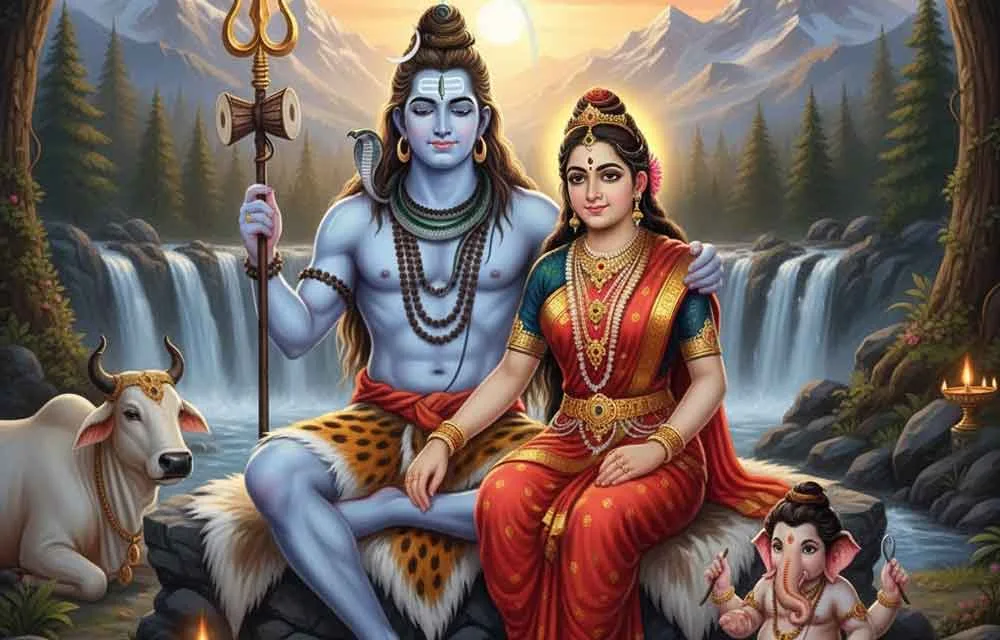
Surya Kavacham (Yajnavalkya): Full Text with Meaning
The Surya Kavacham (Surya Kavacha Stotram) is a short 'armour' prayer to the Sun, taught by the sage Yajnavalkya. Here are all 7 verses in Devanagari and IAST from sanskritdocuments.org, with our own meaning, its source exactly as the text gives it, and how to recite it on Sundays with the Aditya Hridayam.
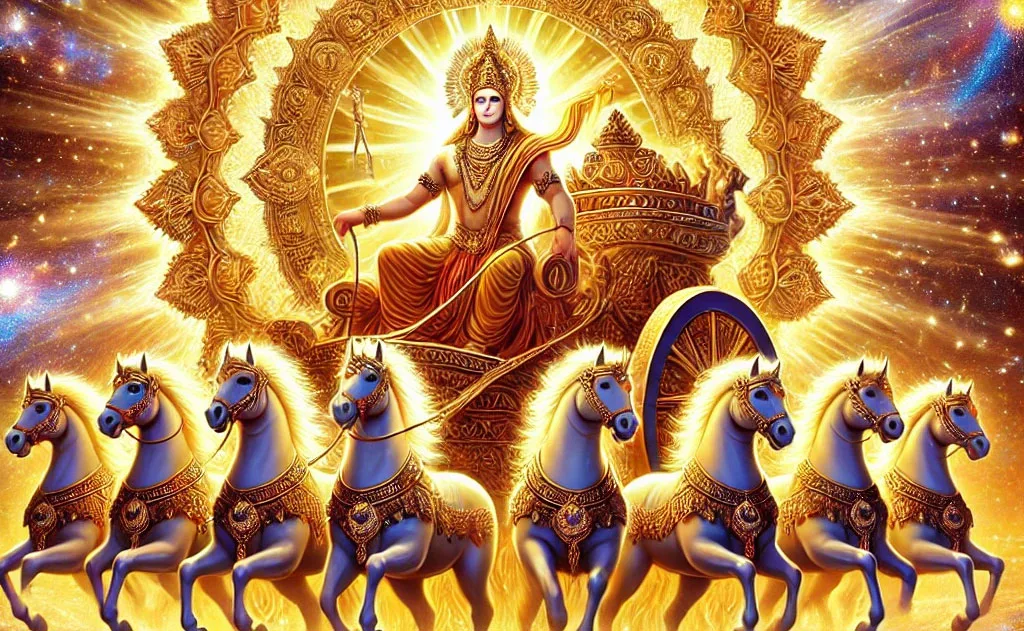
The Surya Kavacham (Surya Kavacha Stotram) is a short 'armour' prayer to the Sun, taught by the sage Yajnavalkya. Here are all 7 verses in Devanagari and IAST from sanskritdocuments.
Quick answer: The Surya Kavacham (Surya Kavacha Stotram, 'the armour of the Sun') is a short Sanskrit prayer of 7 verses. It opens 'Yajnavalkya said', and its colophon calls it the Surya Kavacha Stotram composed by the sage Yajnavalkya; the source names no Purana for it. After a meditation on the thousand-rayed Sun, it places a name of Surya over each part of the body. It is traditionally recited on Sundays at sunrise, often together with the Aditya Hridayam.
Last updated: 20 October 2026. The Sanskrit below is the complete text published by sanskritdocuments.org (file suuryakavach2.itx), converted to Devanagari and IAST by software from the source, with no word typed by hand. Our own plain-English meaning follows every verse.
Surya Kavacham: full text with meaning
The text opens with an invocation to Ganesha. Verses 1 and 2 introduce the kavacham and give a short meditation; verses 3 to 5 are the armour itself; verses 6 and 7 state its merit. Each verse appears in Devanagari and then in IAST transliteration, followed by its meaning.
Invocation
श्रीगणेशाय नमः ।
śrīgaṇeśāya namaḥ |
Meaning: Salutations to Shri Ganesha.
The opening and the meditation (verses 1 and 2)
Verse 1
याज्ञवल्क्य उवाच ।
शृणुष्व मुनिशार्दूल सूर्यस्य कवचं शुभम् ।
शरीरारोग्यदं दिव्यं सर्वसौभाग्यदायकम् ॥ १॥
yājñavalkya uvāca |
śṛṇuṣva muniśārdūla sūryasya kavacaṃ śubham |
śarīrārogyadaṃ divyaṃ sarvasaubhāgyadāyakam || 1||
Meaning: Yajnavalkya said: Listen, O tiger among sages, to the auspicious armour of Surya, divine, which gives health to the body and every kind of good fortune.
Verse 2
देदीप्यमानमुकुटं स्फुरन्मकरकुण्डलम् ।
ध्यात्वा सहस्रकिरणं स्तोत्रमेतदुदीरयेत् ॥ २॥
dedīpyamānamukuṭaṃ sphuranmakarakuṇḍalam |
dhyātvā sahasrakiraṇaṃ stotrametadudīrayet || 2||
Meaning: Meditating on the thousand-rayed one, with his blazing crown and his gleaming earrings shaped like the makara, one should recite this hymn.
Surya over each part of the body (verses 3 to 5)
Verse 3
शिरो मे भास्करः पातु ललाटं मेऽमितद्युतिः ।
नेत्रे दिनमणिः पातु श्रवणे वासरेश्वरः ॥ ३॥
śiro me bhāskaraḥ pātu lalāṭaṃ me'mitadyutiḥ |
netre dinamaṇiḥ pātu śravaṇe vāsareśvaraḥ || 3||
Meaning: May Bhaskara, the maker of light, protect my head; the one of boundless radiance my forehead; Dinamani, the jewel of the day, my eyes; and the lord of the day my ears.
Verse 4
घ्राणं घर्मघृणिः पातु वदनं वेदवाहनः ।
जिह्वां मे मानदः पातु कण्ठं मे सुरवन्दितः ॥ ४॥
ghrāṇaṃ gharmaghṛṇiḥ pātu vadanaṃ vedavāhanaḥ |
jihvāṃ me mānadaḥ pātu kaṇṭhaṃ me suravanditaḥ || 4||
Meaning: May the one of burning rays protect my nose; the one whose vehicle is the Veda my face; Manada, the giver of honour, my tongue; and the one praised by the gods my throat.
Verse 5
स्कन्धौ प्रभाकरः पातु वक्षः पातु जनप्रियः ।
पातु पादौ द्वादशात्मा सर्वाङ्गं सकलेश्वरः ॥ ५॥
skandhau prabhākaraḥ pātu vakṣaḥ pātu janapriyaḥ |
pātu pādau dvādaśātmā sarvāṅgaṃ sakaleśvaraḥ || 5||
Meaning: May Prabhakara protect my shoulders and the beloved of all people my chest; may the twelvefold Self (the twelve Adityas) protect my feet, and the lord of all my whole body.
The merit of the kavacham (verses 6 and 7)
Verse 6
सूर्यरक्षात्मकं स्तोत्रं लिखित्वा भूर्जपत्रके ।
दधाति यः करे तस्य वशगाः सर्वसिद्धयः ॥ ६॥
sūryarakṣātmakaṃ stotraṃ likhitvā bhūrjapatrake |
dadhāti yaḥ kare tasya vaśagāḥ sarvasiddhayaḥ || 6||
Meaning: Whoever writes this hymn, which is Surya's protection, on birch bark and wears it on the hand, all accomplishments come within his reach.
Verse 7
सुस्नातो यो जपेत्सम्यग्योऽधीते स्वस्थमानसः ।
स रोगमुक्तो दीर्घायुः सुखं पुष्टिं च विन्दति ॥ ७॥
susnāto yo japetsamyagyo'dhīte svasthamānasaḥ |
sa rogamukto dīrghāyuḥ sukhaṃ puṣṭiṃ ca vindati || 7||
Meaning: One who has bathed well and recites it properly, studying it with a settled mind, becomes free of illness and long-lived, and gains happiness and strength.
Colophon
॥ इति श्रीमद्याज्ञवल्क्यमुनिविरचितं सूर्यकवचस्तोत्रं सम्पूर्णम् ॥
|| iti śrīmadyājñavalkyamuniviracitaṃ sūryakavacastotraṃ sampūrṇam ||
Meaning: Thus ends the Surya Kavacha Stotram composed by the revered sage Yajnavalkya.
The names of Surya in the kavacham
Each name in verses 3 to 5 describes one quality of the Sun. Learning them is the easiest way to remember the kavacham:
| Part of the body | Name of Surya | Meaning |
|---|---|---|
| Head | Bhaskara | maker of light |
| Forehead | Amitadyuti | of boundless radiance |
| Eyes | Dinamani | jewel of the day |
| Ears | Vasareshvara | lord of the day |
| Nose | Gharmaghrini | of burning rays |
| Face | Vedavahana | whose vehicle is the Veda |
| Tongue | Manada | giver of honour |
| Throat | Suravandita | praised by the gods |
| Shoulders | Prabhakara | maker of brightness |
| Chest | Janapriya | beloved of people |
| Feet | Dvadashatma | the twelvefold Self |
| Whole body | Sakaleshvara | lord of all |
When is the Surya Kavacham traditionally recited?
- Sundays: Sunday (Ravivara) is Surya's day. Our Sunday Surya worship guide explains arghya, the Sunday fast and the mantras; see also Sunday mantras and the days of the week guide.
- With the Aditya Hridayam: many recite the Aditya Hridayam first and the kavacham after it, or the kavacham before the 12 Surya Namaskar mantras.
- Coming Sundays: Sharad Purnima on Sunday 25 October 2026, Chhath Puja on Sunday 15 November and Ravi Pradosh on Sunday 22 November (dates for New Delhi).
- Navagraha worship: Surya is the first of the nine grahas; the kavacham is often recited with the Navagraha Stotram.
How to recite it at home
- Bathe first, as verse 7 asks, and face east at or soon after sunrise.
- Offer water to the Sun from a copper vessel (arghya), letting it fall in a thin stream, with 'om suryaya namah' or 'om ghrinih suryaya namah'.
- Recite verse 2 slowly as a meditation: picture the Sun with a shining crown and earrings, his thousand rays filling the sky.
- Recite verses 3 to 5, bringing your attention to each part of the body as it is named, and then verses 6 and 7.
- Many repeat the kavacham three times and close with the Aditya Hridayam or a few rounds of Surya Namaskar.
Pronunciation help
- In the IAST, a line over a vowel (ā, ī, ū) means it is held twice as long; ṇ and ṭ are made with the tongue curled back; ś and ṣ are both 'sh' sounds.
- Gharmaghṛṇiḥ (verse 4): say gharma-ghri-nih, with the ṛ as a short 'ri'.
- Dvādaśātmā (verse 5): dvaa-da-shaat-maa, 'the twelvefold Self'.
Traditional beliefs about the Surya Kavacham
Verses 1, 6 and 7 state the kavacham's merit in traditional words: health of the body, good fortune, accomplishments for one who wears it written on birch bark, and freedom from illness, long life, happiness and strength for one who recites it after bathing. Devotees traditionally believe that reciting it with faith:
- brings the steadiness and discipline of a daily sunrise practice;
- is a prayer of gratitude to the Sun, on whom all life depends;
- places each part of the body, one by one, under Surya's care;
- prepares the mind for the Aditya Hridayam and Sunday worship.
These are matters of faith, not guarantees. The kavacham's words about health and freedom from illness are traditional, not medical claims; it is not a substitute for diagnosis or treatment, and the practice of looking at the Sun should never involve staring at it directly.
Tips for NRI families
- Use your local sunrise. Recite it at sunrise where you live; in northern winters this may be after 7:00 AM, and that is fine.
- Indoors is fine. When it is cold or cloudy, offer arghya at an east-facing window or into a plant pot.
- Learn the twelve names. The table above makes a good Sunday activity with children; each name is a small lesson in Sanskrit.
- Visit a temple. Our guide to Surya and Navagraha temples in the USA lists places to offer worship.
Frequently asked questions
Who composed the Surya Kavacham, and which scripture is it from?
The text itself opens 'Yajnavalkya said' and its colophon reads 'iti shrimad-Yajnavalkya-muni-virachitam Surya-kavacha-stotram sampurnam': the Surya Kavacha Stotram composed by the sage Yajnavalkya. The source names no Purana or other scripture for it, so we do not give one.
Are there other Surya Kavachams?
Yes. sanskritdocuments.org also has a Trailokya-mangala Surya Kavacham from the Brahma Yamala, a Vajrapanjara Surya Kavacham, a Surya Kavacham from the Aditya Purana and one spoken by Brihaspati. They are different texts. This page gives the short Yajnavalkya kavacham beginning 'shrinushva munishardula'.
Does the Surya Kavacham cure illness?
No prayer can promise a cure. Verse 1 calls the kavacham a giver of bodily health, and verse 7 says one who recites it is freed from illness and lives long; these are the text's traditional words, recited in faith. It is not a substitute for medical diagnosis or treatment.
When is it traditionally recited?
On Sundays, at sunrise after offering water (arghya) to the Sun, on Ratha Saptami and Makara Sankranti, during Chhath, and by many people every morning together with the Aditya Hridayam.
How long does it take?
About two minutes for all seven verses. Many people recite it three times.
Can anyone recite it?
Yes. It is recited by men and women of every age. Verse 7 asks only that one bathe first and recite it with a calm mind.
Editor's note (20 October 2026)
This page was published on 20 October 2026 at the address readers and search engines were already requesting. The Sanskrit is the full text of the Surya Kavacha Stotram on sanskritdocuments.org (file suuryakavach2.itx, titled 'suryakavachastotram 2 (yajnavalkyamunivirachitam)', encoded and proofread by Ravin Bhalekar). Its source attribution is given exactly as the text has it: the stotra opens 'Yajnavalkya uvacha' and its colophon reads 'iti shrimad-Yajnavalkya-muni-virachitam Surya-kavacha-stotram sampurnam'. The source names no Purana or tantra, and we have not added one. It was converted from ITRANS to Devanagari and IAST by software; no letter has been changed. The kavacham's words about health and protection are given as the text's own traditional statements, not as claims of fact. Dates are from HinduTone's daily panchang pages for New Delhi.
Related guides
You might also like
Narayana Kavacham (Srimad Bhagavatam 6.8): Full Text with Meaning
Devi Kavacham (Durga Saptashati): Full Text with Meaning
Lalita Pancharatnam (Pratah Smarami Lalita): Full Text with Meaning