Tulja Bhavani Temple, Tuljapur: Shakti Peetha & Kuldevi of Chhatrapati Shivaji Maharaj
Tulja Bhavani Temple, Tuljapur — a complete Shakti Peetha and the Kuldevi of Chhatrapati Shivaji Maharaj: the 8-armed Swayambhu idol, history, festivals, darshan timings & how to reach.
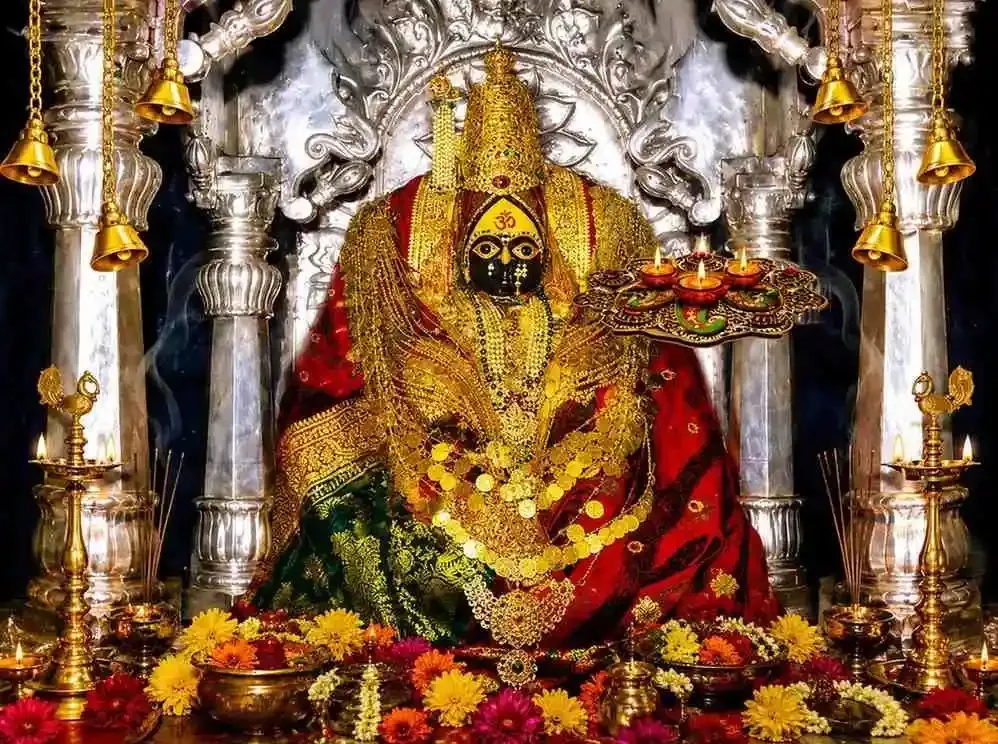
Located in the historic town of Tuljapur in Dharashiv district (formerly Osmanabad), Maharashtra, the Shree Tulja Bhavani Temple stands on the Yamunachala hills as a beacon of divine power — the fierce and compassionate Mother of Maharashtra, and the sacred Kuldevi of Chhatrapati Shivaji Maharaj and countless Maratha families.
A Complete Shakti Peetha Among the Three-and-a-Half
Tulja Bhavani is revered as one of the 51 Shakti Peethas of India. Among Maharashtra’s famous "three and a half Shakti Peethas," it holds the status of a complete Shakti Peetha — unlike Saptashrungi (Vani), which is the half Peetha. The other sites in this group are the Mahalakshmi Temple (Kolhapur) and the Renuka Mata Temple (Mahur). The Goddess is worshipped here as Tulja Bhavani, Ambabai, Jagadamba and Bhavani Mata — fierce forms of Adi Shakti who destroy evil and protect her children.
The Swayambhu Idol of Tulja Bhavani
The main deity is a Swayambhu (self-manifested) granite idol, approximately 3 feet tall.
- 8-armed form of Mahishasura Mardini
- Holds divine weapons including the sword and trident
- Depicted with the head of the slain demon Mahishasura
- Adorned with sindoor, traditional ornaments, crown and jewelry
- A powerful yet compassionate expression that captivates every devotee
Unlike many temples the original murti here is relatively small, yet radiates immense spiritual energy; devotees often describe an overwhelming sense of protection and strength in her presence.
Historical & Mythological Glory
The temple is ancient, with references in the Skanda Purana, Padma Purana and Devi Bhagavata Purana; the present structure is attributed to the 12th century CE (Mahamandaleshwara Maradadeva of the Kadamb dynasty). Tulja Bhavani became especially famous as the Kuldevi of Chhatrapati Shivaji Maharaj, who is said to have received her blessings before many victorious campaigns — and countless families across Maharashtra and beyond revere her as their family deity to this day.
Spiritual Significance
Devotees seek protection from negative forces and enemies, courage and success in difficult endeavours, family welfare and prosperity, and victory over personal and spiritual obstacles. She is especially worshipped by those in the armed forces and police, and by anyone facing challenges in life.
Major Festivals
- Navratri (Chaitra and Sharadiya) — grand celebrations with special processions
- Tuljapur Bhavani Yatra on Chaitra Purnima
- Gudi Padwa, Ganesh Chaturthi and other auspicious days
How to Reach Tulja Bhavani Temple
Location: Tuljapur, Dharashiv district, Maharashtra (≈45 km from Solapur).
- By air: nearest airports are Solapur or Pune.
- By train: Solapur Railway Station, then taxi, bus or auto-rickshaw.
- By road: excellent connectivity from Solapur, Pune, Hyderabad and other cities.
Note for devotees from Andhra Pradesh & Telangana: Tuljapur is a popular pilgrimage stop, often combined with Pandharpur or other Maharashtra temples.
Darshan Timings & Practical Information
- Timings: generally 4:00 AM–10:00 PM daily
- Entry: free
- Access: stone steps (≈60–70 in sections); multiple entrances incl. the Sardar Nimbalkar entrance
- Theerthas: Gomukh Theerth and Kallol (Kalakh) Theerth within the premises
- Photography is usually not allowed inside the sanctum; wear modest clothing and follow the queue
For NRIs & Devotees from Distant Places
Keep a photo or small murti at home and perform regular aarti, recite stotras dedicated to Bhavani Mata during Navratri, and chant "Jai Tulja Bhavani." Many Maharashtrian families abroad revere her as their eternal protector — her blessings reach sincere devotees regardless of distance.
Mantra for Tulja Bhavani
या देवी सर्वभूतेषु शक्तिरूपेण संस्थिता। नमस्तस्यै नमस्तस्यै नमस्तस्यै नमो नमः॥ (Yā Devī sarvabhūteṣu śakti-rūpeṇa saṃsthitā…)
Also read: Bhavani Ashtakam with meaning.
Frequently Asked Questions
Is Tulja Bhavani a Shakti Peetha?
Yes — it is one of the 51 Shakti Peethas and holds the status of a complete Shakti Peetha among Maharashtra’s "three and a half."
What is special about Tulja Bhavani Temple?
She is the Kuldevi (family deity) of Chhatrapati Shivaji Maharaj and one of the most powerful forms of Goddess Bhavani in India.
How tall is the main idol at Tulja Bhavani Temple?
The Swayambhu granite idol is approximately 3 feet tall with 8 arms, in the form of Mahishasura Mardini.
Are there steps to reach the temple?
Yes — devotees descend stone steps (around 60–70 in some sections) to reach the main sanctum; there are multiple entrances, including the Sardar Nimbalkar entrance.
What is the best time to visit Tuljapur?
October to March offers pleasant weather; Navratri is the most spiritually vibrant period.
Can we visit Tulja Bhavani with other temples?
Yes — it is often combined with Pandharpur, Saptashrungi or Kolhapur in pilgrimage circuits.
Jai Tulja Bhavani! Jai Bhavani Mata! 🙏
Part of our Shakti Peethas of Maharashtra series — see also Saptashrungi Mata (Vani) and Renuka Mata (Mahur).
Share this with family and friends
Send it on WhatsApp, post it, or copy the link.
More from Temples
- Famous Temples in Gujarat: A Source-Checked Guide to Somnath, Dwarka, Dakor, Ambaji, Modhera and More
- Famous Temples in Madhya Pradesh: A Source-Checked Guide to Mahakaleshwar, Omkareshwar, Khajuraho, Orchha and Datia
- Famous Temples in Kerala: A Source-Checked Guide to Guruvayur, Padmanabhaswamy, Vadakkunnathan, Attukal, Sabarimala and 70 More
- Famous Temples in Andhra Pradesh: A Source-Checked Guide from Tirumala and Simhachalam to Srikurmam, Lepakshi and Kanipakam
- Famous Temples in Karnataka: A Source-Checked Guide to Kukke, Kollur, Mysuru, Melukote, Hampi and More
You might also like
Famous Temples in Uttarakhand: A Source-Checked Guide to Kedarnath, Badrinath, Tungnath, Haridwar, Almora and More
Famous Temples in Odisha: A Source-Checked Guide to Puri, Bhubaneswar, Biraja, Tara Tarini and Western Odisha
Famous Temples in West Bengal: A Source-Checked Guide to Kalighat, Dakshineswar, Tarapith, Bansberia, Bishnupur and More