Janmashtami 2026 in India: Date, Rituals & Top Temples to Visit
Experience the divine magnificence of Lord Krishna's birth celebration at these spectacular temples that transform into spiritual wonderlands during…
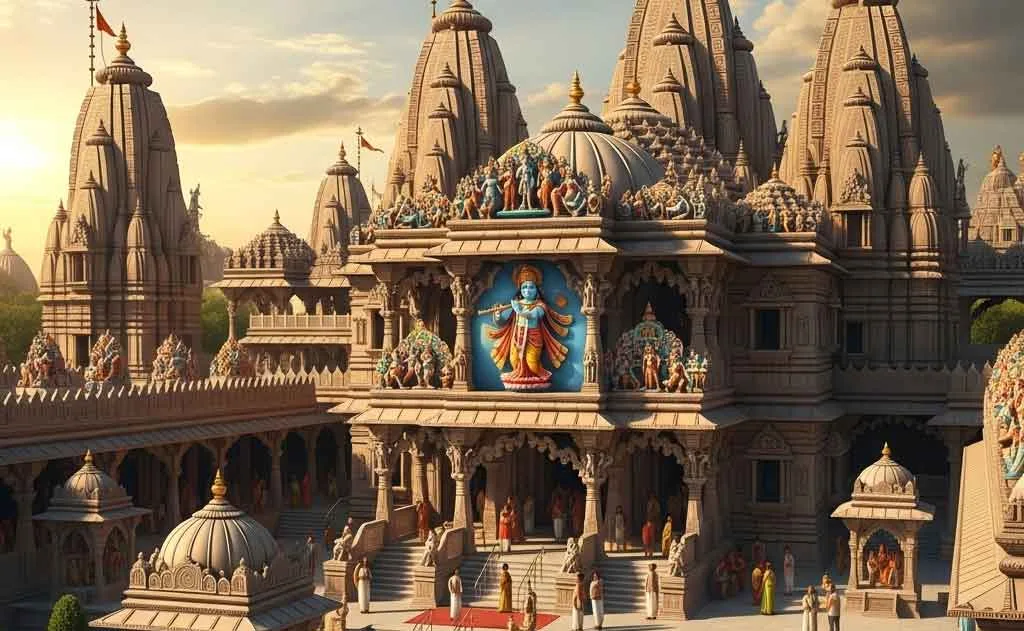
Experience the divine magnificence of Lord Krishna's birth celebration at these spectacular temples that transform into spiritual wonderlands during…
Krishna Janmashtami, the joyous celebration of Lord Krishna's divine birth, lights up every corner of India with devotion, music and festivity. In 2026, the festival falls on Friday, 4 September, with the sacred midnight (Nishita Kaal) puja continuing into the early hours of 5 September. Dahi Handi and Nandotsav follow on 5 September in many regions.
From the birthplace of Mathura to the childhood playground of Vrindavan, the ancient kingdom of Dwarka, and the southern strongholds of Guruvayur and Udupi, temples across the country come alive with special decorations, continuous kirtans, abhishekam and grand aartis. Here is a complete guide to Janmashtami celebrations in India — the key dates and the most important temples where devotees gather in lakhs.
Janmashtami 2026 date and timings
- Main festival date: Friday, 4 September 2026
- Ashtami Tithi: begins about 2:25 AM on 4 September and ends about 12:13 AM on 5 September
- Nishita Kaal puja (most auspicious midnight birth time): roughly 11:57 PM on 4 September to 12:43 AM on 5 September — timings vary slightly by city, so confirm your local panchang
- Dahi Handi / Nandotsav: Saturday, 5 September 2026
Devotees traditionally observe a fast (vrat) through the day, break it after the midnight aarti, and immerse themselves in bhajans, jhankis (tableaux) and cultural performances depicting Krishna's leelas.
How Janmashtami is celebrated across India
Homes and temples are decorated with flowers, lights and swings (jhulas) for the infant Krishna. Special preparations of makhan-mishri, panjiri and the 56-item chhappan bhog are offered. In Maharashtra and parts of North India, energetic Dahi Handi competitions recreate Krishna's childhood butter-stealing adventures. Rasleela performances, processions and continuous chanting of the Hare Krishna mantra fill the air.
Top temples for Janmashtami celebrations in India
1. Shri Krishna Janmabhoomi Temple, Mathura (Uttar Pradesh)
The most sacred site of all — believed to be the exact birthplace of Lord Krishna. The temple complex sees massive crowds for the midnight Janmotsav, with special abhishek, aarti and continuous kirtans creating an electric spiritual atmosphere. Visiting Mathura during Janmashtami is considered highly meritorious.
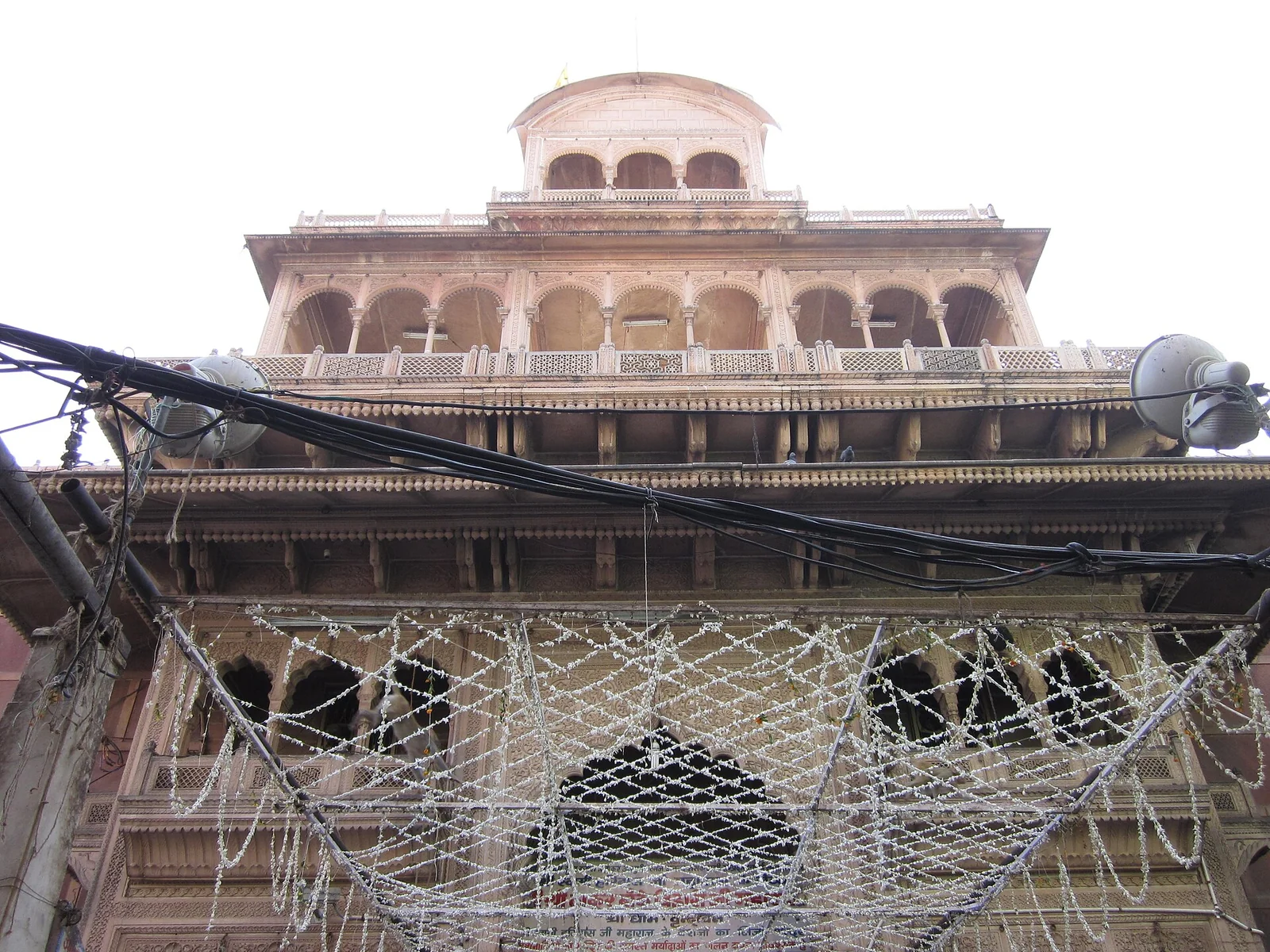
2. Banke Bihari Temple, Vrindavan (Uttar Pradesh)
One of the most beloved Krishna temples. The Mangala Aarti held only on Janmashtami draws enormous crowds; the deity is beautifully adorned and the temple resonates with 'Radhe Radhe' chants. The entire Braj region joins the festivities.
3. ISKCON Krishna Balaram Mandir, Vrindavan
ISKCON's flagship temple in Vrindavan hosts world-class celebrations — continuous kirtan, dramatic leela performances, grand abhishek of Sri Radha Shyamsundar and midnight aarti. Thousands of international devotees join the local crowds.
4. Prem Mandir, Vrindavan
Known for its stunning white-marble architecture and evening illuminations. During Janmashtami the temple becomes a visual spectacle with lights, flowers and special cultural programmes.
5. Dwarkadhish Temple (Jagat Mandir), Dwarka (Gujarat)
One of the Char Dham pilgrimage sites and believed to be the capital of Lord Krishna's kingdom. The temple conducts elaborate midnight pujas, shringar and Gita recitations, and its sea-facing location adds a unique grandeur to the celebrations.
6. ISKCON temples across India
ISKCON Delhi (East of Kailash and Dwarka), ISKCON Mumbai (Juhu) — one of the largest celebrations in western India — and ISKCON centres in Bangalore, Kolkata, Hyderabad and beyond host elaborate festivals with maha-abhishek, children's performances and midnight appearance celebrations.
7. Guruvayur Temple, Kerala
Often called the 'Dwarka of the South'. Traditional Kerala-style rituals, elephant processions and a deeply devotional atmosphere mark Janmashtami here, following ancient customs with great purity.
8. Udupi Sri Krishna Temple, Karnataka
Famous for its unique window (Kanakana Kindi) darshan and chariot processions. Janmashtami features special pujas, cultural performances and festive lamps lighting up the temple streets.
9. Other notable temples
- Govind Dev Ji Temple, Jaipur — beautiful architecture and royal-style celebrations
- Radha Madan Mohan Temple, Vrindavan — one of the oldest temples in the Braj region
- Birla Mandir (Laxminarayan Temple), Delhi — classic North Indian festivities
- Akshardham Temple, Delhi — grand cultural and spiritual programmes
- Rajagopalaswamy Temple, Mannargudi (Tamil Nadu) — known as Dakshina Dwarka
Tips for devotees visiting temples this Janmashtami
- Reach early, especially for popular temples like Banke Bihari and Janmabhoomi — queues can be very long
- Follow local security and crowd-management guidelines
- Carry light clothing, water and essential medicines
- Book accommodation in Mathura-Vrindavan or Dwarka well in advance
- Respect temple dress codes and photography rules
- Confirm special puja and darshan timings directly with the temple before you travel
- Participate in the midnight aarti if possible — it is the spiritual highlight of the festival
The deeper meaning of Janmashtami
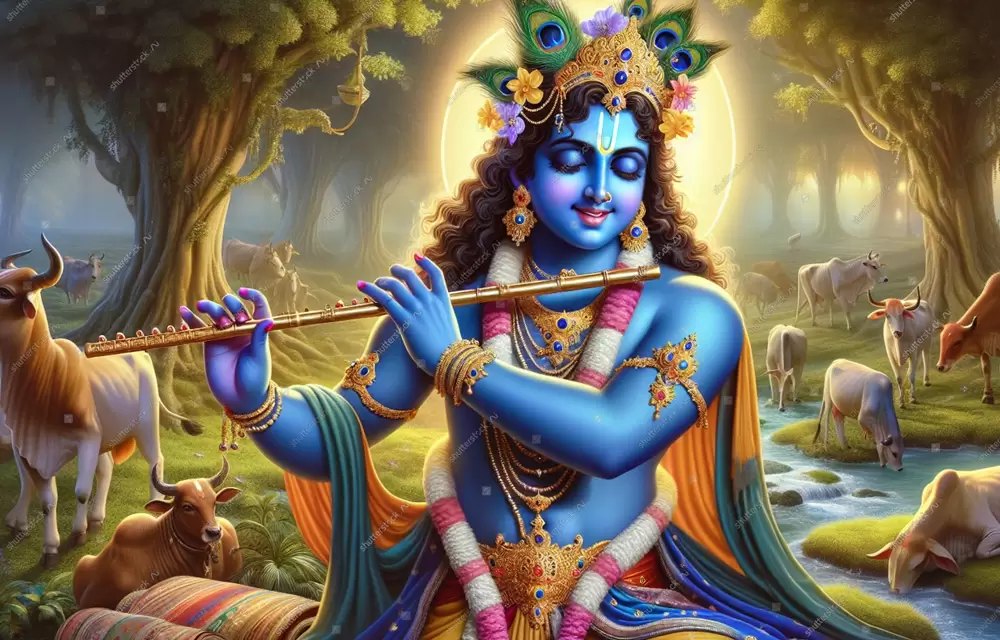
Beyond the festivities, Janmashtami reminds us of Lord Krishna's message of dharma, devotion and joyful living. Whether you celebrate at home with a simple jhula and bhog or join the grand gatherings at these sacred temples, the essence remains the same — welcoming the divine child into our hearts with pure love. This 4–5 September, may the flute of Krishna fill your home and heart with peace, prosperity and divine bliss.
Related reading
For the full 2026 guide — Nishita Kaal muhurat, midnight puja vidhi, fasting rules and the NRI celebration guide — see Krishna Janmashtami 2026.
You might also like
Banke Bihari: Divine Mysteries & Soul-Stirring Miracles of the Krishna Who Hides from His Devotees
Guruvayur: Divine Mysteries & Soul-Stirring Miracles of the Dwarka of the South
Dwarkadhish: Divine Mysteries & Soul-Stirring Miracles of Lord Krishna's Eternal Kingdom