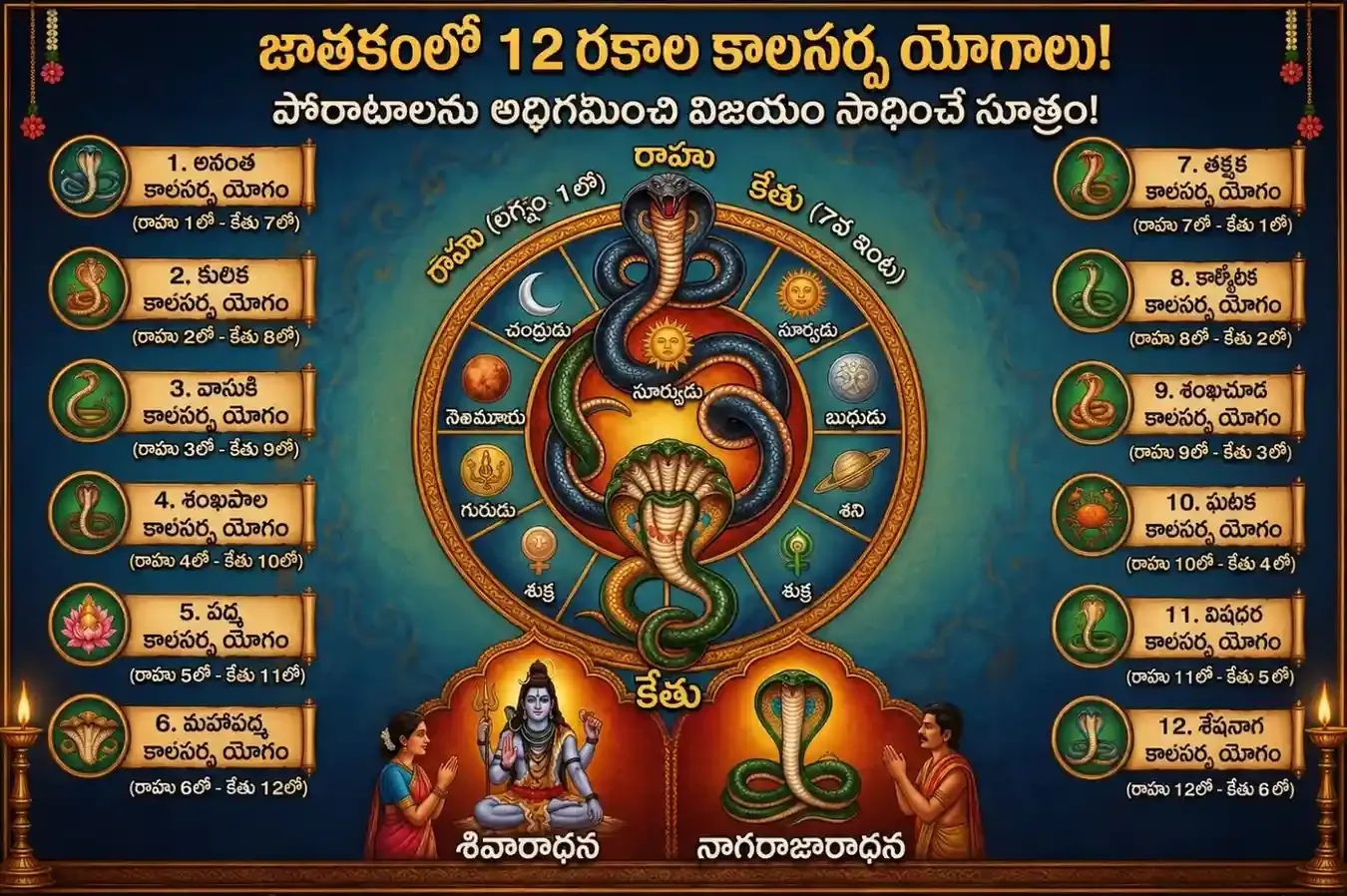
Ghosts in Hinduism: Bhuta, Preta and Pishacha — What the Scriptures Actually Say
In Hinduism a ghost is not a species but a stage — the preta condition between death and ancestor-hood. A scripture-based guide to bhuta, preta, pishacha, the Garuda Purana afterlife, and why the tradition answers a ghost with rites, not fear.
In Hinduism a ghost is not a species but a stage — the preta condition between death and ancestor-hood. A scripture-based guide to bhuta, preta, pishacha, the Garuda Purana afterlife, and why the tradition answers a ghost with rites, not fear.
Every Indian family has the story. The grandmother who woke at 3 a.m. because someone was sitting at the foot of her bed. The uncle whose house nobody would rent after what happened there. The relative who insists the peepal tree at the end of the lane must not be passed at night.
And every Indian family also has the sceptic who says none of it is in our scriptures.
The sceptic is wrong — but so is the horror-film version. Hinduism has one of the most detailed and least sensational treatments of the subject in world religion, and its central claim will surprise most readers: a ghost is not a kind of being. It is a stage in a journey. Nobody is permanently a ghost, and the traditional response to one is not a priest with a whip. It is a meal, some water, and remembrance.
Does Hinduism Believe in Ghosts?
Yes, explicitly and in considerable technical detail.
The Rig Veda already knows the realm of Yama and the pitrs, the ancestors (Hymn 10.14). The Bhagavad Gita (17.4) states plainly that people of tamasic disposition worship pretas and bhutas — a verse that would be meaningless if the categories were fictional. And the Garuda Purana, specifically its Preta Khanda, is an entire scriptural treatise on what happens to a soul between the cremation fire and its next destination.
But Hinduism approaches this from a completely different starting point than the Western ghost story. In a universe of rebirth, death is not an exit — it is a change of vehicle. The Gita's image is famous: vāsāṁsi jīrṇāni yathā vihāya (2.22) — as a person discards worn-out clothes and takes new ones, the embodied self discards worn-out bodies. The Brihadaranyaka Upanishad (4.4.3) gives an even better picture: like a caterpillar that reaches the tip of one blade of grass and draws itself over to the next, the self gathers itself and moves to its next support.
If the soul is always in transit, then a "ghost" can only be one thing: a soul that has not completed the transfer.
The Preta Stage: What the Garuda Purana Describes
This is the concept most Hindus have heard of and fewest can explain.
When the physical body is cremated, the soul does not become a pitru (a settled ancestor) immediately. According to the Garuda Purana, it first occupies an intermediate state called preta — literally "the departed one" — carried in a subtle form the text calls the yatana sharira, the body through which the journey is undergone. This state is described as one of intense thirst, hunger and disorientation, precisely because the soul has lost the physical instrument through which it satisfied every desire, while the desires themselves remain.
Then comes the part that reframes the entire subject.
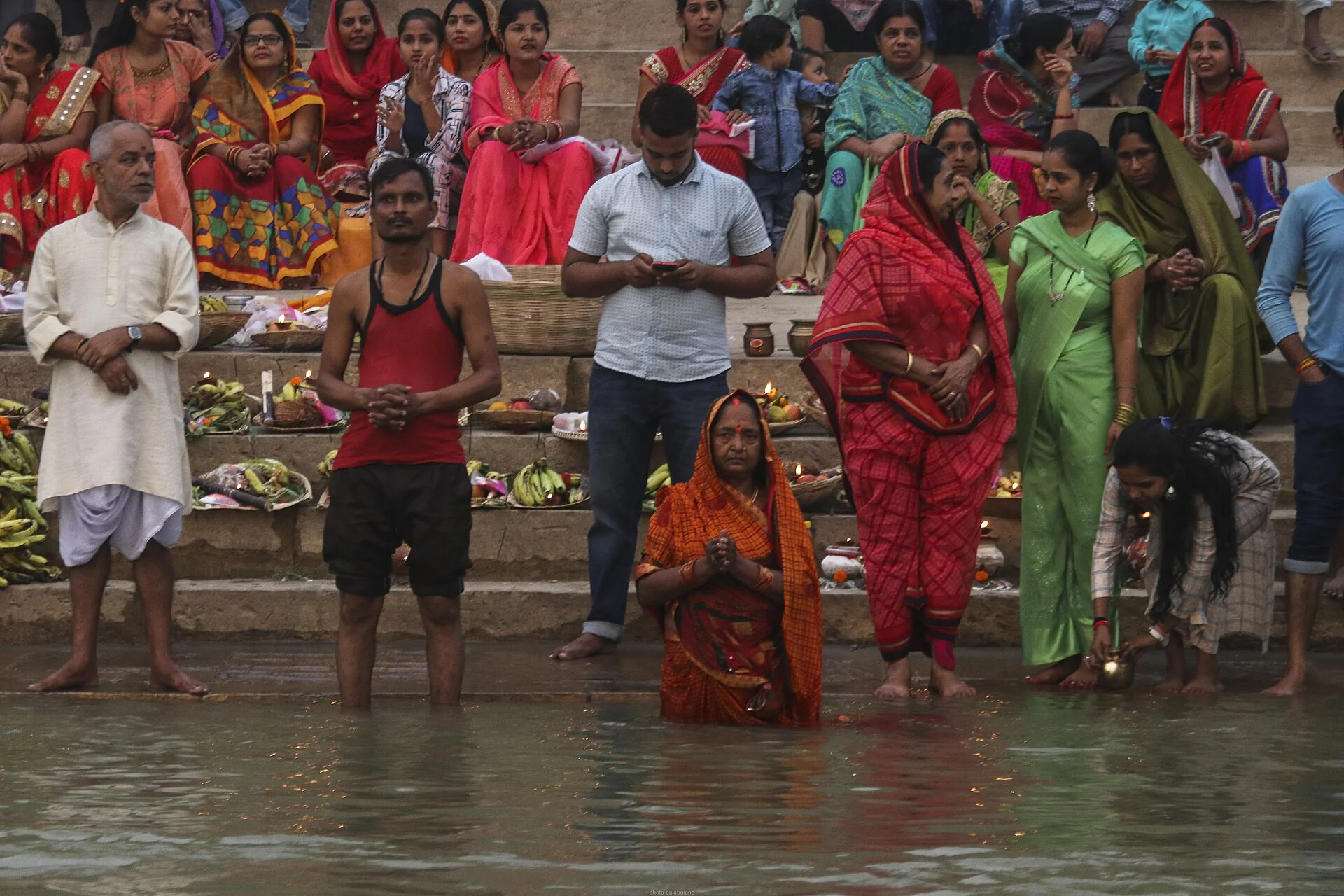
The thirteen days of Hindu funeral observance are not a mourning convention. They are a construction project. Each day's pinda — the rice ball offered with water and sesame — is understood to build up the subtle body limb by limb, sustaining the departed through the transition. On the twelfth or thirteenth day comes the rite called sapindikarana, in which the newly departed is formally joined to the assembly of ancestors.
That rite has a specific technical purpose, and it is the heart of Hindu ghost-theology:
Sapindikarana converts a preta into a pitru.
A ghost, in the tradition's own vocabulary, is simply a soul whose sapindikarana has not been effectively completed. The family is not fighting it. The family is responsible for it. That inversion — from adversary to dependent — is what separates Hindu thought on this subject from almost everything else.
Why Do Some Souls Linger?
The texts give consistent causes.
Unfinished desire (vasana). The Gita states the mechanism directly in 8.6: yaṁ yaṁ vāpi smaran bhāvaṁ tyajaty ante kalevaram — whatever state of being one holds in mind while leaving the body, that state one moves toward. A consciousness saturated at the moment of death with craving, rage, terror or fierce attachment carries that charge forward. It is not a punishment. It is momentum.
Rites not performed or performed carelessly. A death where the family was absent, the body never recovered, or the shraddha simply never done. This is the single most common traditional explanation, and it is also the most easily remedied.
Akal mrityu — untimely death. Death by accident, violence or other unnatural cause, before the natural span. The tradition's response here is worth noting: it does not condemn the departed. It prescribes specific corrective rites — Narayana Bali and Nagabali, performed most famously at Trimbakeshwar — expressly to grant sadgati, a good passage, to one who died out of season. The instinct of the Dharmashastra in these cases is consolation, not judgement.
Intense attachment to place, property or a person. The one the folk stories are actually about.
Notice that none of these is a moral verdict on the departed. They are descriptions of an incomplete process, and every one of them has a prescribed remedy.
The Taxonomy: Bhuta, Preta, Pishacha and the Rest
Popular Hindi and English use these words interchangeably. The texts do not.
- Preta — A soul in the transitional state after death, before becoming a pitru. Neither evil nor settled — in need of rites.
- Bhuta — A generic "being"; earthbound or elemental spirit. In some regions a venerated deity — see below.
- Pishacha — The lowest and most degraded disposition; flesh-eating in the texts' imagery
- Vetala — A spirit occupying a corpse — the Betaal of the Vikramaditya cycle, and a figure of wit rather than horror
- Brahmarakshasa — A learned brahmin who misused knowledge or died with scholarly arrogance intact. The tradition's warning about ego in the scholar.
- Pitru — The successfully transitioned ancestor. The goal state, honoured every Pitru Paksha.
- Yakshini / Dakini — Ambivalent feminine spirit-beings, guardians in some traditions and dangerous in others
- Churel / Chudail — A folk figure, not a scriptural category — the classification carries social baggage more than theology
The vertical logic is worth reading twice. Pitru at the top, preta in the middle, pishacha at the bottom. These are gradations of consciousness, not species of monster. A soul moves through them the way a person moves through moods, and the direction of travel is exactly what the family's rites influence.
The Detail Almost Nobody Mentions: Shiva Is the Lord of Ghosts
Here the tradition does something no other religion does with this material.
Mahadeva's names include Bhutanatha and Bhutesha — Lord of the Bhutas. His ganas, the retinue that accompanies him, are described in the Puranas as composed of exactly these beings: bhutas, pretas and pishachas. He wears ash from the cremation ground. He is worshipped at Kashi's burning ghats. Nandi and Bhringi lead his host, and the host itself is the assembly that Indian mothers use to frighten children.
Consider what that means theologically. The beings other faiths place in opposition to God are, in Shaivism, God's own household. They are not outside the divine order; they are inside it, under supervision, in a state that Shiva himself presides over. A frightened person praying to Shiva is not asking for protection from an enemy army. They are appealing to the commanding officer.
And in coastal Karnataka this is not metaphor. Bhuta Kola in Tulu Nadu is a living ritual tradition in which bhutas and daivas — Panjurli, Koragajja, Kallurti — are venerated as guardian deities, embodied by a possessed performer who gives judgement and blessing to the community. North Kerala's Theyyam works on comparable ground. In Tamil Nadu, Ayyanar, Karuppasamy and Muneeswaran stand at village boundaries as guardian powers of exactly this class.
Millions of Hindus do not fear these beings. They ask them for justice.
What Hinduism Actually Prescribes: Rites, Not Exorcism
Given all of the above, the tradition's practical response follows logically. If the problem is an incomplete transition, then the answer is to complete it.
- Antyeshti and the 13-day rites — Construction of the subtle body; recitation of the Garuda Purana during this period
- Sapindikarana — The formal transition of preta to pitru
- Tarpana — Offering of water with sesame — the simplest and most universal act
- Pitru Paksha shraddha — The annual fortnight for all ancestors
- Pinda daan at Gaya — The most powerful traditional site; also Varanasi, Rameswaram, Prayagraj, Trimbakeshwar
- Narayana Bali / Nagabali — For those who died unnatural or untimely deaths
- Tripindi Shraddha — Where three generations of ancestors have gone without rites
- Kakabali — The offering to crows, regarded as carriers to the pitrs
- Annadana — Feeding people in the departed's name — accepted everywhere, including by NRI families with no access to a priest
Pitru Paksha 2026 runs from 26 September to 10 October, closing on Sarva Pitru (Mahalaya) Amavasya on Saturday, 10 October 2026 — the day on which shraddha may be offered for every ancestor at once, including any whose death tithi the family no longer knows. For a household troubled by a sense of unfinished business with the departed, that single day is the tradition's most direct answer.
The pattern across all of it is unmistakable. Where another culture sends a specialist to expel, Hinduism sends the eldest son with a handful of rice. The remedy is hospitality.
Where Fear Is Present: The Protective Practices
None of this means the tradition ignores fear. It addresses it, but with fortification rather than confrontation.
- Hanuman Chalisa — the household standard, and its most-quoted line is precisely on this subject: "Bhoot pishach nikat nahi aave, Mahabir jab naam sunave"
- Kala Bhairava — the Kshetrapala, guardian of place; invoked for protection of home and boundary
- Maha Mrityunjaya Mantra — for healing, deliverance and peace of the disturbed
- Sri Rudram — Vedic purification of a dwelling
- Narasimha Kavacham — the armour of Prahlada
- Garuda Purana recitation — during the mourning period, for the departed's passage
- Daily lamp, camphor arati, tulsi in the home, guggul or loban dhoop
The householder's logic here is sound whatever one believes about the metaphysics: a home where a lamp is lit each evening and a name is chanted is a home where the family's own mind is settled — and a settled mind sees far fewer things in the dark.
A Necessary Word on Grief, Sleep and Discernment
This section matters more than the taxonomy.
Sensing a departed loved one is normal. Bereavement researchers have documented for decades that a large proportion of grieving people experience the presence, voice, footsteps or touch of someone who has died — often vividly, often in the first year. This is a well-recognised feature of grief, not a symptom of anything wrong and not, in itself, evidence of an entity. Many people find it comforting. Hindu tradition, which asks the family to speak to the departed daily for thirteen days and annually thereafter, is not remotely surprised by this.
Sleep paralysis explains a great deal. The specific experience of waking unable to move, with a crushing weight on the chest and a sense of a presence in the room, is a documented sleep phenomenon occurring at the boundary of REM sleep. Cultures worldwide have read it as a spirit sitting on the sleeper. It is frightening, it is harmless, and it responds to sleep hygiene.
Medical causes come first. Sudden personality change, hallucination, unexplained collapse, seizures, memory loss, severe insomnia and extreme fear states are the presenting symptoms of treatable conditions — thyroid disorder, anaemia, epilepsy, delirium, depression, psychosis. See a doctor before you see anyone else. Nothing in Sanatana Dharma asks a family to choose between a physician and a prayer.
Guard against exploitation. Bereaved families are among the most heavily targeted by operators who diagnose a lingering spirit, escalate the fee, and manufacture dependency. India's anti-superstition legislation in states including Maharashtra (2013) and Karnataka (2017) exists because some of these cases ended in serious abuse. Practitioners in the authentic tradition perform shraddha at a fixed dakshina. Anyone who begins by frightening you, demands secrecy from your family, or raises the price as your fear rises has told you what they are.
The Vedantic Bottom Line
Ask Vedanta whether ghosts can harm you and the answer, again, reframes the question.
In a universe of rebirth, no state is permanent — which means no soul is permanently a ghost. The preta condition is a delay, not a destiny. Every soul in it is moving, and the family's rites are what oil the movement. What we call haunting, the tradition calls hunger, and hunger has an obvious remedy.
And the Atman itself is untouched throughout. Aja — unborn. Nitya — eternal. Acchedya — uncuttable. Whatever moves through the preta state was never the real thing that died, and is never the real thing that lingers.
So the mature Hindu response to the whole subject turns out to be neither denial nor dread. It is duty. Perform the rites. Offer the water. Feed someone in their name on the amavasya. Keep the lamp lit and the mind clean. Speak of the dead with affection rather than fear.
Do that, and there is nothing left in the house that is hungry.
Related reading on HinduTone
Continue with these companion guides from the same series:
- Black magic and demons in Hinduism: what the scriptures say
- Pitru Paksha 2026: dates, tithi calendar and ancestor rites
- The afterlife according to the Garuda Purana
- Shiva as Bhutanatha, the Lord of all beings
Frequently Asked Questions
Does Hinduism believe in ghosts?
Yes. The Rig Veda knows the realm of Yama, the Bhagavad Gita 17.4 refers to the worship of pretas and bhutas, and the Garuda Purana's Preta Khanda describes the after-death journey in detail. However, Hinduism treats a ghost as a soul in an incomplete transition rather than as a permanent kind of being.
What is the difference between bhuta, preta and pishacha?
A preta is a soul in the transitional state immediately after death, before it becomes a settled ancestor. A bhuta is a general earthbound or elemental spirit, and in regions such as Tulu Nadu is venerated as a guardian deity. A pishacha denotes the most degraded disposition. These are gradations of consciousness, not separate species.
What does the Garuda Purana say about the afterlife?
Its Preta Khanda describes the soul taking a subtle yatana sharira after cremation and undergoing a period of thirst, hunger and disorientation before reaching its destination. The thirteen days of pinda offerings sustain the soul through this passage, and the rite of sapindikarana at the end joins it to the ancestors.
Why do some souls become ghosts in Hinduism?
The traditional causes are strong unfulfilled desire at the moment of death (Gita 8.6), funeral rites not performed or left incomplete, untimely or unnatural death (akal mrityu), and intense attachment to a person or place. Each has a prescribed remedy in the Dharmashastra.
How does Hinduism remove a ghost?
Not by exorcism but by completing the interrupted rites — antyeshti, the thirteen-day observances, sapindikarana, tarpana, shraddha during Pitru Paksha, pinda daan at Gaya, and Narayana Bali for unnatural deaths. Feeding people in the departed's name is universally accepted, including for families living abroad.
Why is Shiva called the Lord of Ghosts?
Shiva bears the names Bhutanatha and Bhutesha, and his ganas are described in the Puranas as bhutas, pretas and pishachas. In Hindu cosmology these beings are within the divine order rather than opposed to it — which is why they are never treated as an independent power of evil.
When is Pitru Paksha 2026?
Pitru Paksha 2026 runs from 26 September to 10 October 2026, ending on Sarva Pitru (Mahalaya) Amavasya on Saturday, 10 October 2026 — the day for honouring all ancestors together, including any whose death tithi is unknown.
Is feeling the presence of a dead relative a ghost?
Bereavement research has consistently found that a large share of grieving people sense the presence, voice or touch of someone who has died, particularly in the first year. This is a recognised feature of grief. Hindu practice, which asks families to address the departed directly during the mourning period and annually thereafter, treats such experiences as natural rather than alarming.
Hindutone publishes scripture-based explanations of Hindu belief and practice for readers worldwide. This article is educational and is not a substitute for medical, psychological or legal advice. Grief can be extremely heavy, and unexplained physical or mental symptoms deserve a doctor's attention. If you or someone in your family is struggling after a bereavement, please reach out to a qualified physician or counsellor alongside whatever rites your family observes.
You might also like
Black Magic and Demons in Hinduism: What the Scriptures Actually Say

Hindu Financial Ethics: How Sanatana Dharma Frames Money, Wealth and Debt
Karma, Rebirth, and Remembrance of God – Why Worship God Even During Good Times?