Thaipusam Guide: Meaning, Kavadi, Murugan & Batu Caves Celebrations
Thaipusam is the Tamil festival of Lord Murugan — kavadi, the vel, penance and vows. A complete guide to its meaning, rituals and the great celebrations at Batu Caves, Singapore and Tamil Nadu.
Thaipusam is the Tamil festival of Lord Murugan — kavadi, the vel, penance and vows. A complete guide to its meaning, rituals and the great celebrations at Batu Caves, Singapore and Tamil Nadu.
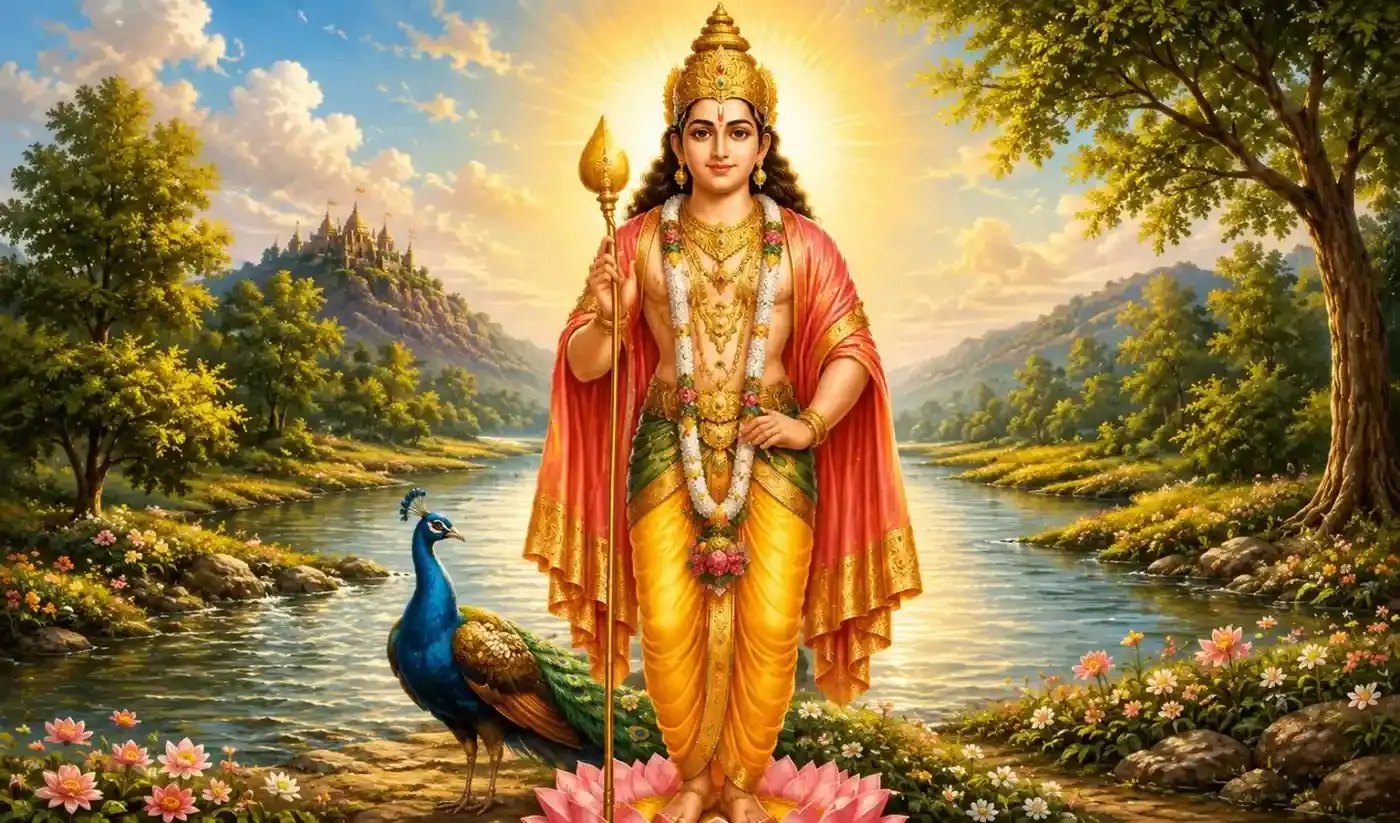
Thaipusam is one of the most powerful and visually striking festivals in the Hindu calendar, celebrated with tremendous devotion by Tamil Hindus in India, Malaysia, Singapore, Sri Lanka, Mauritius, South Africa and across the global diaspora. Dedicated to Lord Murugan — also known as Kartikeya, Subramanya, Skanda and Shanmukha — Thaipusam is a festival of penance, thanksgiving and the fulfilment of vows, most famously expressed through the carrying of the kavadi.
What is Thaipusam?
Thaipusam honours Lord Murugan, the warrior son of Lord Shiva and Goddess Parvati and the commander of the celestial armies. According to tradition, the festival commemorates the occasion when Parvati gave Murugan the vel — a divine spear symbolising jnana shakti, the power of spiritual knowledge — so that he could vanquish the demon Soorapadman and restore dharma. Thaipusam is therefore a celebration of the triumph of wisdom and virtue over ego and ignorance.
The name itself explains the timing: 'Thai' is the Tamil month in which the festival falls, and 'Pusam' (Pushya) is the nakshatra, or lunar mansion, that is prominent on the day. For Tamil Hindus — and especially the large Tamil communities of Singapore, Malaysia and Sri Lanka — Thaipusam is among the most important observances of the year.
When is Thaipusam celebrated?
Thaipusam falls on the full-moon day (Pournami) of the Tamil month of Thai, when the moon is aligned with the Pusam (Pushya) nakshatra. In the Gregorian calendar this usually corresponds to late January or February, though the exact date shifts each year with the lunar calendar.
Because the precise date and any auspicious timings depend on the Tamil panchangam and can vary slightly by region and temple, always confirm the exact date for the current year with your local temple or a reliable Tamil almanac before making plans. Major temples in India, Malaysia and Singapore publish their Thaipusam schedules well in advance.
The Kavadi Attam: the sacred burden of devotion
The most recognisable feature of Thaipusam is the kavadi — a physical burden carried by devotees as an act of penance and gratitude, often in fulfilment of a vow made to Murugan. The kavadi ranges from a simple pot of milk (paal kudam) carried on the head to elaborate, ornately decorated frames borne on the shoulders. Many devotees undertake body piercings with small vels, hooks and skewers as an expression of surrender and single-minded focus on the Lord.
Devotees prepare for weeks with fasting, prayer and abstinence so that the kavadi is carried in a state of deep devotion. Common offerings and observances include:
- Paal kudam — pots of fresh milk carried to pour over the deity in abhishekam
- Vel kavadi — decorated arches carried on the shoulders
- Vibhuti (sacred ash) and yellow or saffron clothing
- Head-shaving as a mark of humility and surrender
- Chanting of 'Vetri Vel! Vel Muruga!' and Murugan hymns such as the Kanda Sashti Kavasam
Where Thaipusam is celebrated: Batu Caves, Singapore and beyond
While Thaipusam is a Tamil festival with deep roots in South India, some of its largest and most famous celebrations today take place in the diaspora:
- Batu Caves, Malaysia — the Sri Subramaniar Temple at Batu Caves near Kuala Lumpur hosts one of the largest Thaipusam gatherings in the world, drawing well over a million devotees who climb the 272 steps carrying kavadi.
- Singapore — devotees carry kavadi in a foot procession from the Sri Srinivasa Perumal Temple to the Sri Thendayuthapani Temple on Tank Road.
- Tamil Nadu, India — the six sacred abodes of Murugan (Arupadai Veedu), including Palani, Tiruchendur, Swamimalai, Thiruparankundram, Pazhamudircholai and Thiruthani, hold major observances.
- Sri Lanka, Mauritius, South Africa and Réunion — long-established Tamil communities mark Thaipusam with processions and temple festivals.
How devotees prepare and observe the vow
Thaipusam is fundamentally a festival of vratam — a vow undertaken with discipline. Devotees typically observe a period of preparation, often 48 days or more, that may include:
- A sattvic or fasting diet, avoiding meat, alcohol and other indulgences
- Daily prayer, temple visits and recitation of Murugan stotras
- Celibacy and simple living during the vow period
- Sleeping on the floor and other acts of self-discipline
- Carrying the kavadi or paal kudam on the festival day and offering it at the temple
Fasting and physically demanding penance should always be undertaken sensibly and within one's health limits; those who are unwell, pregnant or elderly can observe the vow through prayer, charity and simple offerings rather than physical austerity. This is described here as devotional tradition, not as medical advice.
The spiritual meaning of Thaipusam
Beyond its dramatic imagery, Thaipusam carries a profound inner meaning. The kavadi represents the burdens of the ego, desire and karma that the devotee lays at the feet of the Lord. The vel symbolises the sharp, penetrating light of spiritual knowledge that cuts through ignorance — just as Murugan used it to destroy Soorapadman, the seeker uses wisdom to conquer the inner demons of pride, anger and attachment. In carrying the kavadi with devotion, the observer transforms physical hardship into an offering of love and surrender.
Frequently asked questions about Thaipusam
Which deity is Thaipusam dedicated to?
Thaipusam is dedicated to Lord Murugan, also known as Kartikeya, Subramanya, Skanda and Shanmukha — the son of Shiva and Parvati and the divine commander who wields the vel.
When is Thaipusam?
It falls on the full-moon day of the Tamil month of Thai, when the Pusam (Pushya) nakshatra is prominent — usually in late January or February. Confirm the exact date each year with your local temple or a Tamil panchangam.
Why do devotees carry the kavadi and pierce their bodies?
The kavadi and piercings are acts of penance and thanksgiving, usually undertaken to fulfil a vow made to Murugan. They express devotion, surrender of the ego, and single-minded focus on the Lord.
Where is the biggest Thaipusam celebration?
Batu Caves near Kuala Lumpur, Malaysia hosts one of the largest Thaipusam gatherings in the world, with well over a million devotees. Singapore's Tank Road procession and the Murugan temples of Tamil Nadu also hold major celebrations.
You might also like
ISKCON Temples Worldwide Celebrate Krishna Janmashtami 2026: A Global Guide
Krishna Janmashtami 2026 in Australia: Local Midnight Puja Times & Nishita Kaal
Krishna Janmashtami 2026 in Canada: Local Midnight Puja Times & Nishita Kaal