Quick answer: The Durgashtakam is an ashtakam — a devotional composition of eight verses — dedicated to Goddess Durga. Each verse praises the Mother Goddess as the destroyer of evil, remover of suffering (Durgati-nashini), and giver of refuge, courage, and grace. It is most often chanted during Navaratri, Durga Puja, and on Tuesdays and Fridays for protection and strength.

The Durgashtakam is one of the most cherished short hymns in the worship of Goddess Durga. The name itself unlocks its form and meaning: 'Durga' is the great Mother Goddess, and 'ashtakam' means a composition of eight (ashta) verses. Together, the Durgashtakam is an eight-verse devotional hymn that praises the fierce, compassionate, and protective form of the Divine Mother.

Across India and the wider Hindu world, devotees turn to the Durgashtakam for protection, courage, and the removal of obstacles and suffering. It is especially beloved during Navaratri and Durga Puja, when the Goddess is invoked in her many forms. This guide explains what the ashtakam form is, who Durga is, the themes running through the eight verses, and how and when the hymn is traditionally chanted.

Advertisement

What is an Ashtakam?

An ashtakam (also spelled ashtaka) is a classical form of Hindu devotional poetry made up of eight verses, usually followed by a short closing verse (phalashruti) that describes the fruits or benefits of reciting the hymn. The word comes from the Sanskrit 'ashta', meaning eight.

Ashtakams are among the most popular forms of stotra (praise hymn) because they are compact, rhythmic, and easy to memorise, yet rich in meaning. Famous examples include the Lingashtakam for Shiva, the Madhurashtakam for Krishna, and the many ashtakams composed for the Goddess. The Durgashtakam belongs to this same tradition — eight verses that gather the essence of Durga's glory into a form a devotee can hold in the heart and recite daily.

It is worth noting that more than one composition bears the name Durga Ashtakam. Different saints and traditions have written their own eight-verse hymns to the Goddess. Rather than fix on a single verse text, this article presents the shared devotional themes that run through these compositions.

Who is Goddess Durga?

Durga is the supreme Mother Goddess of Hindu tradition, revered as Adi Parashakti — the primordial, all-pervading divine energy from which the universe arises. She embodies Shakti, the active power of the divine, and is worshipped as the protector of the righteous and the destroyer of evil.

Her most celebrated feat is the slaying of the buffalo-demon Mahishasura, a victory that earns her the title Mahishasuramardini, 'the slayer of Mahisha'. When the gods could not defeat the demon, they combined their energies, and from that radiance Durga arose — many-armed, radiant, and invincible. This story, told in the Devi Mahatmya, is the heart of Durga worship.

Advertisement

The very name Durga carries her essence. She is Durgati-nashini — 'the remover of suffering and distress' — the one who lifts devotees out of difficult, impassable situations (durga can mean a fort or a difficult passage).

  • Adi Parashakti — the primordial, supreme cosmic energy.
  • Mahishasuramardini — slayer of the buffalo-demon Mahishasura.
  • Durgati-nashini — remover of suffering, distress, and misfortune.
  • Mother and protector — fierce toward evil, tender toward her devotees.

Her Iconic Form

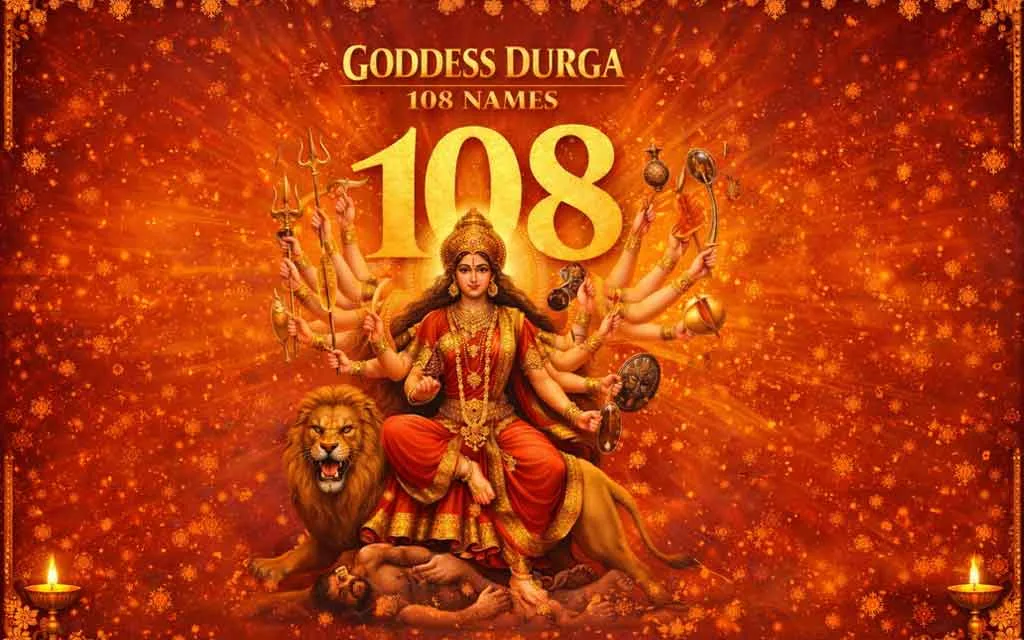
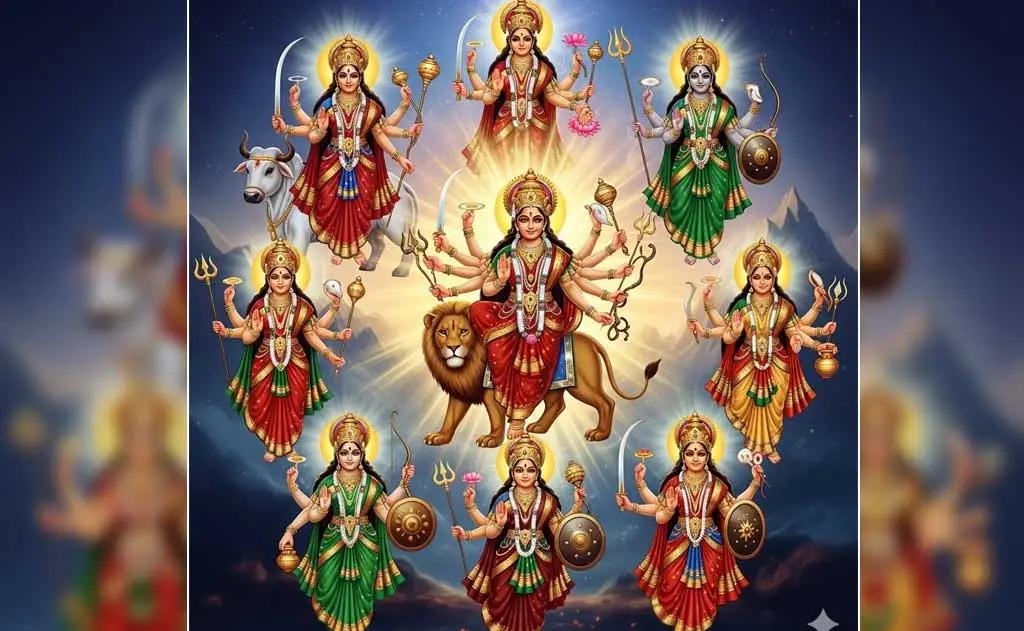
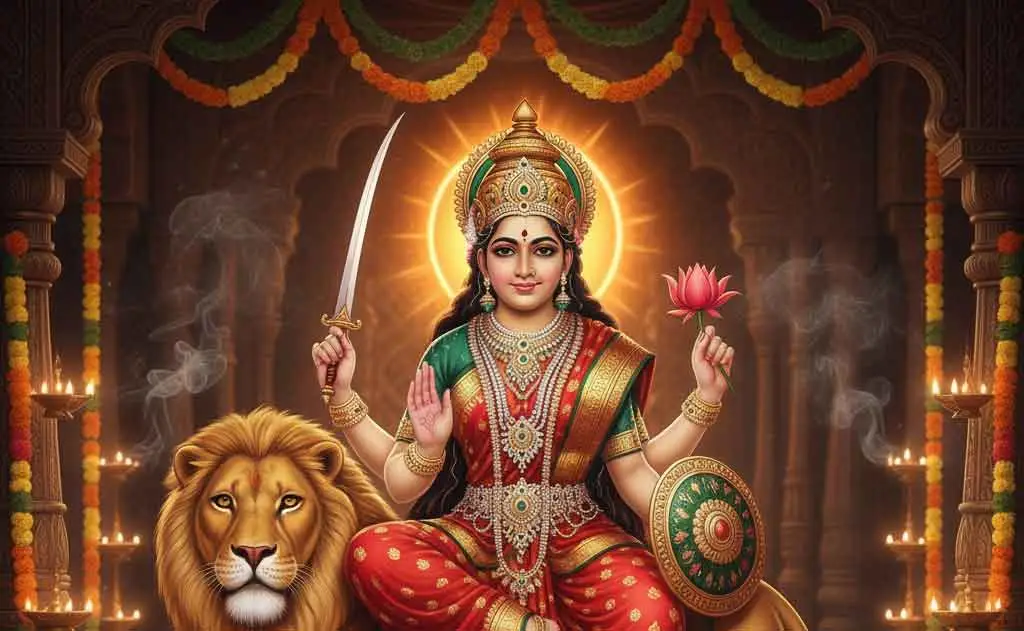
Durga is most often depicted riding a lion or a tiger, her mount (vahana) symbolising mastery over raw power, courage, and untamed force. She is many-armed — commonly shown with eight or eighteen arms — each hand holding a weapon or emblem gifted by the gods: the trishula (trident) of Shiva, the chakra (discus) of Vishnu, the sword, the bow and arrow, the conch, the mace, the thunderbolt, and the lotus, among others.

Her expression unites two truths at once: a serene, compassionate face for her devotees, and unwavering resolve against evil. This combination of grace and might is exactly what the Durgashtakam celebrates.

The Nava Durga — Nine Forms

During Navaratri, Durga is worshipped as the Nava Durga — nine forms of the Goddess, one for each of the nine nights. Many ashtakams and hymns invoke these forms, each representing a stage of spiritual growth and a particular grace.

FormAspect
ShailaputriDaughter of the mountains; foundational strength
BrahmachariniThe devoted ascetic; discipline and penance
ChandraghantaBearer of the crescent bell; courage and peace
KushmandaCreator of the cosmic egg; radiance and vitality
SkandamataMother of Skanda (Kartikeya); nurturing love
KatyayaniThe warrior form; destroyer of demons
KalaratriThe dark night; destroyer of ignorance and fear
MahagauriThe luminous, pure one; peace and forgiveness
SiddhidatriGiver of perfections (siddhis); spiritual attainment

Themes of the Eight Verses

While the exact wording differs between compositions, the eight verses of a Durgashtakam consistently move through a set of devotional themes. Each verse is a salutation — a bowing of the head and heart — to a different facet of the Mother's glory.

  1. Praise of her supreme, cosmic nature as Adi Parashakti and the source of all energy.
  2. Salutation to her fierce form as the slayer of Mahishasura and destroyer of demons.
  3. Adoration of her beauty, radiance, and the weapons and emblems she bears.
  4. Recognition of her as remover of suffering, fear, disease, and misfortune.
  5. Surrender and refuge — the devotee taking shelter at her feet.
  6. A plea for protection, courage, and strength in the face of adversity.
  7. Praise of her boundless compassion and maternal grace toward devotees.
  8. A prayer for liberation, wisdom, and the blessings of a devoted life.

A closing verse (phalashruti) often follows, promising that whoever recites the hymn with devotion is freed from fear, obstacles, and sorrow, and receives the Mother's grace.

Advertisement

A Well-Known Salutation

Many hymns to the Goddess open with the salutation 'Om Jayanti Mangala Kali...', invoking her under her many auspicious names — Jayanti, Mangala, Kali, Bhadrakali, Durga, and more. Reciting such a garland of names is itself considered a form of the ashtakam's spirit: praising the one Mother through her many faces.

When and How to Chant the Durgashtakam

The Durgashtakam can be recited at any time by a sincere devotee, but certain occasions carry special significance and are considered especially auspicious for invoking the Goddess.

  • Navaratri — the nine nights of the Goddess, the most powerful time for Durga worship.
  • Durga Puja — especially in the eastern Indian tradition, when the Goddess is grandly celebrated.
  • Ashtami — the eighth lunar day, particularly Durga Ashtami during Navaratri.
  • Tuesdays and Fridays — days traditionally associated with the Divine Mother.
  • Times of difficulty — when protection, courage, or relief from suffering is sought.

How to Chant

  1. Bathe and sit in a clean, quiet space, facing east or north if possible.
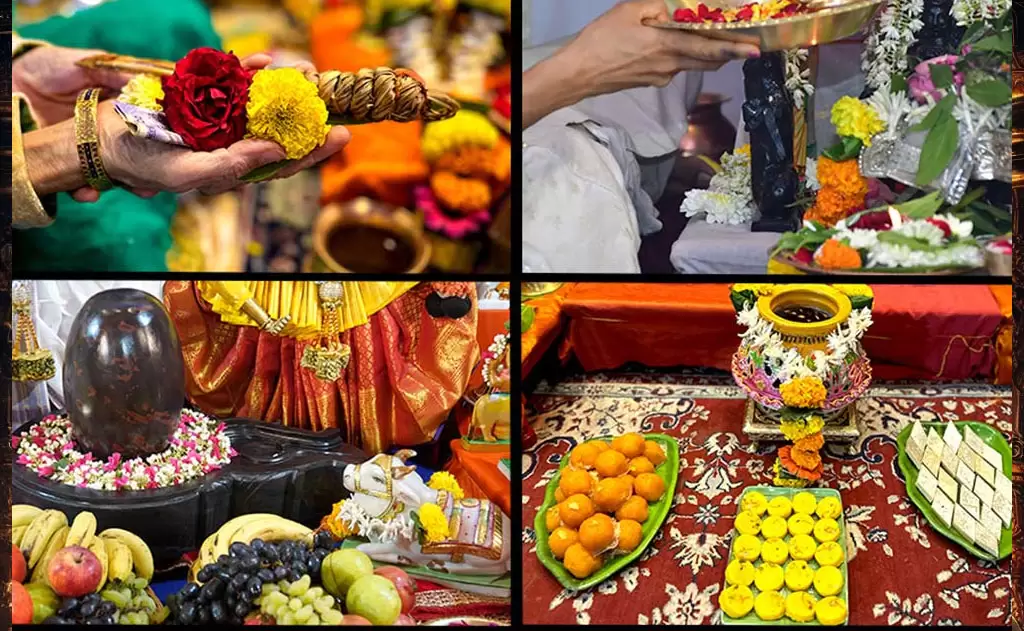
  2. Light a lamp or incense before an image or picture of Goddess Durga.
  3. Steady the mind with a few slow breaths and hold an intention of devotion and surrender.
  4. Recite the verses clearly and with feeling, ideally at the same time each day for consistency.
  5. Close by bowing to the Goddess and asking for her protection and grace.

Sincerity and steadiness of heart matter far more than perfect pronunciation. The Mother, tradition teaches, responds to the devotion behind the words.

Benefits of Reciting the Durgashtakam

Devotees hold that regular, heartfelt recitation of the Durgashtakam brings both inner and outer blessings. These benefits are described in the traditional phalashruti and in the living experience of those who chant it.

  • Protection from harm, negativity, and unseen dangers.
  • Courage and strength to face fears and challenges.
  • Removal of obstacles, suffering, and misfortune (durgati).
  • Peace of mind and relief from anxiety and fear.
  • A deepened sense of refuge and connection with the Divine Mother.
  • Spiritual growth, discipline, and the grace to walk a devoted life.

Above all, the Durgashtakam is a practice of surrender. In eight short verses, the devotee lays down their burdens at the feet of the Mother who is both the fierce destroyer of evil and the tender protector of all who take refuge in her.

Conclusion

The Durgashtakam distills the vast glory of Goddess Durga into eight radiant verses — praising her as Adi Parashakti, the slayer of Mahishasura, and the remover of every suffering. Whether chanted during the nine nights of Navaratri, on a quiet Tuesday morning, or in a moment of need, it is a doorway to the Mother's protection and grace. Recited with devotion, it offers the seeker courage, refuge, and the steady blessing of the one who lifts her children out of every difficulty.

Frequently Asked Questions

What is the Durgashtakam?

The Durgashtakam is a devotional hymn of eight verses (ashtakam) in praise of Goddess Durga. Each verse salutes a different aspect of the Mother Goddess — her cosmic power, her victory over demons, her compassion, and her role as protector and remover of suffering.

Who is Goddess Durga?

Durga is the supreme Mother Goddess and a form of Adi Parashakti, the primordial divine energy. She is celebrated as Mahishasuramardini, the slayer of the buffalo-demon Mahishasura, and as Durgati-nashini, the remover of suffering. She is usually depicted riding a lion or tiger and bearing many weapons.

Advertisement

What does 'ashtakam' mean?

Ashtakam means a composition of eight verses, from the Sanskrit word 'ashta' (eight). Ashtakams are popular devotional hymns because they are short, rhythmic, easy to memorise, and rich in meaning, often ending with a verse describing the benefits of recitation.

When should the Durgashtakam be chanted?

It is especially auspicious during Navaratri, Durga Puja, and on Ashtami (the eighth lunar day). Many devotees also chant it on Tuesdays and Fridays, days associated with the Divine Mother, or whenever they seek protection, courage, and relief from difficulty.

What are the benefits of reciting the Durgashtakam?

Devotees believe it brings protection from harm, courage to face challenges, removal of obstacles and suffering, peace of mind, and spiritual growth. Above all, it deepens the devotee's sense of refuge and surrender at the feet of the Mother Goddess.

How should I chant the Durgashtakam?

Sit in a clean, quiet space, ideally facing east or north, light a lamp or incense before an image of Durga, steady your mind, and recite the verses with devotion — preferably at the same time each day. Sincerity of heart matters more than perfect pronunciation.

Is there only one Durga Ashtakam?

No. Several compositions bear the name Durga Ashtakam, written by different saints and traditions. They differ in wording but share the same devotional themes — praising Durga's power, celebrating her victory over evil, and seeking her protection and grace.

Who are the Nava Durga?

The Nava Durga are the nine forms of Goddess Durga worshipped over the nine nights of Navaratri: Shailaputri, Brahmacharini, Chandraghanta, Kushmanda, Skandamata, Katyayani, Kalaratri, Mahagauri, and Siddhidatri. Each represents a stage of spiritual growth and a particular blessing.