Sankat Mochan Hanuman Ashtak (Baal Samay Ravi Bhakshi Liyo): Lyrics and Meaning
Sankat Mochan Hanuman Ashtak, the eight-stanza hymn that begins 'Baal samay ravi bhakshi liyo', is traditionally attributed to Goswami Tulsidas. Here is the full text with a simple English meaning of each stanza, the closing doha and jaikara, and gentle guidance on reciting it on Tuesdays and Saturdays.
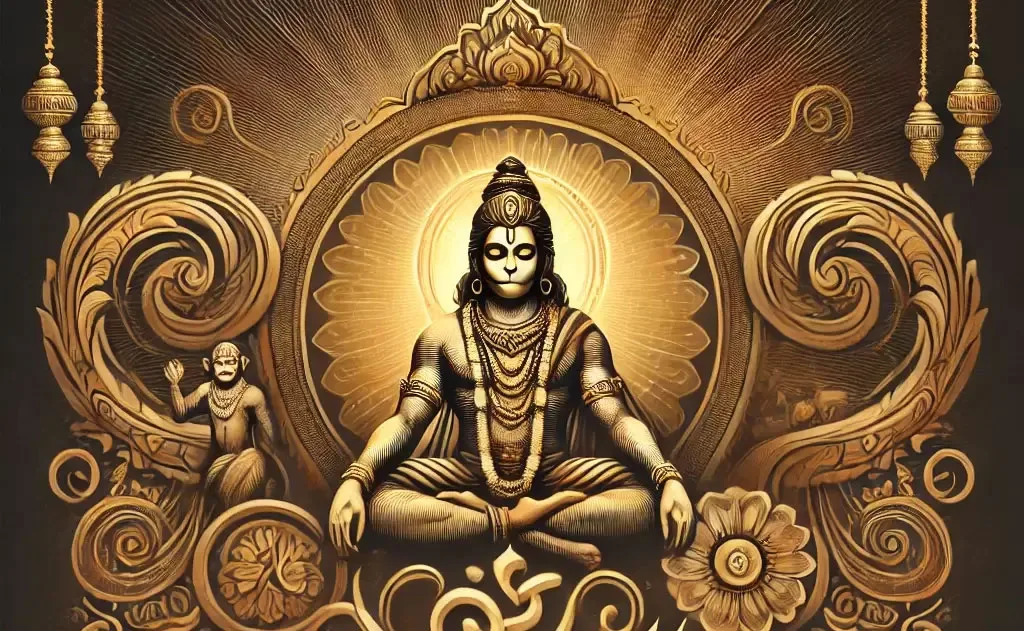
Sankat Mochan Hanuman Ashtak, the eight-stanza hymn that begins 'Baal samay ravi bhakshi liyo', is traditionally attributed to Goswami Tulsidas. Here is the full text with a simple English meaning of each stanza, the closing doha and jaikara, and gentle guidance on reciting it on Tuesdays and Saturdays.
Quick answer: Sankat Mochan Hanuman Ashtak is an eight-stanza Hindi (Awadhi) hymn to Lord Hanuman that begins "Baal samay ravi bhakshi liyo", "as a child you swallowed the Sun". It is traditionally attributed to Goswami Tulsidas. Each stanza recalls a moment when Hanuman rescued someone from danger and ends with the refrain that the whole world knows him as Sankat Mochan, the remover of troubles. It closes with a doha and a short jaikara. Devotees recite it on Tuesdays and Saturdays, often after the Hanuman Chalisa, and it takes about five to seven minutes.
Sankat Mochan Hanuman Ashtak: full lyrics with meaning
The text follows the Hindi edition on sanskritdocuments.org. The eight main stanzas are in the flowing chhand metre (a savaiya), followed by one closing doha and a jaikara. Each unit appears in Devanagari, then in transliteration, then in simple English. The meanings stay close to the Awadhi words while keeping the devotional sense clear.
Chhand 1
बाल समय रबि भक्षि लियो तब तीनहुँ लोक भयो अँधियारो ।
ताहि सों त्रास भयो जग को यह संकट काहु सों जात न टारो ।
देवन आनि करी बिनती तब छाँड़ि दियो रबि कष्ट निवारो ।
को नहिं जानत है जगमें कपि संकटमोचन नाम तिहारो ॥ १ ॥
bāla samaya rabi bhakṣi liyo taba tīnahu~ loka bhayo a~dhiyāro |
tāhi soṃ trāsa bhayo jaga ko yaha saṃkaṭa kāhu soṃ jāta na ṭāro |
devana āni karī binatī taba chā~r̤i diyo rabi kaṣṭa nivāro |
ko nahiṃ jānata hai jagameṃ kapi saṃkaṭamocana nāma tihāro || 1 ||
Meaning: When you were a child, you swallowed the Sun, and all three worlds were plunged into darkness. The whole world was terrified, and no one could remove this calamity. Then the gods came and pleaded with you, and you released the Sun and ended their distress. O mighty monkey, who in the world does not know your name as Sankat Mochan, the remover of troubles?
Chhand 2
बालि की त्रास कपीस बसै गिरि जात महाप्रभु पंथ निहारो ।
चौंकि महा मुनि साप दियो तब चाहिय कौन बिचार बिचारो ।
कै द्विज रूप लिवाय महाप्रभु सो तुम दास के सोक निवारो ।
को नहिं जानत है जगमें कपि संकटमोचन नाम तिहारो ॥ २ ॥
bāli kī trāsa kapīsa basai giri jāta mahāprabhu paṃtha nihāro |
cauṃki mahā muni sāpa diyo taba cāhiya kauna bicāra bicāro |
kai dvija rūpa livāya mahāprabhu so tuma dāsa ke soka nivāro |
ko nahiṃ jānata hai jagameṃ kapi saṃkaṭamocana nāma tihāro || 2 ||
Meaning: Afraid of Bali, Sugriva, the king of the monkeys, lived on the mountain, watching the road for the great Lord. Because the great sage had laid a curse on Bali that kept him from that mountain, it was the only refuge Sugriva had. You took the form of a Brahmin, brought the great Lord Rama to him, and so removed the sorrow of your servant. Who in the world does not know your name as Sankat Mochan?
Chhand 3
अंगद के सँग लेन गये सिय खोज कपीस यह बैन उचारो ।
जीवत ना बचिहौ हम सो जु बिना सुधि लाए इहाँ पगु धारो ।
हेरि थके तट सिंधु सबै तब लाय सिया सुधि प्रान उबारो ।
को नहिं जानत है जगमें कपि संकटमोचन नाम तिहारो ॥ ३ ॥
aṃgada ke sa~ga lena gaye siya khoja kapīsa yaha baina ucāro |
jīvata nā bacihau hama so ju binā sudhi lāe ihā~ pagu dhāro |
heri thake taṭa siṃdhu sabai taba lāya siyā sudhi prāna ubāro |
ko nahiṃ jānata hai jagameṃ kapi saṃkaṭamocana nāma tihāro || 3 ||
Meaning: When you went with Angada to search for Sita, Sugriva had declared: 'If you set foot back here without news of her, none of you will be spared.' When everyone was exhausted from searching and sat despairing on the ocean shore, you brought back news of Sita and saved all their lives. Who in the world does not know your name as Sankat Mochan?
Chhand 4
रावन त्रास दई सिय को सब राक्षसि सों कहि सोक निवारो ।
ताहि समय हनुमान महाप्रभु जाय महा रजनीचर मारो ।
चाहत सीय असोक सों आगि सु दै प्रभु मुद्रिका सोक निवारो ।
को नहिं जानत है जगमें कपि संकटमोचन नाम तिहारो ॥ ४ ॥
rāvana trāsa daī siya ko saba rākṣasi soṃ kahi soka nivāro |
tāhi samaya hanumāna mahāprabhu jāya mahā rajanīcara māro |
cāhata sīya asoka soṃ āgi su dai prabhu mudrikā soka nivāro |
ko nahiṃ jānata hai jagameṃ kapi saṃkaṭamocana nāma tihāro || 4 ||
Meaning: Ravana frightened Sita and told all the demonesses to wear down her grief and resolve. At that time, O great Lord Hanuman, you went there and slew mighty demons. When Sita, in despair, longed for fire from the Ashoka tree to end her life, you gave her the Lord's ring and took away her sorrow. Who in the world does not know your name as Sankat Mochan?
Chhand 5
बान लग्यो उर लछिमन के तब प्रान तजे सुत रावन मारो ।
लै गृह बैद्य सुषेन समेत तबै गिरि द्रोन सु बीर उपारो ।
आनि सजीवन हाथ दई तब लछिमन के तुम प्रान उबारो ।
को नहिं जानत है जगमें कपि संकटमोचन नाम तिहारो ॥ ५ ॥
bāna lagyo ura lachimana ke taba prāna taje suta rāvana māro |
lai gṛha baidya suṣena sameta tabai giri drona su bīra upāro |
āni sajīvana hātha daī taba lachimana ke tuma prāna ubāro |
ko nahiṃ jānata hai jagameṃ kapi saṃkaṭamocana nāma tihāro || 5 ||
Meaning: When Ravana's son struck Lakshmana in the chest and his life was ebbing away, you brought the physician Sushena with his very house, and, O hero, you uprooted the Drona mountain. You brought the Sanjeevani herb, placed it in their hands, and so you saved Lakshmana's life. Who in the world does not know your name as Sankat Mochan?
Chhand 6
रावन जुद्ध अजान कियो तब नाग कि फाँस सबै सिर डारो ।
श्रीरघुनाथ समेत सबै दल मोह भयो यह संकट भारो ।
आनि खगेस तबै हनुमान जु बंधन काटि सुत्रास निवारो ।
को नहिं जानत है जगमें कपि संकटमोचन नाम तिहारो ॥ ६ ॥
rāvana juddha ajāna kiyo taba nāga ki phā~sa sabai sira ḍāro |
śrīraghunātha sameta sabai dala moha bhayo yaha saṃkaṭa bhāro |
āni khagesa tabai hanumāna ju baṃdhana kāṭi sutrāsa nivāro |
ko nahiṃ jānata hai jagameṃ kapi saṃkaṭamocana nāma tihāro || 6 ||
Meaning: In battle Ravana cast the serpent noose over everyone, and Shri Raghunatha with his whole army fell into a swoon; this was a grave crisis. Then you brought Garuda, lord of the birds, who cut the bonds, and you ended that great fear. Who in the world does not know your name as Sankat Mochan?
Chhand 7
बंधु समेत जबै अहिरावन लै रघुनाथ पताल सिधारो ।
देबिहिं पूजि भली बिधि सों बलि देउ सबै मिलि मंत्र बिचारो ।
जाय सहाय भयो तब ही अहिरावन सैन्य समेत सँहारो ।
को नहिं जानत है जगमें कपि संकटमोचन नाम तिहारो ॥ ७ ॥
baṃdhu sameta jabai ahirāvana lai raghunātha patāla sidhāro |
debihiṃ pūji bhalī bidhi soṃ bali deu sabai mili maṃtra bicāro |
jāya sahāya bhayo taba hī ahirāvana sainya sameta sa~hāro |
ko nahiṃ jānata hai jagameṃ kapi saṃkaṭamocana nāma tihāro || 7 ||
Meaning: When Ahiravana carried Raghunatha and his brother away to the netherworld, he and his followers duly worshipped the goddess and planned, with mantras, to offer the two as a sacrifice. You went to their aid at that very moment and destroyed Ahiravana together with his army. Who in the world does not know your name as Sankat Mochan?
Chhand 8
काज किये बड़ देवन के तुम बीर महाप्रभु देखि बिचारो ।
कौन सो संकट मोर गरीब को जो तुमसों नहिं जात है टारो ।
बेगि हरो हनुमान महाप्रभु जो कछु संकट होय हमारो ।
को नहिं जानत है जगमें कपि संकटमोचन नाम तिहारो ॥ ८ ॥
kāja kiye bar̤a devana ke tuma bīra mahāprabhu dekhi bicāro |
kauna so saṃkaṭa mora garība ko jo tumasoṃ nahiṃ jāta hai ṭāro |
begi haro hanumāna mahāprabhu jo kachu saṃkaṭa hoya hamāro |
ko nahiṃ jānata hai jagameṃ kapi saṃkaṭamocana nāma tihāro || 8 ||
Meaning: O hero, O great Lord, look and consider the great works you have done for the gods. What trouble of a poor one like me is there that you cannot remove? O great Lord Hanuman, quickly take away whatever trouble may be ours. Who in the world does not know your name as Sankat Mochan?
Closing doha
लाल देह लाली लसे अरू धरि लाल लँगूर ।
बज्र देह दानव दलन जय जय जय कपि सूर ॥
lāla deha lālī lase arū dhari lāla la~gūra |
bajra deha dānava dalana jaya jaya jaya kapi sūra ||
Meaning: Your body is red and glows with a red radiance, and you bear a red tail. Your body is strong as a thunderbolt and you crush the hosts of demons. Victory, victory, victory to you, O valiant monkey hero.
Jaikara (closing salutation)
सियावर रामचन्द्र पद गहि रहुँ ।
उमावर शम्भुनाथ पद गहि रहुँ ।
महावीर बजरँगी पद गहि रहुँ ।
शरणा गतो हरि ॥
siyāvara rāmacandra pada gahi rahu~ |
umāvara śambhunātha pada gahi rahu~ |
mahāvīra bajara~gī pada gahi rahu~ |
śaraṇā gato hari ||
Meaning: I hold fast to the feet of Ramachandra, the beloved husband of Sita. I hold fast to the feet of Shambhunatha, the husband of Uma. I hold fast to the feet of Mahavira Bajrangi. Hari is my refuge.
The stories behind each stanza
The Ashtak is a short Ramayana in eight snapshots. Knowing the story behind each stanza makes the recitation come alive, especially for children.
| Stanza | Episode recalled | Who was rescued |
|---|---|---|
| 1 | Infant Hanuman leaps to swallow the Sun, thinking it a fruit | The three worlds, freed from darkness |
| 2 | Hanuman, disguised as a Brahmin, meets Rama and Lakshmana and brings them to Sugriva | Sugriva, living in fear of Bali |
| 3 | The search for Sita; the monkey army in despair on the seashore | Angada and the search party |
| 4 | Hanuman reaches the Ashoka grove in Lanka and gives Sita Rama's ring | Sita |
| 5 | Hanuman brings the physician Sushena and the mountain with the Sanjeevani herb | Lakshmana |
| 6 | Hanuman brings Garuda to free Rama's army from the serpent noose | Rama, Lakshmana and the army |
| 7 | Hanuman descends to the netherworld and defeats Ahiravana | Rama and Lakshmana |
| 8 | The devotee asks Hanuman to remove his or her own troubles | You, the reciter |
The structure carries a gentle lesson. Seven stanzas remember what Hanuman has already done. Only the eighth asks for anything, and it asks with complete confidence: if you could do all that for the gods, what trouble of mine is too big for you?
How and when to recite Hanuman Ashtak
Best days and occasions
- Tuesday and Saturday: the two days most associated with Hanuman worship. Many temples see their biggest crowds of Hanuman devotees on these days.
- Hanuman Jayanti: the birthday of Hanuman, celebrated on different dates in different regions. See our Hanuman Jayanti (Karnataka) Hanumad Vratha guide.
- Navratri and Dussehra: the season of Rama's victory. The Dussehra 2026 guide and the retelling of Rama vs Ravana and Durga vs Mahishasura pair beautifully with this hymn.
How many times
Once a day, or once on each Tuesday and Saturday, is a good beginning. The common practice is to recite the Hanuman Chalisa first and the Ashtak after it, sometimes followed by the Bajrang Baan. Some recite it three or eleven times in difficult periods. Steady, sincere reading matters more than the number.
A simple setup at home
- Bathe or wash your hands and face, and sit before a picture or murti of Hanuman, or of Rama with Hanuman at his feet.
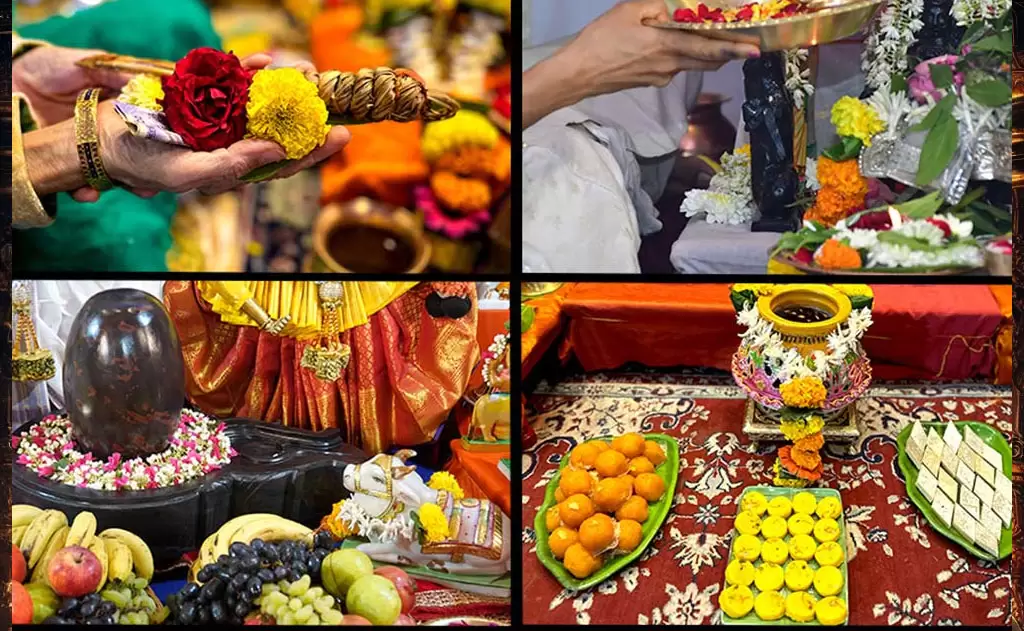
- Light a lamp; a ghee or sesame-oil lamp is traditional. Many devotees offer a red flower, a little sindoor, jaggery with roasted gram, or a sweet such as boondi or besan laddu.
- Begin by remembering Rama, since Hanuman is happiest when his Lord is honoured first. Saying 'Shri Ram, Jai Ram, Jai Jai Ram' a few times is enough.
- Recite the eight stanzas, the closing doha and the jaikara slowly and clearly.
- End with a short aarti or a few moments of silence, and share the offering as prasad.
Significance: why devotees love the Sankat Mochan Ashtak
Hanuman is the perfect servant of Rama, and in the Bhakti tradition he is also the closest friend of every devotee in trouble. The name Sankat Mochan, the one who frees from sankat (crisis), sums up how people relate to him: not as a distant god but as a helper who comes running. In Varanasi, the Sankat Mochan Hanuman temple is traditionally associated with Tulsidas, and the name of the hymn and of the temple carry the same feeling.
Traditionally, devotees believe that reciting the Ashtak with faith steadies the mind, gives courage when fear is strong, and builds the qualities Hanuman stands for: strength with humility and service without pride.
These are expressions of faith, not guarantees of any particular result. The hymn itself models the right attitude: remember what the Lord has done, ask simply, and keep doing your own part with sincerity. For short Hanuman mantras to chant daily, see our list of 11 powerful Hanuman mantras.
For NRI families, a five-minute Tuesday or Saturday recitation with a lamp after dinner is an easy anchor; children can join in on the refrain from day one. If you keep a Hanuman picture at home, see our note on Hanuman photos at the door in NRI households.
Frequently asked questions
What is Sankat Mochan Hanuman Ashtak lyrics meaning?
Sankat Mochan means 'the one who frees us from trouble'. Seven stanzas recall moments in the Ramayana when Hanuman rescued someone from a crisis. Every stanza ends with the same line: who in the world does not know your name, O mighty monkey, as the remover of troubles? The last stanza turns to the devotee's own life and asks Hanuman to remove whatever trouble is ours.
Who wrote Sankat Mochan Hanuman Ashtak?
It is traditionally attributed to Goswami Tulsidas, the sixteenth-century poet-saint of Varanasi who also composed the Ramcharitmanas and, as traditionally attributed, the Hanuman Chalisa. It is written in Awadhi, the same devotional Hindi of his other works.
What are the benefits of reading Hanuman Ashtak?
Devotees believe that reciting the Ashtak with faith brings courage, steadiness of mind and a sense of Hanuman's protection in difficult times. These are expressions of faith, not guarantees of particular outcomes; the hymn is best recited as an act of trust and surrender, alongside sensible effort.
Which day is best to read Hanuman Ashtak?
Tuesday and Saturday are the traditional Hanuman days in North India, and many devotees recite the Ashtak on both. It is also recited on Hanuman Jayanti, during Navratri and on Dussehra, when the victory of Rama over Ravana is remembered.
How many times should Hanuman Ashtak be read?
Once a day, or once every Tuesday and Saturday, is a good beginning. Many devotees read it after the Hanuman Chalisa. In times of difficulty some read it three, seven or eleven times in one sitting.
Editor's note
Editor's note (7 October 2026): This guide has been restored at its original address after the earlier version was lost. The Devanagari text and transliteration follow the Hindi edition on sanskritdocuments.org. Minor variants in wording and recitation exist between printed editions and family traditions; if your family or temple follows a particular book, follow that book. The English meanings are our own plain renderings. Authorship is given as traditionally attributed to Goswami Tulsidas, and the hymn is presented as an act of devotion, with no promise of particular results.
Related guides
You might also like
Annapurna Stotram (Nityanandakari): Lyrics, Meaning and Benefits
Bhairav Chalisa: Lyrics in Hindi with Meaning, Bhairav Aarti and How to Recite
Shani Chalisa Lyrics in Hindi with Meaning and Shani Dev Aarti