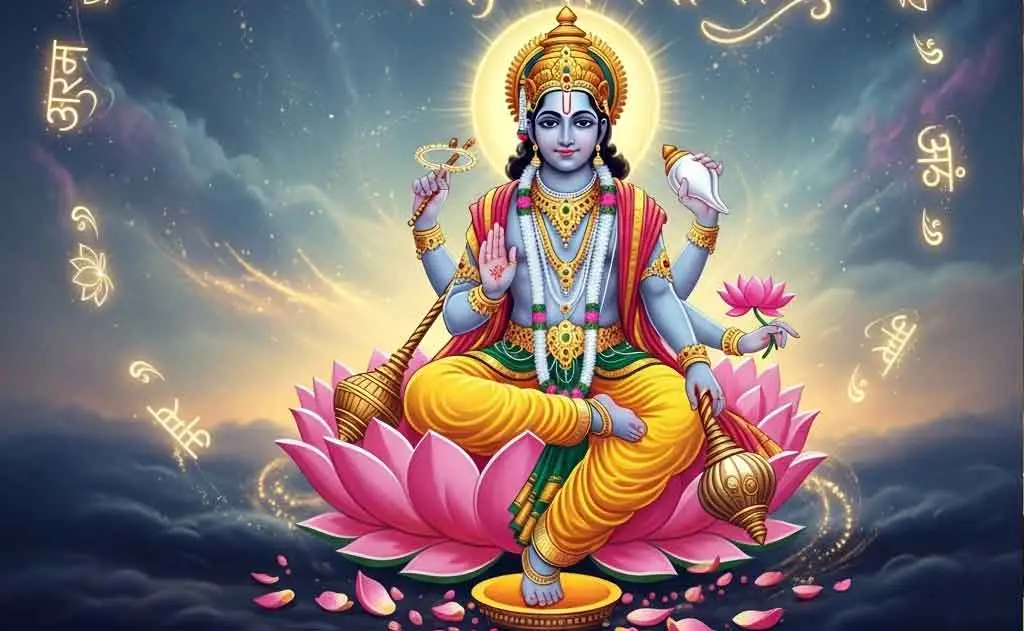
Which God to Pray For: Job, Marriage, Health, Money, Studies, Peace of Mind and Hard Times
A gentle, practical guide to the deities Hindus traditionally turn to for a job, marriage, good health, money, studies, peace of mind, sleep, protection and hard times, with one short mantra and its meaning for each, and the ishta-devata idea explained.
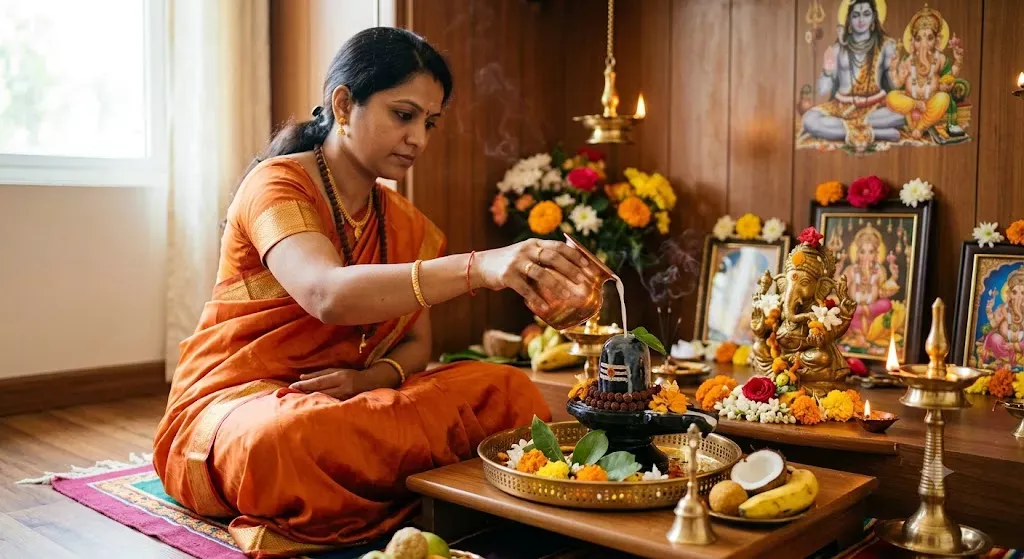
A gentle, practical guide to the deities Hindus traditionally turn to for a job, marriage, good health, money, studies, peace of mind, sleep, protection and hard times, with one short mantra and its meaning for each, and the ishta-devata idea explained.
Quick answer: In Hindu tradition, people commonly pray to Ganesha for a job and new beginnings, Parvati, Katyayani or Sita-Rama for marriage, Shiva as Mrityunjaya for health, Lakshmi for money, Saraswati for studies, Shiva, Vishnu or Krishna for peace of mind and sleep, Hanuman and Durga for protection and courage, and Shani or Venkateswara in hard times. But the deeper answer is simpler: any form of the Divine you love is the right one to pray to. Prayer is a source of strength and steadiness, not a guarantee of any particular outcome.
Every week, millions of people type the same quiet questions into a search bar: which god should I pray to for a job, for marriage, for good health, for money, for my studies, for sleep? Below, for each need: the deity traditionally associated with it and why, a simple practice, and one short mantra with its meaning.
First, the ishta-devata idea: there is no wrong god to pray to
Hinduism has many forms of the Divine, and that can feel confusing. The tradition resolves it with a beautiful idea: the ishta-devata, the chosen or beloved form of God. Your ishta-devata may be the deity your family has always worshipped, the one whose temple you grew up near, or simply the form that moves your heart, whether Ganesha, Krishna, Shiva, Devi, Rama, Hanuman or Venkateswara.
The Rig Veda says that the One Truth is called by many names by the wise, and in the Bhagavad Gita Krishna says that in whatever way people approach Him, He receives them. So the associations below are traditional guides, not rules. If you are devoted to Hanuman and you are looking for a job, pray to Hanuman. Sincerity matters far more than choosing the "correct" deity for each problem.
At a glance: which god for which need
| Need | Deity traditionally prayed to | Traditional day | Mantra in this guide |
|---|---|---|---|
| Job, interviews, new start | Ganesha (also Venkateswara) | Wednesday / Chaturthi | Om Gam Ganapataye Namah |
| Marriage and family harmony | Parvati, Katyayani, Sita-Rama | Monday, Friday | Sri Rama Jaya Rama |
| Health and healing | Shiva as Mrityunjaya, Dhanvantari, Surya | Monday, Sunday | Mahamrityunjaya mantra |
| Money and prosperity | Lakshmi | Friday | Om Shreem Mahalakshmyai Namah |
| Studies and exams | Saraswati (with Ganesha) | Thursday, Vasant Panchami | Om Aim Saraswatyai Namah |
| Peace of mind, mental health | Shiva | Monday | Om Namah Shivaya |
| Sleep and calm evenings | Vishnu / Krishna | Any evening | Om Namo Bhagavate Vasudevaya |
| Courage and protection | Hanuman, Durga | Tuesday, Saturday | Om Ham Hanumate Namah / Om Dum Durgayai Namah |
| Hard times, delays | Shani, Venkateswara | Saturday | Om Sham Shanaishcharaya Namah |
Which god to pray for a job: Ganesha
Lord Ganesha is worshipped first before any new undertaking, which is why so many people turn to him when starting a job search, sitting an interview or joining a new company. He is Vighneshvara, the lord of obstacles, who removes them from a sincere path.
A job search is a long series of small obstacles: rejections, visa paperwork, nerves before a call. Praying to Ganesha places them before someone larger, and lets each day begin afresh.
Simple practice: Each morning before you open your laptop, light a lamp or simply sit quietly, picture Ganesha, and chant the mantra 11 or 21 times. On Wednesdays or on Sankashti Chaturthi, offer durva grass or a modak if you can. Then do the practical work: update your CV, apply, network and prepare.
Mantra:
ॐ गं गणपतये नमः॥
oṃ gaṃ gaṇapataye namaḥ||
Meaning: "Om, salutations to Ganapati." Gam is the seed syllable (bija) traditionally associated with Ganesha.
Many devotees, especially from Andhra Pradesh, Telangana, Karnataka and Tamil Nadu, also pray to Lord Venkateswara of Tirumala for career and livelihood. For longer prayers, see our mantras for career success and job promotion and the Ganesha Pancharatnam stotram.
Which god to pray for marriage: Parvati, Katyayani and Sita-Rama
For finding a good life partner, the tradition looks to Goddess Parvati (Gauri), who won Shiva through devotion and tapas, and to Goddess Katyayani, whom the gopis of Vrindavan worshipped, according to the Bhagavata Purana, praying for Krishna as their husband. For harmony within a marriage, Sita and Rama are held up as the ideal of faithfulness and dharma in family life.
Marriage brings together two people and two families, and prayer here is often less about getting a particular result than about asking for the right person, good judgement and a peaceful home.
Simple practice: On Mondays or Fridays, offer a flower or kumkum to an image of Parvati or of Sita-Rama and chant the mantra 108 times on a mala, or as many times as feels natural. If you are married, chanting together as a couple, even briefly, is a lovely habit.
Mantra:
श्री राम जय राम जय जय राम॥
śrī rāma jaya rāma jaya jaya rāma||
Meaning: "Glory to Sri Rama; victory to Rama; victory, victory to Rama." It is a simple chant of Rama's name, sung in homes and bhajan groups across India.
For more prayers, see our mantras for marriage and a strong relationship and the Ram Raksha Stotram. Prayer cannot replace honest conversation, so also talk openly with your family and your partner.
Which god to pray for good health: Shiva as Mrityunjaya
Lord Shiva as Mrityunjaya, the conqueror of death, is the deity most widely invoked for health, recovery from illness and freedom from the fear of illness. Dhanvantari, the divine physician who emerged from the churning of the ocean, and Surya, the Sun, giver of vitality, are also traditional choices.
Please hold this clearly: prayer for health is offered alongside proper medical care, never instead of it. See your doctor, take prescribed medicines and follow treatment. Prayer can give the patient and family courage and peace through a frightening time.
Simple practice: Sit facing east in the morning, offer water to Shiva or simply fold your hands, and chant the mantra 11, 21 or 108 times. Family members can chant it for someone who is unwell.
Mantra:
ॐ त्र्यम्बकं यजामहे सुगन्धिं पुष्टिवर्धनम्। उर्वारुकमिव बन्धनान्मृत्योर्मुक्षीय माऽमृतात्॥
oṃ tryambakaṃ yajāmahe sugandhiṃ puṣṭivardhanam| urvārukamiva bandhanānmṛtyormukṣīya mā'mṛtāt||
Meaning: "We worship the three-eyed One (Shiva), who is fragrant and who nourishes and increases well-being. As a ripe cucumber is freed from its stalk, may I be freed from death, but not from immortality." This is the Mahamrityunjaya mantra from the Rig Veda (7.59.12).
Read more in our guides to the Mahamrityunjaya mantra and the Dhanvantari mantra for healing.
Which god to pray for money: Lakshmi
Goddess Lakshmi is the deity of prosperity, auspiciousness, beauty and a well-ordered home. She is worshipped especially on Fridays, during Diwali, and in vratas such as Varalakshmi Vratam and the Margashirsha Thursday puja.
In Hindu understanding, Lakshmi is not only money in the bank but the grace that makes a home stable and generous.
Simple practice: On Friday evenings, clean the prayer space, light a ghee lamp, offer a flower and chant the mantra 108 times. Keep the entrance of the home clean and lit in the evening, a simple traditional way of welcoming Lakshmi.
Mantra:
ॐ श्रीं महालक्ष्म्यै नमः॥
oṃ śrīṃ mahālakṣmyai namaḥ||
Meaning: "Om, shreem, salutations to Mahalakshmi." Shreem is the seed syllable associated with Lakshmi and with auspicious abundance.
See our Lakshmi mantra for money, the Mahalakshmi Ashtakam and the Kanakadhara Stotram. No mantra guarantees wealth; it supports a steady, honest effort.
Which god to pray for studies: Saraswati
Goddess Saraswati is the deity of knowledge, speech, music and the arts. Students traditionally pray to her before studying, and books and instruments are placed before her on Vasant Panchami and during Saraswati Puja in Navratri. Ganesha is invoked alongside her before an exam begins.
The hardest parts of studying are often focus and fear. A short prayer before each session marks the shift from distraction to learning, and recalling Saraswati before an exam can bring calm.
Simple practice: Before studying, sit for one minute, fold your hands before an image of Saraswati or simply close your eyes, and chant the mantra 11 times.
Mantra:
ॐ ऐं सरस्वत्यै नमः॥
oṃ aiṃ sarasvatyai namaḥ||
Meaning: "Om, aim, salutations to Saraswati." Aim is the seed syllable associated with Saraswati and with knowledge and speech.
For more, see our Hindu mantras for students and exam success.
Which god to pray for peace of mind and mental health: Shiva
Lord Shiva, the great yogi seated in stillness on Mount Kailash, is the form many people turn to when the mind is restless. The five-syllable mantra Om Namah Shivaya is among the most widely chanted in the Hindu world, and needs no special ritual.
Prayer and quiet chanting can steady the breath and give a worried mind somewhere to rest. But if you are dealing with anxiety, depression, panic, grief or thoughts of self-harm, please do not carry it alone. Talk to family or a trusted friend, and reach out to a doctor, counsellor or mental health professional. Asking for help is itself an act of courage, fully in harmony with faith.
Simple practice: Sit comfortably, breathe slowly, and chant the mantra softly or silently for five to ten minutes. Let the mind return to the sound each time it wanders. Monday is Shiva's traditional day, but any time you feel overwhelmed is a good time.
Mantra:
ॐ नमः शिवाय॥
oṃ namaḥ śivāya||
Meaning: "Om, salutations to Shiva." Shiva means the auspicious one; the mantra is a simple bow of surrender.
For gentler, wider practice, see our 10 Hindu mantras for peace, success and health and the Kalabhairava Ashtakam.
Which god to pray for sleep: Vishnu and Krishna
Lord Vishnu is pictured resting on the serpent Adishesha upon the cosmic ocean, the very image of peaceful rest held safely. Many families end the day with the names of Vishnu or Krishna, handing over the day's worries before sleep.
A short devotional routine at bedtime, away from screens, can help the mind slow down. If sleeplessness continues for weeks, or comes with low mood or worry, please speak to a doctor as well; poor sleep often has causes that can be treated.
Simple practice: After switching off your phone, sit on the bed or lie down and chant the mantra slowly, 11 or 21 times, letting each repetition be a little softer.
Mantra:
ॐ नमो भगवते वासुदेवाय॥
oṃ namo bhagavate vāsudevāya||
Meaning: "Om, salutations to Lord Vasudeva." Vasudeva is a name of Krishna and Vishnu, the One who dwells in all beings. This is the twelve-syllable mantra associated with the Bhagavata Purana.
See our Hindu mantras to chant before sleep, and the gentle bhajans Achyutashtakam, Govindashtakam and Madhurashtakam.
Which god to pray for protection and courage: Hanuman and Durga
Hanuman, the fearless devotee of Rama, is the deity most people think of for courage, protection and overcoming fear. Goddess Durga, who defeats Mahishasura in the Devi Mahatmya, is the protective Mother invoked for strength in difficult situations.
Fear takes many forms, from a hostile workplace to a frightening diagnosis, and Hanuman's devotion is a reminder that courage grows from faith.
Simple practice: On Tuesdays and Saturdays, light a lamp before Hanuman, read the Hanuman Chalisa if you know it, and chant the mantra 108 times. Those devoted to Devi can chant Om Dum Durgayai Namah in the same way.
Mantra:
ॐ हं हनुमते नमः॥
oṃ haṃ hanumate namaḥ||
Meaning: "Om, ham, salutations to Hanuman." Ham is the seed syllable traditionally associated with Hanuman.
For Durga devotees, this is the corresponding short mantra:
ॐ दुं दुर्गायै नमः॥
oṃ duṃ durgāyai namaḥ||
Meaning: "Om, dum, salutations to Durga." Dum is the seed syllable associated with Durga, the protective Mother.
Explore our 11 Hanuman mantras for strength and protection and Dussehra mantras for inner strength and protection. Practical safety matters too: if you are in danger, contact the local authorities.
Which god to pray for hard times: Shani and Venkateswara
When life feels stuck, with delays, losses or a long difficult phase, many Hindus pray to Shani, the planetary deity associated with time, discipline and the results of our actions, and to Lord Venkateswara, worshipped at Tirumala as the Lord who helps devotees through the hardships of this age.
Tradition sees Shani as a strict, just teacher rather than a punisher; praying to him means accepting the lesson while asking for strength to bear it.
Simple practice: On Saturdays, light a sesame-oil lamp, chant the mantra 108 times, and if possible feed someone in need or help an elderly person, a traditional offering to Shani.
Mantra:
ॐ शं शनैश्चराय नमः॥
oṃ śaṃ śanaiścarāya namaḥ||
Meaning: "Om, sham, salutations to Shanaishchara." Shanaishchara means the slow-moving one, the name of Shani (Saturn).
For Venkateswara devotees, here is the corresponding short mantra:
ॐ नमो वेङ्कटेशाय॥
oṃ namo veṅkaṭeśāya||
Meaning: "Om, salutations to Venkatesha," the Lord of the Venkata hill at Tirumala.
A simple daily prayer routine for any need
- Choose your ishta-devata, or the deity linked to your current need, and keep one image or simply hold the form in your mind.
- Pick one mantra rather than many. Chant it at the same time each day, even if only 11 times.
- Light a lamp or incense if you can. If you live in a hostel, shared flat or dorm abroad where flames are not allowed, a silent prayer is just as complete.
- End by offering the result to God and turning to your practical tasks: applications, study, the doctor's appointment, the honest conversation.
- Be patient. Prayer changes the one who prays first: steadier, calmer, kinder. Outcomes are in God's hands and the world's, not ours to command.
Far from India, where a temple may be an hour's drive away, a small shelf with a lamp and a picture is enough, and a five-minute family prayer each evening keeps children connected to their heritage.
A note on guarantees
Be wary of anyone promising that a mantra will surely bring a job, a spouse or wealth, or charging large sums for "guaranteed" remedies. The Gita teaches us to act with full effort and offer the results to God. Pray sincerely, work honestly, seek proper medical and professional help when needed, and trust that you are not alone.
Frequently asked questions
Which god to pray for a job?
Most Hindus begin with Lord Ganesha, the remover of obstacles, before any new venture, including a job search or interview. Many South Indian families also pray to Lord Venkateswara of Tirumala for career and hardship. Chant Om Gam Ganapataye Namah daily while you keep applying, learning and preparing. Prayer supports effort; it does not guarantee an offer.
Which god to pray for marriage?
Traditionally, those seeking a good spouse pray to Goddess Parvati (Gauri) and Shiva as the ideal divine couple, and to Goddess Katyayani, whom the gopis of Vrindavan worshipped for Krishna as their husband. For harmony in an existing marriage, many families chant the names of Sita and Rama. Talk openly with family and your partner too.
Which god to pray for good health?
Lord Shiva as Mrityunjaya, the conqueror of death, is the most widely invoked, through the Mahamrityunjaya mantra. Dhanvantari, the divine physician, and Surya, the Sun, are also prayed to for health and energy. Always pray alongside proper medical care, never instead of it.
Which god to pray for money?
Goddess Lakshmi is the deity of prosperity, auspiciousness and a well-run home. Fridays and Diwali are traditional days for her worship. Many also pray to Lord Venkateswara and Kubera. Honest work, saving and avoiding debt are part of honouring Lakshmi.
Which god to pray for mental health and peace of mind?
Many people find calm in Om Namah Shivaya or in chanting the names of Krishna and Vishnu. Prayer can steady the mind, but if you are struggling with anxiety, low mood or sleeplessness, please also talk to family, friends or a qualified mental health professional. Seeking help is not a lack of faith.
Which god to pray for studies and exams?
Goddess Saraswati, the deity of learning, speech and the arts, is the first choice for students, together with Lord Ganesha before an exam begins. Lord Hayagriva and Dakshinamurthy are also honoured as divine teachers. A short prayer before each study session builds focus and calm.
Editor's note (7 October 2026)
This guide reflects commonly understood associations in Hindu tradition; families and regions vary, and your own family custom or guru's guidance should come first. Every mantra on this page is a short, widely chanted text reproduced from our verified source list. Prayer is offered here as support, never as a promise of results, and never as a substitute for medical, financial or mental health advice.
Related guides
- Mantras for career success, job and promotion
- Best Hindu mantras for students and academic success
- Powerful mantras for marriage and a strong relationship
- Dhanvantari mantra for healing and health
- Hindu mantras to chant before sleep
- 11 Hanuman mantras for strength and protection
- Ganesha Pancharatnam with meaning
- Ram Raksha Stotram with meaning
You might also like
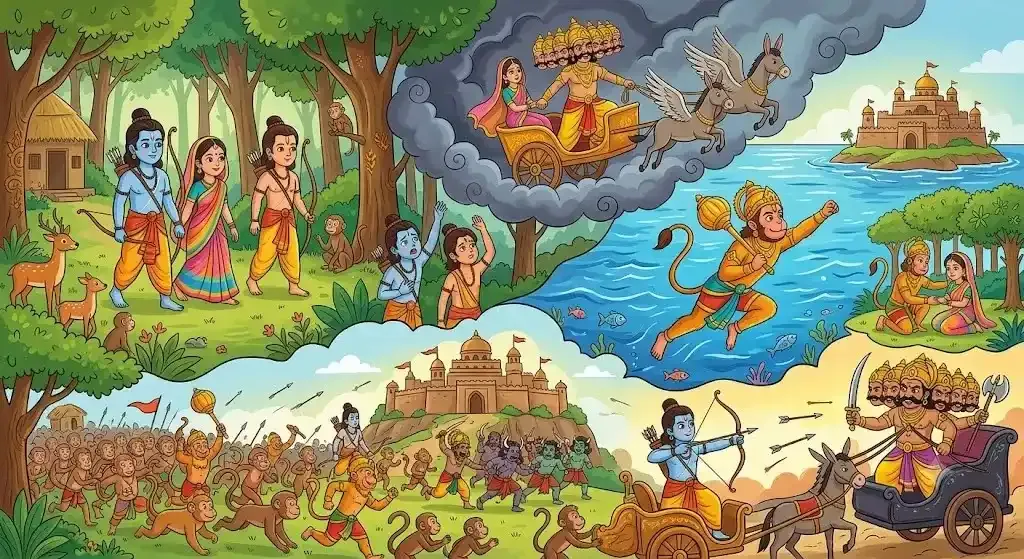
Ram Raksha Stotram: Full Lyrics with Meaning, Benefits and How to Recite
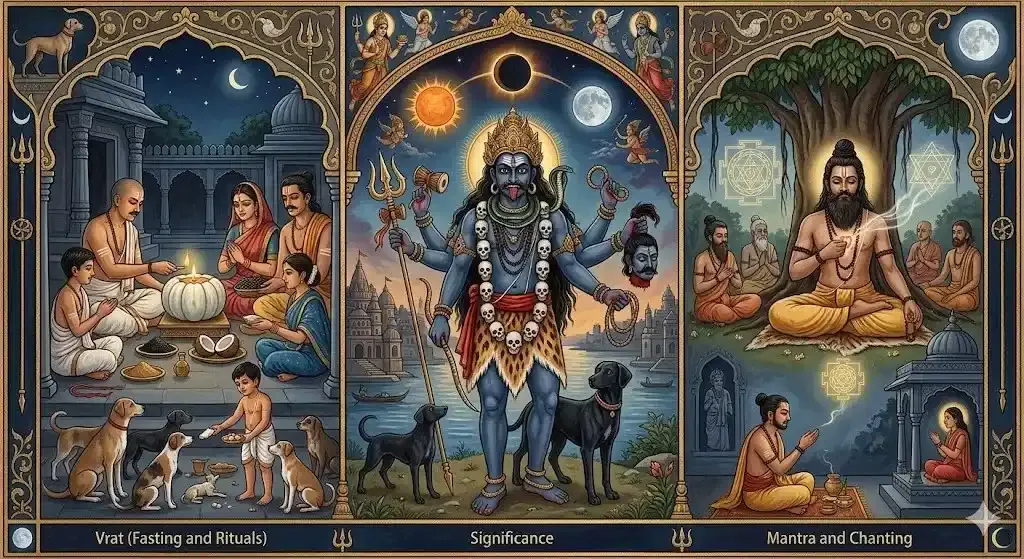
Kalabhairava Ashtakam (Deva Raja Sevyamana): Lyrics, Meaning and Benefits
Govindashtakam (Satyam Jnanam Anantam): Lyrics with Meaning by Adi Shankaracharya