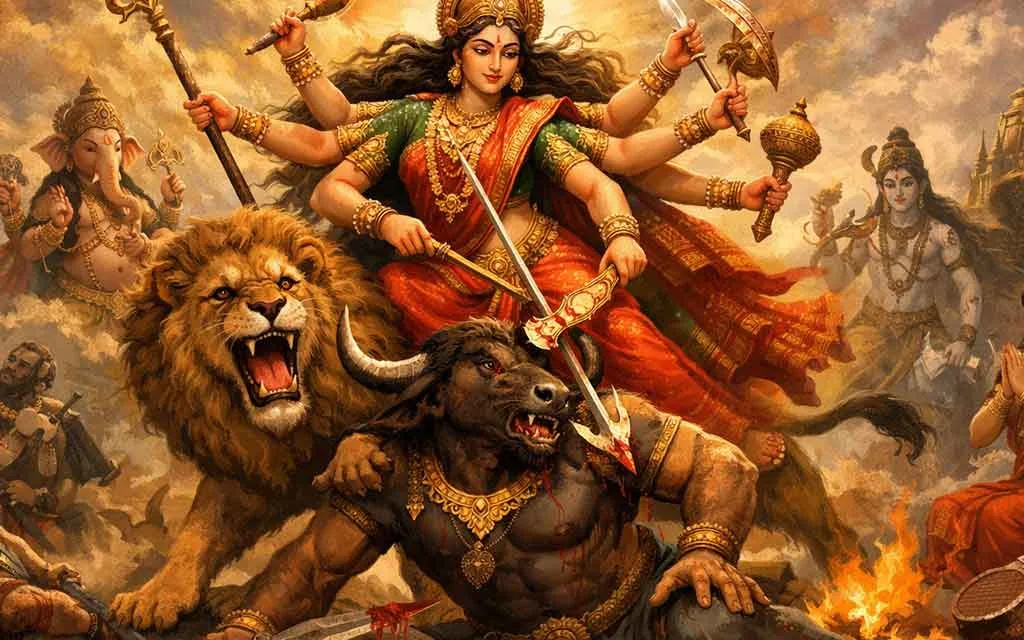
Mahamrityunjaya Mantra: Healing & Longevity Secrets
A Guru’s Loving Introduction: When Fear Knocks, Shiva Answers My dear one,Every human heart, no matter how strong, trembles silently at three moments—illness,…
A Guru’s Loving Introduction: When Fear Knocks, Shiva Answers My dear one,Every human heart, no matter how strong, trembles silently at three moments—illness,…
A Guru’s Loving Introduction: When Fear Knocks, Shiva Answers
My dear one,
Every human heart, no matter how strong, trembles silently at three moments—illness, uncertainty, and the thought of death. Even kings and scholars have bowed before this mystery. In Sanatana Dharma, we are never asked to deny fear; instead, we are taught to transcend it. The Mahamrityunjaya Mantra is not merely a chant—it is Shiva’s embrace when the soul feels fragile.
This mantra is whispered in hospital rooms, chanted in temples at dawn, and remembered in moments when life hangs by a thread. It is called the Maha Mantra—the great mantra—because it addresses the greatest fear of all: Mrityu (death), not by escaping it, but by transforming our relationship with it.
As your well-wisher and guide, I offer this article not as theory, but as loving advice from a guru to a seeker, so you may understand, chant, and live the Mahamrityunjaya Mantra with faith and clarity.
Rigvedic Origins: The Eternal Mantra (Rigveda 7.59.12)
The Mahamrityunjaya Mantra originates from the Rigveda, one of the oldest spiritual texts known to humanity. Its source is Rigveda Mandala 7, Sukta 59, Mantra 12 (7.59.12)—revealed by sage Vasishta, a seer who perceived cosmic truths in deep meditation.
This is important, my child, because what is revealed in the Vedas is not composed—it is heard (Shruti). This mantra carries a vibration that existed before language, before time measured itself.
Full Text of the Mahamrityunjaya Mantra
Sanskrit (Devanagari):
ॐ त्र्यम्बकं यजामहे सुगन्धिं पुष्टिवर्धनम् ।
उर्वारुकमिव बन्धनान् मृत्योर्मुक्षीय मामृतात् ॥
Transliteration:
Om Tryambakaṁ Yajāmahe Sugandhiṁ Puṣṭi-vardhanam |
Urvārukamiva Bandhanān Mṛtyor Mukṣīya Māmṛtāt ||
Meaning & Translation (Heart of the Mantra)
“We worship the Three-Eyed One (Lord Shiva), who is fragrant and who nourishes all beings.
May He liberate us from the bondage of death, just as a ripe cucumber is released from its vine, and grant us immortality.”
Do not misunderstand “immortality,” dear one. It does not promise a body that never dies. It promises freedom from the fear of death, and ultimately moksha—liberation from the cycle of birth and death.
Who Is Tryambaka? Understanding Lord Shiva Here
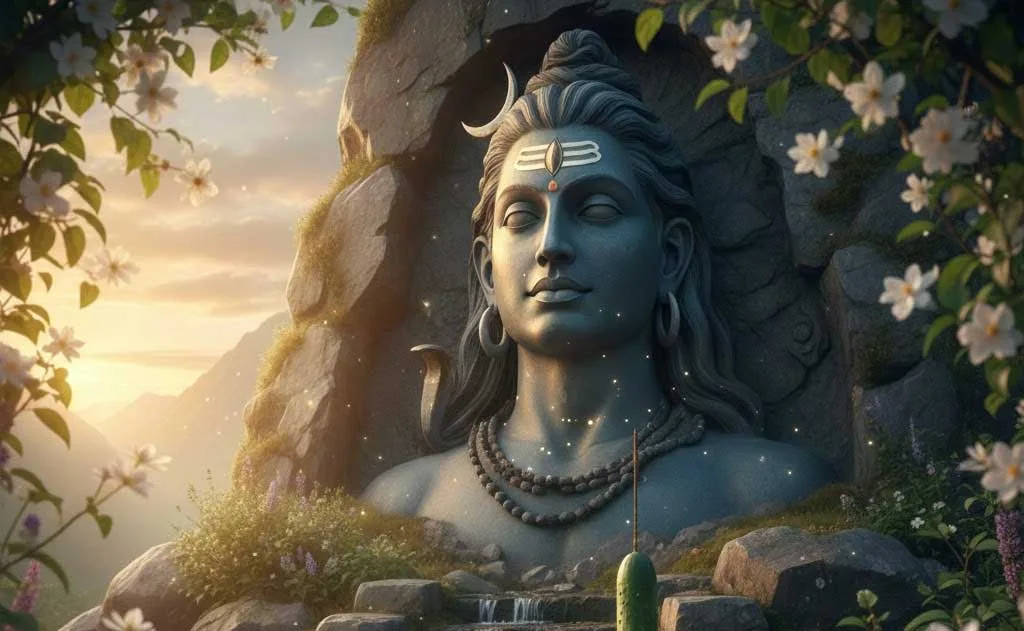
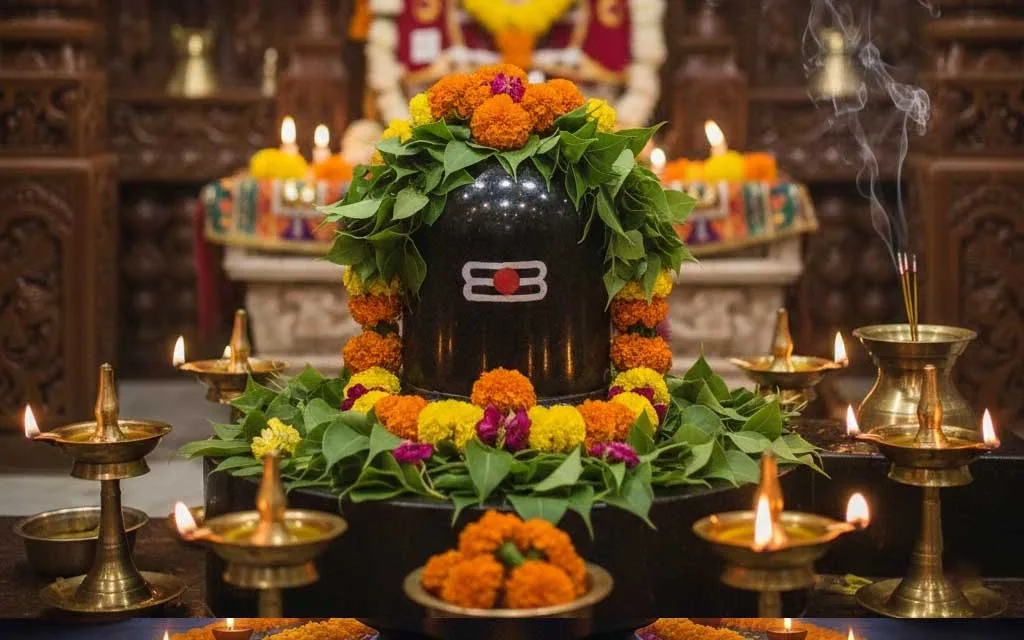
The mantra is dedicated to Lord Shiva as Tryambaka—the Three-Eyed One.
- Left Eye (Moon) – Mind, emotions, healing
- Right Eye (Sun) – Action, vitality, life force
- Third Eye (Fire) – Wisdom, destruction of ignorance
When we chant this mantra, we invoke Shiva not as a distant god, but as:
- The supreme healer (Vaidyanatha)
- The conqueror of time (Mahakala)
- The compassionate protector (Ashutosh)
Why This Mantra Is Called “Mahamrityunjaya”
- Maha – Great
- Mrityu – Death
- Jaya – Victory
It is the mantra of victory over untimely death, fear, and decay. That is why it is chanted:
- During illness
- At the bedside of the suffering
- During life-threatening situations
- For longevity and health
- For spiritual liberation
Mahamrityunjaya Mantra Benefits (Deep Spiritual & Physical Impact)
1. Conquering Untimely Death
This mantra does not interfere with destiny—it protects against accidents, sudden illness, and karmic shocks. Many devotees experience “near-miss” moments where danger dissolves inexplicably.
2. Mahamrityunjaya Mantra for Health
Chanted regularly, it:
- Reduces anxiety and stress
- Supports recovery from illness
- Improves mental resilience
- Strengthens the will to heal
Doctors heal the body; Shiva heals the prana (life force).
3. Emotional Healing & Fear Removal
Fear weakens immunity. This mantra calms:
- Fear of death
- Fear of loss
- Fear of the unknown
As the nervous system relaxes, healing accelerates.
4. Path to Moksha
Ultimately, this mantra prepares the soul for liberation by:
- Reducing ego
- Increasing surrender
- Detaching from excessive body-identification
Vibrational Healing: How the Mantra Works Subtly
Sound is vibration. Vibration affects cells, nerves, and consciousness.
Scientific and yogic understanding shows:
- Repetition calms the parasympathetic nervous system
- Breathing synchronizes with mantra rhythm
- Stress hormones reduce
- Immunity improves
The sound “Tryambakam” vibrates near the heart and throat centers, subtly harmonizing mind and body.
Devotee Stories: Faith That Defied Fear
Story 1: Recovery from Critical Illness
A devotee once began chanting Mahamrityunjaya Mantra during a prolonged illness. No miracle occurred overnight—but gradually:
- Fear disappeared
- Strength returned
- Recovery accelerated
Doctors called it “unexpected improvement.” The devotee called it Shiva’s grace.
Story 2: Protection from Accident
Another devotee chants this mantra daily before travel. During a serious road incident, the vehicle was damaged—but life was untouched. The mind remembered only one thing in that moment: Om Tryambakam…
Faith does not prevent events—it protects outcomes.
How to Chant Mahamrityunjaya Mantra (Step-by-Step Guide)
Best Time to Chant
- Early morning (Brahma Muhurta)
- Evening (after sunset)
- Mondays and Pradosham are especially powerful
Repetitions
- 108 times daily is ideal
- For severe illness: 1,008 times or group chanting
Mala (Rosary)
- Rudraksha mala is highly recommended
- Rudraksha resonates naturally with Shiva energy
Direction & Posture
- Face East or North
- Sit calmly, spine straight
- Eyes gently closed
Water Charging Ritual (Very Powerful)
- Keep a glass or copper vessel of water near you
- Chant the mantra while focusing intention
- After chanting, sip the water or give it to the ill person
Water carries vibration—it becomes Shiva’s medicine.
When Should You Chant This Mantra?
- During illness or surgery
- When facing fear or anxiety
- For longevity and health
- During accidents or danger
- For elderly parents
- As daily spiritual protection
Guru’s Insight: The Secret Is Surrender
My dear one, the deepest healing happens when ego bows.
This mantra teaches:
“I am not the doer. I place my life in Shiva’s hands.”
When you surrender:
- Fear loosens
- Healing accelerates
- Death loses its terror
Shiva does not promise to remove death—He promises to remove fear of death.
Common Mistakes to Avoid
- Chanting mechanically without feeling
- Expecting instant miracles
- Chanting only during crisis
- Forgetting discipline and faith
Mantra is not magic—it is relationship.
Living the Mantra
Along with chanting:
- Speak truth
- Reduce anger
- Practice compassion
- Respect life
This aligns your life with Shiva’s grace.
Conclusion: A Mantra for Life, Not Just Crisis
The Mahamrityunjaya Mantra is Shiva walking beside you—through illness, fear, and finally, transformation. Chant it not as a frightened seeker, but as a child calling their eternal guardian.
May Lord Tryambaka protect your body, calm your mind, and guide your soul toward immortality.
Om Namah Shivaya [image: 🙏]
Stotrams and prayers to read next
Frequently Asked Questions
What is the Mahamrityunjaya Mantra?
A Guru’s Loving Introduction: When Fear Knocks, Shiva Answers My dear one, Every human heart, no matter how strong, trembles silently at three moments— illness, uncertainty, and the thought of death . Even kings and scholars have bowed before this mystery.
How many times should the Mahamrityunjaya Mantra be chanted?
It is traditionally chanted 108 times using a rudraksha or tulsi mala. Even 11 or 21 sincere repetitions daily are considered beneficial — steady, focused practice matters more than the count.
What is the best time to chant the Mahamrityunjaya Mantra?
Dawn (Brahma Muhurta) after a bath is considered ideal, though it may be chanted any time with a calm, focused mind. Many devotees keep a fixed daily time to build consistency.
Who can chant the Mahamrityunjaya Mantra?
Anyone may chant it with faith and a pure mind, regardless of age, gender or background. Beginners benefit from first hearing the correct pronunciation and understanding its meaning.
What are the benefits of chanting the Mahamrityunjaya Mantra?
It is believed to calm the mind, dissolve negativity, and draw divine grace, protection and clarity to the devotee.
You might also like
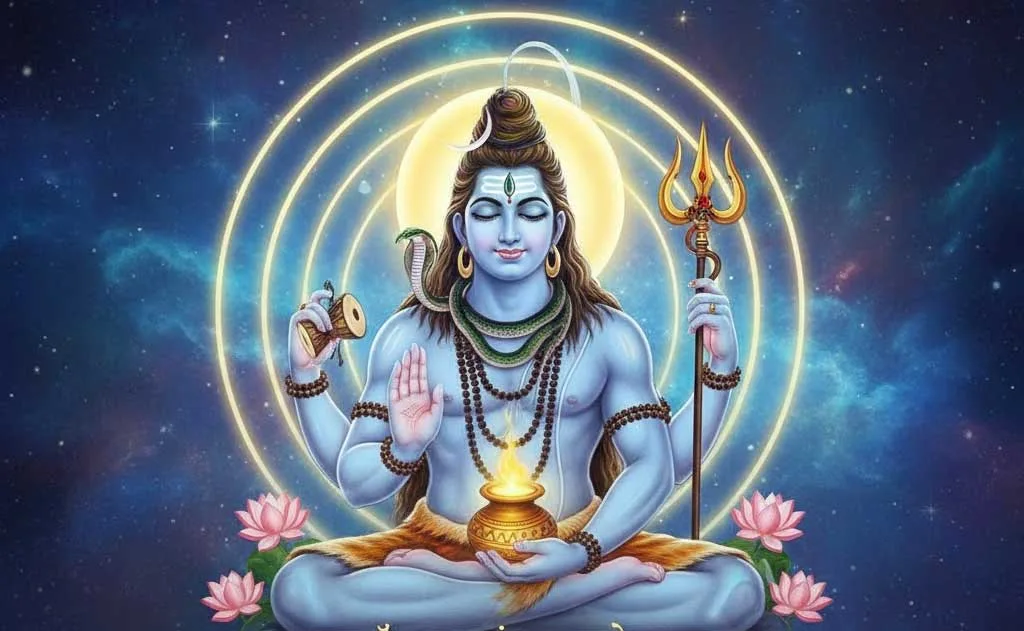
Mahamrityunjaya Mantra Meaning, Benefits & Chanting Rules
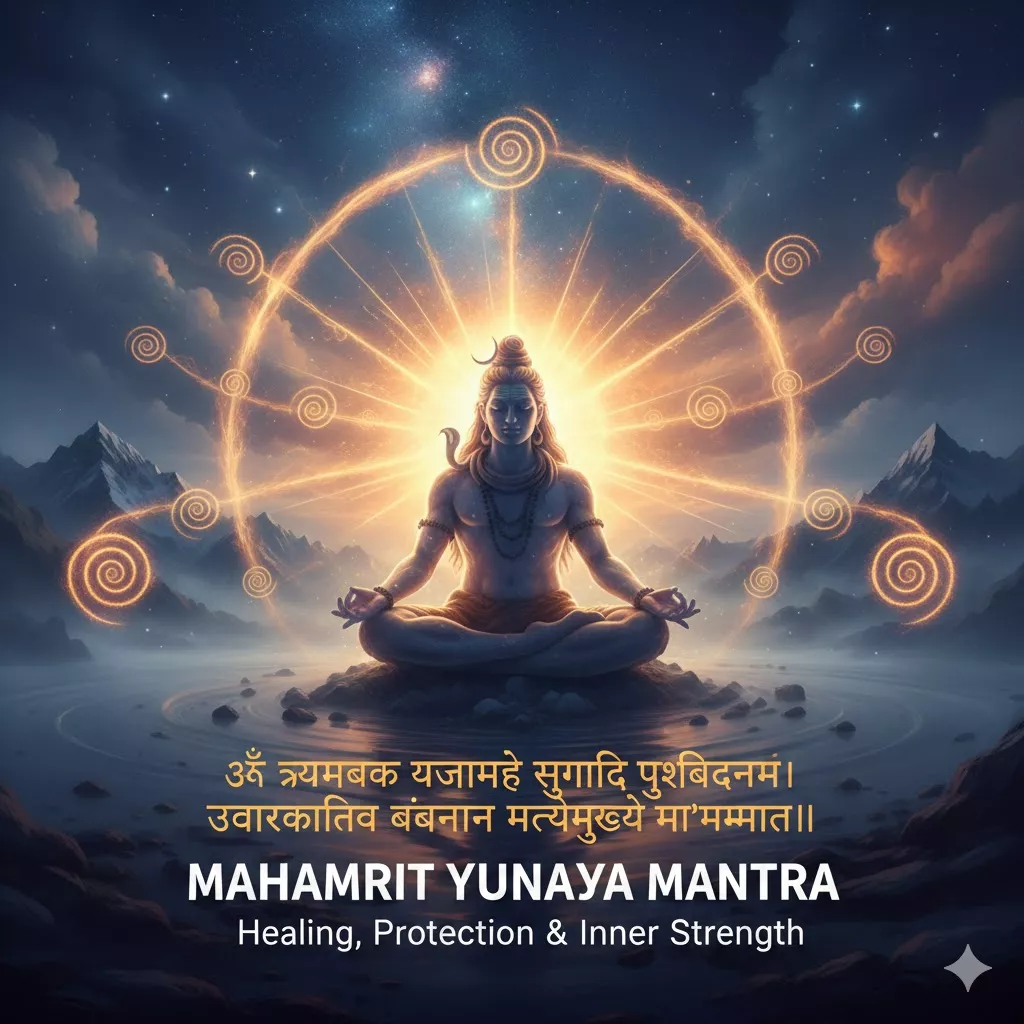
Mahamrityunjaya Mantra: Healing, Protection & Inner Strength
Maha Mrityunjaya Mantra for Hindus