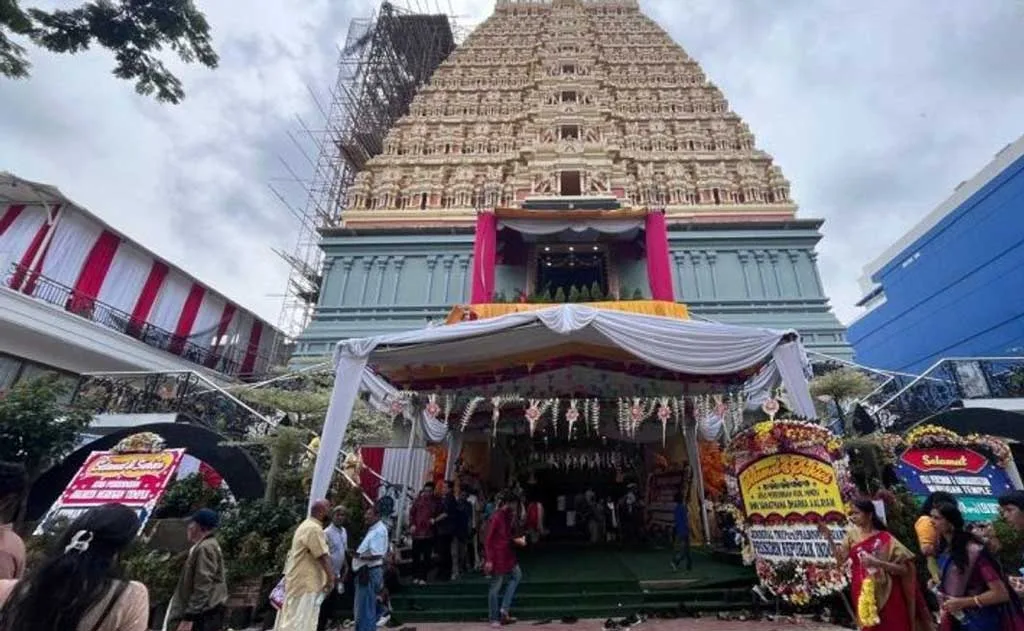
Tuesday Rituals in Hinduism: Must-Perform Mangalvar Puja, Vrats & Temples for NRIs Worldwide
Discover must-perform Tuesday (Mangalvar) rituals for Hindus and NRIs — Hanuman Chalisa, sindoor offering, Tuesday vrat, Mangal Dosha remedies and the best Hanuman & Murugan temples in India, USA, UK and Australia.
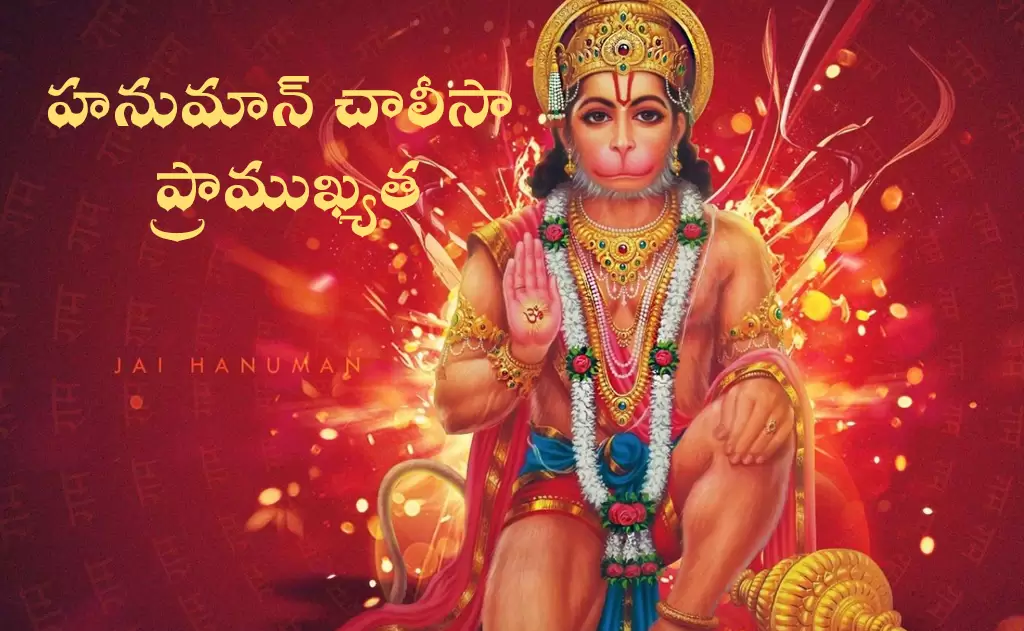
“Mangalam Bhagwan Vishnu, Mangalam Garuda Dhwajah | Mangalam Pundareekaksho, Mangalaya Tano Hari ||” — “Auspiciousness is Lord Vishnu, auspiciousness is He whose flag bears Garuda — may the lotus-eyed One bring complete auspiciousness.”
Introduction — Why Tuesday Is the Most Powerful Day of the Week for Hindus
In the Hindu Panchang, every day of the week (Vara) is governed by a specific planet, deity, colour and spiritual energy. Of all seven days, Mangalvar (Tuesday) stands apart as the day of raw power, divine protection, courage and karmic correction.
Named after Mangala — the Sanskrit name for the planet Mars (Kuja in South Indian tradition) — Tuesday is ruled by one of the most fierce and protective energies in Vedic astrology. It is the day of Lord Hanuman, Lord Kartikeya (Murugan), Lord Ganesha and Goddess Durga — all deities who embody strength, victory over obstacles and divine protection.
For NRIs (Non-Resident Indians) living in the USA, UK, Australia and across the globe, maintaining Tuesday rituals is one of the most practical, deeply meaningful ways to stay connected to Hindu dharma — without elaborate preparations, a specific festival or even a temple nearby. Tuesday rituals can be performed at home, in office prayer corners, or at any nearby Hindu temple.
Why Is Tuesday Called Mangalvar? — The Vedic Science
- Sanskrit name: Mangalvar (मंगलवार).
- Ruling planet: Mangala (Mars / Kuja).
- Ruling deities: Lord Hanuman, Lord Kartikeya, Lord Ganesha, Goddess Durga.
- Sacred colour: Red, orange, vermilion.
- Sacred number: 9.
- Sacred gemstone: Red Coral (Moonga).
- Sacred metal: Copper, gold.
- Sacred direction: South.
- Element: Fire (Agni).
- Body part governed: Blood, muscles, bone marrow, energy levels.
The word “Mangal” in Sanskrit means auspiciousness, welfare and goodness — directly opposite to its fierce planetary reputation in Western astrology. Vedic tradition teaches that the energy of Mars, properly honoured and channelled, does not destroy but purifies, protects and empowers.
In Vedic Jyotish, Mars governs
- Courage and willpower.
- Physical strength and vitality.
- Land and property.
- Siblings — especially younger brothers.
- Career in medicine, military, engineering, law enforcement.
- Legal victories and righteous conflict.
When Mars is strong and well-aspected it gives extraordinary drive and achievement. When afflicted it causes accidents, conflicts, blood-related disorders and property disputes. Tuesday rituals exist precisely to honour and balance this Martian energy — converting its aggression into auspiciousness.
The Spiritual Significance of Each Tuesday Deity
🐒 Lord Hanuman — The Primary Tuesday Deity
Of all deities worshipped on Tuesday, Lord Hanuman is the most universally revered — across North India, South India and the global Hindu diaspora. Hanuman embodies every quality that Tuesday’s Mars energy represents: unmatched physical strength, fearless courage, total devotion combined with fierce action, victory over evil forces and protection of devotees.
The Hanuman Chalisa — composed by Tulsidas — is most powerful when recited on Tuesdays. It is said that regular Tuesday recitation removes fear, dissolves obstacles, neutralises black magic and negative energies, and brings success to all righteous efforts.
🦚 Lord Kartikeya (Murugan) — South Indian Tuesday Deity
In South India — Tamil Nadu, Andhra Pradesh, Telangana, Karnataka, Kerala — Lord Kartikeya is the primary Tuesday deity. He is the commander-in-chief of the divine army who led the devas to victory over Tarakasura. His Tuesday worship is especially significant for young men and students seeking focus, those in competitive careers (medicine, law, military, sports), anyone seeking a spouse, and those with Mangal Dosha.
🐘 Lord Ganesha — The Obstacle-Removing Tuesday Blessing
Tuesday Ganesha puja — particularly in Maharashtra and Gujarat — targets Vigna Nashana (removal of obstacles), business and career hurdles, exam success and family harmony before any auspicious new venture.
🌺 Goddess Durga — The Tuesday Shakti
Goddess Durga’s fiercest and most protective energy is accessed on Tuesdays. Her prayers are particularly potent for women facing persecution or injustice, anyone seeking courage to face overwhelming challenges, protection from negative energies and enemies, and recovery from blood disorders or energy depletion.
Must-Perform Tuesday Rituals — Complete Step-by-Step Guide
🌅 Ritual 1: Brahma Muhurta Wake-Up and Prayer (4:00 AM – 6:00 AM)
- Wake before sunrise — Tuesday’s energy is strongest in the pre-dawn hours.
- Bathe with clean water — add a pinch of turmeric or holy ash (vibhuti) if available.
- Wear red or orange clothing — Mars’s sacred colours.
- Light a red diya (lamp) with ghee or sesame oil facing east.
- Place a red flower (hibiscus, rose or marigold) before Lord Hanuman’s image.
“Om Angarakaya Namah | Om Mangalaya Namah | Hanuman Chalisa Paath karunga, Sankat Nasho Hanuman.”
NRI tip: if 4 AM is not possible on a workday, perform this ritual at your earliest convenient morning time — even 6:30 AM. Sincerity counts more than the exact minute.
📿 Ritual 2: Hanuman Chalisa Recitation — The Core Tuesday Practice
The Hanuman Chalisa (40 verses by Tulsidas in Awadhi Hindi) is the single most powerful Tuesday practice available to any Hindu, anywhere in the world. It requires no special materials, no pandit, no elaborate setup — just you, the words, and sincere devotion.
- Sit facing east or north on a clean mat or cloth.
- Light a diya and incense (agarbatti) before Hanuman’s image.
- Offer red flowers.
- Recite the Hanuman Chalisa — ideally 3 times, or at minimum once.
- End with “Jai Jai Jai Hanuman Gosain, Kripa Karahu Gurudev Ki Nain.”
- Distribute prasadam (boondi or motichoor laddoo) to family.
Special Tuesday Hanuman Mantras
- Om Hanumate Namah — 108 times for general blessings and protection.
- Om Aim Hreem Hanumate Ramadutaya Namah — 21 times for fear and obstacle removal.
- Bajrang Baan — full text recitation for emergency protection.
- Om Anjaneyaya Vidmahe (Hanuman Gayatri) — 108 times for wisdom and strength.
NRI families increasingly make Tuesday Hanuman Chalisa a family event — children, parents and grandparents reciting together via video call.
🪔 Ritual 3: Red Sindoor and Lamp Offering (Sindoor Chadhana)
According to the Ramayana, Sita Devi applied sindoor to her head as a symbol of her devotion to Lord Rama’s long life. When Hanuman asked why, she explained its significance — and Hanuman immediately covered his entire body in sindoor to magnify the blessing for Lord Rama. From that moment, red sindoor became Hanuman’s sacred offering.
- Mix red sindoor with a few drops of mustard oil or ghee (Hanuman’s preferred offering).
- Apply gently to Hanuman’s image — forehead, chest and feet.
- Apply a small tilak of sindoor to your own forehead (especially important for men).
- Light a ghee lamp before the image.
- Offer red flowers and chant “Om Sri Hanumante Namah” 108 times.
- Pray specifically for what you seek — courage, protection, obstacle removal, Mangal Dosha relief.
🌿 Ritual 4: Tuesday Vrat (Fast) — Mangalvar Upvas
The Tuesday Vrat is one of the most widely observed weekly fasts — particularly by unmarried women seeking a good husband, married women for their husband’s health, and men dealing with legal, property or career obstacles.
Morning protocol
- Wake before sunrise, bathe, wear red.
- Light diya, offer sindoor and red flowers to Hanuman.
- Recite Hanuman Chalisa 3 times.
- Begin fast — no food, only water / coconut water.
Afternoon protocol
- Visit a Hanuman temple if possible.
- Offer prasadam (boondi, jaggery, red flowers).
- Stay for aarti.
Evening protocol
- Light evening diya at sunset.
- Recite Hanuman Chalisa or Tuesday Vrat Katha.
- Break fast with one sattvic meal (fruits, rice, vegetables without salt).
- Distribute prasadam to family and neighbours.
Duration: traditionally observed for 21 consecutive Tuesdays for maximum benefit. After completion, perform a small puja of gratitude (Udyapan).
🔴 Ritual 5: Red Colour Offerings and Donations (Mangal Daan)
Each planet is pacified by donations of its associated items. Mars (Mangal) is pleased by red items, copper and specific foods.
- Red lentils (masoor dal) — feed the poor or donate to a temple. Pacifies Mars; removes conflict.
- Red cloth / red dupatta — donate to a woman in need. Blesses relationships and marriage.
- Copper vessel of water — offer at a Hanuman temple. Removes property and land disputes.
- Jaggery and wheat — feed cows on Tuesday. Brings prosperity and health.
- Red flowers (108 hibiscus) — offer to Hanuman or Durga. Removes obstacles.
- Blood donation — the most powerful modern Mars daan. Mars governs blood; donating heals others while clearing your own karma.
NRI adaptations
- Donate to a food bank on Tuesday — direct modern equivalent of anna daan.
- Donate red items (clothing, blankets) to homeless shelters near your city.
- Sponsor a meal at your local Hindu temple’s community kitchen.
- Donate to a children’s hospital — Mars governs blood and vitality; healing children on Tuesdays is exceptionally meritorious.
🕉️ Ritual 6: Reciting Durga Saptashati / Devi Stuti (For Shakti Seekers)
For devotees of the Divine Feminine, Tuesday evening is the most powerful time to connect with Goddess Durga’s protective energy.
- Mahishasura Mardini Stotram — Durga’s victory over the buffalo demon — 18 verses of electrifying power.
- Durga Ashtottara Shatanamavali — 108 names of Goddess Durga.
- Devi Kavacham — the divine armour of the Goddess; protects from all negative forces.
- Ya Devi Sarva Bhuteshu — the universal Devi invocation from Durga Saptashati.
- Light a ghee lamp and red candle before Goddess Durga’s image.
- Offer red hibiscus, red cloth and kumkum.
- Recite chosen stotra with focus and feeling.
- End with “Om Dum Durgayai Namah” — 108 times.
- Distribute prasadam (fruits, especially pomegranate — Mars’s sacred fruit).
🌊 Ritual 7: Kartikeya / Murugan Puja (For South Indian Hindus)
For South Indian NRIs, Tuesday is primarily Murugan’s day. The Tuesday puja to Lord Kartikeya / Subramanya follows a specific protocol.
- Clean the puja space and set up Lord Murugan’s image with His vel (divine spear).
- Decorate with yellow and red flowers.
- Light camphor (karpoora aarti) — Murugan loves the flame.
- Recite Skanda Sashti Kavacham (6 verses) or Shanmukha Ashtottaram (108 names).
- Offer vibhuti and kumkum to the deity.
- Chant “Om Saravana Bhava” — 108 times.
- Receive vibhuti as prasadam — apply to forehead with devotion.
Tamil NRIs — the “Murugan Suprabhatam” and “Thiruppugal” hymns are ideal Tuesday morning recitations, available on YouTube in authentic temple recordings.
🌺 Ritual 8: Angaraka Yoga Puja (For Mangal Dosha Relief)
Mangal Dosha affects approximately half of all horoscopes — making this one of the most commonly needed astrological remedies for NRIs seeking marriage matches or experiencing relationship conflicts. Angaraka Yoga occurs when Tuesday coincides with Chaturthi Tithi (4th lunar day) — extraordinarily potent.
- Wake at Brahma Muhurta (pre-dawn).
- Bathe with water mixed with red sandalwood powder.
- Wear entirely red clothing.
- Offer 21 red hibiscus flowers to Lord Hanuman or Lord Ganesha.
- Light 9 ghee lamps (9 = Mars’s sacred number).
- Recite Mangal Chandika Stotra or Angaraka Stotram.
- Donate red masoor lentils wrapped in red cloth to a Brahmin or poor person.
- Consult a Jyotishi for personalised Mangal Dosha remedies.
“Dharani Garbha Sambhutam Vidyut Kanti Samaprabham | Kumaram Shakti Hastam Tam Mangalam Pranamamy Aham ||” — Born of the Earth’s womb, radiant as lightning, holding the spear of Shakti — I bow to Mangala.
What to AVOID on Tuesdays
- Cutting hair or nails — Mars governs blood and body; schedule haircuts on Wednesday or Friday.
- Eating non-vegetarian food — Mars’s energy is purified by sattvic diet; meat aggravates its aggression.
- Purchasing sharp instruments — Mars governs weapons and cutting implements; buy on Wednesday or Thursday.
- Starting new diplomatic ventures — Mars initiates conflict; better for beginnings needing strength than diplomatic new starts.
- Lending or borrowing money — Mars creates disputes around financial transactions; settle on Thursday (Jupiter’s day).
- Wearing black or dark grey — clashes with Mars’s fire energy; wear red, orange or white.
- Consuming alcohol — weakens Mars’s protective energy; observe complete abstinence on Tuesdays.
Tuesday Prasadam — Sacred Foods and Their Significance
- Boondi (sweet) — Hanuman’s favourite offering; distributed at Tuesday temples.
- Motichoor Laddoo — offered especially at major Hanuman temples on Tuesdays.
- Jaggery and wheat roti — strengthens physical vitality.
- Pomegranate — Goddess Durga’s sacred fruit; blood-red, seeds representing abundance.
- Coconut — Kartikeya offering; purity and divine blessings.
- Sesame seeds (til) — mixed with jaggery as til laddoo, offered to Hanuman.
- Panchamrit — milk, honey, ghee, curd, sugar; universal abhishek and prasadam.
NRI tip: Indian grocery stores across USA, UK and Australia (Patel Brothers, Apna Bazar, Spice Village) consistently stock boondi, motichoor laddoo and sesame items. Keep these at home for Tuesday offerings.
Best Hanuman Temples in India to Visit on Tuesdays
- Sankat Mochan Hanuman Temple — Varanasi: founded by Tulsidas himself. Tuesday darshan in Kashi carries both Hanuman’s blessings and Kashi’s liberation energy.
- Hanuman Garhi — Ayodhya: on a hillock in Lord Rama’s birthplace. Hanuman + Rama synergy makes Tuesday darshan exceptional.
- Mahavir Mandir — Patna, Bihar: one of the richest and most visited Hanuman temples in North India; free prasadam distribution on Tuesdays.
- Jakhu Temple (Hanuman) — Shimla: at 2,455 m atop Jakhu Hill — where Hanuman rested while fetching the Sanjeevani herb. The 33-metre statue is illuminated specially on Tuesdays.
- Salasar Balaji Temple — Rajasthan: self-manifested idol; millions visit annually especially on Tuesdays and Saturdays.
- Namakkal Anjaneyar Temple — Tamil Nadu: home to a 9-metre monolithic Hanuman statue; abhishekam with red flowers on Tuesdays.
Best Murugan / Kartikeya Temples for Tuesday Visits
- Palani Murugan Temple — Tamil Nadu: Tuesday morning Panchamrit abhishekam with 64 sacred substances is transformative.
- Thiruvannamalai — Arunachaleswarar Temple: the Murugan shrine within receives major Tuesday puja; Arunachala hill amplifies prayers exponentially.
- Skandagiri / Subramanya Temple — Karnataka: forested hillside ancient temple, popular for Tuesday visits among Kannadiga communities.
- Batu Caves Murugan Temple — Kuala Lumpur, Malaysia: giant golden Murugan statue and cave temple; ideal Tuesday darshan for Southeast Asia diaspora.
Tuesday Temples for NRIs — USA, UK & Australia
🇺🇸 United States
- Sri Venkateswara Temple, Pittsburgh PA — Tuesday puja programme with Hanuman shrine.
- HTGC Hanuman Mandir, Flushing NY — weekly Tuesday Hanuman Chalisa recitation open to all.
- Sri Siva Vishnu Temple, Lanham MD — Tuesday Abhishekam to Kartikeya.
- Meenakshi Temple, Pearland (Houston) TX — Tuesday Murugan puja for the South Indian community.
- Sri Ganesha Temple, Nashville TN — Tuesday Ganesha + Kartikeya puja.
- BAPS Akshardham, Robbinsville NJ — weekly Tuesday bhajan and puja.
- Murugan Temple of North America, Maryland — dedicated Kartikeya temple; Tuesday is the primary puja day.
NRI tip: most major Hindu temples in the USA hold Tuesday evening puja from 6:30–8:00 PM — perfectly timed for working NRIs.
🇬🇧 United Kingdom
- BAPS Mandir, Neasden London — weekly Tuesday puja at Europe’s largest Hindu temple.
- Shree Sanatan Mandir, Wembley & Leicester — Tuesday Hanuman aarti.
- Sri Murugan Temple, East Ham London — South Indian Tuesday Murugan puja.
- Shree Ram Mandir, Southall London — Tuesday Hanuman Chalisa community recitation.
- Shri Venkateswara (Balaji) Temple, Tividale Birmingham — Tuesday South Indian abhishekam.
- Shree Ganapathy Temple, Wimbledon London — Tuesday Ganesha puja for Sri Lankan and South Indian communities.
🇦🇺 Australia
- BAPS Mandir, Baulkham Hills Sydney — weekly Tuesday puja programme.
- Sri Venkateswara Temple, Helensburgh NSW — Tuesday Hanuman and Murugan shrines.
- Shri Shiva Vishnu Temple, Carrum Downs Melbourne — Tuesday South Indian community puja.
- Sri Karpaga Vinayakar Temple, Westmead Sydney — dedicated Vinayaka temple — Tuesday is a primary day.
- Sri Durga Temple, Brisbane — Tuesday Durga puja, powerful Shakti observance.
- Hindu Temple of WA, Kenwick Perth — Tuesday community puja with prasadam distribution.
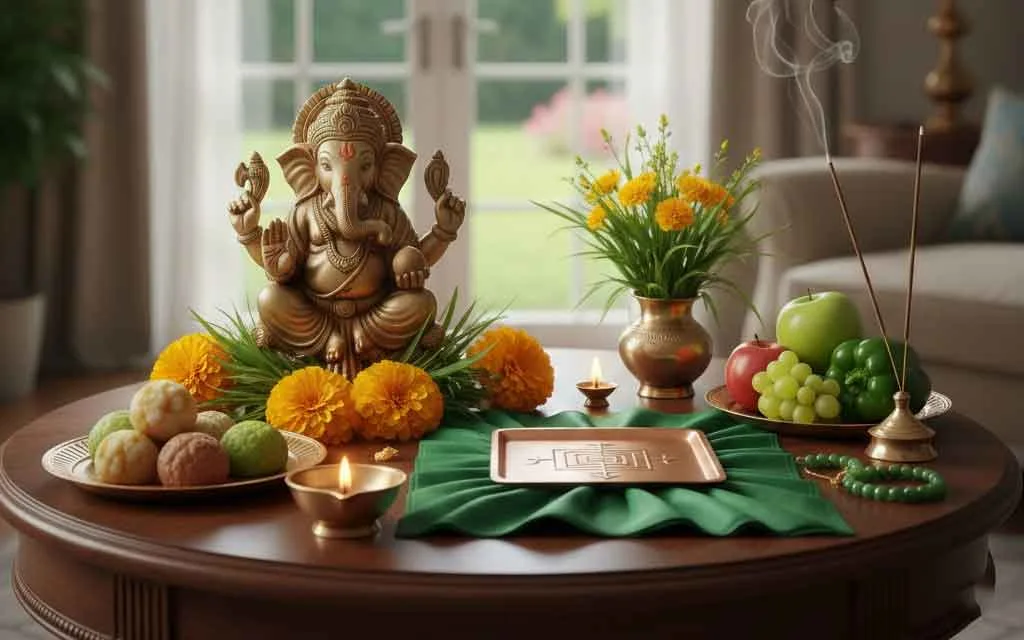
Simple Tuesday Home Puja Setup — for NRIs With Busy Lives
What you need (one-time setup)
- Image or murti of Lord Hanuman (red-coloured, or with sindoor).
- Small image of Lord Ganesha (for obstacle removal).
- Red cloth for the puja altar.
- Red diyas (3–5 ready).
- Ghee or mustard oil for lamps.
- Red sindoor mixed with mustard oil.
- Incense sticks (sandalwood or jasmine).
- Red flowers (artificial works if fresh unavailable).
- A small copper plate for offerings.
- Boondi or motichoor laddoo for prasadam.
30-minute Tuesday home puja schedule
- 6:00 AM — wake, bathe, wear red.
- 6:15 AM — set up diya, flowers, sindoor offering.
- 6:20 AM — recite Hanuman Chalisa once.
- 6:30 AM — chant “Om Hanumate Namah” × 108.
- 6:38 AM — offer prasadam, pray for specific blessings.
- 6:43 AM — family breakfast; distribute prasadam.
Tuesday Prayers for Specific Life Situations
💼 For career and job success
“Om Hanumate Namah | Rogam Nashaya Nashaya, Bhayam Nashaya Nashaya, Vignam Nashaya Nashaya | Sarva Karyam Siddha Kuru Kuru Swaha.” Offer red flowers and donate to a food bank on Tuesday.
💑 For marriage and Mangal Dosha relief
Observe 21 consecutive Tuesday fasts. Offer 21 red hibiscus to Hanuman. Chant “Om Kram Kreem Kraum Sah Bhaumaya Namah” — 108 times.
🏠 For property, home purchase, immigration visa
Offer copper vessel of water at a Hanuman temple. Donate red lentils. Chant “Om Angarakaya Namah” — 108 times before submitting any property or immigration paperwork.
👨👩👧 For children’s academic success and health
Light 9 ghee lamps for Hanuman on Tuesday. Offer sesame laddoo. Chant the Hanuman Gayatri: “Om Anjaneyaya Vidmahe, Vayuputraya Dhimahi, Tanno Hanumat Prachodayat.”
🛡️ For protection from enemies or negative energies
Recite Bajrang Baan in full on Tuesday evening. Apply Hanuman sindoor tilak on your forehead and door frame. Light a mustard-oil lamp at your home entrance.
💊 For health recovery (blood, muscles, energy)
Donate blood or sponsor blood donation. Offer red pomegranate to Hanuman. Chant “Om Hanumate Namah” 1,008 times across Tuesday (108 × 9 rounds throughout the day).
Conclusion — Make Every Tuesday Your Sacred Reset
In the rush of NRI life — navigating visa appointments, career pressures, raising children between cultures, missing family in India — Tuesday rituals offer something precious: a weekly anchor to the divine.
You do not need a temple every Tuesday. You do not need a pandit, elaborate rituals, or hours of free time. You need 15 minutes, a diya, a Hanuman Chalisa and a sincere heart — and the energy of Mangalvar will do the rest.
Hindu tradition is not a once-a-year festival system. It is a daily and weekly living practice — designed so the divine is woven into ordinary Tuesdays, not just extraordinary occasions. When you light a red diya on Tuesday morning before your morning coffee, when you play the Hanuman Chalisa during your commute, when you donate to a food bank on your lunch break — you are not doing something separate from your life. You are making your life a prayer.
That is the hidden power of Mangalvar.
🔱 Jai Bajrangbali · Jai Murugan · Jai Maa Durga · Om Mangalaya Namah 🙏
Also read: Durga Suktam with meaning.
Also read: Ram Raksha Stotram with meaning and Kalabhairava Ashtakam with meaning.
Also read: Bajrang Baan: full lyrics with meaning.
Also read: Subrahmanya Bhujangam with meaning.
Frequently Asked Questions (FAQ)
Why is Tuesday called Mangalvar in Hinduism?
Tuesday is governed by Mangala (Mars). “Mangal” means auspiciousness in Sanskrit. The day is associated with Lord Hanuman, Kartikeya and Goddess Durga — all deities connected to Mars energy of strength, courage and protection.
Which god is worshipped on Tuesday?
The primary deity is Lord Hanuman in North and Central India; Lord Kartikeya (Murugan / Subramanya) in South India. Goddess Durga and Lord Ganesha are also worshipped on Tuesdays in various traditions.
What is the significance of reciting Hanuman Chalisa on Tuesday?
The Hanuman Chalisa is most potent on Tuesday — Hanuman’s primary day. Regular Tuesday recitation removes fear, dissolves obstacles, neutralises negative energies, brings career success and provides powerful protection. It is the single most accessible Tuesday practice.
Can NRIs observe Tuesday rituals outside India?
Absolutely. Tuesday rituals are designed for the home — needing only a Hanuman image, a diya, sindoor, red flowers and the Hanuman Chalisa. Major Hindu temples in USA, UK and Australia also offer Tuesday evening puja programmes.
What is Mangal Dosha and how does Tuesday puja help?
Mangal Dosha occurs when Mars is placed in the 1st, 2nd, 4th, 7th, 8th or 12th house of a person’s birth chart. It can cause delays in marriage and relationship conflicts. Twenty-one consecutive Tuesday fasts, offering red hibiscus to Hanuman and chanting Angaraka mantras are the most effective remedies.
What should I eat and avoid on Tuesday fast?
Consume fruits, milk and one sattvic meal in the evening (without salt in stricter tradition). Avoid meat, alcohol, garlic and onion. Break the fast with jaggery and wheat items or fruits.
Is Angaraka Yoga on Tuesday especially powerful?
Yes — Angaraka Yoga is when Tuesday falls on Chaturthi Tithi (4th lunar day). This rare combination supercharges all Tuesday rituals and is considered the most powerful day for Mangal Dosha remedies.
Which is the most powerful Hanuman temple to visit on Tuesday in India?
Sankat Mochan Hanuman Temple in Varanasi, Hanuman Garhi in Ayodhya and Salasar Balaji in Rajasthan are among the most powerful. For South India, Namakkal Anjaneyar Temple in Tamil Nadu is exceptional.
Disclaimer: regional variations in ritual practice exist across Hindu traditions and family lineages. Consult your family pandit or local temple priest for personalised guidance on rituals and remedies.
Share this with family and friends
Send it on WhatsApp, post it, or copy the link.
More from Hinduism
- AI and the Sanskrit Revival in 2026: Language Models, Manuscript OCR, Translation Tools and What AI Still Gets Wrong
- Can a Robot Perform Puja? Robot Aarti, AI in Rituals and What Hindu Tradition Says
- GitaGPT and AI Bhagavad Gita Chatbots: How Accurate Are They, and What Does Hindu Tradition Say?
- Robotic Elephants and AI in Hindu Temples: Kerala's Mechanical Tuskers, Tirumala's AI Command Centre and the Debate
- Quantum Computing Explained for Hindus: Qubits, Superposition and Entanglement, with Vedanta Analogies (Not Equivalences)
You might also like
Hanuman Worship on Saturday: Powerful Rituals & Remedies for Shani Dosha
Telugu Hanuman Jayanti 2026 Celebrations Today: Grand Festivities Across India & USA on May 12
Wednesday Rituals in Hinduism: Must-Perform Budhvar Puja, Vrats & Temples for Hindus in USA, UK, Canada, GCC, India & Australia