
Temples to Visit During Jyeshtha Masam 2026 for Divine Blessings — Complete Pilgrimage Guide
Discover the most sacred temples to visit during Jyeshtha Masam 2026 — Tirupati Balaji, Kashi Vishwanath, Meenakshi Amman, Jagannath Puri & more. Complete pilgrimage guide for India and Hindu diaspora in USA, UK and Australia.
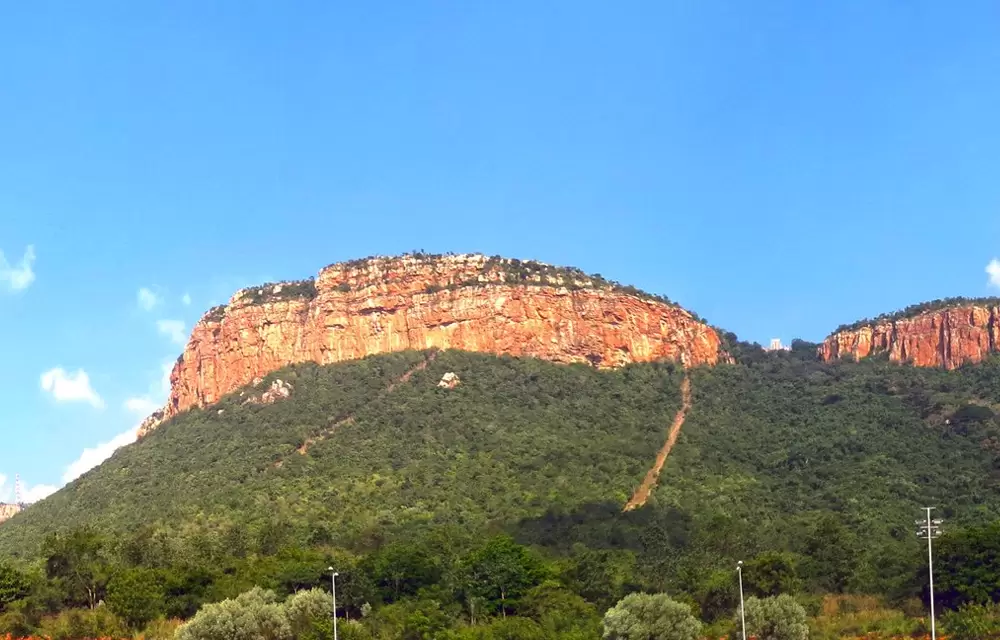
“Mandir mein jo shakti hai, woh kisi aur jagah nahin milti.” — “The divine energy found in a sacred temple cannot be found anywhere else.” — Ancient Sanskrit proverb.
Introduction — Why Jyeshtha Masam Is the Sacred Month of Temple Pilgrimage
Of all the months in the Hindu calendar, Jyeshtha Masam (जेष्ठ मास) — the third month of the Hindu lunar year, falling between May and June 2026 — holds a uniquely powerful place for spiritual seekers, pilgrims and devoted Hindus worldwide. The very name “Jyeshtha” means “the eldest” or “the greatest” in Sanskrit — and this month lives up to that name in every spiritual dimension. It is the month of:
- 🌿 Vat Savitri Vrat / Vat Purnima — the sacred fast of devoted wives.
- 🌕 Nirjala Ekadashi — the most powerful Ekadashi of the entire year.
- 🔱 Shani Jayanti — the birthday of Lord Shani (Saturn).
- 🙏 Ganga Dussehra — the sacred descent of Goddess Ganga to Earth.
- 🪷 Jyeshtha Abhishekam — special abhishekam rituals at major Vishnu temples.
Ancient Hindu scriptures — particularly the Skanda Purana and Padma Purana — declare that visiting sacred temples during Jyeshtha yields exponentially multiplied punya (spiritual merit). A temple visit during ordinary months brings blessings; a temple visit during Jyeshtha brings liberation.
Whether you are planning a pilgrimage from India or are a diaspora Hindu visiting from the USA, UK or Australia, this definitive guide identifies the most powerful temples to visit during Jyeshtha Masam 2026 — with full details on significance, best darshan timings and what to pray for at each sacred site.
Jyeshtha Masam 2026 — Key Dates at a Glance
- Jyeshtha Masam Begins — May 27, 2026 (auspicious start of the month).
- Nirjala Ekadashi — June 6, 2026 (most powerful Ekadashi — waterless fast).
- Ganga Dussehra — June 8, 2026 (Ganga descended to Earth — visit river temples).
- Vat Savitri Vrat (Amavasya) — June 10, 2026 (married women’s fast — North India).
- Shani Jayanti — June 11, 2026 (visit Shani temples; donate in black).
- Vat Purnima — June 25, 2026 (Maharashtra / Gujarat Savitri Vrat).
- Snana Purnima at Jagannath Puri — June 25, 2026 (sacred bathing of the Lord).
- Jyeshtha Masam Ends — June 25, 2026 (final day — offer gratitude at your local temple).
Diaspora tip: confirm dates with Drik Panchang or your local temple calendar converted to your time zone (USA EDT / UK BST / Australia AEST).
Why Temple Visits During Jyeshtha Are Especially Powerful
“Jyeshtha mase tu yo gacchhet tirtham snaanam samaacharet | Sarva paapa vinirmuktah Vishnu lokaṁ sa gachchhati ||” — One who visits a sacred tirtha and bathes during Jyeshtha is freed of all sins and attains the realm of Lord Vishnu. (Skanda Purana)
- Solar Intensity (Agni Tattva) — the Sun is at maximum strength, entering Mithuna (Gemini). Solar energy activates the consciousness embedded in murti-consecrated temples.
- Ganga Dussehra Energy — the entire month carries the purifying vibration of Ganga’s descent.
- Completion of Spring Festivals — Jyeshtha follows Ugadi, Ram Navami, Akshaya Tritiya — the sacred pause for consolidating blessings through pilgrimage before the monsoon festival season.
🏔️ 1. Tirupati Balaji Temple (Sri Venkateswara Temple) — Andhra Pradesh
- Deity: Lord Venkateswara (Balaji) — a form of Lord Vishnu.
- Location: Tirumala Hills, Tirupati, Andhra Pradesh.
- Altitude: 853 metres above sea level.
- Jyeshtha Significance: ⭐⭐⭐⭐⭐ (highest).
Why Visit During Jyeshtha Masam
Tirupati Balaji is not merely the richest temple in the world — it is the most visited place of worship on Earth, receiving 50,000–100,000 devotees daily. The Jyeshtha Nakshatra is directly connected to Lord Venkateswara’s cosmic identity. Ancient texts declare that prayers offered during this month reach Him with special directness — as if the cosmic channel is clearest. Brahmotsavam preparatory pujas intensify in Jyeshtha, filling the Tirumala hills with devotional energy of extraordinary power. And Nirjala Ekadashi (June 6, 2026) is celebrated at Tirupati with special Vishnu puja — making it one of the best Ekadashi destinations in India.
Sacred significance
Lord Venkateswara is believed to be Kaliyuga Pratyaksha Daivam — the most directly accessible deity in the current age. The temple treasury holds wealth accumulated over centuries — but more than material wealth, it holds the collective prayers of billions of devotees across thousands of years. Standing in that sanctum is to stand within a field of unimaginable devotional energy.
What to pray for at Tirupati during Jyeshtha
- Liberation from debt (the Lord is said to have taken a loan from Kubera — He understands financial burdens).
- Career breakthrough and professional elevation.
- Fulfilment of sincere vows and wishes.
- Children and family blessings (santāna).
- Gratitude darshan — simply to say thank you for blessings received.
Practical pilgrimage information
- Best darshan type: Special Entry Darshan (SED) — book online via the TTD website.
- Best time to visit: early morning (2 AM – 6 AM) — least crowded, most spiritually potent.
- Jyeshtha best days: Nirjala Ekadashi (June 6) and Vaikunta Ekadashi-overlap weeks.
- How to reach: Tirupati airport / railway station → TTD buses to Tirumala.
- Online booking: book.tirupatibalaji.ap.gov.in.
- Dress code: traditional attire — dhoti / kurta for men, saree / salwar for women.
Diaspora note: TTD offers a special NRI darshan quota — book well in advance for USA / UK / Australia visitors timing their India trip around Jyeshtha.
🔱 2. Kashi Vishwanath Temple — Varanasi, Uttar Pradesh
- Deity: Lord Shiva (Vishwanath — Lord of the Universe).
- Location: Varanasi (Kashi), Uttar Pradesh, on the Ganga.
- Jyeshtha significance: ⭐⭐⭐⭐⭐ (highest, especially for Ganga Dussehra).
Why visit during Jyeshtha Masam
Varanasi is the most sacred spot on Earth in Shaiva tradition — a place where moksha (liberation) is granted to all who die within its boundaries, regardless of caste, creed or past karma. During Jyeshtha, three events make Kashi’s spiritual voltage extraordinary: Ganga Dussehra (June 8) — Varanasi’s greatest day; Shani Jayanti (June 11) at the Sankat Mochan Shani Temple; and Nirjala Ekadashi (June 6) at the Bindu Madhav Vishnu shrine — making Varanasi the rare city where you can receive Shiva and Vishnu blessings on the most auspicious days of the month.
Sacred significance
The Kashi Vishwanath Jyotirlinga is one of the 12 Jyotirlingas — the most sacred manifestations of Lord Shiva. It is said that Shiva Himself resides permanently in Kashi — He never leaves. Even during the great dissolution (Pralaya), Kashi remains on the tip of Shiva’s trident, untouched. The recently rebuilt Kashi Vishwanath Corridor (2021) lets devotees walk seamlessly from the Ganga ghats to the Jyotirlinga.
The Ganga Aarti experience
Every evening at Dashashwamedh Ghat, seven priests simultaneously perform the legendary Ganga Aarti with massive brass lamps, conch shells, bells and chanting. During Jyeshtha — especially on Ganga Dussehra — this aarti reaches a scale and intensity that must be experienced to be understood.
What to pray for at Kashi Vishwanath during Jyeshtha
- Liberation from the cycle of birth and death (moksha).
- Relief from chronic illness — Kashi is the city of healing.
- Liberation of ancestors — Pind Daan on Manikarnika Ghat is supremely effective in Jyeshtha.
- Removal of obstacles — Shiva as Vishwanath dissolves all barriers.
- For those in Shani dasha — relief through Shiva’s protection.
Practical pilgrimage information
- Best darshan time: Mangala Aarti — 3 AM to 4 AM (most powerful).
- Ganga Dussehra darshan: arrive by 4 AM — expect massive crowds by 6 AM.
- How to reach: Varanasi Junction (railway) or Lal Bahadur Shastri Airport.
- Must-do ghats: Dashashwamedh, Manikarnika, Assi Ghat.
- Nearby temples: Sankat Mochan (Hanuman), Durga Temple at Durga Kund, Kaal Bhairav.
- Dress code: traditional attire mandatory inside the sanctum.
🌺 3. Meenakshi Amman Temple — Madurai, Tamil Nadu
- Deity: Goddess Meenakshi (Parvati) and Lord Sundareshwara (Shiva).
- Location: Madurai, Tamil Nadu.
- Jyeshtha significance: ⭐⭐⭐⭐⭐.
Why visit during Jyeshtha Masam
A 45-acre complex with 14 gopurams soaring up to 52 metres and over 33,000 sculpted figures — Meenakshi Amman is one of the oldest continuously active temples in the world. During Jyeshtha, the temple observes the Jyeshtha Abhishekam — a special monthly abhishekam to both Lord Sundareshwara and Goddess Meenakshi on the Jyeshtha Nakshatra day. For married women who have observed Vat Savitri Vrat, combining it with a Meenakshi darshan in Jyeshtha creates a powerful spiritual circuit — Savitri prayed for her husband’s life; Meenakshi herself is the goddess of marital power and divine feminine sovereignty.
Sacred significance
According to Tamil Shaiva tradition, Madurai itself is Meenakshi’s city — she rules it; the temple is her palace. Mythology describes her as a warrior queen who conquered the three worlds and then surrendered her sovereignty when she met Lord Shiva as Sundareshwara. Their divine wedding (Tirukalyanam) is celebrated annually as one of the great festival spectacles of South India.
What to pray for at Meenakshi during Jyeshtha
- Marital harmony and relationship blessings.
- Courage and confidence for women navigating challenges.
- Children and family prosperity.
- Victory over enemies and obstacles.
- Artistic gifts — Meenakshi blesses all creative endeavours.
Practical pilgrimage information
- Best darshan time: 5 AM – 7 AM (morning abhishekam hours).
- Special Jyeshtha ritual: Jyeshtha Nakshatra Abhishekam — confirm exact date with the temple.
- Must-see within temple: Hall of 1000 Pillars, Golden Lotus Tank, Ashta Shakti Mandapam.
- Evening event: Shiva’s idol is carried in procession to Meenakshi’s chamber every night.
- Dress code: traditional attire — lungi/dhoti for men, saree for women.
🪷 4. Jagannath Temple — Puri, Odisha
- Deity: Lord Jagannath (a form of Vishnu / Krishna).
- Location: Puri, Odisha — on the Bay of Bengal coast.
- Jyeshtha significance: ⭐⭐⭐⭐⭐ (Snana Purnima falls in Jyeshtha).
Why visit during Jyeshtha Masam
Snana Purnima (Deba Snana Purnima) — the sacred bathing festival of Lord Jagannath — falls on Jyeshtha Purnima (June 25, 2026). Lord Jagannath, Balabhadra and Devi Subhadra are brought out of the sanctum and placed on the Snana Vedi where they are bathed with 108 pots of sacred water from the temple’s golden well, accompanied by Vedic hymns and 36 traditional musical instruments. After this elaborate bathing the deities are said to fall ill (from the exertion of the public darshan) and enter a 15-day Anavasara seclusion — a cosmic ritual of death, rest and rebirth.
Sacred significance
Jagannath Puri is one of the Char Dham — the four sacred pilgrimage sites every Hindu must visit (alongside Badrinath, Dwarka and Rameshwaram). Visiting Puri during Snana Purnima is considered equivalent to completing the entire Char Dham yatra. Lord Jagannath — with His distinctive wide eyes and unfinished wooden form — is one of Hinduism’s most democratic deities, worshipped equally across all communities.
What to pray for at Jagannath during Jyeshtha
- Fulfilment of life’s deepest desires (Jagannath is the wish-fulfiller).
- Spiritual progress and devotion.
- Family unity and collective blessings.
- Breaking of karmic cycles — Snana Purnima is particularly powerful for this.
Practical pilgrimage information
- Peak festival: Snana Purnima — June 25, 2026.
- Best darshan time: Mangala Alati — 5 AM (pre-dawn).
- How to reach: Puri railway station (connected to Bhubaneswar airport).
- Sacred beach: Puri beach — sea bathing on Snana Purnima is highly auspicious.
- Mahaprasad: cooked in 752 clay pots — a must-have prasadam experience.
- Note: non-Hindus are not permitted inside the main sanctum.
🌸 5. Somnath Temple — Saurashtra, Gujarat
- Deity: Lord Shiva (the first Jyotirlinga).
- Location: Prabhas Patan, Veraval, Saurashtra, Gujarat.
- Jyeshtha significance: ⭐⭐⭐⭐.
Why visit during Jyeshtha Masam
Somnath is the first and most ancient of the 12 Jyotirlingas — the primordial Shiva temple destroyed and rebuilt 17 times across history, each time rising with greater glory. It stands on the Arabian Sea coast where, ancient texts say, the Moon (Soma) himself built the original golden temple to seek Lord Shiva’s blessings when afflicted by a curse. The Moon bathed in the sacred Saraswati-Hiranya-Kapila confluence here and was restored to full radiance. During Jyeshtha — with both Shani Jayanti and Nirjala Ekadashi falling in the month — a Somnath visit combines the power of Shiva’s oldest Jyotirlinga with the month’s extraordinary spiritual intensity.
What to pray for at Somnath during Jyeshtha
- Healing from chronic illness and pain.
- Relief from Chandrama (Moon) afflictions — anxiety, mental distress.
- Spiritual strength and courage.
- Protection of the family.
Practical pilgrimage information
- Best darshan time: sunrise and sunset — the Jyotirlinga with the ocean backdrop is transcendent.
- Evening sound & light show: highly recommended — narrates Somnath’s history magnificently.
- How to reach: Veraval railway station → taxi to Somnath (7 km).
- Nearby: Triveni Sangam, Bhalka Tirth (where Krishna left Earth).
🌟 6. Badrinath Temple — Uttarakhand (Char Dham)
- Deity: Lord Badrinarayan (Vishnu).
- Location: Badrinath, Chamoli, Uttarakhand — altitude 3,133 m.
- Jyeshtha significance: ⭐⭐⭐⭐⭐.
Why visit during Jyeshtha Masam
Badrinath is one of the Char Dham, open only six months a year — May to November. Jyeshtha Masam is the very first full month of the temple’s annual opening, the most potent time to visit. Lord Badrinarayan is depicted in padmasana — the only standing Vishnu temple where the Lord is shown seated in yogic contemplation. He is Vishnu in His highest, most inward form — accessible to those willing to make the challenging Himalayan journey.
Sacred significance
“There are many holy places in heaven, on earth, and in the netherworld — but none equal Badrikashrama.” — Skanda Purana.
Badrinath is the only pilgrimage site simultaneously sacred to all four Shankaracharya Mathas — the seat of Advaita philosophy — making it universally revered across all Hindu traditions.
What to pray for at Badrinath during Jyeshtha
- Moksha (liberation) — Badrinath is associated with the grace of final liberation.
- Spiritual awakening and meditation breakthroughs.
- Higher knowledge and wisdom.
- Healing of deep ancestral karma.
Practical pilgrimage information
- Best visiting period: early June — before monsoon road restrictions.
- Key ritual: Tapt Kund bath (naturally hot sulphur spring) before darshan.
- How to reach: Rishikesh / Haridwar → Badrinath by road (~300 km via Joshimath).
- Helicopter option: available from Phata and Sersi helipads — book weeks in advance.
- Nearby: Mana Village (last Indian village before Tibet), Vyasa Guha, Bheem Pul.
- Altitude warning: acclimatise in Haridwar / Rishikesh for 2 days before ascending.
🔥 7. Kaal Bhairav Temple — Varanasi, Uttar Pradesh
- Deity: Lord Kaal Bhairav (a fierce form of Shiva — Kotwal of Kashi).
- Location: Kotwalpuri area, Varanasi.
- Jyeshtha significance: ⭐⭐⭐⭐.
Why visit during Jyeshtha Masam
If Kashi Vishwanath is the King of Kashi, Kaal Bhairav is its fierce uncorruptible Police Chief (Kotwal). Tradition holds that no soul passes through Kashi — in life or death — without his acknowledgement. During Jyeshtha, particularly around Shani Jayanti, Kaal Bhairav receives special worship; he is associated with Saturn — both represent time, karma and the stripping away of ego. A unique feature of the temple: the only prasadam offered is madira (liquor), poured as offering and returned as prasadam — one of Hinduism’s most philosophically deep rituals, representing the dissolution of intoxication itself.
What to pray for at Kaal Bhairav during Jyeshtha
- Relief from Shani dasha or Sade Sati effects.
- Removal of legal or bureaucratic obstacles.
- Protection from enemies.
- Courage to face truth and reality.
🌊 8. Rameshwaram Temple — Tamil Nadu (Char Dham)
- Deity: Lord Ramanathaswamy (Shiva, worshipped by Lord Rama).
- Location: Rameswaram Island, Tamil Nadu — south-eastern tip of India.
- Jyeshtha significance: ⭐⭐⭐⭐.
Why visit during Jyeshtha Masam
Rameshwaram is simultaneously one of the 12 Jyotirlingas (as Ramanathaswamy) AND one of the Char Dham — making it one of the rarest and most powerful temples in India. During Jyeshtha — particularly around Ganga Dussehra — the 22 sacred wells (theerthams) within the temple complex are at their most potent. Devotees bathe in all 22 before proceeding to the Jyotirlinga — a purification ritual that washes away accumulated karma with extraordinary completeness. The Agni Theertham (the sea beach where Ram’s army built the bridge to Lanka) is particularly sacred during Jyeshtha’s solar peak.
What to pray for at Rameshwaram during Jyeshtha
- Ancestral liberation — Pind Daan on Agni Theertham beach.
- Relief from Pitru Dosha (ancestral curse).
- Forgiveness and spiritual renewal.
- Long-distance blessings for family members.
🗺️ Suggested Jyeshtha Masam Pilgrimage Itineraries
North India Sacred Circuit (10 days)
- Day 1–3: Varanasi (Kashi Vishwanath + Kaal Bhairav + Ganga Aarti + Ganga Dussehra).
- Day 4–5: Prayagraj (Triveni Sangam, Hanuman Mandir).
- Day 6–8: Badrinath / Rishikesh (Jyeshtha opening blessings).
- Day 9–10: Ayodhya (Ram Janmabhoomi).
Best days: arrive Varanasi by June 7 for Ganga Dussehra (June 8) and Nirjala Ekadashi (June 6).
South India Sacred Circuit (8 days)
- Day 1–2: Tirupati Balaji (Nirjala Ekadashi darshan — June 6).
- Day 3–4: Rameshwaram (ancestral rites + Jyotirlinga darshan).
- Day 5–6: Madurai Meenakshi Amman.
- Day 7–8: Rameswaram → Kanyakumari (Bhagavati Amman Temple).
West India Sacred Circuit (6 days)
- Day 1–2: Somnath Jyotirlinga (Saurashtra, Gujarat).
- Day 3: Dwarka (Dwarkadhish Temple — 4th Char Dham).
- Day 4–5: Shirdi (Sai Baba Samadhi Mandir).
- Day 6: Nashik (Trimbakeshwar Jyotirlinga).
Single-day pilgrimage (for diaspora visitors with limited time)
Choose ONE major temple in the city closest to your relatives in India. Arrive by 4 AM for Mangala Aarti. Observe a fast that day. Donate to the temple’s annadanam programme. One sincere, focused darshan during Jyeshtha is worth more than a hundred casual visits in ordinary months.
🌍 For Diaspora Hindus — Major Temples Observing Jyeshtha 2026 Programmes
🇺🇸 United States
- Sri Venkateswara Temple, Pittsburgh PA — Brahmotsavam-style events in June.
- BAPS Akshardham Robbinsville NJ + Houston TX — Nirjala Ekadashi special puja.
- Sri Meenakshi Temple, Pearland TX — largest Meenakshi temple outside India.
- Sri Siva Vishnu Temple, Lanham MD — Jyeshtha Abhishekam programmes.
- Malibu Hindu Temple, California — monthly special darshans.
🇬🇧 United Kingdom
- BAPS Swaminarayan Mandir, Neasden — Europe’s largest Hindu temple — special June events.
- Shree Sanatan Mandir, Wembley — Jyeshtha festivals with full puja.
- Sri Murugan Temple, East Ham — special abhishekams in June.
- Bhaktivedanta Manor (ISKCON), Watford — Nirjala Ekadashi observance.
🇦🇺 Australia
- Sri Venkateswara Temple, Helensburgh NSW — major South Indian temple — Jyeshtha abhishekams.
- Shri Shiva Vishnu Temple, Carrum Downs Melbourne — community Jyeshtha programmes.
- Sri Karpaga Vinayakar Temple, Westmead Sydney — Vinayaka and Murugan abhishekams in June.
Spiritual Preparation — How to Maximise Your Temple Visit
Three days before your visit
- Begin a sattvic diet (no meat, alcohol, garlic or onion).
- Sleep early; wake before sunrise for meditation.
- Read about the deity whose darshan you seek.
Day of temple visit
- Wake at Brahma Muhurta (1.5 hours before sunrise).
- Bathe with clean water; some add a pinch of turmeric or sesame.
- Wear traditional, clean clothes — white, yellow or red are auspicious.
- Fast if possible — even partial fasting (fruits only until darshan) multiplies merit.
- Carry: flowers (lotus / marigold), coconut, camphor, incense, dakshina.
During darshan
- Approach the sanctum slowly, mindfully — feel the shift in energy.
- Spend at least 5–10 minutes in concentrated prayer before the murti.
- Offer specific prayers clearly with full feeling.
- Stay for the aarti — collective devotional energy is transformative.
- Receive prasadam with both hands and with gratitude.
After darshan
- Sit quietly near the temple for 10–15 minutes — let the divine energy settle.
- Perform pradakshina (clockwise circumambulation) of the main sanctum.
- Give dakshina to the temple’s annadanam or charity fund.
- Observe silence on the return journey — protect the sanctity of the experience.
Five Most Powerful Mantras to Chant at Temples During Jyeshtha
- Tirupati Balaji — “Om Namo Venkatesaya” (108 times).
- Kashi Vishwanath — “Om Namah Shivaya” (108 times).
- Meenakshi Amman — “Om Aim Hreem Shreem Meenakshi Devyai Namaha” (108 times).
- Jagannath Puri — “Om Namo Bhagavate Vasudevaya” (108 times).
- Badrinath — “Om Badri Vishalaya Namah” (108 times).
Conclusion — Let Jyeshtha Masam Be Your Month of Divine Connection
In our fast-paced, screen-saturated world, there is something profoundly radical about making a physical journey to a sacred place — about standing barefoot on ancient stone floors, breathing incense-laden air, looking into eyes carved in stone that seem to look back. This is what temple pilgrimage does. It does not merely give you a blessing — it changes you.
Jyeshtha Masam 2026 offers a rare window: an entire month in which the cosmic conditions are aligned to make that divine encounter easier, more vivid, and more transformative than at almost any other time of year. Whether you travel to Tirupati’s mist-wrapped hills, stand at Kashi Vishwanath’s ancient Jyotirlinga, witness Jagannath’s divine bathing on Snana Purnima, or simply visit your nearest temple with renewed sincerity — let this Jyeshtha be the month you make contact. Let it be the month you come home.
🛕 Om Namo Narayanaya · Om Namah Shivaya · Jai Jagannath · Har Har Mahadev 🙏
Frequently Asked Questions (FAQ)
What is Jyeshtha Masam and when does it fall in 2026?
Jyeshtha Masam is the third month of the Hindu lunar calendar, falling between May and June. In 2026 it runs from approximately May 27 to June 25 — one of the most spiritually potent months in the calendar.
Why is visiting temples during Jyeshtha Masam especially auspicious?
Per the Skanda Purana and Padma Purana, temple visits during Jyeshtha yield multiplied spiritual merit due to peak solar energy, Ganga Dussehra vibrations and powerful festival tithis (Nirjala Ekadashi, Shani Jayanti, Snana Purnima) all within the same month.
Which is the best temple to visit during Jyeshtha Masam?
Each major temple has unique Jyeshtha significance. Kashi Vishwanath + the Ganga ghats are unparalleled for Ganga Dussehra. Tirupati Balaji is best for Nirjala Ekadashi. Jagannath Puri is exceptional for Snana Purnima (Jyeshtha Purnima). Badrinath is ideal for first-opening Himalayan darshan.
Can diaspora Hindus in USA, UK and Australia observe Jyeshtha temple visits?
Yes — major Hindu temples in all three countries observe special Jyeshtha programmes including Nirjala Ekadashi puja, Shani Jayanti events and Vat Purnima celebrations. BAPS, ISKCON and South Indian temples participate actively.
What is Snana Purnima at Jagannath Puri?
Snana Purnima (Deba Snana Purnima) falls on Jyeshtha Purnima (June 25, 2026). Lord Jagannath, Balabhadra and Subhadra are bathed with 108 pots of sacred water — one of the most extraordinary ritual events in the Hindu calendar.
What is the significance of Ganga Dussehra during Jyeshtha?
Ganga Dussehra (June 8, 2026) marks the day Ganga descended from heaven to Earth. Bathing in the Ganga and visiting Kashi Vishwanath on this day is said to wash away the sins of ten lifetimes per the Skanda Purana.
What should I wear and carry to a temple during Jyeshtha Masam?
Traditional clean attire — saree or salwar for women, dhoti or kurta-pyjama for men. Carry flowers (marigold or lotus), coconut, camphor, incense, and a dakshina. White, yellow and red are auspicious colours for Jyeshtha.
Is Badrinath accessible during Jyeshtha Masam?
Yes — Jyeshtha coincides with the first full open month of Badrinath. Early June is ideal before monsoon road restrictions. Book helicopter services well in advance.
Disclaimer: temple timings, festival dates and travel information are subject to change. Always verify with the official temple authorities and your local Panchang. Dates above are approximate IST — confirm with Drik Panchang for exact local conversions.
🪷 New on HinduTone: Hindu Festival Calendar 2026–2027 — Full Year Pillar — verified Drik Panchang dates, full vidhi and NRI-friendly notes.
🪷 New on HinduTone: 12 Jyotirlinga Yatra 2026 — Complete Pilgrimage Guide — verified Drik Panchang dates, full vidhi and NRI-friendly notes.
Share this with family and friends
Send it on WhatsApp, post it, or copy the link.
More from Temples
- Famous Temples in Uttarakhand: A Source-Checked Guide to Kedarnath, Badrinath, Tungnath, Haridwar, Almora and More
- Famous Temples in Odisha: A Source-Checked Guide to Puri, Bhubaneswar, Biraja, Tara Tarini and Western Odisha
- Famous Temples in West Bengal: A Source-Checked Guide to Kalighat, Dakshineswar, Tarapith, Bansberia, Bishnupur and More
- Famous Temples in Uttar Pradesh: A Source-Checked Guide to Kashi, Ayodhya, Mathura-Vrindavan, Gorakhpur and Kanpur
- Famous Temples in Gujarat: A Source-Checked Guide to Somnath, Dwarka, Dakor, Ambaji, Modhera and More
You might also like
12 Jyotirlingas of Lord Shiva: Complete Darshan Guide, Pilgrimage Circuits & NRI Travel Tips
Tirumala Tirupati Calendar June 2026: Complete Day-Wise Darshan Timings, Special Sevas & Key Dates

Jyeshtha Masam 2026: Start Date, End Date, Complete Festivals List & Important Dates