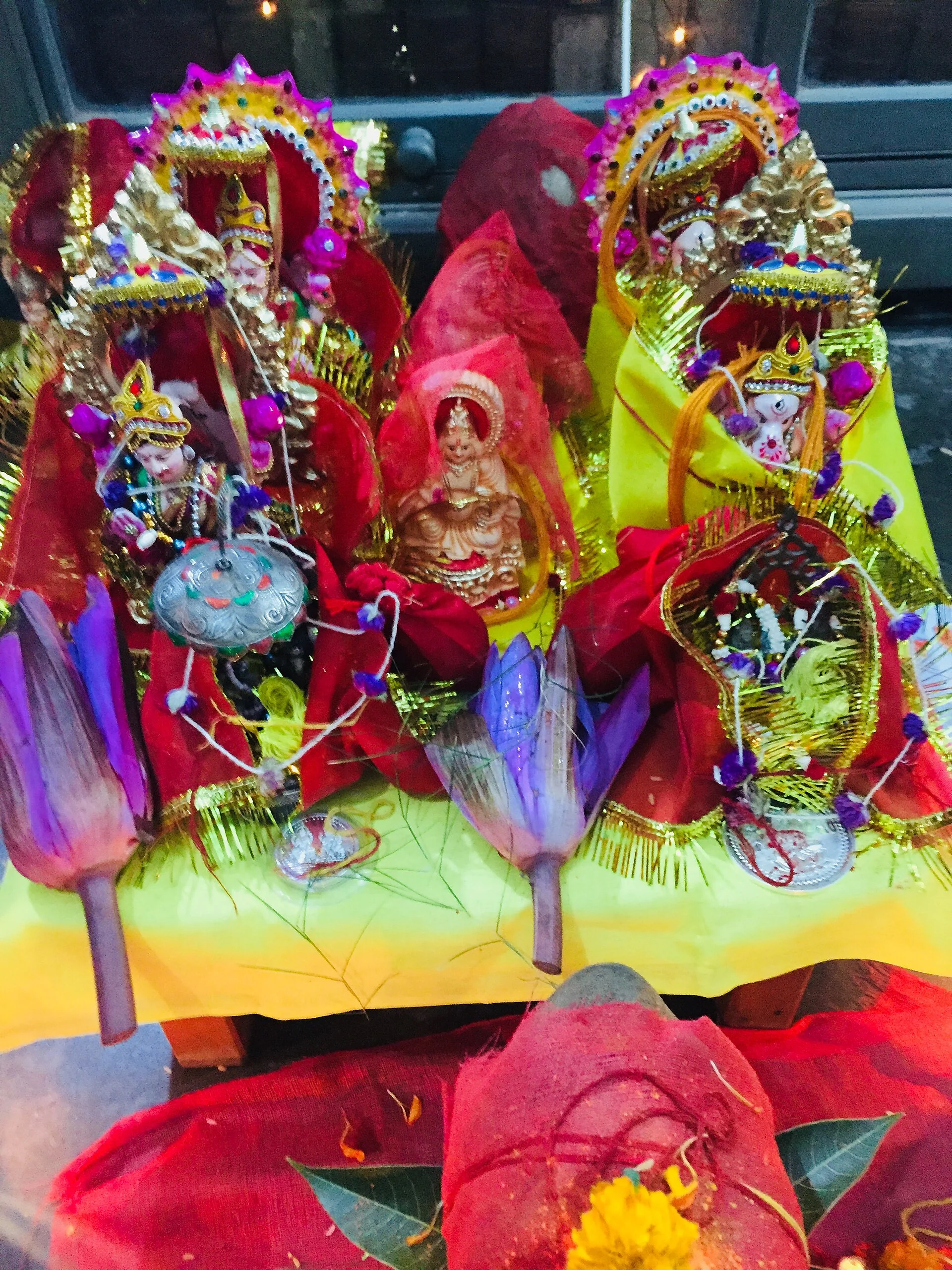
Krishna Chalisa Lyrics in Hindi with Meaning: Banshi Shobhit Kar Madhur
The Krishna Chalisa paints Lord Krishna's beauty and retells his leelas, from lifting Govardhan to saving Draupadi, in simple Hindi verse. Here is the full text with transliteration, a plain-English meaning of every doha and chaupai, and gentle guidance for Janmashtami, Ekadashi and daily recitation.
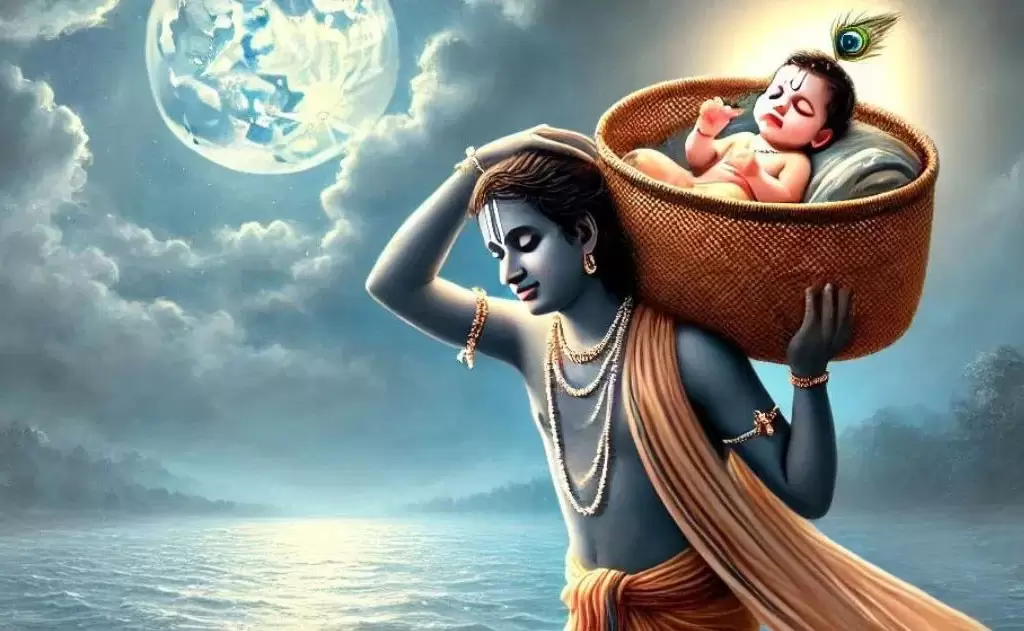
The Krishna Chalisa paints Lord Krishna's beauty and retells his leelas, from lifting Govardhan to saving Draupadi, in simple Hindi verse. Here is the full text with transliteration, a plain-English meaning of every doha and chaupai, and gentle guidance for Janmashtami, Ekadashi and daily recitation.
Quick answer: The Krishna Chalisa is a Hindi devotional hymn of about forty verses to Lord Krishna that begins "Banshi shobhit kar madhur". It opens with two dohas describing Krishna's beauty, continues with forty chaupais that recall his leelas, from lifting Govardhan to saving Draupadi, and ends with a closing doha. As traditionally attributed, it was composed by the poet Sundardas, whose name appears in the text. Devotees read it on Janmashtami, on Ekadashi and as a daily prayer. A full reading takes about ten minutes.
This guide has been restored at its original hindutone.com address. It gives the complete text in Devanagari and transliteration, a plain-English meaning after every verse, the stories behind the verses, and simple guidance on how and when to recite.
Krishna Chalisa lyrics in Hindi with meaning
The text follows the Hindi edition on sanskritdocuments.org. Each verse is shown in Devanagari, then in transliteration, then in simple English. The meanings stay close to the Hindi and Braj words but are not word-for-word. The Krishna Chalisa is usually followed by any Krishna aarti the family sings, such as "Aarti Kunj Bihari Ki"; no aarti is printed with this text, so none is given here.
Opening dohas
बंशी शोभित कर मधुर, नील जलद तन श्याम ।
अरुण अधर जनु बिम्बफल, नयन कमल अभिराम ॥
baṃśī śobhita kara madhura, nīla jalada tana śyāma |
aruṇa adhara janu bimbaphala, nayana kamala abhirāma ||
Doha 1 meaning: A sweet flute adorns his hand, and his body is dark like a blue rain cloud. His red lips are like the bimba fruit, and his lotus eyes are a delight to behold.
पूर्ण इन्द्र, अरविन्द मुख, पीताम्बर शुभ साज ।
जय मनमोहन मदन छवि, कृष्णचन्द्र महाराज ॥
pūrṇa indra, aravinda mukha, pītāmbara śubha sāja |
jaya manamohana madana chavi, kṛṣṇacandra mahārāja ||
Doha 2 meaning: His lotus face is like the full moon, and he is beautifully dressed in yellow silk. Victory to the enchanter of hearts, whose beauty outshines Kamadeva, to Krishnachandra the King.
Chaupais 1 to 11: the beauty of Krishna
जय यदुनंदन जय जगवंदन ।
जय वसुदेव देवकी नन्दन ॥
jaya yadunaṃdana jaya jagavaṃdana |
jaya vasudeva devakī nandana ||
Chaupai 1 meaning: Victory to the joy of the Yadus, worshipped by the world; victory to the son of Vasudeva and Devaki.
जय यशुदा सुत नन्द दुलारे ।
जय प्रभु भक्तन के दृग तारे ॥
jaya yaśudā suta nanda dulāre |
jaya prabhu bhaktana ke dṛga tāre ||
Chaupai 2 meaning: Victory to Yashoda's son and Nanda's darling; victory to the Lord, the apple of his devotees' eyes.
जय नट-नागर, नाग नथैया ।
कृष्ण कन्हैया धेनु चरैया ॥
jaya naṭa-nāgara, nāga nathaiyā |
kṛṣṇa kanhaiyā dhenu caraiyā ||
Chaupai 3 meaning: Victory to the master dancer who tamed the serpent, Krishna Kanhaiya, the cowherd who grazes the cows.
पुनि नख पर प्रभु गिरिवर धारो ।
आओ दीनन कष्ट निवारो ॥
puni nakha para prabhu girivara dhāro |
āo dīnana kaṣṭa nivāro ||
Chaupai 4 meaning: Lord, lift the great mountain on your fingernail once more; come and take away the sorrows of the humble.
वंशी मधुर अधर धरि टेरौ ।
होवे पूर्ण विनय यह मेरौ ॥
vaṃśī madhura adhara dhari ṭerau |
hove pūrṇa vinaya yaha merau ||
Chaupai 5 meaning: Place the sweet flute to your lips and call out, so that this prayer of mine is fulfilled.
आओ हरि पुनि माखन चाखो ।
आज लाज भारत की राखो ॥
āo hari puni mākhana cākho |
āja lāja bhārata kī rākho ||
Chaupai 6 meaning: Come again, Hari, and taste the butter; protect the honour of Bharat today.
गोल कपोल, चिबुक अरुणारे ।
मृदु मुस्कान मोहिनी डारे ॥
gola kapola, cibuka aruṇāre |
mṛdu muskāna mohinī ḍāre ||
Chaupai 7 meaning: Round cheeks and a rosy chin, and your gentle smile casts an enchanting spell.
राजित राजिव नयन विशाला ।
मोर मुकुट वैजन्तीमाला ॥
rājita rājiva nayana viśālā |
mora mukuṭa vaijantīmālā ||
Chaupai 8 meaning: Your large lotus eyes shine, with a crown of peacock feathers and the Vaijayanti garland.
कुंडल श्रवण, पीत पट आछे ।
कटि किंकिणी काछनी काछे ॥
kuṃḍala śravaṇa, pīta paṭa āche |
kaṭi kiṃkiṇī kāchanī kāche ||
Chaupai 9 meaning: Earrings in your ears and fine yellow cloth, a belt of tiny bells at your waist and a neatly tied waistcloth.
नील जलज सुन्दर तनु सोहे ।
छबि लखि, सुर नर मुनिमन मोहे ॥
nīla jalaja sundara tanu sohe |
chabi lakhi, sura nara munimana mohe ||
Chaupai 10 meaning: Your beautiful body glows like a blue lotus; seeing your beauty, gods, humans and sages are enchanted.
मस्तक तिलक, अलक घुंघराले ।
आओ कृष्ण बांसुरी वाले ॥
mastaka tilaka, alaka ghuṃgharāle |
āo kṛṣṇa bāṃsurī vāle ||
Chaupai 11 meaning: A tilak on your forehead and curling locks of hair: come, Krishna, the flute player.
Chaupais 12 to 20: the leelas of Braj
करि पय पान, पूतनहि तार्यो ।
अका बका कागासुर मार्यो ॥
kari paya pāna, pūtanahi tāryo |
akā bakā kāgāsura māryo ||
Chaupai 12 meaning: While drinking her milk you liberated Putana, and you slew Agha, Baka and the crow demon.
मधुवन जलत अगिन जब ज्वाला ।
भै शीतल लखतहिं नंदलाला ॥
madhuvana jalata agina jaba jvālā |
bhai śītala lakhatahiṃ naṃdalālā ||
Chaupai 13 meaning: When the forest of Madhuvan was ablaze with fire, it turned cool at the very glance of Nandalala.
सुरपति जब ब्रज चढ़्यो रिसाई ।
मूसर धार वारि वर्षाई ॥
surapati jaba braja car̤hyo risāī |
mūsara dhāra vāri varṣāī ||
Chaupai 14 meaning: When Indra, king of the gods, attacked Braj in anger, he poured down rain in torrents.
लगत लगत व्रज चहन बहायो ।
गोवर्धन नख धारि बचायो ॥
lagata lagata vraja cahana bahāyo |
govardhana nakha dhāri bacāyo ||
Chaupai 15 meaning: When Braj was about to be swept away, you saved it by holding up Govardhan on your fingernail.
लखि यसुदा मन भ्रम अधिकाई ।
मुख मंह चौदह भुवन दिखाई ॥
lakhi yasudā mana bhrama adhikāī |
mukha maṃha caudaha bhuvana dikhāī ||
Chaupai 16 meaning: When doubt grew in Yashoda's mind, you showed her the fourteen worlds inside your mouth.
दुष्ट कंस अति उधम मचायो ।
कोटि कमल जब फूल मंगायो ॥
duṣṭa kaṃsa ati udhama macāyo |
koṭi kamala jaba phūla maṃgāyo ||
Chaupai 17 meaning: Wicked Kamsa caused great trouble when he demanded ten million lotus flowers.
नाथि कालियहिं तब तुम लीन्हें ।
चरण चिह्न दै निर्भय कीन्हें ॥
nāthi kāliyahiṃ taba tuma līnheṃ |
caraṇa cihna dai nirbhaya kīnheṃ ||
Chaupai 18 meaning: Then you subdued the serpent Kaliya, and giving him the mark of your feet, made him fearless.
करि गोपिन संग रास विलासा ।
सबकी पूरण करी अभिलाषा ॥
kari gopina saṃga rāsa vilāsā |
sabakī pūraṇa karī abhilāṣā ||
Chaupai 19 meaning: You played the Raas with the gopis and fulfilled the longing of every heart.
केतिक महा असुर संहार्यो ।
कंसहि केस पकिड़ दै मार्यो ॥
ketika mahā asura saṃhāryo |
kaṃsahi kesa pakir̤a dai māryo ||
Chaupai 20 meaning: You destroyed many mighty demons, and seized Kamsa by the hair and slew him.
Chaupais 21 to 30: Mathura, Dwarka and the Mahabharata
मात-पिता की बन्दि छुड़ाई ।
उग्रसेन कहँ राज दिलाई ॥
māta-pitā kī bandi chur̤āī |
ugrasena kaha~ rāja dilāī ||
Chaupai 21 meaning: You freed your mother and father from prison and gave the kingdom back to Ugrasena.
महि से मृतक छहों सुत लायो ।
मातु देवकी शोक मिटायो ॥
mahi se mṛtaka chahoṃ suta lāyo |
mātu devakī śoka miṭāyo ||
Chaupai 22 meaning: You brought back the six sons who had died, and ended mother Devaki's grief.
भौमासुर मुर दैत्य संहारी ।
लाये षट दश सहसकुमारी ॥
bhaumāsura mura daitya saṃhārī |
lāye ṣaṭa daśa sahasakumārī ||
Chaupai 23 meaning: You slew Bhaumasura and the demon Mura, and brought home the sixteen thousand princesses.
दै भीमहिं तृण चीर सहारा ।
जरासिंधु राक्षस कहँ मारा ॥
dai bhīmahiṃ tṛṇa cīra sahārā |
jarāsiṃdhu rākṣasa kaha~ mārā ||
Chaupai 24 meaning: Giving Bhima a sign by splitting a blade of grass, you had the demon Jarasandha killed.
असुर बकासुर आदिक मार्यो ।
भक्तन के तब कष्ट निवार्यो ॥
asura bakāsura ādika māryo |
bhaktana ke taba kaṣṭa nivāryo ||
Chaupai 25 meaning: You slew demons such as Bakasura and removed the troubles of your devotees.
दीन सुदामा के दुःख टार्यो ।
तंदुल तीन मूंठ मुख डार्यो ॥
dīna sudāmā ke duḥkha ṭāryo |
taṃdula tīna mūṃṭha mukha ḍāryo ||
Chaupai 26 meaning: You took away the sorrows of poor Sudama, eating three handfuls of his simple rice.
प्रेम के साग विदुर घर माँगे ।
दुर्योधन के मेवा त्यागे ॥
prema ke sāga vidura ghara mā~ge |
duryodhana ke mevā tyāge ||
Chaupai 27 meaning: At Vidura's house you asked for greens offered with love, and refused Duryodhana's rich delicacies.
लखी प्रेम की महिमा भारी ।
ऐसे श्याम दीन हितकारी ॥
lakhī prema kī mahimā bhārī |
aise śyāma dīna hitakārī ||
Chaupai 28 meaning: Seeing the great glory of love, such is Shyam, friend of the humble.
भारत के पारथ रथ हाँके ।
लिये चक्र कर नहिं बल थाके ॥
bhārata ke pāratha ratha hā~ke |
liye cakra kara nahiṃ bala thāke ||
Chaupai 29 meaning: In the Bharata war you drove Partha's chariot, and took up the discus in your hand, your strength never tiring.
निज गीता के ज्ञान सुनाए ।
भक्तन हृदय सुधा वर्षाए ॥
nija gītā ke jñāna sunāe |
bhaktana hṛdaya sudhā varṣāe ||
Chaupai 30 meaning: You gave the wisdom of your Gita, showering nectar into the hearts of devotees.
Chaupais 31 to 37: protector of his devotees
मीरा थी ऐसी मतवाली ।
विष पी गई बजाकर ताली ॥
mīrā thī aisī matavālī |
viṣa pī gaī bajākara tālī ||
Chaupai 31 meaning: Meera was so lost in love for you that she drank the poison clapping her hands.
राना भेजा साँप पिटारी ।
शालीग्राम बने बनवारी ॥
rānā bhejā sā~pa piṭārī |
śālīgrāma bane banavārī ||
Chaupai 32 meaning: The Rana sent a snake in a basket, and Banwari became a Shaligrama.
निज माया तुम विधिहिं दिखायो ।
उर ते संशय सकल मिटायो ॥
nija māyā tuma vidhihiṃ dikhāyo |
ura te saṃśaya sakala miṭāyo ||
Chaupai 33 meaning: You showed your maya to Brahma and removed every doubt from his heart.
तब शत निन्दा करि तत्काला ।
जीवन मुक्त भयो शिशुपाला ॥
taba śata nindā kari tatkālā |
jīvana mukta bhayo śiśupālā ||
Chaupai 34 meaning: Then, at once, after a hundred insults, Shishupala was set free.
जबहिं द्रौपदी टेर लगाई ।
दीनानाथ लाज अब जाई ॥
jabahiṃ draupadī ṭera lagāī |
dīnānātha lāja aba jāī ||
Chaupai 35 meaning: When Draupadi cried out, "Lord of the helpless, my honour is being lost,"
तुरतहि वसन बने नंदलाला ।
बढ़े चीर भै अरि मुंह काला ॥
turatahi vasana bane naṃdalālā |
bar̤he cīra bhai ari muṃha kālā ||
Chaupai 36 meaning: at once Nandalala became her garment; the cloth grew longer and longer and the wrongdoers were shamed.
अस अनाथ के नाथ कन्हैया ।
डूबत भंवर बचावै नैया ॥
asa anātha ke nātha kanhaiyā |
ḍūbata bhaṃvara bacāvai naiyā ||
Chaupai 37 meaning: Such is Kanhaiya, protector of those who have no protector, who saves the boat sinking in the whirlpool.
Chaupais 38 to 40: the poet's prayer
`सुन्दरदास' आस उर धारी ।
दया दृष्टि कीजै बनवारी ॥
`sundaradāsa' āsa ura dhārī |
dayā dṛṣṭi kījai banavārī ||
Chaupai 38 meaning: Sundardas holds this hope in his heart: cast your merciful glance on me, Banwari.
नाथ सकल मम कुमति निवारो ।
क्षमहु बेगि अपराध हमारो ॥
nātha sakala mama kumati nivāro |
kṣamahu begi aparādha hamāro ||
Chaupai 39 meaning: Lord, remove all my wrong thinking and quickly forgive my faults.
खोलो पट अब दर्शन दीजै ।
बोलो कृष्ण कन्हैया की जै ॥
kholo paṭa aba darśana dījai |
bolo kṛṣṇa kanhaiyā kī jai ||
Chaupai 40 meaning: Open the curtain now and grant your darshan; say, victory to Krishna Kanhaiya!
Closing doha
यह चालीसा कृष्ण का, पाठ करै उर धारि ।
अष्ट सिद्धि नवनिधि फल, लहै पदारथ चारि ॥
yaha cālīsā kṛṣṇa kā, pāṭha karai ura dhāri |
aṣṭa siddhi navanidhi phala, lahai padāratha cāri ||
Doha meaning: Whoever reads this Chalisa of Krishna, holding it in the heart, gains the fruit of the eight siddhis and the nine treasures, and the four goals of life.
The stories behind the verses
| Verse | Story | What devotees take from it |
|---|---|---|
| Chaupai 15 | Lifting Govardhan to shelter Braj from Indra's storm | God protects those who take refuge in him |
| Chaupai 16 | Yashoda sees the universe in Krishna's mouth | The child she loves is the Lord of all worlds |
| Chaupai 18 | Subduing the serpent Kaliya | Even the fierce are transformed by his touch |
| Chaupai 26 | Sudama's handful of rice | God values love, not the size of the offering |
| Chaupai 27 | Greens at Vidura's house | Simple food offered with devotion pleases him most |
| Chaupai 30 | The Bhagavad Gita on the battlefield | Wisdom for doing one's duty without fear |
| Chaupais 31 and 32 | Meera's poison and the snake basket | Devotion overcomes danger |
| Chaupais 35 and 36 | Draupadi's endless sari | He answers a sincere cry for help |
Some of these leelas come from the Bhagavata Purana and the Mahabharata, while the stories of Meera come from the later bhakti tradition. The Chalisa weaves them together into one song of trust in Krishna as the friend of the humble.
How and when to recite Krishna Chalisa
Best days and times
- Janmashtami: many families read it during the night vigil before the midnight birth celebration of Bal Gopal. Our Krishna Janmashtami guide covers the festival and its rituals.
- Ekadashi: the eleventh lunar day, sacred to Vishnu and Krishna. Coming up are Rama Ekadashi 2026 on 5 November and Karthika (Prabodhini) Ekadashi 2026.
- Kartik month: Krishna devotees treat this month as especially sacred; see our guide to Damodar month in Vrindavan and Gopashtami 2026.
- Gita Jayanti: on 20 December 2026, a natural day to read the Chalisa alongside the Gita. See Gita Jayanti 2026.
- Daily: morning after a bath or at evening lamp-lighting. Any calm, attentive moment is suitable.
How many times
Once a day is a complete practice. On festival days some read it 3 or 11 times, and some keep a 40-day sankalpa. If you count on a mala, see our japa mala guide.
A simple setup at home
- Sit before a picture or murti of Krishna or Bal Gopal in a clean, quiet place.
- Light a ghee lamp and incense. Offer a flower, a tulsi leaf if you have one, and a little butter, misri or any sweet.
- Make a short sankalpa in your own words, offering the reading to Krishna with love.
- Read the two opening dohas, the chaupais and the closing doha slowly and clearly.
- Finish with a Krishna aarti or bhajan, and share the offering as prasad.
Significance and traditional benefits
The Krishna Chalisa is not a philosophical text but a song of love. It first fills the mind with Krishna's beauty: the flute, the peacock feather, the yellow silk, the smiling face. Then it reminds the reader, story after story, that this beautiful Lord is also the protector who comes when called, whether by the cowherds of Braj, by poor Sudama, by Meera or by Draupadi.
Traditionally, devotees believe that reading the Krishna Chalisa with devotion:
- brings joy and sweetness to the mind, as remembrance of Krishna is said to do;
- gives courage and trust in hard times, through the memory of how he protected his devotees;
- softens pride, since the Chalisa praises the Lord who preferred Vidura's simple greens to a king's feast;
- draws the heart toward the Gita's teaching of devotion and right action.
The closing doha speaks of the siddhis, the nine treasures and the four goals of life (dharma, artha, kama and moksha) in the traditional language of devotional poetry. These are expressions of faith, not guarantees of particular results.
Tips for NRI families
- Use the stories: children love the Govardhan, Kaliya and butter stories; tell one before reading the verse that mentions it.
- Read on Ekadashi: Ekadashi comes twice a month and gives a natural rhythm even in a busy schedule abroad.
- Add a Sanskrit hymn: families who love the Chalisa often learn the Madhurashtakam, the Achyutashtakam or Adi Shankaracharya's Govindashtakam.
Frequently asked questions
Where can I find Krishna Chalisa lyrics in Hindi with meaning?
This page gives the complete Krishna Chalisa in Hindi (Devanagari) with English transliteration and a simple English meaning after every doha and chaupai. It begins with the doha 'Banshi shobhit kar madhur' and ends with the closing doha 'Yah Chalisa Krishna ka'.
What are the benefits of reading Krishna Chalisa?
Devotees believe that reading the Krishna Chalisa with love draws the heart closer to Krishna, brings peace and joy, and gives courage in difficult times, just as he protected Draupadi, Sudama and the people of Braj. The closing doha speaks of the eight siddhis, the nine treasures and the four goals of life. These are traditional expressions of faith, not guarantees of particular results.
How many times should I read Krishna Chalisa?
Once a day is a complete practice. On Janmashtami or Ekadashi some devotees read it 3, 11 or 108 times, or keep a 40-day sankalpa of daily reading. Reading with attention and love matters more than the number.
Which day is best for Krishna Chalisa?
It can be read any day. Janmashtami, Ekadashi, Wednesdays and Thursdays, the month of Kartik and Gita Jayanti are especially popular. Many read it in the morning after a bath or at evening aarti time.
Who wrote the Krishna Chalisa?
The thirty-eighth chaupai carries the signature 'Sundardas', and as traditionally attributed the Chalisa is his composition. Little reliable biographical detail about the poet is known.
Can Krishna Chalisa be read on Janmashtami night?
Yes. Many families read the Krishna Chalisa during the night vigil of Janmashtami, before or after the midnight abhishekam and aarti of Bal Gopal. It is a lovely way to keep the mind on Krishna while waiting for the moment of his birth.
Editor's note
Editor's note (7 October 2026): This guide has been restored at its original address after the earlier version was lost. The Hindi text in Devanagari and transliteration follows the edition on sanskritdocuments.org, and minor variants in wording and recitation exist between printed booklets, recordings and family traditions; if your family follows a particular book, follow that book. The English meanings are our own plain translations. Authorship is given as traditionally attributed from the poet's signature in the text, and the stories are given as commonly told. The hymn is presented as an act of devotion, with no promise of particular results.
Related guides
You might also like
Bhairav Chalisa: Lyrics in Hindi with Meaning, Bhairav Aarti and How to Recite
Shani Chalisa Lyrics in Hindi with Meaning and Shani Dev Aarti
Ram Chalisa: Lyrics in Hindi with Meaning, Ram Stuti Aarti and How to Recite