Lakshmi Chalisa Lyrics in Hindi with Meaning, and Om Jai Lakshmi Mata Aarti
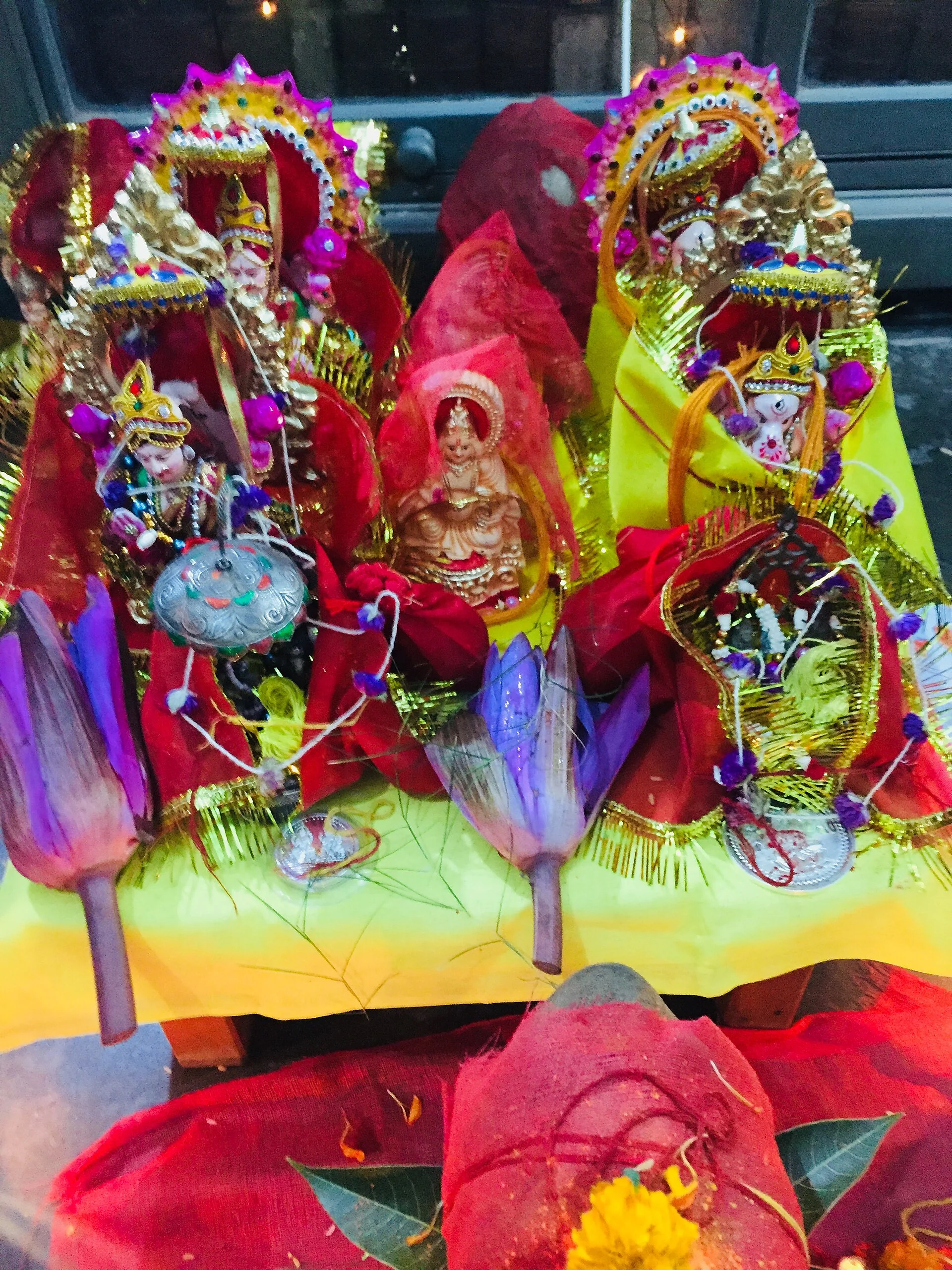
The Lakshmi Chalisa is a heartfelt Hindi prayer to Goddess Lakshmi, the daughter of the ocean and beloved of Vishnu. Here is the full text with transliteration, a plain-English meaning of every doha and chaupai, the Om Jai Lakshmi Mata aarti, and simple guidance for Fridays, Sharad Purnima and Diwali.
The Lakshmi Chalisa is a heartfelt Hindi prayer to Goddess Lakshmi, the daughter of the ocean and beloved of Vishnu. Here is the full text with transliteration, a plain-English meaning of every doha and chaupai, the Om Jai Lakshmi Mata aarti, and simple guidance for Fridays, Sharad Purnima and Diwali.
Quick answer: The Lakshmi Chalisa is a Hindi devotional hymn of about forty verses to Goddess Lakshmi that begins "Matu Lakshmi kari kripa". It opens with a doha and a refrain, praises Lakshmi as the daughter of the ocean and beloved of Vishnu, recalls her emergence from the churning of the ocean and her birth as Sita, and closes with dohas signed by the poet Ramdas, to whom it is traditionally attributed. Families read it on Fridays, on Sharad Purnima and at Diwali, followed by the aarti "Om Jai Lakshmi Mata". A full reading takes about ten minutes.
This guide has been restored at its original hindutone.com address, with the full text in Devanagari and transliteration, a plain-English meaning after every verse, the aarti with its meaning, and simple guidance on reciting it at home.
Lakshmi Chalisa lyrics in Hindi with meaning
The text follows the Hindi edition on sanskritdocuments.org. Each verse is shown in Devanagari, then transliteration, then simple English that stays close to the Hindi words without being word-for-word.
Opening doha and refrain
मातु लक्ष्मी करि कृपा करो हृदय में वास ।
मनो कामना सिद्ध कर पुरवहु मेरी आस ॥
mātu lakṣmī kari kṛpā karo hṛdaya meṃ vāsa |
mano kāmanā siddha kara puravahu merī āsa ||
Doha meaning: Mother Lakshmi, be gracious and come to dwell in my heart. Fulfil the wishes of my mind and complete my hopes.
सिंधु सुता विष्णुप्रिये नत शिर बारंबार ।
ऋद्धि सिद्धि मंगलप्रदे नत शिर बारंबार ॥ टेक ॥
siṃdhu sutā viṣṇupriye nata śira bāraṃbāra |
ṛddhi siddhi maṃgalaprade nata śira bāraṃbāra || ṭeka ||
Refrain meaning: Daughter of the ocean, beloved of Vishnu, I bow my head to you again and again. Giver of riddhi, siddhi and all that is auspicious, I bow my head to you again and again.
The second couplet is marked as the refrain in the source and is often sung again between sections. We number the chaupais from the couplet after it.
Chaupais 1 to 9: calling on the Mother
सिन्धु सुता मैं सुमिरौं तोही । ज्ञान बुद्धि विद्या दो मोहि ॥
sindhu sutā maiṃ sumirauṃ tohī | jñāna buddhi vidyā do mohi ||
Chaupai 1 meaning: Daughter of the ocean, I remember you; grant me knowledge, understanding and learning.
तुम समान नहिं कोई उपकारी । सब विधि पुरबहु आस हमारी ॥
tuma samāna nahiṃ koī upakārī | saba vidhi purabahu āsa hamārī ||
Chaupai 2 meaning: No one is as kind and generous as you; fulfil our hopes in every way.
जै जै जगत जननि जगदम्बा । सबके तुमही हो स्वलम्बा ॥
jai jai jagata janani jagadambā | sabake tumahī ho svalambā ||
Chaupai 3 meaning: Victory, victory to you, Mother of the world, Jagadamba; you alone are the support of all.
तुम ही हो घट घट के वासी । विनती यही हमारी खासी ॥
tuma hī ho ghaṭa ghaṭa ke vāsī | vinatī yahī hamārī khāsī ||
Chaupai 4 meaning: You dwell in every heart; this is my special prayer to you.
जग जननी जय सिन्धु कुमारी । दीनन की तुम हो हितकारी ॥
jaga jananī jaya sindhu kumārī | dīnana kī tuma ho hitakārī ||
Chaupai 5 meaning: Mother of the world, victory to you, daughter of the ocean; you are the well-wisher of the humble.
विनवौं नित्य तुमहिं महारानी । कृपा करौ जग जननि भवानी ॥
vinavauṃ nitya tumahiṃ mahārānī | kṛpā karau jaga janani bhavānī ||
Chaupai 6 meaning: I pray to you every day, great queen; be gracious, Mother of the world, Bhavani.
केहि विधि स्तुति करौं तिहारी । सुधि लीजै अपराध बिसारी ॥
kehi vidhi stuti karauṃ tihārī | sudhi lījai aparādha bisārī ||
Chaupai 7 meaning: How can I praise you properly? Remember me and forget my faults.
कृपा दृष्टि चितवो मम ओरी । जगत जननि विनती सुन मोरी ॥
kṛpā dṛṣṭi citavo mama orī | jagata janani vinatī suna morī ||
Chaupai 8 meaning: Turn your gracious glance toward me; Mother of the world, hear my prayer.
ज्ञान बुद्धि जय सुख की दाता । संकट हरो हमारी माता ॥
jñāna buddhi jaya sukha kī dātā | saṃkaṭa haro hamārī mātā ||
Chaupai 9 meaning: Victory to you, giver of knowledge, wisdom and happiness; Mother, take away our troubles.
Chaupais 10 to 16: from the ocean of milk to Janakpur
क्षीर सिंधु जब विष्णु मथायो । चौदह रत्न सिंधु में पायो ॥
kṣīra siṃdhu jaba viṣṇu mathāyo | caudaha ratna siṃdhu meṃ pāyo ||
Chaupai 10 meaning: When Vishnu had the ocean of milk churned, fourteen treasures emerged from the ocean.
चौदह रत्न में तुम सुखरासी । सेवा कियो प्रभुहिं बनि दासी ॥
caudaha ratna meṃ tuma sukharāsī | sevā kiyo prabhuhiṃ bani dāsī ||
Chaupai 11 meaning: Among those fourteen treasures you were the source of all joy, and you chose to serve the Lord devotedly.
जब जब जन्म जहां प्रभु लीन्हा । रूप बदल तहं सेवा कीन्हा ॥
jaba jaba janma jahāṃ prabhu līnhā | rūpa badala tahaṃ sevā kīnhā ||
Chaupai 12 meaning: Whenever and wherever the Lord took birth, you changed your form and served him there.
स्वयं विष्णु जब नर तनु धारा । लीन्हेउ अवधपुरी अवतारा ॥
svayaṃ viṣṇu jaba nara tanu dhārā | līnheu avadhapurī avatārā ||
Chaupai 13 meaning: When Vishnu himself took a human body, he was born in Avadhpuri (Ayodhya).
तब तुम प्रकट जनकपुर माहीं । सेवा कियो हृदय पुलकाहीं ॥
taba tuma prakaṭa janakapura māhīṃ | sevā kiyo hṛdaya pulakāhīṃ ||
Chaupai 14 meaning: Then you appeared in Janakpur, and served him with a heart thrilled with love.
अपनायो तोहि अन्तर्यामी । विश्व विदित त्रिभुवन की स्वामी ॥
apanāyo tohi antaryāmī | viśva vidita tribhuvana kī svāmī ||
Chaupai 15 meaning: The Lord who knows all hearts made you his own, you who are known through the world as mistress of the three worlds.
तुम सब प्रबल शक्ति नहिं आनी । कहँ तक महिमा कहौं बखानी ॥
tuma saba prabala śakti nahiṃ ānī | kaha~ taka mahimā kahauṃ bakhānī ||
Chaupai 16 meaning: You are the mightiest power, there is no other; how far can I go in describing your glory?
Chaupais 17 to 31: the fruit of devotion
मन क्रम वचन करै सेवकाई । मन-इच्छित वांछित फल पाई ॥
mana krama vacana karai sevakāī | mana-icchita vāṃchita phala pāī ||
Chaupai 17 meaning: Whoever serves you in thought, deed and word receives the fruit the heart longs for.
तजि छल कपट और चतुराई । पूजहिं विविध भाँति मन लाई ॥
taji chala kapaṭa aura caturāī | pūjahiṃ vividha bhā~ti mana lāī ||
Chaupai 18 meaning: Giving up deceit, pretence and cleverness, they worship you in many ways with the whole mind.
और हाल मैं कहौं बुझाई । जो यह पाठ करे मन लाई ॥
aura hāla maiṃ kahauṃ bujhāī | jo yaha pāṭha kare mana lāī ||
Chaupai 19 meaning: Let me explain further: whoever reads this text with the heart in it,
ताको कोई कष्ट न होई । मन इच्छित फल पावै फल सोई ॥
tāko koī kaṣṭa na hoī | mana icchita phala pāvai phala soī ||
Chaupai 20 meaning: will suffer no hardship and will receive the fruit the heart desires.
त्राहि-त्राहि जय दुःख निवारिणी । त्रिविध ताप भव बंधन हारिणि ॥
trāhi-trāhi jaya duḥkha nivāriṇī | trividha tāpa bhava baṃdhana hāriṇi ||
Chaupai 21 meaning: Save us, save us; victory to you who remove sorrow and break the threefold suffering and the bondage of worldly life.
जो यह चालीसा पढ़े और पढ़ावे । इसे ध्यान लगाकर सुने सुनावै ॥
jo yaha cālīsā par̤he aura par̤hāve | ise dhyāna lagākara sune sunāvai ||
Chaupai 22 meaning: Whoever reads this Chalisa and has others read it, and listens to it and recites it with attention,
ताको कोई न रोग सतावै । पुत्र आदि धन सम्पत्ति पावै ॥
tāko koī na roga satāvai | putra ādi dhana sampatti pāvai ||
Chaupai 23 meaning: is not troubled by illness, and gains children, wealth and property.
पुत्र हीन और सम्पत्ति हीना । अन्धा बधिर कोढ़ी अति दीना ॥
putra hīna aura sampatti hīnā | andhā badhira kor̤hī ati dīnā ||
Chaupai 24 meaning: Even one who has no son and no wealth, one who is blind, deaf, suffering from leprosy or very poor,
विप्र बोलाय कै पाठ करावै । शंका दिल में कभी न लावै ॥
vipra bolāya kai pāṭha karāvai | śaṃkā dila meṃ kabhī na lāvai ||
Chaupai 25 meaning: should invite a learned Brahmin to recite the text, and never let doubt into the heart.
पाठ करावै दिन चालीसा । ता पर कृपा करैं गौरीसा ॥
pāṭha karāvai dina cālīsā | tā para kṛpā karaiṃ gaurīsā ||
Chaupai 26 meaning: Whoever has it recited for forty days receives grace; the text here names Gaurisa, the Lord of Gauri.
सुख सम्पत्ति बहुत सी पावै । कमी नहीं काहू की आवै ॥
sukha sampatti bahuta sī pāvai | kamī nahīṃ kāhū kī āvai ||
Chaupai 27 meaning: Such a person gains much happiness and prosperity and lacks nothing.
बारह मास करै जो पूजा । तेहि सम धन्य और नहिं दूजा ॥
bāraha māsa karai jo pūjā | tehi sama dhanya aura nahiṃ dūjā ||
Chaupai 28 meaning: One who worships through all twelve months is blessed beyond anyone else.
प्रतिदिन पाठ करै मन माहीं । उन सम कोई जग में नाहिं ॥
pratidina pāṭha karai mana māhīṃ | una sama koī jaga meṃ nāhiṃ ||
Chaupai 29 meaning: One who recites it daily in the heart has no equal in the world.
बहु विधि क्या मैं करौं बड़ाई । लेय परीक्षा ध्यान लगाई ॥
bahu vidhi kyā maiṃ karauṃ bar̤āī | leya parīkṣā dhyāna lagāī ||
Chaupai 30 meaning: Why should I praise it at length? Try it for yourself with a focused mind.
करि विश्वास करैं व्रत नेमा । होय सिद्ध उपजै उर प्रेमा ॥
kari viśvāsa karaiṃ vrata nemā | hoya siddha upajai ura premā ||
Chaupai 31 meaning: Those who keep the vow and discipline with faith attain success, and love springs up in the heart.
Chaupais 32 to 40: the devotee's plea
जय जय जय लक्ष्मी महारानी । सब में व्यापित जो गुण खानी ॥
jaya jaya jaya lakṣmī mahārānī | saba meṃ vyāpita jo guṇa khānī ||
Chaupai 32 meaning: Victory, victory, victory to Lakshmi, the great queen, the mine of virtues who pervades all.
तुम्हरो तेज प्रबल जग माहीं । तुम सम कोउ दयाल कहूँ नाहीं ॥
tumharo teja prabala jaga māhīṃ | tuma sama kou dayāla kahū~ nāhīṃ ||
Chaupai 33 meaning: Your radiance is mighty in the world; nowhere is there anyone as compassionate as you.
मोहि अनाथ की सुधि अब लीजै । संकट काटि भक्ति मोहि दीजे ॥
mohi anātha kī sudhi aba lījai | saṃkaṭa kāṭi bhakti mohi dīje ||
Chaupai 34 meaning: Remember me, who has no other protector; cut away my troubles and grant me devotion.
भूल चूक करी क्षमा हमारी । दर्शन दीजै दशा निहारी ॥
bhūla cūka karī kṣamā hamārī | darśana dījai daśā nihārī ||
Chaupai 35 meaning: Forgive our mistakes and omissions; look upon my condition and grant me your darshan.
बिन दरशन व्याकुल अधिकारी । तुमहिं अक्षत दुःख सहते भारी ॥
bina daraśana vyākula adhikārī | tumahiṃ akṣata duḥkha sahate bhārī ||
Chaupai 36 meaning: Without your darshan your devotee is restless and, even with you near, bears heavy sorrow.
नहिं मोहिं ज्ञान बुद्धि है तन में । सब जानत हो अपने मन में ॥
nahiṃ mohiṃ jñāna buddhi hai tana meṃ | saba jānata ho apane mana meṃ ||
Chaupai 37 meaning: There is no knowledge or wisdom in me; you know everything in your own heart.
रूप चतुर्भुज करके धारण । कष्ट मोर अब करहु निवारण ॥
rūpa caturbhuja karake dhāraṇa | kaṣṭa mora aba karahu nivāraṇa ||
Chaupai 38 meaning: Taking your four-armed form, now come and remove my distress.
कहि प्रकार मैं करौं बड़ाई । ज्ञान बुद्धि मोहिं नहिं अधिकाई ॥
kahi prakāra maiṃ karauṃ bar̤āī | jñāna buddhi mohiṃ nahiṃ adhikāī ||
Chaupai 39 meaning: How can I praise you? I have no great knowledge or understanding.
रामदास अब कहै पुकारी । करो दूर तुम विपति हमारी ॥
rāmadāsa aba kahai pukārī | karo dūra tuma vipati hamārī ||
Chaupai 40 meaning: Ramdas now calls out to you: take away our misfortunes.
Closing dohas
त्राहि त्राहि दुःख हारिणी हरो बेगि सब त्रास ।
जयति जयति जय लक्ष्मी करो शत्रुन का नाश ॥
trāhi trāhi duḥkha hāriṇī haro begi saba trāsa |
jayati jayati jaya lakṣmī karo śatruna kā nāśa ||
Doha meaning: Save me, save me, remover of sorrow; quickly take away every fear. Victory, victory, victory to Lakshmi; destroy the enemies.
रामदास धरि ध्यान नित विनय करत कर जोर ।
मातु लक्ष्मी दास पर करहु दया की कोर ॥
rāmadāsa dhari dhyāna nita vinaya karata kara jora |
mātu lakṣmī dāsa para karahu dayā kī kora ||
Doha meaning: Ramdas meditates on you every day and prays with folded hands: Mother Lakshmi, cast a merciful glance on your servant.
Lakshmi Aarti: Om Jai Lakshmi Mata, with meaning
After the Chalisa, the family sings "Om Jai Lakshmi Mata" while waving a lit lamp before the Goddess. The stanzas are given as printed in the source; the wording and order vary a little between households.
॥ श्री लक्ष्मीजी की आरती ॥
|| śrī lakṣmījī kī āratī ||
ॐ जय लक्ष्मी माता, मैया जय लक्ष्मी माता
तुम को निशदिन सेवत मैयाजी को निस दिन सेवत
हर विष्णु विधाता । ॐ जय लक्ष्मी माता ॥
oṃ jaya lakṣmī mātā, maiyā jaya lakṣmī mātā
tuma ko niśadina sevata maiyājī ko nisa dina sevata
hara viṣṇu vidhātā | oṃ jaya lakṣmī mātā ||
Aarti stanza 1 meaning: Om, victory to Mother Lakshmi, victory to Mother Lakshmi. Hara (Shiva), Vishnu and the Creator (Brahma) serve you day and night.
उमा रमा ब्रह्माणी, तुम ही जग माता । ओ मैया तुम ही जग माता ।
सूर्य चन्द्र माँ ध्यावत नारद ऋषि गाता, ॐ जय लक्ष्मी माता ॥
umā ramā brahmāṇī, tuma hī jaga mātā | o maiyā tuma hī jaga mātā |
sūrya candra mā~ dhyāvata nārada ṛṣi gātā, oṃ jaya lakṣmī mātā ||
Aarti stanza 2 meaning: You are Uma, Rama and Brahmani; you alone are the Mother of the world. The Sun and the Moon meditate on you, and the sage Narada sings your praise.
दुर्गा रूप निरंजनि सुख सम्पति दाता, ओ मैया सुख सम्पति दाता ।
जो कोई तुम को ध्यावत ऋद्धि सिद्धि धन पाता, ॐ जय लक्ष्मी माता ॥
durgā rūpa niraṃjani sukha sampati dātā, o maiyā sukha sampati dātā |
jo koī tuma ko dhyāvata ṛddhi siddhi dhana pātā, oṃ jaya lakṣmī mātā ||
Aarti stanza 3 meaning: In the form of Durga you are spotless, the giver of happiness and prosperity. Whoever meditates on you gains riddhi, siddhi and wealth.
तुम पाताल निवासिनि तुम ही शुभ दाता, ओ मैया तुम ही शुभ दाता ।
कर्म प्रभाव प्रकाशिनि, भव निधि की दाता, ॐ जय लक्ष्मी माता ॥
tuma pātāla nivāsini tuma hī śubha dātā, o maiyā tuma hī śubha dātā |
karma prabhāva prakāśini, bhava nidhi kī dātā, oṃ jaya lakṣmī mātā ||
Aarti stanza 4 meaning: You dwell even in the netherworlds, and you alone give what is auspicious. You bring to light the working of karma, and you give the treasures of life.
जिस घर तुम रहती तहँ सब सद्गुण आता, ओ मैया सब सद्गुण आता ।
सब संभव हो जाता मन नहीं घबराता, ॐ जय लक्ष्मी माता ॥
jisa ghara tuma rahatī taha~ saba sadguṇa ātā, o maiyā saba sadguṇa ātā |
saba saṃbhava ho jātā mana nahīṃ ghabarātā, oṃ jaya lakṣmī mātā ||
Aarti stanza 5 meaning: In the home where you dwell, every good quality comes. Everything becomes possible and the mind does not lose heart.
तुम बिन यज्ञ न होते, वस्त्र न कोई पाता, ओ मैया वस्त्र न कोई पाता ।
खान पान का वैभव सब तुम से आता, ॐ जय लक्ष्मी माता ॥
tuma bina yajña na hote, vastra na koī pātā, o maiyā vastra na koī pātā |
khāna pāna kā vaibhava saba tuma se ātā, oṃ jaya lakṣmī mātā ||
Aarti stanza 6 meaning: Without you no sacrifice could be offered and no one would have clothing; all the richness of food and drink comes from you.
शुभ गुण मंदिर सुंदर क्षीरोदधि जाता, ओ मैया क्षीरोदधि जाता ।
रत्न चतुर्दश तुम बिन कोई नहीं पाता , ॐ जय लक्ष्मी माता ॥
śubha guṇa maṃdira suṃdara kṣīrodadhi jātā, o maiyā kṣīrodadhi jātā |
ratna caturdaśa tuma bina koī nahīṃ pātā , oṃ jaya lakṣmī mātā ||
Aarti stanza 7 meaning: Beautiful temple of every good quality, born of the ocean of milk: without you no one gains the fourteen treasures.
महा लक्ष्मीजी की आरती, जो कोई जन गाता, ओ मैया जो कोई जन गाता ।
उर आनंद समाता पाप उतर जाता , ॐ जय लक्ष्मी माता ॥
mahā lakṣmījī kī āratī, jo koī jana gātā, o maiyā jo koī jana gātā |
ura ānaṃda samātā pāpa utara jātā , oṃ jaya lakṣmī mātā ||
Aarti stanza 8 meaning: Whoever sings this aarti of Mahalakshmi finds joy filling the heart, and sins are lifted away.
स्थिर चर जगत बचावे कर्म प्रेम ल्याता । ओ मैया जो कोई जन गाता ।
राम प्रताप मैय्या की शुभ दृष्टि चाहता, ॐ जय लक्ष्मी माता ॥
sthira cara jagata bacāve karma prema lyātā | o maiyā jo koī jana gātā |
rāma pratāpa maiyyā kī śubha dṛṣṭi cāhatā, oṃ jaya lakṣmī mātā ||
Aarti stanza 9 meaning: You protect the moving and unmoving world and bring love into action. Ram Pratap seeks the Mother's auspicious glance.
How and when to recite Lakshmi Chalisa
- Fridays: Shukravar is Lakshmi's day. Many families read the Chalisa every Friday at evening lamp-lighting.
- Sharad Purnima: on 25 October 2026, when Lakshmi is believed to visit homes that keep awake in devotion. See our Sharad Purnima 2026 guide and Kojagari Lakshmi Puja 2026.
- Diwali: Lakshmi Puja falls on Sunday 8 November 2026. Read the Chalisa after the main puja; see our Diwali 2026 guide, the Lakshmi Puja Vidhi and the India city-wise Lakshmi Puja muhurat.
- Margashirsha Thursdays: in some traditions Lakshmi is worshipped on these Thursdays; see our Margasira Lakshmi Vratam guide.
How many times
Once a day, or once every Friday, is a complete practice. The Chalisa itself mentions a forty-day recitation, and some devotees read it 11 times on festival days. Our japa mala guide explains counting on a mala.
A simple setup at home
- Clean the puja space and sit before a picture or murti of Lakshmi, ideally facing east or north.
- Light a ghee lamp and incense, and offer a red or pink flower, kumkum, a little rice and a sweet such as kheer or a white sweet.
- Make a simple sankalpa in your own words, asking for the Mother's grace for your family.
- Read the opening doha, refrain, chaupais and closing dohas calmly and clearly.
- Sing Om Jai Lakshmi Mata with the lamp, then share the sweet as prasad.
Significance and traditional benefits
Lakshmi is the Goddess of prosperity, but the Chalisa asks first for knowledge, understanding and devotion, and only then for the fulfilment of wishes. She serves Vishnu in every incarnation, appearing as Sita when he comes as Rama, so her blessing is tied to dharma.
Traditionally, devotees believe that reading the Lakshmi Chalisa with faith:
- invites peace, harmony and auspiciousness into the home;
- brings comfort in times of worry, as many verses are a direct plea to the Mother for help;
- supports honest effort and contentment, which elders call the true doorway of Lakshmi;
The Chalisa speaks in the traditional language of devotional poetry about freedom from illness and the gift of children and property. These are expressions of faith, not guarantees of particular results. It is best read as an offering of love, alongside honest work and generosity.
Tips for NRI families
- Diwali abroad: use the country pages, such as Diwali 2026 USA Lakshmi Puja muhurat or Diwali 2026 UK, for local timings.
- Add a Sanskrit hymn: the Mahalakshmi Ashtakam and the Kanakadhara Stotram pair beautifully with the Chalisa.
Frequently asked questions
Where can I find Lakshmi Chalisa lyrics in Hindi with meaning?
This page gives the complete Lakshmi Chalisa in Hindi (Devanagari) with English transliteration and a simple English meaning after every verse. It begins with the doha 'Matu Lakshmi kari kripa' and ends with the closing dohas and the aarti 'Om Jai Lakshmi Mata'.
What are the benefits of reading Lakshmi Chalisa?
Devotees believe that reading the Lakshmi Chalisa with faith invites the grace of the Goddess into the home, bringing peace, contentment and auspiciousness. The Chalisa itself speaks of freedom from hardship and of happiness and prosperity for those who read it with a sincere heart. These are traditional expressions of faith, not guarantees of financial or other results.
How many times should Lakshmi Chalisa be read?
Once a day, or every Friday, is a good practice. The text itself mentions reading it for forty days, and some devotees keep a 40-day sankalpa or read it 11 times on Diwali or Sharad Purnima. Regular, sincere reading matters more than the count.
Which day is best to read Lakshmi Chalisa?
Friday (Shukravar) is the day most associated with Goddess Lakshmi. Evening lamp-lighting time is a favourite. It is also widely read on Diwali during Lakshmi Puja, on Sharad Purnima, and on the Thursdays of Margashirsha in some traditions.
Who wrote the Lakshmi Chalisa?
The closing verses carry the poet's signature, Ramdas, and as traditionally attributed the Chalisa is his composition. Little reliable biographical detail about him is known, and the aarti that follows is a separate, popular devotional song.
Is Om Jai Lakshmi Mata part of the Lakshmi Chalisa?
No, it is a separate aarti, but it is usually sung straight after the Chalisa, with a lamp waved before the Goddess. Many printed booklets, including the source text used here, give the two together.
Editor's note
Editor's note (7 October 2026): This guide has been restored at its original address after the earlier version was lost. The Hindi text in Devanagari and transliteration follows the edition on sanskritdocuments.org, and minor variants in wording and recitation exist between printed booklets, recordings and family traditions; if your family follows a particular book, follow that book. The English meanings are our own plain translations. Authorship is given as traditionally attributed from the poet's signature in the text. The hymn is presented as an act of devotion, with no promise of particular results.
Related guides
You might also like
Ganesh Chalisa Lyrics in Hindi with Meaning, and Jai Ganesh Deva Aarti
Shiv Chalisa (Jai Ganesh Girija Suvan) Lyrics in Hindi with Meaning and Shiv Aarti
Bhairav Chalisa: Lyrics in Hindi with Meaning, Bhairav Aarti and How to Recite