Japa Mala Guide: Why 108 Beads, Types of Mala and How to Use One
A complete japa mala guide. Learn why a mala has 108 beads plus a sumeru (guru) bead, which materials are traditionally linked with which deity, how to hold and count without crossing the sumeru, how to start using a new mala, how to care for it, and a simple daily japa routine for families in India and abroad.
A complete japa mala guide. Learn why a mala has 108 beads plus a sumeru (guru) bead, which materials are traditionally linked with which deity, how to hold and count without crossing the sumeru, how to start using a new mala, how to care for it, and a simple daily japa routine for families in India and abroad.
Quick answer: A japa mala is a string of 108 beads plus one larger sumeru (guru) bead, used to count repetitions of a mantra. Hold it in the right hand, rest it on the middle finger, and move one bead towards you with the thumb for each repetition. Do not cross the sumeru; turn the mala around and continue. Rudraksha malas are commonly linked with Shiva, tulsi malas with Vishnu and Krishna, and lotus seed malas with Lakshmi.
This guide has been restored at its original hindutone.com address. It explains why a mala has 108 beads, the main types of mala, how to hold and count, how to start using a new mala, how to look after it, and a simple daily routine. Traditions differ between families, regions and lineages. What follows is how the practice is commonly done. If you have a guru or a family tradition, follow that first.
What is a japa mala?
Japa means the repeated chanting of a mantra or a name of God. Mala means garland. A japa mala is a garland of beads that keeps count for you, so your mind can stay on the mantra instead of on numbers.
Japa can be done aloud, in a soft whisper, or silently in the mind. Many teachers describe the softer and inner forms as deeper, but all three are valid. The mala helps with all of them. For the idea of steady, one-pointed attention behind japa, see our glossary entry on ekagrata, or one-pointedness.
Why 108 beads, and what is the sumeru bead?
A standard japa mala has 108 counting beads. The number 108 is sacred across Hindu traditions. Commonly cited explanations include:
- 12 zodiac signs multiplied by 9 grahas (planets) gives 108.
- 27 nakshatras multiplied by 4 padas (quarters) gives 108.
- The Muktika Upanishad lists 108 Upanishads, and many deities have a set of 108 names (an ashtottara).
For a fuller explanation, read our guide to the sacred number 108.
The extra, larger bead is called the sumeru, meru or guru bead. It often has a tassel. It marks the start and end of a round and is not counted. It is commonly treated as a symbol of the guru or of the axis of the world, Mount Meru, which is why many traditions do not cross over it.
Smaller malas also exist. A 54-bead mala is used for half rounds, and a 27-bead wrist mala is counted four times to make 108. These are convenient for travel.
Types of japa mala and their traditional associations
The material of a mala does not change the mantra. However, families and traditions commonly pair certain materials with certain deities. The table below shows these associations as commonly practised. They are customs, not strict rules.
| Material | Commonly associated with | Notes |
|---|---|---|
| Rudraksha | Shiva; Shaiva traditions | Seeds of the Elaeocarpus tree. Most often used for Om Namah Shivaya. Five-faced (panchamukhi) beads are the most common. |
| Tulsi (holy basil wood) | Vishnu, Krishna, Rama; Vaishnava traditions | Widely used for Vishnu and Krishna names, including the Hare Krishna maha-mantra. Usually kept for Vaishnava mantras only. |
| Sandalwood (chandan) | Many deities; general use | Light and fragrant. A good first mala for family use. |
| Red sandalwood (rakta chandan) | Devi, Durga; also used for Ganesha and Hanuman | Often chosen for Shakti mantras. |
| Sphatika (clear quartz crystal) | Devi, Saraswati, Lakshmi; also Shiva | Cool and heavy to hold. Handle carefully, as it can chip. |
| Lotus seed (kamal gatta) | Lakshmi | Commonly used in Lakshmi worship, especially around Diwali and on Fridays. |
If you are unsure which to choose, a plain sandalwood or rudraksha mala is a safe and widely used choice.
How to use a japa mala: hold and count step by step
- Sit comfortably on a mat or folded cloth, facing east or north if you can. Keep your back upright.
- Hold the mala in your right hand. Let it hang over the middle finger (some traditions use the ring finger). Keep the index finger away from the beads. It is commonly said to stand for ego.
- Start at the first bead next to the sumeru. Chant the mantra once, then use your thumb to pull that bead towards you.
- Continue bead by bead. One full circle back to the sumeru is one round, or one mala, of 108.
- Do not cross the sumeru. To do another round, turn the mala around and go back in the opposite direction.
- Many people keep the hand at heart level, and do not let the mala touch the floor or hang below the navel.
- At the end, sit quietly for a short time. Then put the mala away in its bag.
Go at a natural speed. If your mind wanders, simply bring it back to the next bead.
Choosing and starting a new mala
Buy from a seller you trust, and check that the beads are strung firmly, ideally with a knot between each bead.
Many families do a small ceremony before first use. Practices vary, and a guru may give a specific method. In general terms, a common approach is:
- Gently clean the mala, for example by wiping it with a clean cloth. Some families sprinkle it with Ganga water or clean water.
- Place it before the deity in your home shrine, with a lamp and incense if possible.
- Offer a flower and a little kumkum or sandalwood paste.
- Chant your chosen mantra on the mala for the first time, often one full round, as an offering.
After this, many people keep the mala for personal use only and do not lend it to others.
Care, storage and the gomukhi bag
- Gomukhi bag: A gomukhi is a cloth bag shaped like a cow's head, with a slot for the hand. You can keep your hand inside the bag while counting. This keeps the mala clean and keeps your japa private.
- Storage: Keep the mala in its bag or in a clean box, in your shrine or another clean place. Avoid leaving it on the floor or in the bathroom.
- Rudraksha: Brush off dust with a soft brush. Some people apply a little oil occasionally to stop the seeds from drying out.
- Tulsi and sandalwood: Keep dry. Do not soak wooden malas in water.
- Sphatika: Avoid knocks against hard surfaces. Wipe gently with a soft cloth.
- Broken strings: Restring the mala rather than throwing it away. If a mala is too damaged to use, many families respectfully place it in a river, bury it under a tree, or leave it at a temple.
Mantras commonly chanted on a mala
Any mantra received from a teacher or followed in your family can be chanted on a mala. These are some of the most widely used:
Om Namah Shivaya
ॐ नमः शिवाय
Om Namaḥ Śivāya
Meaning: "Om, salutations to Shiva." It is known as the panchakshari, the five-syllable mantra. It is often chanted on a rudraksha mala.
Om Namo Narayanaya
ॐ नमो नारायणाय
Om Namo Nārāyaṇāya
Meaning: "Om, salutations to Narayana (Vishnu)." It is known as the ashtakshari, the eight-syllable mantra, and is central in Sri Vaishnava practice. It is often chanted on a tulsi mala.
Gayatri mantra
ॐ भूर्भुवः स्वः । तत्सवितुर्वरेण्यं भर्गो देवस्य धीमहि । धियो यो नः प्रचोदयात् ॥
Om Bhūr Bhuvaḥ Svaḥ, Tat Savitur Vareṇyaṃ, Bhargo Devasya Dhīmahi, Dhiyo Yo Naḥ Prachodayāt.
Meaning: "We meditate on the adorable light of the divine Savitr. May that light inspire our minds." Some lineages hold that the Gayatri should be learned from a teacher with initiation; follow your family custom. For a full explanation, see our Gayatri mantra meaning guide. For Ganesha, many families use the Ganesha Gayatri mantra.
Name-based practices can also use a mala. For example, some devotees count the names of Devi while reciting the Lalita Sahasranama.
A simple daily japa routine for NRI families
Families in the USA, UK, Canada, Australia, Singapore and the Gulf often have busy mornings. Japa needs no special equipment except the mala, so it fits easily into a short routine:
| Time available | Suggested practice |
|---|---|
| 5 minutes | Light a lamp or an LED diya, then chant 27 repetitions on a wrist mala or a quarter of a full mala. |
| 10 to 15 minutes | One full round of 108, aloud or softly. |
| Weekends and festival days | Two to three rounds, or a round together as a family. |
- Choose one fixed time, such as after your morning bath or before dinner. The same time each day builds the habit.
- Keep one corner of the home for practice, even if it is only a shelf in an apartment.
- Let children hold the mala and count a few beads with you. Explain what the mantra means in simple words.
- On a commute or flight, you can do silent japa with a small wrist mala kept in its bag.
Regular practice matters more than large numbers. One round every day is more valuable than many rounds once in a while.
Frequently asked questions
Why does a japa mala have 108 beads?
108 is a sacred number in Hindu tradition. It is commonly explained as 12 multiplied by 9, or as 27 nakshatras multiplied by 4 padas. One full round of 108 is the standard unit of japa. Some people also say the extra 8 beads cover any counting mistakes, so a round is counted as at least 100 repetitions.
What is the sumeru or guru bead?
The sumeru, also called the meru or guru bead, is the larger bead where the two ends of the mala meet. It is not counted. In many traditions you do not cross it. When you reach it, you turn the mala around and count back in the other direction.
Which finger should I use to move the beads?
In the most common practice, the mala rests on the middle finger of the right hand and the thumb moves one bead at a time towards you. The index finger is kept away from the beads. Some lineages use the ring finger instead of the middle finger. If you have a teacher, follow their method.
Can I use one mala for different mantras?
Many people use one mala for all their japa, and this is common at home. Some traditions prefer a separate mala for each deity or mantra, for example a rudraksha mala for Shiva and a tulsi mala for Vishnu or Krishna. Choose what your family or teacher follows.
Can I wear my japa mala around my neck?
Practice differs. Some devotees wear a rudraksha or tulsi mala every day. Many teachers advise keeping the mala used for counting japa separate and private, stored in a cloth bag. A common compromise is to keep one mala for wearing and another one only for japa.
Will japa with a mala guarantee results?
No. Japa is a devotional and contemplative practice, not a guarantee of any outcome. Devotees use it to steady the mind and to remember God regularly. It works alongside effort and good conduct, not in place of them.
Editor's note
Editor's note (6 October 2026): This guide has been restored at its original address after the earlier version was lost. The associations between mala materials and deities are described as commonly practised, and they vary by family, region and lineage. Mantra texts are given only in their standard, widely used forms. Japa is presented here as a devotional practice, with no health claims and no promise of particular results. Where you have a guru or family tradition, follow that guidance.
Related guides
You might also like

108 Names of Maa Durga (Durga Ashtottara Shatanamavali) with Meaning for Navratri 2026

How to Perform Hindu Puja at Home: Items, Steps, Mantras and Daily Rituals
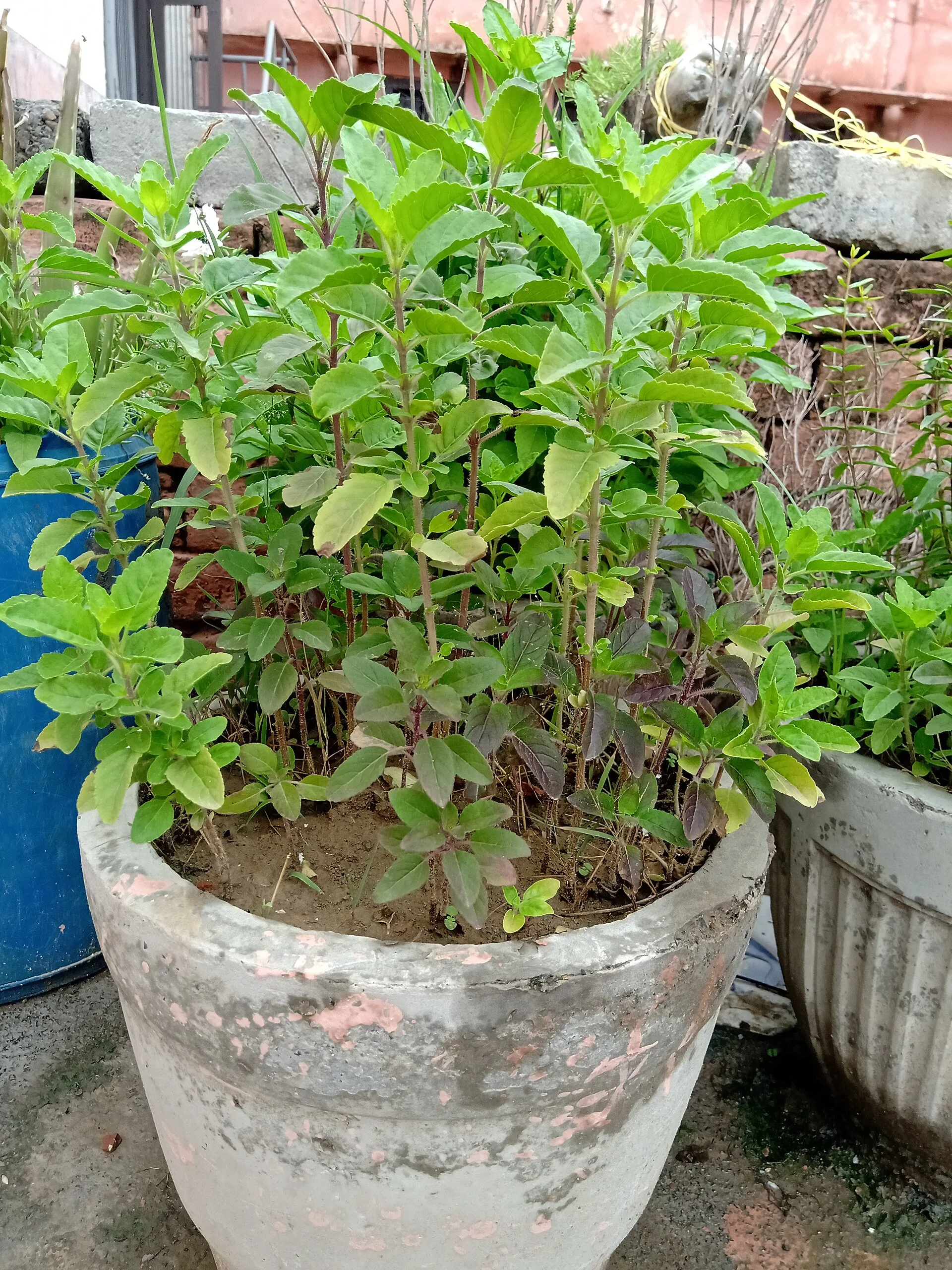
Tulasi Pooja in Karthika Masam 2026: Daily Vidhi, Sloka, Ksheerabdi Dwadasi (21 November) and Plant Care