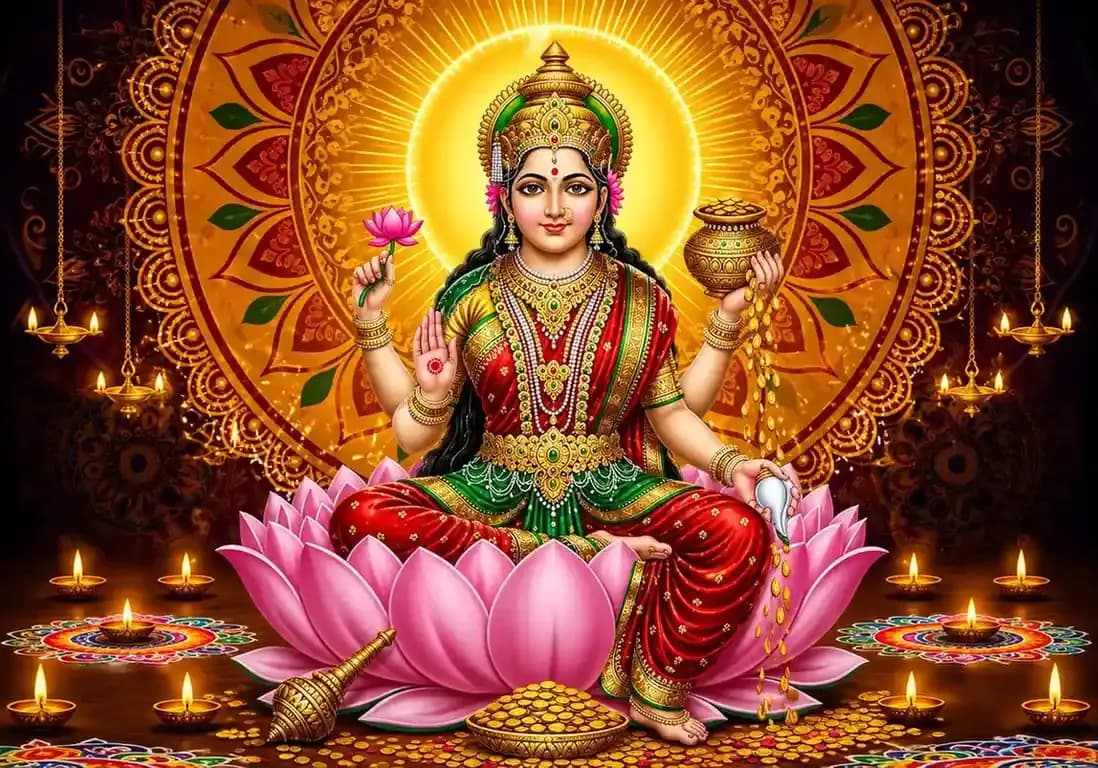
Rama Ekadashi 2026: Date, Vrat Katha, Puja Vidhi & Significance
Rama Ekadashi 2026 is on Thursday, 5 November (Kartik Krishna Ekadashi). Learn the vrat katha of Shobhana, fasting rules, parana time and why this pre-Diwali Ekadashi is so sacred.
Rama Ekadashi 2026 is on Thursday, 5 November (Kartik Krishna Ekadashi). Learn the vrat katha of Shobhana, fasting rules, parana time and why this pre-Diwali Ekadashi is so sacred.
Quick answer: Rama Ekadashi 2026 is on Thursday, 5 November 2026. Also called Rambha Ekadashi, it is the Ekadashi of Kartik Krishna Paksha that falls four days before Diwali. The Ekadashi tithi runs from 11:02 AM on 4 November to 10:34 AM on 5 November; devotees fast for Lord Vishnu and break the fast (parana) on Friday, 6 November morning.
Among the twenty-four Ekadashis of the year, Rama Ekadashi is held to be one of the most purifying. It is dedicated to Lord Vishnu and falls in the sacred month of Kartik, just before the lamps of Diwali are lit — a fast said to wash away even grave sins and open the path to moksha.
Rama Ekadashi 2026 date and timings
Detail Advertisement | Information |
|---|---|
Ekadashi (fast day) | Thursday, 5 November 2026 Advertisement |
Ekadashi Tithi begins | 11:02 AM, 4 November 2026 |
Ekadashi Tithi ends | 10:34 AM, 5 November 2026 |
Parana (break-fast) | morning of Friday, 6 November 2026 Advertisement |
Paksha / month | Krishna Paksha, Kartik |
Timings follow a widely-used North-Indian panchang; the exact parana window varies by city, so confirm with a local panchang.
The vrat katha of Rama Ekadashi
The traditional story, recounted in the Brahma-Vaivarta Purana, tells of King Muchukunda, a devoted servant of Vishnu, and his daughter Chandrabhaga, married to Shobhana, son of King Chandrasena. Shobhana was pious but physically weak and could not endure a full day's fast. Compelled to observe Rama Ekadashi in his father-in-law's kingdom, he fasted — and died the very next day from the strain.
Yet because he had kept even this single Rama Ekadashi with sincerity, Shobhana was reborn as the ruler of a splendid celestial city on Mount Mandarachala. When a brahmin from Muchukunda's kingdom later found him there, Shobhana revealed that his kingdom was unstable because he had fasted without full faith. On Chandrabhaga's advice he strengthened his fast with devotion — and his celestial city became eternal. The katha teaches that the merit of Rama Ekadashi is immense, but faith is what makes it endure.
Rama Ekadashi puja vidhi
- Rise early, bathe, and take the sankalpa (vow) to fast for Lord Vishnu.
- Worship Vishnu (or Krishna) with tulsi leaves, yellow flowers, incense, a ghee lamp and fruit; many recite the Vishnu Sahasranama or chant "Om Namo Bhagavate Vasudevaya."
- Observe a nirjala or phalahar fast — avoiding grains, beans and rice — and spend the day in bhajan, reading and charity.
- Keep a night vigil (jagran) if possible, and break the fast during the parana window the next morning after worship.
Why Rama Ekadashi matters
Coming in Kartik — the holiest month for Vishnu devotees — and just before Diwali, Rama Ekadashi is regarded as a spiritual "cleansing" before the festival of lights. Scriptural tradition promises that sincere observance grants liberation and the grace of Lakshmi-Narayana.
Frequently asked questions
Is Rama Ekadashi the same as Parama Ekadashi?
No. Parama Ekadashi belongs to the extra month (Adhika Maasa) and only occurs in some years. Rama Ekadashi comes every year in Kartik Krishna Paksha, four days before Diwali.
Can those who cannot fast fully still observe it?
Yes. A phalahar (fruit/milk) fast, or even simply worshipping Vishnu and avoiding grains, is accepted — the katha itself stresses that devotion matters more than severity.
Continue your Kartik-month devotion
You might also like
Jagaddhatri Puja 2026: Dates, Chandannagar's Dazzling Lights & Significance
Champa Shashthi 2026: Date, Khandoba Worship & Jejuri's Golden Festival
Kati Bihu 2026: Date, Rituals & Assam's Festival of Earthen Lamps