
Pooja, Slokas and Mantras
Mantra is the heart of Sanatana Dharma's spiritual practice — sacred sound that purifies the chanter, attracts the deity invoked, and aligns the inner Self with cosmic order. From the Vedic Gayatri Mantra revealed to Rishi Vishvamitra to the Mahamrityunjaya for Lord Shiva, the Vishnu Sahasranama, the Lalita Sahasranama, the Hanuman Chalisa of Tulsidas, the 108 names of every major deity, and the countless slokas that open every Hindu ritual — chanted sound is how India has transmitted dharma across millennia. HinduTone's Mantras & Slokas hub gathers the full corpus with Sanskrit text, transliteration, line-by-line meaning, traditional chanting count and the spiritual benefits each mantra is said to confer. Read the Gayatri's 24 syllables and why it's chanted three times daily at Sandhya time; the Mahamrityunjaya's role as the supreme healing mantra; the Hanuman Chalisa's 40 verses and the Hanuman Bahuk's 44 verses; the Sri Suktam for Lakshmi's grace; the Saraswathi Vandana sloka recited before every study session; the Ganapati Atharvashirsha for new beginnings. We also cover daily pooja vidhi — the sequence of avahanam (invocation), shodashopachara (16-step worship), naivedyam (offering) and visarjanam (closing) that every traditional puja follows. Mantra japa rules (mala count, direction, time of day, posture), the difference between Beeja, Mula and Sthotra mantras, and which mantras are best for specific life needs (career success, child health, marriage, peace) round out the practice library. Browse all mantras and pooja guides below.
Mantras for H-1B Visa Renewal: 5 Mantras NRIs Chant for Obstacle Removal, Peace and Strength
Mantras Every NRI Should Chant During Job Uncertainty: Ganesha, Mahamrityunjaya, Lakshmi, Saraswati and Hanuman

How to Perform Hindu Puja at Home: Items, Steps, Mantras and Daily Rituals
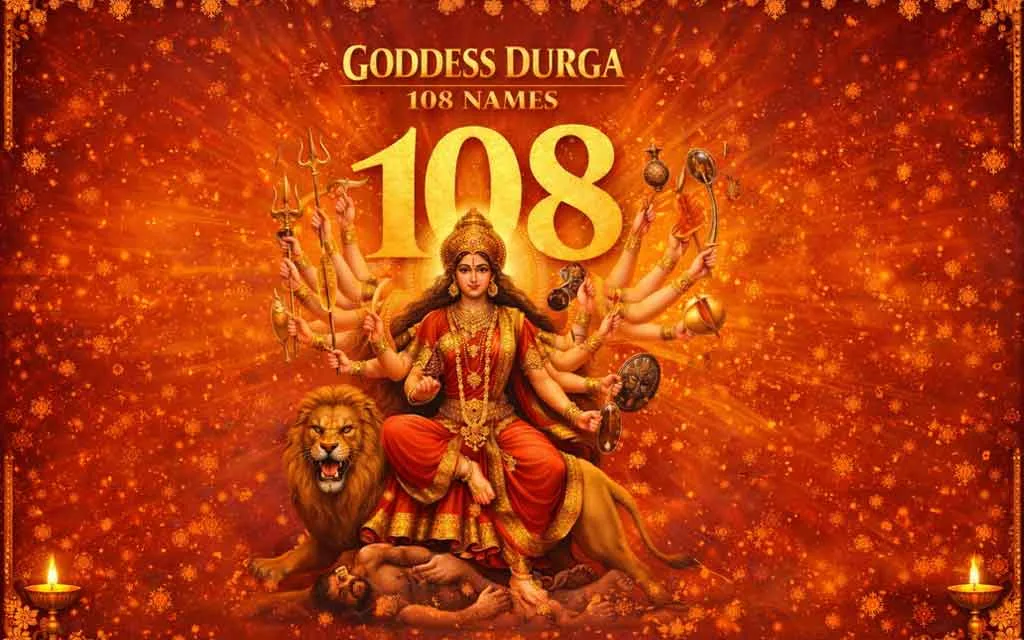
108 Names of Maa Durga (Durga Ashtottara Shatanamavali) with Meaning for Navratri 2026
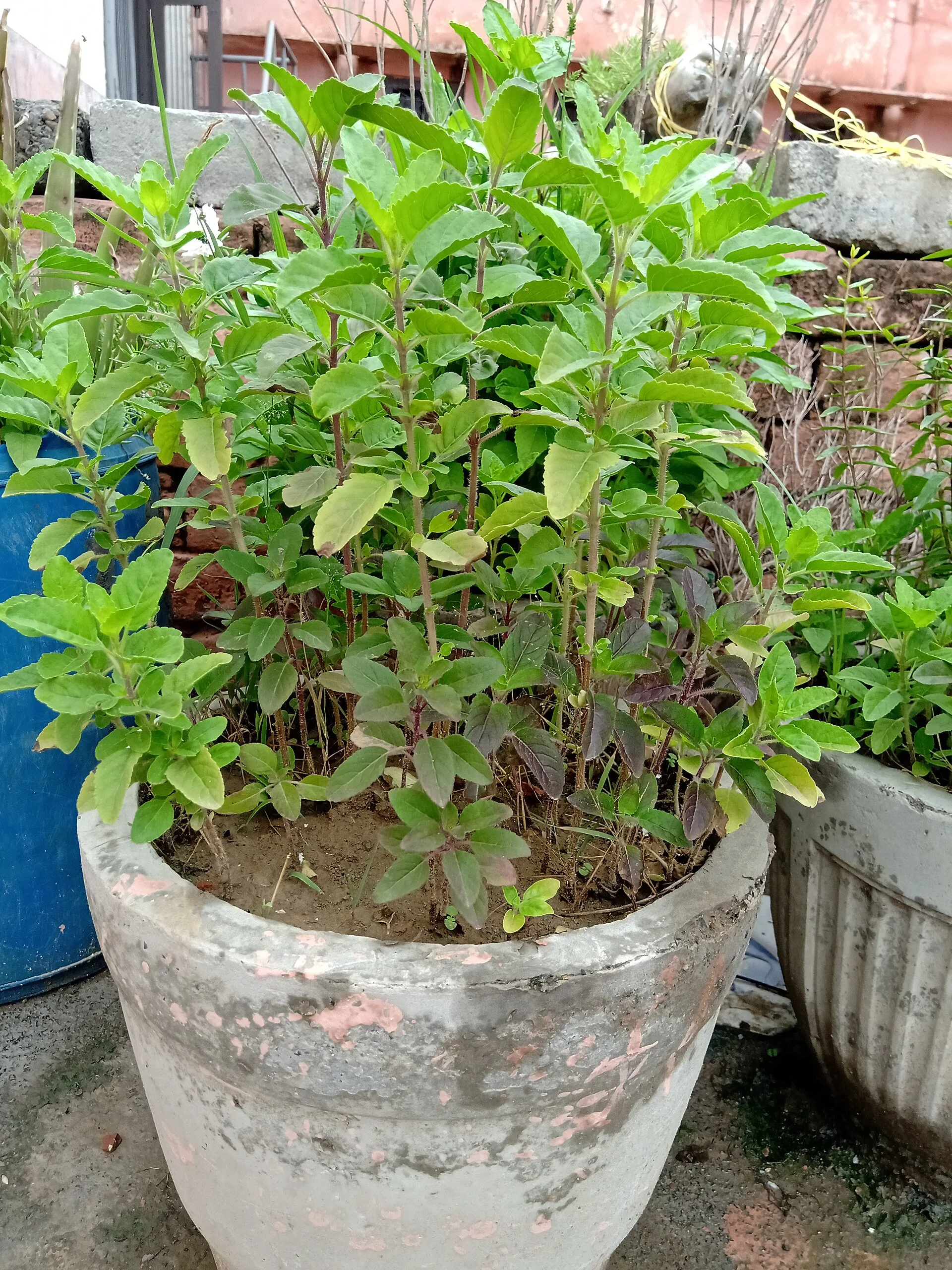
Tulasi Pooja in Karthika Masam 2026: Daily Vidhi, Sloka, Ksheerabdi Dwadasi (21 November) and Plant Care
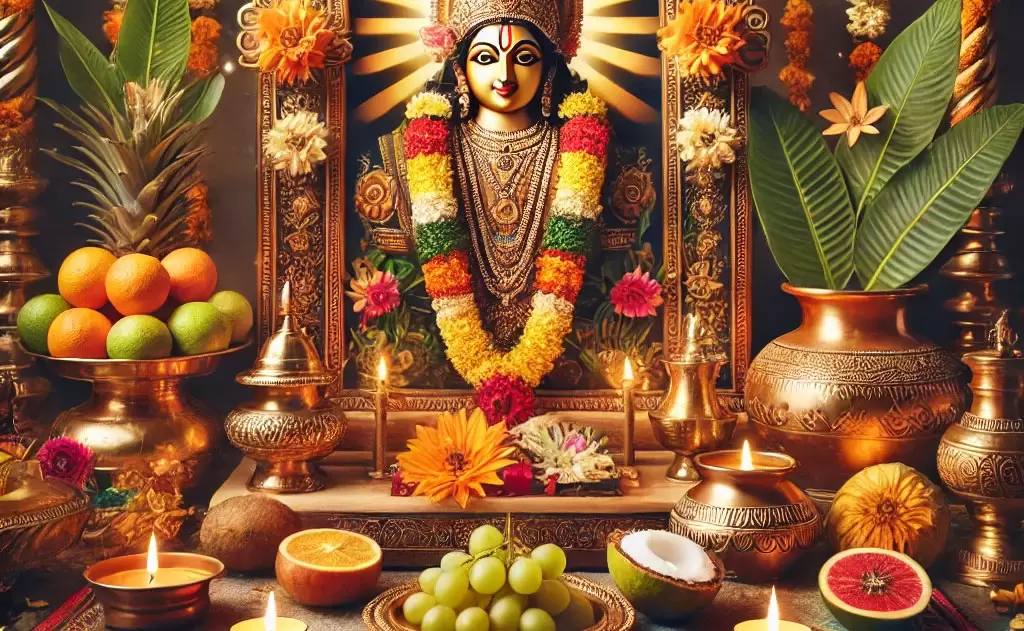
Satyanarayana Vratham in Karthika Masam 2026: Best Dates in India, Home Vidhi, Materials and Prasadam
Explore the Mantras & Slokas cluster

How to Do Aarti Correctly: Steps, Meaning, What You Need and Safety Tips
Shodashopachara Puja: The 16 Steps of Hindu Worship Explained, with a Simple Home Version
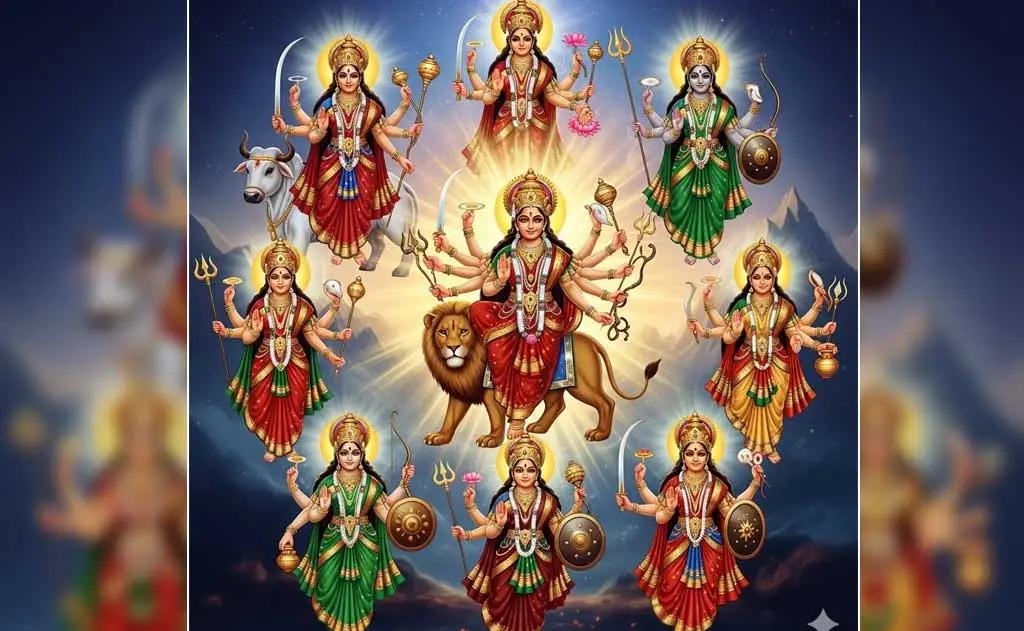
Navratri Mantras Before Garba: Durga and Amba Prayers, Day-Wise Naam Mantras and a Family Sankalpa
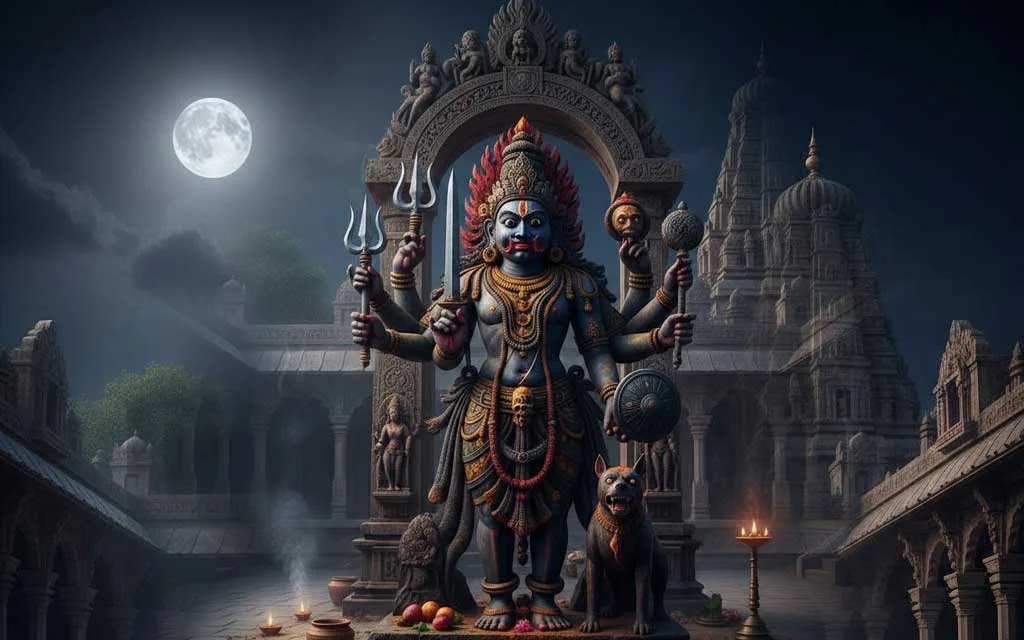
Bhairav Chalisa: Lyrics in Hindi with Meaning, Bhairav Aarti and How to Recite
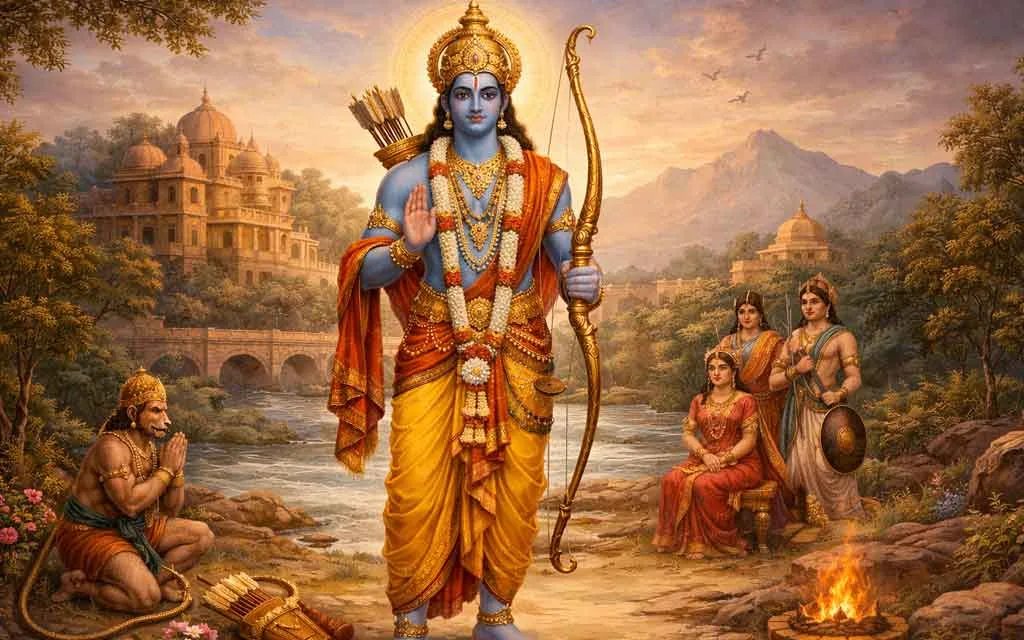
Ram Chalisa: Lyrics in Hindi with Meaning, Ram Stuti Aarti and How to Recite
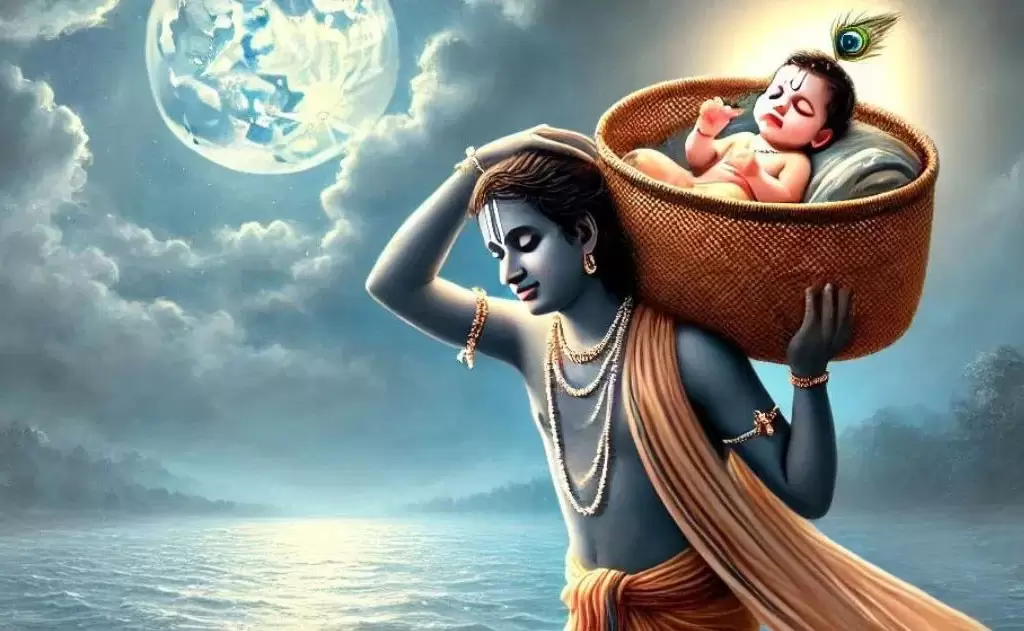
Krishna Chalisa Lyrics in Hindi with Meaning: Banshi Shobhit Kar Madhur
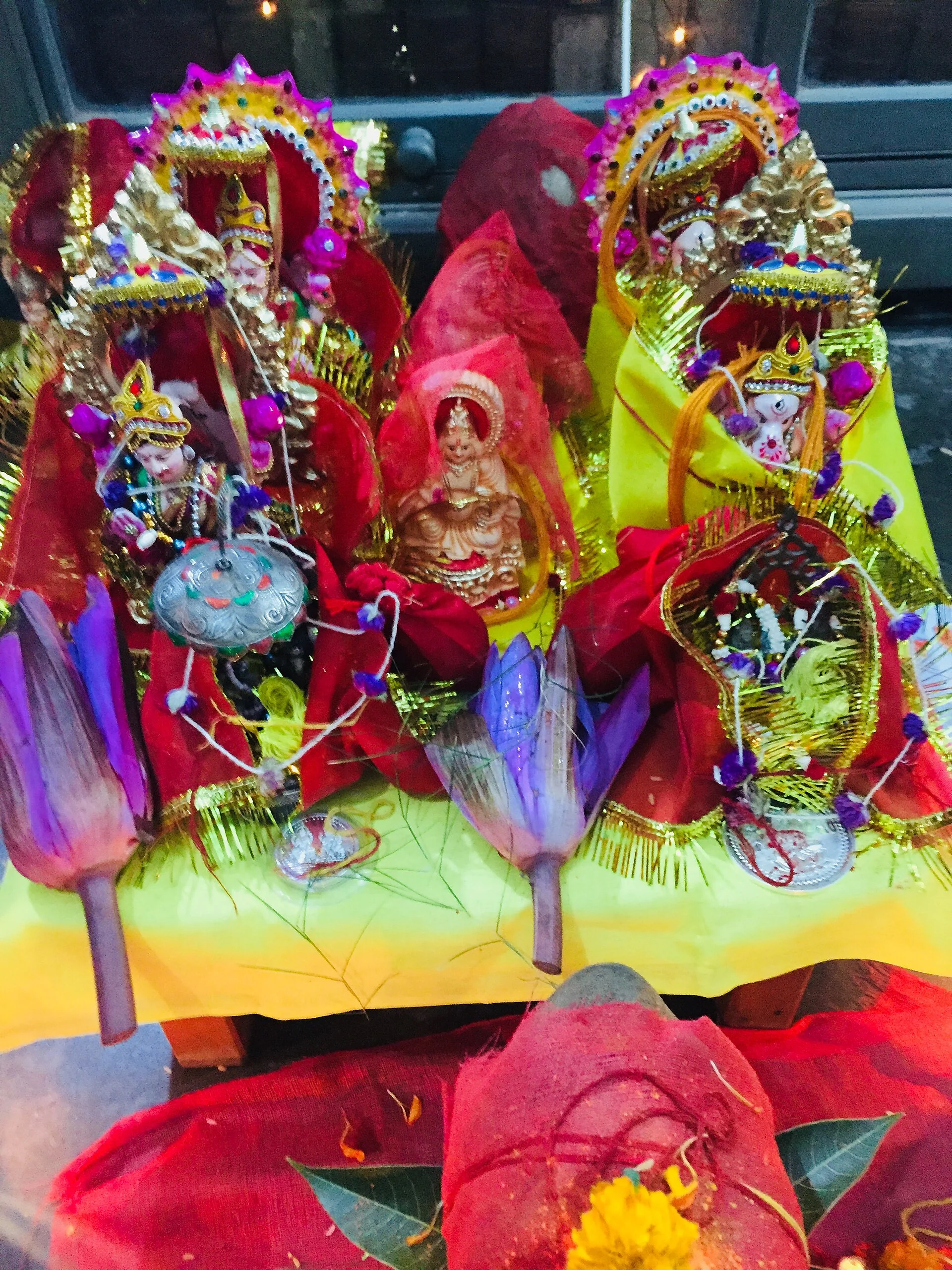
Lakshmi Chalisa Lyrics in Hindi with Meaning, and Om Jai Lakshmi Mata Aarti
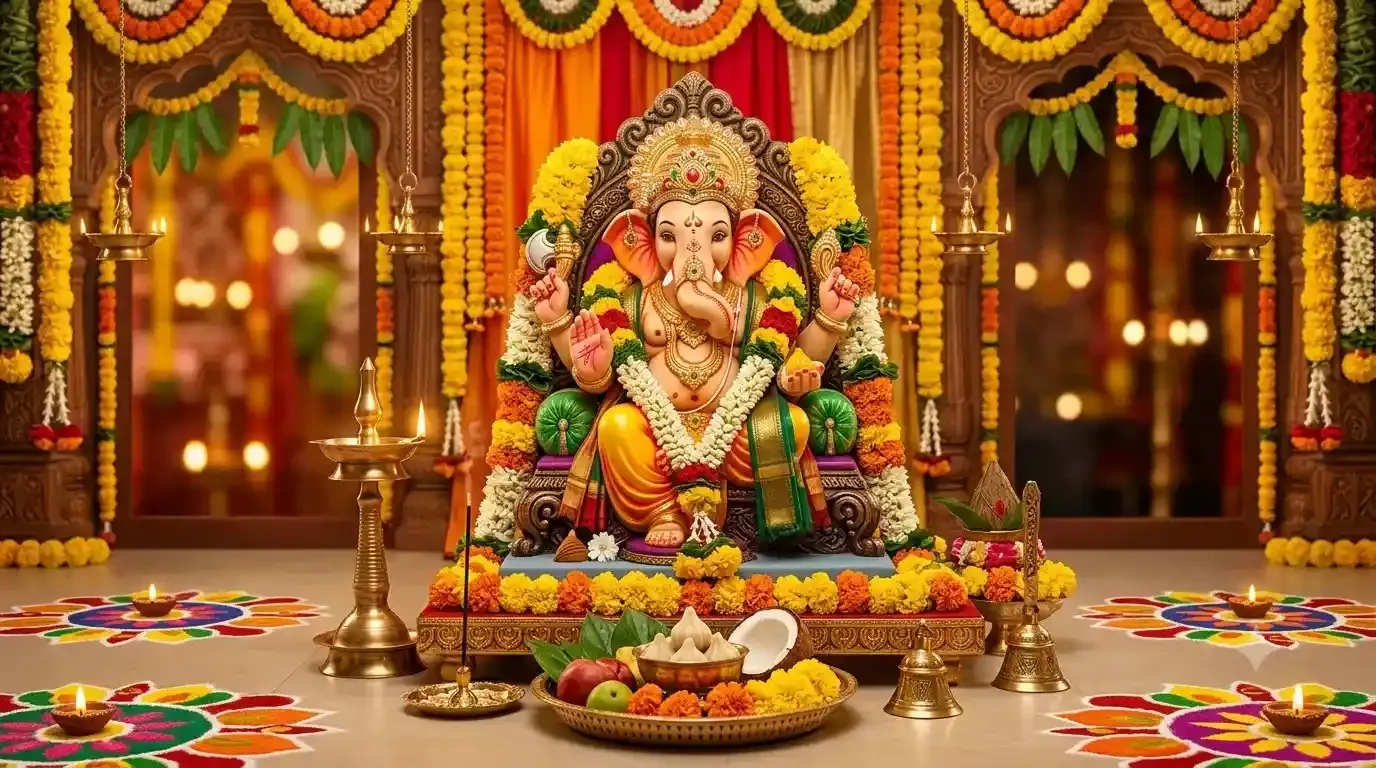
Ganesh Chalisa Lyrics in Hindi with Meaning, and Jai Ganesh Deva Aarti
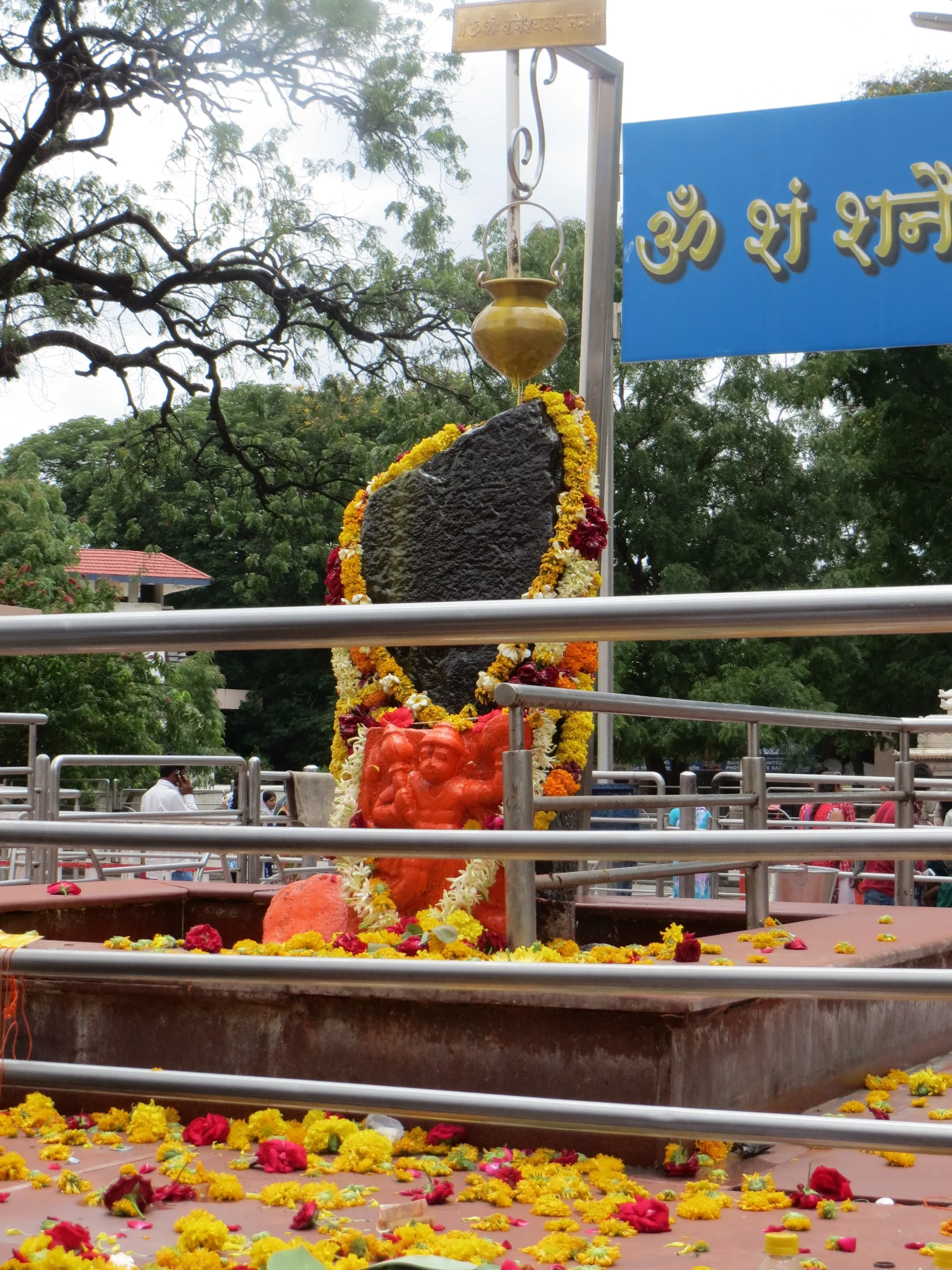
Shani Chalisa Lyrics in Hindi with Meaning and Shani Dev Aarti
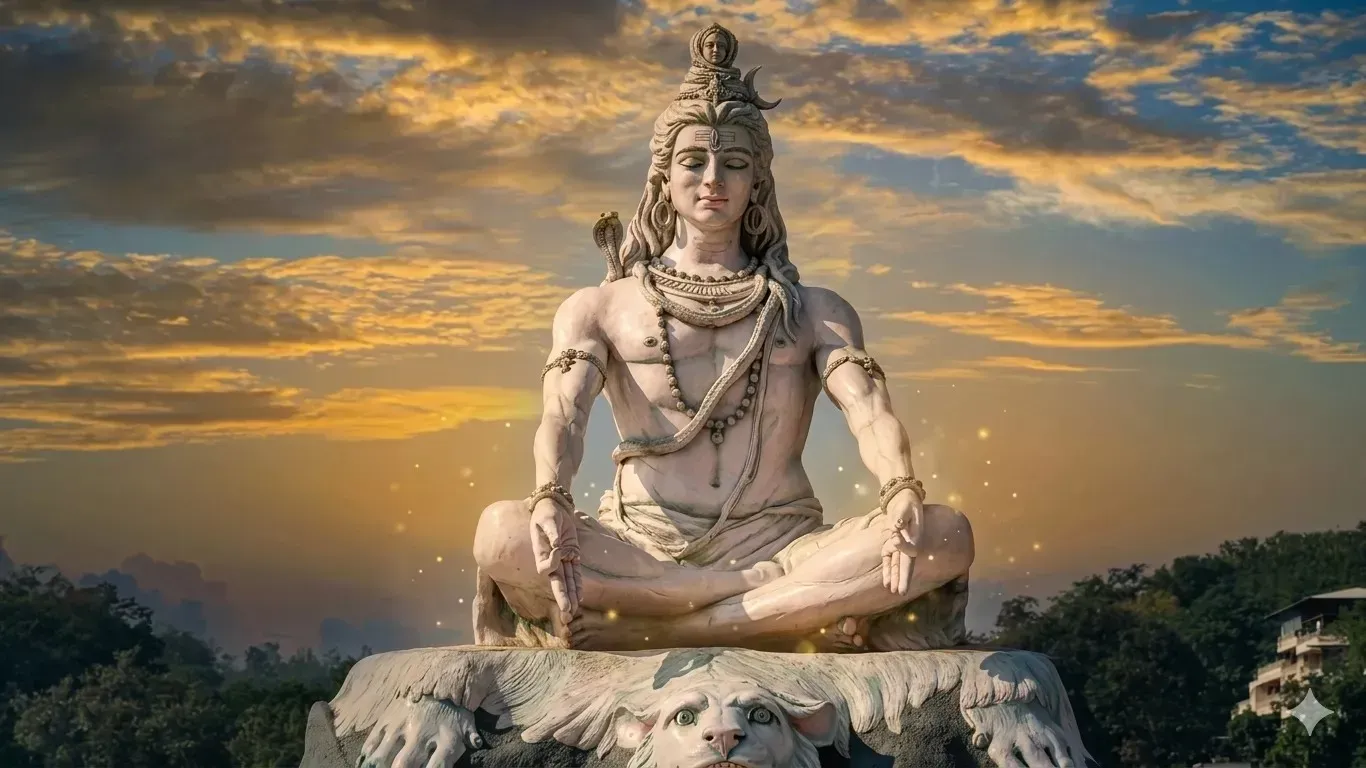
Shiv Chalisa (Jai Ganesh Girija Suvan) Lyrics in Hindi with Meaning and Shiv Aarti
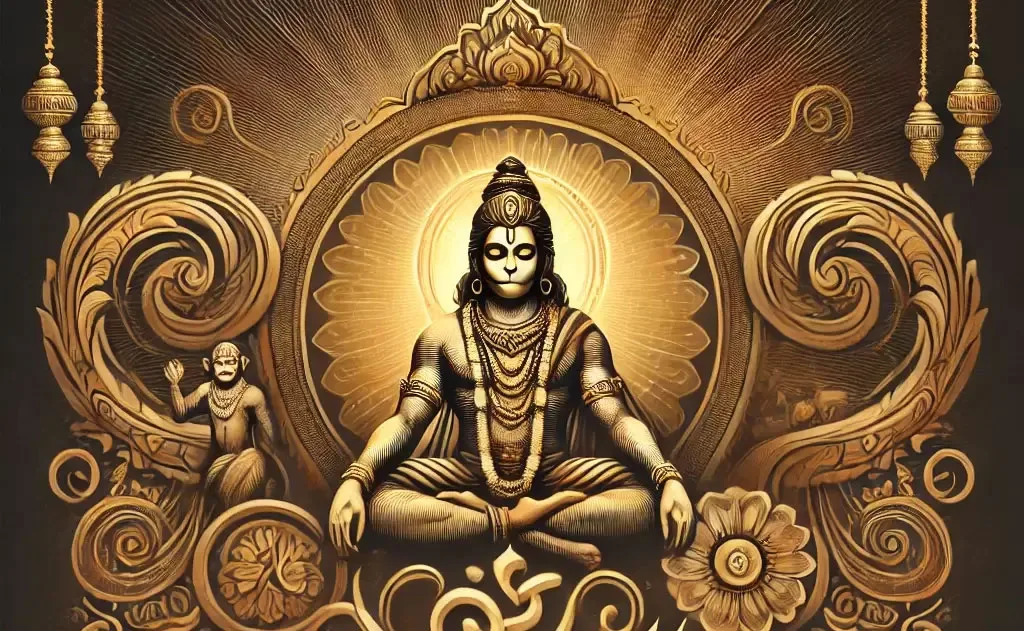
Sankat Mochan Hanuman Ashtak (Baal Samay Ravi Bhakshi Liyo): Lyrics and Meaning
Hindu Mantra and Prayer for Selling a House: Ganesha, Lakshmi and Vishnu, a Farewell Puja and Practical Tips for NRIs
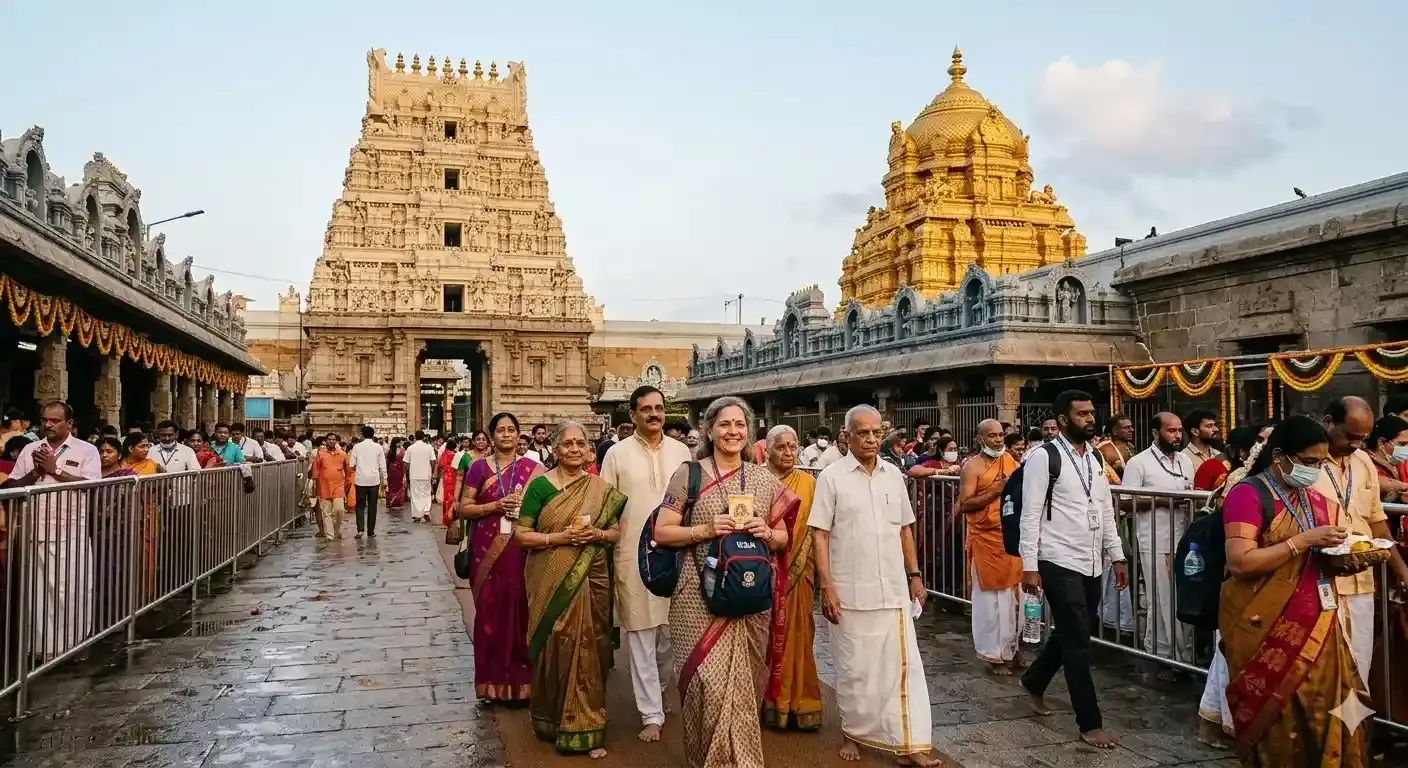
Hindu Prayer for the US Citizenship Interview: Mantras, a Calm Morning Practice and Giving Thanks After the Oath
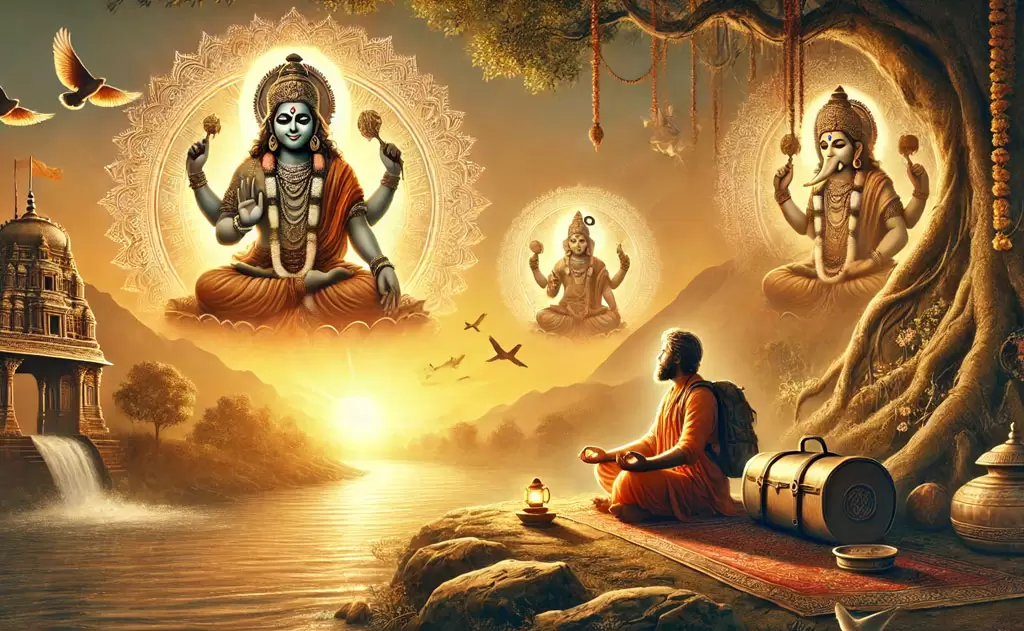
Vahana Puja in the USA for NRIs: New Car, Bike and EV Puja Vidhi, Mantras, Samagri and Temples
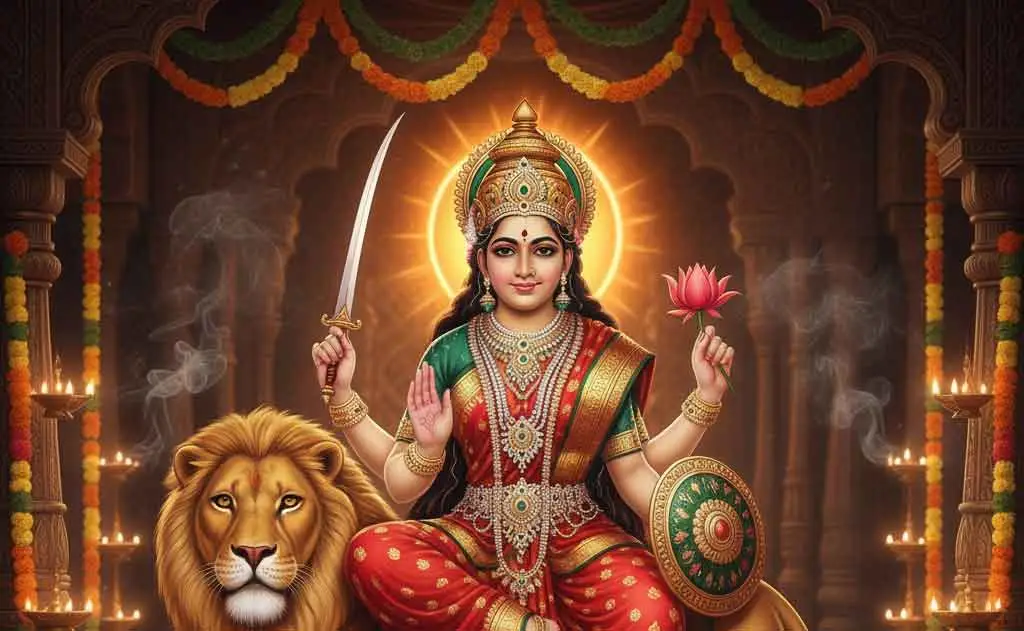
Katyayani Mantra for Marriage: Word-by-Word Meaning, the Gopis' Vrata and a Gentle Guide for NRI Families
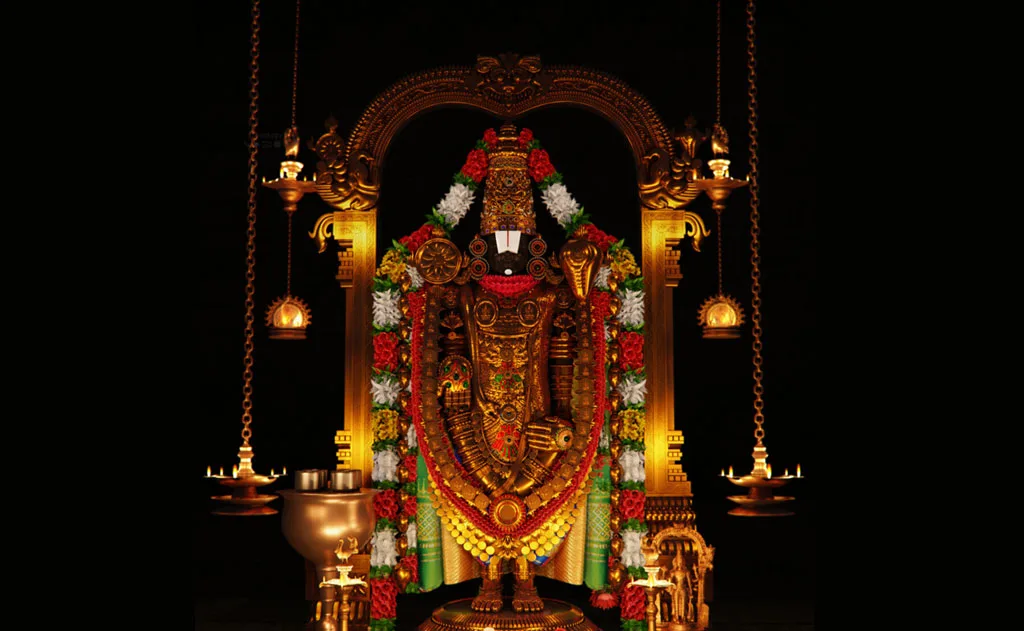
Hindu Prayers and Mantras While Waiting for Green Card Approval: A Devotional Guide for Indian Immigrants in the USA
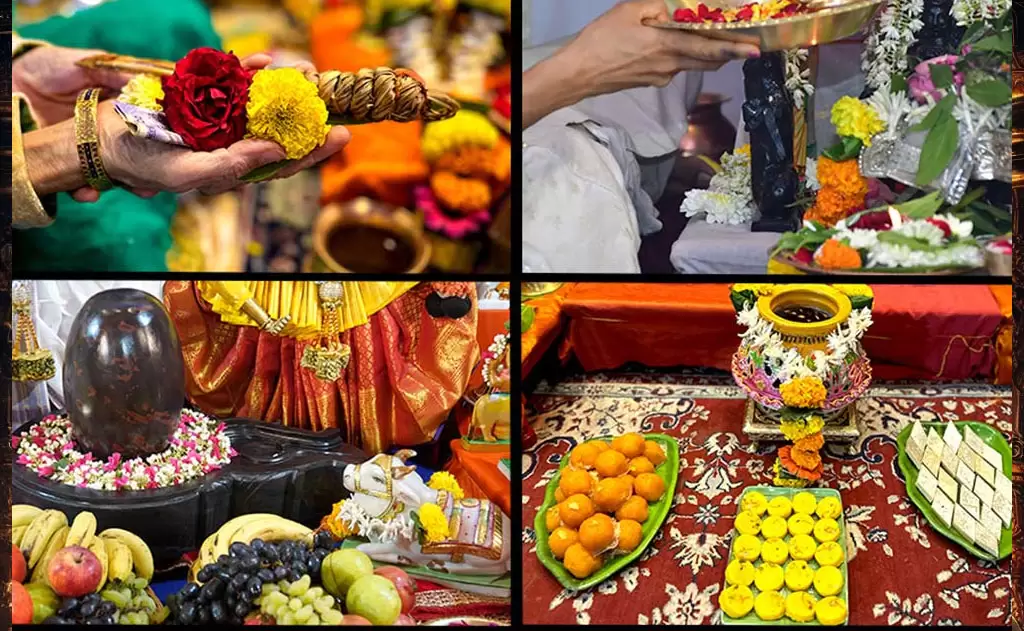
Navagraha Stotram (Japakusuma Sankasham): Lyrics, Meaning and Benefits
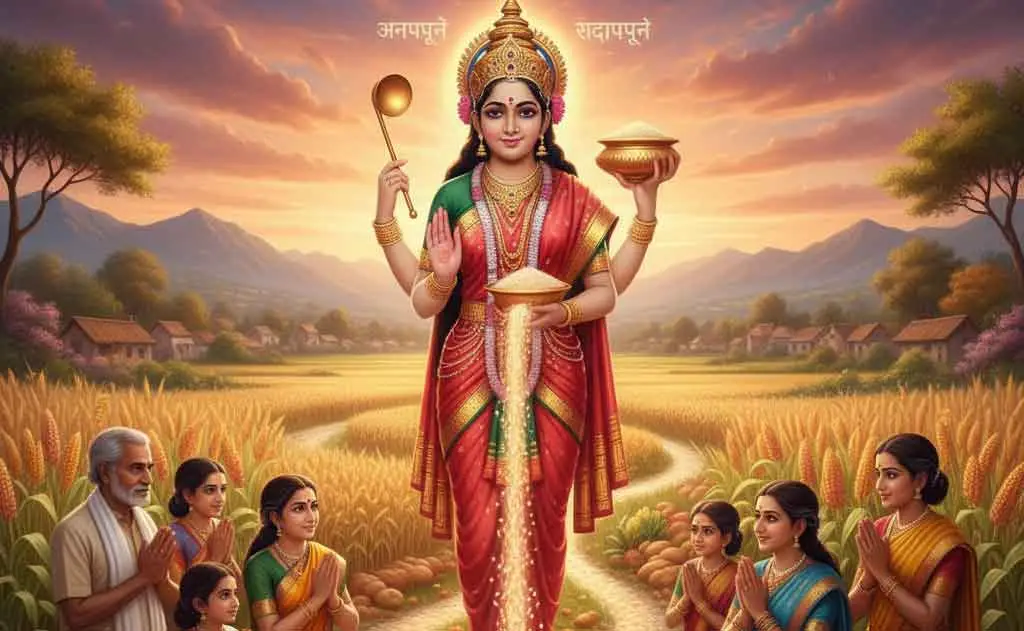
Annapurna Stotram (Nityanandakari): Lyrics, Meaning and Benefits
Frequently asked questions
What is the most powerful Hindu mantra?
The Gayatri Mantra is considered the supreme mantra of the Vedas — chanted at Sandhya time (dawn, noon, dusk). Other primary mantras: Om Namah Shivaya for Shiva, Om Namo Narayanaya for Vishnu, Om Aim Saraswathyai Namah for Saraswathi. The "right" mantra is the one your guru gives you or your tradition prescribes.
How many times should I chant a mantra?
Traditional japa counts are 108 (one full mala), 1008 (10 malas), or multiples thereof. The Mahamrityunjaya is chanted 108 times daily for healing; the Gayatri 108–1008 times during Sandhya. Quality of attention (sahishnuta) matters more than count.
What direction should I face while chanting?
Generally East (toward sunrise) for prosperity and learning, North for liberation and wisdom. Avoid facing South except for Yama-related rituals. Sit on a clean cloth or kusha-grass asana; cross-legged padmasana or sukhasana is traditional.
Can non-Hindus chant Vedic mantras?
Yes — modern Sanatana practice welcomes sincere seekers from any background to chant mantras like the Gayatri, Mahamrityunjaya and Om. Some specialized Vedic rituals (like Upakarma) traditionally require initiation, but personal mantra japa is universal.
What is the difference between a mantra and a sloka?
A mantra is a sound formula — often a single syllable or short phrase — chanted to invoke a deity or transform consciousness. A sloka is a metrical verse, usually two lines of Sanskrit, that describes or praises. Slokas can contain mantras; mantras are not always slokas.