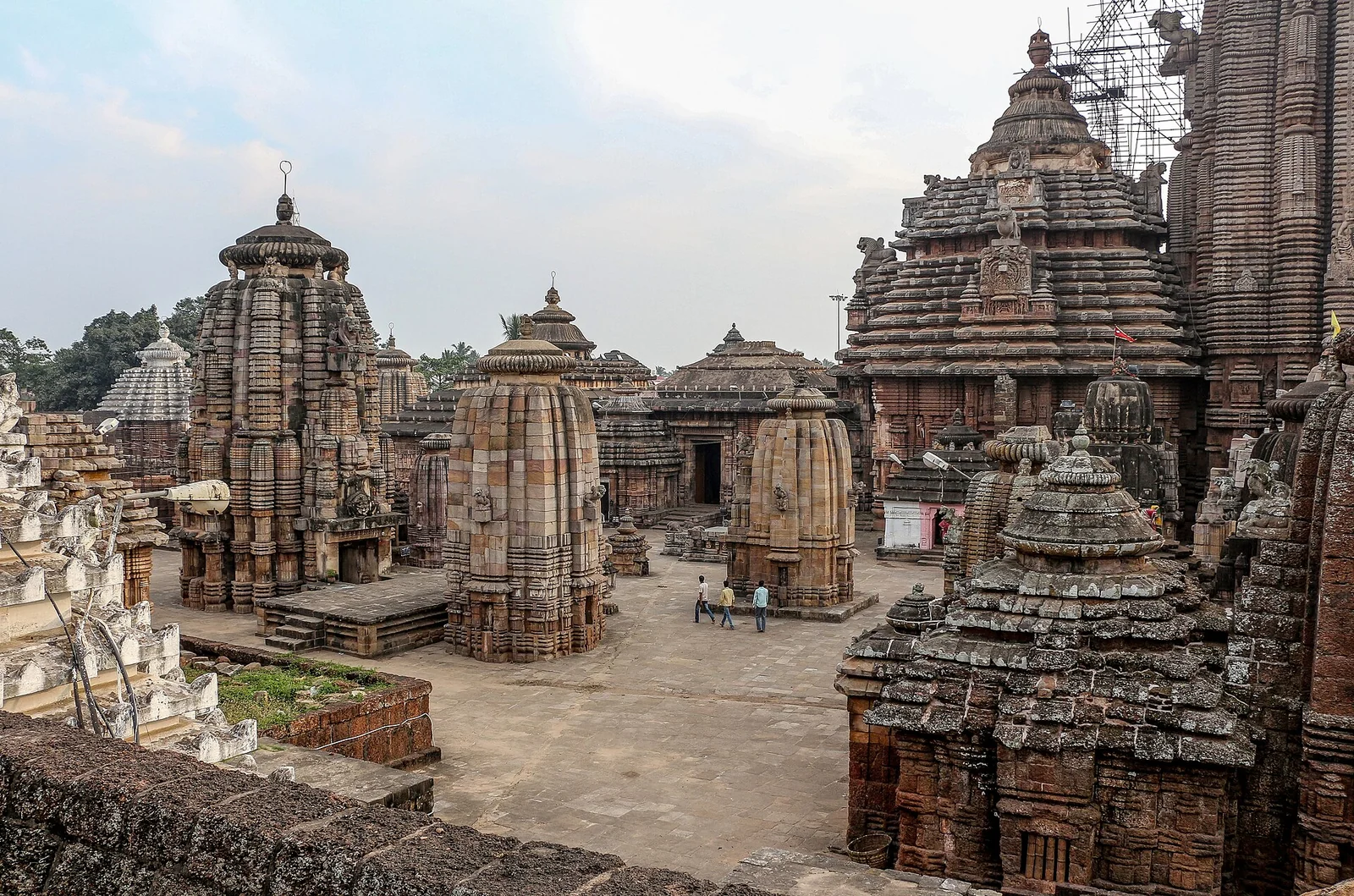
Angkor Wat: Divine Mysteries & Soul-Stirring Miracles of Lord Vishnu's Cosmic Temple
Explore the hidden truths and divine miracles of Angkor Wat, Cambodia — the world's largest religious monument, dedicated to Lord Vishnu. The cosmic Mount Meru design, the Samudra Manthan carvings, the equinox sun alignment and Vishnu's living energy. Om Namo Narayanaya!
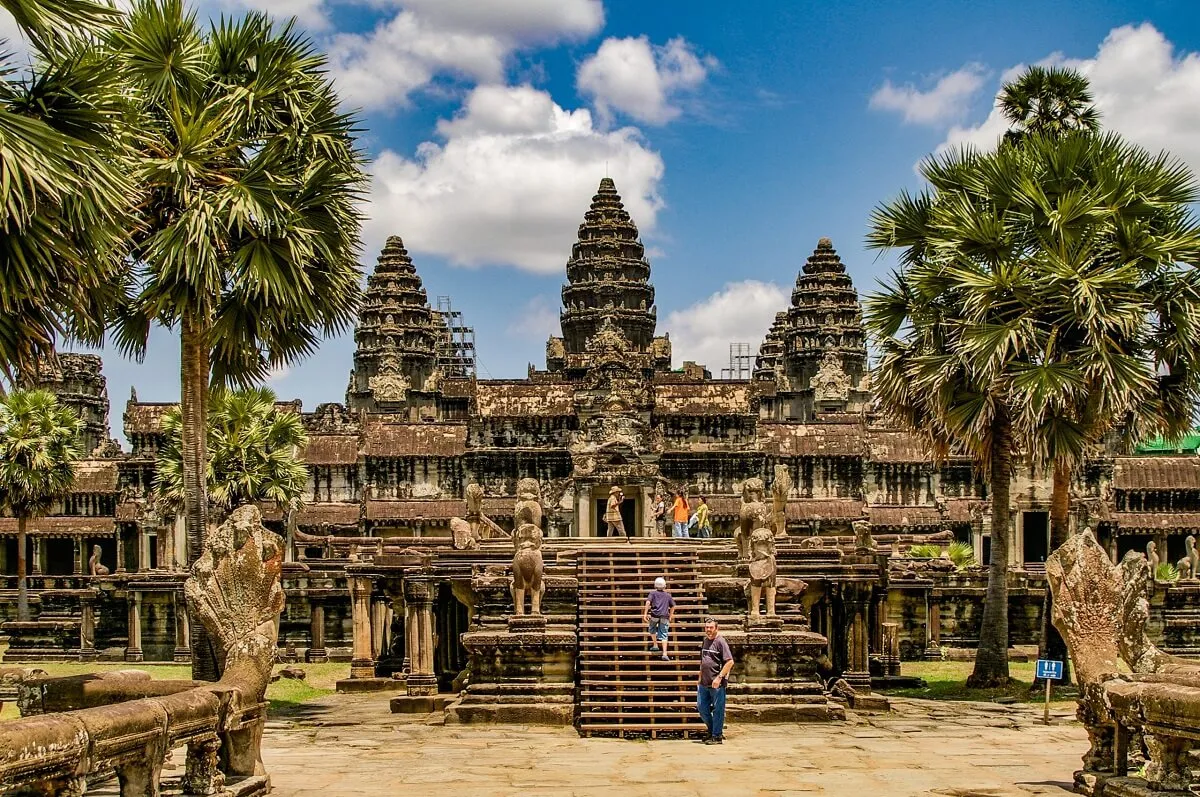
Explore the hidden truths and divine miracles of Angkor Wat, Cambodia — the world's largest religious monument, dedicated to Lord Vishnu. The cosmic Mount Meru design, the Samudra Manthan carvings, the equinox sun alignment and Vishnu's living energy.
In the ancient Khmer heartland of Siem Reap, Cambodia, lies the breathtaking Angkor Wat — the largest religious monument in the world and the supreme abode of Lord Vishnu as the cosmic preserver. Built in the 12th century by King Suryavarman II, this magnificent complex is Kaliyuga's living Vaishnava masterpiece, where the Supreme Lord grants protection, prosperity, spiritual elevation and moksha.
This guide on HinduTone uncovers the hidden truths and divine miracles of Angkor Wat. Om Namo Narayanaya! Jai Angkor Vishnu!
The Cosmic Legend: A Temple of Mount Meru
King Suryavarman II, a great devotee of Lord Vishnu, received a vision to construct a temple representing Mount Meru — the cosmic mountain and abode of the gods. The central tower symbolizes Mount Meru, the surrounding walls the earthly realm, and the moat the cosmic ocean. Originally called Paramavishnuloka ('the world of the supreme Vishnu'), it served as both a Vishnu temple and royal mausoleum.
Even after the later rise of Buddhism, the core Vaishnava energy of Angkor Wat has remained intact — a living bridge between ancient Hindu glory and modern seekers.
Hidden Spiritual Truth: Angkor Wat is a Yantra in stone — a sacred geometric representation of the cosmos. Its precise alignment with the sun during equinoxes reveals it was built as a direct conduit for Lord Vishnu's divine energy.
Sacred Mysteries and Architectural Wonders
Perfect Astronomical Alignment: On the spring equinox the sun rises directly over the central tower, symbolizing Lord Vishnu's role as preserver of cosmic order.
The Samudra Manthan Carvings: One of the longest continuous bas-reliefs in the world depicts the churning of the ocean, with Lord Vishnu in His Kurma avatar supporting Mount Mandara — so spiritually charged that many feel divine vibrations while circumambulating.
Hidden Vishnu Idols: Thousands of divine faces and Vishnu carvings emerge from the stone; the central sanctuary once housed a grand Vishnu idol believed to still radiate energy.
The Moat and Lotus: The vast moat represents the primordial waters of creation; blooming lotuses symbolize purity and spiritual awakening.
Soul-Stirring Miracles That Strengthen Faith
Visitors suffering chronic illness, depression and emotional trauma report sudden relief and profound inner peace after spending time in the temple. Devotees who pray with pure hearts for righteous desires often see prayers answered.
Pilgrims experience visions of Lord Vishnu as Narayana riding Garuda, or dreams of the temple calling them. The 'rediscovery' and preservation of Angkor Wat after centuries of jungle overgrowth is seen as Lord Vishnu's will to keep His cosmic abode alive.
The Sacred Pilgrimage: Path of Cosmic Devotion
A visit is a complete spiritual yatra — begin with the auspicious sunrise viewing, circumambulate the complex clockwise, meditate near the central tower and the Samudra Manthan gallery, and visit nearby Angkor Thom, Bayon and Ta Prohm. Best time: November to March, with special merit during equinox periods. Chant Vishnu mantras and walk with reverence.
Why Angkor Wat Remains One of the Most Powerful Temples in Kali Yuga
Angkor Wat stands as a majestic reminder of Lord Vishnu's cosmic order. The hidden truths — the astronomical design, living energy field, divine carvings and continuous miracles — all declare that the Preserver actively watches over humanity from His Southeast Asian abode.
Every 'Om Namo Narayanaya' uttered here resonates across the cosmic ocean the temple symbolizes.
If you seek cosmic protection, spiritual grandeur or a deeper connection with Lord Vishnu, make the sacred journey to Angkor Wat.
Jai Shri Vishnu! Om Namo Narayanaya! May the blessings of Lord Vishnu shower upon all devotees.
Explore More Divine Temple Mysteries on HinduTone
Frequently asked questions
Who built Angkor Wat and when?
King Suryavarman II, a great devotee of Lord Vishnu, built it in the 12th century in Siem Reap, Cambodia. It was originally called Paramavishnuloka, 'the world of the supreme Vishnu'.
What does the design of Angkor Wat symbolize?
The central tower symbolizes Mount Meru, the cosmic mountain and abode of the gods. The surrounding walls represent the earthly realm and the moat represents the cosmic ocean.
What is the Samudra Manthan carving at Angkor Wat?
It is one of the longest continuous bas-reliefs in the world, showing the churning of the ocean. Lord Vishnu appears in his Kurma avatar supporting Mount Mandara.
When is the best time to visit Angkor Wat?
November to March is the best time, with special merit during equinox periods. On the spring equinox the sun rises directly over the central tower.
How should a pilgrim plan a spiritual visit to Angkor Wat?
Begin with the sunrise viewing, circumambulate the complex clockwise and meditate near the central tower and the Samudra Manthan gallery. Nearby Angkor Thom, Bayon and Ta Prohm can also be visited while chanting Vishnu mantras.
You might also like

Prambanan: Divine Mysteries & Soul-Stirring Miracles of the Trimurti in Indonesia
Sree Padmanabhaswamy: Divine Mysteries & Soul-Stirring Miracles of Lord Ananta Padmanabha
Pashupatinath: Divine Mysteries & Soul-Stirring Miracles of Lord Shiva in Nepal