Ayodhya Ram Mandir: Divine Mysteries & Soul-Stirring Miracles of Lord Rama's Birthplace
Explore the hidden truths and soul-stirring miracles of Ayodhya Ram Mandir — the birthplace of Bhagwan Shri Ram. The Ram Janmabhoomi, the iron-free temple, the annual Surya Tilak miracle on Ram Lalla and the eternal symbol of Dharma. Jai Shri Ram!
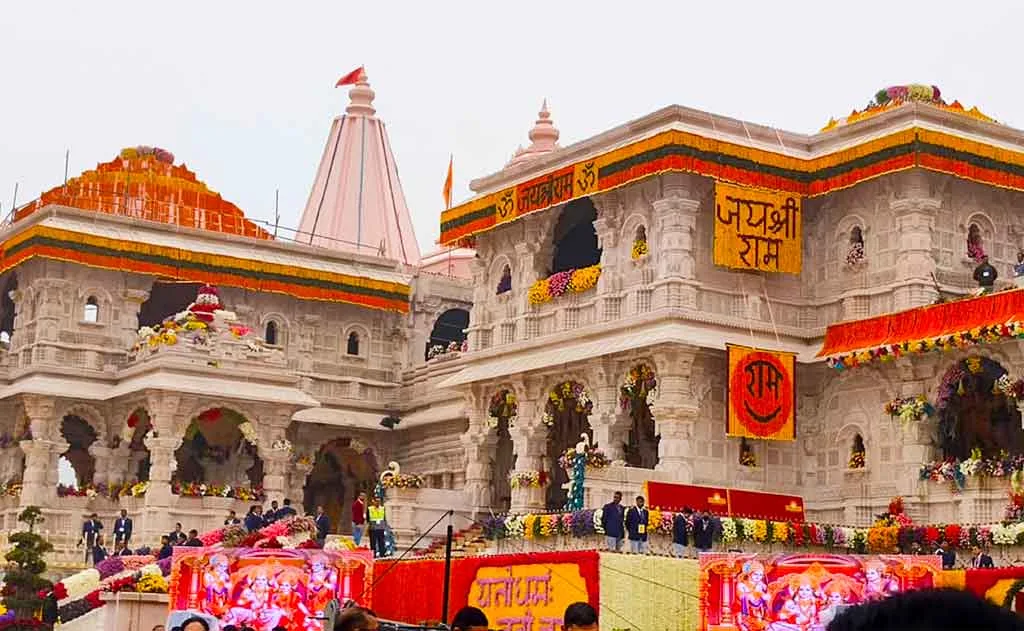
Explore the hidden truths and soul-stirring miracles of Ayodhya Ram Mandir — the birthplace of Bhagwan Shri Ram. The Ram Janmabhoomi, the iron-free temple, the annual Surya Tilak miracle on Ram Lalla and the eternal symbol of Dharma.
In the holy city of Ayodhya, on the banks of the sacred Sarayu River, stands the magnificent Shri Ram Janmabhoomi Mandir — the divine birthplace of Maryada Purushottam Bhagwan Shri Ram, the seventh avatar of Lord Vishnu. Built in the traditional Nagara style, it is Kaliyuga's living symbol of Dharma, where Lord Rama blesses millions with righteousness, peace, victory over evil and moksha.
This guide on HinduTone unveils the hidden truths and divine miracles of Ayodhya Ram Mandir. Jai Shri Ram!
The Cosmic Legend: Lord Rama's Birth and Ayodhya
Ayodhya is one of the seven sacred Sapta Puri cities that grant liberation. In the Treta Yuga, King Dasharatha performed the Putrakameshthi Yagna; the divine payasam distributed among his queens led to the birth of four princes. On Chaitra Shukla Navami, in Punarvasu Nakshatra, Lord Vishnu incarnated as Rama in Queen Kaushalya's womb at this very site.
Rama's life exemplifies Dharma in all forms — as a son obeying exile, a husband protecting Sita, a king establishing Ram Rajya and a devotee of Shiva. The grand temple fulfils centuries of longing and prayers of millions of devotees.
Hidden Spiritual Truth: Ayodhya represents the ideal society (Ram Rajya) where truth, justice and devotion prevail. Visiting here purifies the soul and instils the virtues of Rama — patience, duty, compassion and courage.
Sacred Mysteries and Architectural Wonders
Built Without Iron or Steel: The entire structure uses stone, wood and traditional materials per Vastu and Shilpa Shastras, allowing pure divine energy to flow uninterrupted.
Sacred Soil from Across Bharat: Foundation soil was brought from every corner of India and from devotees abroad, symbolizing national unity and collective devotion.
The Surya Tilak Miracle: On Ram Navami, an optomechanical system of mirrors and lenses focuses sunlight precisely onto Ram Lalla's forehead — a scientific-spiritual marvel symbolizing Surya Devata's blessings.
Energy Vortex: Devotees report intense vibrations in the garbhagriha — spontaneous tears, overwhelming peace and a feeling of returning home.
Soul-Stirring Miracles That Strengthen Faith
The annual Surya Tilak is seen as a direct celestial blessing. Countless devotees report chronic illnesses cured, wishes fulfilled and family problems resolved after sincere darshan; childless couples blessed with children.
Pilgrims report protection from accidents and visions of Lord Rama or Hanuman in dreams. The successful completion of the temple despite centuries of challenges is itself considered the greatest miracle of collective faith — over 50 crore devotees have visited since inauguration.
The Sacred Yatra: Path of Dharma
A pilgrimage to Ayodhya includes a holy dip in the Sarayu River and darshan of Ram Lalla, Hanuman Garhi, Kanak Bhawan and Sita Ki Rasoi. Best time: Ram Navami, Diwali or Kartik Purnima. Chant 'Jai Shri Ram,' read the Sundara Kanda and practise truthfulness and compassion.
Why Ayodhya Ram Mandir Remains the Ultimate Refuge in Kali Yuga
In an age of moral confusion, Lord Rama stands as the eternal ideal. The hidden truths — the Surya Tilak, the sacred collective construction, the powerful energy field and unending miracles — all affirm that He is alive, listening and guiding souls back to Dharma.
Every 'Jai Shri Ram' uttered here reaches the divine bow that destroys adharma.
If you seek righteousness, family harmony, victory over inner enemies or simple peace, undertake the sacred journey to Ayodhya. Let Maryada Purushottam embrace and transform your life.
Jai Shri Ram! Jai Siya Ram! May the blessings of Lord Rama shower upon all devotees.
Frequently asked questions
What is the Surya Tilak at Ayodhya Ram Mandir?
On Ram Navami, an optomechanical system of mirrors and lenses focuses sunlight onto the forehead of Ram Lalla. It is seen as a scientific-spiritual marvel symbolizing the blessings of Surya Devata.
Is the Ayodhya Ram Mandir really built without iron or steel?
Yes, the structure uses stone, wood and traditional materials as prescribed by the Vastu and Shilpa Shastras. It is built in the traditional Nagara style.
What is the best time to visit Ayodhya Ram Mandir?
Ram Navami, Diwali and Kartik Purnima are considered the best times. Ram Navami falls on Chaitra Shukla Navami, the day Lord Rama is believed to have been born.
Which places should pilgrims visit along with Ram Mandir in Ayodhya?
A pilgrimage includes a holy dip in the Sarayu River and darshan of Ram Lalla, Hanuman Garhi, Kanak Bhawan and Sita Ki Rasoi.
Did devotees from abroad contribute to the Ram Mandir?
Foundation soil was brought from every corner of India and also from devotees abroad, symbolizing national unity and collective devotion. NRI devotees can join the pilgrimage in the same spirit.
What should devotees chant or practise during an Ayodhya yatra?
Devotees chant 'Jai Shri Ram', read the Sundara Kanda and practise truthfulness and compassion during the pilgrimage.
You might also like
Pashupatinath: Divine Mysteries & Soul-Stirring Miracles of Lord Shiva in Nepal

Dwarkadhish: Divine Mysteries & Soul-Stirring Miracles of Lord Krishna's Eternal Kingdom

Badrinath: Divine Mysteries & Soul-Stirring Miracles of Lord Vishnu's Himalayan Abode