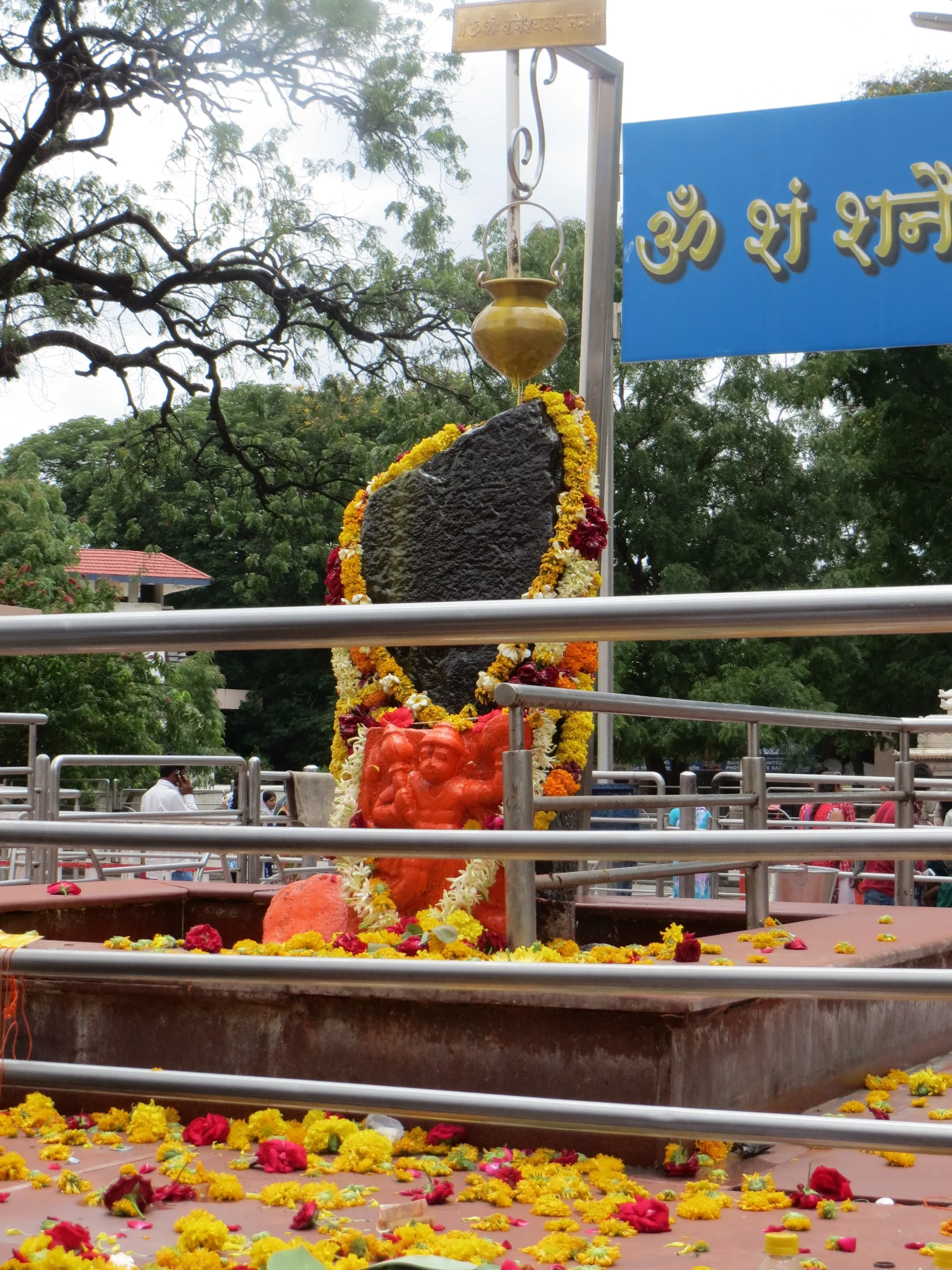
Shiva Panchakshara Stotram (Nagendraharaya): Lyrics, Meaning and Benefits
Shiva Panchakshara Stotram, the hymn that begins 'Nagendraharaya trilochanaya', honours Lord Shiva through the five sacred syllables Na-Ma-Shi-Va-Ya. Here is the full text with a simple English meaning of every verse, the phalashruti, how it relates to Om Namah Shivaya, and when to chant it on Mondays, Pradosham and Maha Shivaratri.
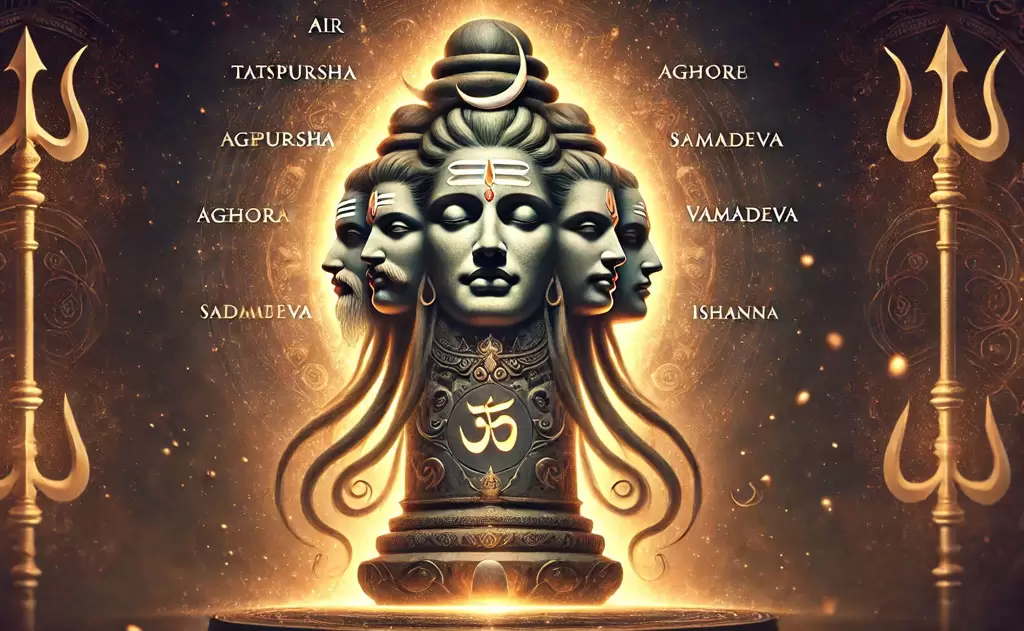
Shiva Panchakshara Stotram, the hymn that begins 'Nagendraharaya trilochanaya', honours Lord Shiva through the five sacred syllables Na-Ma-Shi-Va-Ya. Here is the full text with a simple English meaning of every verse, the phalashruti, how it relates to Om Namah Shivaya, and when to chant it on Mondays, Pradosham and Maha Shivaratri.
Quick answer: Shiva Panchakshara Stotram is a five-verse Sanskrit hymn to Lord Shiva that begins "Nagendraharaya trilochanaya". Each verse honours one syllable of the sacred five-syllable mantra Na-Ma-Shi-Va-Ya, and ends "tasmai ... namah shivaya", saluting Shiva as that syllable. It is traditionally attributed to Adi Shankaracharya. Devotees chant it on Mondays, at Pradosham and on Maha Shivaratri. It takes about two minutes to recite.
This guide has been restored at its original hindutone.com address. Below you will find the full text in Devanagari and IAST transliteration, a plain-English meaning after every verse, how the hymn relates to Om Namah Shivaya, and simple guidance on chanting at home.
Shiva Panchakshara Stotram: full text with meaning
The text follows the edition on sanskritdocuments.org. Each verse is given in Devanagari, then in IAST transliteration, then in simple English. The meanings are faithful to the Sanskrit but written so that the devotional sense comes through clearly.
Verse 1
नागेन्द्रहाराय त्रिलोचनाय भस्माङ्गरागाय महेश्वराय ।
नित्याय शुद्धाय दिगम्बराय तस्मै नकाराय नमः शिवाय ॥ १॥
nāgendrahārāya trilocanāya bhasmāṅgarāgāya maheśvarāya |
nityāya śuddhāya digambarāya tasmai nakārāya namaḥ śivāya || 1||
Meaning: He wears the king of serpents as his garland and has three eyes. His body is smeared with sacred ash, and he is Maheshvara, the great Lord. He is eternal and pure, and the directions themselves are his garment. To that Shiva, who is the syllable "Na", salutations.
Verse 2
मन्दाकिनि-सलिलचन्दन-चर्चिताय नन्दीश्वर-प्रमथनाथ- महेश्वराय ।
मन्दारपुष्प-बहुपुष्प-सुपूजिताय तस्मै मकाराय नमः शिवाय ॥ २॥
mandākini-salilacandana-carcitāya nandīśvara-pramathanātha- maheśvarāya |
mandārapuṣpa-bahupuṣpa-supūjitāya tasmai makārāya namaḥ śivāya || 2||
Meaning: He is anointed with the waters of the heavenly Mandakini (the Ganga) and with sandal paste. He is the Lord of Nandi and of the pramathas, his host of attendants, the great Lord. He is worshipped with mandara flowers and many other blossoms. To that Shiva, who is the syllable "Ma", salutations.
Verse 3
शिवाय गौरीवदनाब्ज-वृन्द-सूर्याय दक्षाध्वरनाशकाय ।
श्रीनीलकण्ठाय वृषध्वजाय तस्मै शिकाराय नमः शिवाय ॥ ३॥
śivāya gaurīvadanābja-vṛnda-sūryāya dakṣādhvaranāśakāya |
śrīnīlakaṇṭhāya vṛṣadhvajāya tasmai śikārāya namaḥ śivāya || 3||
Meaning: He is Shiva, the auspicious one, the sun that makes the lotus of Gauri's face bloom. He destroyed the sacrifice of Daksha. He is the blue-throated Lord, whose banner bears the bull. To that Shiva, who is the syllable "Shi", salutations.
Verse 4
वसिष्ठ-कुम्भोद्भव-गौतमार्यमुनीन्द्र-देवार्चितशेखराय ।
चन्द्रार्क-वैश्वानरलोचनाय तस्मै वकाराय नमः शिवाय ॥ ४॥
vasiṣṭha-kumbhodbhava-gautamāryamunīndra-devārcitaśekharāya |
candrārka-vaiśvānaralocanāya tasmai vakārāya namaḥ śivāya || 4||
Meaning: His head is worshipped by Vasishtha, by Agastya the pot-born sage, by Gautama and by the other great sages and the gods. His three eyes are the moon, the sun and fire. To that Shiva, who is the syllable "Va", salutations.
Verse 5
यक्षस्वरूपाय जटाधराय पिनाकहस्ताय सनातनाय ।
दिव्याय देवाय दिगम्बराय तस्मै यकाराय नमः शिवाय ॥ ५॥
yakṣasvarūpāya jaṭādharāya pinākahastāya sanātanāya |
divyāya devāya digambarāya tasmai yakārāya namaḥ śivāya || 5||
Meaning: He took the form of a Yaksha. He bears matted locks and holds the Pinaka bow in his hand. He is the eternal one, divine and radiant, the God whose garment is the directions. To that Shiva, who is the syllable "Ya", salutations.
Phalashruti (the fruit of recitation)
पंचाक्षरमिदं पुण्यं यः पठेच्छिवसन्निधौ ।
शिवलोकमवाप्नोति शिवेन सह मोदते ॥
॥ इति श्रीमच्छंकराचार्यविरचितं शिवपञ्चाक्षरस्तोत्रं समाप्तम् ॥
paṃcākṣaramidaṃ puṇyaṃ yaḥ paṭhecchivasannidhau |
śivalokamavāpnoti śivena saha modate ||
|| iti śrīmacchaṃkarācāryaviracitaṃ śivapañcākṣarastotraṃ samāptam ||
Meaning: Whoever recites this holy Panchakshara hymn in the presence of Shiva attains the world of Shiva and rejoices together with Shiva. Thus ends the Shiva Panchakshara Stotram composed by Shri Shankaracharya.
"In the presence of Shiva" is often understood as before a Shiva Linga, in a Shiva temple, or before Shiva's picture at home. The phalashruti speaks of spiritual fruit, closeness to Shiva, rather than worldly gain.
The five syllables at a glance
The hymn is built like a garland: the first word of each verse begins with the syllable that verse honours, and the last line names it. Here is the pattern:
| Syllable | Opening word of the verse | What the verse praises |
|---|---|---|
| Na | Nagendraharaya | The serpent garland, three eyes, sacred ash, purity and eternity |
| Ma | Mandakini | The Ganga waters and sandal, Lord of Nandi and the ganas, worship with flowers |
| Shi | Shivaya | Gauri's beloved, destroyer of Daksha's sacrifice, the blue throat, the bull banner |
| Va | Vasishtha | Worship by the great sages; the eyes of moon, sun and fire |
| Ya | Yakshasvarupaya | The Yaksha form, matted locks, Pinaka bow, the eternal divine one |
Some teachers also link the five syllables with the five elements, earth, water, fire, air and space, so that chanting them is like offering the whole of creation back to Shiva. This is a traditional reflection rather than something the hymn itself states.
How it relates to Om Namah Shivaya
"Namah Shivaya" means "salutations to Shiva", the auspicious one. It is called the Panchakshara, the five-syllable mantra, and with Om before it, Om Namah Shivaya, it is the best-known Shiva mantra of all. The words appear in the Sri Rudram, the great Vedic hymn to Shiva in the Krishna Yajurveda, and the mantra is central to Shaiva traditions across India.
The Panchakshara Stotram is a meditation on that mantra. By lingering on each syllable and connecting it to a picture of Shiva, the hymn helps the mind rest on the mantra with feeling rather than mechanically. Many devotees chant the stotram once and then continue with Om Namah Shivaya on a mala. Our full guide to chanting Om Namah Shivaya 108 times explains the method, and our japa mala guide shows how to count.
How and when to chant Shiva Panchakshara Stotram
Best days and times
- Mondays (Somavara): Monday is Shiva's day. Many families chant this hymn every Monday morning or evening, and Mondays in Karthika masam are especially sacred. See our Karthika Somavaram guide.
- Pradosham: the twilight period on the thirteenth lunar day (Trayodashi) of each fortnight is traditionally dedicated to Shiva and Nandi. A short evening puja with this hymn is a simple way to observe it.
- Maha Shivaratri and Masa Shivaratri: the hymn is chanted through the night of Shivaratri and at each monthly Shivaratri. See our Karthika Masa Shivaratri guide.
- During abhishekam: it is often chanted while pouring water or milk over a Shiva Linga at home or in the temple.
How many times
Once or three times a day is a good practice. On Mondays and Pradosham some devotees chant it 11 times. Because the hymn is short, it fits easily before a round of 108 Om Namah Shivaya. Our article on the sacred number 108 explains why that number is used.
A simple way to chant at home
- Wash your hands and face and sit before a Shiva Linga or a picture of Shiva, ideally facing east or north.
- Light a lamp and offer water, a few bilva leaves if you can find them, or any fresh flower.
- Make a short sankalpa in your own words, for example: "Lord Shiva, I chant your Panchakshara hymn with devotion. Please give peace to my mind and purity to my heart."
- Recite the five verses and the phalashruti slowly, feeling each syllable as you reach it.
- Continue with Om Namah Shivaya on a mala if you wish, then sit quietly for a moment and offer your prayers.
Pronunciation tips in plain English
- In the IAST lines, a line over a vowel means it is held longer. 'Nagendraharaya' is said 'Naa-gen-dra-haa-raa-ya'.
- An 's' with an accent mark is said 'sh', so 'shivaya' and 'shikaraya' begin with 'sh'.
- The ending 'tasmai nakaraya namah shivaya' changes only one syllable each time: na, ma, shi, va, ya. Learn the pattern and you know the last line of every verse.
- In verse 4, 'Kumbhodbhava' (the pot-born) is a name of the sage Agastya; say it 'Kum-bho-dbha-va' without rushing.
- Chant along with a clear, slow recording a few times before chanting alone.
Significance and traditional benefits
Traditionally, devotees believe that chanting Shiva Panchakshara Stotram with devotion:
- calms the mind and brings a sense of Shiva's protection and peace;
- purifies the heart and helps let go of anger, pride and restlessness;
- deepens the practice of Om Namah Shivaya by giving each syllable a living image;
- brings the devotee closer to Shiva, which is the fruit the phalashruti itself describes.
These are traditional beliefs about spiritual benefit. No hymn comes with a guarantee of particular worldly results. The Panchakshara is best chanted as an offering of love to Shiva, alongside a kind and honest life. Families who love this hymn often also chant the Mahamrityunjaya Mantra for wellbeing and the Kalabhairava Ashtakam for courage and protection. If you are unsure which prayer suits a particular need, see our guide on which god to pray to for job, marriage, health, money and studies.
The stories behind the verses, as commonly told
Short as it is, the hymn is full of references to well-known stories of Shiva:
- The blue throat (verse 3). When the gods and asuras churned the ocean of milk, a deadly poison, halahala, arose first. To save the worlds, Shiva drank it, and Parvati pressed his throat so it would go no further. His throat turned blue, and he became Nilakantha.
- Daksha's sacrifice (verse 3). Daksha insulted Shiva at his great yajna, and his daughter Sati, Shiva's wife, gave up her body in protest. In grief and anger Shiva destroyed the sacrifice. Sati was later reborn as Parvati, or Gauri, who is also praised in this verse.
- The Mandakini (verse 2). The heavenly Ganga descended onto Shiva's matted locks, which broke her fall so that the earth could receive her. The verse pictures Shiva bathed in her waters.
- The Yaksha form (verse 5). Many devotees connect this with the story in the Kena Upanishad, where a mysterious Yaksha appeared before the proud gods and humbled them. In Shaiva tradition that Yaksha is understood as the Supreme Lord.
- The sages (verse 4). Vasishtha, Agastya and Gautama are among the greatest rishis of the tradition. The verse says that even they bow at Shiva's feet.
Each verse, then, is a doorway to a story, and each story teaches something: compassion in the poison, humility in Daksha's fall, grace in the Ganga's descent.
Tips for NRI families
- A Monday habit. Two minutes on Monday morning, with a lamp and a little water offered to Shiva, is easy to keep even in a busy week abroad.
- Teach the last line first. Children quickly pick up the changing syllable: nakaraya, makaraya, shikaraya, vakaraya, yakaraya.
- Visit a Shiva temple. Many Hindu temples abroad hold Pradosham and Shivaratri pujas. See our lists of Shiva temples in the USA and Shiva temples in the UK.
- Plan a pilgrimage. If you are visiting India, our guide to the 12 Jyotirlingas is a good place to start.
Also read: Shiv Chalisa.
Frequently asked questions
What is the meaning of Shiva Panchakshara Stotram?
Shiva Panchakshara Stotram is a five-verse hymn in which each verse begins with one syllable of the mantra 'Namah Shivaya' and ends by saluting Shiva as that syllable. The verses describe Shiva's form and qualities: the serpent garland, the three eyes, the sacred ash, the blue throat, the bull banner, his worship by the great sages, and his eternal, divine nature. Together they turn the five-syllable mantra into a song of praise.
Who wrote Shiva Panchakshara Stotram?
It is traditionally attributed to Adi Shankaracharya, and the colophon at the end of the text names him as its composer. The mantra 'Namah Shivaya' itself is much older and appears in the Sri Rudram of the Krishna Yajurveda.
What are the benefits of chanting Shiva Panchakshara Stotram?
Devotees believe the hymn brings peace of mind, purifies the heart, deepens devotion to Shiva and supports the practice of the Panchakshara mantra. The phalashruti says that one who recites it near Shiva attains Shiva's abode and rejoices with him. These are traditional statements of spiritual merit, not guarantees of particular results.
What is the best day and time to chant Shiva Panchakshara Stotram?
Monday (Somavara) is Shiva's day, and Pradosham, the twilight period on the thirteenth lunar day, is especially sacred to him. Maha Shivaratri and the Mondays of Karthika masam are also favourite occasions. Early morning or evening lamp-lighting time is ideal, but any calm time is fine.
How many times should Shiva Panchakshara Stotram be chanted?
Once or three times a day is common. On Mondays and Pradosham some devotees chant it 11 times, and many follow it with 108 repetitions of Om Namah Shivaya on a mala.
Can women and children chant Shiva Panchakshara Stotram?
Yes. This is a short, simple stotra and is chanted in many homes by women, men and children alike. Its five verses and repeating ending make it one of the easiest Shiva hymns for children to learn.
Editor's note
Editor's note (7 October 2026): This guide has been restored at its original address after the earlier version was lost. The Sanskrit text in Devanagari and IAST follows the edition on sanskritdocuments.org; minor variants in wording and recitation exist between printed editions and family traditions, and if your family or temple follows a particular book, follow that book. The English meanings are our own plain translations. Authorship by Adi Shankaracharya is given as traditionally attributed, and the stories are given as commonly told. The hymn is presented as an act of devotion, with no promise of particular results.
Related guides
You might also like
Annapurna Stotram (Nityanandakari): Lyrics, Meaning and Benefits
Navagraha Stotram (Japakusuma Sankasham): Lyrics, Meaning and Benefits
Bhairav Chalisa: Lyrics in Hindi with Meaning, Bhairav Aarti and How to Recite