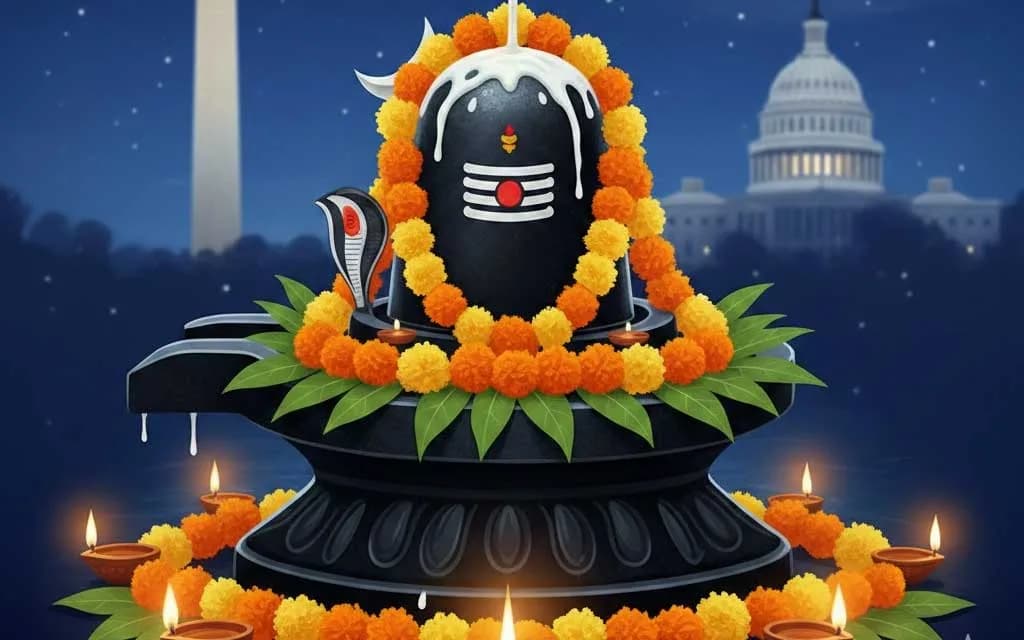
Maha Shivaratri 2027 Celebrations in India: How the Nation Honored Lord Shiva Yesterday – A Complete Guide to Temples, Cities, and Rituals
Meta Description: Discover how India celebrated Maha Shivaratri 2027 on February 15 with immense devotion across famous Shiva temples and major cities.
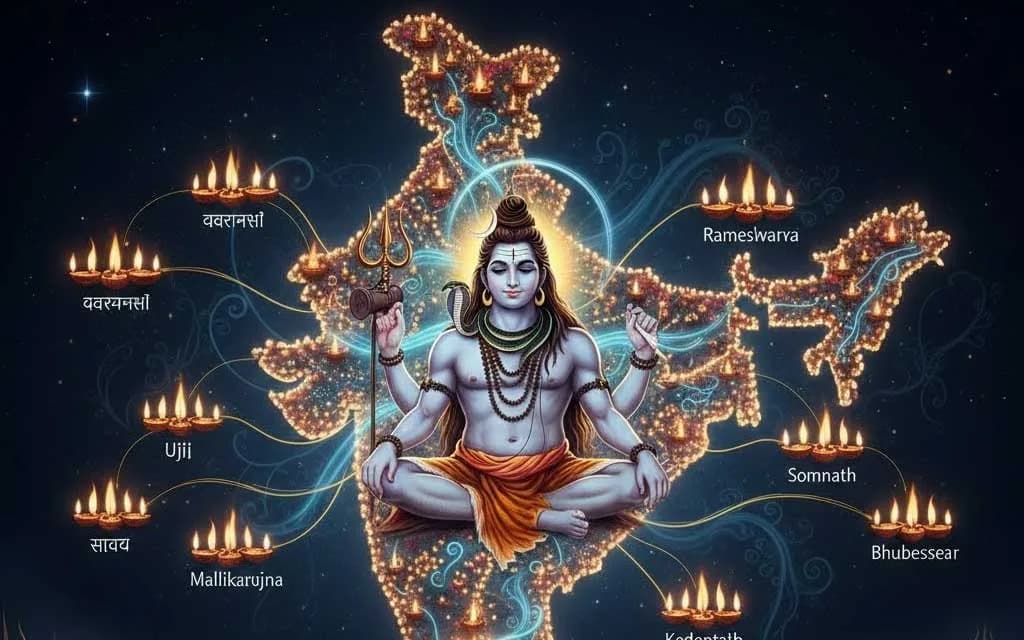
Meta Description: Discover how India celebrated Maha Shivaratri 2027 on February 15 with immense devotion across famous Shiva temples and major cities.
Updated for Maha Shivratri 2027 — Saturday, 6 March 2027
Maha Shivratri falls on Saturday, 6 March 2027. Nishita Kaal (the midnight peak puja window) is approximately 12:07 AM - 12:57 AM IST on 7 March 2027. Chaturdashi tithi begins ~03:30 PM on 5 March 2027 and ends ~12:57 AM on 7 March 2027. Verify all local timings against a fresh panchang for your city closer to the date.
For the comprehensive 2027 master guide — four-prahar abhishekam vidhi, four fasting levels, 7-region NRI timing table, and the full diaspora-temple list — see our Maha Shivratri 2027 master guide on HinduTone (linked in the Festivals category).
Note: the content below preserves the 2026 city-specific context — historical temple events, local diaspora-community gatherings, and previously-documented practices. This remains accurate as a planning reference. As local temples publish their 2027 schedules closer to the date, this page will be updated again with city-specific 2027 event listings.
Meta Description: Discover how India celebrated Maha Shivaratri 2026 on February 15 with immense devotion across famous Shiva temples and major cities. From Varanasi and Ujjain to Coimbatore and Bhubaneswar, explore detailed rituals, massive crowds, and spiritual significance in this comprehensive SEO-optimized guide for devotees.
Introduction to Maha Shivaratri 2026
Maha Shivaratri, known as the “Great Night of Shiva,” ranks among the most sacred festivals in Hinduism. Dedicated entirely to Lord Shiva—the destroyer and transformer in the Hindu trinity—this festival is observed on the 14th night (Chaturdashi) of the Krishna Paksha in the lunar month of Phalguna (or Magha according to some regional calendars).
On Sunday, February 15, 2026, India experienced one of the most powerful expressions of Shiva bhakti in recent memory. Millions of devotees observed strict fasts, performed night-long jagarans (vigils), chanted mantras, and offered bilva leaves, milk, honey, and other sacred items to Shiva Lingams across the country. The occasion was considered especially auspicious due to the rare alignment with Sarvartha Siddhi Yoga, which is believed to magnify the results of every prayer and good deed performed on this night.
Yesterday—February 15, 2026—temples from the snow-laden peaks of Kedarnath (symbolically) to the coastal shrines of Tamil Nadu and Gujarat reverberated with the continuous chanting of “Har Har Mahadev” and “Om Namah Shivaya.” Record-breaking crowds were reported at major Jyotirlingas: Kashi Vishwanath Temple in Varanasi welcomed over 10 lakh devotees, while Mahakaleshwar in Ujjain and Somnath in Gujarat saw similarly massive footfalls.
This detailed 4000+ word blog post from www.hindutone.com captures exactly how India celebrated Maha Shivaratri 2026 yesterday, covering every major state, prominent Shiva temples, regional customs, unique rituals, and modern elements such as live digital darshans and eco-conscious observances.
The Spiritual Significance and History of Maha Shivaratri
Maha Shivaratri symbolizes the triumph of light over darkness, knowledge over ignorance, and devotion over ego. The term “Shivaratri” literally means “Shiva’s night,” highlighting the special potency of night-time worship when the mind is naturally quieter and more receptive to meditation.
According to Puranic scriptures (Skanda Purana, Linga Purana, Shiva Purana), several key events are associated with this night:
- Lord Shiva’s cosmic Tandava dance that sustains the cycle of creation, preservation, and destruction.
- The marriage of Shiva and Parvati at Triyuginarayan in present-day Uttarakhand.
- The night Shiva consumed the deadly halahala poison that emerged during the Samudra Manthan (churning of the ocean) to protect the universe, earning the name Neelkantha.
Devotees therefore perform abhishekam (ritual bathing of the Lingam) with milk, curd, honey, ghee, sugar, and water—symbolizing the washing away of sins and impurities. The most sacred time for puja is during Nishita Kaal (midnight), when spiritual energies are believed to be at their peak.
In 2026, Chaturdashi Tithi began at 5:04 PM on February 15 and continued until 5:34 PM on February 16. The most powerful Nishita Kaal window fell between 12:08 AM and 1:06 AM on February 16—when lakhs of devotees across India were deep in prayer.
Common practices include:
- Observing a full-day fast (many consume only fruits, milk, or sabudana)
- Staying awake all night (jagran) with bhajans, kirtans, and Shiva stories
- Offering bilva patra (three-leafed bel leaves), datura flowers, bhang, and sandalwood paste
- Performing four prahar pujas (watches of the night)
The festival transcends regional and social boundaries, uniting urban professionals, rural farmers, sadhus, families, and youth in shared devotion to Mahadev.
National Overview of Maha Shivaratri 2026 Celebrations
On February 15, 2026, India witnessed an extraordinary outpouring of Shiva bhakti. The weekend timing, pleasant weather in most regions, and growing digital participation helped push attendance to historic levels at many temples.
Spiritual organizations played a major role:
- Isha Foundation (Coimbatore) hosted a massive night-long program under the gaze of the 112-foot Adiyogi statue. Sadhguru led guided meditations, musical performances, and discourses that were live-streamed to millions worldwide.
- Art of Living (Bengaluru) conducted large-scale Maha Rudra Puja and Homa ceremonies.
Political figures also participated publicly:
- Several chief ministers and central ministers offered greetings and visited local temples.
- High-profile attendance at Isha Yoga Center and other prominent venues underscored the festival’s national importance.
Social media platforms saw #MahaShivaratri2026, #HarHarMahadev, and #OmNamahShivaya trending throughout the day and night, with thousands of videos showing temple queues, aartis, and personal home altars.
State-wise & Temple-wise Celebration Highlights – February 15, 2026
Uttar Pradesh – The Eternal Abode of Shiva
Varanasi (Kashi Vishwanath Temple) The spiritual capital of India saw its largest Shivaratri crowds in recent years. Devotees began queuing as early as 2–3 AM for darshan. The temple remained open continuously for 24+ hours. Special Rudrabhishekams, floral decorations covering the entire sanctum, and continuous chanting created an electrifying atmosphere. Ganga ghats were packed with people taking holy dips before offering prayers.
Other UP highlights
- Prayagraj: Over 10 lakh devotees combined Magh Mela snan with Shivaratri worship at local Shiva temples near Sangam.
- Gorakhpur, Lucknow, Kanpur, Ghaziabad, and Banda reported overflowing crowds at prominent local temples.
- State-wide security arrangements, including drone surveillance, ensured smooth darshan for millions.
Madhya Pradesh – Land of Two Jyotirlingas
Ujjain (Mahakaleshwar Jyotirlinga) The only south-facing Jyotirlinga witnessed its signature Bhasma Aarti at 4 AM, followed by continuous abhishekam throughout the day and night. A nine-day Shiv Navratri observance concluded with grand celebrations on February 15.
Omkareshwar Located on an island in the Narmada River, the temple saw boat rides, mass aartis, and night-long bhajans. Devotees performed parikrama of the island.
Other MP cities Indore, Bhopal, Jabalpur, and Gwalior hosted vibrant community jagarans and free langar/prasad distribution.
Gujarat – Coastal Reverence for Somnath
Somnath Temple The first among the twelve Jyotirlingas welcomed huge crowds for early-morning aarti. The seaside location added a unique spiritual dimension, with many devotees taking a holy dip in the Arabian Sea before darshan. Evening light-and-sound shows and live bhajans continued late into the night.
Dwarka (Nageshwar Jyotirlinga) Pilgrims combined visits to Dwarkadhish and Nageshwar, creating a powerful spiritual circuit.
Ahmedabad, Surat, Vadodara Urban Gujarat saw large processions, decorated pandals, and community fasting events.
Tamil Nadu – Fire of Arunachala & Adiyogi Energy
Tiruvannamalai (Arunachaleswarar Temple) Thousands performed the 14-km girivalam (circumambulation) of the Arunachala hill—believed to be Shiva in the form of fire. Special abhishekam with milk, honey, sandalwood, and vibhuti drew massive crowds.
Thanjavur (Brihadeeswarar Temple) Classical Carnatic music concerts and traditional dance performances were held inside the UNESCO World Heritage temple complex.
Coimbatore (Isha Yoga Center) One of the largest single-location events in India. Sadhguru’s night-long program featured meditation sessions, live music by world-renowned artists, and the iconic Adiyogi statue illuminated against the night sky.
Chennai, Madurai, Tiruchirappalli Pancha Bhoota Sthalams and ancient Shiva temples hosted elaborate Dravidian-style rituals.
Karnataka – Coastal Giants & Million-Lingam Temples
Murudeshwar The 123-foot Shiva statue overlooking the Arabian Sea became a focal point for coastal Karnataka devotees. Special aartis and beach-side prayers were popular.
Kolar (Kotilingeshwara) Mass abhishekam of millions of small lingams continued through the night.
Bengaluru Art of Living Ashram conducted large-scale Rudra Homa and meditation sessions.
Gokarna (Mahabaleshwar Temple) Many devotees combined beach rituals with temple darshan.
Andhra Pradesh & Telangana
Srisailam (Mallikarjuna Jyotirlinga) One of the most revered Jyotirlingas saw continuous queues and special pujas. Nearby Pathala Ganga snan added to the fervor.
Draksharamam, Kotappakonda, Kalahasti Large gatherings with Telugu devotional songs and community feasts.
Hyderabad Major Shiva temples in the city—such as Karmanghat, Chilkur Balaji (with Shiva shrines), and Birla Mandir—remained crowded from morning till late night.
Maharashtra – Trimbakeshwar & Western Ghats Shrines
Trimbakeshwar (near Nashik) Godavari River dips and special abhishekam drew huge crowds.
Bhimashankar Trekkers and pilgrims reached this Jyotirlinga in the Sahyadri range for midnight puja.
Mumbai & Pune Siddhivinayak, Mumba Devi, and local Gauri-Shankar temples hosted vibrant urban celebrations.
Uttarakhand – Himalayan Devotion
Even though Kedarnath remains closed in February, symbolic pujas and virtual darshans were organized. Haridwar, Rishikesh, and Dehradun saw large Ganga aartis and temple visits.
Odisha – The Lifting of Mahadeepa
Bhubaneswar (Lingaraj Temple) The ceremonial lifting of the Mahadeepa (giant lamp) atop the temple spire marked the conclusion of the fast for thousands of devotees.
Puri & Cuttack Integration of Shiva worship with Jagannath traditions created unique regional flavor.
Other States & Union Territories
- Kerala – Vadakkunnathan Temple (Thrissur) and other ancient Shiva shrines observed solemn yet deeply devotional rituals.
- Rajasthan – Jaipur, Jodhpur, and Udaipur hosted folk music performances and decorated pandals.
- Punjab & Haryana – Shiva temples in Amritsar, Chandigarh, and Kurukshetra blended seamlessly with local Gurudwara harmony.
- Delhi NCR – Gauri Shankar Temple (Chandni Chowk), Bangla Sahib vicinity shrines, and modern ashrams saw heavy footfall.
- West Bengal & Northeast – Kalighat (Shiva elements), Kamakhya, and local Shiva temples observed night-long kirtans.
Unique Rituals & Modern Elements Observed on February 15, 2026
- Eco-friendly Shivaratri: Many temples promoted biodegradable bilva-leaf alternatives and banned single-use plastic near rivers.
- Digital participation: Live darshan from Kashi, Ujjain, Somnath, Isha, and Arunachaleswarar reached millions who could not travel.
- Bhang & fasting cuisine: Traditional thandai, sabudana khichdi, and fruit-based recipes trended heavily on social platforms.
- Women-led jagarans: Increasing number of all-women bhajan groups and fasting circles.
Conclusion: The Living Tradition of Maha Shivaratri
Yesterday—February 15, 2026—India once again proved why Maha Shivaratri remains one of the most vibrant and unifying spiritual festivals in the world. From the ancient lanes of Varanasi to the modern meditation halls of Coimbatore, from Himalayan foothills to southern coastal shrines, the entire nation bowed in reverence to Lord Shiva.
May the grace of Mahadev continue to guide and protect every seeker on the path of truth, detachment, and inner awakening.
Om Namah Shivaya.
Frequently Asked Questions – Maha Shivaratri 2026
- When was Maha Shivaratri celebrated in 2026? February 15, 2026 (Sunday)
- Which temple received the highest number of devotees yesterday? Kashi Vishwanath Temple, Varanasi (over 10 lakh reported)
- What is the best way to celebrate Maha Shivaratri at home? Observe a fast, chant “Om Namah Shivaya” 108 times or more, offer bilva leaves, light a ghee lamp, and stay awake meditating or listening to Shiva bhajans.
- Which are the most important Shiva temples visited during Shivaratri? The 12 Jyotirlingas + major Pancha Bhoota Sthalams, especially Kashi Vishwanath, Mahakaleshwar, Somnath, Arunachaleswarar, and Mallikarjuna.
You might also like

Devotion in the Sands: The Inspiring Story of a Karnataka Couple Crafting 1008 Shiva Lingams Every Maha Shivaratri
Maha Shivaratri 2027 Celebrations in Australia: How the Hindu Diaspora Honored Lord Shiva Yesterday – A Complete Guide to Cities, Temples, and Events
Maha Shivaratri 2026 in Sydney: Your Complete Australian Celebration Guide