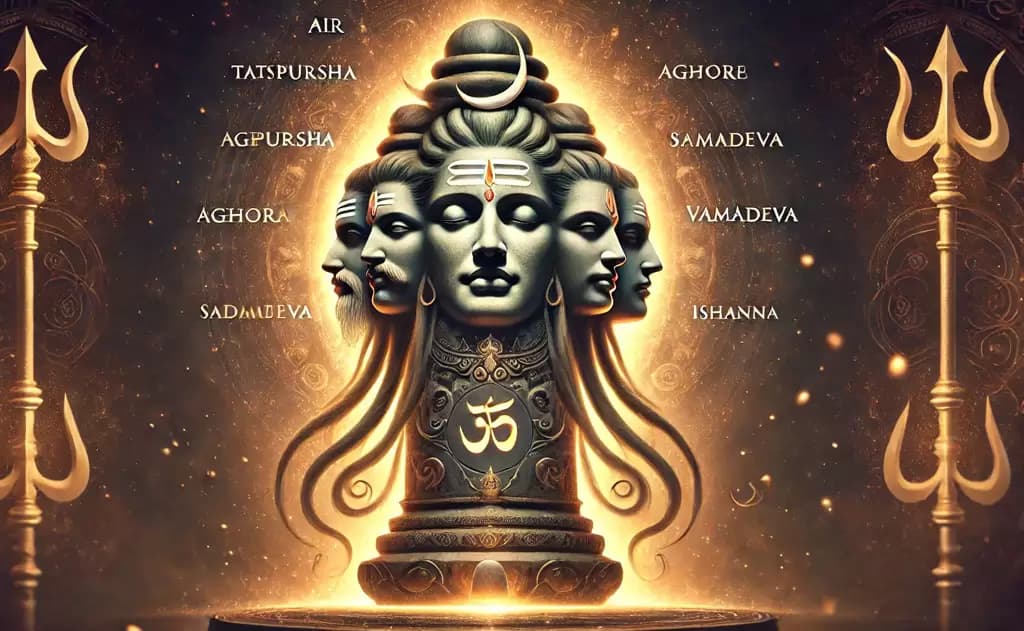
Maha Shivaratri 2026 in Sydney: Your Complete Australian Celebration Guide
Meta Title: Maha Shivaratri 2026 Sydney: Complete Guide to Temples, Celebrations & Events | HinduTone Meta Description: Discover Maha Shivaratri 2026…
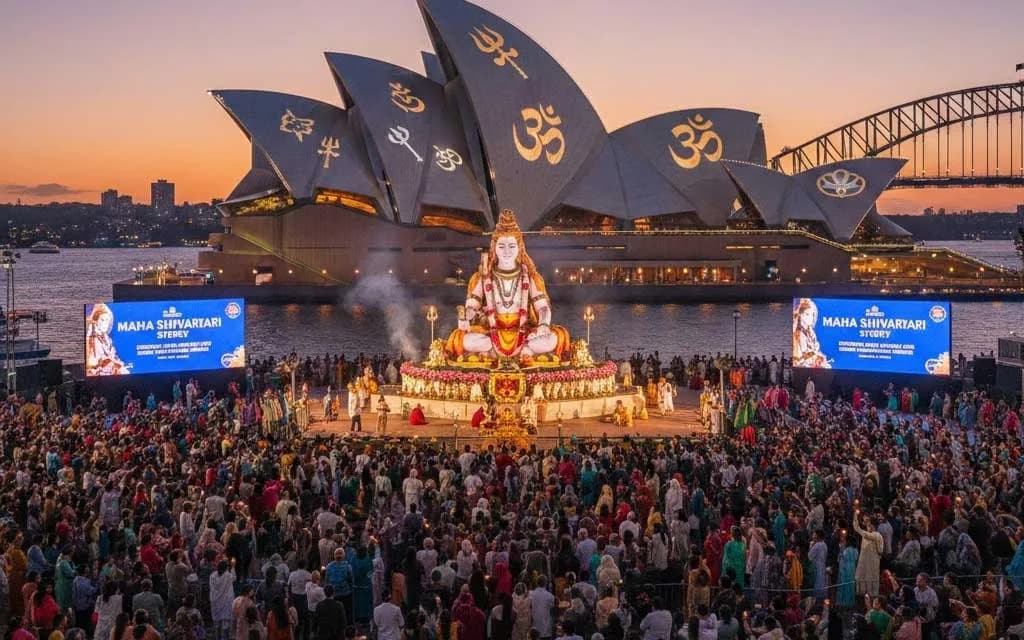
Meta Title: Maha Shivaratri 2026 Sydney: Complete Guide to Temples, Celebrations & Events | HinduTone Meta Description: Discover Maha Shivaratri 2026…
Meta Title: Maha Shivaratri 2026 Sydney: Complete Guide to Temples, Celebrations & Events | HinduTone
Meta Description: Discover Maha Shivaratri 2026 celebrations in Sydney on February 15-16. Complete guide to Hindu temples, events, timings, rituals, melas and regional festivities across NSW, Australia.
Focus Keywords: Maha Shivaratri Sydney, Shivaratri 2026 Australia, Hindu temples Sydney, Shivaratri celebrations NSW, Lord Shiva worship Australia, Hindu festivals Sydney
URL Slug: /maha-shivaratri-sydney-2026-complete-guide
Published: February 14, 2026 | Reading Time: 10 minutes
Event Date: Sunday, February 15 - Monday, February 16, 2026
Coverage: Sydney, NSW, Melbourne, Brisbane, Perth, Adelaide
[image: 🕉️] Quick Information at a Glance
Maha Shivaratri 2026 Date: Sunday, February 15, 2026 (night vigil extends to February 16)
Chaturdashi Tithi Begins: 10:04 PM AEDT, February 15, 2026
Chaturdashi Tithi Ends: 10:34 PM AEDT, February 16, 2026
Nishita Kaal Puja Time: 1:09 AM - 1:58 AM AEDT (Most Auspicious)
Breaking Fast (Parana): After 6:45 AM on February 16, 2026
Major Mela: Sri Siva Jyothi Temple Mela at Castle Hill Showgrounds, 11 AM - 10 PM
Understanding Maha Shivaratri: The Great Night of Lord Shiva
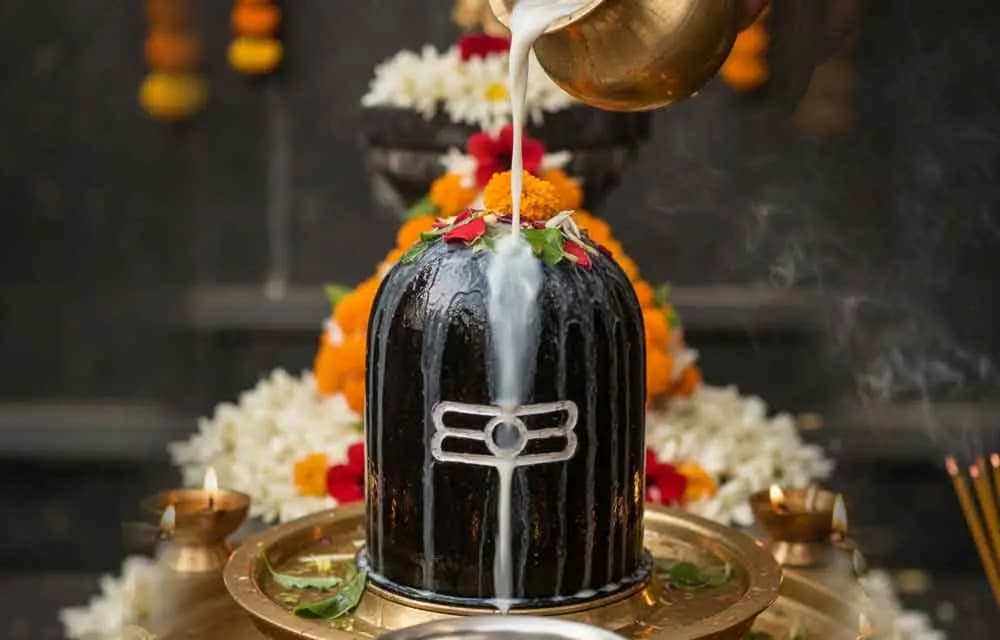
Maha Shivaratri, meaning "The Great Night of Shiva," stands as one of the most spiritually significant festivals in the Hindu calendar. Observed on the fourteenth day of the dark fortnight in the month of Phalguna (February-March), this sacred night honors Lord Shiva—the deity of transformation, meditation, and cosmic consciousness.
For Australia's vibrant and rapidly growing Hindu community of over 275,000 devotees, Maha Shivaratri represents more than a religious observance. It serves as a powerful connection to ancestral traditions, a celebration of cultural identity in the Land Down Under, and an opportunity to introduce younger Australian-born generations to profound spiritual practices that have endured for millennia.
The festival commemorates multiple sacred events including Lord Shiva's cosmic dance (Tandava), his consumption of poison to save the universe during the churning of the ocean, and his divine union with Goddess Parvati. Devotees believe this night holds extraordinary spiritual energy, making it ideal for meditation, prayer, and inner transformation.
Shivaratri in Australia's Multicultural Landscape
Australia's Hindu community has nearly doubled every decade, creating a thriving spiritual ecosystem. From the first Hindu temple in Australia (Sri Mandir in Auburn, established 1977) to today's magnificent temple complexes, the celebration of Maha Shivaratri has evolved into a grand multicultural event that welcomes devotees from across Sydney, Melbourne, Brisbane, and beyond.
Sydney, with the largest concentration of Hindus in Australia, hosts some of the most elaborate Shivaratri celebrations in the Southern Hemisphere, attracting thousands of devotees for night-long worship, cultural programs, and community prasadam.
Major Hindu Temples Celebrating Maha Shivaratri in Sydney & NSW
Sydney and New South Wales host numerous temples organizing elaborate Maha Shivaratri celebrations. Here's your comprehensive guide to the major venues.
[image: 📍] Major Shivaratri Events in Sydney 2026
Maha Shivaratri Mela at Castle Hill Showgrounds
Date: Sunday, February 15, 2026
Time: 11:00 AM - 10:00 PM
Venue: Castle Hill Showgrounds, Castle Hill, NSW
Organized by: Sri Siva Jyothi Temple
Highlights:
- Largest Shivaratri community gathering in NSW
- Continuous Rudrabhishekam ceremonies throughout the day
- Cultural performances featuring classical Indian dance and music
- Food stalls with authentic vegetarian Indian cuisine
- Children's activities and spiritual education programs
- Community prasadam distribution
- Special abhishekam opportunities for devotees
- Vendors selling puja items, religious books, and Indian handicrafts
Expected Attendance: Several thousand devotees from across Sydney and NSW
Entry: Free (donations welcome)
Parking: Available at showgrounds; arrive early
[image: 📍] Dedicated Shiva Temples in Sydney
1. Shri Shiva Mandir, Minto
Location: 201 Eagleview Road, Minto NSW 2566
Phone: (02) 0418 247 577 (Naresh Sharma)
Established: 1991
About the Temple: Situated on a sprawling five-acre property, Shri Shiva Mandir stands as one of Sydney's most prestigious Shiva temples. The temple campus features beautiful landscaped gardens, multiple shrines, and authentic Vedic architecture creating a serene spiritual atmosphere.
Deities Worshipped:
- Lord Shiva (main deity)
- Lord Muruga (Kartikeya)
- Sri Rama-Sita-Lakshmana
- Sri Radha-Krishna
- Lord Ganesha
- Nandikeshwara (Shiva's vahana)
- Navagrahas (nine planets)
- Lord Hanuman
Maha Shivaratri 2026 Celebrations:
- Opening: 6:00 AM on February 15
- Closing: 8:00 AM on February 16 (after sunrise aarti)
- Continuous abhishekam in all four praharas
- Hourly Rudrabhishekam ceremonies
- Special Nishita Kaal puja (1:09 AM - 1:58 AM)
- Traditional bhajan sessions throughout the night
- Vedic chanting by trained priests
- Cultural programs featuring local artists
- Free prasadam distribution after morning aarti
Facilities:
- Ample parking space
- Wheelchair accessible
- Separate prayer halls for men and women
- Clean restroom facilities
- Temple canteen (vegetarian)
- Garden areas for meditation
Regular Timings:
- Monday to Friday: 8 AM - 12 Noon, 4 PM - 8 PM
- Weekends & Public Holidays: 8 AM - 8 PM
2. Mukti Gupteshwar Temple (Cave Temple)
Location: 203 Eagleview Road, Minto NSW 2566
Phone: (02) 9820 3751 / 0413 139 000 (Rama Misra)
Website: www.muktigupteshwar.org
Unique Distinction: The world's first and only man-made cave temple dedicated to Lord Shiva, representing the sacred Himalayan cave tradition where Shiva meditates. This architectural marvel recreates the mystical atmosphere of ancient mountain shrines.
Temple Features:
- Natural cave-like interior with limestone formations
- Sacred Shiva Lingam in cave sanctum
- Mystical lighting creating meditative ambiance
- Traditional Himalayan temple architecture
- Peaceful gardens and walking paths
Shivaratri Celebrations: The cave setting creates an especially powerful atmosphere for night vigil meditation. Devotees experience the traditional Himalayan-style Shivaratri observance in this unique Australian setting.
- Special cave abhishekam ceremonies
- Guided meditation sessions
- Continuous Om Namah Shivaya chanting
- Small group darshan opportunities
- Traditional prasadam in cave temple style
Regular Timings:
- Monday to Friday: 10:00 AM - 12:00 PM, 5:00 PM - 7:00 PM
- Saturday and Sunday: 10:00 AM - 7:00 PM
3. Shri Pashupati Nath Mandir Sydney
Specialty: Dedicated to Lord Shiva as Pashupatinath (Lord of Animals)
About: Inspired by the sacred Pashupatinath Temple in Kathmandu, Nepal, this temple serves as a major center for Shiva worship in Sydney. The temple attracts devotees from Nepali, North Indian, and pan-Hindu communities.
Shivaratri Significance:
- Thousands of devotees gather annually
- Authentic Nepali-style rituals and ceremonies
- Special connection to the Pashupatinath tradition
- Elaborate decorations with traditional Nepali elements
- Cultural performances featuring Nepali devotional music
Activities:
- All-night jagaran (vigil)
- Continuous bhajan and kirtan
- Traditional homas (fire rituals)
- Community satsang sessions
- Educational programs about Pashupatinath tradition
[image: 📍] Major Multi-Deity Temples with Shiva Shrines
4. Sri Mandir, Auburn - Australia's First Hindu Temple
Location: 286 Cumberland Road, Auburn NSW 2144
Phone: Contact through website
Website: www.srimandir.org
Established: 1977
Historical Significance: Sri Mandir holds the proud distinction of being the first Hindu temple established in Australia. Founded by Dr. Padmanabh Prabhu, Dr. Anand, and Dr. Prem Shankar, this temple converted a former Salvation Army Hall into a sacred space that launched Australia's Hindu temple movement.
About the Temple: This historic temple serves as a religious, social, and cultural hub for Sydney's Hindu community. With nearly 50 years of service, Sri Mandir has become a beloved institution connecting generations of Australian Hindus to their spiritual heritage.
Deities:
- Sri Radha-Krishna
- Lord Rama with Sita
- Lord Shiva
- Goddess Durga
- Lord Ganesha
- And other Hindu deities
Shivaratri Celebrations:
- Traditional four-prahar puja schedule
- Special Shiva abhishekam throughout the night
- Community bhajan sessions
- Spiritual discourses in English and Hindi
- Cultural performances by local artists
- Free vegetarian prasadam for all attendees
Regular Timings:
- Monday to Friday: 10:00 AM - 12:00 Noon, 5:30 PM - 8:30 PM
- Weekends & Public Holidays: 10:30 AM - 8:00 PM
Community Focus: Sri Mandir particularly focuses on youth engagement, helping second and third-generation Australian-born Hindus connect with their heritage through accessible, English-language programs.
5. Sydney Murugan Temple, Mays Hill
Location: 217 Great Western Highway, Mays Hill NSW 2145
Phone: (02) 9687 1695
Email:
Website: www.sydneymurugan.org.au
About the Temple: While primarily dedicated to Lord Murugan (Kartikeya), this beautiful South Indian-style temple also houses a significant Shiva shrine, as Murugan is Shiva's son. The temple showcases authentic Dravidian architecture with intricate carvings.
Shivaratri 2026 Program: The temple has announced special Maha Sivarathiri celebrations for 2026, combining Tamil Shaivite traditions with North Indian observances.
Highlights:
- Special Shiva abhishekam in Tamil tradition
- Recitation of Thiruvachakam (Tamil Shaivite poetry)
- Classical Bharatanatyam performances
- Traditional Tamil bhajans and devotional songs
- Prasadam featuring South Indian specialties
- Marquee facility for larger gatherings
Regular Timings:
- Saturday to Thursday: 7:00 AM - 8:30 PM
- Fridays: 7:00 AM - 9:00 PM
Special Features:
- Elaborate gopuram (temple tower)
- Traditional South Indian architecture
- Marquee space for up to 600 people
- Vegetarian canteen
- Cultural and educational programs
6. Sri Venkateswara Temple, Helensburgh
Location: Temple Road, Helensburgh NSW 2508
Phone: (02) 4294 3224
Email:
Website: www.svtsydney.org
About: Situated in the scenic town of Helensburgh, 400 feet above sea level, this magnificent temple offers breathtaking natural views alongside spiritual experiences. The temple features four circling pathways (Praharams) in traditional South Indian style.
Temple Architecture:
- Stunning Dravidian gopuram
- Multiple shrines for various deities
- Four praharams (circumambulation paths)
- Beautiful hilltop location
- Natural surroundings ideal for meditation
Shivaratri Observances: While primarily a Vishnu temple, the temple complex includes Shiva worship as part of the traditional temple system. Devotees often visit here after other Shiva-focused celebrations for a complete spiritual experience.
Regular Timings:
- Monday to Friday: 8:00 AM - 12:00 Noon, 4:00 PM - 7:00 PM
- Saturday, Sunday & Public Holidays: 8:00 AM - 7:00 PM
Facilities:
- Vegetarian canteen
- Ample parking
- Wedding and function facilities
- Educational hall
7. Sydney Durga Temple, Regents Park
Location: 21-23 Rose Crescent, Regents Park NSW 2143
Phone: (02) 9644 6682 / (02) 9746 9724
Website: www.sydneydurga.org
Email:
About: The Sydney Durga Temple, run by Sri Durgadevi Devasthanam, is a magnificent three-level temple complex featuring the main temple, an 800-seat wedding hall/auditorium, and educational facilities. This is the first Hindu community hall within a temple complex in Australia.
Temple Features:
- Three-level architectural design
- Main deities: Goddess Durga, Lakshmi, and Saraswathy
- Wedding hall with 800-seat capacity
- Educational hall for community programs
- Modern amenities with traditional architecture
Shivaratri Connection: As Durga is a manifestation of Parvati (Shiva's consort), the temple celebrates Shivaratri with special programs honoring the divine couple.
Regular Timings:
- Monday to Sunday: 7:00 AM - 9:00 PM
- Poojas: 8:00 AM, 12:00 PM, 4:30 PM, 7:00 PM
Special Services:
- Abhishekams and homams on request
- Chandi Homam
- Navagraha Homam
- Wedding ceremonies in Vedic tradition
- Cultural events and performances
8. Sanatan Dharam Bhawan, Artarmon
Location: 1/401 Pacific Highway, Artarmon NSW 2064
Special Event: Maha Shivratri Mahotsav 2026
Shivaratri 2026 Program:
Date: Sunday, February 15, 2026
Hours: 8:00 AM - Midnight
Entry: Free walk-in throughout the day
Special Features:
Samuhik Rudrabhishek (Group Abhishekam):
- Conducted every hour
- Cost: $51 per person/family
- Includes: Narmadeshwar Shivling, complete puja items
- Option to take sanctified Shivling home or place in temple
- RSVP encouraged for arrangements
What's Included:
- Personal Narmadeshwar Shivling (sacred stone from Narmada River)
- Complete puja kit with all necessary items
- Guided abhishekam by priests
- Prasadam
- Choice to keep Shivling or donate to temple
Guidelines:
- Devotees can bring their own milk if preferred
- Walk-in welcome for simple jal abhishekam (free)
- Print ticket confirmation for scanning
- Valid ID required for verification
- No refunds or cancellations
Why Participate: The Narmadeshwar Shivling from the holy Narmada River is considered especially sacred and potent for home worship. This is a rare opportunity to receive a consecrated Shivling directly during the most auspicious time.
[image: 📍] Other Significant Temples in Sydney
9. BAPS Shri Swaminarayan Mandir, Rosehill
Location: 40 Eleanor Street, Rosehill NSW 2142
Phone: (02) 9879 2776
About: Part of the worldwide BAPS Swaminarayan organization, this temple features beautiful Nagara-style architecture. While focused on Swaminarayan tradition, the temple honors Lord Shiva as part of the Hindu pantheon.
Regular Timings:
- Morning: 7:00 AM - 11:30 AM
- Evening: 4:00 PM - 8:00 PM
Facilities:
- Free parking
- Community hall
- Cultural programs
- Catering facilities
10. Shirdi Sai Baba Temple, Regents Park
Location: 25 Rose Crescent, Regents Park NSW 2143
About: Dedicated to the 19th-century saint Shirdi Sai Baba, who is considered an incarnation unifying Hindu and Islamic traditions. The temple observes major Hindu festivals including Shivaratri.
Special Features:
- Peaceful meditation gardens
- Regular Thursday special puja
- Community charity initiatives
- Spiritual guidance programs
11. ISKCON Temple (Hare Krishna), North Sydney
Location: 180 Falcon Street, North Sydney NSW 2060
About: The International Society for Krishna Consciousness temple offers a Vaishnava perspective on Hindu traditions while honoring all deities.
Timings:
- Daily: 4:00 AM - 9:30 PM
Programs:
- Daily arati and kirtan
- Vegetarian prasadam restaurant
- Spiritual classes and workshops
- Interfaith programs
[image: 📍] Beyond Sydney: NSW Regional Temples
Many regional centers across New South Wales also celebrate Shivaratri:
- Newcastle area: Community gatherings
- Wollongong: Local temple celebrations
- Canberra: Hindu Temple & Cultural Centre, Florey ACT
- Central Coast: Growing Hindu community programs
Maha Shivaratri 2026 Timings for Sydney, Australia
Understanding the precise ritual timings helps devotees participate meaningfully in this sacred festival.
Astrological Details (Sydney Time - AEDT)
Chaturdashi Tithi (Fourteenth Lunar Day):
- Begins: 10:04 PM AEDT, Saturday, February 15, 2026
- Ends: 10:34 PM AEDT, Sunday, February 16, 2026
Nishita Kaal (Midnight Worship - Most Auspicious):
- Time: 1:09 AM - 1:58 AM AEDT
- Duration: 49 minutes
- Significance: This is the most spiritually powerful period for Shiva worship
Sunrise (for Breaking Fast):
- Sunday, February 16: Approximately 6:45 AM AEDT
- Parana Time: After 6:45 AM
The Four Praharas (Sydney Time)
First Prahar:
- Time: 7:00 PM - 10:00 PM AEDT
- Activities: Initial puja, abhishekam, chanting
Second Prahar:
- Time: 10:00 PM - 1:00 AM AEDT
- Activities: Continued worship, bhajan sessions
Third Prahar (Most Important):
- Time: 1:00 AM - 4:00 AM AEDT
- Includes Nishita Kaal: 1:09 AM - 1:58 AM
- Activities: Special midnight puja, Rudrabhishekam, intensive meditation
Fourth Prahar:
- Time: 4:00 AM - 7:00 AM AEDT
- Activities: Final abhishekam, Maha Aarti, preparation for sunrise
Complete Shivaratri Rituals Guide for Australian Devotees
Fasting Guidelines
Types of Fasts:
1. Nirjala Vrat (Complete Fast)
- No food or water for 24 hours
- From sunrise February 15 to sunrise February 16
- Only for those in excellent health
- Most rigorous and spiritually meritorious
2. Phalahar (Fruit Fast)
- Fresh fruits, milk, nuts allowed
- Light sattvic foods
- Suitable for working professionals
- Maintains energy while observing discipline
3. Partial Fast
- One meal before sunset on February 15
- Sattvic vegetarian food only
- Avoid grains, onion, garlic
- Most accessible for busy schedules
4. Modified Fasting
- For those with health conditions
- Diabetics should consult doctors
- Pregnant/nursing women avoid strict fasting
- Children under 12 don't fast completely
Australian Context: February is mid-summer in Australia with warm temperatures. If observing nirjala fast, be cautious about dehydration. Many Australian devotees opt for phalahar fast to balance spiritual observance with summer heat.
Essential Mantras
Panchakshari Mantra: Sanskrit: ॐ नमः शिवाय
Transliteration: Om Namah Shivaya
Meaning: "I bow to Lord Shiva"
Usage: Chant 108 times or continuously
Maha Mrityunjaya Mantra: Sanskrit:
ॐ त्र्यम्बकं यजामहे सुगन्धिं पुष्टिवर्धनम्
उर्वारुकमिव बन्धनान् मृत्योर्मुक्षीय मामृतात्
Transliteration:
Om Tryambakam Yajamahe Sugandhim Pushtivardhanam
Urvarukamiva Bandhanan Mrityor Mukshiya Maamritat
Meaning: Great death-conquering mantra for protection, health, and liberation
Home Puja Guide for Sydney Devotees
Setting Up Your Home Altar:
Morning Preparation (February 15):
- Wake early and take purifying bath
- Clean altar area thoroughly
- Wear clean traditional clothes (white or saffron preferred)
- Arrange Shiva lingam or picture facing east/north
- Gather all puja items
Essential Puja Items:
For Abhishekam:
- Fresh water
- Whole milk
- Plain yogurt
- Honey
- Ghee (clarified butter)
- Sugar
- Sandalwood paste
- Rose water
Sacred Offerings:
- Bilva leaves (bael leaves) - check Indian grocers in Harris Park, Parramatta
- White flowers (available at Sydney Flower Market)
- Fresh fruits
- Incense sticks
- Camphor
- Oil lamps
Where to Shop in Sydney:
Indian Grocery Stores:
- Harris Park, Parramatta: Main Indian shopping precinct
- Westmead: Multiple Indian stores
- Homebush: Indian supermarkets
- Auburn: Various puja item shops
- Blacktown: Growing Indian shopping area
Items Available:
- Fresh bilva leaves (call ahead to reserve)
- Puja thalis and items
- Rudraksha malas
- Camphor, incense
- Traditional sweets for offerings
- Copper vessels for abhishekam
Four Prahar Home Puja Schedule (Sydney Time)
First Prahar (7:00 PM - 10:00 PM):
- Light oil lamps and incense
- Perform first abhishekam with water and milk
- Offer bilva leaves (sets of 3)
- Chant Om Namah Shivaya 108 times
- Read Shiva stories or Purana
Second Prahar (10:00 PM - 1:00 AM):
- Abhishekam with yogurt, honey, ghee
- Continue mantra chanting
- Family bhajan session
- Light refreshment if on phalahar fast
Third Prahar (1:00 AM - 4:00 AM) - MOST IMPORTANT: Nishita Kaal (1:09 AM - 1:58 AM):
- Special elaborate abhishekam
- Chant Maha Mrityunjaya Mantra 108 times
- Deep meditation
- Offer special prayers for transformation
Post Nishita Kaal:
- Continue Om Namah Shivaya chanting
- Stay awake through meditation or bhajans
- Some watch temple livestreams
Fourth Prahar (4:00 AM - 7:00 AM):
- Final comprehensive abhishekam
- Maha Aarti with camphor
- Sing "Om Jai Shiv Omkara"
- Final prayers and offerings
After Sunrise (6:45 AM onwards):
- Final aarti
- Break fast with prasadam
- Light breakfast
- Distribute prasadam to family/neighbors
Regional Variations: India Meets Australia
Sydney's Hindu community represents diverse regional backgrounds, each bringing unique Shivaratri traditions.
North Indian Traditions
Communities: Punjab, UP, Bihar, Rajasthan, Delhi
Characteristics:
- Emphasis on jagaran (all-night vigil)
- Bhajan mandali (group singing)
- Traditional songs: "Bhole Baba," "Shiv Tandav Stotram"
- Bilva leaves central to worship
- Community langars after morning prayers
Sydney Presence: Strong in Auburn, Parramatta, and western Sydney suburbs.
South Indian Observances
Communities: Tamil, Telugu, Kannada, Malayalam
Characteristics:
- Elaborate Rudrabhishekam following Agama traditions
- Recitation of Shiva Sahasranama
- Traditional oil lamps in specific patterns
- Prasadam: panakam (jaggery drink), sundal
- Strict ritualistic procedures
Sydney Presence: Concentrated in Helensburgh, Regents Park, and southern suburbs.
Tamil Shaivite Traditions
Characteristics:
- Connection to 108 Shiva temples tradition
- Recitation of Thiruvachakam (Manikkavacakar's poetry)
- Bharatanatyam performances depicting Nataraja
- Traditional Carnatic music
- Special focus on Shiva as Nataraja (cosmic dancer)
Sydney Temples: Sydney Murugan Temple prominently celebrates Tamil Shaivite traditions.
Nepali Traditions
Characteristics:
- Connection to Pashupatinath Temple, Kathmandu
- Unique Nepali-style rituals
- Special cultural elements
- Traditional Nepali devotional music
- Community gatherings
Sydney Presence: Growing Nepali community in various suburbs bringing rich Pashupatinath tradition.
Australian-Born Hindu Adaptations
Second and Third Generation:
- Blending traditional observances with Australian lifestyle
- English-language explanations of rituals
- Family-friendly timing considerations
- Integration with work schedules
- Use of technology (livestreams, apps)
- Interfaith sharing with non-Hindu Australian friends
Unique Australian Elements:
- Summer weather considerations (February is hot)
- Daylight Saving Time affects timing calculations
- Multicultural workplace accommodations
- Distance travel to temples (car-dependent)
- Community gatherings at showgrounds and community halls
Celebrating in Australia's Summer Season
Weather Considerations
February in Sydney:
- Average Temperature: 22-27°C (72-81°F)
- Conditions: Warm to hot, potential for humidity
- Rainfall: Possible but generally lower than January
- UV Index: Very high (sun protection essential)
What to Wear to Temple:
Traditional Clothing:
- Women: Light cotton sarees, salwar kameez, or churidar
- Men: Light kurta pajama or dhoti
- Choose breathable fabrics like cotton or light silk
Practical Considerations:
- Wear sun protection traveling to/from temple
- Bring water bottle (if not observing nirjala fast)
- Light shawl for air-conditioned temple interiors
- Comfortable, easy-to-remove shoes
- Hat or umbrella for outdoor portions
For Children:
- Light, comfortable traditional outfits
- Extra clothes for temperature changes
- Sun protection essential
- Snacks if temple allows (check policies)
Hydration and Health
Important Health Guidelines:
For Fasting:
- Nirjala Fast: Be extremely cautious in Australian summer
- Dehydration Risk: Higher than in Northern Hemisphere winter
- Alternative: Consider phalahar fast in hot weather
- Medical Conditions: Always consult doctor before strict fasting
Safety Tips:
- Start fast in cool evening, not hot afternoon
- Stay in air-conditioned spaces during peak heat
- Watch for dehydration symptoms
- Have support person aware if you're fasting
- Break fast immediately if feeling unwell
For Diabetics:
- Monitor blood sugar closely
- Keep glucose tablets handy
- Consider modified observance
- Consult endocrinologist beforehand
Family-Friendly Shivaratri: Engaging Australian-Born Children
Educational Activities
Storytelling Sessions:
- The Ocean Churning Story: How Shiva saved the universe
- Shiva and Parvati: The divine love story
- Ganga's Descent: Why Shiva has Ganges in his hair
- The Third Eye: Stories of Shiva's power
- Nandi the Bull: Shiva's loyal vahana
Age-Appropriate Delivery:
- Ages 3-7: Picture books, animated videos
- Ages 8-12: Interactive storytelling, comic books
- Teens: Philosophical discussions, mythology analysis
Arts & Crafts Projects
For Younger Children (Ages 4-8):
1. Shiva Lingam Creation:
- Use air-dry clay or playdough
- Create miniature Shiva lingams
- Paint with non-toxic colors
- Use in home puja
2. Damaru (Drum) Making:
- Craft paper drums like Shiva's damaru
- Decorate with paint and glitter
- Learn about Shiva's cosmic sound
3. Snake Necklace Craft:
- Paper or clay snakes representing Shiva's necklace
- Learn about Vasuki serpent
4. Coloring Activities:
- Shiva coloring pages (available online)
- Nataraja dance pose drawings
- Om symbol mandala coloring
For Older Children (Ages 9-15):
1. Rangoli/Kolam Design:
- Create Shiva-themed floor art
- Learn geometric patterns
- Use colored rice or flowers
- Trishul and damaru designs
2. Photography Project:
- Document temple visit
- Capture rituals (where permitted)
- Create photo story of Shivaratri
- Share on family social media
3. Research Assignment:
- Compare Shivaratri celebrations in India vs Australia
- Study symbolism of Shiva's attributes
- Create presentation for family
Music and Movement
Devotional Music:
- Teach "Om Namah Shivaya" with rhythm
- Simple Shiva bhajans with actions
- Create family bhajan group
Dance Activities:
- Learn basic Nataraja pose
- Understand cosmic dance concept
- Age-appropriate movement to Shiva music
Australian Twist:
- Blend Western instruments with traditional music
- Contemporary interpretations of classical bhajans
- Encourage creative expression
Modified Observances for Children
Fasting Guidelines:
Not Recommended:
- Complete fasting for children under 12
- Water restriction for any child
Appropriate Options:
- Giving up favorite treat for the day
- One simple sattvic meal instead of usual three
- Avoiding junk food/sweets for Shivaratri
- Focus on spiritual activities rather than food restriction
Make It Positive:
- Frame as special spiritual challenge
- Celebrate their participation
- Don't force or pressure
- Reward effort, not perfection
Youth Engagement (Teens & Young Adults)
Philosophical Discussions:
- Shiva's symbolism in modern context
- Meditation and mental health
- Eastern vs Western spirituality
- Environmental lessons from Shiva stories
Social Activities:
- Youth group gatherings at temples
- Volunteer for temple organization
- Social media campaigns about Shivaratri
- Interfaith dialogue with school friends
Technology Integration:
- Apps for mantra learning
- Virtual temple tours
- Livestream watching parties
- Create TikTok/Instagram content about traditions
Practical Tips for Sydney Devotees
Transportation and Parking
Getting to Major Temples:
Shri Shiva Mandir, Minto:
- By Car: M5 Motorway to Campbelltown Road exit, 45 minutes from CBD
- By Train: T8 Airport & South Line to Minto Station, then taxi/rideshare (5 min)
- Parking: Ample free parking on temple grounds
Sri Mandir, Auburn:
- By Train: T1 Western Line to Auburn Station (15-minute walk)
- By Bus: Multiple routes to Cumberland Road
- By Car: Parramatta Road access, street parking
- Parking: Limited on-site; arrive early or use street parking
Sydney Durga Temple, Regents Park:
- By Train: T2 Inner West & Leominster Line to Regents Park Station (5-minute walk)
- By Car: M4 Motorway access
- Parking: On-site parking available
Castle Hill Showgrounds (Shivaratri Mela):
- By Car: M2 Motorway, ample showground parking ($5-10)
- By Bus: Hillsbus routes from Parramatta or Chatswood
- Parking: Large parking areas; expect crowds, arrive early
General Transportation Tips:
- Opal Card: Essential for public transport
- Rideshare: Uber/Ola readily available
- Carpooling: Organize with temple community
- Late Night: Limited public transport after midnight; plan accordingly
- Consider staying: Some devotees bring sleeping bags for overnight vigil
Safety and Security
Late Night Temple Visits:
- Travel in groups when possible
- Park in well-lit areas
- Keep valuables secure
- Temple volunteers usually provide security
- Emergency contacts readily available
Health and First Aid:
- Most temples have basic first aid
- Keep medications accessible
- Stay hydrated (except nirjala fast observers)
- Watch for heat exhaustion symptoms in summer
Shopping for Puja Items in Sydney
Major Indian Shopping Areas:
1. Harris Park, Parramatta:
- Harris Park Station area
- Multiple Indian grocery stores
- Puja item specialists
- Fresh flower vendors
- Indian sweets shops
Recommended Stores:
- Rajbhog supermarket
- Multiple Indian grocery stores on Railway Parade and Wigram Street
- Specialty puja item shops
2. Homebush/Flemington:
- Indian supermarkets
- Wedding/puja item shops
3. Auburn:
- Near Auburn Station
- Traditional Indian shops
- Puja materials available
4. Westmead:
- Growing Indian shopping area
- Convenient to Parramatta
What to Buy:
- Fresh bilva leaves (call ahead to reserve - limited availability)
- Camphor, incense, dhoop
- Rudraksha malas
- Copper puja items
- Fresh flowers
- Traditional sweets for offering
- Puja cloths
- Narmadeshwar Shivlings (some stores)
Timing:
- Shop 2-3 days before Shivaratri
- Avoid February 15 (stores crowded, items sell out)
- Bilva leaves sell out quickly - reserve in advance
Online Options:
- Some Australian Hindu item suppliers ship
- Amazon Australia (limited selection)
- Import from India (order months in advance)
Food and Prasadam
Traditional Offerings
Sacred to Lord Shiva:
- Bilva fruit (if available in Australia)
- Milk-based preparations
- Honey
- Fresh fruits
- Panchamrit (five nectars)
- Simple sattvic sweets
Temple Prasadam (Typical):
- Sweet rice (kheer/payasam)
- Laddus
- Fresh fruits
- Coconut pieces
- Sometimes full meal service
Bring Containers: Many temples allow taking prasadam home - bring clean containers.
Breaking the Fast (Parana)
Timing:
- After sunrise on February 16 (approximately 6:45 AM AEDT)
- Some devotees wait for temple prasadam
Recommended Foods: Start with:
- Fresh fruit juice or coconut water
- Light fruits (banana, papaya)
- Temple prasadam
Breakfast Options:
- Sabudana khichdi (available at some Indian restaurants)
- Poha (flattened rice)
- Upma (semolina)
- Khichdi (rice and lentil)
- Light idli/dosa (if visiting South Indian restaurant)
Avoid Immediately:
- Heavy fried foods
- Spicy curries
- Large portions
- Meat (if you eat meat, wait several hours)
Sydney Restaurants: Several Sydney Indian vegetarian restaurants open early on weekends:
- Harris Park restaurants
- Parramatta Indian eateries
- Auburn vegetarian options
Recipe: Traditional Prasadam Items
Simple Kheer (Rice Pudding)
Ingredients:
- 1/2 cup basmati rice
- 4 cups full-cream milk
- 1/2 cup white sugar
- 4-5 cardamom pods
- 10-12 cashews and almonds
- 1 tbsp ghee
- Saffron strands
- 2 tbsp sultanas
Method:
- Soak rice 15 minutes
- Heat ghee, fry nuts until golden
- Boil milk in heavy pot
- Add rice, cook slowly 30-40 minutes
- Add sugar, cardamom, saffron
- Garnish with nuts
- Offer to Lord Shiva when lukewarm
Virtual Participation and Livestreams
Online Temple Services
Sydney Temple Livestreams: Many Sydney temples now offer livestreaming:
- Check temple websites for links
- Facebook Live broadcasts common
- YouTube channels for major temples
- WhatsApp group announcements
Benefits:
- Participate from anywhere in Australia
- Ideal for elderly or mobility-challenged
- Watch multiple temple celebrations
- Rewatch missed portions
- Connect with family interstate/overseas
Digital Resources
Apps and Websites:
- Temple websites for schedules
- Hindu calendar apps (adjusted for Australian time)
- Mantra pronunciation apps
- Virtual puja guides
- Meditation apps with Shiva-focused content
Social Media:
- Follow temple Facebook pages
- Instagram for event photos
- WhatsApp groups for community coordination
- Temple newsletters
Shivaratri Across Other Australian Cities
Melbourne (Victoria)
Major Temples:
Shri Shiva Vishnu Temple, Carrum Downs:
- Largest Hindu temple in Victoria
- Authentic Dravidian architecture
- Dual rajagopurams
- Elaborate Shivaratri celebrations
- Address: 57 Boundary Road, Carrum Downs VIC 3201
- Phone: (03) 9782 0878
Melbourne Hindu Temple, Bayswater:
- Address: 765 Mountain Highway, Bayswater VIC 3153
- Phone: (03) 9738 0564
Timing Difference: Melbourne is usually same time as Sydney (both AEDT during February)
Brisbane (Queensland)
Hindu Temples:
- Growing Hindu community
- Local temple celebrations
- Community gatherings
Timing: Brisbane is typically same time as Sydney in February
Perth (Western Australia)
Sri Shiva Temple:
- Hindu Association of Western Australia
- Active Shiva worship community
Timing Difference: Perth is 3 hours behind Sydney (use AWST)
- Adjust all ritual timings accordingly
- Nishita Kaal: approximately 10:09 PM - 10:58 PM AWST
Adelaide (South Australia)
Adelaide Ganesh Temple:
- 3A Dwyer Road, Oaklands Park SA 5046
- Hindu community celebrations
Timing: Adelaide is 30 minutes behind Sydney
Canberra (ACT)
Hindu Temple & Cultural Centre:
- 81 Ratcliffe Crescent, Florey ACT
- Community Shivaratri programs
Timing: Same as Sydney (AEDT)
The Spiritual Significance for Australian Hindus
Cultural Preservation in the Diaspora
Maintaining Heritage: Shivaratri serves as a crucial touchpoint for Indian-Australian identity, helping families maintain connection to ancestral traditions while fully participating in Australian multicultural society.
Generational Bridge: The festival creates opportunities for:
- Elders to pass down traditions
- Middle generation to interpret for modern context
- Youth to claim their heritage confidently
- Families to bond across generational divides
Multicultural Integration: Australian Shivaratri celebrations demonstrate beautiful integration:
- Hindu traditions preserved authentically
- Australian values of tolerance and inclusion
- Interfaith friendships welcomed
- Contribution to Australia's multicultural tapestry
Community Building
Beyond Religious Practice:
Social Networks:
- Professional connections through temple
- Support systems for new immigrants
- Cultural comfort in adopted homeland
- Marriage and family connections
Youth Development:
- Leadership opportunities in temple organizations
- Cultural confidence in multicultural schools
- Skills in organizing community events
- Pride in heritage
Community Service:
- Charity initiatives
- Interfaith cooperation
- Contributing to broader Australian society
- Environmental stewardship (Shiva as nature protector)
Adapting Traditions Down Under
Australian Context:
- Summer instead of late winter/early spring
- Long distances requiring car travel
- Work schedule considerations (Sunday vigil less disruptive)
- Multicultural workplace accommodations
- Smaller, more dispersed community than India
Innovations:
- Community showground events (Castle Hill Mela)
- Professional livestreaming services
- English-language explanatory programs
- Integration with Australian public holiday patterns
- Blended traditional-contemporary approaches
Maintaining Authenticity: Despite adaptations, Australian Hindu communities preserve:
- Correct ritual timings (astronomical calculations)
- Traditional temple architecture
- Trained priests from India
- Authentic puja procedures
- Sanskrit mantras and Vedic chanting
Frequently Asked Questions
General Questions
Q: What is Maha Shivaratri and why is it celebrated?
A: Maha Shivaratri means "The Great Night of Shiva." It honors Lord Shiva and commemorates his cosmic dance, consumption of poison to save the universe, and marriage to Parvati. The night is considered highly auspicious for spiritual practices and transformation.
Q: How do I find temples near me in Sydney?
A: Major temples are in Auburn, Minto, Regents Park, Helensburgh, and Mays Hill. Check the comprehensive list earlier in this guide, use Google Maps, or contact the Hindu Council of Australia.
Q: Can non-Hindus attend Shivaratri celebrations?
A: Absolutely! Australian Hindu temples welcome all faiths. Please observe modest dress codes, remove shoes before entering, and show respect for sacred practices. Many temples offer English explanations for newcomers.
Practical Questions
Q: What time should I arrive at temples?
A: For popular temples and the Castle Hill Mela, arrive by 6:00-6:30 PM on February 15 to secure parking and good positions. The most auspicious Nishita Kaal is 1:09 AM - 1:58 AM.
Q: Is it safe to fast in Sydney's summer heat?
A: Complete nirjala fasting in Australian summer requires caution. Many devotees choose phalahar (fruit) fast instead. Stay in air-conditioned spaces, watch for dehydration symptoms, and consult a doctor if you have health conditions.
Q: Where can I buy puja items in Sydney?
A: Harris Park in Parramatta is the main Indian shopping area, with numerous stores selling puja items, fresh bilva leaves (reserve in advance), incense, rudraksha malas, and traditional sweets. Auburn and Homebush also have Indian grocers.
Q: Do I need to register for temple events?
A: Most temples allow walk-ins, but some programs like the Sanatan Dharam Bhawan Rudrabhishekam require RSVP. The Castle Hill Mela is open entry. Check individual temple websites or call ahead.
Q: What should I wear to the temple?
A: Modest traditional or contemporary clothing. Women: sarees, salwar kameez, or long skirts with covered tops. Men: kurta pajama or long pants with shirts. Choose light fabrics for Sydney's summer heat. Remove shoes at entrance.
Q: Can I bring my children?
A: Yes! Temples welcome families. Bring children to age-appropriate portions (early evening for young children). Many temples have programs specifically for kids. The Castle Hill Mela has family-friendly activities throughout the day.
Q: How do I get to temples without a car?
A: Auburn and Regents Park temples are accessible by Sydney Trains. Minto temple is walkable from Minto Station. Castle Hill Showgrounds has bus access but limited. Carpooling with community members is recommended.
Q: Is prasadam free?
A: Yes, most temples offer free prasadam as part of tradition. Some larger temples may have donation boxes. The Sanatan Dharam Bhawan Rudrabhishekam ($51) includes all puja materials and Narmadeshwar Shivling.
Q: What if I can't stay awake all night?
A: Many devotees participate in portions rather than the full vigil. Attending Nishita Kaal (1:09 AM - 1:58 AM) is most important. Families with young children often return home after evening puja and watch livestreams.
Q: Are temples air-conditioned?
A: Most modern temples have air conditioning, essential in Sydney's summer. Bring a light shawl as interiors can be cool while outside is hot.
Cultural Questions
Q: I'm Australian-born and don't know much about Hinduism. Will I feel out of place?
A: Not at all! Temples increasingly serve second and third-generation Indian-Australians. Many offer explanations in English, have youth coordinators, and welcome questions. Your effort to connect with heritage is appreciated.
Q: Can I invite my non-Hindu Australian friends?
A: Yes! This is a wonderful opportunity for multicultural exchange. Brief friends on etiquette (shoe removal, modest dress, silence during prayers). Temple volunteers can provide explanations. Interfaith visitors are warmly welcomed.
Q: How is Australian Shivaratri different from India?
A: Core rituals remain the same, but Australian celebrations feature:
- Summer weather instead of late winter
- Community mela at showgrounds (uniquely Australian)
- More English-language programming
- Smaller, family-focused gatherings
- Integration of diverse regional traditions
- Livestreaming technology
- Adaptation to work schedules
Conclusion: Shivaratri in the Land Down Under
Maha Shivaratri 2026 in Sydney represents a beautiful convergence of ancient Vedic tradition and vibrant Australian multiculturalism. From the world's only man-made Shiva cave temple in Minto to the grand community mela at Castle Hill Showgrounds, from intimate home altars in suburban houses to elaborate temple ceremonies, Shivaratri transcends geographical boundaries to unite hearts in devotion.
A Living Tradition on Southern Shores
The beauty of celebrating Shivaratri in Australia lies in the dynamic interplay between preservation and adaptation. Ancient four-prahar rituals performed with precision coexist with contemporary interpretations suited to Australian lifestyle. Traditional Sanskrit mantras resonate alongside English explanations for Australian-born youth. Elders in traditional dress pray beside young professionals in business attire, all united in Om Namah Shivaya.
This is not contradiction but evolution—a living tradition that breathes, grows, and thrives while maintaining its essential spiritual core. The Shiva lingam carries the same cosmic significance whether enshrined in a marble Australian temple or on a home altar in Parramatta.
Bridge Between Worlds
For first-generation immigrants, Shivaratri provides precious connection to homeland traditions, easing the loneliness of distance from India's massive celebrations. For second and third-generation Indian-Australians, it offers authentic cultural roots and spiritual practices that ground their hyphenated identity. For non-Hindu Australians, it provides a window into the philosophical depth and cultural richness that Hindu traditions bring to Australia's multicultural tapestry.
The growing Hindu population in Australia—nearly doubling each decade—demonstrates that Shivaratri celebrations will only grow more vibrant. As temples expand, as communities organize, as traditions adapt while preserving their essence, Shivaratri becomes increasingly woven into the Australian religious calendar.
Unique Australian Context
Celebrating Shivaratri in the Southern Hemisphere summer creates unique considerations and opportunities:
- The warmth encourages outdoor community gatherings
- Summer energy aligns with Shiva's transformative power
- Long daylight hours frame the sacred night vigil
- Showground melas showcase community strength
- Beach proximity offers natural settings for reflection
Community United
When you participate in Shivaratri in Sydney, you join a community extending across continents and millennia. You stand with thousands gathering at Australian temples, millions celebrating across India and the global diaspora, and billions who have observed this sacred night throughout history. Yet you also join your immediate Australian community: your temple neighbors, the volunteers organizing prasadam, families learning mantras together, youth making traditions their own.
Practical Spirituality
Shivaratri offers tangible benefits for modern Australian life:
Personal Development:
- Discipline through fasting
- Focus through meditation
- Resilience through night vigil
- Cultural confidence through participation
Family Bonding:
- Intergenerational exchange
- Shared spiritual practice
- Cultural education for children
- Creating lasting memories
Community Connection:
- Network beyond work colleagues
- Support systems in adopted homeland
- Cultural comfort and belonging
- Contribution to multicultural Australia
Looking Forward
As you prepare for Maha Shivaratri 2026—Sunday, February 15 extending into Monday, February 16—begin not just by gathering puja items and planning temple visits, but by preparing your inner space. Reflect on what transformation you seek. Consider how this ancient practice supports your Australian life and aspirations.
The Great Night of Shiva arrives once each year, but its lessons extend throughout the year. Let Shivaratri catalyze ongoing spiritual practice: regular meditation, consistent mantra chanting, periodic fasting, community service, continuous self-transformation.
Final Blessings
Whether you spend Shivaratri at the Castle Hill Mela surrounded by thousands, in the mystical cave temple at Minto, at historic Sri Mandir in Auburn, or in your home altar in suburban Sydney, may this sacred night bring you:
- Awakening: From ignorance to awareness, from sleep to consciousness
- Transformation: From who you are to who you can become
- Connection: To tradition, to community, to the divine within
- Belonging: In Australia while honoring Indian heritage
- Peace: Amid life's challenges, a center of stillness
- Joy: In devotion, practice, and spiritual community
May Lord Shiva bless all who observe this sacred night in Australia with clarity of mind, purity of heart, strength of will, and the ultimate liberation that comes from knowing one's true nature.
Om Namah Shivaya!
Har Har Mahadev!
Join the Celebration
[image: 📅] Mark Your Calendar: Maha Shivaratri 2026 - Sunday, February 15
[image: 🕉️] Join thousands of devotees across Sydney and Australia
[image: 🙏] For temple updates and Hindu festival guides, visit www.hindutone.com
Share this guide with your Australian Hindu community, family interstate, and friends. Let's make Maha Shivaratri 2026 a memorable celebration of devotion, community, and spiritual transformation in the Land Down Under!
Quick Reference: Temple Contact Information
Sydney & NSW:
- Shri Shiva Mandir, Minto: (02) 0418 247 577
- Mukti Gupteshwar Temple: (02) 9820 3751
- Sri Mandir, Auburn: www.srimandir.org
- Sydney Murugan Temple: (02) 9687 1695
- Sri Venkateswara Temple, Helensburgh: (02) 4294 3224
- Sydney Durga Temple: (02) 9644 6682
- BAPS Swaminarayan Mandir: (02) 9879 2776
Shopping:
- Harris Park, Parramatta: Main Indian shopping precinct
- Auburn: Indian grocers and puja items
- Homebush: Indian supermarkets
Emergency:
- 000: Police, Fire, Ambulance (Australia)
- Hindu Council of Australia: www.hinducouncil.com.au
About HinduTone
HinduTone is your comprehensive resource for Hindu festivals, temple information, spiritual practices, and community events across Australia and worldwide. We provide detailed guides to help Hindu-Australians celebrate their faith while embracing multicultural Australian life.
Explore More on HinduTone:
Last Updated: February 14, 2026
Next Update: February 2027 (Shivaratri 2027 dates and information)
© 2026 HinduTone.com | Connecting Hindu Communities Across Australia and Worldwide
Share this comprehensive guide throughout the Australian Hindu community to help everyone prepare for a meaningful and spiritually enriching Maha Shivaratri 2026 Down Under!
G'day and Om Namah Shivaya!
You might also like
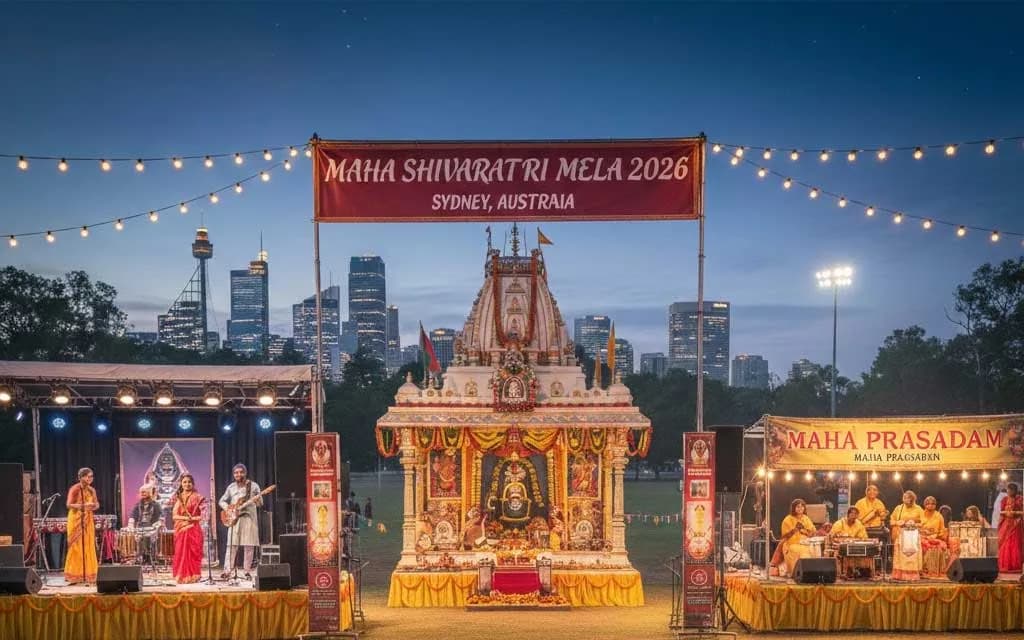
Maha Shivaratri 2027 Celebrations in Australia: How the Hindu Diaspora Honored Lord Shiva Yesterday – A Complete Guide to Cities, Temples, and Events
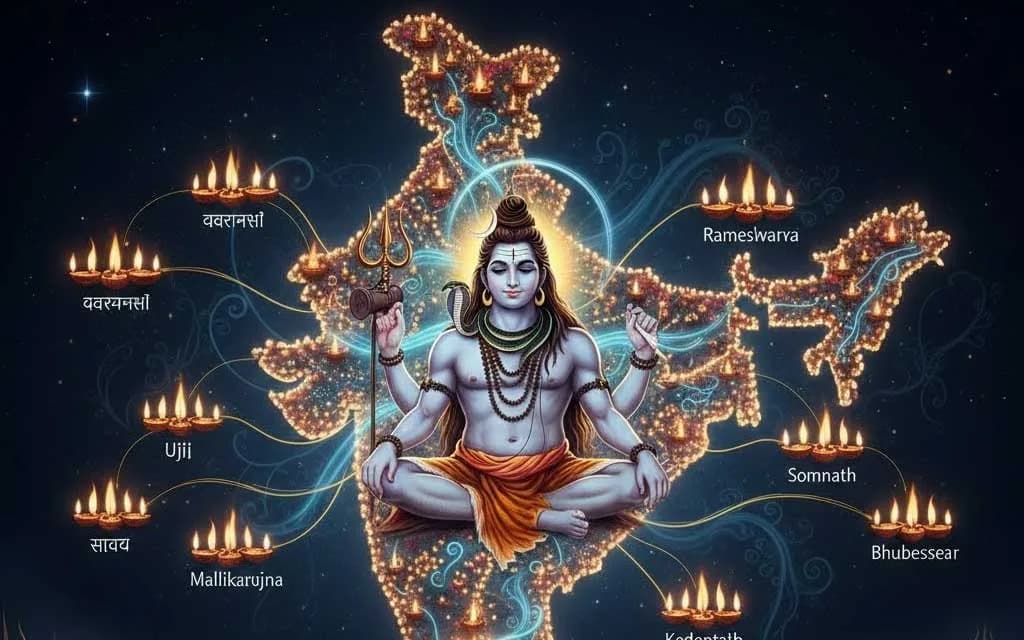
Maha Shivaratri 2027 Celebrations in India: How the Nation Honored Lord Shiva Yesterday – A Complete Guide to Temples, Cities, and Rituals
Maha Shivratri 2026: Complete Puja Guide with Mantras, Four Prahara Vigil & Fast Rules