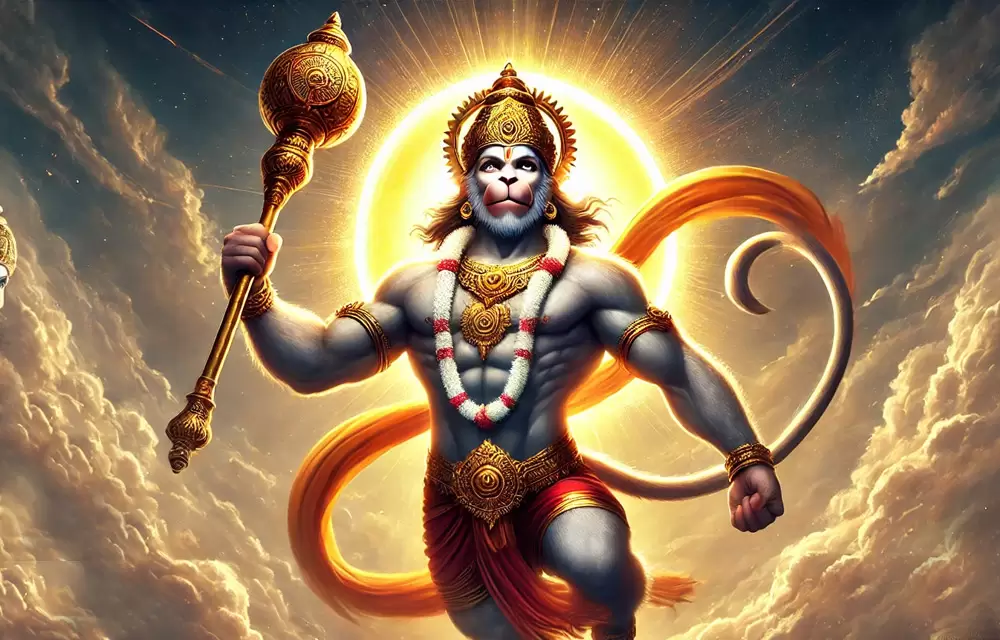
108 Names of Lord Hanuman to Recite on Tuesday: Hanuman Ashtottara Shatanamavali with Meaning
Recite the 108 names of Lord Hanuman (Hanuman Ashtottara Shatanamavali) on Tuesday for quick results. Full list with meaning, chanting method, best time & benefits.
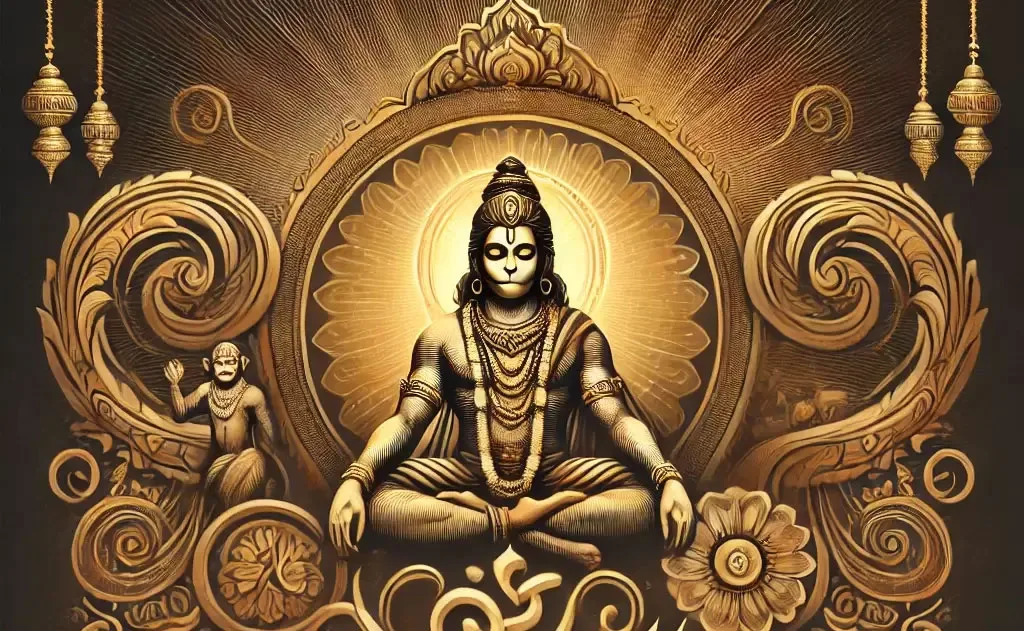
Recite the 108 names of Lord Hanuman (Hanuman Ashtottara Shatanamavali) on Tuesday for quick results. Full list with meaning, chanting method, best time & benefits.
There is a special grace that flows when we call upon Lord Hanuman by his sacred names. The 108 names of Lord Hanuman, known as the Hanuman Ashtottara Shatanamavali, form one of the most powerful devotional chants in Hinduism. Each name reveals a divine quality of Bajrangbali — his strength, his fearlessness, his wisdom, and his boundless love for Lord Rama.
And when these names are recited on Tuesday (Mangalwar) — the very day of Lord Hanuman — their power multiplies, bringing swift relief from fear, obstacles, and worry. In this guide, you will find all 108 names with their meaning, the correct way to chant them on Tuesday, the best time for recitation, and the wonderful benefits this practice brings.
Why 108 Names Are So Powerful
The number 108 is deeply sacred in Sanatan Dharma. It is considered the number of cosmic wholeness, representing the harmony between the universe, the self, and the divine. This is why a traditional mala has 108 beads, and why so many sacred chants are recited 108 times.
When we recite the 108 names of Lord Hanuman, we are not merely repeating words — we are invoking 108 different aspects of his divine personality. Each name carries a unique vibration that purifies the heart, steadies the mind, and draws the protective energy of Bajrangbali into our lives.
Why Tuesday Is Best for Reciting Hanuman's Names
Tuesday is universally regarded as the day of Lord Hanuman. Ruled by the planet Mars (Mangal) — the planet of courage, energy, and strength — Tuesday carries an energy that perfectly matches the power of Hanuman ji.
Reciting the Hanuman Ashtottara Shatanamavali on Tuesday is believed to bring quick results because the devotional energy of the day combines with the planetary energy of Mars. Devotees seeking protection, success, courage, or relief from Mangal Dosha find this practice especially rewarding when done on Tuesdays (and Saturdays).
Best Time to Recite the 108 Names
For the best results, follow these timing tips:
- Brahma Muhurta (the early pre-dawn hours, roughly 4 to 6 AM) is considered the most auspicious time.
- Morning after bath, before beginning your day, is ideal for most devotees.
- Evening (Pradosh time), around sunset, is also a blessed time for Hanuman worship.
- On Tuesday and Saturday, the recitation carries special power.
Facing south while chanting is traditionally recommended, as Lord Hanuman is believed to be especially powerful in that direction.
How to Chant the 108 Names on Tuesday
Follow this simple method for an effective recitation:
- Bathe and wear clean clothes, preferably red or orange.
- Set up a clean space with an idol or image of Lord Hanuman, ideally alongside Lord Rama.
- Light a diya of mustard or sesame oil and offer incense.
- Offer sindoor mixed with jasmine (chameli) oil, along with red flowers such as hibiscus.
- Take a sankalp — fold your hands and silently state your wish or intention.
- Recite each of the 108 names slowly and clearly, beginning each with "Om" and ending with "Namah." You may offer a flower, akshata (rice grains), or simply a moment of devotion with each name.
- Conclude with the Hanuman Chalisa and aarti.
- Offer prasad such as boondi or laddoo, and distribute it afterward.
Keeping your mind calm and your heart full of devotion is the true secret to quick results.
The 108 Names of Lord Hanuman (with Meaning)
Below is the complete Hanuman Ashtottara Shatanamavali with the meaning of each sacred name.
- Om Anjaneyaya Namah — Son of Mother Anjana
- Om Mahaviraya Namah — The great and mighty hero
- Om Hanumate Namah — The one with prominent cheeks (Hanuman)
- Om Marutatmajaya Namah — Son of the Wind God (Vayu)
- Om Tatvajnanapradaya Namah — Bestower of true knowledge
- Om Sitadevimudrapradayakaya Namah — Who delivered Sita's ring as a token
- Om Ashokavanakachchhetre Namah — Destroyer of the Ashoka grove in Lanka
- Om Sarvamayavibhanjanaya Namah — Destroyer of all illusions
- Om Sarvabandhavimoktre Namah — Liberator from every bondage
- Om Rakshovidhwansakarakaya Namah — Destroyer of demons (rakshasas)
- Om Paravidya Pariharaya Namah — Who counters the enemy's spells and knowledge
- Om Parashaurya Vinashanaya Namah — Destroyer of the enemy's valor
- Om Paramantra Nirakartre Namah — Who nullifies the enemy's mantras
- Om Parayantra Prabhedakaya Namah — Who breaks the enemy's yantras
- Om Sarvagraha Vinashine Namah — Remover of all malefic planetary effects
- Om Bhimasena Sahayakrithe Namah — Who came to the aid of Bhima
- Om Sarvadukha Haraya Namah — Remover of all sorrows
- Om Sarvalokacharine Namah — Who roams freely through all the worlds
- Om Manojavaya Namah — Swift as the mind
- Om Parijata Drumulasthaya Namah — Who dwells at the root of the Parijata tree
- Om Sarvamantra Swarupavate Namah — The embodiment of all mantras
- Om Sarvatantra Swarupine Namah — The embodiment of all tantras
- Om Sarvayantratmakaya Namah — The very soul of all yantras
- Om Kapishwaraya Namah — Lord of the monkeys
- Om Mahakayaya Namah — Of a colossal, mighty form
- Om Sarvarogaharaya Namah — Remover of all diseases
- Om Prabhave Namah — The supreme Lord
- Om Bala Siddhikaraya Namah — Bestower of strength and accomplishment
- Om Sarvavidya Sampattipradayakaya Namah — Giver of all knowledge and prosperity
- Om Kapisenanayakaya Namah — Commander of the monkey army
- Om Bhavishyathchaturananaya Namah — Knower of the future, the four-faced
- Om Kumara Brahmacharine Namah — The youthful, eternal celibate
- Om Ratnakundala Diptimate Namah — Radiant with jeweled earrings
- Om Chanchaladwala Sannaddha Lambamana Shikhojwala Namah — Whose swaying tail blazes like a flame
- Om Gandharva Vidyatatvajnaya Namah — Master of the divine science of music
- Om Mahabala Parakramaya Namah — Of immense strength and valor
- Om Karagraha Vimoktre Namah — Liberator from imprisonment
- Om Shrinkhala Bandhamochakaya Namah — Who breaks chains and shackles
- Om Sagarottarakaya Namah — Who leapt across the ocean
- Om Prajnaya Namah — The wise one
- Om Ramadutaya Namah — The messenger of Lord Rama
- Om Pratapavate Namah — The glorious and mighty
- Om Vanaraya Namah — The noble vanara (monkey)
- Om Kesarisutaya Namah — Son of Kesari
- Om Sitashoka Nivarakaya Namah — Remover of Sita's grief
- Om Anjanagarbha Sambhutaya Namah — Born from the womb of Anjana
- Om Balarkasadrashananaya Namah — Whose face shines like the rising sun
- Om Vibhishana Priyakaraya Namah — Who befriended and pleased Vibhishana
- Om Dashagriva Kulantakaya Namah — Destroyer of the ten-headed Ravana's clan
- Om Lakshmanapranadatre Namah — Giver of life to Lakshmana
- Om Vajrakayaya Namah — Of a body hard as a thunderbolt
- Om Mahadyuthaye Namah — Of great radiance
- Om Chiranjivine Namah — The immortal one
- Om Ramabhaktaya Namah — The supreme devotee of Rama
- Om Daityakarya Vighatakaya Namah — Destroyer of the deeds of demons
- Om Akshahantre Namah — Slayer of Aksha, son of Ravana
- Om Kanchanabhaya Namah — Golden-hued
- Om Panchavaktraya Namah — The five-faced form (Panchamukhi)
- Om Mahatapase Namah — The great ascetic
- Om Lankini Bhanjanaya Namah — Who subdued Lankini, the guardian of Lanka
- Om Shrimate Namah — The revered and auspicious one
- Om Simhikaprana Bhanjanaya Namah — Slayer of the demoness Simhika
- Om Gandhamadana Shailasthaya Namah — Who dwells on Mount Gandhamadana
- Om Lankapura Vidayakaya Namah — Who set the city of Lanka ablaze
- Om Sugriva Sachivaya Namah — The minister of Sugriva
- Om Dhiraya Namah — The steadfast and resolute
- Om Shuraya Namah — The brave and valiant
- Om Daityakulantakaya Namah — Destroyer of the race of demons
- Om Surarchitaya Namah — Worshipped by the gods
- Om Mahatejase Namah — Of great splendor
- Om Ramachudamanipradayakaya Namah — Who delivered Rama the crest-jewel of Sita
- Om Kamarupine Namah — Who can take any form at will
- Om Pingalakshaya Namah — Of tawny, golden-brown eyes
- Om Vardhimainaka Pujitaya Namah — Honored by Mount Mainaka in the sea
- Om Kabalikrita Martandamandalaya Namah — Who once swallowed the orb of the sun
- Om Vijitendriyaya Namah — Conqueror of the senses
- Om Ramasugriva Sandhatre Namah — Who united Rama and Sugriva in friendship
- Om Maharavana Mardhanaya Namah — Destroyer of the mighty Ravana
- Om Sphatikabhaya Namah — Pure and luminous as crystal
- Om Vagadhishaya Namah — Lord of speech and eloquence
- Om Navavyakritapanditaya Namah — Master of the nine schools of grammar
- Om Chaturbahave Namah — The four-armed
- Om Dinabandhuraya Namah — Friend of the helpless and distressed
- Om Mayatmane Namah — Of mystical, divine nature
- Om Bhaktavatsalaya Namah — Loving and gracious toward his devotees
- Om Sanjivananagayartha Namah — Who carried the Sanjivani life-giving mountain
- Om Suchaye Namah — The ever-pure one
- Om Vagmine Namah — The eloquent speaker
- Om Dridhavrataya Namah — Firm and unshakable in his vows
- Om Kalanemi Pramathanaya Namah — Destroyer of the demon Kalanemi
- Om Harimarkata Markataya Namah — The king among the monkeys
- Om Dantaya Namah — The self-controlled
- Om Shantaya Namah — The peaceful and serene
- Om Prasannatmane Namah — Of a cheerful, contented spirit
- Om Shatakantamudapahartre Namah — Who humbled the pride of the mighty foe
- Om Yogine Namah — The great yogi
- Om Ramakatha Lolaya Namah — Who delights in the stories of Rama
- Om Sitanveshana Panditaya Namah — The expert in the search for Sita
- Om Vajradranushtaya Namah — With a body firm as the thunderbolt
- Om Vajranakhaya Namah — With nails hard as diamond
- Om Rudra Virya Samudbhavaya Namah — Born of the divine power of Rudra (Shiva)
- Om Indrajitprahitamoghabrahmastra Vinivarakaya Namah — Who withstood the unfailing Brahmastra of Indrajit
- Om Partha Dhwajagrasamvasine Namah — Who resides atop the banner of Arjuna
- Om Sharapanjara Bhedakaya Namah — Who shattered the cage of arrows
- Om Dashabahave Namah — The ten-armed
- Om Lokapujyaya Namah — Worshipped by all the worlds
- Om Jambavatpritivardhanaya Namah — Who increased the joy of Jambavan
- Om Sitasameta Shriramapada Sevadurandharaya Namah — The foremost in serving the feet of Shri Rama and Sita
Benefits of Reciting the 108 Names on Tuesday
Devotees who recite the Hanuman Ashtottara Shatanamavali on Tuesday with faith often experience remarkable blessings:
- Removal of fear and anxiety, replaced by courage and confidence.
- Protection from the evil eye, negative energies, and harmful forces.
- Relief from obstacles in career, studies, and relationships.
- Reduction of Mangal Dosha and other planetary troubles.
- Better health and inner strength, as Hanuman ji is the remover of diseases.
- Mental peace and clarity through the calming vibration of the names.
- Spiritual growth and a deepening sense of devotion and faith.
Reciting these names regularly is like keeping a divine shield around yourself — a constant reminder of the strength, purity, and love that Lord Hanuman embodies.
Conclusion
The 108 names of Lord Hanuman are a treasure of devotion, each one a doorway to his divine grace. Recited on Tuesday, the sacred day of Bajrangbali, they bring swift protection, courage, and the fulfillment of heartfelt wishes. Whether you chant all 108 names or simply a few with love, what matters most is the sincerity of your heart.
Begin this beautiful practice this coming Tuesday and feel the powerful presence of Hanuman ji in your life.
Did you find this guide helpful? Share which of the 108 names touched your heart in the comments below. If this article brought you peace and devotion, please share it with family and friends, and subscribe to hindutone.com for more sacred chants and devotional guides. 🙏 Jai Bajrangbali! Jai Hanuman!
Frequently asked questions
Why are the 108 names of Lord Hanuman recited on Tuesday?
Tuesday is regarded as Hanuman's day and is ruled by Mars (Mangal), the planet of courage, energy and strength. Reciting on this day is believed to bring quick results because devotion and Mars energy combine.
What is the best time to chant the Hanuman Ashtottara Shatanamavali?
Brahma Muhurta, the pre-dawn hours roughly 4 to 6 AM, is considered most auspicious. Morning after a bath and the evening Pradosh time around sunset are also good. Tuesday and Saturday carry special power.
How do you chant the 108 names of Hanuman on Tuesday?
Bathe, wear red or orange, light a mustard or sesame oil diya, and offer sindoor with jasmine oil and red flowers. Take a sankalp, then recite each name beginning with Om and ending with Namah. Conclude with the Hanuman Chalisa and aarti.
Which direction should one face while chanting Hanuman's names?
Facing south is traditionally recommended, as Lord Hanuman is believed to be especially powerful in that direction.
What offerings are made with the 108 names of Hanuman?
Offer sindoor mixed with jasmine (chameli) oil, red flowers such as hibiscus, incense and a diya. With each name you may offer a flower or akshata, and distribute prasad such as boondi or laddoo afterward.
Related Reading on HinduTone
- Importance of Tuesday in Hinduism: Mangalwar Vrat, Hanuman & Mangal Worship
- Hanuman Chalisa: Complete 40 Verses with Hindi, Transliteration, Meaning & Benefits
- Sundar Kand: Complete Guide to Tulsidas's 5th Book of Ramcharitmanas
- Importance of Monday in Hinduism: Somvar Vrat & Lord Shiva Worship
- Rudrashtakam Stotram: Tulsidas's 8-Verse Shiva Hymn
- 12 Jyotirlingas of Lord Shiva: Complete Pilgrimage Guide
- Shiv Tandava Stotram: Ravana's Cosmic Dance Hymn
- Maha Mrityunjaya Mantra: Lyrics, Meaning & How to Chant
You might also like
Hanuman Chalisa on Tuesday: Powerful Benefits & Correct Way to Chant
Benefits of Visiting Hanuman Temple on Tuesday: Mangalwar Darshan, Offerings & Famous Temples
Tuesday Hanuman Puja: Mangalvar Vrat, Hanuman Chalisa and Mantras