Benefits of Visiting Hanuman Temple on Tuesday: Mangalwar Darshan, Offerings & Famous Temples
Discover the powerful benefits of visiting a Hanuman temple on Tuesday — temple rules, what to offer (sindoor, laddoo, coconut), miracle stories, and spiritual rewards.
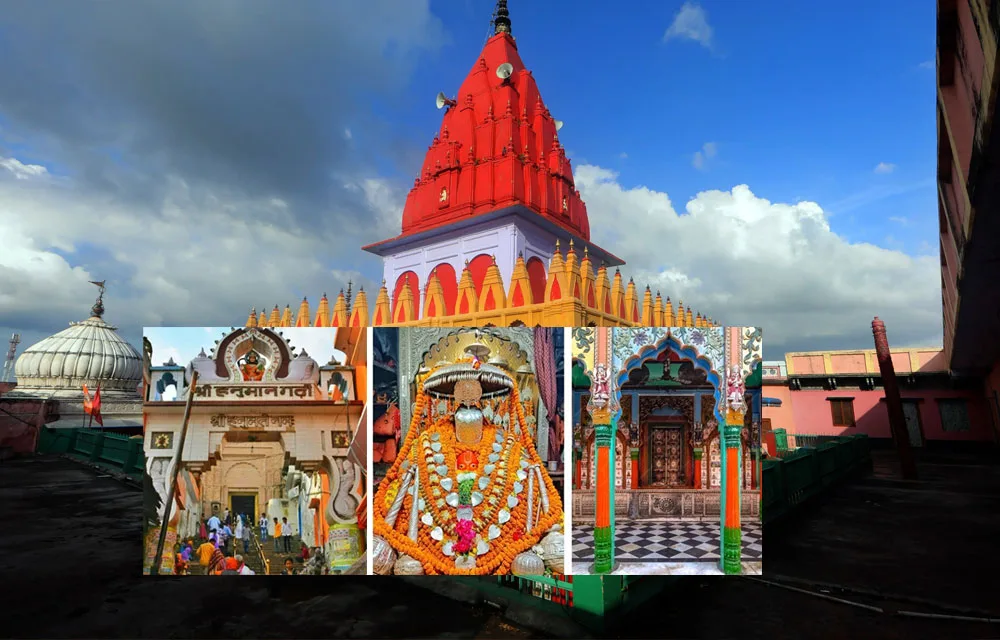
Discover the powerful benefits of visiting a Hanuman temple on Tuesday — temple rules, what to offer (sindoor, laddoo, coconut), miracle stories, and spiritual rewards.
There is a quiet magic in the air of a Hanuman temple on Tuesday. The fragrance of jasmine oil mingles with the scent of fresh marigold and sindoor, bells ring out in joyful waves, and devotees stand with folded hands before the mighty form of Bajrangbali. For millions across India, visiting a Hanuman temple on Tuesday is not just a routine — it is a weekly appointment with the divine, a moment to lay down their fears and feel the powerful, protective embrace of Lord Hanuman.
Tuesday, known as Mangalwar, is the most sacred day to seek the blessings of Hanuman ji. A Bajrangbali darshan on Mangalwar is believed to wash away worry, dissolve obstacles, and fill the heart with courage and peace. In this complete guide, we explore why Tuesday is so special, the proper temple visit rules, what to offer, the spiritual and practical benefits, and the beautiful stories of faith and miracles that draw generations of devotees back to the temple, week after week.
Why Tuesday Is the Most Sacred Day for Hanuman Temple Visits
To understand the power of a Tuesday temple visit, we must understand why this day belongs so completely to Lord Hanuman.
The Devotional Reason
In Hindu tradition, Tuesday is universally accepted as the day of Lord Hanuman. There are many beliefs about why this is so. One popular tradition holds that it was on a Tuesday that Hanuman ji was born to Mother Anjana, making the day forever sacred to him. Another belief is that Hanuman is most easily pleased and most generous with his grace on Tuesdays, rushing to shelter anyone who calls upon him with a sincere heart.
Because of this, Hanuman temples across the country witness their largest crowds on Tuesdays. Long lines of devotees wait patiently for darshan, carrying laddoos, garlands of marigold, and small packets of sindoor, eager to stand before Bajrangbali and pour out their prayers.
The Astrological Reason
In Vedic astrology (Jyotish), Tuesday is ruled by the planet Mars (Mangal). Mars governs energy, courage, ambition, discipline, and physical strength. It is a fiery, powerful planet — and Lord Hanuman is considered the master of that very power.
When Mars is strong and well-placed in a horoscope, it grants confidence and success. But when it is weak or afflicted, it can bring anger, conflict, accidents, and the troublesome condition known as Mangal Dosha. Visiting a Hanuman temple on Tuesday and seeking Bajrangbali's blessings is believed to pacify a difficult Mars and channel its energy in a positive direction.
Temple Visit Rules and Etiquette for Tuesday
To receive the full blessings of your Tuesday visit, it helps to follow the traditional rules and etiquette of a Hanuman temple. These customs are simple, but they reflect respect and devotion.
Before You Go
- Bathe and wear clean clothes. Cleanliness of body and mind is the first offering you make. Red or orange clothing is considered especially auspicious for Hanuman worship.
- Carry your offerings. Prepare your sindoor, laddoo, flowers, or coconut in advance so you are ready for darshan.
- Set a clear intention. Take a moment before leaving home to think about what you wish to pray for, whether it is protection, strength, success, or peace.
- Observe a light fast if possible. Many devotees keep the Mangalwar vrat and visit the temple before breaking their fast.
Inside the Temple
- Remove footwear before entering the temple premises, as is customary.
- Maintain silence and focus. Avoid loud talking, phone use, or distractions. Let your mind rest on Bajrangbali.
- Move in the proper direction. Follow the flow of devotees and perform circumambulation (parikrama) in a clockwise direction.
- Bow with humility. Fold your hands, bow your head, and offer your prayers sincerely.
- Accept prasad gracefully. Receive the blessed prasad with your right hand and treat it with reverence.
Things to Avoid
- Do not visit in an impure state. Avoid temple visits without bathing or in soiled clothes.
- Avoid offering certain items. Do not offer items considered tamasic, and follow the temple's specific customs.
- Do not rush. Even a few quiet moments of genuine devotion are worth more than a hurried visit.
- Avoid anger and harsh words. Keep your conduct calm and respectful throughout the visit, in keeping with the spirit of the day.
What to Offer Lord Hanuman on Tuesday
Offerings are a beautiful way to express love and devotion. Lord Hanuman is known as Rama's most devoted servant and is famously easy to please — a sincere heart matters more than the size of the offering. Still, certain offerings are especially dear to Bajrangbali and carry deep traditional meaning.
Sindoor (Vermilion)
Sindoor is perhaps the most cherished offering to Lord Hanuman. There is a beloved story behind it. One day, Hanuman ji saw Mother Sita applying sindoor to the parting of her hair. When he asked why, she explained that it was for the long life and well-being of Lord Rama. Out of his boundless love for Rama, Hanuman ji covered his entire body in sindoor, wishing for the Lord's eternal long life. Pleased and touched by this devotion, Lord Rama blessed Hanuman, and ever since, sindoor has been his most sacred offering.
Devotees offer sindoor mixed with jasmine (chameli) oil, applying it to the idol or offering it at his feet. It symbolizes pure, selfless devotion.
Laddoo and Boondi
Lord Hanuman is famously fond of sweets, especially laddoos and boondi. Offering a plate of fresh laddoos is one of the most common and loved offerings on Tuesday. Besan laddoos and motichoor laddoos are particular favorites. After offering, the laddoos become prasad and are shared among devotees and family, carrying the blessings of Bajrangbali into the home.
Coconut
The coconut is a sacred offering in Hindu worship, symbolizing the ego that the devotee surrenders before the divine. Offering a coconut to Lord Hanuman on Tuesday represents the breaking of the ego and complete surrender to his protection. Many devotees offer a whole coconut along with their prayers for the fulfillment of a specific wish.
Other Auspicious Offerings
- Red flowers, especially hibiscus and marigold, which are dear to Hanuman ji.
- A red flag (dhwaja), often offered at temples as a mark of devotion and to fulfill a vow.
- Jasmine oil (chameli ka tel), used to anoint the idol and offered with sindoor.
- Betel leaves (paan), sometimes offered as a traditional gesture of respect.
- Tulsi leaves and Ganga jal, used in worship for purity.
- Bananas and other fruits, offered as simple, sattvic prasad.
Whatever you offer, the most important ingredient is devotion. A single flower offered with love pleases Lord Hanuman more than a grand offering made without feeling.
Spiritual Benefits of Visiting a Hanuman Temple on Tuesday
Freedom from Fear and Anxiety
Lord Hanuman is the great destroyer of fear. Standing before him on Tuesday, devotees feel their anxieties melt away, replaced by courage and confidence. The very presence of Bajrangbali is believed to drive away fear of enemies, fear of the unknown, and the heavy weight of worry.
Protection from Negative Energies
Hanuman ji is the supreme protector. A Tuesday darshan is believed to create a shield around the devotee, guarding them from the evil eye (nazar), black magic, negative spirits, and harmful energies.
Inner Strength and Willpower
As the embodiment of shakti (strength), Hanuman ji blesses his devotees with willpower, determination, and the courage to face life's challenges.
Peace of Mind and Emotional Balance
The calming atmosphere of the temple, combined with prayer and chanting, soothes the restless mind. Devotees often leave feeling lighter, more centered, and emotionally balanced.
Famous Hanuman Temples to Visit on Tuesday
India is home to countless revered Hanuman temples, many of which draw enormous crowds of devotees every Tuesday. Here are some of the most famous shrines:
- Sankat Mochan Hanuman Temple, Varanasi. Founded according to tradition by Tulsidas, this temple's name means "the remover of troubles." Devotees throng here on Tuesdays and Saturdays seeking relief.
- Salasar Balaji, Rajasthan. Famous temple in Churu district, known for the unique Hanuman form with beard and moustache.
- Mehandipur Balaji, Rajasthan. Renowned as a place of spiritual healing and protection from negative energies.
- Hanuman Garhi, Ayodhya. Situated in the holy city of Lord Rama's birth — climbing its steps is itself an act of devotion.
- Jakhoo Temple, Shimla. Perched atop the highest peak in Shimla, this temple is believed to mark where Hanuman ji rested while searching for the Sanjivani herb.
- Hanuman Mandir, Connaught Place, New Delhi. One of the most visited temples in the capital, drawing huge crowds on Tuesdays.
- Namakkal Anjaneyar Temple, Tamil Nadu. Famous for its towering open-air statue of Lord Hanuman.
If you live near any of these sacred shrines, a Tuesday visit can be a truly uplifting experience. But remember — your neighborhood Hanuman temple is just as powerful, for Bajrangbali responds not to the grandeur of the temple, but to the sincerity of the heart that visits it.
Conclusion
Visiting a Hanuman temple on Tuesday is one of the most beautiful and rewarding spiritual practices in Hindu tradition. On Mangalwar, the day ruled by Mars and dedicated to the mighty Bajrangbali, a single darshan can lift fear, dissolve obstacles, and fill the heart with courage and peace. Whether you offer sindoor, laddoo, a coconut, or simply a humble prayer, the grace of Lord Hanuman is always within reach of a sincere devotee.
May Lord Hanuman bless you and your family with courage, protection, and prosperity on every sacred Tuesday.
Did you find this guide helpful? Share your own experiences of visiting a Hanuman temple on Tuesday in the comments below. If this article touched your heart, please share it with family and friends, and subscribe to hindutone.com for more devotional guides and sacred wisdom. 🙏 Jai Bajrangbali! Jai Hanuman!
Frequently asked questions
Why is Tuesday special for visiting a Hanuman temple?
Tuesday, or Mangalwar, is regarded as Hanuman's day. One tradition says he was born on a Tuesday, and in Vedic astrology the day is ruled by Mars, whose energy and courage Hanuman is said to master.
What should I offer Lord Hanuman on Tuesday?
Sindoor mixed with jasmine oil, laddoos or boondi, and a whole coconut are the most common offerings. Red flowers such as hibiscus and marigold, betel leaves, tulsi, bananas and a red flag are also offered.
Why do devotees offer sindoor to Hanuman?
As commonly told, Hanuman saw Sita apply sindoor for Rama's long life and covered his whole body in it out of love. Pleased, Rama blessed him, and sindoor became his most sacred offering.
What are the dos and don'ts for a Tuesday temple visit?
Bathe, wear clean clothes (red or orange is auspicious), remove footwear, stay silent and circumambulate clockwise. Avoid visiting in an impure state, offering tamasic items, rushing, or speaking harshly.
Should I fast before visiting the Hanuman temple on Tuesday?
A light fast is optional. Many devotees keep the Mangalwar vrat and visit the temple before breaking their fast.
Which Hanuman temples are famous for Tuesday darshan?
Well-known shrines include Sankat Mochan in Varanasi, Salasar Balaji and Mehandipur Balaji in Rajasthan, Hanuman Garhi in Ayodhya, Jakhoo Temple in Shimla, and Hanuman Mandir at Connaught Place, New Delhi.
Related Reading on HinduTone
- Importance of Tuesday in Hinduism: Mangalwar Vrat, Hanuman & Mangal Worship
- Hanuman Chalisa: Complete 40 Verses with Hindi, Transliteration, Meaning & Benefits
- Sundar Kand: Complete Guide to Tulsidas's 5th Book of Ramcharitmanas
- Importance of Monday in Hinduism: Somvar Vrat & Lord Shiva Worship
- Rudrashtakam Stotram: Tulsidas's 8-Verse Shiva Hymn
- 12 Jyotirlingas of Lord Shiva: Complete Pilgrimage Guide
- Shiv Tandava Stotram: Ravana's Cosmic Dance Hymn
- Maha Mrityunjaya Mantra: Lyrics, Meaning & How to Chant
You might also like
Hanuman Chalisa on Tuesday: Powerful Benefits & Correct Way to Chant

Tuesday Hanuman Puja: Mangalvar Vrat, Hanuman Chalisa and Mantras
108 Names of Lord Hanuman to Recite on Tuesday: Hanuman Ashtottara Shatanamavali with Meaning