Top 20 Shivalayams Outside India: The Ultimate Global Pilgrim’s Guide to Shiva Temples Worldwide
From Pashupatinath in Nepal to a man-made cave Jyotirlinga in Australia, a glass temple in Malaysia and a temple rising from the Caribbean Sea — the 20 most sacred Shiva temples outside India, with significance, best times to visit, rituals and mantras for every Shivalayam.
From Pashupatinath in Nepal to a man-made cave Jyotirlinga in Australia, a glass temple in Malaysia and a temple rising from the Caribbean Sea — the 20 most sacred Shiva temples outside India, with significance, best times to visit, rituals and mantras for every Shivalayam.
A global pilgrimage guide by HinduTone Editorial · ~14 min read
“Wherever a Shivalingam is worshipped with true devotion, there Mahadev himself is present. The sacred land of Shiva has no borders — it spans the entire universe.” — Shiva Purana
Introduction: Lord Shiva's Temples Span the Entire World
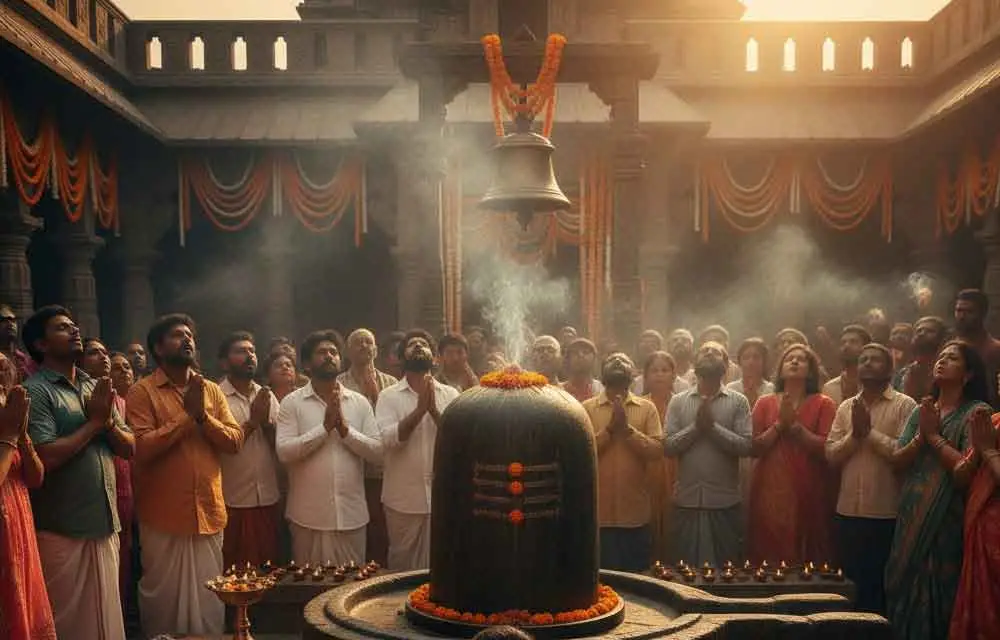
Har Har Mahadev. Lord Shiva — the Adiyogi, the Mahadev, the cosmic destroyer and supreme transformer — is worshipped on every continent on earth. From the misty banks of the Bagmati river in Nepal to the volcanic islands of Indonesia, from the rainforests of Hawaii to the ancient shores of Sri Lanka, the sacred presence of Shiva Shankar transcends every border, ocean and culture.
For NRI devotees, spiritual travellers and pilgrims around the world, finding a Shivalayam abroad is not just about religious observance — it is about coming home. These temples carry the same chant of “Om Namah Shivaya,” the same fragrance of bilwa patra and camphor, no matter what country they stand in. This guide covers the top 20 Shivalayams outside India — ranked by spiritual significance, historical depth and devotional power.
The 20 Most Sacred Shivalayams Outside India
1. Pashupatinath Temple — Kathmandu, Nepal
The most sacred Shivalayam outside India · UNESCO World Heritage Site (1979)
Country: Nepal · Deity: Pashupatinath (Shiva) · Built: 5th century CE · River: Bagmati
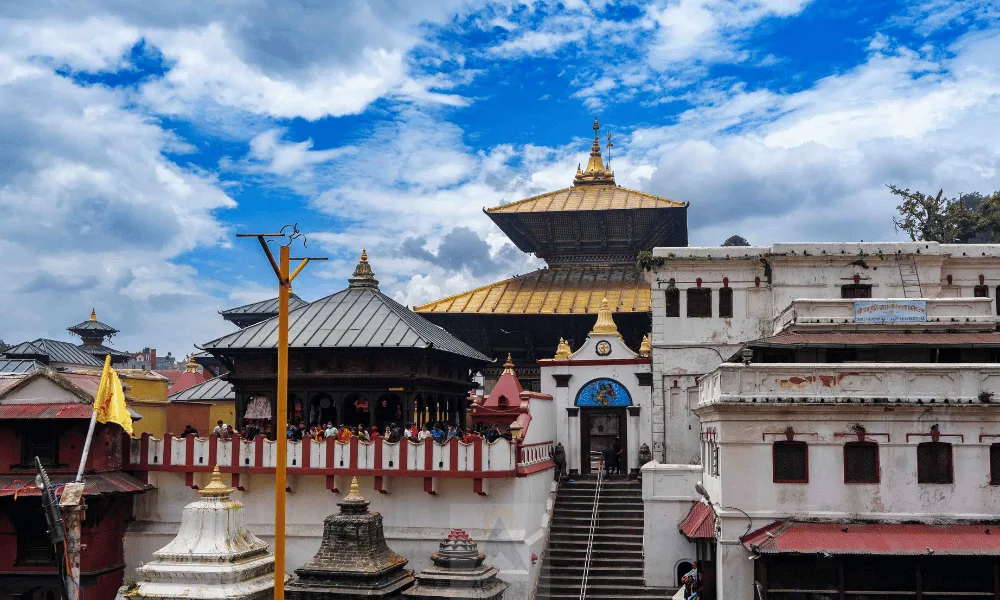
Pashupatinath means the "Lord of all living beings". The largest temple complex in Nepal, it stretches on both banks of the holy Bagmati River in Nepalese pagoda style — a gilded roof, four silver-plated doors and exquisite wood carvings. The complex houses over 500 shrines, dozens of Shivalingams and sacred cremation ghats where moksha is sought.
This is not merely a temple — it is a living universe of Shiva consciousness, and one of the most important pilgrimage sites in Asia.
Why it is unmissable:
One of the most revered Shivalingams in the Hindu world
Maha Shivaratri here draws over a million pilgrims from across Asia
Sacred cremation ghats on the Bagmati where moksha is granted
Best time: Maha Shivaratri (Feb–Mar) · Entry: Inner sanctum: Hindus only · outer complex: all · Ritual: Abhishek with Bagmati water at dawn; pradakshina 3 or 7 times
2. Prambanan Temple — Yogyakarta, Indonesia
UNESCO World Heritage · Asia's greatest Shiva temple outside India
Country: Indonesia · Deity: Shiva (Trimurti) · Built: 9th century CE
Prambanan is a 9th-century Hindu compound in Java dedicated to the Trimurti — Brahma, Vishnu and Shiva. The largest Hindu temple site in Indonesia and second-largest in Southeast Asia after Angkor Wat, its central Shiva temple rises 47 metres, walls lined with the full Ramayana in stone reliefs. The compound holds 240 temples.
Why it is unmissable:
The Shiva shrine holds a magnificent 3-metre idol of Shiva as Mahaguru
The open-air Ramayana Ballet at full moon is world-famous
Survived earthquakes, eruptions and centuries of time
Best time: May–Oct (dry season) · Ritual: Offer bilwa/lotus at the Shiva shrine; circumambulate clockwise 3 times
3. Munneswaram Temple — Chilaw, Sri Lanka
Ramayana-era temple · over 1,000 years of continuous worship
Country: Sri Lanka · Deity: Shiva (Munneswaram) · Age: ~1,000+ years
Dating back over a thousand years, legend holds that Lord Rama prayed here after the war with Ravana, seeking Shiva’s blessings to cleanse himself. Destroyed twice during Portuguese occupation and rebuilt by locals, the five-temple complex includes shrines to Shiva, Ganesha, Kali, Vishnu and Buddha.
Why it is unmissable:
Sacred since the age of the Ramayana — among the oldest active Shiva temples on earth
The 28-day Munneswaram Festival is one of Sri Lanka’s grandest religious events
Revered by Hindus, Buddhists, Catholics and Muslims alike — a true multi-faith site
Best time: Aug–Sep festival · Maha Shivaratri · Ritual: Offer coconut, camphor and bilwa; pray at all five shrines
4. Sri Mukti Gupteshwar Temple — Minto, Australia
World's first & only man-made cave Jyotirlinga temple
Country: Australia · Deity: Gupteshwar — the 13th Jyotirlinga · Consecrated: 1999
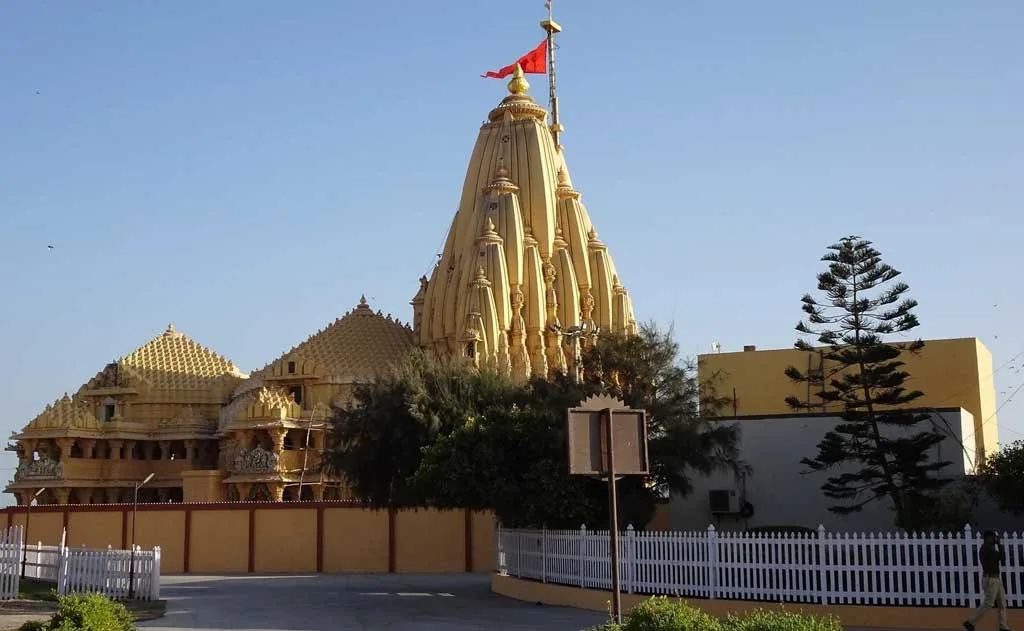
The 13th Jyotirlinga Gupteshwar is worshipped in this man-made cave temple in Minto, New South Wales — the world’s first and only one of its kind. King Birendra of Nepal gifted the lingam to Australia in 1999; scripture required its creation in the southern hemisphere as it symbolised the "mouth of the snake".
Why it is unmissable:
The only Jyotirlinga in the Southern Hemisphere
Gifted by the King of Nepal — a rare royal consecration
The cave recreates the mystical atmosphere of Amarnath or Kedarnath
Best time: Maha Shivaratri · Sawan Mondays · Ritual: Abhishek with milk and honey inside the cave; meditate 10 minutes in silence
5. Kauai's Hindu Monastery — Kauai, Hawaii, USA
The Garden Island's living Shiva temple · established 1970
Country: USA (Hawaii) · Deity: Shiva, Ganesha, Murugan · Since: 1970
Amid tropical rainforests and waterfalls in the Wailua River Valley, resident monks live an ascetic life worshipping Shiva and his sons Ganesha and Muruga, growing organic food and practising the Shaiva Siddhanta tradition in full depth. They publish the acclaimed Hinduism Today magazine and carve sacred Shivalingams from rare white granite.
Why it is unmissable:
The only fully operational Hindu monastery of its kind in the USA
Two South Indian-style temples set in lush tropical grounds
The Crystal Shivalingam in the Kadavul Temple is of extraordinary vibrational power
Best time: Maha Shivaratri · year-round morning puja · Location: Kapaa, Kauai, Hawaii · Ritual: Attend morning puja; walk the sacred garden path in silence
6. Katasraj Temple — Chakwal, Pakistan
Ancient Shiva temple since the Mahabharata age
Country: Pakistan · Deity: Lord Shiva · Age: Mahabharata era (5,000+ yrs)
One of Punjab’s most famous temples, dedicated to Shiva and surrounded by the sacred Katas Pond — said to have formed from Shiva’s tears when Goddess Sati died. The Mahabharata records that the Pandavas sheltered here during their exile, making it one of the oldest living Shiva sites on earth.
Why it is unmissable:
One of the most ancient Shiva pilgrimage sites on earth
The sacred pond is believed to grant moksha to those who bathe in it
A living piece of the Mahabharata — a UNESCO-listed heritage site in Pakistan
Best time: Maha Shivaratri · Location: Katas, Chakwal District, Punjab, Pakistan
7. Maheswarnath Mandir — Triolet, Mauritius
The oldest & largest Shiva temple in Mauritius · founded 1888
Country: Mauritius · Deity: Shiva (Maheswarnath) · Founded: 1888
Founded in 1888 by Pandit Shri Sajeebunlall Ramsoondur from Calcutta, this is the biggest and one of the oldest Hindu temples on the island. Built in classical South Indian Dravidian style with a soaring gopuram, it anchors Mauritian Hindu identity and the famous pilgrimage to the sacred Ganga Talao lake.
Why it is unmissable:
The largest Hindu temple in Mauritius and one of the finest in the Indian Ocean region
The Maha Shivaratri pilgrimage from here to Ganga Talao is among the southern hemisphere’s greatest religious events
Over 130 years of continuous worship
Best time: Maha Shivaratri · Sawan · Ritual: Join the Maha Shivaratri kanwar pilgrimage carrying Ganga water
8. Sagar Shiv Mandir — Gris Gris, Mauritius
The temple rising from the Indian Ocean
Country: Mauritius · Deity: Lord Shiva · Feature: Sea on three sides
On a rocky promontory of southern Mauritius where the Indian Ocean crashes its waves, this intensely devotional shrine echoes the Temple in the Sea of Trinidad. The symbolism is overwhelming — Shiva as Mahadev, Lord of the Three Worlds, standing at the edge of the infinite ocean.
Why it is unmissable:
One of the most dramatically beautiful Shiva temple settings in the world
The crashing waves merge with chants of "Om Namah Shivaya" unforgettably
Best time: Mondays · Maha Shivaratri · sunrise puja · Location: Gris Gris, southern Mauritius coast
9. Arulmigu Sri Rajakaliamman Glass Temple — Johor Bahru, Malaysia
The world's only Hindu glass temple with a Shiva Lingam · 1922
Country: Malaysia · Deity: Shiva (Athma Lingam) & Kaliamman · Built: 1922
The first and only Hindu glass temple in the world — about 90% built from some 300,000 mosaic glass pieces, with 300,000 rudraksha beads inlaid into the walls. At its focal point, a lotus bearing Lord Shiva serves as the object of worship; devotees bathe the Athma Lingam in rose water.
Why it is unmissable:
The Athma Lingam — Shiva as the soul of the cosmos — is unique to this temple
300,000 glass mosaic pieces create an otherworldly visual experience
300,000 rudraksha beads embedded in the walls — a marvel of devotional art
Best time: Maha Shivaratri · Thaipusam · Monday mornings · Entry: Free (modest dress)
10. Chandranath Dham — Sitakunda, Bangladesh
Sacred hilltop Shivalayam of the Chittagong Hills
Country: Bangladesh · Deity: Shiva (Chandranath) · Setting: Hilltop, Sitakunda range
Atop Chandranath Hill in the Sitakunda range sits one of the most dramatic temple settings in South Asia. The climb through jungle to the summit Shivalingam is itself a devotional act, and Maha Shivaratri draws tens of thousands of devotees.
Why it is unmissable:
One of the most significant Hindu pilgrimage sites in Bangladesh
The hilltop location creates a powerful, meditative atmosphere
A precious active Shiva temple in a Muslim-majority nation — a symbol of resilience
Best time: Maha Shivaratri · Location: Sitakunda, Chittagong District, Bangladesh
11. Sri Siva Subramaniya Temple — Nadi, Fiji
The largest Hindu temple in the Pacific Ocean
Country: Fiji · Deity: Shiva & Murugan (Subramaniya)
The largest Hindu temple in Fiji, built in vibrant South Indian Dravidian style with a brightly painted gopuram. It is the jewel of Fiji’s large Hindu population, largely descended from 19th-century indentured labourers, with a deeply active Shiva shrine and daily pujas.
Why it is unmissable:
The most spectacular Hindu architectural achievement in the Pacific
The colourful gopuram is the most photographed sight in Nadi
A testament to Indian culture thriving across the Pacific Ocean
Best time: Maha Shivaratri · Thaipusam · year-round · Location: Queen’s Road, Nadi, Fiji
12. Shiva Vishnu Temple — Melbourne, Australia
One of the largest Hindu temples in the Southern Hemisphere · 1982
Country: Australia · Deity: Shiva & Vishnu · Inaugurated: 1982
Dedicated to Shiva and Vishnu and designed in Dravidian style, this Carrum Downs temple was inaugurated in 1982 by the Ceylon Tamil Association. Today it is one of the largest Hindu temples in Victoria, with full Agama-style worship and a spiritual education centre.
Why it is unmissable:
One of the most authentically functioning Hindu temples in Australia
Full Agama-style worship with trained priests and multiple daily pujas
Maha Shivaratri, Navaratri and Thaipusam all celebrated grandly
Best time: Maha Shivaratri · Thaipusam · Location: Carrum Downs, Victoria, Australia
13. Batu Caves Shiva-Murugan Shrines — Selangor, Malaysia
The cave Shivalayam inside a 400-million-year-old limestone mountain
Country: Malaysia · Deity: Murugan (son of Shiva) & Shiva shrines
Famous worldwide for the 272-step golden staircase to the Cathedral Cave, the Batu Caves complex holds multiple Shiva-lineage shrines; the Ramayana Cave is lined with vivid Shiva mythology. Lord Murugan, Shiva’s son, presides over this extraordinary cave system near Kuala Lumpur.
Why it is unmissable:
The 43-metre golden Murugan statue is one of the tallest Hindu statues in the world
Thaipusam here draws over 1.5 million devotees — one of the world’s great religious events
The natural cave carries an ancient, sacred energy unlike any built temple
Best time: Thaipusam (Jan–Feb) · Location: Gombak, Selangor (20 min from KL)
14. Sri Thendayuthapani Temple — Singapore
Tank Road · 1859 · the Thaipusam heartland
Country: Singapore · Deity: Murugan (Thendayuthapani) · Built: 1859
One of Singapore’s oldest and most beloved Hindu temples and the epicentre of Thaipusam in the city-state. With its impressive South Indian gopuram and active Shiva-lineage worship, it is a major spiritual hub for Singapore’s 300,000+ Hindus.
Why it is unmissable:
The Thaipusam procession to this temple is a deeply moving spectacle
One of Singapore’s most photographed religious landmarks
Maintains authentic Agama-style worship
Best time: Thaipusam · Maha Shivaratri · Location: 15 Tank Road, Singapore
15. Temple in the Sea — Waterloo, Trinidad & Tobago
The Shivalayam built in the Caribbean Sea
Country: Trinidad & Tobago · Deity: Lord Shiva · Feature: On a platform in the sea
A small, bright-white temple standing on a platform in the Gulf of Paria, reached by a long causeway. Built single-handedly by devotee Siewdass Sadhu, who carried materials from the shore and worked alone for years — one of the greatest acts of individual devotion in modern Hindu history.
Why it is unmissable:
Built by one man’s singular devotion — a modern miracle of faith
Surrounded by the Caribbean Sea where sea and sky meet
A moving symbol of the Indian diaspora’s preservation of Hindu faith
Best time: Maha Shivaratri · Monday mornings · Location: Waterloo, Central Trinidad
16. Sri Siva Vishnu Temple — Washington DC, USA
The spiritual centre of the American Hindu community · 1990
Country: USA · Deity: Shiva & Vishnu · Consecrated: 1990
In Lanham, Maryland, one of the most comprehensive Hindu temples in North America serves hundreds of thousands of devotees across the DC–Maryland–Virginia region, with priests trained in both Agamic and Vedic traditions and full pujas conducted daily.
Why it is unmissable:
Full Agama puja multiple times daily — among the most authentic worship in the USA
Maha Shivaratri, Kumbhabhishekam and Brahmotsavam observed in full traditional style
Active Vedic learning centre and Sanskrit classes
Best time: Maha Shivaratri · year-round · Location: Lanham, MD, USA
17. Shiva Shakti Temple — Moscow, Russia
Lord Shiva's presence in the heart of Russia
Country: Russia · Deity: Shiva & Shakti
Russia has a growing Vedic community, and the Shiva Shakti Temple in Moscow is a rare but deeply sincere Shiva worship centre — one of the very few active Shiva temples in continental Europe/Russia, where Vedic culture is finding new roots.
Why it is unmissable:
Among the most northerly and westerly significant Shiva temples in the world
Represents the global reach of Shiva consciousness
An active community of Russian Shaivites worshipping with genuine devotion
Best time: Maha Shivaratri · Sawan Mondays · Location: Moscow, Russia
18. Sri Srinivasa Perumal Temple — Singapore
Navagraha & Shiva shrines · 1855 · Thaipusam starting point
Country: Singapore · Deity: Vishnu (primary) with Shiva & Navagraha shrines · Built: 1855
One of Singapore’s oldest and most magnificent temples and the starting point of the legendary Thaipusam procession. Alongside its primary Vishnu deity it houses significant Shiva and Navagraha shrines, and is gazetted as a national monument.
Why it is unmissable:
The Thaipusam procession begins here — an unforgettable experience
A six-tiered gopuram, among the finest South Indian architecture in Southeast Asia
Active Navagraha shrine with regular Shani and planetary pujas
Best time: Thaipusam · Maha Shivaratri · Location: 397 Serangoon Rd, Singapore
19. Shiva Temple — Muscat, Oman
Lord Shiva in the land of Arabia
Country: Oman · Deity: Lord Shiva · Region: Muttrah, Muscat
A remarkable testament to centuries of India–Oman trade. Established by Indian (largely Shaivite) traders, the Shiva temple in Muttrah is one of the oldest and most continuously-worshipped Hindu temples in the Gulf region, serving hundreds of thousands of expats.
Why it is unmissable:
One of the oldest Hindu temples in the Arab world — living Indo-Arabian history
Serves the vast Indian Hindu expat community across Oman and the Gulf
Active daily puja maintained with full traditional observance
Best time: Maha Shivaratri · Diwali · Monday mornings · Location: Muttrah, Muscat, Oman
20. Sri Veeramakaliamman Temple — Singapore
Ancient Dravidian Shiva-lineage temple · 1881 · national monument
Country: Singapore · Deity: Kali (Shakti of Shiva) with Shiva shrines · Built: 1881
Built in 1881 by Indian labourers from the Madras Presidency, this Little India landmark enshrines Goddess Kali — the fierce manifestation of Shiva’s Shakti — with active Shiva shrines throughout the complex. Its nine-tiered gopuram is covered in vivid painted sculptures.
Why it is unmissable:
One of Singapore’s national monuments and most historic temples
Spectacular Navaratri and Deepavali community celebrations
Deeply rooted in Singapore’s Little India cultural identity
Best time: Navaratri · Deepavali · Maha Shivaratri · Location: 141 Serangoon Rd, Singapore
Quick Reference: Top 20 Shivalayams at a Glance
1. Pashupatinath — Nepal · UNESCO; most sacred Shivalayam outside India
2. Prambanan — Indonesia · UNESCO; 9th century; 240-temple compound
3. Munneswaram — Sri Lanka · Ramayana era; multi-faith site
4. Sri Mukti Gupteshwar — Australia · only man-made cave Jyotirlinga (13th)
5. Kauai Hindu Monastery — USA (Hawaii) · living Shaiva monastery; Crystal Lingam
6. Katasraj — Pakistan · Mahabharata era; pond of Shiva’s tears
7. Maheswarnath Mandir — Mauritius · oldest & largest on the island (1888)
8. Sagar Shiv Mandir — Mauritius · temple on the Indian Ocean coast
9. Rajakaliamman Glass Temple — Malaysia · world’s only Hindu glass temple
10. Chandranath Dham — Bangladesh · hilltop Shivalayam
11. Sri Siva Subramaniya — Fiji · largest Hindu temple in the Pacific
12. Shiva Vishnu Temple — Australia · among the largest in Victoria
13. Batu Caves — Malaysia · cave Shivalayam; Thaipusam epicentre
14. Sri Thendayuthapani — Singapore · 1859; Thaipusam heartland
15. Temple in the Sea — Trinidad · built in the Caribbean Sea by one devotee
16. Sri Siva Vishnu Temple — USA (DC) · most comprehensive in the US east
17. Shiva Shakti Temple — Russia · Lord Shiva in the heart of Moscow
18. Sri Srinivasa Perumal — Singapore · 1855; Thaipusam start; Shiva shrines
19. Shiva Temple Muscat — Oman · oldest in the Arabian Peninsula
20. Sri Veeramakaliamman — Singapore · 1881; Shiva-lineage national monument
Must-Performed Rituals at Every Shivalayam
Wherever in the world you visit a Shivalayam, these timeless rituals connect you to the same stream of sacred energy that has flowed since the dawn of Vedic civilization.
1. Shivalingam Abhishek (Sacred Bathing)
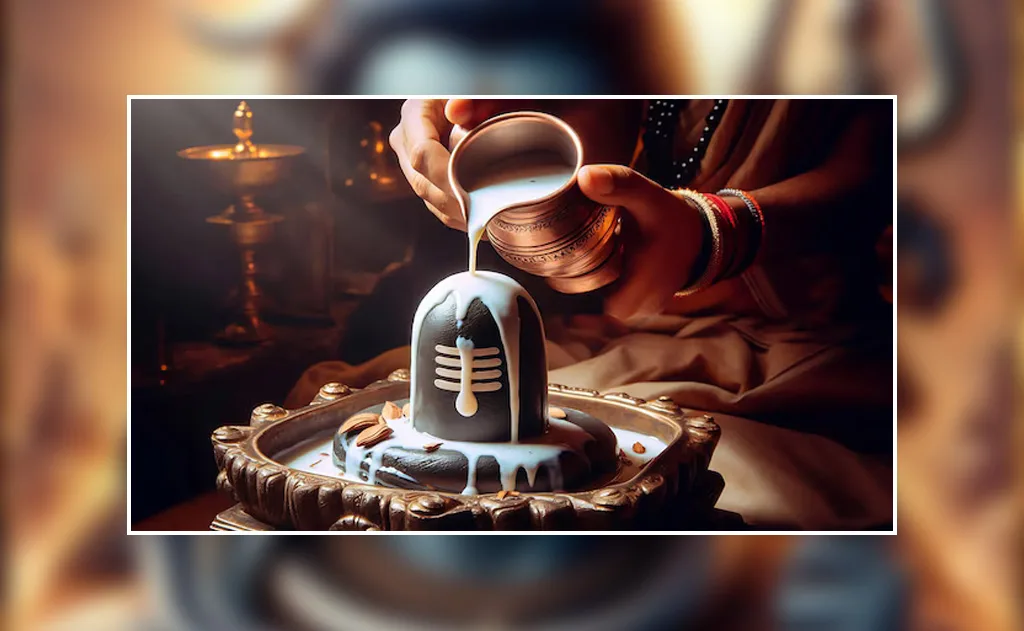
The most important ritual. Offer water, milk, curd, honey, ghee and sugar (panchamrit) over the Shivalingam while chanting “Om Namah Shivaya.” Begin with water and end with water. Offer bilwa patra (bel leaves) — Shiva’s most beloved offering.
2. Bilwa Patra Offering
A single bilwa leaf offered with devotion is said to carry more merit than a thousand elaborate rituals without it. Offer in sets of three — the three eyes of Shiva and the Trimurti.
3. Pradakshina (Circumambulation)
Walk clockwise around the Shivalingam 3, 7 or 11 times — a complete surrender to Shiva’s cosmic order, acknowledging him as the centre around which all existence revolves.
4. Dhoop & Deepam (Incense and Lamp)
Wave lit camphor (karpoor) before the Shivalingam — it burns completely without residue, symbolising the ego dissolving in the fire of devotion.
5. The Five Essential Shiva Mantras
ॐ नमः शिवाय (Om Namah Shivaya) — the mahamantra; chant always. Purifies mind, body and soul.
Mahamrityunjaya Mantra — chant in difficulty, illness or fear. Conquers fear and death; heals.
ॐ नमो भगवते रुद्राय — chant during abhishek to invoke Rudra’s protective grace.
Hara Hara Mahadev — for festivals and processions; invokes Shiva-Parvati unity.
Shivaya Namah — for silent, internal Shiva meditation.
6. Maha Shivaratri — The Night of Shiva
If you live near a Shivalayam anywhere in the world, Maha Shivaratri is the single most important night to be present. The four praharas (watches) of the night are observed with four abhisheks:
First Prahara (6–9 PM): Milk abhishek — for purity
Second Prahara (9 PM–12 AM): Curd abhishek — for prosperity
Third Prahara (12–3 AM): Ghee abhishek — for liberation
Fourth Prahara (3–6 AM): Honey abhishek — for sweetness of life
Frequently Asked Questions
Which is the most famous Shiva temple outside India?
Pashupatinath Temple in Kathmandu, Nepal — a UNESCO World Heritage Site and the largest Shiva temple complex in the world, drawing millions of pilgrims annually, especially at Maha Shivaratri. Prambanan in Indonesia is the most ancient and architecturally significant Shiva temple outside South Asia.
Is there a Jyotirlinga outside India?
Yes. The Sri Mukti Gupteshwar Temple in Minto, Australia houses what is considered the 13th Jyotirlinga, gifted by the King of Nepal in 1999. It is the world’s first and only man-made cave Jyotirlinga and the only one in the Southern Hemisphere.
Which country has the most Shiva temples outside India?
Singapore, Malaysia and Mauritius have the highest concentration of active, significant Shiva and Shiva-lineage temples. Indonesia has the most ancient and grand (Prambanan), while Nepal has the most sacred (Pashupatinath).
Can non-Hindus enter Shiva temples outside India?
Most welcome all visitors in modest dress. Pashupatinath restricts its inner sanctum to Hindus, but the outer complex is open to all. Temples in Singapore, Malaysia, Australia, the USA, Fiji and Mauritius are generally open to everyone.
What is the best time to visit Shiva temples worldwide?
Maha Shivaratri (Feb–Mar) is the most powerful time — major temples hold night-long vigils and abhishekams. The Sawan month (Jul–Aug) is also especially auspicious, with Monday pujas being particularly charged.
What should I bring to a Shivalayam?
The most essential offering is bilwa patra (three-leafed, fresh). Also bring milk for abhishek, white flowers (jasmine, dhatura), camphor, incense and, if possible, a little Gangajal. Wear modest, clean clothing — white or saffron — and remove footwear before entering.
Conclusion: Shiva Is Everywhere — Seek Him Everywhere
Lord Shiva does not dwell only in the Himalayan peaks or on the banks of the Ganga. He dwells in every sincere heart, in every genuinely-offered bel leaf, in every whispered “Om Namah Shivaya” — whether it rises from a temple in Kathmandu, a cave in Australia, a glass temple in Malaysia, or a small room in your home abroad.
These 20 Shivalayams are not just buildings. They are living portals, where human devotion has concentrated into something palpable and the distance between the seeker and the sought collapses into a single moment of grace. Visit them. Worship in them. Be changed by them.
Related Reading on HinduTone
Har Har Mahadev! 🔱
You might also like
The 13th Jyotirlinga in Australia — The Extraordinary Story of Mukti Gupteshwar Temple, Minto
The Temple in the Sea — One Man’s 25-Year Act of Devotion That Moved a Nation
The World’s Only Hindu Glass Temple — Arulmigu Sri Rajakaliamman, Malaysia