Diwali 2026 Celebrations and Rituals in India
Diwali 2026 Celebrations and Rituals in India Diwali, the Festival of Lights, is one of the most beloved and widely celebrated Hindu festivals in India and…
Diwali 2026 Celebrations and Rituals in India
Diwali, the Festival of Lights, is one of the most beloved and widely celebrated Hindu festivals in India and across the world. Rooted in ancient scriptures and timeless traditions, Diwali 2026 will once again bring together families, friends and communities in a beautiful blend of devotion, joy and cultural vibrancy. From lighting diyas and performing Lakshmi Puja to bursting fireworks and sharing sweets, every ritual of Diwali carries deep spiritual significance. As India prepares for Diwali 2026 celebrations and rituals, it is helpful to understand not only how the festival is celebrated, but also why each practice matters. This guide explores the meaning of Diwali in Hinduism, the key rituals followed across India, regional variations, and ways to celebrate Diwali 2026 with greater awareness, safety and spiritual depth.
When Is Diwali 2026 in India?
Diwali follows the Hindu lunar calendar and is celebrated on the Amavasya (new moon) of the month of Kartika. This usually falls in October or November according to the Gregorian calendar. While the main day of Diwali 2026 will be decided based on the Hindu panchang (almanac), the festival is traditionally observed over five days, each linked to a special story and set of customs.
The Five Days of Diwali 2026
- Day 1 – Dhanteras: Dedicated to Lord Dhanvantari and the goddess of wealth, this day is associated with buying gold, silver, utensils or other valuable items as a symbol of prosperity.
- Day 2 – Naraka Chaturdashi (Choti Diwali): Commemorates the victory of Lord Krishna over the demon Narakasura. People wake up early, take oil baths and light lamps to dispel darkness and negativity.
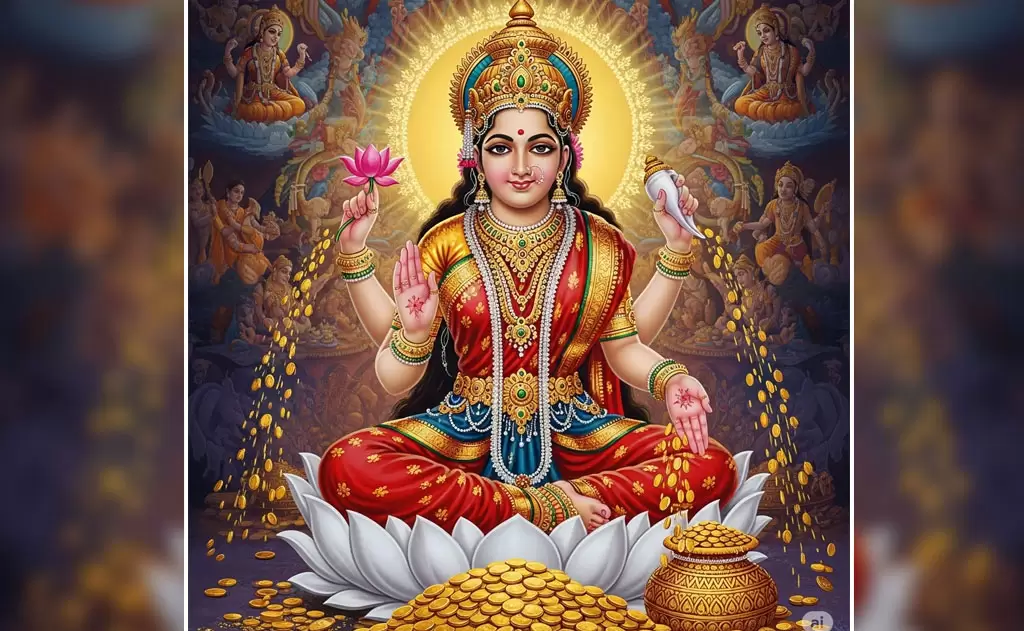
- Day 3 – Lakshmi Puja (Main Diwali Day): The most important day of Diwali 2026, dedicated to the worship of Goddess Lakshmi, Lord Ganesha and Lord Kubera. Homes and temples are decorated with lamps and rangoli.
- Day 4 – Govardhan Puja / Annakut: In many regions, this day honors Lord Krishna lifting Govardhan Hill to protect villagers from storms, symbolizing divine protection and gratitude for nature's bounty.
- Day 5 – Bhai Dooj: Celebrates the sacred bond between brothers and sisters. Sisters pray for their brothers' well-being and longevity, and brothers offer gifts in return.
Understanding these five days helps us appreciate Diwali 2026 celebrations and rituals as a complete spiritual journey, rather than just a single day of festivities.
Spiritual Significance of Diwali in Hinduism
Although Diwali is associated with different legends in various parts of India, the central theme remains the same: the victory of light over darkness, knowledge over ignorance, and dharma (righteousness) over adharma (unrighteousness).
Return of Lord Rama to Ayodhya
In North India, Diwali celebrates the return of Lord Rama, Sita and Lakshmana to Ayodhya after 14 years of exile and the defeat of the demon king Ravana, as described in the Ramayana. The citizens of Ayodhya lit rows of oil lamps to welcome their beloved king, symbolizing joy, loyalty and the triumph of good over evil. Diwali 2026 celebrations and rituals often include Ramayana recitations, devotional songs and dramatic performances of Ramlila.
Worship of Goddess Lakshmi and Lord Ganesha
Across India, the main Diwali night is devoted to worshipping Goddess Lakshmi, the goddess of wealth, prosperity and abundance, along with Lord Ganesha, the remover of obstacles and lord of auspicious beginnings. Devotees pray not only for financial prosperity, but also for wisdom, peace and spiritual growth. Clean homes, lit lamps and sincere prayers are believed to invite divine blessings during Diwali 2026.
Inner Light and Self-Realization
On a deeper level, Diwali symbolizes the awakening of our inner light. The many diyas that brighten homes and streets remind us that the divine light of the Atman (soul) resides within each person. By practicing truth, compassion, discipline and devotion, we allow this inner light to shine through our thoughts, words and actions. Celebrating Diwali 2026 with awareness can thus be a powerful step on the path of self-realization in Hinduism.
Traditional Diwali 2026 Rituals in Indian Homes
Diwali rituals vary by region and family tradition, but certain practices are widely observed across India. Let us look at the key customs that bring Diwali 2026 celebrations to life in Hindu households.
1. Cleaning, Decluttering and Decorating the Home
Weeks before Diwali 2026, families begin thoroughly cleaning their homes, repainting walls, repairing broken items and discarding clutter. This physical cleaning is both practical and symbolic: it prepares the home to receive Goddess Lakshmi and represents clearing out old, stagnant energies. As the festival approaches, doorways and courtyards are decorated with colorful rangoli designs made from colored powders, flowers, rice or diyas. Torans (decorative hangings) and strings of marigolds are used to adorn doors and windows, creating a festive and welcoming atmosphere.
2. Lighting Diyas and Lamps
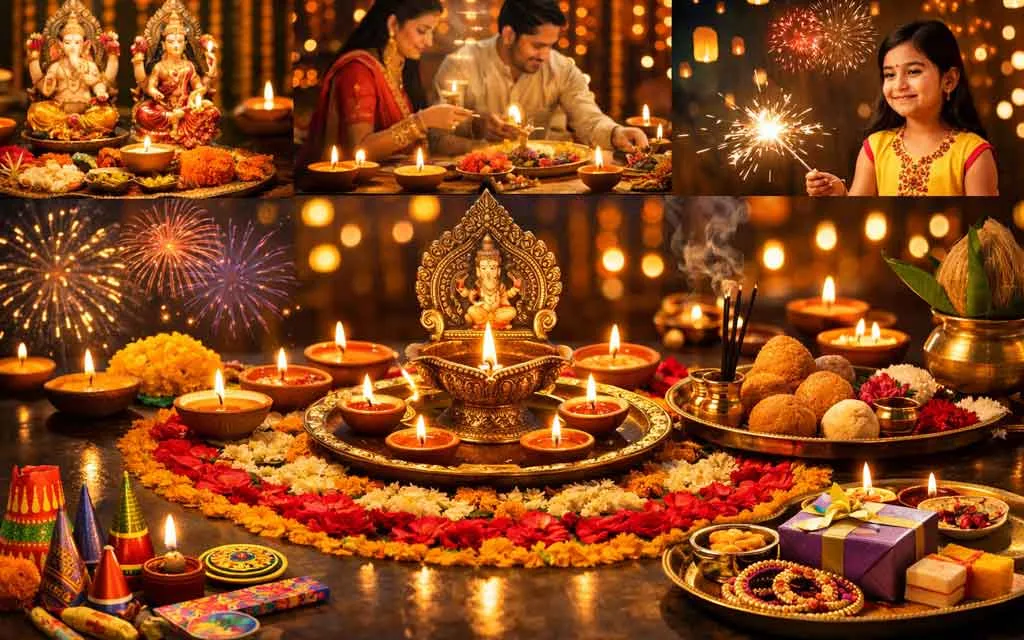
On the main Diwali night, families light rows of clay lamps filled with oil or ghee, placing them on windowsills, balconies, staircases and around the home. These tiny flames glowing in the darkness are a beautiful symbol of hope, positivity and divine protection. During Diwali 2026 celebrations and rituals, many households also use decorative electric lights, lanterns and candles to enhance the ambiance. Yet, the traditional oil diya retains a special reverence because of its connection to ancient Hindu customs and its association with the sacred fire principle (Agni).
3. Performing Lakshmi Puja
The highlight of Diwali 2026 for most Hindu families will be the evening Lakshmi Puja. This ritual is usually performed in the pradosh kaal, the period just after sunset, at an auspicious time indicated by the panchang. During Lakshmi Puja, a clean and decorated altar is prepared with idols or pictures of Goddess Lakshmi and Lord Ganesha. Offerings may include:
- Fresh flowers and garlands
- Fruits, sweets and dry fruits
- Betel leaves, betel nuts and coins
- Incense sticks, camphor and lamps
Devotees recite mantras, Lakshmi stotras, and perform aarti with devotion. Many also place account books, business documents or tools used in their work near the altar, symbolically surrendering their livelihoods to the care of the Divine.
4. Sharing Sweets, Gifts and Festive Meals
Food plays a central role in Diwali 2026 celebrations and rituals. Homes fill with the aroma of traditional sweets such as laddus, barfis, jalebi, gulab jamun and kheer, as well as savory snacks like chakli, mathri and namkeen mixtures. Families prepare special festive meals and invite friends and relatives to share in the joy. Exchanging sweets, dry fruit boxes and gifts is a cherished Diwali custom, symbolizing goodwill, gratitude and the strengthening of social bonds. Many people also donate food, clothes or money to those in need, aligning the festival with the spirit of daan (charity).
5. Fireworks and Responsible Celebrations
Fireworks and sparklers have long been associated with Diwali nights, symbolizing the dispersal of darkness and the joyful mood of the festival. However, concerns about air and noise pollution have led many devotees to choose more eco-friendly ways to celebrate Diwali 2026. Families can opt for:
- Limiting the use of fireworks and choosing low-noise options.
- Participating in community-organized light shows instead of individual displays.
- Focusing more on lamps, rangoli, devotional music and family time.
By celebrating Diwali 2026 responsibly, devotees honor not only tradition but also their duty to protect the environment and the well-being of all living beings.
Regional Variations in Diwali 2026 Celebrations in India
While the essence of Diwali remains the same, each region of India highlights different stories, deities and customs. This diversity makes Diwali 2026 an especially rich and colorful festival across the country.
North India: Rama's Return and Lakshmi Puja
In states like Uttar Pradesh, Delhi, Punjab and Rajasthan, Diwali strongly centers on the return of Lord Rama to Ayodhya. Many cities organize grand Ramlila performances and decorate temples with countless diyas. Lakshmi Puja on Diwali night is followed by vibrant fireworks and late-night celebrations.
Western India: Business New Year and Wealth Worship
In Gujarat and parts of Maharashtra, Diwali 2026 will also mark the beginning of the traditional Hindu business New Year. Shopkeepers and traders perform Chopda Puja, worshiping their ledger books and praying for financial success and ethical practices in the coming year. Devotees pay special homage to Goddess Lakshmi and Lord Kubera.
South India: Naraka Chaturdashi and Family Traditions
In Tamil Nadu, Karnataka, Andhra Pradesh and Telangana, more emphasis is placed on Naraka Chaturdashi (Choti Diwali), associated with Lord Krishna's victory over Narakasura. Devotees take early morning oil baths, wear new clothes and light lamps to celebrate the destruction of evil. Many South Indian families also worship Lord Krishna, Lord Vishnu or regional deities during Diwali 2026, and prepare unique sweets and savories like murukku, adhirasam and mysore pak.
Eastern India: Kali Puja and Shakti Worship
In West Bengal, Odisha and parts of Assam, the main Diwali night coincides with Kali Puja. Devotees worship Goddess Kali, the fierce form of the Divine Mother who destroys ignorance, ego and negative forces. Temples and homes are illuminated with lamps and candles, and special offerings are made throughout the night. These regional variations show how Diwali 2026 celebrations and rituals weave together devotion to Rama, Lakshmi, Ganesha, Krishna, Kali and other forms of the Divine into one grand festival of light.
Diwali 2026: Tips for a Meaningful and Peaceful Celebration
As modern life becomes busier, it is easy to get caught up in the external aspects of Diwali and forget its spiritual heart. Here are some ways to make Diwali 2026 more meaningful, peaceful and aligned with Hindu values.
Prioritize Prayer and Reflection
Along with decorating and socializing, set aside quiet time for prayer, mantra chanting or reading from sacred texts like the Bhagavad Gita or Ramayana. Reflect on how the message of light over darkness applies to your own life and relationships.
Practice Moderation and Sustainability
Celebrate joyfully but mindfully. Choose eco-friendly diyas, natural rangoli materials and minimal fireworks. Reduce plastic waste and noise, remembering that true joy comes from inner peace, not excessive consumption.
Spread Light Through Kindness and Charity
Use Diwali 2026 as a time to help others: support local charities, donate food or blankets, and reach out to neighbors, elders or anyone who may feel lonely during the festival. Acts of kindness are a powerful way to embody the spirit of Diwali.
Conclusion: Embracing the Light of Diwali 2026
Diwali 2026 celebrations and rituals in India will once again remind devotees that true prosperity is not just material wealth, but also inner peace, love and spiritual growth. By cleaning our homes and hearts, lighting diyas, worshipping the Divine with sincerity, and sharing joy with others, we honor both the ancient roots and living spirit of this sacred Hindu festival. As you prepare for Diwali 2026, may your life be illuminated with wisdom, your home filled with harmony, and your heart blessed with the enduring light of dharma and devotion.
Share the Diwali 2026 blessing
Across India, from Ayodhya's glowing ghats to quiet village courtyards, Diwali 2026 invites every home to light a lamp. Yet the truest diya burns within: the inner light of the soul that dispels ignorance and fear. As families clean their homes, draw rangoli and gather for Lakshmi Puja, Maa Lakshmi's grace is welcomed with devotion, and the victory of light over darkness, as commonly told, is remembered once again. Share a blessing with your family this Diwali and celebrate safely.
Deepa shloka: the lamp prayer
शुभं करोति कल्याणम् आरोग्यं धनसम्पदा। शत्रुबुद्धिविनाशाय दीपज्योतिर्नमोऽस्तु ते॥
Shubham karoti kalyanam arogyam dhana-sampada, shatru-buddhi-vinashaya deepa-jyotir namostu te.
Meaning: I bow to the light of the lamp, which brings what is auspicious and good, health and prosperity, and destroys ill-will. Many families recite it as they light the evening diya.
Lakshmi mantra for Diwali
ॐ श्रीं महालक्ष्म्यै नमः॥
Om Shreem Mahalakshmyai Namah.
Meaning: Salutations to Mahalakshmi. Shreem is the seed syllable traditionally associated with Lakshmi.
Diwali 2026 messages to share
🪔 May the diyas lit in our home bring peace, health and togetherness to every member of our family. Happy Diwali 2026! ✨ Share on WhatsApp
🙏 To our beloved parents and elders: your love is the light of our home. May this Diwali bless you with health, joy and peace. 🪔 Share on WhatsApp
✨ Dear friend, may your rangoli be bright, your sweets be plenty and your heart be full of light this Diwali. Celebrate safely! 🌸 Share on WhatsApp
🪔 Warm Diwali wishes to my colleagues and clients across India. May this festival bring auspicious beginnings and harmony to our work. 🙏 Share on WhatsApp
🌸 May Maa Lakshmi enter every clean and lamp-lit home with her grace, bringing contentment, good health and a generous heart. Shubh Deepavali! 🪔 Share on WhatsApp
🙏 As Ayodhya lit rows of lamps for Lord Rama's homecoming, may goodness return to every heart and dharma light our path. Jai Shri Ram! ✨ Share on WhatsApp
A short Diwali prayer
Maa Lakshmi, Lord Ganesha, on this holy night I bow before you with gratitude. As I light this lamp, light the lamp of wisdom in my heart. Bless my family with good health, harmony and kindness toward one another. Remove the obstacles of anger and ignorance from my mind, and give me the strength for honest, right effort. May I always remember that your grace is the true light.
Use the share buttons on this page to send these blessings to your family and friends.
Frequently Asked Questions
When is Diwali 2026 in India?
Diwali follows the Hindu lunar calendar and falls on the Amavasya of the month of Kartika, usually in October or November. The main day is decided by the Hindu panchang, so check it for the exact date.
What are the five days of Diwali?
They are Dhanteras, Naraka Chaturdashi (Choti Diwali), Lakshmi Puja on the main Diwali day, Govardhan Puja or Annakut, and Bhai Dooj.
When is Lakshmi Puja performed on Diwali?
Lakshmi Puja is usually performed in the evening during pradosh kaal, just after sunset, at an auspicious time indicated by the panchang. The altar has idols or pictures of Goddess Lakshmi and Lord Ganesha.
What offerings are made during Lakshmi Puja?
Offerings may include fresh flowers and garlands, fruits, sweets and dry fruits, betel leaves, betel nuts and coins, and incense, camphor and lamps. Devotees also recite mantras and Lakshmi stotras and perform aarti.
Why do people light diyas on Diwali?
The lamps symbolize hope, positivity and divine protection, and the victory of light over darkness. In North India they recall the people of Ayodhya lighting lamps to welcome Lord Rama home after 14 years of exile.
How can Diwali be celebrated in an eco-friendly way?
Limit fireworks and choose low-noise options, join community-organized light shows instead of individual displays, and focus on lamps, rangoli, devotional music and family time.
Share this with family and friends
Send it on WhatsApp, post it, or copy the link.
More from Festivals
- Vasant Panchami 2027 (Saraswati Puja, Basant Panchami, Sri Panchami): Date, Panchami Tithi, Puja Muhurat by City, Vidhi and Story
- Holi 2027: Date, Holika Dahan Muhurat City-Wise, Bhadra Timings, Puja Vidhi and Holi Abroad
- Makar Sankranti 2027: Date, Punya Kaal Timings City-Wise, Bhogi, Pongal, Kanuma, Lohri and Uttarayan
- Dev Deepawali 2026 Varanasi: Date, Purnima Time, Ganga Aarti, Story, Puja Vidhi and Deep Daan
- Kartik Purnima 2026: Date, Purnima Time, Snan, Deep Daan, Puja Vidhi and Significance
You might also like
Diwali 2026 Dates USA: Complete 5-Day Celebration Guide with Stories, Rituals, Lakshmi Puja Timings, Recipes & Diaspora Events
Diwali 2026: Laxmi Puja Date, Rituals & Mantras
Diwali 2026 Dates UK: Complete 5-Day Celebration Guide with Lakshmi Puja Timings, Stories, Rituals & Events at Neasden, Leicester, Wembley & Birmingham