

Navratri 2026: Dates, Significance, Fasting Rules & Devi Shakti Power

Navratri 2026: Nine Nights of Devi Shakti – Significance, Fasting and Divine Feminine Power
Dear devotees, as the auspicious Navratri 2026 draws near, let us invoke the boundless grace of Adi Shakti, the Divine Mother who manifests as Durga, Lakshmi, and Saraswati—the eternal source of strength, prosperity, and wisdom.
Ya Devi Sarvabhuteshu Shakti Rupena Samsthita Namastasyai Namastasyai Namastasyai Namo Namah
O Devi, who resides in all beings as Power, salutations to You again and again. As a humble priest devoted to the timeless wisdom of Sanatana Dharma, I share this sacred knowledge with you, my global spiritual family, like a loving elder guiding the home during festival time. Navratri 2026, the nine sacred nights dedicated to Devi Shakti, begins on Sunday, October 11 and culminates on Monday, October 19, followed by Vijayadashami on October 20. This festival celebrates the divine feminine power that sustains the universe, reminding us of unity in diversity—whether through vibrant Garba in Gujarat, grand Durga Puja in Bengal, or heartfelt home rituals worldwide.
Mythological Legends Behind Navratri
Legends from Puranas
Dear ones, the Devi Mahatmya (Durga Saptashati) from the Markandeya Purana narrates the glorious tale of Maa Durga’s victory over evil.
The primary legend tells of the buffalo demon Mahishasura, who received a boon making him invincible to gods or men. Arrogant, he terrorized the heavens, dethroning Indra. The devatas appealed to the Trimurti, whose combined anger manifested as radiant Shakti—Goddess Durga. Armed with divine weapons, She battled Mahishasura for nine days and nights, slaying him on the tenth, restoring dharma. This is Maa Durga’s victory over evil, symbolizing the triumph of righteousness.
Another story links Navratri to Lord Rama, who worshipped Durga before battling Ravana, performing “Akal Bodhan” (untimely invocation) in autumn, establishing Sharad Navratri.
These legends teach that Shakti destroys ignorance, ego, and adharma, awakening inner divine power.
Navratri Spiritual Significance
Navratri embodies the celebration of divine feminine energy—Shakti—as the creative force behind creation, preservation, and transformation.
Key aspects:
- Victory of Good Over Evil: Nine nights represent Durga’s battle, culminating in truth’s triumph.
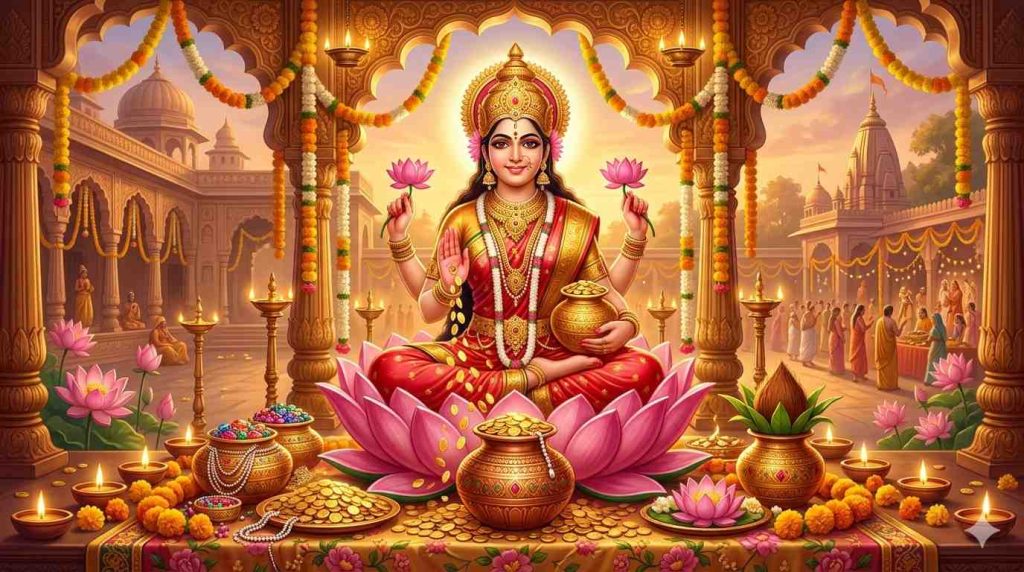
- Three Phases of Shakti: First three days for Durga (destruction of impurities), next three for Lakshmi (prosperity), last three for Saraswati (knowledge).
- Inner Awakening: Fasting and devotion purify body, mind, and soul, invoking Shakti for spiritual growth.
- Seasonal Renewal: Post-monsoon harvest festival, symbolizing fertility and abundance.
As the Bhagavad Gita (Chapter 10, Verse 34) declares Lord Krishna: “Among women, I am fame, fortune, speech, memory, intelligence, courage, and patience”—all forms of Shakti.
Personal reflection: In Maa’s fierce yet compassionate form, I see the balance of power and grace that guides us through life’s battles.
The Nine Forms of Devi: Devotional Narratives for Each Day of Navratri 2026
Each day honors a unique form of Navadurga, with specific colors, offerings, and lessons.
- Day 1: October 11 – Maa Shailputri (Daughter of the Mountains) Mounted on a bull, holding trident and lotus. She embodies stability and nature’s strength. Color: Orange. Offer pure ghee for health.
- Day 2: October 12 – Maa Brahmacharini (The Ascetic) Walking barefoot, holding rosary and kamandalu. Symbolizes penance and devotion. Color: White. Offer sugar for familial harmony.
- Day 3: October 13 – Maa Chandraghanta (Bell-Adorned) Riding a tiger, her bell sound terrifies demons. Grants peace and courage. Color: Red. Offer milk for serenity.
- Day 4: October 14 – Maa Kushmanda (Creator of the Universe) Her smile created the cosmic egg. Bestows energy and health. Color: Royal Blue. Offer malpua for vitality.
- Day 5: October 15 – Maa Skandamata (Mother of Skanda) Holding infant Kartikeya on a lion. Represents motherly love. Color: Yellow. Offer bananas for prosperity.
- Day 6: October 16 – Maa Katyayani (Warrior Form) Born to sage Katyayan, fierce slayer of demons. Grants fearlessness. Color: Green. Offer honey for victory.
- Day 7: October 17 – Maa Kalaratri (Dark Night) Fierce form destroying ignorance. Blesses with protection. Color: Grey. Offer jaggery for obstacle removal.
- Day 8: October 18 – Maa Mahagauri (Radiant Beauty) Pure and compassionate, washing away sins. Color: Peacock Green. Offer coconut for peace.
- Day 9: October 19 – Maa Siddhidatri (Giver of Supernatural Powers) Seated on lotus, granting siddhis. Color: Purple. Offer sesame seeds for fulfillment.
These forms guide us from grounding to enlightenment.
Auspicious Timings and Muhurat for Navratri 2026
Sharad Navratri 2026 commences on Sunday, October 11.
- Ghatasthapana Muhurat: Approximately 6:19 AM to 10:12 AM (India Standard Time; adjust locally).
- Abhijit Muhurat: Around 11:44 AM to 12:31 PM.
Perform Ghatasthapana on Day 1 for invoking Devi’s presence. Diaspora devotees: Align with local sunrise.
Traditional Rituals Step-by-Step: Including Durga Puja Rituals
Dear family, observe these rituals with sincerity.
Step-by-Step Rituals
- Ghatasthapana (Kalash Sthapana): On Day 1, sow barley seeds in a pot, install sacred kalash with water, coins, and mango leaves, topped with coconut. Invoke Devi.
- Daily Puja: Light diya, offer flowers, fruits, bhog; recite Durga Saptashati or mantras.
- Kanya Pujan: On Ashtami/Navami, honor young girls as Devi forms with food and gifts.
- Garba and Dandiya: In Gujarat, circular Garba dance devotion honors Shakti’s creative energy.
- Durga Puja Rituals (Bengal Style): From Shashthi (Oct 16), grand pandal puja, Sandhi Puja at Ashtami-Navami junction, immersion on Dashami.
Fasting (Vrat) Rules
- Partial or full fast: Fruits, milk, sattvic foods (no grains for some).
- Allowed: Buckwheat flour (kuttu), singhara, sabudana, potatoes, rock salt.
- Avoid: Onion, garlic, non-veg, alcohol.
- Break fast on Dashami or as per tradition.
Practical tips for diaspora: Use online pandit services or home altars.
Traditional Recipes with Devotional Meaning
Sattvic foods offered as bhog symbolize purity.
- Sabudana Khichdi: Humility and lightness.
- Kuttu Ki Puri with Aloo Sabzi: Nourishment without heaviness.
- Singhade Ka Halwa: Sweetness of devotion.
- Fruit Prasad: Abundance from nature.
In Bengal, bhog includes khichuri and sweets during Durga Puja.
Modern Celebrations for Global Hindus
Navratri unites Hindus worldwide. In Gujarat, grand Garba nights with devotional dance; in Bengal, artistic pandals and cultural programs during Durga Puja; in North India, Ramlila enactments.
Diaspora communities in USA, UK, Canada host events—virtual Garba, community puja. This fosters unity in diversity, keeping roots alive.
Explore more on hindutone.com:
Benefits of Observance: Blessings and Spiritual Empowerment
Sincere observance yields:
- Karma Cleansing: Fasting purifies past sins.
- Shakti Awakening: Invokes inner strength, courage, prosperity.
- Health Benefits: Detoxification and discipline.
- Familial Harmony: Community celebrations strengthen bonds.
Devi’s grace removes obstacles, grants victory over inner demons.
Puja and Mantra Suggestions
Daily chant:
Om Dum Durgayei Namaha (for protection) Devi Kavach or Durga Chalisa
Read Durga Saptashati over nine days. Offer specific bhog per day.
Dear devotees, as Navratri 2026 illuminates our lives from October 11, let Maa Shakti empower us with wisdom, strength, and devotion. May Her victory inspire us to conquer evil within and without.
Jai Mata Di! May the Divine Mother bless you with abundance, peace, and spiritual fulfillment.
With heartfelt prayers for unity and grace, Your humble priest at hindutone.com The Voice of Hindus Worldwide: Unity in Diversity
🌸 For More Devotional Journey, Follow
- Temples
https://hindutone.com/temples/ - Tirumala Updates
https://hindutone.com/tirumala/ - Sabarimala Yatra
https://hindutone.com/category/sabarimala-yatra/ - Pooja, Slokas & Mantras
https://hindutone.com/pooja-slokas-and-mantras/ - Hindu Gods
https://hindutone.com/hindu-gods/
Related posts:
 Dussehra: The Significance of 9 Days in Hinduism – Significance to Hindus
 Ganesh Chaturthi 2025: Shiva Murugan Temple in Concord, CA, Kicks Off 10 Days of Vibrant Celebrations
 Vaikunta Ekadasi 2025: The Heavenly Gates Open in Australia’s Sacred Temples – A Devotional Journey of Bhakti and Moksha
 Hinduism in the USA 2026: Complete Guide to Hindu Festivals, Sacred Mantras, Temple Life & Spiritual Practices for American Hindus
 Hindu Magha Masam 2026: USA, UK, Australia & Canada Guide
 Powerful Saraswati Mantras & Prayers for Vasant Panchami 2026
 February Festivals 2026: Dates, Rituals & Celebration Guide
 Maha Shivaratri 2026 Jagran Schedule with Mantras
