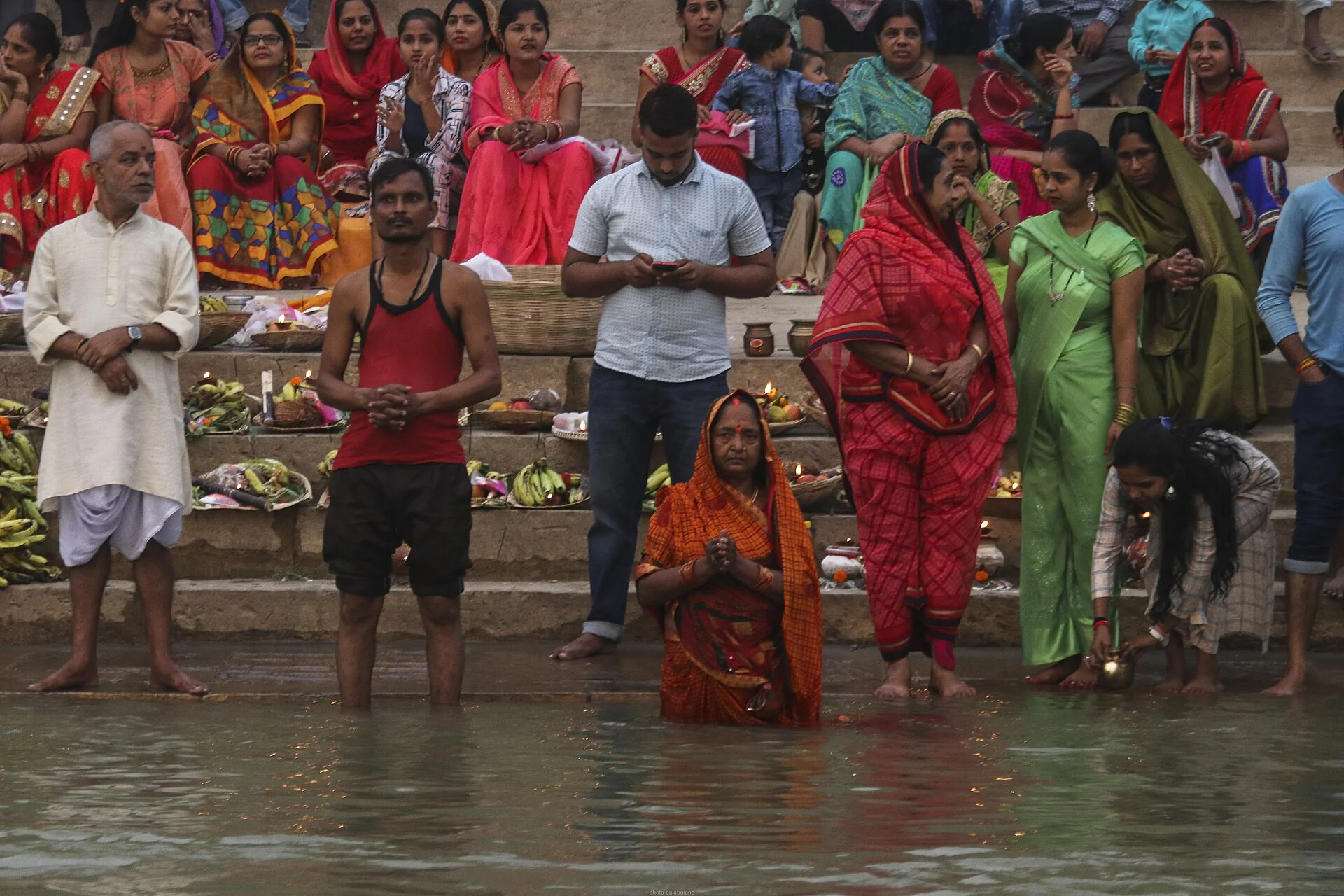
How Mauritius Celebrates Diwali: Blending Indian Traditions with Island Culture
In the heart of the Indian Ocean lies a paradise where ancient Hindu traditions merge seamlessly with vibrant island culture.
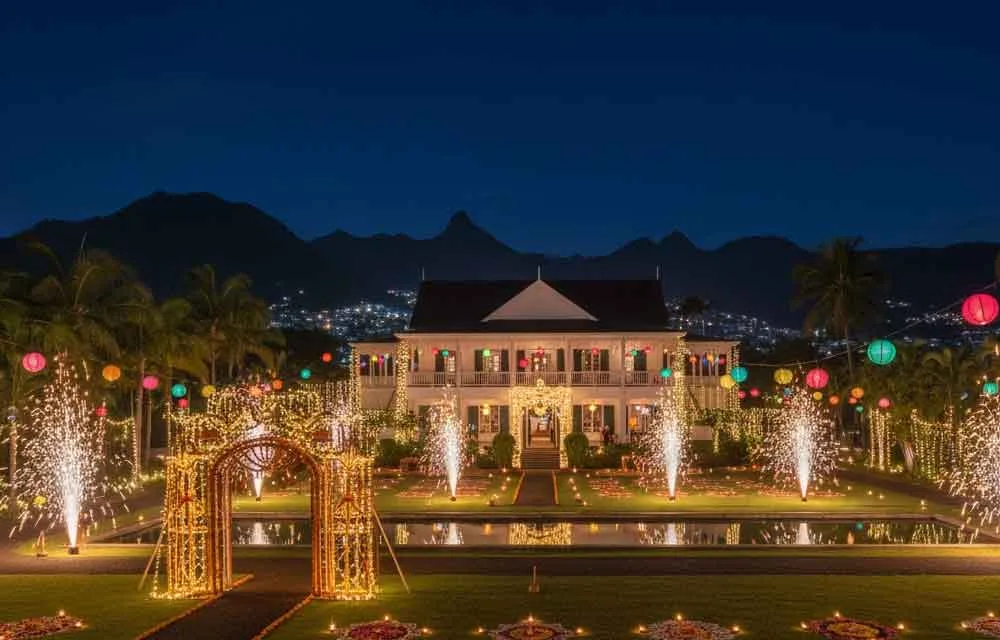
In the heart of the Indian Ocean lies a paradise where ancient Hindu traditions merge seamlessly with vibrant island culture.
In the heart of the Indian Ocean lies a paradise where ancient Hindu traditions merge seamlessly with vibrant island culture. Mauritius, a small island nation located approximately 2,000 kilometers off the southeastern coast of Africa, transforms into a spectacular canvas of lights, colors, and spiritual energy every Diwali. This unique celebration represents one of the most beautiful examples of cultural preservation and adaptation in the diaspora.
A Legacy Written in Light
The story of Diwali in Mauritius begins in the 19th century when Indian indentured laborers arrived on the island's shores. Between 1834 and 1920, over 450,000 Indians made the arduous journey across the kala pani (dark waters) to work on sugar plantations. They brought with them not just their labor but their rich cultural heritage, religious practices, and festivals. Today, nearly 70% of Mauritius's population traces their ancestry to the Indian subcontinent, making it the only African nation with a Hindu majority.
Unlike many diaspora communities where traditions gradually fade, the Indo-Mauritian community has fiercely preserved their cultural identity while simultaneously embracing the island's multicultural ethos. Diwali, known locally as "Divali" in Creole, stands as a testament to this remarkable cultural continuity.
When the Entire Island Illuminates
Diwali in Mauritius is not merely a Hindu festival—it is a national celebration. The government officially recognizes it as a public holiday, allowing the entire nation to participate in the festivities. This official status reflects the deep respect for diversity that characterizes Mauritian society, where Hindus, Muslims, Christians, and Buddhists coexist harmoniously.
Preparations begin weeks in advance. Homes undergo thorough cleaning and renovation, markets overflow with diyas (earthen lamps), rangoli materials, and festive decorations. The air fills with anticipation as families prepare traditional sweets and savories, blending recipes passed down through generations with local ingredients unique to the island.
Traditional Rituals Meet Tropical Splendor
Lakshmi Puja: The Heart of Celebration
As dusk descends on Diwali evening, Mauritian Hindu households perform Lakshmi Puja with the same devotion as their ancestors in India. Families gather around elaborately decorated altars adorned with flowers, incense, fruits, and sweets. The goddess Lakshmi is invoked to bless homes with prosperity, health, and happiness.
What makes the Mauritian version distinctive is the incorporation of local elements. Tropical flowers like hibiscus, frangipani, and orchids replace traditional marigolds on altars. Coconuts from backyard palms serve as offerings, and locally grown sugarcane—ironically, the very crop that brought their ancestors to the island—features prominently in prayers.
The Ocean of Lights
Perhaps the most breathtaking aspect of Diwali in Mauritius is the sheer scale of illumination. While traditional clay diyas remain popular, modern electric lights have been enthusiastically embraced. Entire neighborhoods compete to create the most stunning displays. From simple homes to grand estates, from shopping centers to government buildings, the island twinkles like a constellation descended to earth.
The capital city of Port Louis becomes a wonderland of lights. Grand Baie, Triolet, and other towns with significant Hindu populations host elaborate public displays. Even beaches and coastal areas glow with diyas and lanterns, their reflections dancing on the Indian Ocean's gentle waves—a sight impossible to witness in landlocked regions of India.
Culinary Fusion: Where India Meets the Island
Diwali cuisine in Mauritius represents a delicious marriage of Indian culinary traditions and local ingredients. While classic sweets like ladoos, gulab jamun, and barfi remain staples, Mauritian versions incorporate distinctive local touches.
Gato Piment (chili cakes), though originally a Tamil creation, has become a beloved Mauritian snack enjoyed during Diwali. These deep-fried lentil fritters contain chopped chilies and are served with chutney or bread.
Dholl Puri, a flatbread stuffed with ground yellow split peas, though eaten year-round, holds special significance during Diwali feasts. Families prepare massive batches to share with neighbors of all backgrounds.
The traditional Diwali thali in Mauritius might include briani (biryani with a local twist), vindaye (a tangy mustard-based curry), rougaille (Creole tomato sauce), alongside classic Indian curries and dals. This fusion reflects the island's multicultural identity, where Bhojpuri, Tamil, Gujarati, and Marathi influences blend with French, African, and Chinese culinary traditions.
Community Celebrations: Unity in Diversity
One of the most heartwarming aspects of Diwali in Mauritius is its inclusive nature. While rooted in Hindu tradition, the festival has transcended religious boundaries to become a genuinely national celebration.
Neighborhood Melas and Cultural Programs
Communities organize massive melas (fairs) featuring classical Indian dance performances, music concerts, and drama. Young Mauritians perform Bharatanatyam, Kathak, and Bhangra, often incorporating Sega—the island's traditional music and dance form—creating unique fusion performances that honor both their ancestral and adopted cultures.
Schools hold Diwali programs where students of all backgrounds participate in rangoli competitions, lamp-lighting ceremonies, and cultural presentations. This early exposure to multicultural celebrations fosters the spirit of unity that defines Mauritian society.
Corporate and Government Involvement
Major corporations sponsor grand Diwali events, recognizing the festival's economic and cultural significance. Shopping centers host Diwali bazaars selling traditional clothing, jewelry, decorations, and sweets. Banks and businesses offer special Diwali bonuses and promotions.
Government officials, regardless of their religious background, participate in public Diwali celebrations, lighting ceremonial diyas and attending community events. This political recognition reinforces Diwali's status as a festival belonging to all Mauritians.
Sacred Spaces Aglow
Mauritius is home to numerous Hindu temples, each with its unique character and history. During Diwali, these temples become epicenters of spiritual activity.
Grand Bassin: The Holy Lake
Grand Bassin (Ganga Talao), a crater lake considered the most sacred Hindu site in Mauritius, attracts thousands of devotees during Diwali. Legend holds that the lake is connected to the Ganges River, making it profoundly sacred. Pilgrims offer prayers, light diyas along the lake's shores, and seek blessings from the massive Shiva statue that towers over the water.
The sight of countless oil lamps reflected in the lake's still waters, surrounded by lush tropical mountains, creates an ethereal atmosphere that connects devotees across time and space to their ancestral homeland.
Temple Networks
From the ornate Surya Oudaya Sangam temple in Triolet to the Maheswarnath Mandir in Triolet, temples throughout the island host special Diwali programs. Priests conduct extended pujas, devotees perform aarti (worship with lamps), and communities gather for bhajans (devotional songs) and kirtans.
Many temples organize free community meals (langar or bhandara) during Diwali, embodying the festival's spirit of generosity and sharing. These meals are open to everyone, regardless of religion or background.
Fireworks and the Festival of Lights
No Diwali celebration would be complete without fireworks, and Mauritians embrace this tradition enthusiastically—perhaps too enthusiastically, some might say! The night sky erupts in spectacular displays of color and light as families and communities set off fireworks.
However, like in India, there's growing awareness about environmental concerns. Many communities are gradually shifting toward eco-friendly celebrations, using more traditional diyas and reducing firecracker usage. Environmental organizations work with communities to promote sustainable celebrations that honor tradition while protecting the island's delicate ecosystem.
Economic Impact: The Diwali Boom
Diwali significantly impacts Mauritius's economy. The weeks leading up to the festival witness a surge in retail activity. Gold jewelry sales soar as families make auspicious purchases. Textile shops sell thousands of traditional Indian garments—sarees, salwar kameez, and kurtas—alongside fusion wear that combines Indian and Western styles.
Local artisans and craftspeople benefit tremendously. Those who create handmade diyas, rangoli materials, and decorative items see their busiest season. Sweet shops work around the clock to meet demand for traditional Indian sweets.
The construction and renovation sector also experiences a Diwali boost as families undertake home improvements before the festival. Fresh paint, new furniture, and upgraded lighting systems transform homes in preparation for Lakshmi's visit.
Tourism: Experiencing Diwali in Paradise
Mauritius has increasingly marketed itself as a destination for experiencing authentic Diwali celebrations in a unique setting. The combination of pristine beaches, luxury resorts, and genuine cultural experiences attracts tourists seeking something beyond the typical beach vacation.
Hotels and resorts organize special Diwali packages that include traditional ceremonies, authentic Indian cuisine, cultural performances, and decorative workshops. Tourists can participate in rangoli making, attend temple ceremonies, and witness spectacular fireworks displays—all while enjoying five-star amenities and tropical beauty.
Cultural tourism operators offer specialized Diwali tours that take visitors to significant Hindu temples, traditional Indian neighborhoods, and community celebrations. These experiences provide insights into how diaspora communities maintain their cultural identity while adapting to new environments.
Preserving Heritage, Embracing Change
The celebration of Diwali in Mauritius represents a delicate balance between preservation and evolution. Elder generations work tirelessly to transmit traditional knowledge to youth, teaching them Sanskrit shlokas, proper puja procedures, and the mythological stories behind the festival.
Cultural organizations and Hindu associations conduct classes in classical Indian languages, dance, music, and religious studies. Annual competitions encourage young people to engage with their heritage, whether through reciting Ramayan verses, performing classical dances, or creating traditional art.
Yet this preservation doesn't mean resistance to change. Young Mauritians creatively reinterpret traditions, creating contemporary expressions of ancient practices. Social media buzzes with Diwali selfies, Instagram-worthy rangoli designs, and viral videos of fusion performances. WhatsApp groups facilitate coordination of community celebrations and sharing of recipes.
Challenges and Adaptations
Celebrating Diwali on a small island presents unique challenges. The tropical climate means that certain traditional elements require adaptation. October-November in Mauritius is approaching summer, so the festival occurs in warm, humid weather rather than post-monsoon coolness familiar in India.
Space constraints on the island have led to creative adaptations. Apartments and smaller homes may have limited space for elaborate rangoli or large-scale decorations, but Mauritians compensate with creativity and enthusiasm.
The sugarcane harvest season coincides with Diwali, which historically meant some Hindu workers had limited time for celebrations. However, improved labor conditions and mechanization have largely resolved this issue, allowing fuller participation in festivities.
Interfaith Harmony: A Mauritian Hallmark
What truly distinguishes Diwali in Mauritius is the genuine interfaith participation. Muslim neighbors might help Hindu families prepare for celebrations, Christian friends attend temple ceremonies, and everyone shares sweets regardless of religious background.
This harmony isn't accidental—it's cultivated through decades of conscious nation-building that celebrates diversity as a strength. Schools teach about all major religions, media coverage of festivals is respectful and inclusive, and political leadership consistently promotes unity.
During Diwali, it's common to see "Eid Mubarak" alongside "Happy Diwali" as people acknowledge the religious diversity that defines their nation. This inclusive spirit extends beyond tolerance into genuine celebration of each other's traditions.
The Future of Diwali in Mauritius
As Mauritius evolves, so does its celebration of Diwali. Environmental consciousness is shaping celebrations, with growing emphasis on eco-friendly practices. Temples and cultural organizations promote sustainable diyas, natural rangoli colors, and reduced firecracker usage.
Technology enhances rather than diminishes tradition. Virtual puja sessions connect diaspora Mauritians living abroad with celebrations at home. Digital platforms preserve and share traditional knowledge, ensuring its accessibility to future generations.
The tourism industry's growing focus on cultural experiences means Diwali celebrations may become even more elaborate and internationally visible. However, community leaders remain vigilant about maintaining authenticity and ensuring commercialization doesn't overshadow spiritual significance.
Conclusion: Light That Bridges Two Worlds
Diwali in Mauritius embodies something profound—the capacity of cultural traditions to not just survive but thrive when carried across oceans and centuries. It demonstrates how immigrants can honor their heritage while contributing to their adopted homeland's cultural tapestry.
When thousands of diyas illuminate Mauritian homes during Diwali, they cast light on more than just physical spaces. They illuminate the path between past and present, between India and Mauritius, between tradition and innovation. They prove that culture isn't static but living, breathing, and constantly renewed through the dedication of those who cherish it.
For visitors seeking authentic Diwali experiences, Mauritius offers something extraordinary—not just the chance to witness a festival but to see how human resilience, faith, and cultural pride can illuminate even the smallest corners of our world. In this island paradise, Diwali is more than a festival of lights; it's a beacon showing how diversity, when embraced, creates something more beautiful than homogeneity ever could.
As the diyas flicker in the tropical breeze and the Indian Ocean reflects thousands of lights, Mauritius demonstrates that home isn't just where you are but where you carry your traditions, adapt them with love, and share them with open hearts. This is Diwali in Mauritius—where Indian traditions meet island culture, creating light that belongs to everyone.
Plan Your Visit: Diwali in Mauritius typically falls in October or November. For the most authentic experience, consider staying in areas with significant Hindu populations like Triolet, Quatre Bornes, or near Grand Bassin. Many hotels offer special Diwali packages, and attending a public temple celebration provides unforgettable cultural immersion.
Essential Experiences:
- Witness the lighting of diyas at Grand Bassin
- Attend a traditional Lakshmi Puja ceremony
- Participate in rangoli competitions
- Sample Mauritian-Indian fusion cuisine
- Experience the spectacular fireworks displays
- Visit local temples during evening aarti
Mauritius welcomes you to celebrate Diwali where the light of tradition burns eternal, where the past and present dance together, and where the festival truly belongs to all.
Frequently Asked Questions
When is How Mauritius Celebrates Diwali?
How Mauritius Celebrates Diwali is observed on its traditional tithi in the Hindu lunar calendar; refer to the year's panchang for the exact date in your region.
What is the significance of How Mauritius Celebrates Diwali?
In the heart of the Indian Ocean lies a paradise where ancient Hindu traditions merge seamlessly with vibrant island culture. Mauritius, a small island nation located approximately 2,000 kilometers off the southeastern coast of Africa, transforms into a spectacular canvas of lights, colors, and spiritual energy every Diwali .
How is How Mauritius Celebrates Diwali celebrated?
Devotees observe it with puja, fasting or special offerings, visiting temples, chanting mantras, and gathering with family. Customs vary by region and tradition.
What should devotees do on How Mauritius Celebrates Diwali?
Take a sacred bath, perform the day's puja and charity (dana), observe any prescribed fast, and chant mantras with sincere devotion.
You might also like
Gita Jayanti 2026 Prasad Recipes — Tulsi-Honoring Sweets, Krishna's Favourites & December 10 Bhog Plate
Shani Deva Temples Worldwide & Must-Performed Rituals — Complete Devotee's Guide
Maha Shivratri 2026 Vrat Recipes — Sabudana Khichdi, Singhada Halwa, Phalahara Foods Complete Fasting Guide