Top 10 Countries That Celebrate Diwali Outside India
The Universal Light of Diwali Diwali, the Festival of Lights, illuminates not just the Indian subcontinent but also shines brightly across the globe.
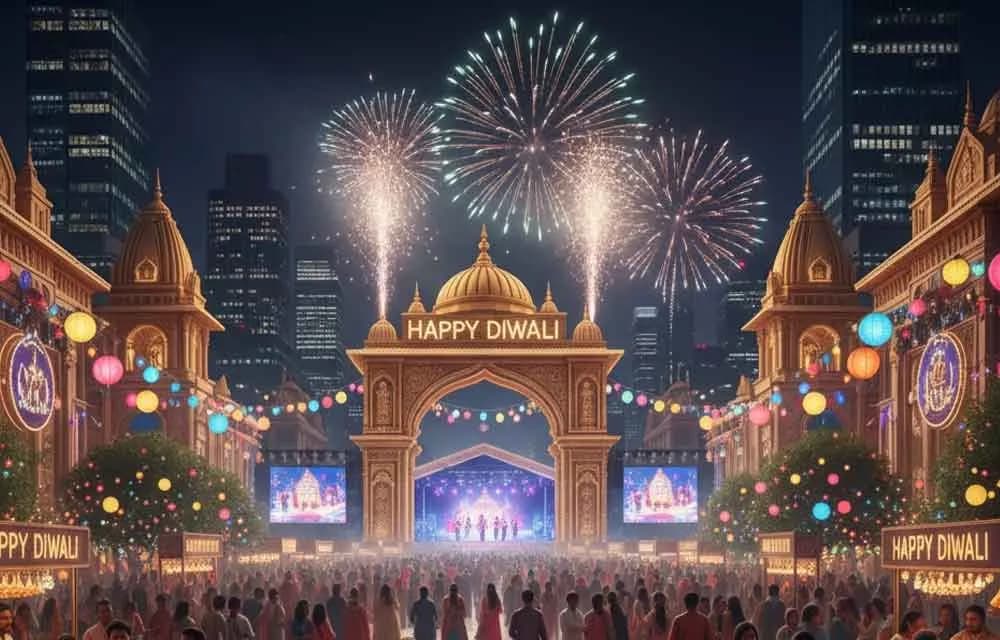
The Universal Light of Diwali Diwali, the Festival of Lights, illuminates not just the Indian subcontinent but also shines brightly across the globe.
The Universal Light of Diwali
Diwali, the Festival of Lights, illuminates not just the Indian subcontinent but also shines brightly across the globe. As the Indian diaspora has spread worldwide, they have carried with them the sacred traditions, devotional practices, and spiritual essence of this ancient festival. Today, millions celebrate Diwali far from India's shores, maintaining the timeless connection between light and divine consciousness, good over evil, and knowledge over ignorance.
The celebration of Diwali beyond India's borders represents more than just cultural preservation—it symbolizes the universal appeal of dharma and the eternal victory of righteousness. From the bustling streets of New York to the serene temples of Fiji, from London's grand celebrations to the devotional gatherings in Mauritius, Diwali continues to inspire hearts and minds across continents.
The Sacred Story of Diwali
The Divine Return of Lord Rama
The most celebrated legend of Diwali comes from the sacred epic Ramayana. After fourteen years of exile in the forest, Lord Rama returned to his kingdom of Ayodhya with his beloved wife Sita and devoted brother Lakshmana. The exile had been ordained by destiny and the promise made by his father, King Dasharatha.
During their exile, the demon king Ravana abducted Sita, leading to an epic battle where Lord Rama, with the help of the devoted Hanuman and the vanara army, defeated the forces of evil. The victory of Rama over Ravana symbolizes the eternal triumph of dharma over adharma, truth over falsehood, and light over darkness.
When Lord Rama, Sita, and Lakshmana returned to Ayodhya on the new moon night of Kartik month, the citizens of Ayodhya were overwhelmed with joy. To illuminate the dark night and guide their beloved king home, they lit countless clay lamps (diyas) throughout the kingdom. Every home, street, and temple glowed with the warm light of devotion. This tradition of lighting diyas continues to this day, reminding us that even in the darkest moments, the light of righteousness shall prevail.
Goddess Lakshmi and the Blessing of Prosperity
Diwali is also deeply associated with Goddess Lakshmi, the divine embodiment of wealth, prosperity, and abundance. According to Hindu scriptures, on this auspicious day, Goddess Lakshmi emerged from the cosmic ocean during the Samudra Manthan (churning of the ocean). She arose seated on a lotus, radiating divine brilliance, and chose Lord Vishnu as her eternal consort.
It is believed that on Diwali night, Goddess Lakshmi visits homes that are clean, well-lit, and filled with devotion. She blesses these households with prosperity, happiness, and spiritual wealth. This is why devotees clean their homes thoroughly, create beautiful rangoli designs at their doorsteps, and light diyas to welcome the goddess into their lives.
Lord Krishna and the Defeat of Narakasura
In some regions, Diwali commemorates Lord Krishna's victory over the demon Narakasura. This cruel demon had imprisoned 16,000 daughters of gods and saints, spreading terror across the three worlds. On the day before Diwali (Naraka Chaturdashi), Lord Krishna, with his consort Satyabhama, slayed Narakasura and freed the captive women, restoring peace and justice.
This legend reinforces Diwali's message of liberation from oppression and the destruction of evil forces that enslave humanity.
The Spiritual Significance
Beyond these divine narratives, Diwali carries profound spiritual symbolism. The lamp represents the individual soul (Atman), and its light symbolizes the divine consciousness within. Just as we remove physical darkness with lamps, Diwali reminds us to dispel the darkness of ignorance, ego, and negativity from our inner being through knowledge, devotion, and righteous living.
Top 10 Countries Celebrating Diwali Outside India
1. United States of America
The Growing Light in the West
The United States has witnessed a remarkable growth in Diwali celebrations over the past few decades. With over 4.5 million people of Indian origin calling America home, Diwali has become one of the most visible cultural festivals in the country.
Celebrations and Traditions: In major cities like New York, New Jersey, California, and Texas, grand Diwali celebrations take place in temples, community centers, and public spaces. The iconic Empire State Building in New York City is illuminated in orange lights to honor Diwali, a recognition that began in 2023. Times Square hosts spectacular Diwali celebrations with traditional dance performances, devotional music, and the ceremonial lighting of lamps.
Hindu temples across America organize special Lakshmi pujas, where devotees gather for prayers, bhajans, and aarti. Homes are decorated with diyas and rangoli, and families prepare traditional sweets like ladoos, barfi, and jalebis. Many American schools with significant Indian populations now recognize Diwali, educating students about its cultural and spiritual significance.
Devotional Practices: American Hindus maintain the sacred traditions of cleaning homes, performing Lakshmi-Ganesh puja, and exchanging gifts. Many temples hold night-long bhajan sessions and recitations from sacred texts like the Ramayana. The day begins with an oil bath, followed by wearing new clothes and offering prayers at dawn.
2. United Kingdom
A Festival Recognized and Celebrated
The United Kingdom has one of the largest Indian diaspora populations in Europe, with Diwali firmly established as a mainstream cultural celebration. The festival holds official recognition, with British politicians and the Royal Family often participating in Diwali events.
Celebrations and Traditions: London's Trafalgar Square hosts one of the largest Diwali celebrations outside India, attracting over 35,000 visitors annually. The event features traditional dance performances, live music, and the lighting of ceremonial lamps. Leicester, with its significant Hindu population, transforms into a glittering spectacle with the famous Golden Mile (Belgrave Road) adorned with thousands of lights.
The British Prime Minister traditionally hosts a Diwali reception at 10 Downing Street, recognizing the contribution of the Hindu, Sikh, and Jain communities. Temples such as the BAPS Shri Swaminarayan Mandir in Neasden organize elaborate religious ceremonies, including abhishek, aarti, and annakut (food offering to the deity).
Devotional Practices: British Hindus observe Diwali with the same devotion as in India. Families perform the traditional Lakshmi puja at home, light diyas, create intricate rangoli patterns, and prepare festive meals. Many maintain the custom of performing Chopda Pujan (blessing of account books), particularly in business communities. Temples remain open throughout the night for continuous darshan and prayers.
3. Canada
Diversity and Devotion in the Great White North
Canada's multiculturalism policy has allowed Diwali to flourish across the nation. With over 2 million Canadians of South Asian descent, Diwali has become a significant cultural event, officially recognized in several provinces.
Celebrations and Traditions: The Parliament Hill in Ottawa has hosted official Diwali celebrations, with members of Parliament participating in lamp-lighting ceremonies. Toronto's "Diwali at Nathan Phillips Square" attracts thousands, featuring cultural performances, traditional food stalls, and fireworks displays.
In British Columbia, the city of Surrey organizes one of the largest Diwali festivals outside India, complete with a parade, cultural shows, and a traditional bazaar. Major landmarks like the CN Tower and Niagara Falls are illuminated in festive colors to mark the occasion.
Devotional Practices: Canadian Hindu temples hold special prayer services spanning several days. Devotees participate in Satyanarayan Katha, Ramayana recitations, and Vishnu Sahasranama chanting. Families gather for home pujas, preparing traditional sweets and savories. The practice of visiting elders for blessings and distributing gifts to neighbors continues, fostering community bonds in the multicultural Canadian society.
4. Singapore
Island Nation of Lights
Singapore's Little India transforms into a dazzling wonderland during Diwali season. The city-state's efficient organization and the significant Tamil Hindu population make Diwali one of the most spectacular celebrations in Southeast Asia.
Celebrations and Traditions: Little India's Deepavali celebrations begin weeks in advance, with streets adorned with elaborate light decorations and colorful kolams (rangoli). Serangoon Road becomes a vibrant marketplace selling traditional clothing, jewelry, sweets, and religious items. The ceremonial light-up event, often attended by government ministers, marks the official beginning of festivities.
Singapore's Hindu temples, including the Sri Veeramakaliamman Temple and Sri Mariamman Temple, conduct continuous prayers and special abhishekams for various deities. The Deepavali celebrations reflect the predominantly Tamil Hindu traditions of South India.
Devotional Practices: Singaporean Hindus wake up early for the traditional oil bath before sunrise, symbolizing the cleansing of body and soul. New clothes are worn, and families visit temples for morning darshan. The main puja involves offering prayers to Goddess Lakshmi and Lord Ganesha, followed by bursting firecrackers (in designated areas) and sharing festive meals. The giving of money packets (similar to Chinese ang pao) has become an integrated tradition.
5. Australia
Southern Hemisphere's Festival of Lights
Australia's growing Indian community has made Diwali increasingly prominent across major cities. The festival represents cultural diversity in the Australian multicultural landscape and is celebrated with enthusiasm and official recognition.
Celebrations and Traditions: Sydney's Parramatta hosts one of the largest Diwali festivals in Australia, attracting over 100,000 visitors. Melbourne's Federation Square comes alive with dance performances, yoga demonstrations, and vegetarian food stalls. The Australian Parliament House in Canberra hosts official Diwali celebrations, recognizing the festival's cultural significance.
Perth, Adelaide, and Brisbane also organize community Diwali events featuring Bollywood performances, classical dance, and devotional music. Many Australian schools incorporate Diwali education into their curriculum, teaching students about Hindu traditions and values.
Devotional Practices: Australian Hindu families maintain traditional observances, beginning with cleaning homes and creating rangoli at entrances. Temples conduct special pujas and havans (fire ceremonies). The main Lakshmi puja occurs in the evening, with families gathering to perform aarti and offer prayers. Despite the warm November weather in the Southern Hemisphere, the spirit of lighting diyas and celebrating with sweets remains unchanged.
6. Mauritius
Where Hinduism Thrives in Africa
Mauritius holds a unique position as one of the few countries outside India where Hindus form a significant portion of the population (approximately 48%). Diwali is a national public holiday, and the island nation celebrates with unparalleled devotion and grandeur.
Celebrations and Traditions: The entire island illuminates with diyas on Diwali night, creating a breathtaking spectacle visible from space. Homes, temples, streets, and public buildings are decorated with thousands of clay lamps. The Grand Bassin (Ganga Talao), a sacred crater lake considered the most sacred Hindu site in Mauritius, becomes a pilgrimage center.
Port Louis, the capital, hosts massive public celebrations with cultural programs, religious discourses, and community feasts. The government organizes official ceremonies attended by political leaders and religious figures from various communities.
Devotional Practices: Mauritian Hindus observe Diwali with deep religious fervor, maintaining practices brought by their ancestors from India generations ago. Families perform elaborate Lakshmi-Ganesh pujas, prepare traditional Mauritian-Indian cuisine, and visit temples for darshan. The tradition of lighting thousands of diyas around homes and creating colorful rangoli patterns is followed meticulously. Elders narrate stories from the Ramayana to younger generations, ensuring cultural continuity.
7. Fiji
Pacific Paradise of Hindu Heritage
Fiji has a substantial Hindu population, descendants of Indian indentured laborers who arrived in the 19th century. Approximately 28% of Fiji's population is Hindu, making Diwali a major national celebration and public holiday.
Celebrations and Traditions: Fijian towns and villages light up spectacularly during Diwali. Temples across the islands, including the famous Shri Krishna Kaliya Temple in Nadi, organize week-long celebrations featuring devotional singing, scripture readings, and religious discourses. The city of Lautoka becomes particularly vibrant with street decorations and community events.
Schools participate in Diwali celebrations, with students of all backgrounds learning about Hindu traditions. Public events include cultural performances showcasing Indian classical dance, music, and drama depicting episodes from the Ramayana.
Devotional Practices: Fijian Hindus have preserved authentic traditions passed down through generations. Families clean and whitewash homes, create elaborate rangoli designs, and light diyas throughout their properties. The puja ritual follows traditional North Indian and South Indian customs, depending on ancestral origins. Special sweets like ladoo, pera, and burfi are prepared at home. Community prayers and bhajan sessions at temples continue late into the night, with devotees immersing themselves in devotional fervor.
8. South Africa
Rainbow Nation's Festival of Light
South Africa's Indian community, primarily in KwaZulu-Natal and Gauteng, celebrates Diwali with great enthusiasm. The community, descended from indentured laborers and traders, has maintained strong cultural connections to Hindu traditions.
Celebrations and Traditions: Durban, with the largest Indian population in South Africa, transforms into a city of lights during Diwali. The iconic Grey Street area and the Umgeni Road Temple precinct host grand celebrations. Temples organize free meals (langar), cultural programs, and religious ceremonies attended by thousands.
Johannesburg and Pretoria's Hindu communities celebrate with public events, temple pujas, and community gatherings. The Indian diaspora has successfully maintained language, cuisine, and religious practices across generations, with Diwali being the most significant celebration.
Devotional Practices: South African Hindus follow traditional Diwali customs, performing Lakshmi puja at dusk, lighting oil lamps, and preparing traditional sweets. Many families maintain the custom of gambling (in controlled, social settings) during Diwali, believed to bring good luck for the coming year. Temples conduct continuous prayers from morning until midnight, with devotees participating in aarti, bhajans, and prasad distribution.
9. Malaysia
Southeast Asian Celebration
Malaysia's significant Indian Tamil population, approximately 7% of the total population, celebrates Deepavali (as it's locally known) with official recognition as a public holiday. The festival reflects the harmonious multicultural fabric of Malaysian society.
Celebrations and Traditions: Kuala Lumpur's Brickfields area, known as Little India, becomes a spectacular venue for Deepavali celebrations. Streets are adorned with elaborate decorations, colorful kolam competitions are held, and bazaars sell traditional items. The Prime Minister traditionally hosts an open house during Deepavali, welcoming citizens of all races.
Hindu temples across Malaysia, particularly the famous Sri Mahamariamman Temple and Batu Caves Temple, conduct special prayers and abhishekams. The cave temples at Batu Caves are illuminated with thousands of lights, creating a divine atmosphere.
Devotional Practices: Malaysian Hindus, predominantly following South Indian Tamil traditions, wake early for oil baths before sunrise. New clothes are worn, and families visit temples for morning prayers. The practice of preparing murukku, adhirasam, and other traditional Tamil sweets is maintained religiously. Elders give monetary gifts to younger family members, and neighbors exchange sweets and delicacies, strengthening community bonds across ethnic lines.
10. Nepal
Himalayan Kingdom's Tihar Festival
Nepal celebrates Tihar (or Yamapanchak), a five-day festival coinciding with Diwali. As a predominantly Hindu nation, Nepal's celebration combines Diwali traditions with unique Nepali customs, making it distinct yet spiritually connected to the Indian festival.
Celebrations and Traditions: Tihar in Nepal is unique because each day honors different beings: crows (day one), dogs (day two), cows (day three), and oxen or self (day four), culminating in Bhai Tika (day five) when sisters honor brothers. The festival emphasizes the sacred relationship between humans and animals in Hindu dharma.
Homes, temples, and public spaces are decorated with oil lamps and colorful rangoli patterns. Kathmandu Valley temples, including Pashupatinath and Swayambhunath, conduct special prayers and rituals. Young people go door-to-door singing Bhailo and Deusi songs, receiving gifts and blessings, similar to caroling traditions.
Devotional Practices: Nepali Hindus perform Lakshmi puja on the third day of Tihar, cleaning homes and lighting diyas to welcome the goddess of prosperity. The worship of crows (messengers of death), dogs (representing Yama's vahana), and cows (symbolizing Goddess Lakshmi) reflects the deep respect for all living beings in Hindu philosophy. The Bhai Tika ceremony involves sisters applying seven-colored tika on brothers' foreheads and performing aarti, praying for their long life and prosperity.
The Universal Message of Diwali
Spiritual Lessons for All Humanity
Diwali's celebration across these diverse nations demonstrates the universal appeal of its core message. The festival teaches us that:
Light Overcomes Darkness: Just as Lord Rama returned to illuminate Ayodhya after defeating Ravana, we must strive to bring light into our lives and the lives of others through knowledge, compassion, and righteous action.
Good Triumphs Over Evil: The victory of Lord Rama and Lord Krishna over demonic forces reminds us that truth and dharma ultimately prevail, encouraging us to stand firm in our moral convictions.
Inner Illumination: The lighting of lamps symbolizes awakening the divine light within us, dispelling ignorance, ego, and negativity through self-awareness and spiritual practice.
Prosperity Through Righteousness: Goddess Lakshmi's blessings come to those who maintain purity in thought, word, and deed, reminding us that true wealth includes spiritual abundance and contentment.
Unity in Diversity: Diwali's celebration across cultures, languages, and nations demonstrates how spiritual values transcend geographical boundaries, uniting humanity in the common aspiration for peace, prosperity, and enlightenment.
Traditional Diwali Rituals and Their Significance
Cleaning and Decoration (Diwali Prep)
The thorough cleaning of homes before Diwali represents the purification of our inner being. Just as we remove physical dirt and clutter, we must cleanse our minds of negative thoughts, jealousy, and hatred. The decoration with rangoli and flowers invites positive energy and divine blessings.
Lighting of Diyas (Deepa Daan)
The clay lamp (diya) filled with oil or ghee and lit with a cotton wick represents the individual soul. The oil symbolizes the negative tendencies we harbor, and the wick represents the ego. When we light the lamp, we burn away our negativity, allowing our inner light to shine forth. Lighting diyas throughout the home dispels darkness both physical and spiritual.
Lakshmi-Ganesh Puja
The worship of Goddess Lakshmi and Lord Ganesha during Diwali has profound significance. Lord Ganesha, the remover of obstacles, is worshipped first to ensure that blessings flow unimpeded. Goddess Lakshmi represents not just material wealth but also spiritual prosperity, knowledge, and virtue. The puja involves offering flowers, fruits, sweets, and prayers while reciting sacred mantras.
Prasad and Sweets
The preparation and sharing of sweets during Diwali symbolizes the sweetness we should cultivate in our interactions and relationships. Offering prasad (sanctified food) to deities and then sharing it with family and neighbors fosters unity, love, and community bonds.
Fireworks and Lights
While modern concerns about pollution have led to reconsideration of fireworks, the traditional significance was to create sounds that announce the victory of good over evil and to illuminate the skies in celebration. The lights represent joy, victory, and the triumph of knowledge.
Maintaining Devotion in Foreign Lands
The celebration of Diwali outside India presents unique challenges and opportunities. Devotees living far from their homeland face the task of preserving traditions while adapting to new cultural contexts.
Challenges:
- Finding authentic puja materials and ingredients for traditional foods
- Taking time off from work in countries where Diwali is not a public holiday
- Explaining and sharing traditions with non-Hindu neighbors and colleagues
- Maintaining the same level of festivities without extended family
- Adapting to different climates and time zones
Opportunities:
- Introducing Diwali to diverse communities, spreading its universal message
- Creating new traditions that blend cultural heritage with adopted homes
- Building stronger community bonds through organizing collective celebrations
- Teaching younger generations about their heritage in multicultural settings
- Demonstrating Hindu values of tolerance, peace, and universal brotherhood
Conclusion: The Eternal Light
As diyas flicker in homes across continents, from the skyscrapers of New York to the temples of Fiji, from the streets of Leicester to the beaches of Mauritius, Diwali continues to fulfill its sacred purpose—reminding humanity that light always conquers darkness, truth always defeats falsehood, and goodness always triumphs over evil.
The celebration of Diwali in these ten countries outside India demonstrates that dharma knows no geographical boundaries. The Festival of Lights has become a global phenomenon, carrying forward the timeless wisdom of Hindu philosophy and the eternal message of hope, prosperity, and spiritual awakening.
Whether performed in grand temples or modest homes, whether celebrated by thousands in public squares or by small families in distant lands, the essence of Diwali remains unchanged—the worship of divine light, the celebration of righteous victory, and the aspiration for inner illumination.
As we light our lamps this Diwali, let us remember Lord Rama's return to Ayodhya, Goddess Lakshmi's divine emergence, and Lord Krishna's victory over tyranny. Let us commit ourselves to being bearers of light in this world, dispelling darkness wherever we find it, and spreading the eternal message of Diwali:
"Tamaso ma jyotir gamaya" — Lead us from darkness to light.
Shubh Deepavali!
May the divine light of Diwali illuminate your path, may Goddess Lakshmi bless you with prosperity, and may Lord Ganesha remove all obstacles from your life. May this Festival of Lights bring peace, happiness, and spiritual awakening to all beings across the world.
Om Shanti Shanti Shanti
Frequently Asked Questions
When is Top 10 Countries That Celebrate Diwali Outside India?
Top 10 Countries That Celebrate Diwali Outside India is observed on its traditional tithi in the Hindu lunar calendar; refer to the year's panchang for the exact date in your region.
What is the significance of Top 10 Countries That Celebrate Diwali Outside India?
The Universal Light of Diwali Diwali, the Festival of Lights, illuminates not just the Indian subcontinent but also shines brightly across the globe. As the Indian diaspora has spread worldwide, they have carried with them the sacred traditions, devotional practices, and spiritual essence of this ancient festival.
How is Top 10 Countries That Celebrate Diwali Outside India celebrated?
Devotees observe it with puja, fasting or special offerings, visiting temples, chanting mantras, and gathering with family. Customs vary by region and tradition.
What should devotees do on Top 10 Countries That Celebrate Diwali Outside India?
Take a sacred bath, perform the day's puja and charity (dana), observe any prescribed fast, and chant mantras with sincere devotion.
You might also like
Hindu Festival Calendar 2026 — Complete Guide for NRIs (Dates, Tithis, Puja)
June 2026 Hindu Festival Calendar — Complete Dates, Vrat & Puja Guide for NRIs
Shani Deva Temples Worldwide & Must-Performed Rituals — Complete Devotee's Guide