How the Indian Diaspora Keeps Diwali Alive in Foreign Lands
The Festival of Lights transcends borders as millions of Indians worldwide illuminate their adopted homes with ancient traditions The Glow That Travels Across…
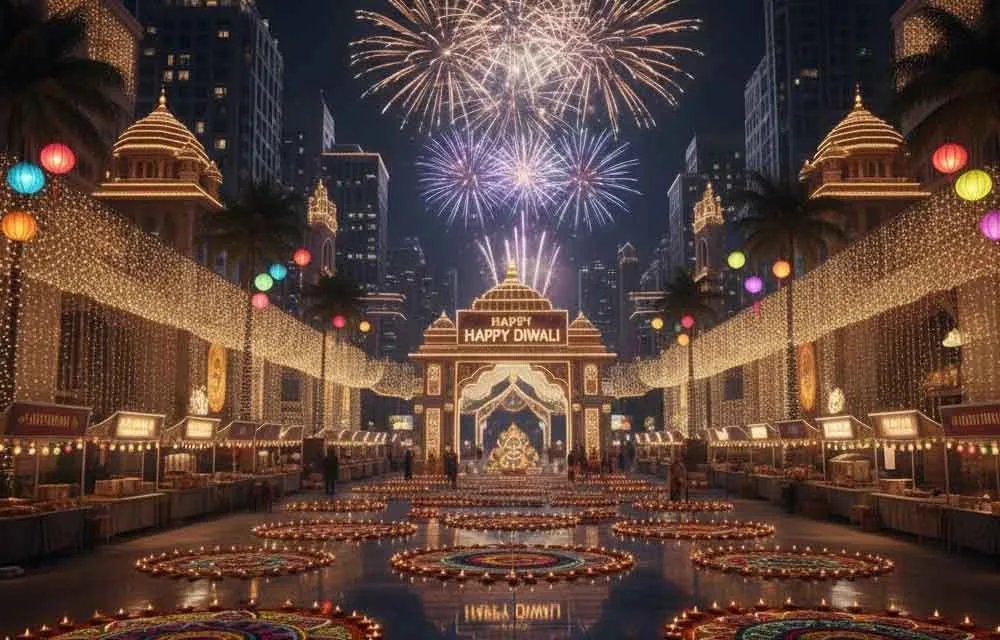
The Festival of Lights transcends borders as millions of Indians worldwide illuminate their adopted homes with ancient traditions
The Glow That Travels Across Oceans
When Priya Sharma lights her first diya in her London apartment, she's not just following a ritual—she's bridging two worlds. Like millions of Indians scattered across the globe, she's part of a remarkable phenomenon: the preservation and evolution of Diwali traditions thousands of miles from the land where they originated.
The Indian diaspora, numbering over 32 million people worldwide, has transformed Diwali from a regional Indian festival into a truly global celebration. From Times Square to Sydney Harbour, from Toronto to Dubai, the Festival of Lights now illuminates cities across every continent, carried forward by communities determined to keep their heritage alive while adapting to new realities.
When Tradition Meets Innovation: Diwali Celebrations Abroad
The American Experience: From Private Homes to Public Squares
In the United States, home to over 4.5 million people of Indian origin, Diwali has evolved from intimate home celebrations to grand public events. Major cities now witness spectacular Diwali festivities that rival celebrations in India itself.
New York City's annual Diwali celebration at Times Square draws thousands, while the White House has hosted official Diwali celebrations since 2003. In Silicon Valley, tech campuses shut down for the day as Indian and non-Indian colleagues alike join in the festivities. Community temples and cultural centers organize elaborate programs featuring traditional dances, devotional music, and authentic Indian cuisine.
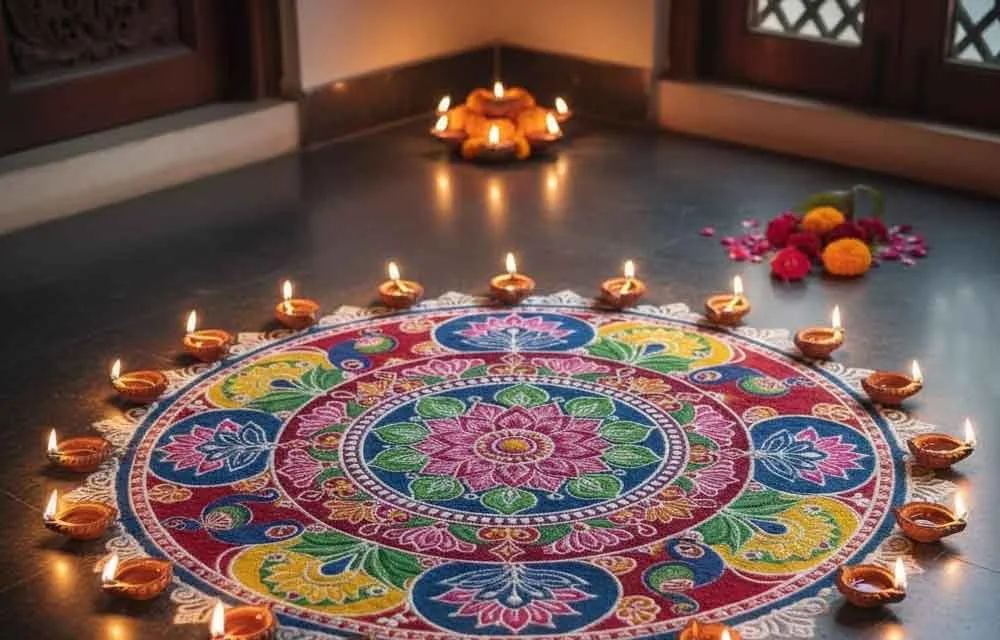
Yet the most touching moments often happen in suburban homes where families recreate the warmth of their ancestral villages. Parents wake early to prepare traditional sweets, children draw rangoli patterns on driveways, and extended "families" of friends gather for puja ceremonies that blend the sacred with the contemporary.
United Kingdom: Where East Embraces West
The United Kingdom, with its 1.8 million-strong Indian community, has woven Diwali deeply into its multicultural fabric. Leicester hosts the largest Diwali celebration outside India, attracting over 40,000 people annually to its Golden Mile with spectacular light displays, dance performances, and street markets.
London's Trafalgar Square transforms into a vibrant celebration space where Bollywood meets British culture. The event, organized by the Mayor of London, features performances, food stalls, and workshops that introduce Diwali traditions to curious Britons while allowing the diaspora to celebrate publicly and proudly.
British-Indian families have adapted their celebrations to fit British lifestyles. Weekend Diwali parties replace the traditional five-day marathon, while "Diwali leave" has become a recognized concept in many workplaces with significant Indian staff.
The Middle East: Diwali in Desert Lands
In the United Arab Emirates, home to over 3.5 million Indians, Diwali has become one of the most visible festivals in the country. Dubai's streets sparkle with decorations, shopping malls host grand Diwali sales, and hotels offer special celebration packages.
The UAE's unique position as a temporary home for many Indian workers adds poignancy to Diwali celebrations. For thousands separated from their families, community gatherings organized by Indian associations and temples become surrogate family celebrations. Workers pool resources to create elaborate decorations in their accommodations, cook traditional meals together, and video-call loved ones back home.
The governments of Gulf nations have embraced Diwali as well. Official greetings from rulers, public holidays for Indian workers in some companies, and permission for public celebrations reflect the respect accorded to the festival and its celebrants.
Australia and New Zealand: Southern Hemisphere Summers
Celebrating a festival of lights during the Australian and New Zealand summer presents unique challenges and opportunities. With over 700,000 Indians in Australia, the community has adapted traditions to suit the warm weather.
Federation Square in Melbourne and Parramatta in Sydney host massive outdoor Diwali events featuring Indian artists, food festivals, and fireworks displays. The summer setting allows for innovations like beach Diwalis, where families gather for sunset prayers followed by barbecues featuring Indian flavors.
Schools across Australia now recognize Diwali, with many holding special assemblies where Indian students share their traditions. This educational approach has made Diwali one of the most recognized Indian festivals among non-Indian Australians.
Canada: Multicultural Embrace
Canada's 1.8 million-strong Indian diaspora has made Diwali a prominent feature of the country's multicultural landscape. In 2016, the Canadian Parliament officially recognized Diwali, cementing its place in national consciousness.
Toronto's Gerrard India Bazaar transforms into a festival zone, while Vancouver's Diwali celebrations draw people from all backgrounds. Canadian cities have embraced the tradition of lighting up landmarks—from Toronto's CN Tower to Calgary's Peace Bridge—in recognition of Diwali.
The Canadian winter approaching during Diwali adds symbolic resonance to the Festival of Lights, as communities gather to share warmth and light during darkening days.
Keeping the Flame Alive: How Traditions Adapt and Survive
The Role of Temples and Cultural Centers
Hindu temples and Indian cultural centers abroad serve as anchors for Diwali celebrations. These institutions organize multi-day events that recreate the full five-day Diwali experience, from Dhanteras to Bhai Dooj.
The BAPS Swaminarayan Temples scattered across North America, Europe, and Africa draw thousands for Diwali celebrations featuring traditional rituals, cultural programs, and community meals. These gatherings provide spaces where first-generation immigrants can practice traditions unchanged while second and third generations learn about their heritage.
Technology: The Digital Diya
The digital age has revolutionized how Indians celebrate Diwali overseas. WhatsApp groups coordinate community celebrations, YouTube provides tutorials for making traditional sweets and crafts, and streaming services offer Diwali special programs.
Virtual pujas conducted by priests in India allow diaspora members to participate in temple rituals remotely. Online shopping platforms deliver Indian sweets, decorations, and clothing to doorsteps worldwide, eliminating the scarcity that once plagued diaspora celebrations.
Social media has created global communities of celebration, where Indians from Toronto to Tokyo share photographs, recipes, and stories, creating a virtual shared experience that transcends geography.
Passing the Torch: Engaging the Next Generation
Perhaps the greatest challenge facing the diaspora is ensuring that children born and raised abroad connect with Diwali traditions. Parents employ creative strategies to engage their assimilated children.
Many families blend traditions: rangoli competitions judged on Instagram, Diwali playlists mixing devotional songs with Bollywood hits, and fusion menus featuring samosas alongside burgers. Sunday schools at temples teach Diwali stories through drama and art, making ancient myths relevant to modern lives.
Youth-led organizations in universities across the West organize Diwali events that introduce the festival to non-Indian peers while providing spaces for young Indians to celebrate proudly. These celebrations often blend traditional elements with contemporary expressions—DJ sets following garba, modern dance performances interpreting Ramayana themes.
Challenges and Triumphs
The Firecracker Conundrum
One significant adaptation involves firecrackers, integral to traditional Diwali but restricted or banned in many countries due to environmental and safety regulations. Communities have responded with creativity: laser light shows, LED displays, silent fireworks, and organized community events in permitted areas.
This forced evolution has sparked conversations even in India about sustainable celebrations, with the diaspora often leading in eco-friendly practices.
Work-Life Balance
Unlike in India where Diwali brings national holidays, diaspora Indians often navigate workplace obligations during the festival. This has led to weekend celebrations, evening pujas after work, and advocacy for recognition of Diwali as a holiday.
The success in various jurisdictions—from New York City public schools to British workplaces—in recognizing Diwali demonstrates the diaspora's growing influence and the wider society's embrace of diversity.
Authenticity vs. Adaptation
Generational tensions sometimes emerge over how much to adapt versus preserve. Elders worry about dilution of traditions, while younger generations seek to make celebrations relevant to their lived experiences.
Most families find balance through compromise: core religious rituals preserved faithfully while peripheral practices evolve. This negotiation itself becomes a valuable teaching moment about cultural continuity and change.
Beyond the Community: Diwali's Universal Appeal
Cultural Ambassadorship
Indians celebrating Diwali overseas inadvertently become cultural ambassadors. Inviting non-Indian neighbors, colleagues, and friends to celebrations has introduced millions to Indian culture, fostering cross-cultural understanding and appreciation.
Many non-Indians now participate in Diwali celebrations, purchase Indian clothes for the occasion, learn to make rangoli, and understand the festival's deeper meanings. This sharing enriches both the givers and receivers of cultural knowledge.
Economic Impact
The global Indian diaspora's Diwali celebrations generate significant economic activity. From Indian restaurants to ethnic grocers, from clothing stores to event venues, Diwali creates demand that supports businesses year-round.
Remittances to India spike during Diwali as overseas Indians send gifts to family back home. The global market for Diwali-related products—decorations, sweets, clothing, jewelry—runs into billions of dollars annually.
Political Recognition
The political clout of the Indian diaspora has made Diwali recognition a priority for politicians worldwide. Official government Diwali greetings, public celebrations hosted by mayors and governors, and formal recognition of the festival reflect both the diaspora's influence and Diwali's journey into mainstream consciousness.
The Pandemic Effect: Virtual Celebrations and New Traditions
The COVID-19 pandemic forced innovations in Diwali celebrations that may have permanent impact. Unable to gather in large groups, communities organized virtual pujas, online cultural programs, and drive-through celebrations where families received blessings and sweets from their cars.
Zoom Diwali parties connected extended families across continents in ways traditional celebrations never could. Many families discovered they could include elderly relatives in India, children studying abroad, and far-flung relatives in single celebrations.
These digital innovations haven't replaced physical gatherings post-pandemic but have supplemented them, creating hybrid celebration models that expand rather than replace traditional practices.
Regional Variations Go Global
The Indian diaspora doesn't celebrate Diwali uniformly—regional variations from India travel overseas, creating diverse celebration styles.
Gujaratis in New Jersey celebrate the new year on Diwali with particular fervor, Bengali communities emphasize Kali Puja, South Indian communities observe Deepavali with oil baths and unique culinary traditions, while North Indians focus on Ram's return to Ayodhya.
This diversity within diaspora celebrations enriches the global Diwali tapestry, exposing Indians from different regions to practices they might never have encountered in India itself.
Food: The Universal Connector
No Diwali celebration anywhere is complete without food, and the diaspora has ensured traditional sweets and savories remain central to celebrations. Making or acquiring authentic Indian sweets abroad involves considerable effort—sourcing ingredients, following time-intensive recipes, or driving miles to specialty stores.
Yet these efforts continue because food provides tangible, sensory connections to heritage. The taste of grandmother's ladoo or the aroma of freshly made chakli transcends geography, transporting celebrants mentally back to their roots.
Innovation thrives here too: fusion sweets combining Indian and local flavors, healthier versions of traditional recipes, and commercial products making authentic treats more accessible. Indian bakeries and sweet shops abroad do months' worth of business in the weeks before Diwali.
The Business of Diwali Abroad
Entrepreneurs within the diaspora have built businesses around Diwali needs. From event management companies specializing in Indian celebrations to online platforms delivering Indian products worldwide, Diwali has spawned economic ecosystems.
Bollywood celebrities and Indian performers tour during Diwali season, performing at diaspora celebrations worldwide. These events sell out months in advance, providing both entertainment and cultural connection.
Mainstream retailers in countries with significant Indian populations now stock Diwali sections, offering decorations, sweets, and gifts. This commercial recognition both reflects and reinforces Diwali's prominence.
Stories of Light: Personal Narratives
Behind statistics and descriptions lie countless personal stories of maintaining traditions against odds, of finding community in foreign lands, of creating home through celebration.
There's the Indian student in small-town America who hosts an annual Diwali dinner for homesick international friends, creating a multicultural celebration that honors traditions while building new ones.
The elderly couple in Singapore who've hosted community Diwali gatherings for forty years, becoming grandparents to hundreds of young Indians far from family.
The tech worker in Seattle who taught his non-Indian colleagues about Diwali, leading to his company officially recognizing it and giving all employees the day off.
These individual acts of cultural preservation and sharing accumulate into the broader phenomenon of Diwali's global presence.
Looking Forward: The Future of Diwali Abroad
As the Indian diaspora grows and spreads, Diwali's global footprint expands. Third and fourth-generation Indians maintain connections to the festival, often with renewed interest in heritage after childhood years of taking it for granted.
Intermarriage brings new dimensions, with non-Indian spouses and mixed-heritage children embracing Diwali, creating hybrid traditions that honor multiple heritages. These families often become enthusiastic celebrants, approaching traditions with fresh perspectives.
Climate consciousness is reshaping celebrations, with younger diaspora members leading movements toward sustainable Diwalis featuring eco-friendly decorations, plant-based meals, and minimal waste.
Digital innovation will continue transforming how Diwali is celebrated, shared, and experienced, with virtual reality pujas, augmented reality rangoli, and global synchronized celebrations on the horizon.
Conclusion: Light Knows No Borders
The Indian diaspora's celebration of Diwali overseas represents something profound: the portability of culture, the resilience of tradition, and the human need for connection to roots even as branches spread worldwide.
These celebrations demonstrate that festivals need not be confined to geographical origins to remain meaningful. Through adaptation, innovation, and determination, Indians worldwide keep Diwali alive, not as a museum piece but as a living, evolving tradition.
In doing so, they've gifted the world something beautiful. Diwali is no longer merely an Indian festival—it's a global celebration of light, goodness, and hope. Every diya lit in London, every rangoli drawn in Toronto, every sweet shared in Dubai adds to a worldwide illumination that transcends borders.
The Indian diaspora doesn't just keep Diwali alive in foreign lands—they've ensured it thrives, grows, and illuminates new territories. In their hands, tradition doesn't fade with distance; it glows brighter, casting light that guides others toward understanding, appreciation, and shared celebration.
As families across continents prepare for Diwali each year, exchanging "Happy Diwali" messages across time zones, one thing becomes clear: light, like the human spirit and cultural memory, knows no borders. The Festival of Lights truly belongs to the world now, lovingly carried there by Indians who refuse to let distance dim the glow of their heritage.
This article celebrates the resilience and creativity of the Indian diaspora in maintaining cultural traditions while contributing to the multicultural fabric of their adopted homes. Happy Diwali to all celebrating worldwide!
Related 2026 guides
- Diwali 2026: dates, Lakshmi Puja muhurat & 5-day guide
- Lakshmi Puja muhurat 2026 in 30 Indian cities
- Lakshmi Puja vidhi 2026: step-by-step
- Dhanteras 2026
- Diwali 2026 5-day calendar at a glance
Share the Diwali 2026 blessing
Far from home, a single diya on a windowsill can hold a whole childhood of memories. For Hindus living abroad, lighting the lamp is a quiet act of faith: the victory of light over darkness, the inner light that no distance can dim, and Maa Lakshmi's grace that finds us wherever we are. This Diwali 2026, send a blessing to your family, near or across the oceans, and let your love light their home too.
Deepa shloka: the lamp prayer
शुभं करोति कल्याणम् आरोग्यं धनसम्पदा। शत्रुबुद्धिविनाशाय दीपज्योतिर्नमोऽस्तु ते॥
Shubham karoti kalyanam arogyam dhana-sampada, shatru-buddhi-vinashaya deepa-jyotir namostu te.
Meaning: I bow to the light of the lamp, which brings what is auspicious and good, health and prosperity, and destroys ill-will. Many families recite it as they light the evening diya.
Lakshmi mantra for Diwali
ॐ श्रीं महालक्ष्म्यै नमः॥
Om Shreem Mahalakshmyai Namah.
Meaning: Salutations to Mahalakshmi. Shreem is the seed syllable traditionally associated with Lakshmi.
Diwali 2026 messages to share
🪔 To our family, near and far: oceans may separate our homes, but the same diya glows in all our hearts. Happy Diwali from our home to yours! ✨ Share on WhatsApp
🙏 Dear Amma and Papa, we light our lamp here thinking of you there. May your home be filled with health, peace and every blessing this Diwali. 🪔 Share on WhatsApp
✨ To my friends who became my family abroad: thank you for making every Diwali feel like home. May your lives shine bright! Happy Diwali! 🌸 Share on WhatsApp
🪔 Wishing you and your team a joyful Diwali! May this festival of lights bring goodwill, fresh ideas and shared success to our work together. ✨ Share on WhatsApp
🌸 Jai Maa Lakshmi! May the Mother bless every home, in every country, with harmony, good health and a grateful heart. Shubh Deepavali! 🪔 Share on WhatsApp
🙏 As Lord Rama returned home to Ayodhya, may every heart far from home feel the warmth of belonging this Diwali. Jai Shri Ram! 🪔✨ Share on WhatsApp
A short Diwali prayer
Maa Lakshmi, Lord Ganesha, I light this lamp far from the land of my forefathers, yet you are always near. Keep my family safe and healthy, both here and back home. Help me hold on to our values and pass them on with love. Grant me harmony with my neighbours, strength for honest work, and a heart full of gratitude for every blessing I already have.
Use the share buttons on this page to send these blessings to your family and friends.
Frequently Asked Questions
How do Indians celebrate Diwali abroad?
Families light diyas, draw rangoli, perform puja at home and share sweets, while temples and cultural centres host multi-day programmes. Many communities hold weekend celebrations and evening pujas to fit around work.
Where is the largest Diwali celebration outside India?
Leicester in the UK hosts what is widely described as the largest Diwali celebration outside India, drawing over 40,000 people to its Golden Mile for lights, dance performances and street markets.
Can you burst firecrackers for Diwali in the USA, UK or Australia?
Firecrackers are restricted or banned in many countries for safety and environmental reasons, so check local rules. Diaspora communities often use laser shows, LED displays, silent fireworks or organised events in permitted areas instead.
How can NRI families teach children about Diwali?
Temple Sunday schools teach Diwali stories through drama and art, and families blend traditions with rangoli contests, Diwali playlists and fusion menus. University youth groups also run Diwali events where young Indians celebrate with friends.
Is Diwali officially recognised outside India?
Yes, in several places. The White House has hosted Diwali celebrations since 2003, Canada's Parliament recognised Diwali in 2016, and New York City public schools recognise Diwali, while landmarks like Toronto's CN Tower light up for it.
Share this with family and friends
Send it on WhatsApp, post it, or copy the link.
More from Diwali 2026
- Kuber Puja 2026 on Dhanteras (Friday 6 November): Date, City-Wise Muhurat, Samagri and Step-by-Step Puja Vidhi at Home
- Tamil Nadu Diwali 2026 Firecracker Rules and Timings: Green Crackers, Shop Licences and District-Wise Updates for All 38 Districts
- Kerala Diwali 2026 Firecracker Rules & Timings
- Punjab Diwali 2026 Firecracker Rules: Amritsar, Ludhiana and Jalandhar Timings for Diwali, Bandi Chhor Divas and Gurpurab
- Bihar Diwali and Chhath 2026 Firecracker Rules: Patna Ban Status, Green Crackers, Timings and Safety
You might also like
Diwali 2026 Dates UK: Complete 5-Day Celebration Guide with Lakshmi Puja Timings, Stories, Rituals & Events at Neasden, Leicester, Wembley & Birmingham
Diwali 2026 Dates Australia: Complete 5-Day Celebration Guide with Stories, Rituals, Lakshmi Puja Timings, Recipes & Major Events in Sydney, Melbourne, Brisbane, Perth & Adelaide
Diwali at the White House 2026: History, Significance & Why It Matters