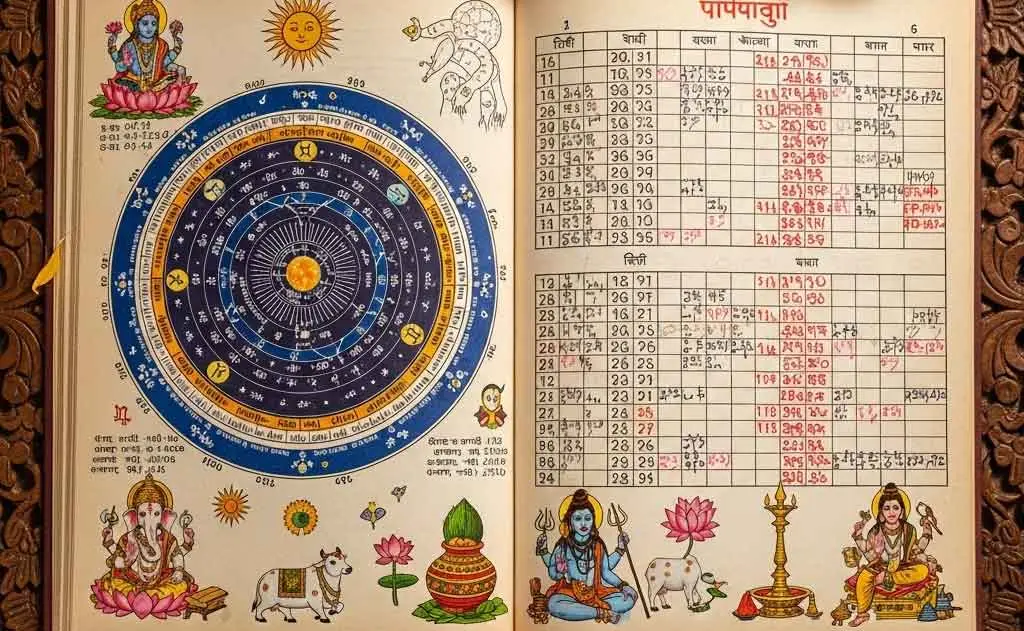
How India Will Celebrate Diwali 2025: A Complete Festival of Lights Guide
Introduction Diwali 2025, India's most magnificent Festival of Lights, will illuminate the nation with joy, prosperity, and spiritual significance.
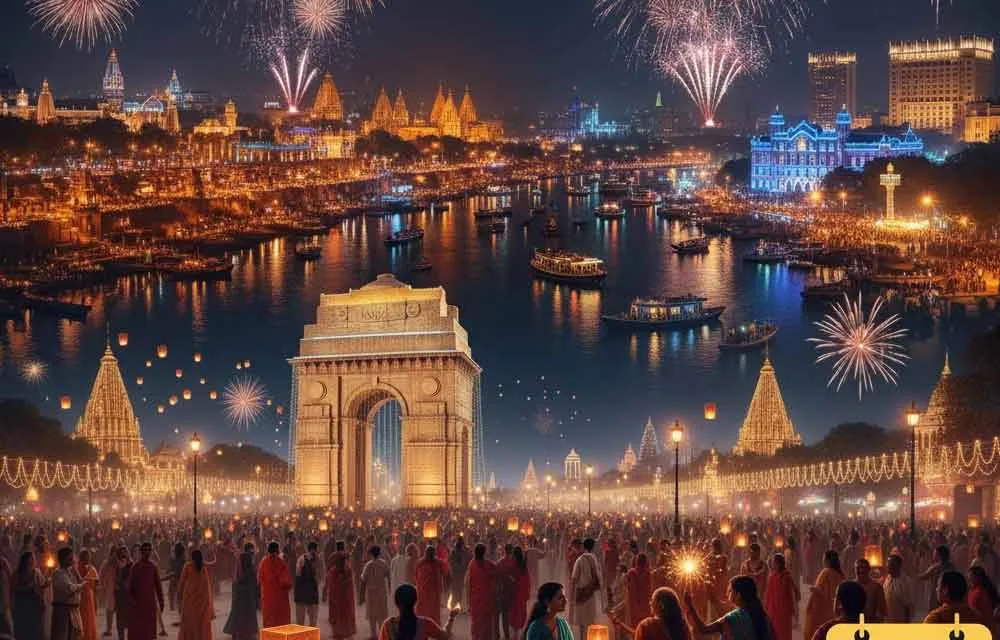
Introduction Diwali 2025, India's most magnificent Festival of Lights, will illuminate the nation with joy, prosperity, and spiritual significance.
Introduction
Diwali 2025, India's most magnificent Festival of Lights, will illuminate the nation with joy, prosperity, and spiritual significance. The main celebration falls on Tuesday, October 21, 2025, marking the auspicious occasion when millions of Indians will light diyas, worship Goddess Lakshmi, and celebrate the eternal triumph of light over darkness. This comprehensive guide explores how India will celebrate this grand five-day festival that represents the victory of good over evil, knowledge over ignorance, and hope over despair.
Diwali 2025 Dates: Complete Five-Day Festival Schedule
Diwali celebrations in 2025 span from October 18 to October 23, with each day holding unique spiritual significance and traditions across different regions of India.
Day 1 - Dhanteras (Saturday, October 18, 2025)
Dhanteras, observed on Kartik Krishna Paksha Trayodashi, marks the first day of Diwali festivities. This auspicious day is dedicated to Lord Dhanvantari, the god of health and Ayurveda, and is considered extremely favorable for wealth and prosperity.
Traditional Observances:
- Cleaning and decorating homes and workplaces to welcome prosperity
- Purchasing gold, silver, new utensils, and other auspicious items
- Lighting the first diyas at dusk to ward off negative energies
- Performing prayers for health, wealth, and wellbeing
- Creating elaborate rangoli designs at doorsteps
Day 2 - Naraka Chaturdashi/Choti Diwali (Monday, October 20, 2025)
The second day, observed on Kartik Krishna Paksha Chaturdashi, celebrates Lord Krishna's victory over the demon Narakasura. This day is also known as Kali Chaudas in some regions, commemorating Goddess Kali's defeat of the demon Raktabija.
Traditional Rituals:
- Taking ritual oil baths before sunrise
- Lighting oil lamps throughout homes
- Creating colorful rangoli patterns
- Preparing special sweets and delicacies
- Early morning prayers and mantras
Day 3 - Diwali/Lakshmi Puja (Tuesday, October 21, 2025)
The main festival day falls on Kartik Amavasya, the new moon day, when the sky is at its darkest, making the celebration of lights even more meaningful. This is the most significant day of the festival.
Main Day Celebrations:
- Lakshmi-Ganesh Puja for wealth, prosperity, and wisdom
- Lighting countless diyas, candles, and lanterns
- Spectacular fireworks displays (where permitted)
- Exchanging gifts, sweets, and dry fruits
- Wearing new clothes and jewelry
- Family gatherings and festive meals
Day 4 - Govardhan Puja/Annakut (Wednesday, October 22, 2025)
Observed on Kartik Shukla Paksha Pratipada, this day commemorates Lord Krishna lifting the Govardhan Hill to protect villagers from torrential rains caused by Lord Indra.
Regional Celebrations:
- Annakut (mountain of food) offerings in temples
- Worship of Lord Krishna
- Gujarati New Year celebrations
- Bali Pratipada in Maharashtra
- Preparing 56 or 108 different food items as offerings
Day 5 - Bhai Dooj (Thursday, October 23, 2025)
The final day, observed on Kartik Shukla Paksha Dwitiya, celebrates the sacred bond between brothers and sisters.
Traditional Customs:
- Sisters perform aarti for their brothers' wellbeing
- Tilak ceremony on brothers' foreheads
- Exchange of gifts and sweets
- Family gatherings and festive meals
- Prayers for long life and prosperity
The Spiritual Significance of Diwali
Diwali symbolizes the spiritual victory of Dharma over Adharma, light over darkness, good over evil, and knowledge over ignorance. The festival resonates with profound meaning across India's diverse religious and cultural landscape.
The Legend of Lord Rama's Return
Diwali commemorates the day Lord Rama returned to his kingdom in Ayodhya with his wife Sita and brother Lakshmana after defeating the demon king Ravana. After 14 years of exile, the citizens of Ayodhya welcomed their righteous king by illuminating the entire city with rows of oil lamps, establishing the tradition that continues today.
Goddess Lakshmi and Lord Ganesha
Diwali is widely associated with Lakshmi, the goddess of prosperity, and Ganesha, the god of wisdom and the remover of obstacles. Worshipping these deities together ensures both material prosperity and spiritual wisdom while removing obstacles from one's path.
How India Will Celebrate Diwali 2025: Regional Traditions
Northern India: The Homeland of Rama
In Uttar Pradesh, particularly in Ayodhya, Diwali celebrations reach spectacular heights. The holy city illuminates millions of diyas along the ghats of the Sarayu River, creating a breathtaking display that attracts visitors from around the world. Temples conduct special pujas, and cultural programs showcase the Ramayana through dance and drama performances.
Western India: New Year Celebrations
In Gujarat, Diwali marks the beginning of the new year. Businessmen perform Chopda Puja, sanctifying new account books by worshipping Goddess Saraswati, while families participate in traditional garba and dandiya celebrations. The state's vibrant markets bustle with shoppers purchasing new clothes, jewelry, and decorative items.
Eastern India: Kali Puja
Hindus of Eastern India and Bangladesh celebrate Diwali by worshipping the goddess Kali. In West Bengal, elaborate Kali Puja rituals take place throughout the night, with beautifully crafted idols of the goddess installed in pandals and homes. The celebrations blend traditional worship with cultural performances and community feasts.
Southern India: Victory Over Naraka
The Diwali festival in southern India commemorates the defeat of Asura Naraka, a king who imprisoned many people, with Lord Krishna freeing the prisoners. In Tamil Nadu, Deepavali begins before dawn with oil baths, followed by prayers and the bursting of firecrackers to symbolize the destruction of evil.
Maharashtra: Extended Festivities
In Maharashtra, Diwali festivities begin one day earlier on Govatsa Dwadashi, extending the celebration period and allowing families more time to observe traditional customs and spend time together.
Traditional Diwali Celebrations and Customs
The Art of Illumination
During the festival, celebrants illuminate their homes, temples, and workspaces with diyas (oil lamps), candles, and lanterns. The practice of lighting lamps represents the inner light that protects from spiritual darkness and guides toward enlightenment. Modern celebrations incorporate both traditional clay diyas filled with ghee or oil and contemporary electric lights, creating stunning visual displays.
Rangoli: Colorful Welcome Mats
Floors are decorated with rangoli designs, intricate patterns created using colored powders, rice, flower petals, and other materials. These artistic creations at doorways welcome Goddess Lakshmi and auspicious energies into homes while showcasing regional artistic traditions.
Ritual Oil Baths
Hindus have a ritual oil bath at dawn on each day of the festival. This purification ritual involves applying special herbal oils before bathing, symbolizing the cleansing of the body and soul. The practice is believed to remove negative energies and prepare devotees for divine blessings.
The Lakshmi Puja Ritual
Lakshmi Puja is the most significant ritual, where Goddess Lakshmi and Lord Ganesha are worshipped together. Families prepare elaborate altars with images or idols of the deities, offer flowers, fruits, sweets, and incense, and perform aarti (ceremonial worship with lamps) while chanting mantras invoking prosperity and wisdom.
Culinary Traditions: Sweets and Feasts
Food is a major focus with families partaking in feasts and sharing mithai (sweets). Diwali's culinary traditions showcase India's rich gastronomic heritage with region-specific delicacies.
Traditional Diwali Sweets
- Ladoos: Round sweet balls made from various ingredients like besan, coconut, or rava
- Barfi: Dense milk-based confections in various flavors
- Kaju Katli: Diamond-shaped cashew fudge
- Gulab Jamun: Soft milk-solid dumplings in rose-scented syrup
- Jalebi: Crispy spiral-shaped sweets soaked in sugar syrup
- Rasgulla: Spongy cottage cheese balls in syrup
- Mysore Pak: Gram flour and ghee-based sweet from Karnataka
Savory Delicacies
Families prepare elaborate festive meals featuring regional specialties, from spicy curries and biryanis to various types of bread, snacks like chakli and mathri, and traditional dishes that vary by community and region.
Multi-Faith Celebrations
While primarily a Hindu festival, Diwali brings together India's diverse religious communities in celebration.
Jain Diwali
Jains observe their own Diwali which marks the final liberation (moksha) of Mahavira, the 24th and last Tirthankara. Jain temples conduct special prayers, and devotees fast, meditate, and seek spiritual enlightenment on this sacred day.
Sikh Bandi Chhor Divas
Sikhs celebrate Bandi Chhor Divas to mark the release of Guru Hargobind from a Mughal prison. The Golden Temple in Amritsar becomes a focal point of celebration, illuminated with thousands of lights as devotees gather for prayers and community meals (langar).
Buddhist Observances
Many Buddhists in India mark the anniversary of Emperor Ashoka's conversion to Buddhism around the time of Diwali. Newar Buddhists in particular celebrate Diwali by worshipping Goddess Lakshmi, blending Buddhist and Hindu traditions.
Social and Cultural Significance
Family Bonding and Homecoming
The festival is an annual homecoming and bonding period not only for families, but also for communities and associations, particularly those in urban areas. People travel long distances to be with loved ones, making Diwali one of India's busiest travel periods.
Community Celebrations
Many towns organize community parades and fairs with music and dance performances in parks. Housing societies, neighborhood associations, and cultural organizations host events bringing people together in celebration, fostering community spirit and cultural preservation.
Gift Exchange Tradition
Hindus, Jains, and Sikhs send Diwali greeting cards to family near and far during the festive season, often with boxes of Indian confectionery. The exchange of gifts symbolizes love, respect, and good wishes, strengthening social bonds and relationships.
Honoring Ancestors
Another aspect of the festival is remembering the ancestors. Families perform rituals to honor deceased relatives, believing that their spirits visit during Diwali to bless the living.
Business and Economic Significance
Diwali marks a crucial period for Indian businesses and the economy. Traditional Hindu businessmen consider Diwali Puja particularly significant, worshipping ink bottles, pens, and new account books. This custom, known as Chopda Puja, symbolizes the start of a new fiscal year and seeks divine blessings for business prosperity.
Shopping Season
Diwali triggers India's biggest shopping season, comparable to Christmas in Western countries. Retailers offer significant discounts, and consumers purchase everything from gold and electronics to clothing and home furnishings. The jewelry market experiences particularly high activity, as buying gold during Dhanteras is considered auspicious.
Stock Market Muhurat Trading
Indian stock exchanges conduct special Muhurat Trading sessions on Diwali evening, considered highly auspicious for financial transactions. This ceremonial hour of trading marks the beginning of the new Samvat (Hindu calendar year) and is believed to bring prosperity for the year ahead.
Environmental Considerations for 2025
As environmental consciousness grows, many Indians are adopting eco-friendly celebration practices:
Sustainable Alternatives
- Using traditional clay diyas instead of electric lights
- Choosing green crackers or avoiding fireworks entirely
- Creating rangoli with natural materials like flower petals and colored rice
- Gifting plants instead of packaged goods
- Using biodegradable decorations
Air Quality Concerns
Several Indian cities, particularly in the northern plains, have implemented restrictions on firecracker usage to combat air pollution. Many communities now emphasize celebrating with lights rather than loud pyrotechnics, returning to the festival's original essence.
Diwali 2025: A Global Celebration
Diwali is a major cultural event for the Hindu, Sikh, and Jain diaspora. Indians around the world will celebrate with the same enthusiasm, organizing community events, cultural programs, and religious ceremonies in their adopted countries.
The main day of Diwali is an official holiday in Fiji, Guyana, India, Malaysia, Mauritius, Myanmar, Nepal, Pakistan, Singapore, Sri Lanka, Suriname, and Trinidad and Tobago, reflecting the festival's global significance.
Notably, California became the first US state to recognize Diwali as an official state holiday in October 2024, acknowledging the significant Indian-American population and the festival's cultural importance.
Preparing for Diwali 2025
Home Preparation
Weeks before Diwali, Indian households begin thorough cleaning and renovation projects. This tradition, called "Diwali cleaning," symbolizes removing negativity and making space for positive energies. Homes receive fresh coats of paint, old items are discarded, and spaces are organized.
Shopping and Gifting
The markets buzz with activity as people shop for:
- New clothes and jewelry for family members
- Decorative items including diyas, lanterns, and rangoli supplies
- Gifts for relatives, friends, and business associates
- Sweets and dry fruits for distribution
- Puja supplies and religious items
Spiritual Preparation
Devotees prepare spiritually through:
- Reading sacred texts like the Ramayana and Bhagavad Gita
- Practicing meditation and yoga
- Performing charity and helping the less fortunate
- Resolving conflicts and seeking forgiveness
- Setting positive intentions for the new year
Conclusion
Diwali 2025 promises to be a spectacular celebration of India's rich cultural heritage, spiritual traditions, and communal harmony. As millions of diyas illuminate homes across the nation on October 21, the festival will once again demonstrate the timeless message that light triumphs over darkness, knowledge conquers ignorance, and good ultimately prevails over evil.
Whether celebrated through traditional rituals in ancestral villages or modern festivities in bustling cities, Diwali 2025 will bring families together, strengthen community bonds, and renew the collective spirit of hope and prosperity. The Festival of Lights remains not just a religious observance but a cultural phenomenon that defines Indian identity and spreads joy across borders.
As India prepares to welcome Goddess Lakshmi with millions of twinkling lights, the nation reaffirms its commitment to values of righteousness, prosperity, knowledge, and harmony—illuminating not just physical spaces but hearts and minds with the eternal light of wisdom and compassion.
Shubh Deepavali 2025! May the Festival of Lights bring joy, prosperity, and enlightenment to all.
Frequently Asked Questions
When is How India Will Celebrate Diwali?
How India Will Celebrate Diwali falls on October 21, 2025.
What is the significance of How India Will Celebrate Diwali?
Introduction Diwali 2025, India's most magnificent Festival of Lights, will illuminate the nation with joy, prosperity, and spiritual significance. The main celebration falls on Tuesday, October 21, 2025, marking the auspicious occasion when millions of Indians will light diyas, worship Goddess Lakshmi, and celebrate the eternal triumph of light over darknes
How is How India Will Celebrate Diwali celebrated?
Devotees observe it with puja, fasting or special offerings, visiting temples, chanting mantras, and gathering with family. Customs vary by region and tradition.
What should devotees do on How India Will Celebrate Diwali?
Take a sacred bath, perform the day's puja and charity (dana), observe any prescribed fast, and chant mantras with sincere devotion.
You might also like
Gita Jayanti 2026 Prasad Recipes — Tulsi-Honoring Sweets, Krishna's Favourites & December 10 Bhog Plate
Shani Deva Temples Worldwide & Must-Performed Rituals — Complete Devotee's Guide
Maha Shivratri 2026 Vrat Recipes — Sabudana Khichdi, Singhada Halwa, Phalahara Foods Complete Fasting Guide