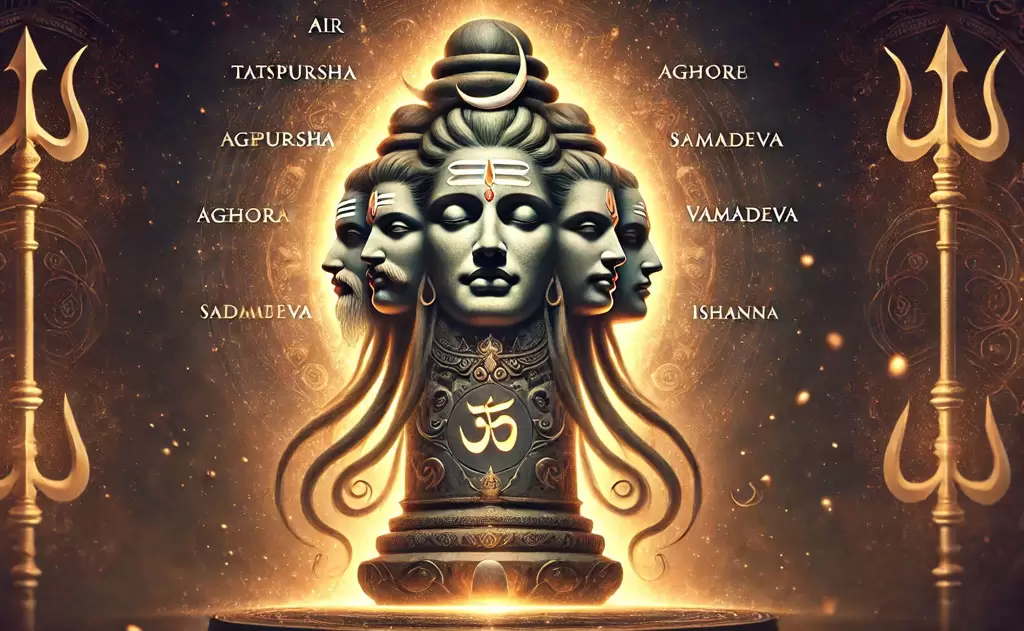
Shiva Tandava Stotram: A Divine Hymn of Devotion and Power
The Shiva Tandava Stotram is a profound Sanskrit hymn that resonates with the cosmic energy of Lord Shiva, the supreme destroyer and creator.
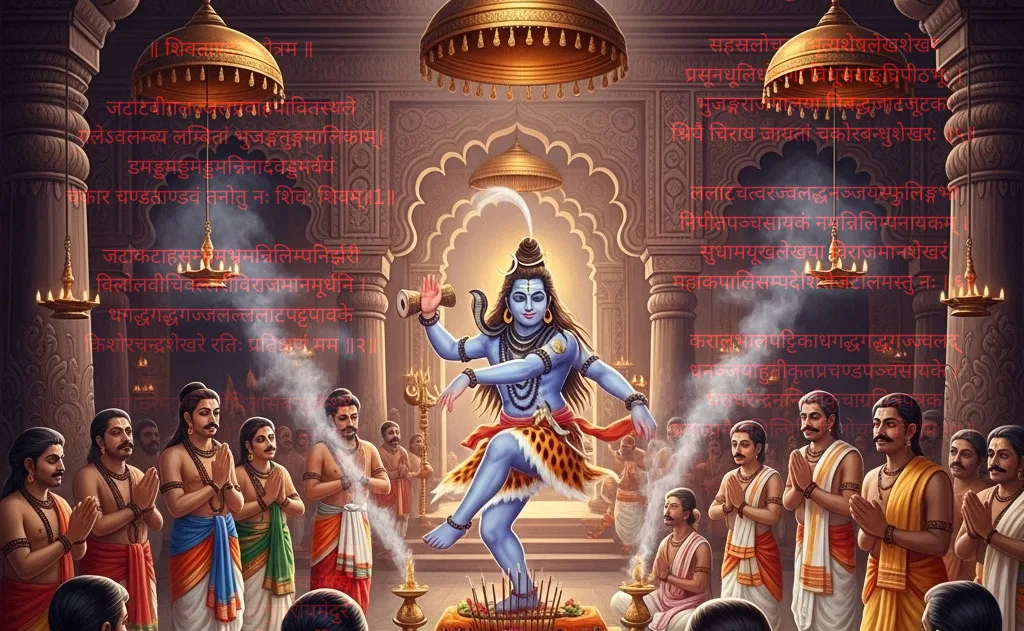
The Shiva Tandava Stotram is a profound Sanskrit hymn that resonates with the cosmic energy of Lord Shiva, the supreme destroyer and creator.
The Shiva Tandava Stotram is a profound Sanskrit hymn that resonates with the cosmic energy of Lord Shiva, the supreme destroyer and creator. Composed by the mighty Ravana, this 17-verse stotra captures the raw majesty and rhythmic dance (Tandava) of Mahadev, the Lord of Time and Consciousness. At www.hindutone.com, we bring you an SEO-optimized guide to understanding, chanting, and embracing the spiritual essence of this divine composition, perfect for devotees seeking to deepen their connection with Shiva.
The Origin and Significance of Shiva Tandava Stotram
Legend has it that Ravana, the demon king and ardent devotee of Shiva, crafted this stotra as an act of penance. After attempting to lift Mount Kailasa and being humbled by Shiva, Ravana’s heartfelt devotion moved the Lord to forgive him. The Shiva Tandava Stotram is more than a hymn—it is a poetic masterpiece that blends intense devotion (bhakti rasa), cosmic symbolism, and philosophical depth, making it a timeless spiritual treasure in Sanatan Dharma.
Understanding the Essence of the Stotram
The Shiva Tandava Stotram glorifies Shiva’s Tandava dance, a cosmic performance that symbolizes the cycle of creation, preservation, and destruction. Its verses are rich with imagery—matted hair adorned with the Ganga, serpents as ornaments, the resonating Damaru drum, and the crescent moon—each reflecting Shiva’s divine attributes. This hymn is a celebration of balance, where the fierce energy of destruction harmonizes with the gentle grace of creation, embodied by Parvati.
Key Themes and Symbolism
- Fire and Ashes: Represent the destruction of ego and the embrace of detachment.
- Serpents: Symbolize the life force (prana) and spiritual awakening.
- Crescent Moon: Signifies mastery over the mind and time.
- Ganga: Embodies the descent of divine knowledge into the soul.
Complete Shiva Tandava Stotram Mantra
Below is the full text of the Shiva Tandava Stotram in Sanskrit, as traditionally recited. Devotees are encouraged to chant it with devotion, preferably during auspicious times like early morning or during Maha Shivratri.
जटाटवीगलज्जलप्रवाहपावितस्थले
गलेऽवलम्ब्य लम्बितां भुजङ्गतुङ्गमालिकाम्।
डमड्डमड्डमड्डमन्निनादवड्डमर्वयं
चकार चण्डताण्डवं तनोतु नः शिवः शिवम्॥१॥
जटाकटाहसंभ्रमभ्रमन्निलिम्पनिर्झरी-
विलोलवीचिवल्लरीविराजमानमूर्धनि।
धगद्धगद्धगज्ज्वलल्ललाटपट्टपावके
किशोरचन्द्रशेखरे रतिर्भक्तिरमुदाहृत॥२॥
धराधरेन्दुर्नन्दिनीकुचाग्रचित्रपत्रक-
प्रकल्पनायकस्तिलकचरचरचन्द्रिके।
प्रदोषप्रदोषप्रचण्डप्रचण्डताण्डवे
दृशादृशादृशादृशाध्वनिमन्त्रितप्रगल्भके॥३॥
दृशद्विचित्रतल्पयोर्भुजङ्गमौक्तिकस्रजोर्-
गरिष्ठरत्नलोष्ठयोः सुहृद्विपक्षपक्षयोः।
तृणारविन्दचक्षुषोः प्रजामहीमहीपयोः
समं प्रविभागमाधुर्यं हनोतु नः शिवः शिवम्॥४॥
सहजमहिम्नो निपुणारविन्दपाटल-
दलदलनविभृता विबृता महाकपाली।
सपरिवरममरनारीवहन्तरङ्गिर्वधद्-
वहन्तरङ्गिर्वधद्वहन्तरङ्गिर्वधद्ध्वजः॥५॥
करालभालपट्टिकाधगद्धगद्धगज्ज्वल-
दहनकनिकरेत्रयसौहितापर्यन्तं।
पद्मजापरागशिखरप्रभा चतुरारिविमर्दन-
स्मरहरमहाश्वासदहनविपरितक्षया॥६॥
सहस्रलोचनप्रभृत्यशेषलेखशेखर-
प्रसूनधूलिधोरणीविधूसरपावली।
प्रकटितपरिदीपितापरिजटभसितंपरिलसद्-
धृतमुण्डमालया निलिम्पनिर्झरीमधुकरनी॥७॥
प्रफुल्लनीलपङ्कजप्रपञ्चकालिमप्रभा-
वलम्बिकण्ठकन्दलीरुचिप्रबद्धकन्धरम्।
स्मरच्छिदं पुरच्छिदं भवच्छिदं मखच्छिदं
गजच्छिदान्धकच्छिदं तमन्तकच्छिदं भजे॥८॥
अखर्वसर्वमङ्गलाकलाकदम्बमञ्जरी-
रसप्रवाहमाधुरीविजृम्भणामधुव्रतम्।
स्मरान्तकं पुरान्तकं भवान्तकं मखान्तकं
गजान्तकान्धकान्तकं तमन्तकान्तकं भजे॥९॥
जयत्वदभ्रविभ्रमभ्रमद्भुजङ्गमशफु-
रधगधगधिग्धनरार्कटोहनीरिताम्।
प्रचण्डवदावदल्प्रचण्डचण्डविक्रम-
प्रचण्डप्रचण्डनदप्रचण्डबन्धनः॥१०॥
अखर्वसर्वमङ्गलाकलाकदम्बमञ्जरी-
रसप्रवाहमाधुरीविजृम्भणामधुव्रतम्।
स्मरान्तकं पुरान्तकं भवान्तकं मखान्तकं
गजान्तकान्धकान्तकं तमन्तकान्तकं भजे॥११॥
धराधरेन्दुर्नन्दिनीकुचाग्रचित्रपत्रक-
प्रकल्पनायकस्तिलकचरचरचन्द्रिके।
प्रदोषप्रदोषप्रचण्डप्रचण्डताण्डवे
दृशादृशादृशादृशाध्वनिमन्त्रितप्रगल्भके॥१२॥
शिवत्ताण्डवं तनोतु नः शिवः शिवम्।
शिवत्ताण्डवं तनोतु नः शिवः शिवम्।
शिवत्ताण्डवं तनोतु नः शिवः शिवम्।
शिवत्ताण्डवं तनोतु नः शिवः शिवम्॥१३॥
Pronunciation Guide
For those new to Sanskrit, pronouncing the stotra correctly enhances its spiritual potency. Seek guidance from a learned priest or use audio resources to master the rhythm and intonation.
Benefits of Chanting Shiva Tandava Stotram
Reciting the Shiva Tandava Stotram with devotion yields numerous spiritual and worldly benefits:
- Spiritual Growth: Awakens inner Shakti and fosters a deep connection with Shiva.
- Mental Clarity: Enhances focus, removes inertia (tamas), and alleviates fear.
- Protection: Shields against negative energies and planetary doshas.
- Prosperity: Attracts strength, fame, and peace, as promised in the stotra’s concluding verse.
- Devotional Bond: Daily recitation makes one dear to Lord Shiva, as per tradition.
How to Perform Shiva Tandava Stotram Puja at Home
- Preparation: Bathe, wear clean clothes, and set up a small altar with a Shiva Lingam or image.
- Offerings: Place bilva leaves, milk, honey, and flowers before the deity.
- Chanting: Sit facing east or north, light a ghee lamp, and chant the stotra 11 or 108 times, depending on your devotion and time.
- Meditation: Conclude with meditation on Shiva’s form, visualizing his Tandava dance.
- Aarti: Perform an aarti with the mantra “Om Namah Shivaya” to seal the puja.
Why Chant the Shiva Tandava Stotram?
This hymn is a bridge between the devotee and the infinite, encapsulating the essence of Shiva’s cosmic dance. Its rhythmic verses mirror the universe’s vibrations, offering a path to surrender, strength, and transcendence. Whether you seek liberation or simply wish to immerse in Shiva’s divine energy, the Shiva Tandava Stotram is a powerful tool in your spiritual arsenal.
Embrace the Divine Rhythm
At www.hindutone.com, we are dedicated to sharing the sacred wisdom of Sanatan Dharma. Download the Shiva Tandava Stotram text, practice its recitation, and experience the transformative power of this ancient hymn. Share your favorite verse or devotional experience in the comments below, and stay tuned for more spiritual content on our website!
Frequently Asked Questions
What is the Shiva Tandava Stotram?
The Shiva Tandava Stotram is a profound Sanskrit hymn that resonates with the cosmic energy of Lord Shiva, the supreme destroyer and creator. Composed by the mighty Ravana, this 17-verse stotra captures the raw majesty and rhythmic dance (Tandava) of Mahadev, the Lord of Time and Consciousness.
How many times should the Shiva Tandava Stotram be chanted?
It is traditionally chanted 108 times using a rudraksha or tulsi mala. Even 11 or 21 sincere repetitions daily are considered beneficial — steady, focused practice matters more than the count.
What is the best time to chant the Shiva Tandava Stotram?
Dawn (Brahma Muhurta) after a bath is considered ideal, though it may be chanted any time with a calm, focused mind. Many devotees keep a fixed daily time to build consistency.
Who can chant the Shiva Tandava Stotram?
Anyone may chant it with faith and a pure mind, regardless of age, gender or background. Beginners benefit from first hearing the correct pronunciation and understanding its meaning.
What are the benefits of chanting the Shiva Tandava Stotram?
Devotees chant it to invoke Lord Shiva's grace — for inner peace, protection, focus and spiritual progress.
You might also like
Om Namah Shivaya: 108 Times Chanting Benefits & Method — Complete Panchakshara Mantra Guide
The Resolve of a Monk – A Divine Incident Showcasing Kanchi Paramacharya’s Compassion
Lord Shiva: The Three Faces NRI Devotees Should Know in 2026